Worried about eye gunk in your dog? Learn what different discharge colors mean, how to clean eyes safely with warm water or saline, and the red flags that ne...
Article
•
Designer Mixes
Dog Eye Discharge: Home Care and When to Go

Shari Shidate
Designer Mixes contributor
Seeing “gunk” in your dog’s eyes can be unsettling, especially when it seems to show up overnight. The good news is that many cases of mild eye discharge are simple and temporary, like normal sleep crust or a little irritation from dust. But because eyes are delicate, it also helps to know the early warning signs that mean it is time to call your veterinarian.
What eye discharge can look like
Eye discharge is anything that collects in the corners of the eyes or along the lashes. The color, thickness, and amount often give helpful clues. You do not need to diagnose the cause at home, but you can use the pattern to decide if home care is reasonable or if your pup should be seen.
- Clear and watery: often allergies, mild irritation, wind, or hair rubbing the eye.
- White or gray mucus: can happen with dry eye, irritation, or early inflammation.
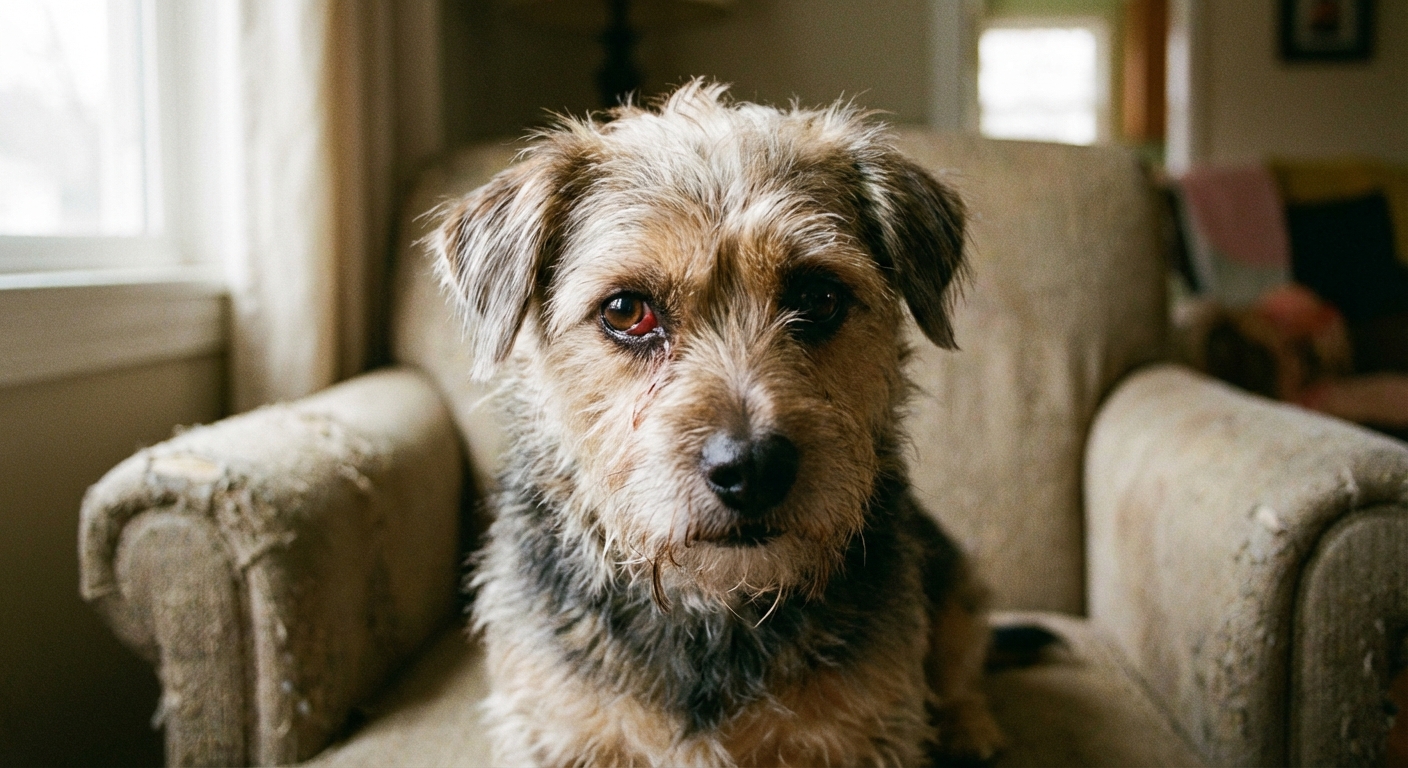
- Yellow or green discharge: can be seen with infection, but it can also be secondary to significant irritation or a corneal injury. Treat it as a sign to check in with your veterinarian, especially if it is increasing.
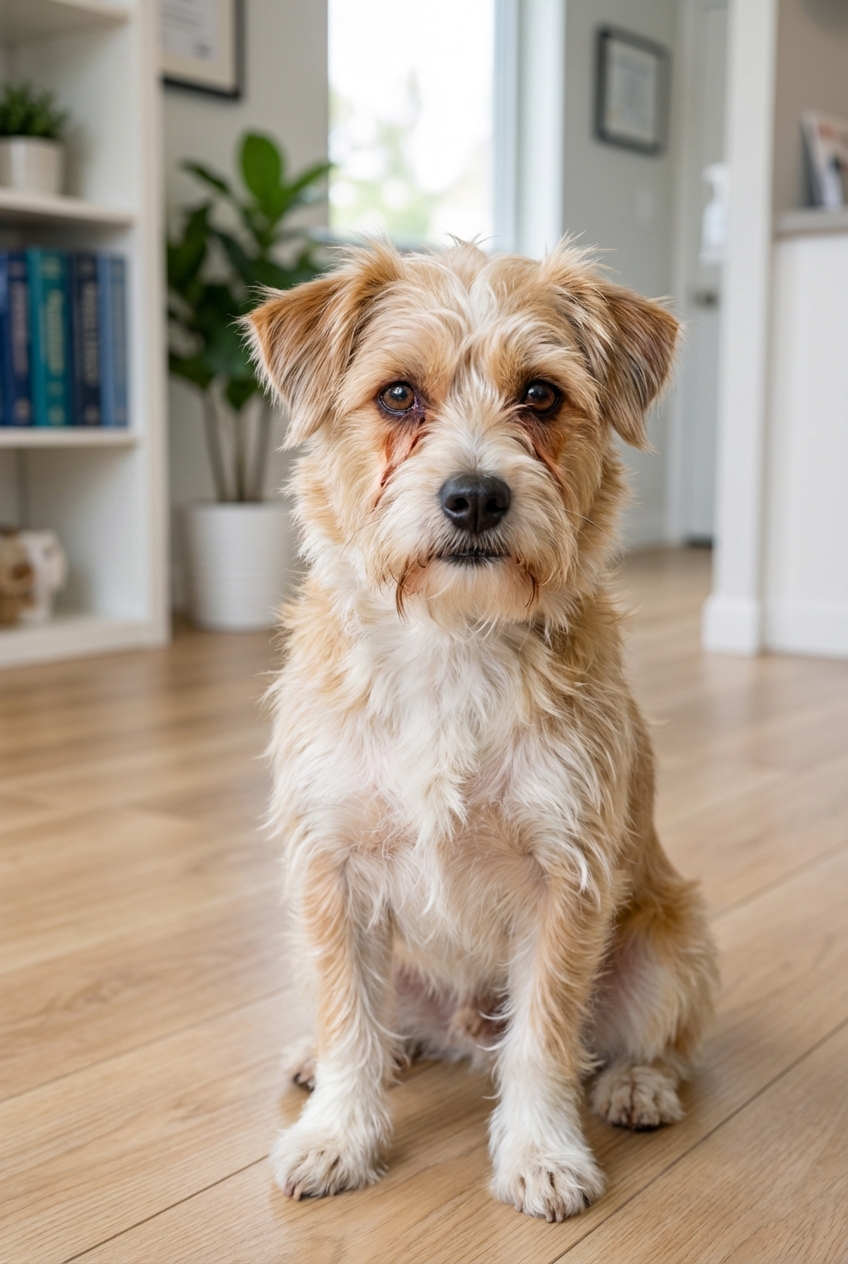
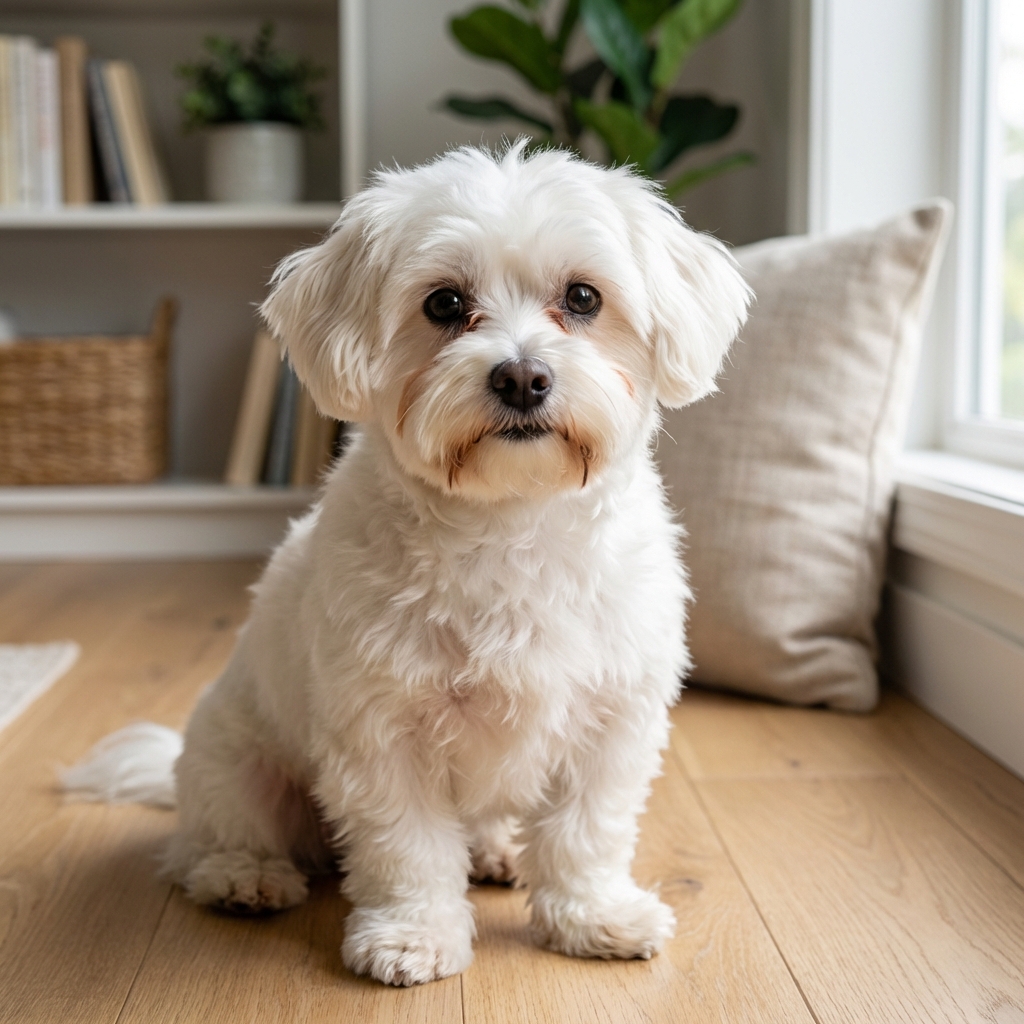
- Reddish-brown tear staining: common in light-coated dogs; can be normal but may also happen with tear overflow (epiphora), drainage issues, allergies, or chronic irritation.
- Crusty debris after sleep: small amounts can be normal, similar to “sleep” in human eyes.
Common reasons dogs get eye discharge
In clinic settings, I always tell families the same thing: eye issues can look similar on the surface, even when the causes are different. Here are some of the most common possibilities your veterinarian may consider.
- Allergies: seasonal pollen, dust mites, or indoor irritants can trigger watery eyes and mild redness.
- Foreign material: dust, sand, plant bits, or shampoo can irritate the eye and cause tearing.
- Hair or lashes rubbing the eye: especially in doodles and fluffy mixes, hair can act like a tiny brush on the cornea (the clear surface of the eye).
- Conjunctivitis: inflammation of the tissues around the eye; can be non-infectious (allergic or irritant) or infectious.
- Dry eye (keratoconjunctivitis sicca): not enough tear production, often causing thicker mucus and redness.
- Tear overflow or drainage issues (epiphora): tears spill over and stain the fur. This is often related to facial shape, eyelids, hair contact, or chronic irritation. True nasolacrimal duct blockage can happen, but is less common than overflow. It is also common in flat-faced (brachycephalic) breeds.
- Eyelid shape issues: entropion (lid rolling inward) or ectropion (lid drooping outward) can cause chronic irritation and discharge.
- Corneal scratch or ulcer: can happen from rough play, a cat swipe, or rubbing the face on carpet.
Home care that is usually safe
If your dog is acting normal, the eye is open comfortably, and the discharge is mild, you can often start with gentle home care for 24 to 48 hours. The goal is to keep the eye area clean and reduce irritation, not to “treat” an infection at home.
1) Clean the area gently
- Wash your hands.
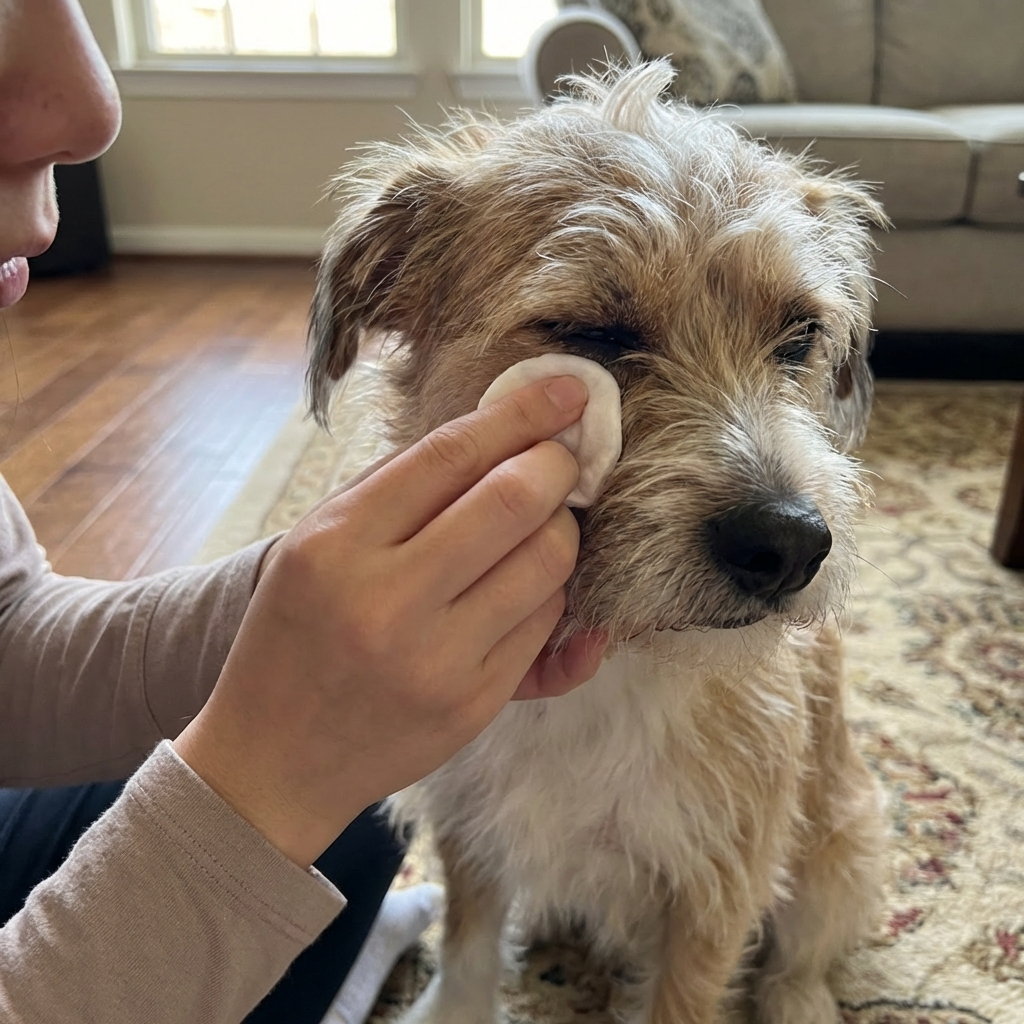
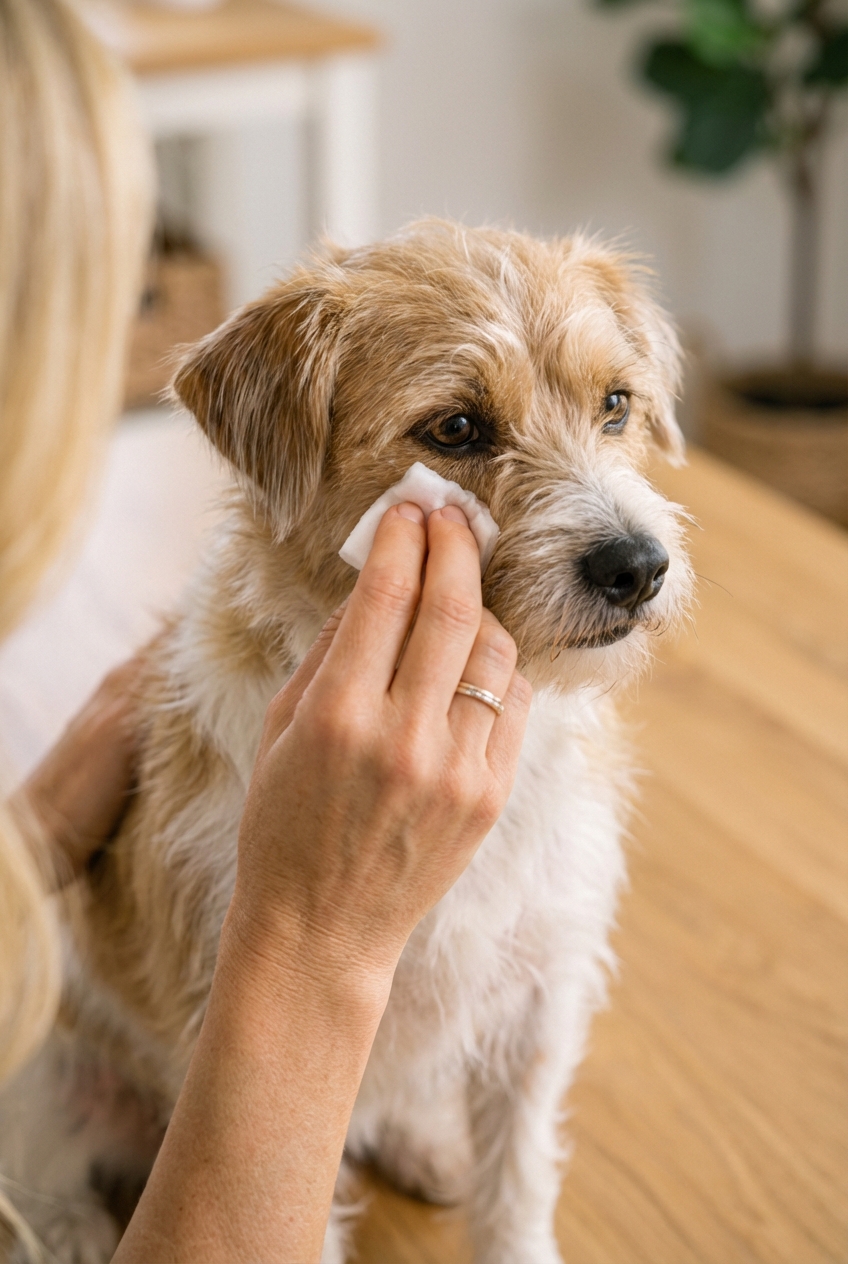
- Use a soft cotton pad or clean gauze dampened with sterile saline or warm water.
- Wipe from the inner corner outward, using a fresh pad for each wipe.
- For crusts, hold the warm, damp pad on the area for 15 to 30 seconds to soften first.
Note: Warm water is fine for wiping the surrounding fur and skin. For flushing the eye itself, use sterile saline. Avoid putting tap water directly into the eye.
2) Use sterile saline drops if you have them
Plain sterile saline (the kind meant for rinsing, not medicated “redness relief”) can help flush mild irritants. If you are unsure what you have at home, skip it and stick with warm compresses and gentle wiping around the eye.
If your veterinarian approves it, preservative-free artificial tears may be okay for comfort in some situations. Avoid any product that claims “gets the red out,” and never use steroid eye drops unless your veterinarian has specifically prescribed them.
3) Prevent rubbing
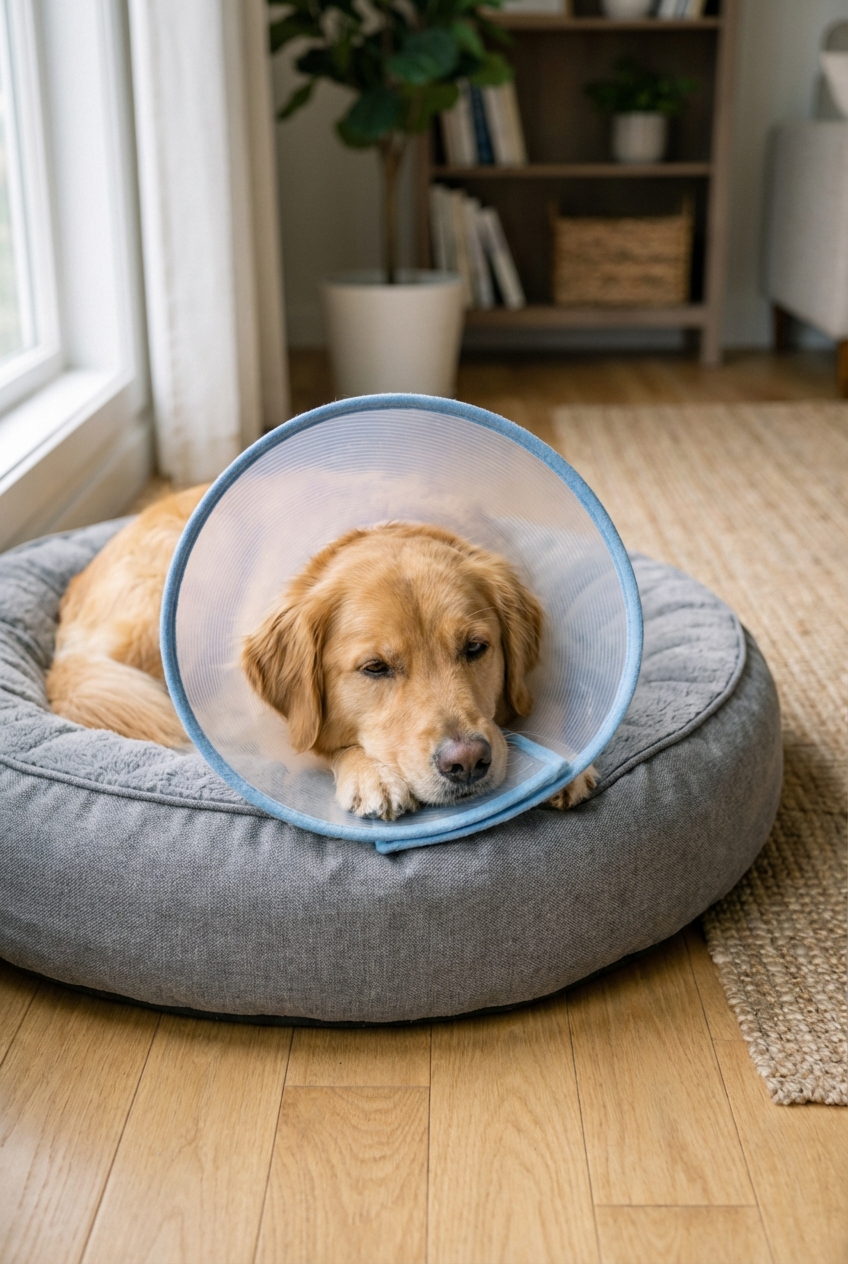
Rubbing can turn a mild irritation into a corneal injury. If your dog is pawing at the face, an e-collar (cone) for a short period can be protective until your veterinarian advises next steps.
4) Check the environment
- Avoid smoke, heavy fragrances, dusty rooms, and lawn chemicals.
- After baths, rinse shampoo thoroughly and keep it away from the eyes.
- If your dog rides with their head out the window, consider stopping that habit, since wind and debris can irritate eyes quickly.
What not to do
Eyes heal best when we avoid “kitchen cabinet medicine.” A few common mistakes can worsen the problem or delay real treatment.
- Do not use human eye drops unless your veterinarian specifically tells you to. Decongestant “redness relief” drops can irritate, and steroid-containing drops can be dangerous if an ulcer is present.
- Do not use leftover pet medications from a previous eye issue. Different causes need different treatments.
- Do not pick at debris stuck to the eyelid or surface of the eye.
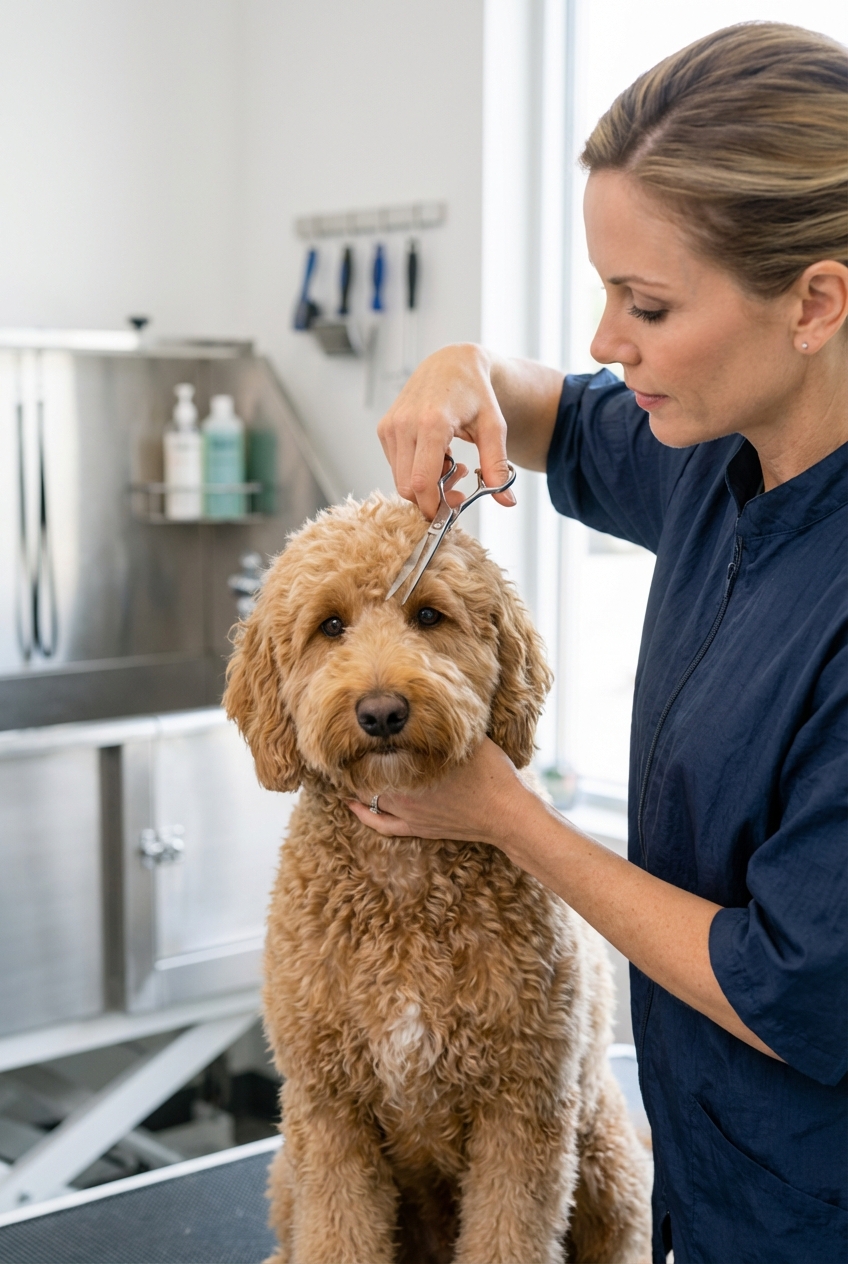
- Do not let grooming hair poke the eyes. For curly-coated mixes, keeping face hair trimmed can prevent recurring irritation.
When to call your veterinarian urgently
If you notice any of the signs below, it is safest to call your veterinarian the same day. Eye conditions can progress quickly, and earlier care usually means faster relief.
- Squinting, keeping the eye closed, or obvious pain
- Yellow or green discharge, especially if increasing
- Redness that is spreading or looks intense
- Cloudy or blue haze over the eye
- Swelling of the eyelids or the area around the eye
- Sudden sensitivity to light
- Trauma (scratch, hit, rough play) or possible foreign object
- Unequal pupil size or the eye looks like it is bulging
- Your dog is lethargic, not eating, or seems “off” along with eye symptoms
- One-eye symptoms with discomfort or worsening redness
Emergency: If the eye is suddenly very painful, the cornea looks white or opaque, there is bleeding, the eye seems protruded, your dog cannot open the eye, or there was chemical exposure (cleaners, pesticides, pool chemicals), seek urgent care right away.
When home care is reasonable
Home care is most appropriate when all of these are true:
- Discharge is mild and your dog is otherwise acting normal
- The eye is open comfortably, with minimal redness
- Discharge is clear and watery or small amounts of light crust after sleep
- Symptoms are improving within 24 to 48 hours with gentle cleaning
If it is not improving, or it returns again and again, schedule an exam. Chronic discharge is often linked to allergies, dry eye, eyelid shape, facial structure, or hair contact, and those issues usually need a plan.
What your veterinarian may do
At the clinic, your veterinarian may recommend a few quick tests that are very common and generally well tolerated:
- Fluorescein stain: checks for scratches or corneal ulcers.
- Schirmer tear test: measures tear production to rule out dry eye.
- Eye pressure check: helps screen for glaucoma or other pressure-related issues.
- Exam under the eyelids: looks for trapped debris or inward-turning lashes.
Treatment might include prescription drops or ointment, allergy support, pain relief when appropriate, and grooming or preventive strategies for dogs whose hair or eyelids repeatedly irritate their eyes.
Contagion and hygiene
Some causes of conjunctivitis can be infectious. If your dog has goopy discharge, redness, and you suspect it may be contagious, take a few basic precautions until your veterinarian weighs in:
- Wash your hands after wiping the eyes.
- Do not share washcloths, towels, or bedding between pets.
- Avoid close face-to-face contact with other dogs outside your household until evaluated.
Simple prevention tips
- Keep face hair tidy, especially for curly-coated designer mixes.
- Wipe the eye corners daily with a damp cotton pad if your dog is prone to buildup.
- Use a gentle, tear-free shampoo and rinse thoroughly during baths.
- Address allergies early with your veterinarian, especially if eye discharge comes with licking paws, ear redness, or frequent scratching.
- Choose safe play areas and avoid tall, seedy grasses that can poke eyes.
A calm next step
If your dog has mild discharge but seems comfortable, start with gentle cleaning and watch closely for 24 to 48 hours. If you see pain, colored discharge, cloudiness, swelling, chemical exposure, or no improvement, trust your instincts and call your veterinarian. With eyes, earlier care is almost always the kindest option.
Quick reminder: This article is for general education and does not replace an exam. If you are unsure, it is always appropriate to call your veterinary clinic and describe exactly what you are seeing.