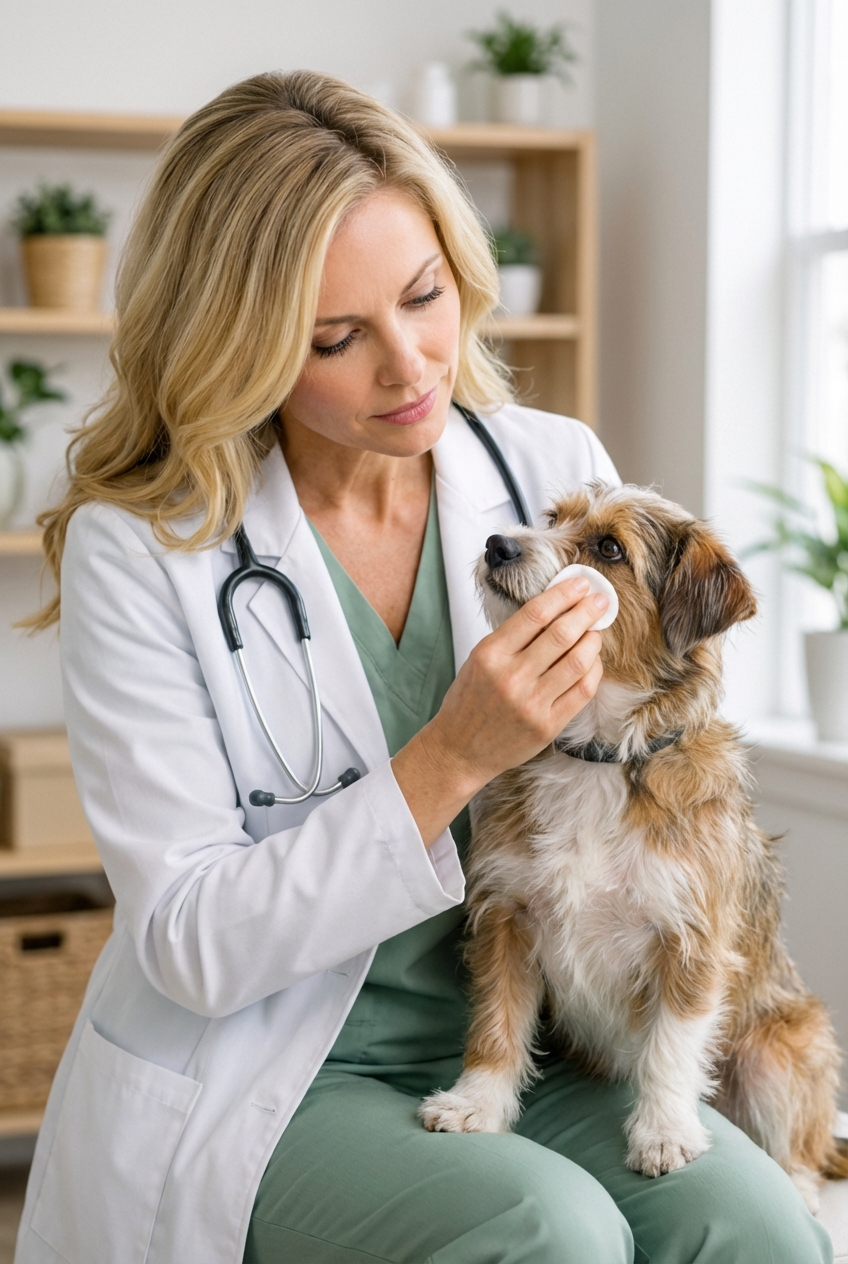
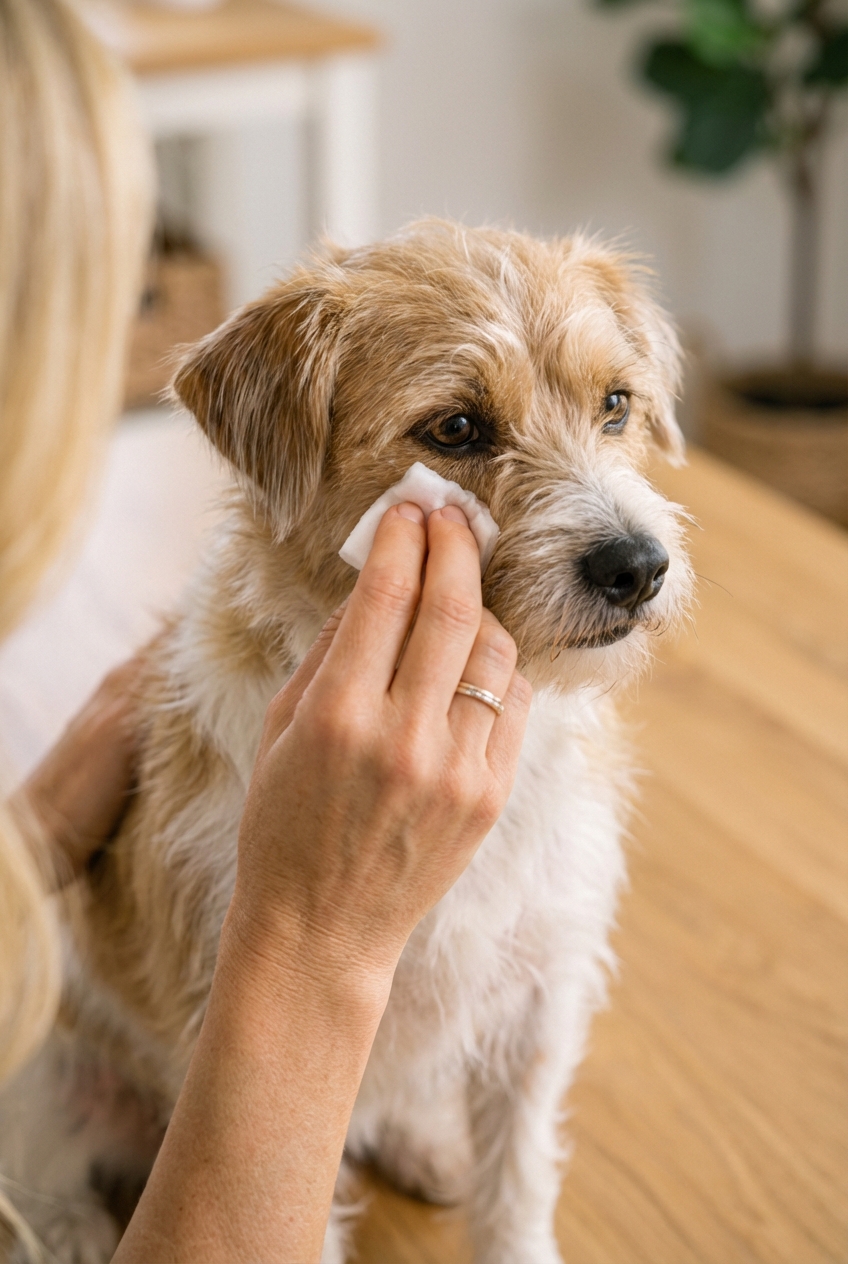
Not sure if your dog’s eye boogers are normal? Learn common causes (allergies, dry eye, infection, debris), a color guide, safe cleaning steps, and urgent ...
Article
•
Designer Mixes
Dog Eye Boogers

Shari Shidate
Designer Mixes contributor
Dog eye boogers are one of those everyday things that can look alarming, even when they are completely normal. As a veterinary assistant here in Frisco, Texas, I see a lot of worried pet parents walk in with the same question: Is this gunk harmless, or is it a sign of something bigger?
This guide will help you quickly tell the difference between normal eye discharge and a problem that needs a vet visit. I will also show you safe, simple ways to clean your dog’s eyes and reduce recurrence.
What eye boogers are
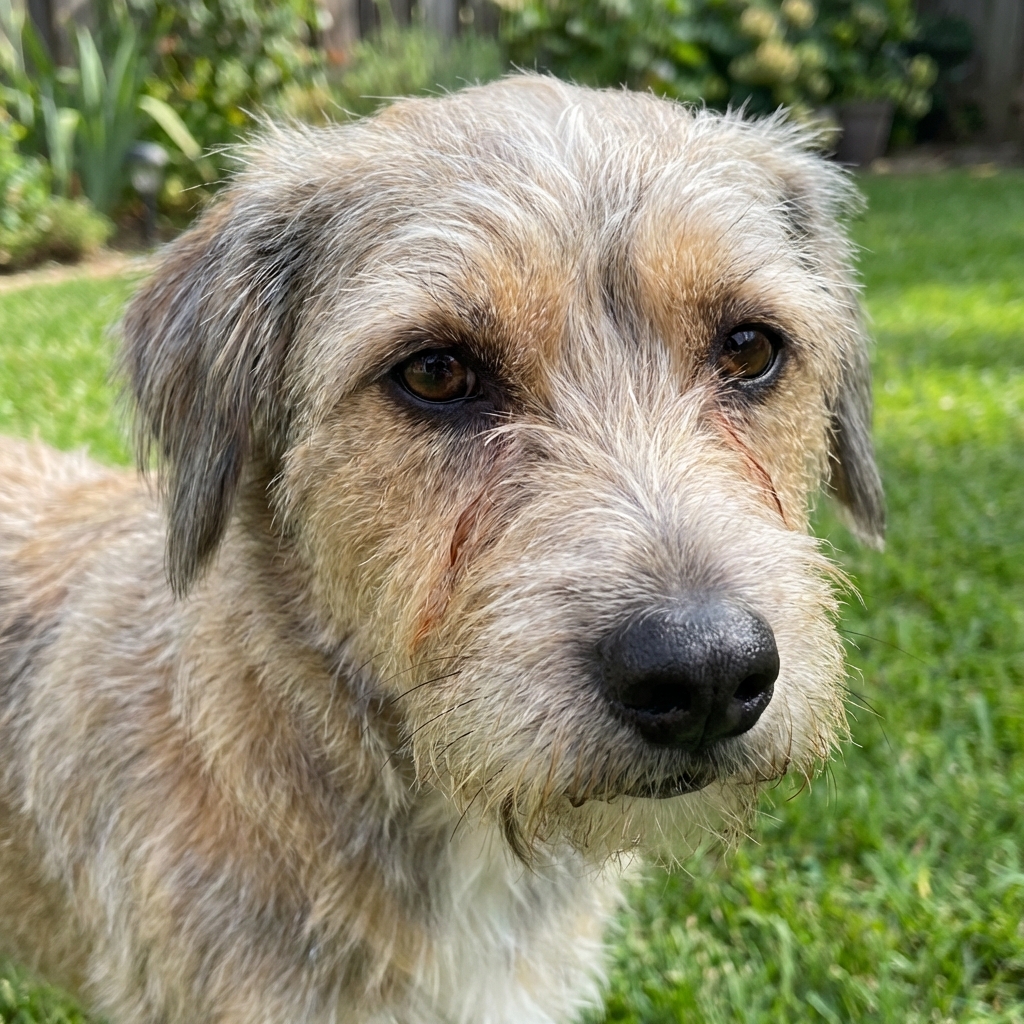
Eye boogers, also called eye discharge, are a mix of tears, mucus, natural oils, dust, pollen, and tiny bits of debris that get trapped near the eyelids. When tears evaporate, the leftover material can dry into crust or stay semi-gooey depending on humidity and your dog’s tear production.
A small amount of discharge can be normal, especially:
- After sleep (similar to “sleep” in human eyes)
- After a windy walk or time outdoors
- During allergy seasons
- In dogs with prominent eyes
Normal vs not normal
Usually normal
- Small amount of clear, watery tears
- Light tan or brown crust in the inner corner, especially in the morning
- No redness, squinting, pawing, or odor
- Both eyes look similar (mild and symmetrical)
More concerning
Reach out to your veterinarian if you notice any of the following:
- Yellow, green, or thick discharge (often linked with infection or significant inflammation)
- Persistent one-sided discharge (one eye only)
- Redness of the whites of the eye or eyelids
- Squinting, blinking hard, or holding the eye closed
- Pawing at the face or rubbing the eye on furniture or carpet
- Swelling around the eye
- Cloudiness or a bluish haze on the surface of the eye
- Sudden sensitivity to light
- Sudden vision changes (bumping into things, acting unsure in familiar spaces)
- Unusual odor from the discharge
If your dog is squinting or keeping an eye closed, treat it as urgent. Corneal ulcers can worsen quickly, and early care can protect vision.
Why dogs get eye boogers
There is no single cause, which is why it helps to look at the whole dog and the pattern over time. Here are the most common reasons we see.
1) Normal tear drainage and daily debris
Tears are supposed to drain through tiny openings near the inner corner of each eye. If your dog produces a little extra tear fluid or picks up extra dust outside, you may notice more crust.
2) Allergies (environmental or seasonal)
Pollen, grasses, mold, and dust can trigger watery eyes, mild swelling, and increased gunk. Allergy-related discharge is often clear to slightly cloudy, and you may also see licking paws, ear issues, or itchy skin.
3) Conjunctivitis
Conjunctivitis is inflammation of the tissue around the eye. It can be caused by infection, allergies, irritants, or underlying eye conditions. Many cases are not contagious and are secondary to allergies, dry eye, or anatomy, but infectious cases can spread through close contact.
4) Dry eye (KCS)
Some dogs do not make enough watery tears. The eye tries to compensate with thicker mucus, which can look like sticky, ropey discharge. Dry eye is uncomfortable and can lead to corneal damage if untreated.
5) Blocked tear ducts or facial structure
Flat-faced breeds and mixes (like Pugs, Shih Tzus, and Bulldogs) can have facial structure that encourages tear overflow. Some dogs also have narrowed or blocked tear ducts.
Doodle mixes and other fluffy, face-hair breeds often deal with hair-related irritation rather than true flat-face anatomy. Hair rubbing the eye can trigger tearing and gunk.
6) Eyelash or eyelid issues
Conditions like distichia (extra eyelashes) or entropion (lid rolling inward) can cause constant irritation, tearing, and discharge.
7) Foreign material or injury
A blade of grass, foxtail, sand, or a minor scratch can lead to sudden tearing, squinting, and discharge. This is especially common after hiking or tall-grass play.
Color and texture clues
Color alone cannot diagnose an eye condition, but it can help you decide what to do next. In general, irritation and allergies are more common when discharge is clear and watery. Infection is more likely when discharge becomes thick yellow-green and the eye looks red or painful.
- Clear and watery: often allergies, irritation, wind, mild discomfort, or a drainage issue
- White to gray mucus: can be mild irritation, allergies, or early dry eye
- Yellow or green thick discharge: more consistent with infection or significant inflammation
- Reddish-brown tears: commonly tear staining from porphyrins (pigments in tears), especially in light-coated dogs; can also be worsened by chronic tearing
If discharge changes suddenly or your dog’s behavior changes, that matters more than color alone.
Behavior clues
Dogs do not always act sick in obvious ways, but their body language around the eyes can be very clear once you know what to look for.
- Squinting or rapid blinking: pain, corneal scratch, ulcer, or foreign body
- Pawing at the eye: discomfort or itch; can quickly cause more damage
- Face rubbing: irritation, allergy itch, or pain
- Head shy or avoiding touch: tenderness around the eye
- Less interest in play: some dogs get quieter when vision is affected or light hurts
- Watery eyes on walks: wind, pollen, or debris exposure
If your dog’s eye looks off and their behavior looks off, it is worth checking.
Safe cleaning at home
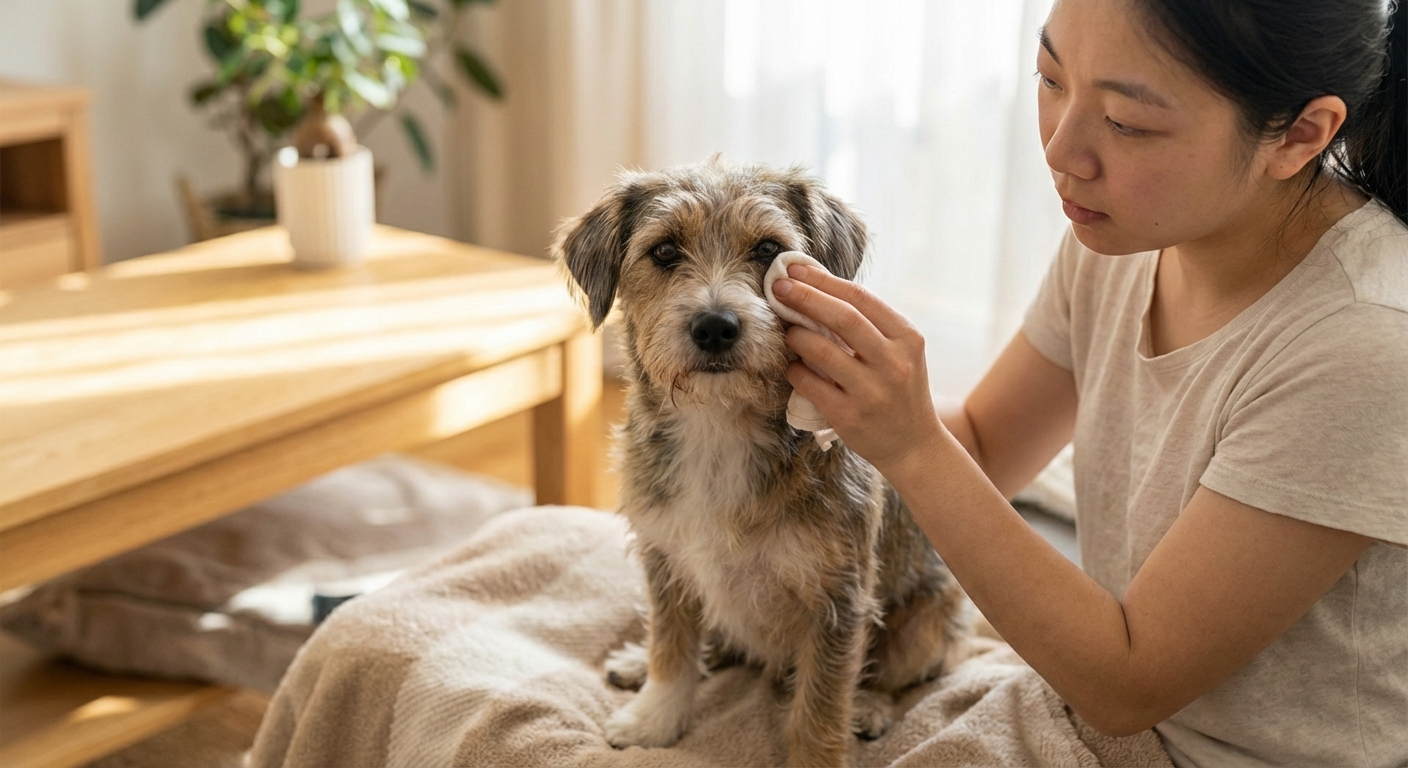
For normal, mild discharge, gentle cleaning is usually all you need. The goal is to remove buildup without irritating the eye.
What to use
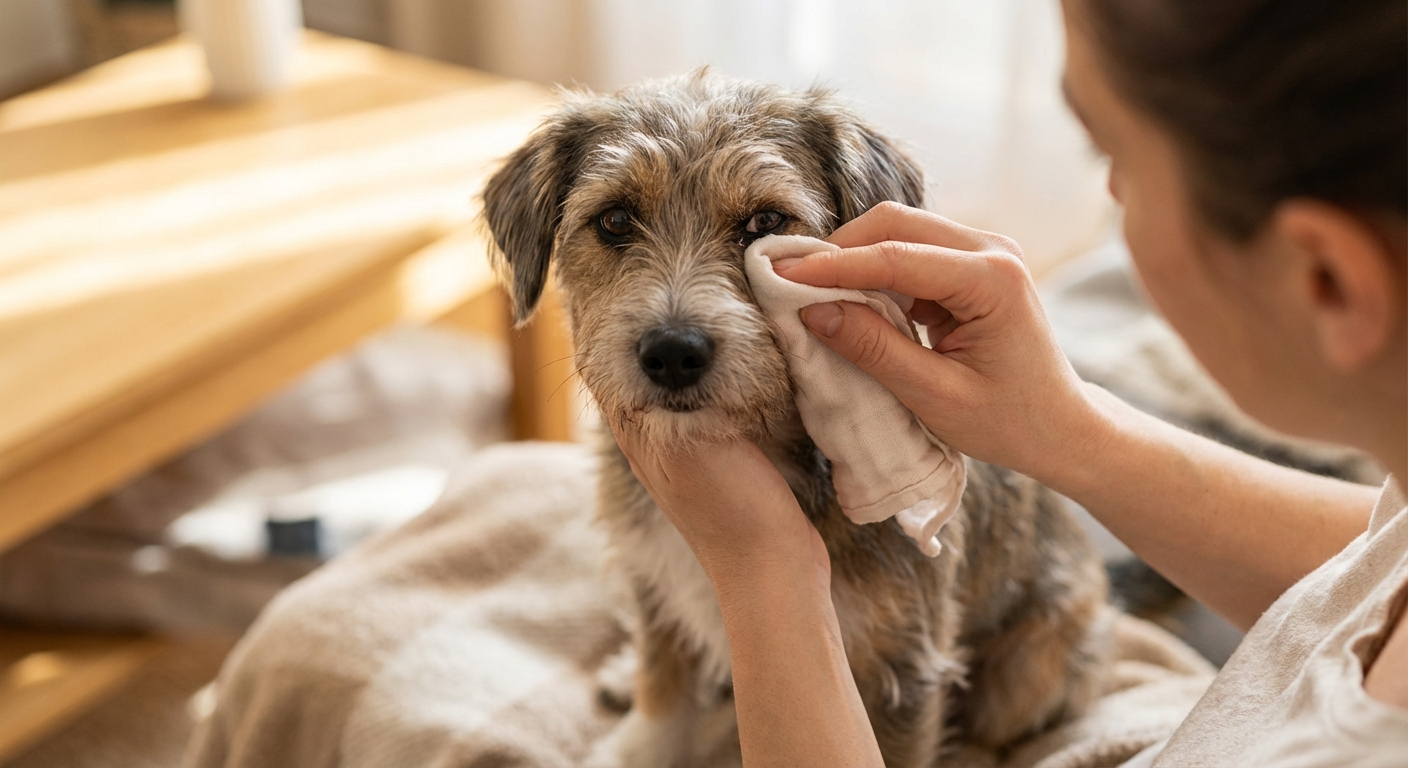
- Warm water and a soft cotton pad or clean microfiber cloth
- Pet-safe sterile eye wipes made for dogs (fragrance-free is best)
- Sterile saline labeled as 0.9% sodium chloride or sterile eye wash
Avoid multipurpose contact lens solutions or contact lens cleaning solutions. Many contain preservatives or cleaners that can sting and irritate the eyes.
Step-by-step
- Wash your hands.
- Moisten the cloth or pad with warm water or sterile saline.
- Hold it against the inner corner and closed eyelids for 10 to 20 seconds to soften crust. Do not press on the eyeball.
- Wipe gently from the inner corner outward. Use a fresh area of the cloth each pass.
- Repeat on the other eye with a clean cloth or pad.
What not to do
- Do not use peroxide, alcohol, essential oils, vinegar, or human makeup remover.
- Do not use human eye drops unless your veterinarian instructs you.
- Do not use leftover prescription eye medications from a prior issue. In particular, steroid eye drops can make corneal ulcers much worse.
- Do not pick hard crusts off dry. Soften first to avoid pulling hair and irritating skin.
When to see the vet
Same day or urgent
- Squinting, eye held closed, or obvious pain
- Cloudy or blue-tinged eye surface
- Sudden swelling around the eye
- Trauma (scratch from a cat, rough play, running through brush)
- Suspected foreign body (especially after tall grass)
- Sudden vision changes
Within 24 to 48 hours
- Thick yellow or green discharge
- Redness that is not improving
- One eye consistently worse than the other
- Discharge returning multiple times a day despite cleaning
At your next appointment (unless it worsens)
- Mild morning crust that clears with gentle wiping
- Chronic tear staining without signs of discomfort
At the clinic, your vet may do a fluorescein stain (to check for corneal ulcers), a tear test for dry eye, and a careful eyelid and lash exam. Those tests are quick, and they guide treatment so we do not guess.
Reduce eye boogers
You cannot prevent every eye booger, but you can often reduce frequency and irritation with a few simple habits.
- Grooming matters: keep hair trimmed away from the eyes, especially in doodle mixes. Hair poking the eye acts like a tiny broom.
- Wipe after high-pollen outings: a quick wipe with sterile saline can remove allergens and dust.
- Manage allergies: if your dog has itchy skin, ear infections, or seasonal flare-ups, ask your vet about an allergy plan. Better allergy control often means calmer eyes.
- Skip irritating products: heavily scented shampoos and sprays can irritate eyes if they run down the face.
- Watch indoor air: smoke, strong fragrances, dusty fans, and dry heat can worsen watery eyes.
If tear staining is a big concern, focus first on the cause of tearing. Cosmetic “stain removers” do not fix irritation or infection, and some products can be harsh around the eyes. If the skin under the staining looks red, smelly, or itchy, or the area stays damp, ask your vet about underlying causes and secondary skin infection on the hair and skin.
FAQ
Are eye boogers contagious?
Sometimes. If the cause is infectious conjunctivitis, it can spread through contact and shared bedding. Many cases are related to allergies, dry eye, irritation, or anatomy and are not contagious. When in doubt, avoid shared water bowls and dog-to-dog face contact until your vet weighs in.
Why are they worse in the morning?
Tear fluid and mucus can collect while your dog sleeps, then dry into crust. Mild morning crust that wipes away easily and does not come with redness or squinting is often normal.
Why is only one eye gunky?
One-sided discharge raises the suspicion for a foreign body, a scratch, a blocked tear duct, or a localized issue with lashes or eyelids. It is worth a vet exam, especially if it persists more than a day.
Can diet affect eye discharge?
Diet can influence skin and inflammation for some dogs, especially if food sensitivities are part of a larger allergy picture. But eye discharge is most commonly driven by environmental irritants, infections, anatomy, or dry eye. If your dog has chronic issues, ask your vet about an allergy evaluation rather than switching foods repeatedly without a plan.
The takeaway
A little crust in the morning can be normal, but thick, colored discharge, redness, squinting, vision changes, or a sudden change is your sign to get help. Eye problems can move quickly, and early treatment is one of the best ways to protect your dog’s comfort and vision.
If you are unsure, take a clear photo in natural light and call your veterinary clinic. We would always rather answer “no big deal” than see a painful eye problem after it has had time to worsen.