Dog scratching ears or shaking head? Learn the most common causes—allergies, yeast, bacteria, mites, moisture, or foreign objects—what you can do at home...
Article
•
Designer Mixes
Dog Ear Scratching: Mites vs Yeast Infection

Shari Shidate
Designer Mixes contributor
If your dog is scratching at their ears nonstop, shaking their head, or suddenly hates having their ears touched, you are right to pay attention. Ear problems are uncomfortable, and they can escalate quickly if the underlying cause is missed. Two of the most commonly confused culprits I see and hear about as a veterinary assistant are ear mites and yeast infections. Yeast is very common. Mites are more common in puppies, cats, shelters, and multi-pet homes, and prevalence can vary by region and lifestyle. Either way, they can look similar at home, but they are treated very differently.
This article will help you spot the most likely pattern, understand what your veterinarian will look for, and know what you can do right now to safely help your pup feel better.
Why dogs scratch their ears
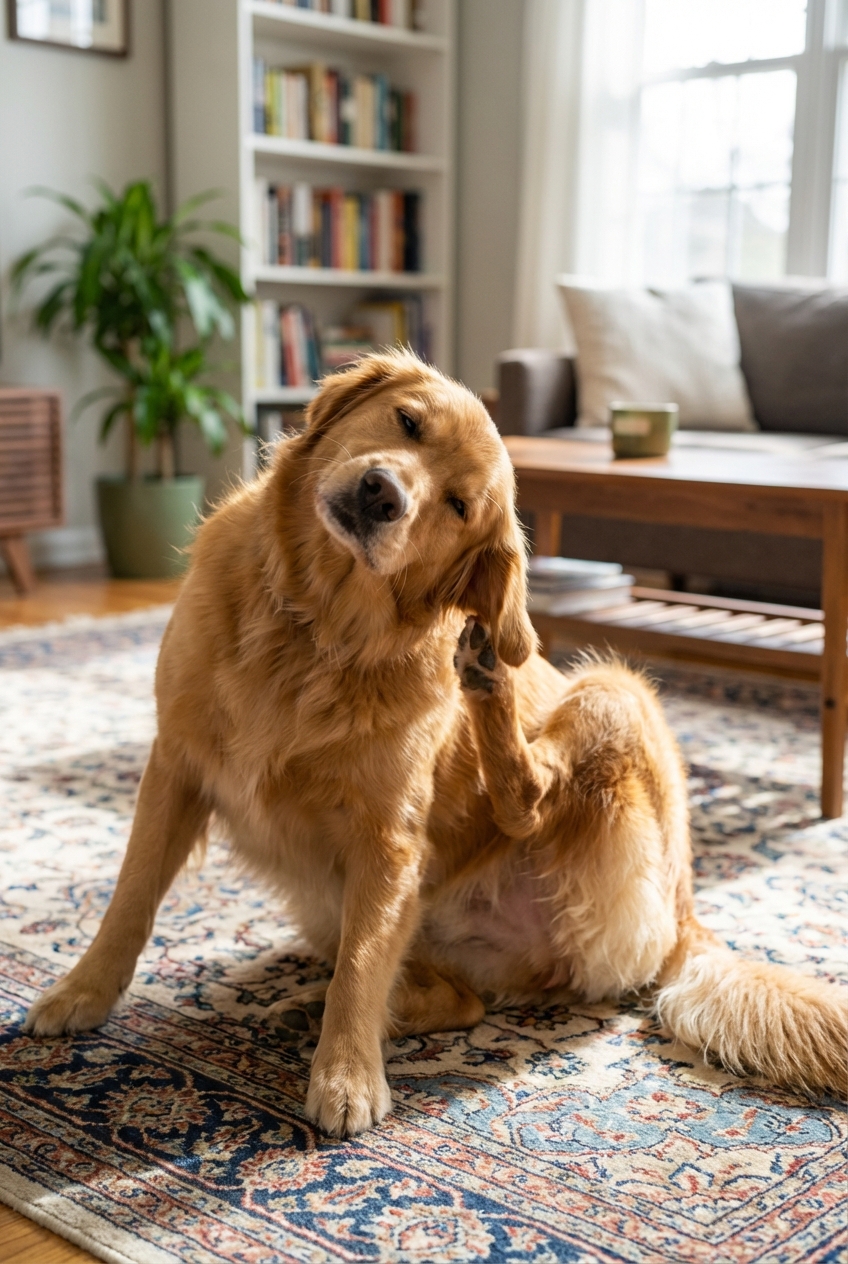
Ear scratching is a symptom, not a diagnosis. Dogs scratch because the ear canal or ear flap is irritated, inflamed, or painful. The most common reasons include:
- Yeast overgrowth (often linked to allergies, moisture, or ear shape)
- Bacterial ear infection (sometimes alongside yeast)
- Ear mites (more common in puppies, multi-pet homes, and shelters)
- Allergies (food or environmental)
- Foreign material (foxtails, dirt, plant debris)
- Ear hematoma (a swollen ear flap from intense shaking)
Chronic or recurring ear trouble often has a “why behind the why,” like allergies, ear anatomy (floppy or hairy canals), endocrine disease (such as hypothyroidism), or long-term canal changes. Because several problems can happen at the same time, the safest plan is to treat the cause, not just the itch.
Mites vs yeast: what is the difference?
Ear mites (Otodectes cynotis)
Ear mites are tiny parasites that live on the surface of the ear canal. They trigger intense itch and inflammation. Dogs can get them from close contact with infected animals, and they spread easily between pets. Cats are a very common source in multi-pet households.
Yeast infection (Malassezia overgrowth)
Yeast is normally present in small amounts on the skin. The problem starts when the ear becomes a warm, moist environment where yeast can multiply. Yeast ear infections are frequently associated with underlying issues like environmental allergies, food sensitivities, and ears that stay damp from swimming, bathing, or heavy wax production.
What you might notice at home
No home checklist is perfect, but these patterns can be helpful.
Signs that lean toward ear mites
- Very intense itching and head shaking, sometimes sudden onset
- Dark, crumbly debris that can look like coffee grounds (suggestive, not definitive)
- More common in puppies or recently adopted dogs
- Other pets are itchy too, especially cats
- Ear edges may get scabby from scratching
Signs that lean toward yeast
- Strong odor, often described as “musty” or like corn chips
- Greasy, brown, or yellowish discharge (varies by dog)
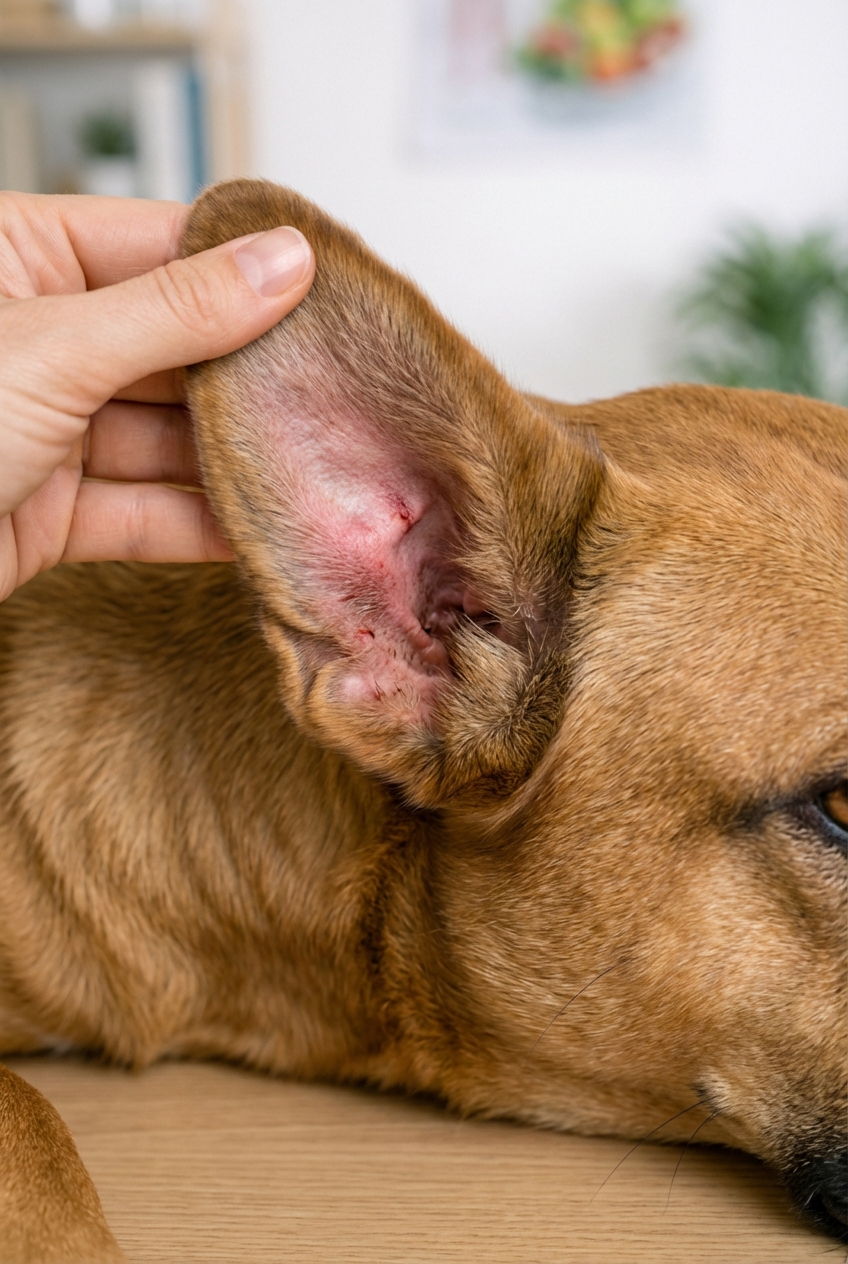
- Red, thickened, inflamed ear canal
- Recurring ear issues that come and go
- Other allergy clues such as licking paws, rubbing face, itchy belly, seasonal flare-ups
Important: That “coffee ground” debris and dark wax can also show up with yeast or bacterial infections. And many dogs have mixed infections. That is why the right test matters.
The biggest myth: “Any ear cleaner will fix it”
I know it is tempting to grab whatever ear product is on the shelf, but ear care is one of those areas where the wrong product can delay healing or make pain worse.
- If the eardrum is damaged, some solutions and medications can be unsafe and potentially ototoxic. This is one reason vets want to look in the ear first.
- If mites are the cause, a cleanser alone will not eliminate them.
- If yeast is the cause, you typically need a targeted antifungal plan and to address what is fueling the overgrowth.
Ear problems are also painful. A dog that “won’t let you clean” is often telling you it hurts.
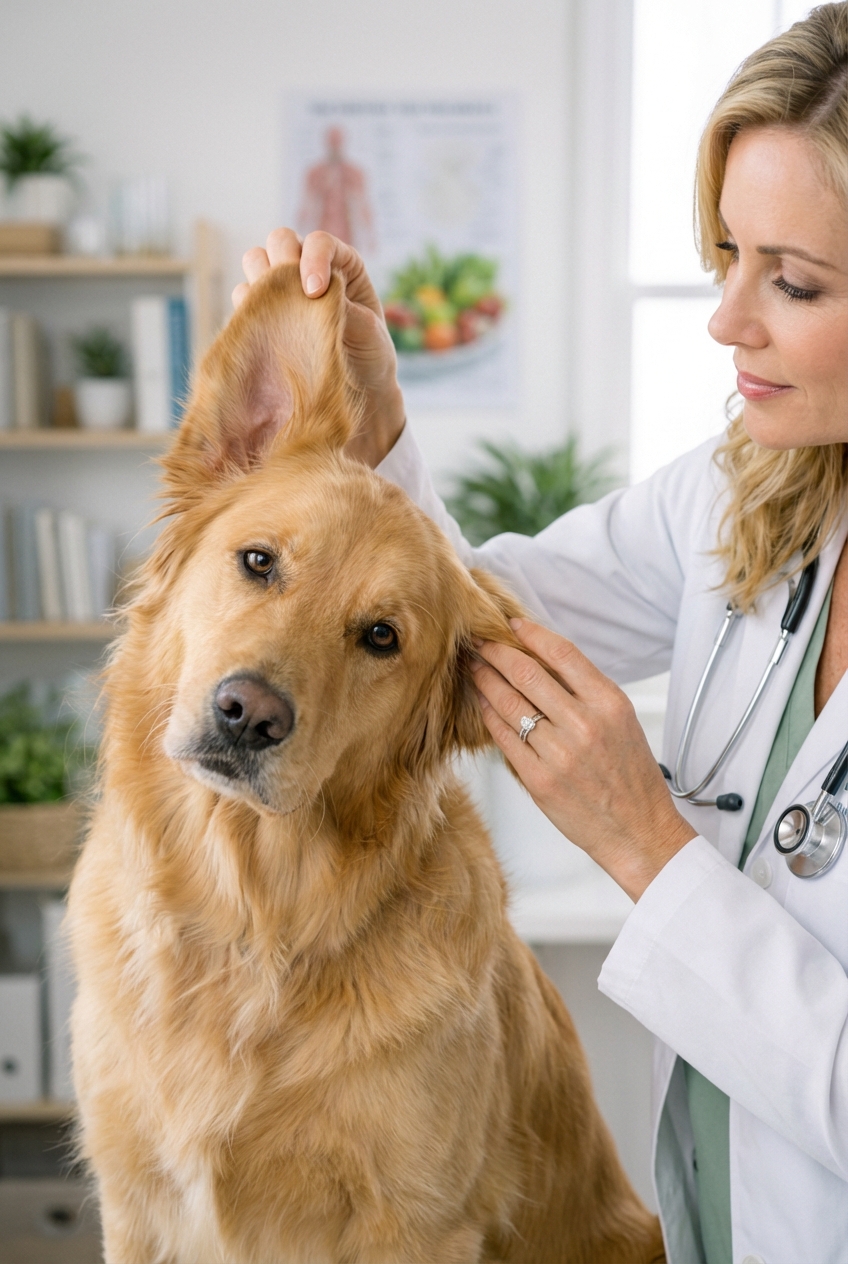
How vets tell the difference
In clinic, we confirm the cause with quick tests:
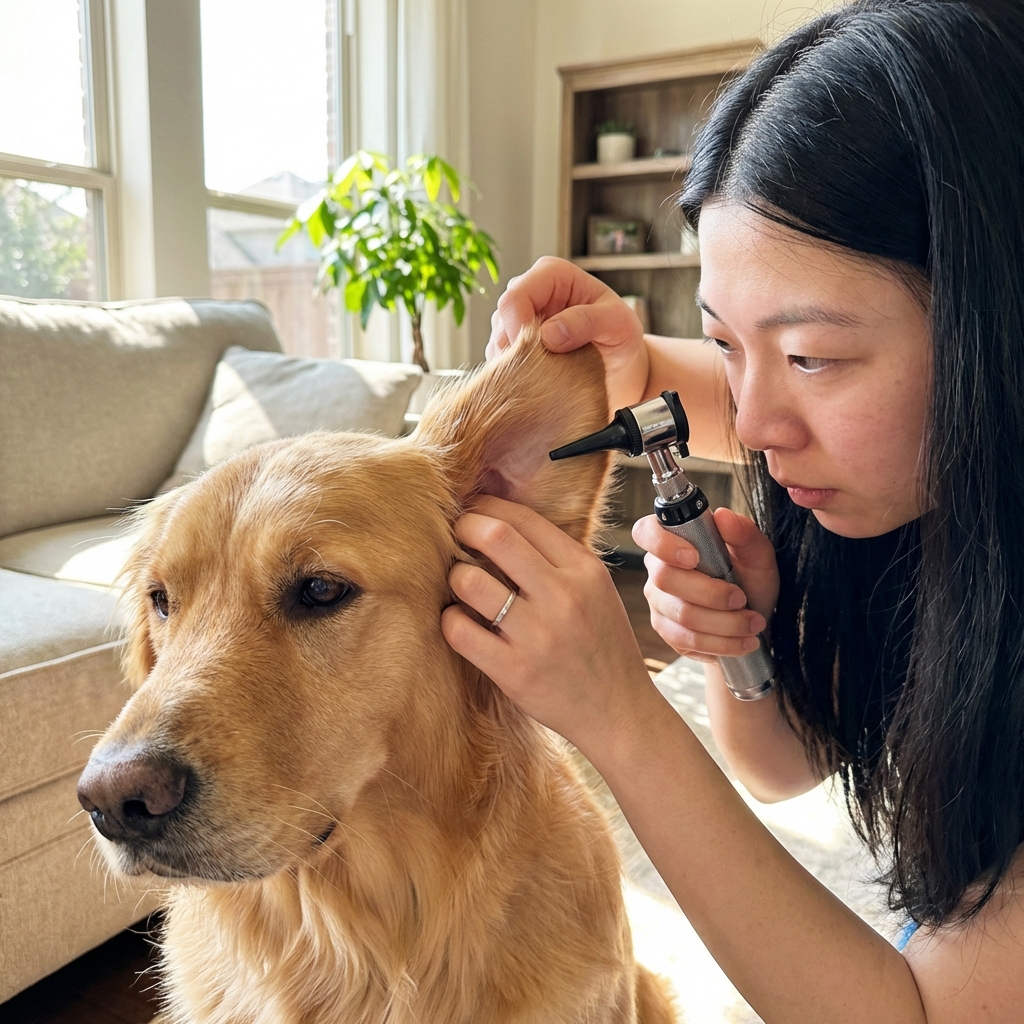
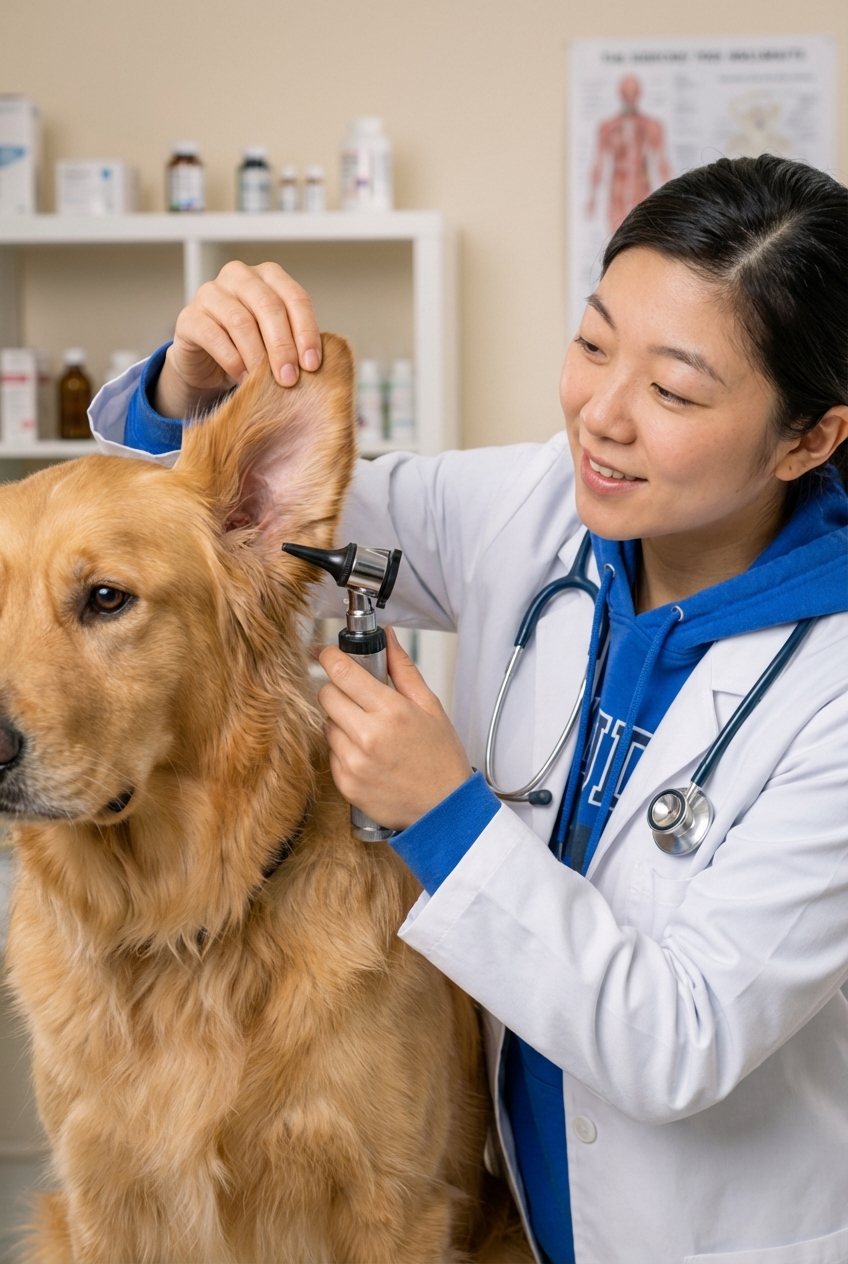
- Otoscope exam to look down the ear canal and check for swelling, foreign material, and eardrum status
- Ear cytology (a swab looked at under a microscope) to see yeast, bacteria, and inflammatory cells
- Mite check (mites may be seen on cytology, or sometimes via additional microscopic evaluation)
These tests guide medication choice and reduce the chance of recurrence.
Treatment: mites vs yeast
Ear mites treatment
Most modern mite treatments are prescription parasiticides that kill mites reliably. Your vet may recommend:
- Topical or oral parasite medications that cover ear mites (not all flea and tick preventives treat ear mites, so ask your vet which one does)
- Ear medication if there is secondary infection or significant inflammation
- Treating all pets in the household when appropriate, because mites spread
- Cleaning guidance to remove debris safely and improve comfort
Yeast infection treatment
Yeast infections are usually treated with:
- Prescription ear drops that include an antifungal (sometimes combined with anti-inflammatory medication, and sometimes antibiotics if bacteria are present)
- Ear cleaning plan tailored to your dog’s ear type and debris level
- Allergy management if the infection is recurring, including diet trials, environmental allergy control, and veterinarian-guided medications
With yeast, the real win is not just clearing today’s infection. It is lowering the odds it comes right back.

What you can do at home now
While you are scheduling your vet visit, here are safe, helpful steps:
- Prevent self-trauma: If your dog is scratching hard, consider an e-collar so the ear flap does not get torn or form a hematoma.
- Keep ears dry: Avoid swimming and do not bathe the head until you know the cause.
- Skip random drops: Avoid peroxide, vinegar mixtures, essential oils, and human antifungals unless your veterinarian specifically advises them.
- Do not use cotton swabs in the ear canal: Q-tips can push debris deeper and can injure a painful, inflamed ear. If you clean at all, stick to the visible part of the ear flap unless your vet has shown you otherwise.
- Document symptoms: Note odor, discharge color, how long it has been happening, and whether other pets are itchy.
- Check paws and skin: If you see paw licking, red belly, or face rubbing, mention it. That is a big clue for allergies that drive yeast.
When it is urgent
Seek veterinary care quickly if you notice any of the following:
- Head tilt, loss of balance, or unusual eye movements
- Severe pain, yelping, or your dog will not allow any touch near the ear
- Swollen ear flap that looks like a puffy pillow (possible hematoma)
- Bleeding or an open wound from scratching
- Foul odor with pus-like discharge and significant redness
- One-sided symptoms with sudden pain, especially after running in tall grass (possible foreign body like a foxtail)
Inner and middle ear infections can be serious, and early treatment matters.
Prevention tips that help
Not every ear problem can be prevented, but you can reduce risk.
For dogs prone to yeast
- Dry ears after water exposure and ask your vet about a drying ear rinse if your dog swims often.
- Address allergies rather than chasing infection after infection.
- Stick to your vet’s cleaning schedule. Over-cleaning can irritate the ear canal.
For mites and contagious causes
- Use veterinarian-recommended parasite prevention consistently.
- Have new pets checked, especially rescues and fosters.
- Treat all pets when advised to stop the cycle.
If your dog has recurring ear infections, you are not failing. Many of these cases are allergy-driven, and it can take a little detective work to find the most sustainable plan.
Quick recap
- Mites: very itchy, sometimes coffee-ground-like debris, contagious to other pets, more common in young or recently adopted animals.
- Yeast: musty odor, redness, recurring pattern, commonly linked to allergies and moisture.
- Best next step: a vet exam with ear cytology so treatment matches the cause.
If you want, bring a short video of the head shaking or scratching to your appointment. Those little details help your vet team a lot.