Understand dog bloat (gastric dilatation) vs life-threatening GDV. Learn key symptoms like unproductive retching, who’s at risk, what to do fast, vet treat...
Article
•
Designer Mixes
Dog Dry Heaving: Bloat vs. Kennel Cough

Shari Shidate
Designer Mixes contributor
Seeing your dog dry heave can be scary, because a few very different problems can look similar in the moment. Two common look-alikes are gastric dilatation-volvulus (GDV) , often called bloat , and kennel cough (an upper respiratory infection). One can be a true, life-threatening emergency, while the other is often mild and self-limiting.
As a veterinary assistant, I always tell families this: when in doubt, treat repeated, unproductive retching as an emergency until GDV is ruled out . This guide cannot diagnose your dog, but a few quick observations at home can help you decide what to do next.
Also, keep in mind there are other causes of gagging and retching too, like nausea, a foreign object, airway issues, or heart disease. If your gut says something is not right, it is worth a call.
Dry heaving: what it means
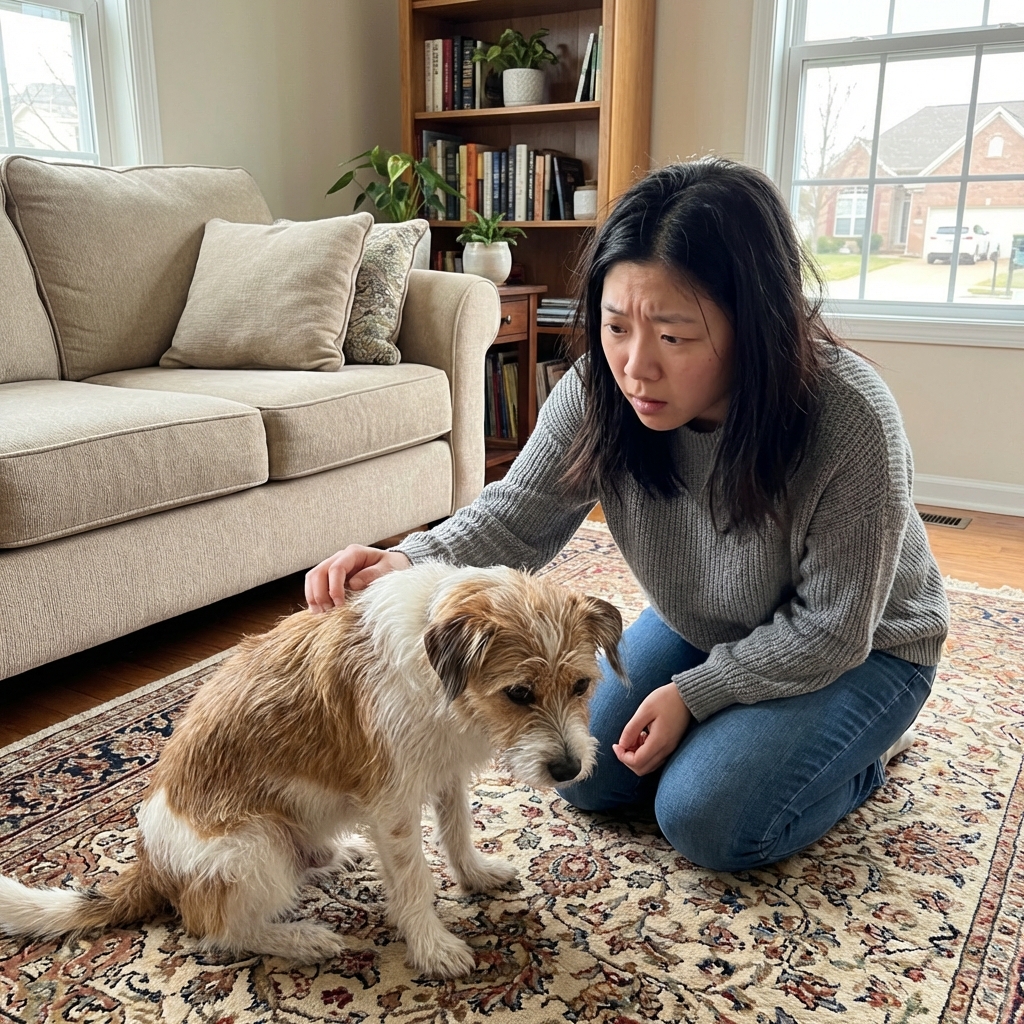
Dry heaving usually refers to gagging or retching with little or no vomit coming up. Sometimes it is triggered by throat irritation and coughing. Other times it is the body trying to vomit but being unable to, which can happen with GDV.
Because the motion can look similar, focus on the whole picture: breathing, belly shape, energy level, gum color, and whether you are seeing a true cough versus a deep, unproductive retch.
Bloat (GDV): do not wait
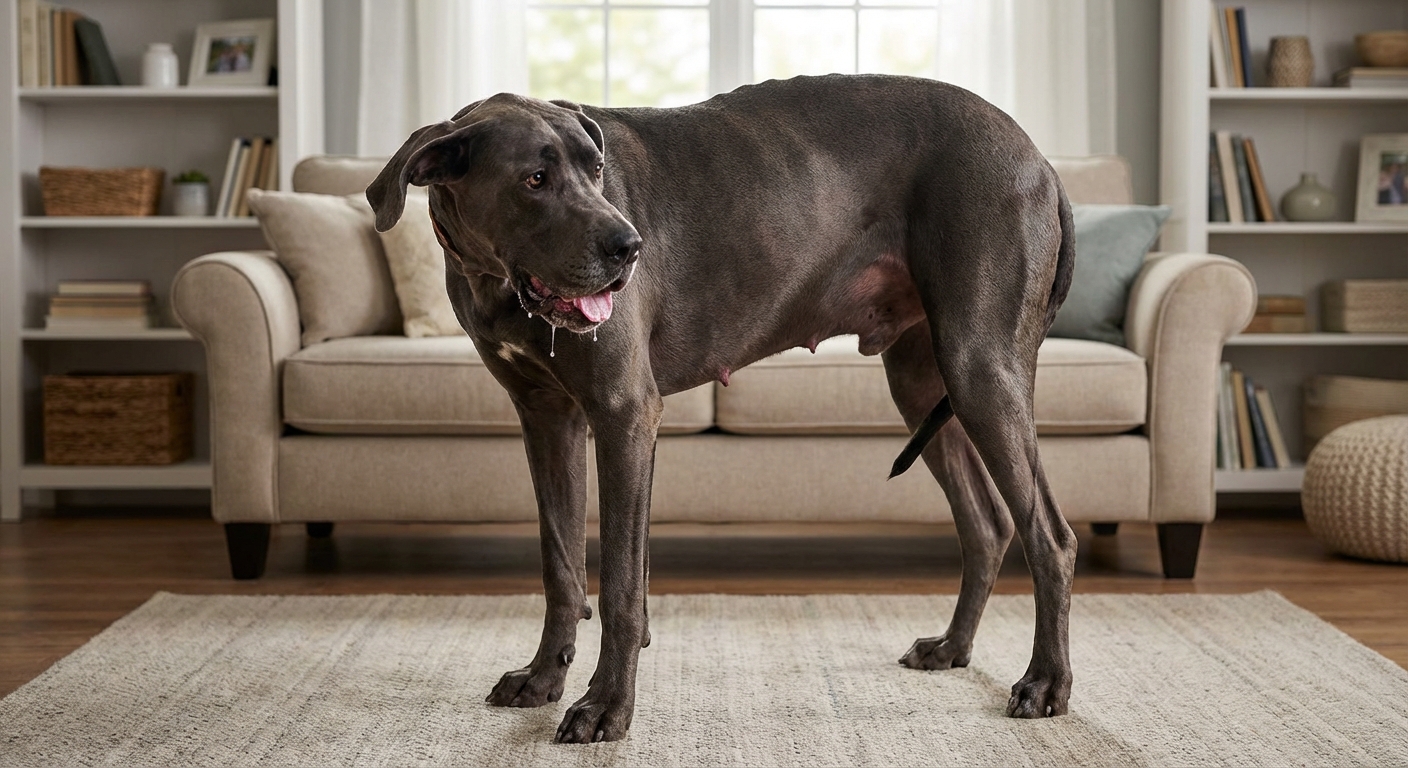
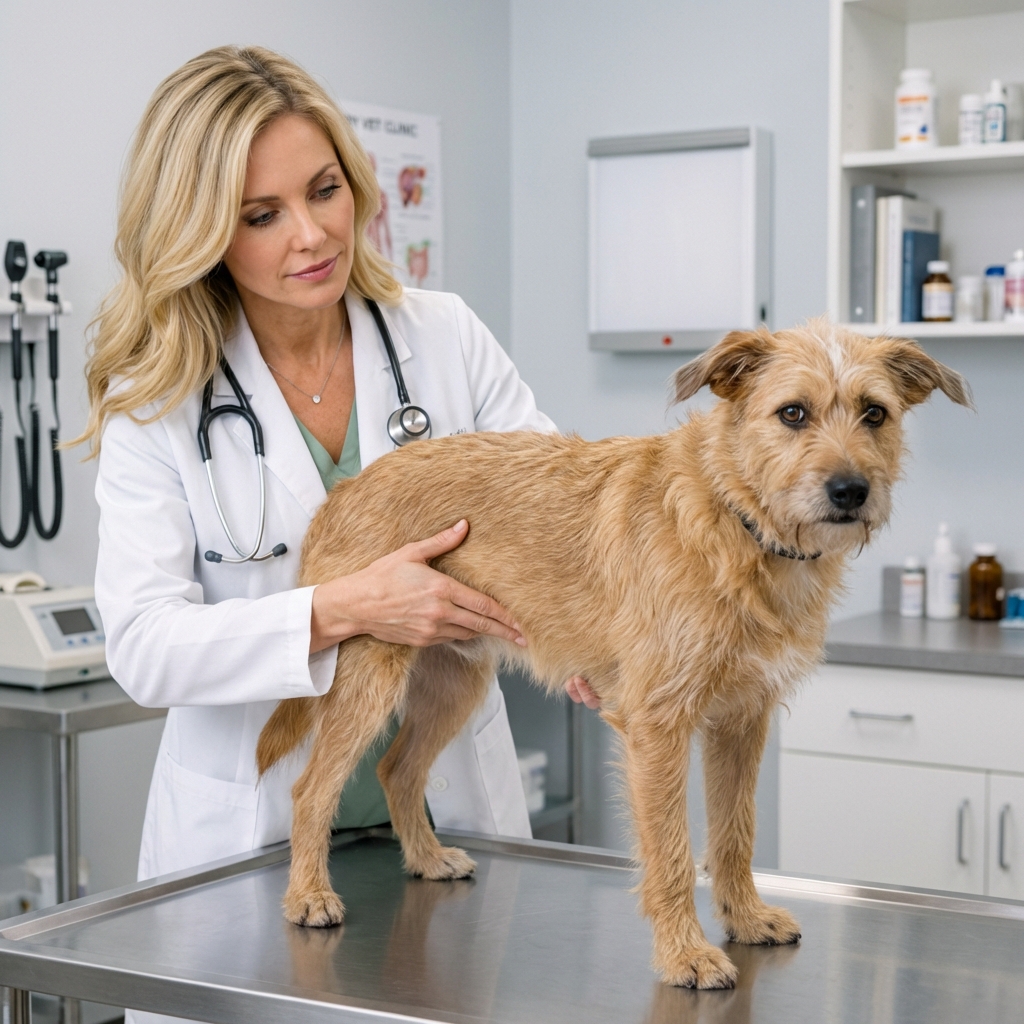
GDV happens when the stomach fills with gas and may twist on itself. People often say “bloat” to mean GDV, but medically bloat can also mean gas buildup without a twist. The twist, when it occurs, is what makes GDV especially dangerous.
When twisting happens, blood flow can be compromised and the stomach cannot empty. This can become fatal in a short amount of time.
Signs that point to GDV
- Repeated unproductive retching (trying to vomit but nothing comes up, or only foam or stringy saliva)
- Restlessness or inability to settle (this is a big red flag when paired with retching)
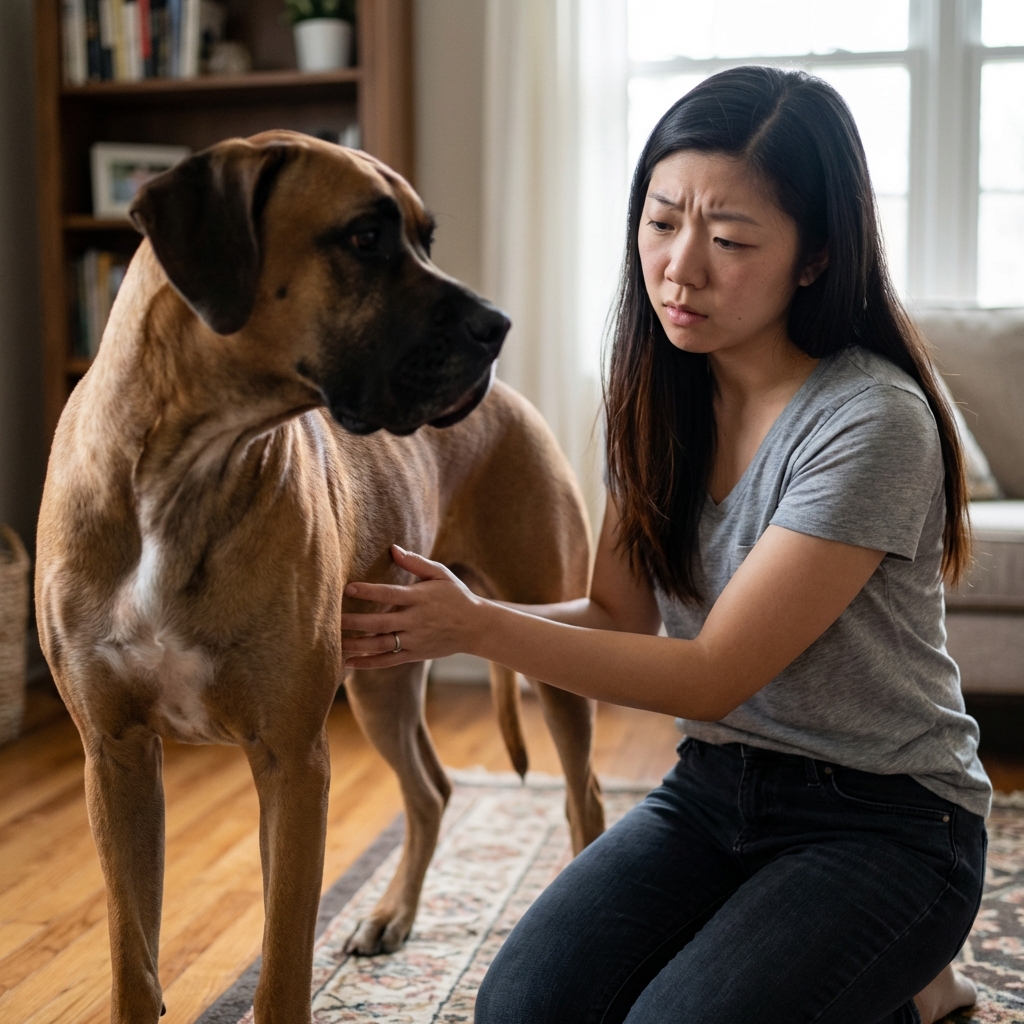
- Distended abdomen (belly looks enlarged or tight, often behind the ribs)
- Excess drooling
- Signs of pain (whining, guarding the belly, “praying” position)
- Rapid breathing or trouble breathing
- Weakness, collapse, pale gums, fast heart rate
What to do now
If you suspect GDV, go to an emergency veterinary hospital immediately. Do not wait to “see if it passes.” Time matters.
- Call ahead so they can prepare.
- Avoid food and water unless a veterinarian directs you otherwise. This helps reduce risk if your dog needs anesthesia and surgery.
- Minimize stress and movement. Carefully load your dog and go.
- If your dog is large and painful to lift, ask for help and focus on safe, steady handling for comfort.
Repeated retching with a tight or swollen belly is a “treat as emergency” situation. It is always better to be told it is not GDV than to arrive too late.
Kennel cough: common and contagious
Kennel cough is a catch-all term for infectious tracheobronchitis. It can be caused by several viruses and bacteria (including Bordetella bronchiseptica). The classic sound is a dry, honking cough that can end with gagging or retching.
Signs that fit kennel cough
- Frequent coughing that sounds like a honk or harsh hack
- Gagging at the end of a coughing spell , sometimes bringing up white foam
- Normal appetite and energy in mild cases
- Recent exposure to other dogs (boarding, grooming, dog park, daycare, training classes)
- Cough worsens with excitement or pulling on the leash
When to call the vet soon
Many dogs recover with rest and supportive care, but you should call your veterinarian promptly if you notice:
- Lethargy or refusing food
- Fever
- Labored breathing, rapid breathing, or wheezing
- Not improving after 7 to 10 days, or lasting longer than 2 to 3 weeks
- Puppies, seniors, or immunocompromised dogs (they can worsen faster)
What you can do at home
- Rest and reduce excitement for a few days.
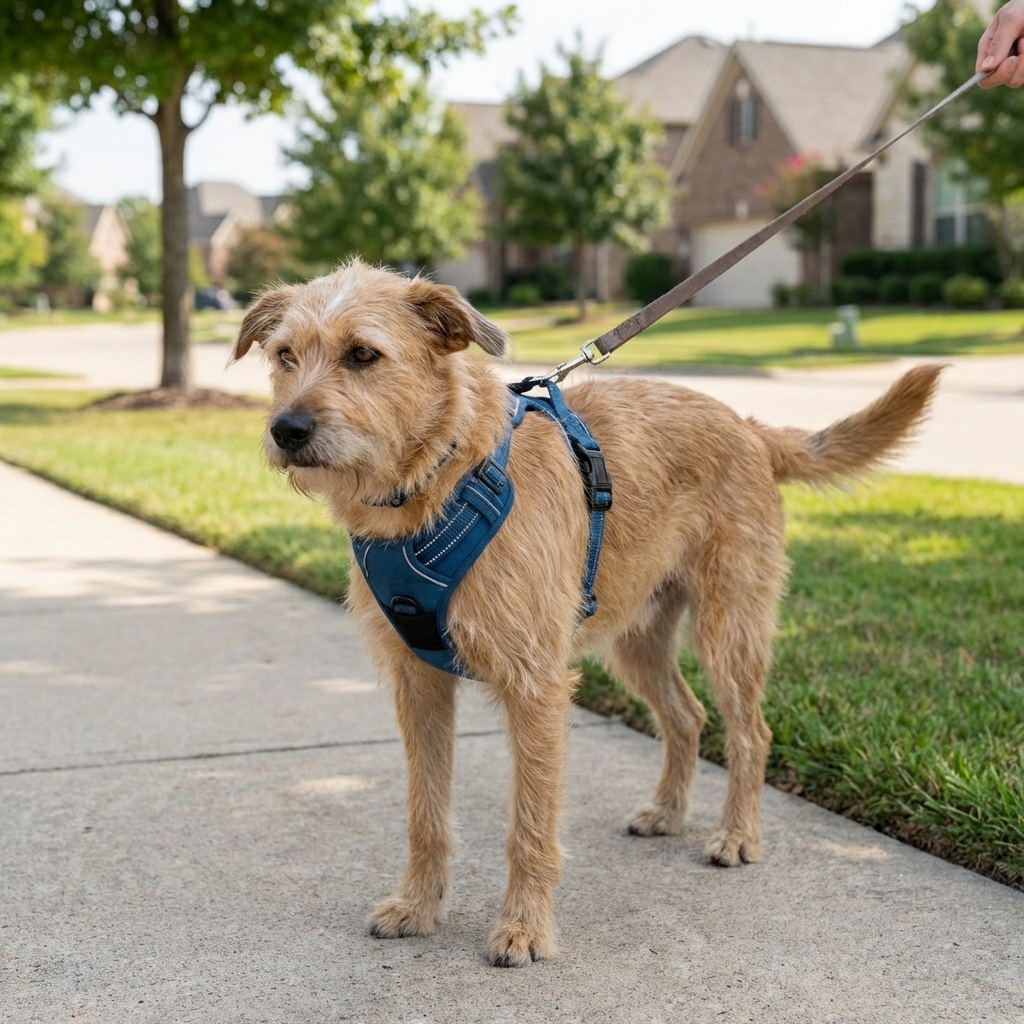
- Use a harness instead of a neck collar to reduce tracheal irritation.
- Isolate from other dogs and avoid group settings until your vet says it is safe.
- Run a humidifier or bring your dog into a steamy bathroom for a few minutes if coughing is dry and irritating.
Contagious note: Many causes of kennel cough spread easily between dogs. In general, plan to keep your dog away from other dogs until your veterinarian clears them. Some clinics recommend isolation for about 10 to 14 days from symptom onset or until the cough has resolved, depending on the cause and your dog’s situation.
Important: Do not give human cough medicines unless your veterinarian specifically recommends a product and dose. Some ingredients can be dangerous for dogs.
GDV vs. kennel cough
If you are standing in your kitchen trying to decide what you are seeing, here are the most helpful “tells.”
- Sound: Kennel cough often has a honking hack. GDV is more like deep retching with little output.
- Belly: GDV may cause a tight, enlarged abdomen. Kennel cough does not change belly size.
- Comfort: GDV dogs often look painful, panicked, or cannot get comfortable. Kennel cough dogs may still act fairly normal between coughing spells.
- Breathing: GDV can quickly affect breathing and circulation. Kennel cough can irritate the airway, but severe breathing trouble is a red flag for complications or a different problem.
- Timing: GDV commonly follows eating or heavy drinking and can escalate fast. Kennel cough often develops after dog-to-dog exposure and can linger for weeks.
Other causes to consider
Not every gag or retch is GDV or kennel cough. A few other common possibilities include:
- Foreign body (toy, bone fragments, stick piece) stuck in the throat or esophagus
- Nausea from GI upset, pancreatitis, or toxin exposure
- Tracheal collapse (more common in small breeds, often a chronic honking cough)
- Heart disease causing cough, especially in older dogs
- Acid reflux or esophagitis
- Airway disorders like laryngeal paralysis (more common in older, large breeds) or brachycephalic airway syndrome in flat-faced breeds
If your dog is repeatedly dry heaving, acting painful, cannot settle, has trouble breathing (including noisy or strained breathing), or you suspect they ate something they should not have, it is safest to be seen.
Who is at higher GDV risk
Any dog can bloat, but risk is higher in large, deep-chested breeds and mixes. I see the most concern with dogs shaped like Shepherds, Great Danes, Dobermans, Standard Poodles, and similar body types.
- Large or giant breed dogs, especially deep-chested
- Older age
- History of bloat or GDV in a close relative
- Eating large meals or eating very quickly
- Stress or anxiety (commonly discussed risk factor)
- Heavy exercise right after meals (commonly discussed, may increase risk)
If you have a high-risk dog, ask your veterinarian about prevention strategies, including feeding routines and, in some cases, a preventive gastropexy (a procedure that helps prevent the stomach from twisting).
When to go to the ER
Head to an emergency vet now if you see any of the following:
- Repeated retching with nothing coming up
- Swollen or tight abdomen
- Pale gums , weakness, collapse, or disorientation
- Difficulty breathing or rapidly worsening symptoms
- Known or suspected foreign object ingestion
If symptoms are mild and your dog is otherwise acting normal, a same-day call to your regular veterinarian is still a smart move. Describe what you see, how long it has been happening, and whether your dog is eating, drinking, and eliminating normally.
How vets tell the difference
In clinic, the team will typically:
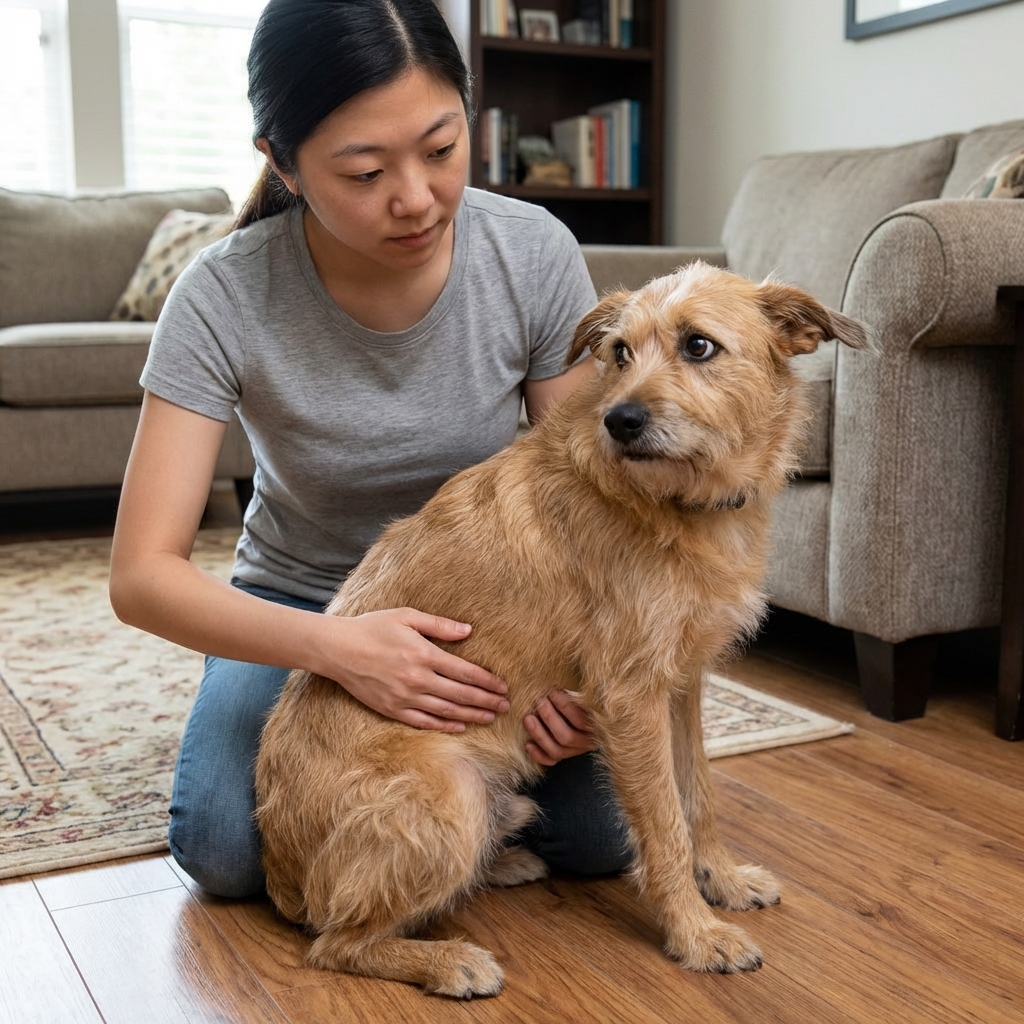
- Check vitals, gum color, hydration, and pain level
- Listen to heart and lungs
- Palpate the abdomen
- Take x-rays if GDV is suspected (x-ray can be very helpful for identifying GDV)
- For suspected kennel cough, assess airway irritation and discuss recent exposure, vaccine history, and duration of symptoms
Treatment ranges widely, from supportive care for mild respiratory infections to stabilization and emergency surgery for GDV.
Practical takeaway
Dry heaving is one of those symptoms that deserves respect. If your dog is retching repeatedly , cannot settle, looks uncomfortable, or has a tight belly, do not wait. If it is more of a honking cough with gagging and your dog is otherwise bright and comfortable, call your vet and monitor closely.
You know your dog best. If something feels off, trust that instinct and get help.