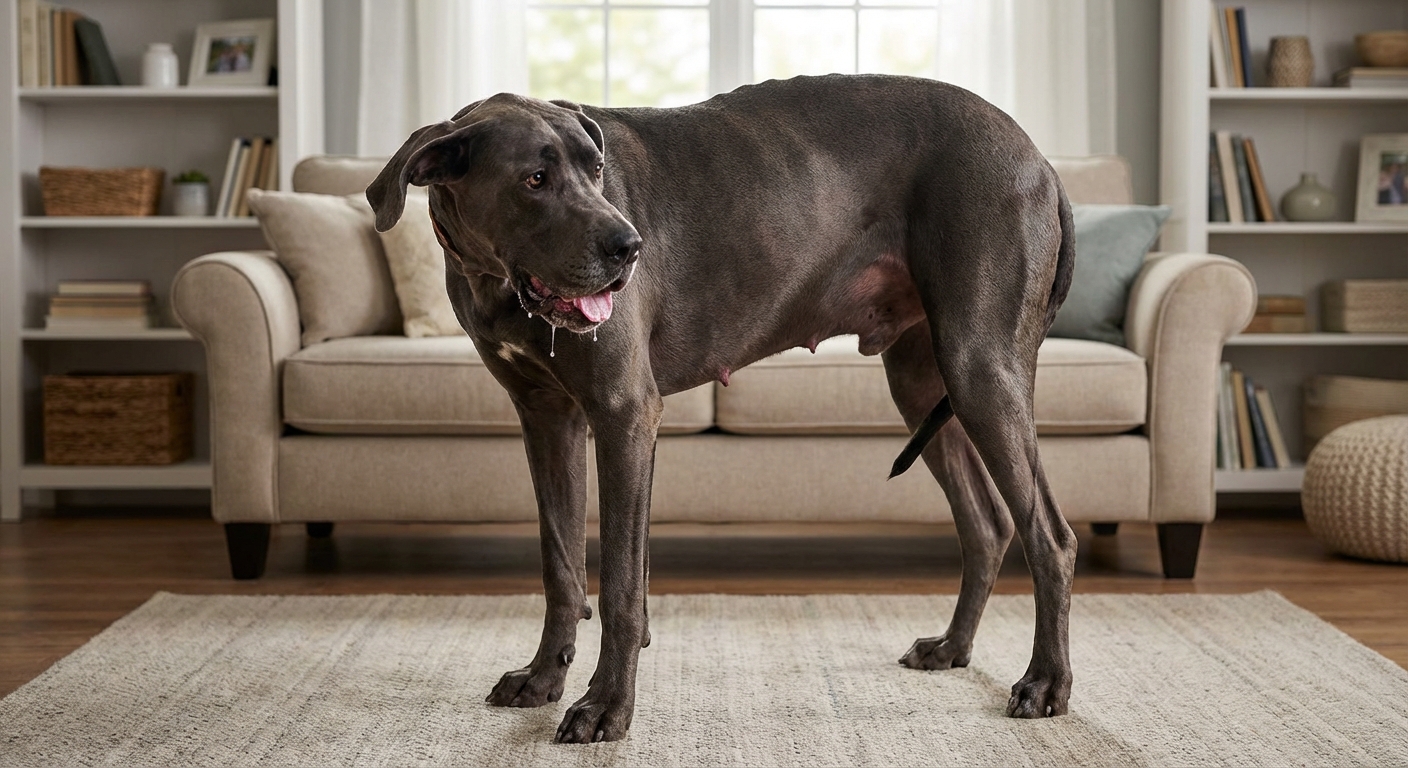
Bloat can be deadly when it’s GDV. Learn the key symptoms (unproductive retching, distended belly, drooling, weakness), what ER treatment involves, and pre...
Article
•
Designer Mixes
Dog Dry Heaving After Exercise: When to Worry

Shari Shidate
Designer Mixes contributor
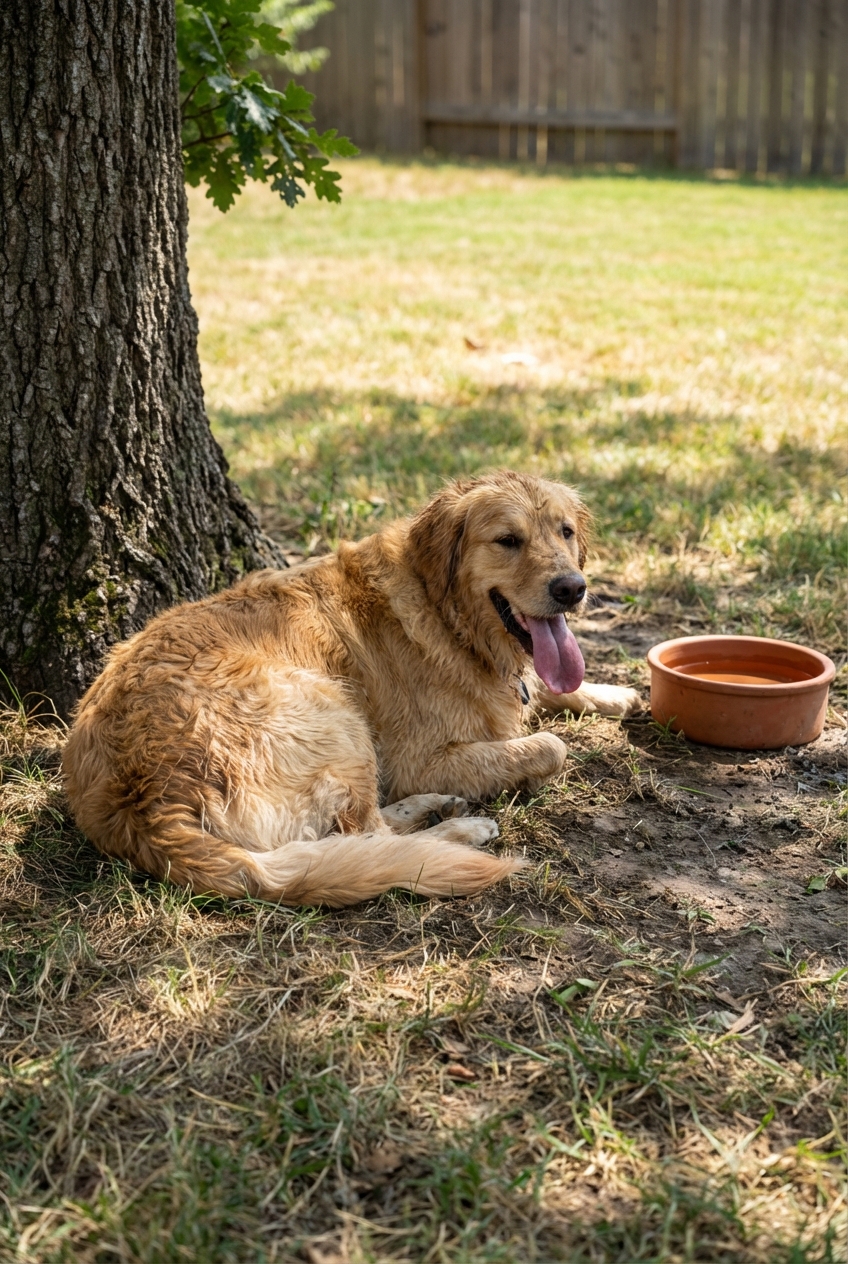
If your dog finishes a run, has zoomies around the yard, or plays a game of fetch and then starts dry heaving (retching with little or no vomit), it can be scary. Sometimes it is a simple irritation like gulping air or water too fast. Other times, it is a true emergency that needs a vet right away.
As a veterinary assistant, my goal is to help you sort out what is common after activity, what is not normal, and what you can do at home while you decide on next steps. I cannot diagnose your dog online, but I can help you triage what you are seeing.
What dry heaving looks like
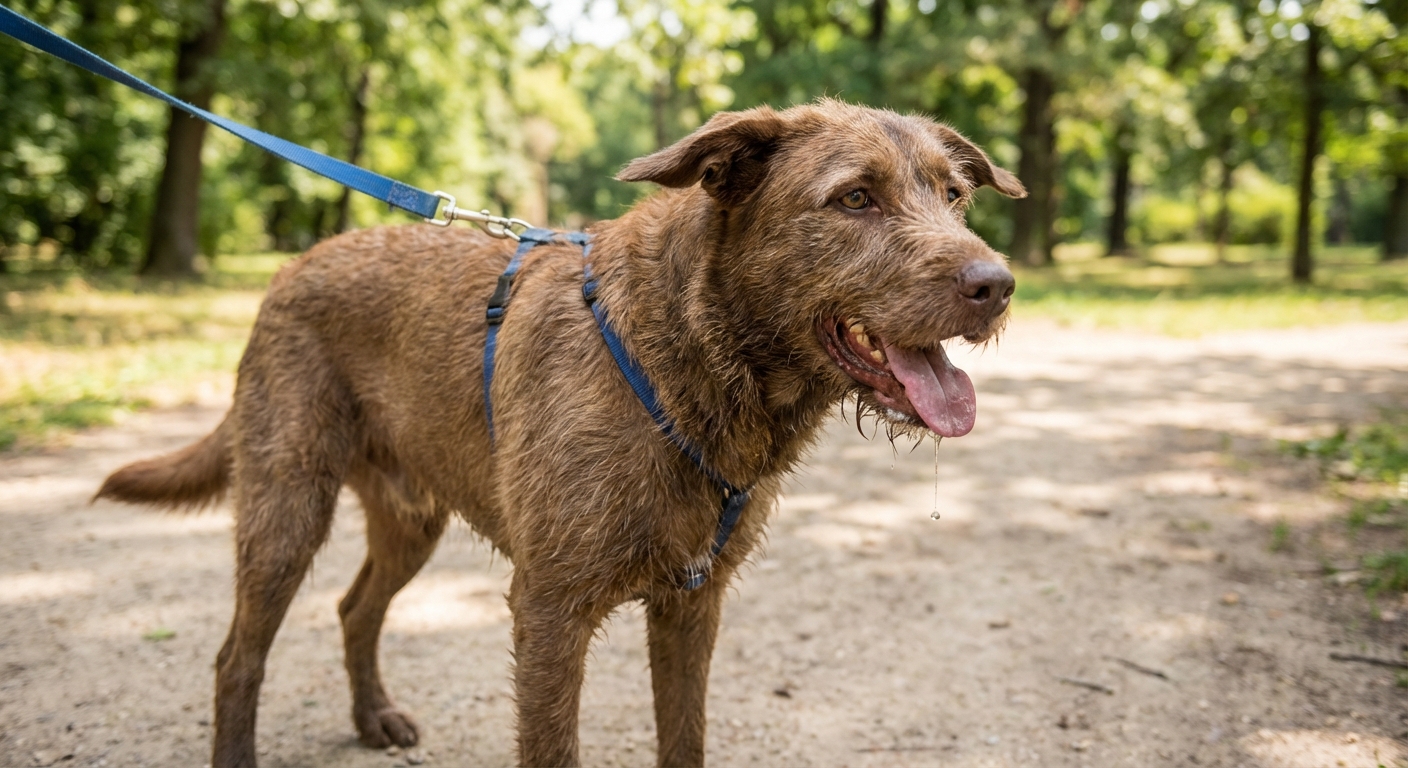
Dry heaving is often described as gagging, retching, or trying to vomit without bringing much up. It can overlap with a few other behaviors, so it helps to notice the details:
- Dry heaving or retching: repeated abdominal contractions, neck extended, open mouth, sometimes drooling.
- Gagging or throat clearing: usually shorter, may happen after pulling on a collar or inhaling dust or grass.
- Coughing: a “hack” or honk-like cough, sometimes followed by a gag. This can point more toward airway, throat, or heart issues.
- Reverse sneezing: quick snorting or “honking” inhalations through the nose. Many dogs look dramatic but recover quickly.
If you can, take a short video on your phone. In the clinic, that one video often speeds up diagnosis.
Note: Some dogs do a “hack, then swallow” motion. That can be nausea and reflux, or it can be a true cough followed by a gag. Try to listen for a cough sound versus a quiet retch.
Common, less serious reasons after exercise
1) Gulping water too fast
After play, some dogs inhale water and air like they have never seen a bowl before. That can irritate the throat and trigger gagging or dry heaving.
What you might notice: it starts right after drinking, improves within minutes, and your dog otherwise looks normal.
2) Overexcitement and swallowing air
Hard panting, barking, and excitement can cause dogs to swallow extra air. Swallowed air can cause belching, stomach discomfort, and occasional retching as things settle.
3) Mild reflux or an empty stomach
In some dogs, exercise on a very empty stomach can contribute to nausea or reflux. Some dogs also get “empty stomach” nausea with bile or foam, especially early in the morning or after long gaps between meals.
Tip: avoid intense activity right after a large meal, but for dogs that seem nauseated on an empty stomach, ask your veterinarian if a small snack and better meal timing could help.
4) Irritated throat from pulling on a collar
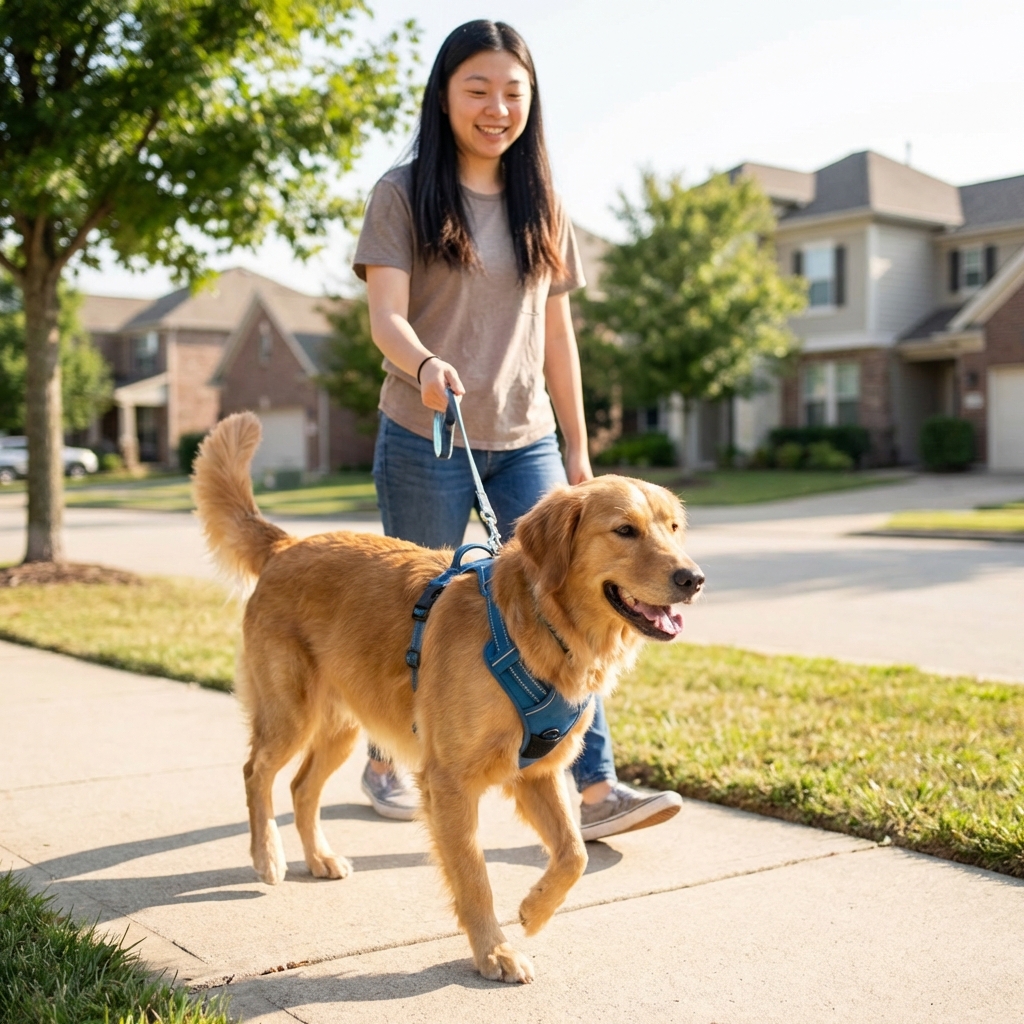
If your dog pulls hard during runs or hikes, pressure on the trachea can lead to gagging or retching. A well-fitted harness can make a big difference.
When it is an emergency
There are situations where you should not “wait and see.” The biggest one is gastric dilatation-volvulus (GDV), also called bloat. This is when the stomach fills with gas and can twist. It is life-threatening and time-sensitive.
Go to an ER vet now if you see any of these
- Repeated unproductive retching (trying to vomit but nothing comes up), especially if it continues, worsens, or comes in rapid cycles
- Swollen or tight-looking abdomen
- Restlessness, pacing, unable to get comfortable
- Drooling excessively or foamy saliva
- Signs of pain (whining, praying position, guarding the belly)
- Pale gums, weakness, collapse, or rapid heart rate
- Labored breathing or blue-tinged gums or tongue
If bloat is even a possibility, do not offer food or water and do not attempt home remedies. Transport your dog carefully and call the ER on the way.
Other urgent concerns include:
- Heatstroke: heavy panting, vomiting, weakness, stumbling, or collapse. Gums may look bright red early, but as heatstroke progresses they can become pale, gray, or blue, and your dog may seem suddenly quiet or wobbly.
- Foreign body or obstruction: a toy, stick, ball piece, or bone can irritate the throat, lodge in the esophagus, or block the GI tract. This can cause gagging, repeated retching, trouble swallowing, coughing or choking motions, pawing at the mouth, or drooling. If you suspect this, seek urgent care.
Higher-risk breathing issues: Brachycephalic breeds (like Bulldogs, Pugs, and Frenchies) can develop airway distress with excitement or exercise that looks like gagging or retching. Large-breed seniors can develop laryngeal paralysis, which can cause noisy breathing, exercise intolerance, and distress that may be mistaken for “just gagging.” If your dog has noisy breathing, seems panicky, or cannot recover quickly after exercise, treat it as urgent.
When to call your vet soon
Even if your dog seems stable, these patterns deserve a call:
- Dry heaving happens after most workouts or is becoming more frequent
- Episodes are persistent beyond a few minutes, or last around 10 minutes or more, or come and go for hours
- Your dog also has coughing, wheezing, noisy breathing, or exercise intolerance
- There is vomit with blood, black material, or repeated vomiting
- There is diarrhea, belly pain, or a swollen belly
- Your dog is a senior or has known heart, airway, or GI disease
- Your dog recently started an NSAID (like carprofen, meloxicam, deracoxib) or got into something that could irritate the stomach
Sometimes the root cause is something manageable like reflux, kennel cough, tracheal irritation, inflammatory airway disease, or medication-related stomach upset. Your vet may recommend an exam, chest or abdominal imaging, fecal testing, or a diet adjustment based on the full picture.
If your dog was running through tall grass, weeds, or brush, mention that too. Foxtails and other grass awns can irritate the throat or migrate and cause ongoing coughing, gagging, or infection.
What you can do at home now
If your dog has a brief episode and is alert, breathing comfortably, and acting like themselves, these steps are reasonable:
1) Stop the activity and let them calm down
Leash them, move to shade, and encourage slow breathing. Excitement can prolong retching.
2) Offer small sips of water
If water-gulping seems to trigger it, offer a few sips at a time and pause. Do not let them chug a full bowl.
3) Check the mouth safely
Only if your dog allows it and is not panicking, look for a blade of grass, small stick, fishing line, or stringy toy piece. Do not pull anything that is embedded, and do not reach deep into the throat.
4) Note the before and after details
- How hot was it outside?
- Did they eat right before exercise, or has it been many hours since a meal?
- Did they drink a lot quickly?
- Are they coughing too, or only retching?
- Did anything actually come up (foam, bile, food)?
- Any chance of weeds, foxtails, toys, or sticks?
If symptoms return repeatedly, those notes help your veterinarian pinpoint patterns.
How to lower the odds
Slow down water intake
- Offer small drinks during and after exercise rather than unlimited chugging at the end.
- Use a portable water bottle on walks and hikes.
- If your dog gulps water at home, consider a bowl that encourages slower drinking.
Adjust meal timing
- Avoid intense exercise right after a large meal. This is a common precaution, even though risk varies by dog.
- For dogs that dry heave on an empty stomach, ask your vet if a small pre-walk snack is appropriate.
Use a harness for pullers
Reducing pressure on the throat can reduce gagging, especially in small breeds and dogs prone to tracheal sensitivity.
Condition gradually
Dogs that go from “weekend athlete” to sudden intense activity may get nauseated or overheat more easily. Increase duration and intensity slowly, especially in warm weather.
Who is at higher risk for bloat
GDV can happen in many dogs, but risk is higher in:
- Large and giant breeds and dogs with deep chests (like Great Danes, Standard Poodles, German Shepherds)
- Older dogs (risk increases with age)
- Males (often cited as higher risk in studies)
- Dogs that eat very fast or drink large amounts quickly
- Dogs that exercise hard around meals (a common caution, even though not every dog is affected the same way)
- Dogs with a family history of bloat
If your dog is in a higher-risk category, talk with your veterinarian about prevention strategies, including whether a preventive procedure like gastropexy makes sense.
Quick checklist
- Emergency: repeated dry heaving with a tight belly, restlessness, drooling, weakness, pale gums, collapse, choking signs, or breathing trouble.
- Call your vet soon: frequent episodes, persistent episodes (especially beyond a few minutes or around 10 minutes or more), coughing or exercise intolerance, vomiting or diarrhea, or any sign of pain.
- Monitor at home: a brief episode after water-gulping or heavy panting that resolves quickly and your dog returns to normal.
When in doubt, trust your gut. I would always rather you call and be reassured than wait on something time-sensitive like bloat.
Veterinary note
This article is for educational purposes and does not replace an exam. If you suspect bloat, heatstroke, choking, an esophageal obstruction, or your dog seems distressed, seek urgent veterinary care.