Vomiting or diarrhea can be scary. Learn common causes, vet red flags, and safe at-home steps like hydration and bland meals—plus what not to do and when t...
Article
•
Designer Mixes
Dog Drooling and Gagging Causes at Home

Shari Shidate
Designer Mixes contributor
Seeing your dog suddenly drool a lot, gag, or look like they are trying to vomit can be scary. As a veterinary assistant, I can tell you that some causes are minor and can settle with simple home steps, but a few are true emergencies. The key is knowing what to check first and what signs mean you should stop troubleshooting and head to a clinic.
What this covers: quick home triage, common causes, and clear red flags. What it does not do: replace an exam. If you are unsure at any point, call your veterinarian or an ER for guidance.
What drooling and gagging can look like
Dogs can drool and gag for a few different reasons, and the symptoms can overlap:
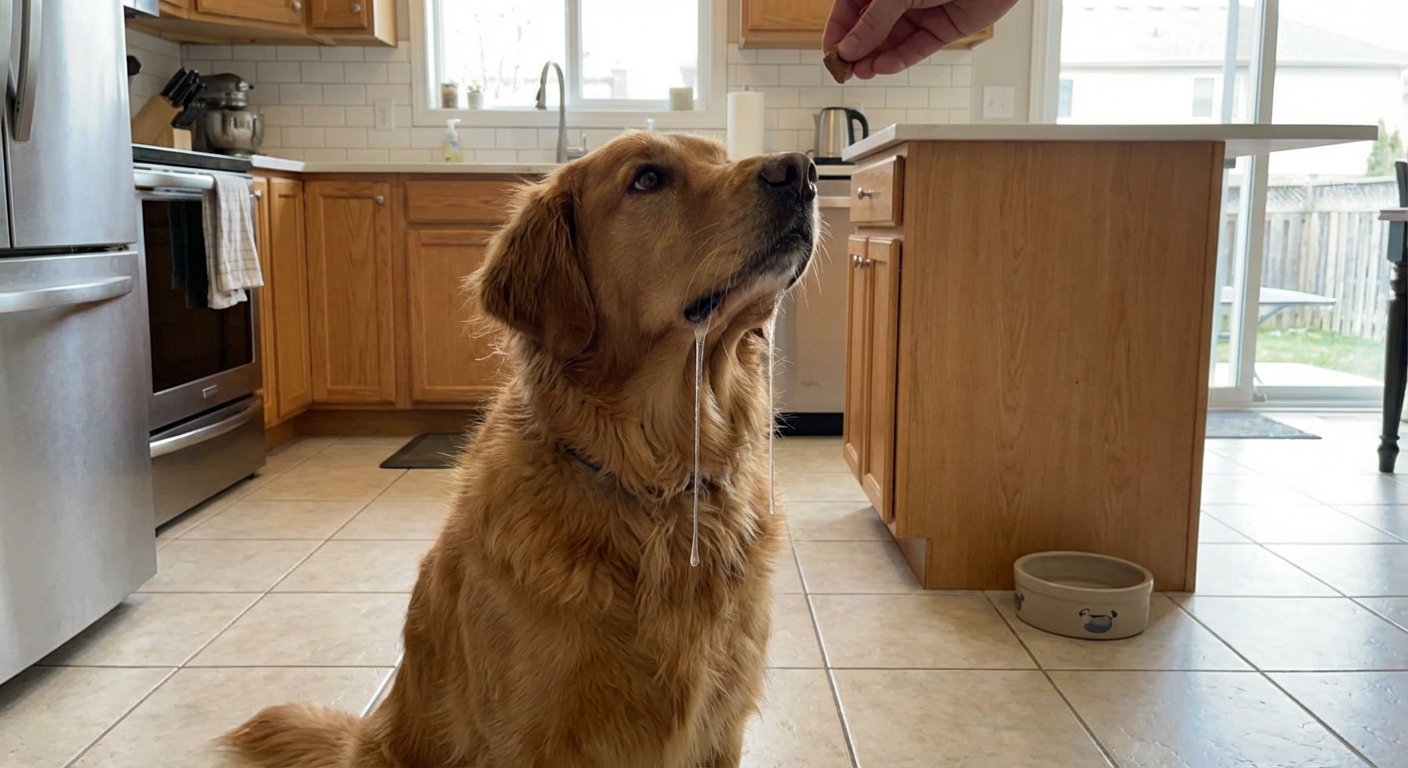
- Drooling (hypersalivation): saliva dripping, wet chin, pawing at the mouth, lip smacking.
- Gagging/retching: heaving motions, coughing-like sounds, swallowing repeatedly.
- Regurgitation: food comes back up without active heaving, often soon after eating.
- True vomiting: nausea signs and abdominal heaving before bringing up stomach contents.
Common look-alikes:
- Coughing (often “honking”): may point to kennel cough or airway irritation, especially if it is frequent or your dog seems congested.
- Reverse sneezing: loud snorting, neck extended, pulling air in. It can look dramatic but is often brief and benign. Call your vet if episodes are frequent, last longer than a minute or two, your dog seems distressed, or there is nasal discharge, lethargy, or poor appetite.
If you can describe which of these you are seeing, you will get to the right answer faster. If possible, take a short video of the episode to show your veterinary team.
Emergency signs: go now
Skip home care and seek urgent veterinary help if you notice any of the following:
- Possible choking or airway trouble: blue or pale gums, struggling to breathe, loud wheezing, collapse.
- Repeated unproductive retching with a swollen belly, severe discomfort, or obvious distress. This can be consistent with bloat and stomach twisting (GDV) in some dogs and is an immediate ER situation.
- Drooling plus sudden facial swelling, hives, or weakness after a sting, new medication, or new food. This may be an allergic reaction.
- Known toxin exposure such as rodent bait, nicotine products, xylitol, human medications, certain plants, or chemicals.
- Suspected foreign body like a bone shard, corn cob, toy piece, sock, needle, or a sharp chew fragment.
- String or ribbon involved: if you see string, floss, rope, or fabric hanging from the mouth or rectum, do not pull it. This can be a linear foreign body and needs urgent veterinary care.
- Blood in vomit, black tarry stool, or severe lethargy.
- Puppies, seniors, or dogs with chronic disease who are worsening quickly.
If you are unsure, it is always appropriate to call your veterinarian or an ER and describe what you are seeing.
Quick home checklist: first 5 minutes
1) Check breathing and tissue color
Normal gums are moist and pink. If your dog seems panicked, cannot settle, or the gums look pale, gray, or blue, treat it as an emergency.
If your dog has naturally black or spotted gums: look at other tissues like the inner eyelids (conjunctiva) or the tongue edges, and focus on whether tissues look unusually pale and whether the mouth feels sticky or dry.
2) Look for obvious mouth issues
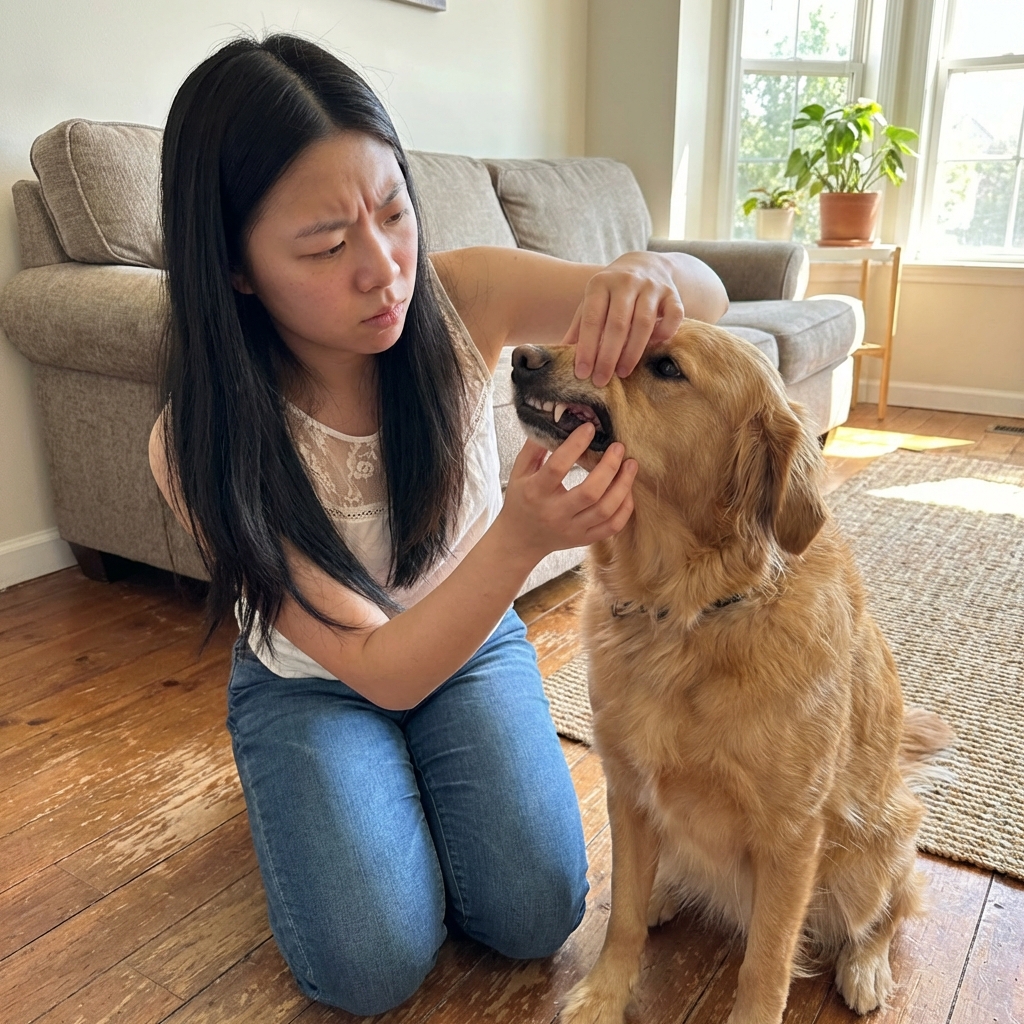
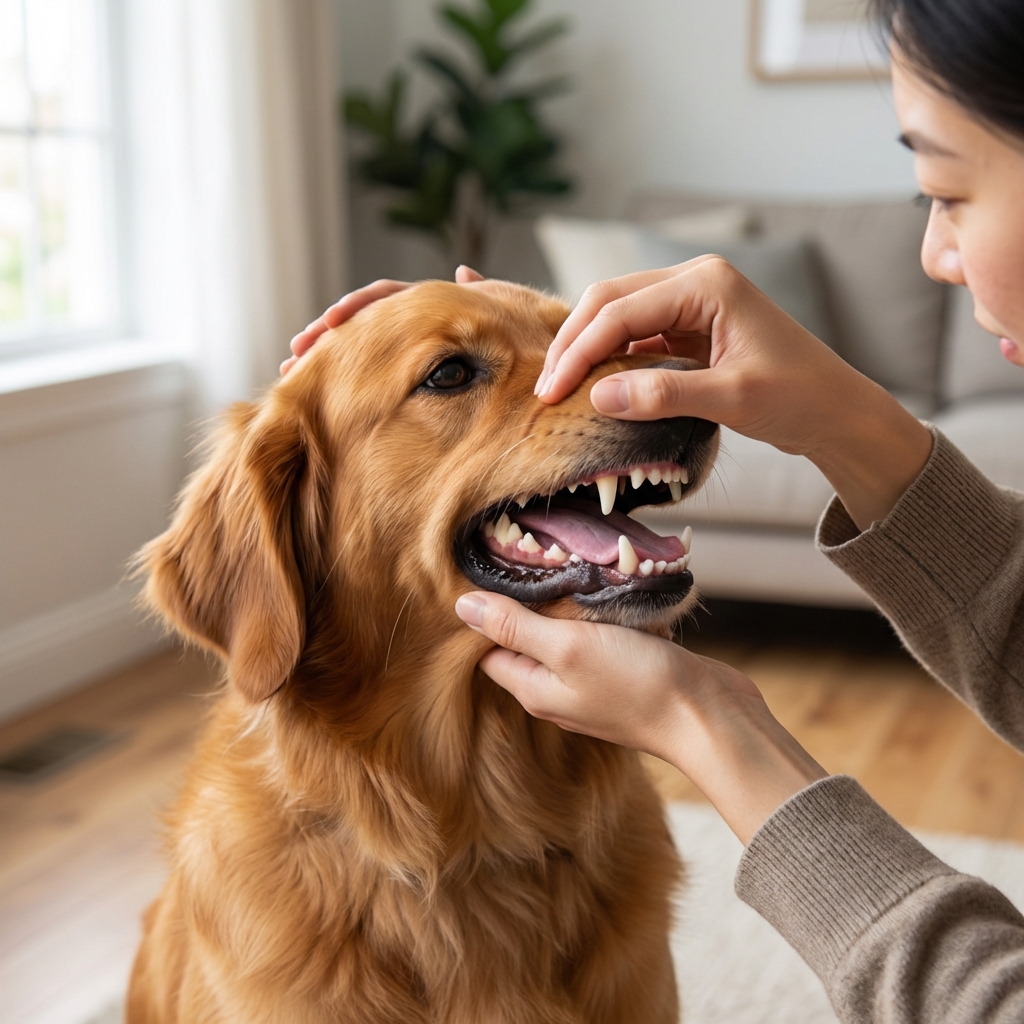
If your dog will safely allow it, gently lift the lips and check for:
- String, hair, or fabric wrapped around the tongue
- A stick, bone, or toy lodged across the roof of the mouth
- Swelling, bleeding, or a broken tooth
Do not put your fingers deep in the throat. A frightened dog can bite, and you can accidentally push an object farther back.
Do not pull visible string or ribbon. Secure it so your dog cannot swallow more and head to a vet.
3) Offer a small sip of water
If they can swallow normally and are calm, a small amount of water can help rinse mild irritants.
- Stop and call a vet if swallowing seems painful or impossible.
- Do not force water if your dog is gagging continuously, is very distressed, or you suspect caustic exposure.
4) Remove access to possible irritants
Pick up chews, toys, trash, houseplants, and food bowls until you know what is going on.
Common at-home causes (and what you can do)
Nausea and mild stomach upset
Nausea is a common reason for sudden drooling. Some dogs also gag, swallow repeatedly, or lick the floor. Causes can include eating too fast, rich treats, table scraps, diet changes, motion sickness, scavenging something gross outside, or even pancreatitis risk after a very fatty meal.
- What you can do: for healthy adult dogs, you can pause food briefly (often a few hours) and offer small sips of water, then offer a small bland meal if they settle.
- Important fasting caution: do not fast puppies, toy breeds prone to low blood sugar, dogs with diabetes, or dogs with significant medical conditions without veterinary guidance.
- Call your vet if: vomiting continues, your dog cannot keep water down, your dog seems painful (especially belly pain), symptoms follow a fatty meal, or signs last more than 24 hours.
Something stuck in the mouth
Foxtails, splinters, small bone fragments, and even clumps of hair can cause dramatic drooling and gagging. Pawing at the mouth is a common clue.
- What you can do: if you can clearly see the object at the front of the mouth and can remove it safely, you can try. If not, do not keep digging.
- Call your vet if: drooling is heavy, your dog will not eat, breath smells suddenly foul, there is swelling, or you suspect the object could be sharp.
Throat irritation from grass, dust, or smoke
Dogs sometimes gag after eating grass or being exposed to strong odors, cleaning fumes, wildfire smoke, or dusty environments. A brief episode may resolve quickly.
- What you can do: move your dog to fresh air, offer water if they can swallow comfortably, and keep activity calm.
- Call your vet if: gagging continues, coughing persists, or your dog seems to struggle for breath.
Acid reflux or regurgitation
Some dogs regurgitate and gag, especially after eating quickly or drinking a lot of water at once. They may drool and swallow repeatedly beforehand.
- What you can do: feed smaller meals, slow down eating with a slow feeder, avoid intense exercise right after meals.
- Call your vet if: it happens more than once, becomes a pattern, there is weight loss, coughing, trouble swallowing, or your dog seems painful when eating. Repeated regurgitation can point to an esophageal problem and should be evaluated.
Dental disease or oral pain
Bad breath, drooling, dropping food, or chewing on one side can point to a dental problem. Infections and fractured teeth can make swallowing uncomfortable and trigger retching.
- What you can do: check for obvious redness, swelling, or broken teeth. Offer softer food temporarily.
- Call your vet if: there is visible swelling, bleeding, refusal to eat, or severe breath odor.
Benign excitement or food anticipation
Some dogs drool when they are excited, anxious, or expecting something delicious. This is common in certain breeds and individuals.
- What you can do: if there is no retching, coughing, distress, or appetite change, this may be normal for your dog. Watch for changes in pattern.
Heat stress and heatstroke
Heavy panting, drooling, and retching can occur when a dog is overheated.
- What you can do: move to a cool area immediately, offer cool water if your dog can drink normally, and use cool (not ice-cold) damp towels on the body.
- Go to ER immediately for suspected heatstroke: weakness, vomiting, collapse, confusion, brick-red gums, or inability to cool down. Do not delay transport while cooling.
Hidden causes in the home
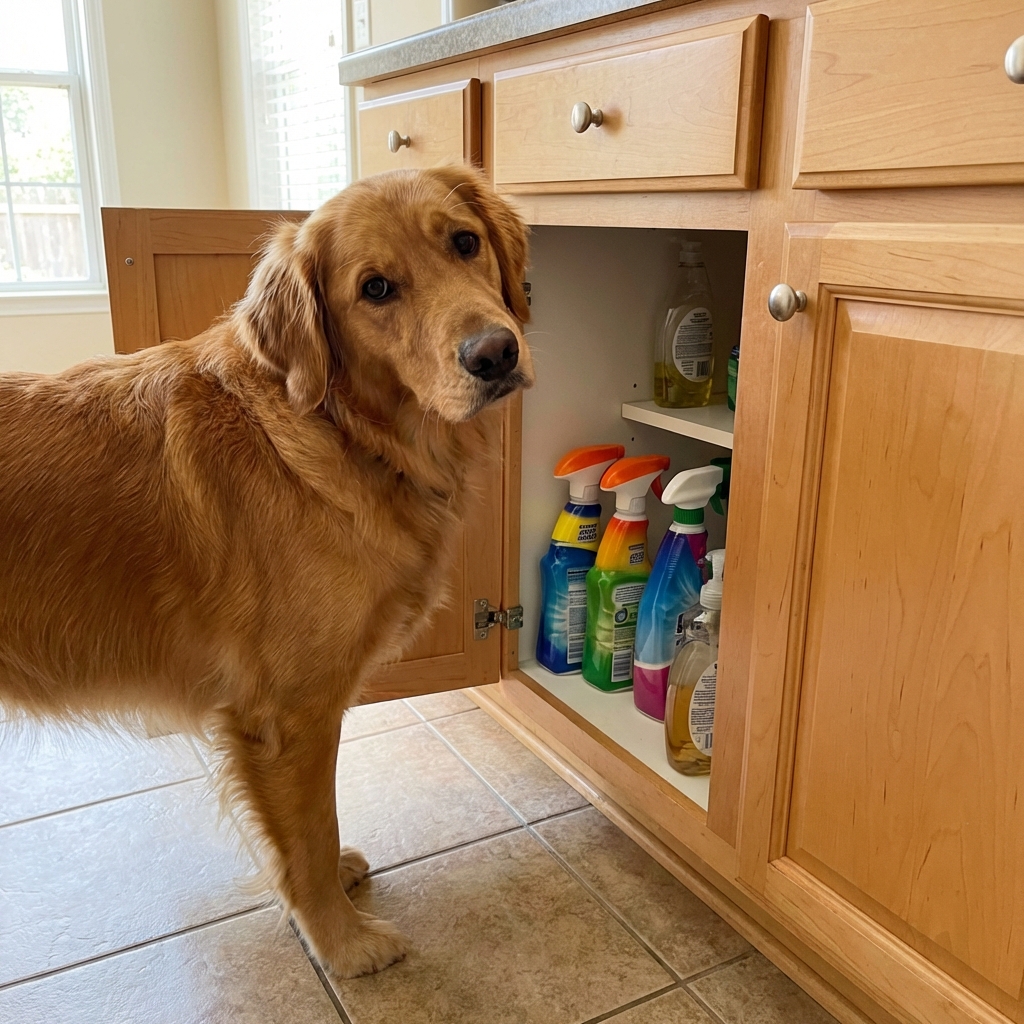
Household toxins and irritants
Many household exposures can cause drooling and retching because they irritate the mouth and stomach. Examples include:
- Cleaning products and detergents
- Essential oils and diffusers (especially direct contact or ingestion)
- Certain houseplants
- Human foods that are unsafe for dogs
- Human medications
If you suspect exposure, remove access and call your veterinarian, an ER, or a pet poison hotline right away. Bring the product name and approximate amount if you can.
- Do not induce vomiting unless a veterinarian or poison expert tells you to.
- Do not force water if your dog is struggling to swallow or is very distressed.
- If the substance is on the lips or front of the mouth, you can offer small amounts of water to help rinse, but rinsing is not a substitute for guidance.
Chews that splinter or swell
Rawhides, bones, antlers, and some long-lasting chews can splinter or break teeth. Others can swell and become a choking hazard or cause obstruction if swallowed.
If drooling and retching began during or right after chewing, remove the chew and look for missing pieces.
Monitor vs call your vet
Usually okay to monitor briefly
- A single brief episode that resolves quickly and your dog acts normal afterward
- Mild drooling after a car ride or excitement that stops once your dog calms
- Minor grass eating followed by one gag and then normal behavior
Call your vet today
- Drooling plus pawing at the mouth or chewing oddly
- Retching that repeats over hours
- Any vomiting in a dog that is lethargic or not drinking
- Bad breath with drooling, or obvious gum redness
- Frequent reverse sneezing episodes, a new honking cough, or coughing that is worsening
Call immediately for guidance
- Suspected foreign body ingestion even if your dog seems okay. There is sometimes a narrow window (often 1 to 2 hours) when a veterinarian may be able to help by inducing vomiting safely, depending on what was swallowed.
- String, ribbon, rope, or fabric exposure or anything that could be a linear foreign body
Go to urgent care or ER
- Breathing difficulty or gum color changes
- Repeated retching with no vomit produced
- Severe abdominal pain or bloating
- Poison exposure or severe allergic reaction signs
- Suspected heatstroke
What not to do
- Do not induce vomiting unless a vet or poison hotline directs you.
- Do not give human antacids, anti-nausea meds, or pain relievers unless your vet has told you to. Some human medications are dangerous for dogs.
- Do not pull string or ribbon hanging from the mouth or rectum.
- Do not probe deep in the throat or try to “sweep” the back of the mouth with your fingers.
- Do not wait it out if there is repeated unproductive retching, a bloated abdomen, trouble breathing, or worsening weakness.
How to prevent repeat episodes
- Slow down meals: use a slow feeder, spread food in a snuffle mat, or feed smaller portions more often.
- Choose safer chews: avoid items that splinter or are hard enough to crack a tooth.
- Pet-proof the home: store cleaners and medications securely and keep trash covered.
- Support oral health: regular dental checks and consistent home dental care can reduce drooling from mouth pain.
- Transition diets gradually: changes over 7 to 10 days are easier on the stomach.
If drooling and retching become a pattern, keep notes on timing, foods, chews, and activities. A quick video and a simple log can help your veterinary team pinpoint the cause faster.
Quick note on homemade foods
Sometimes drooling and gagging are your dog’s way of saying, “That did not sit right.” If you are experimenting with new foods or homemade additions, go slowly and introduce one new item at a time. Simple, whole foods can be a great support for many dogs, but sudden changes can trigger nausea.
When in doubt, keep it simple, keep it slow, and call your veterinarian if symptoms persist or escalate.