Practical, vet-informed ways to help your dog drink more: ideal daily intake, common causes of low drinking, bowl and water setup fixes, add-ins, “go drink...
Article
•
Designer Mixes
Dog Drinking Excessive Water Care Tips

Shari Shidate
Designer Mixes contributor
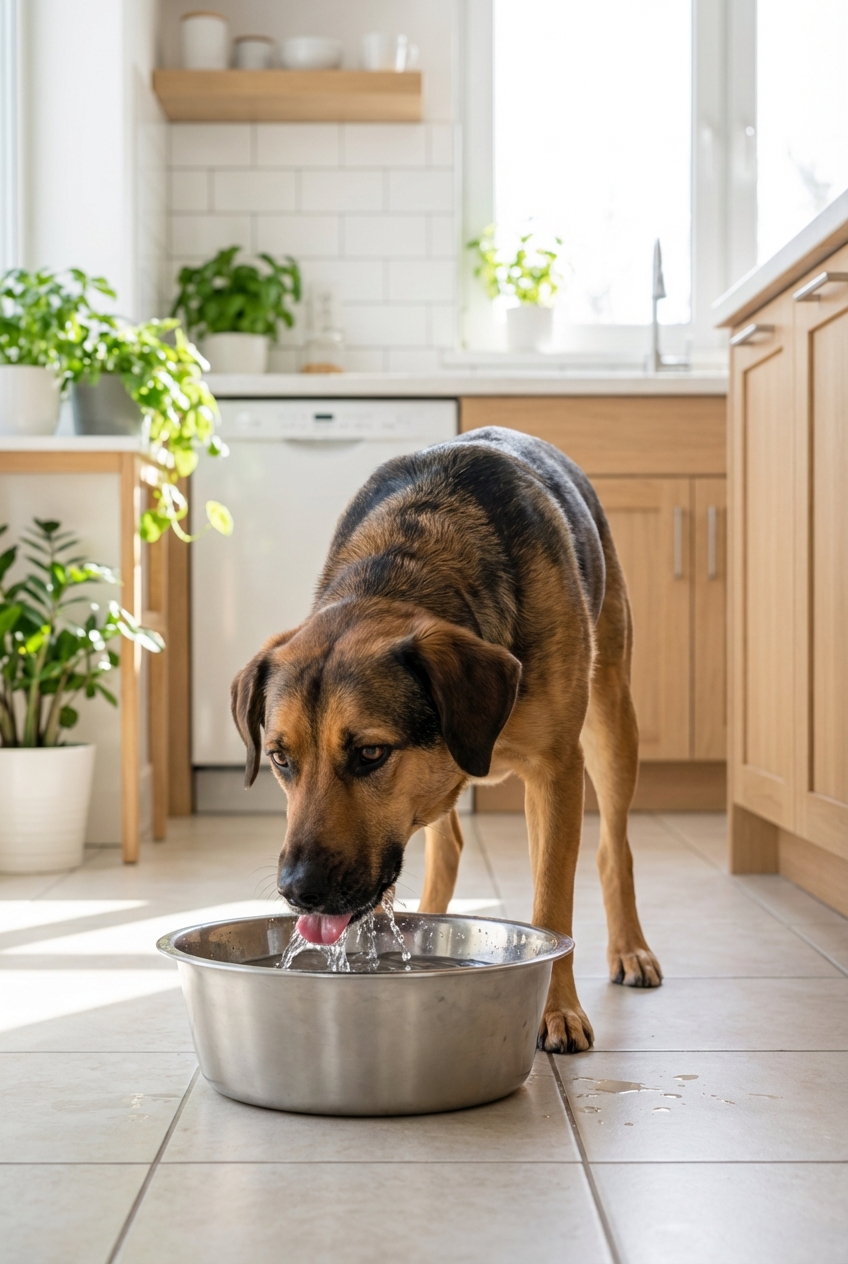
If your dog is suddenly draining the water bowl, you are right to pause. Extra thirst can be as simple as hot weather or extra playtime, but it can also be an early sign of a medical issue that deserves attention. As a veterinary assistant in Frisco, Texas, I always tell families the same thing: don’t panic, but do get curious and start tracking what you’re seeing.
In this guide, I’ll walk you through what “too much” water can look like, the most common causes, what you can safely do at home, and when it’s time to call your veterinarian.
What counts as “excessive” water?
Most healthy dogs drink roughly 40 to 60 mL of water per kilogram of body weight per day. That works out to about 0.6 to 1 ounce per pound per day as an owner-friendly estimate. A little more can be normal with heat, exercise, or dry kibble. The concern rises when thirst is persistent, increasing, or paired with other symptoms.
Quick note on units: 1 cup equals 8 ounces.
A quick way to estimate typical intake
These examples follow the 40 to 60 mL/kg guideline. Many healthy dogs vary a bit day to day.
- 10 lb dog: about 5 to 8 oz/day (roughly 0.6 to 1 cup)
- 30 lb dog: about 16 to 24 oz/day (roughly 2 to 3 cups)
- 60 lb dog: about 32 to 48 oz/day (roughly 4 to 6 cups)
Call your vet if your dog is consistently drinking around 1.5 to 2 ounces per pound per day or more (about >100 mL/kg/day), or if your dog’s habits change quickly and you cannot link it to a normal reason. That higher range can fall into polydipsia territory and deserves a closer look.
Common normal reasons dogs drink more
Sometimes the explanation is truly straightforward. Before you assume the worst, consider these common triggers:
- Heat and humidity: Dogs cool themselves through panting, which increases water needs.
- More activity: Longer walks, dog park visits, agility, and play sessions all increase thirst.
- Diet changes: Dry kibble often leads to more drinking than canned or fresh food. Salty treats can also do it.
- Pregnancy or nursing: Water needs rise significantly.
- Stress or excitement: Some dogs “stress drink,” especially in new environments.
If the water increase matches a clear, temporary cause and your dog otherwise seems normal, you can monitor closely for a few days while tracking intake.
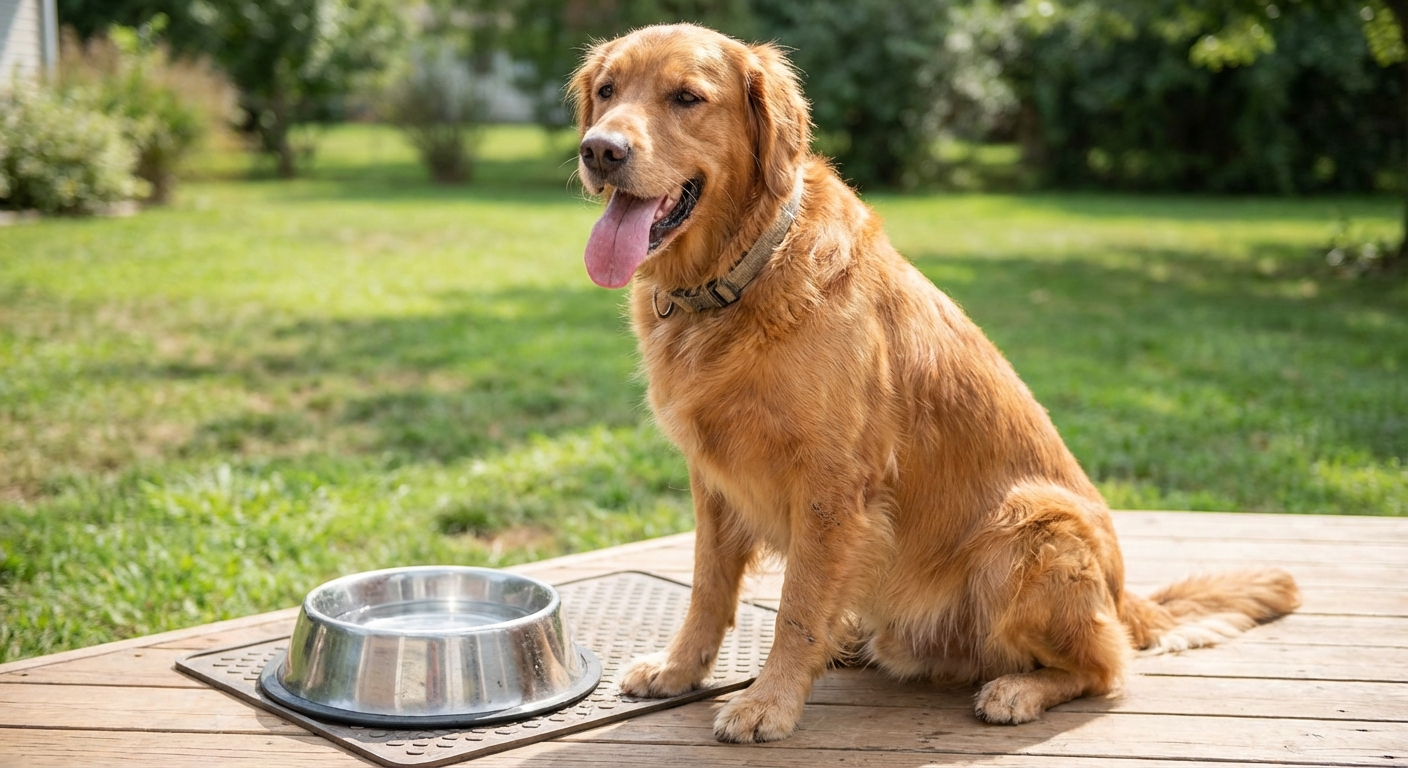
Medical causes that can drive excessive thirst
In veterinary medicine, increased thirst is called polydipsia. It often appears alongside increased urination, called polyuria. These can be early clues for several conditions, including:
Kidney disease
The kidneys help concentrate urine. When they struggle, dogs often drink more to compensate and urinate more. You may also notice poor appetite, weight loss, vomiting, or bad breath.
Diabetes mellitus
High blood sugar pulls water into the urine, leading to frequent urination and intense thirst. Common signs include weight loss despite a good appetite, accidents in the house, and sometimes lethargy.
Cushing’s disease
Excess cortisol can cause increased thirst and urination, increased appetite, panting, a pot-bellied appearance, and thin skin or hair loss.
UTI or bladder inflammation
These issues more commonly cause urinary symptoms than true high water intake, but some dogs may seem thirstier or need to go out more often because they feel frequent urgency. Watch for straining, licking at the vulva or penis, blood in the urine, accidents, or frequent small pees.
Liver disease
Liver issues can change thirst and urination patterns and may also cause decreased appetite, vomiting, diarrhea, or yellowing of the gums or eyes.
Pyometra
This occurs in unspayed female dogs, typically weeks after a heat cycle. Signs can include increased drinking, lethargy, vomiting, fever, and sometimes vaginal discharge. This is an emergency.
Medication side effects
Some common medications increase thirst, including steroids (prednisone), phenobarbital, and some diuretics. Never stop a prescribed medication without your veterinarian’s guidance, but do report increased drinking promptly.
Other causes
There are other possible causes, including rarer hormonal conditions like diabetes insipidus. Your vet’s testing helps narrow down what is most likely for your dog.
If excessive drinking is new, persistent, or paired with increased urination, appetite changes, vomiting, diarrhea, weight loss, weakness, or accidents, it’s time to schedule a vet visit.
Red flags that mean “call the vet today”
- Sudden, dramatic increase in drinking that lasts more than 24 hours
- Drinking and urinating more plus lethargy or weakness
- Vomiting, diarrhea, or refusal to eat
- Weight loss or a noticeably increased appetite
- Accidents in a previously house-trained dog
- Unspayed female drinking more, especially if she seems unwell
- Dehydration signs despite drinking (tacky gums, sunken eyes)
- Collapse, pale gums, or trouble breathing (emergency)
Also urgent: If your dog rapidly gulps large amounts of water (for example, intense hose or sprinkler play) and then seems nauseated, wobbly, bloated, glassy-eyed, or weak, seek emergency care. This can be a sign of water intoxication.
What you can do at home
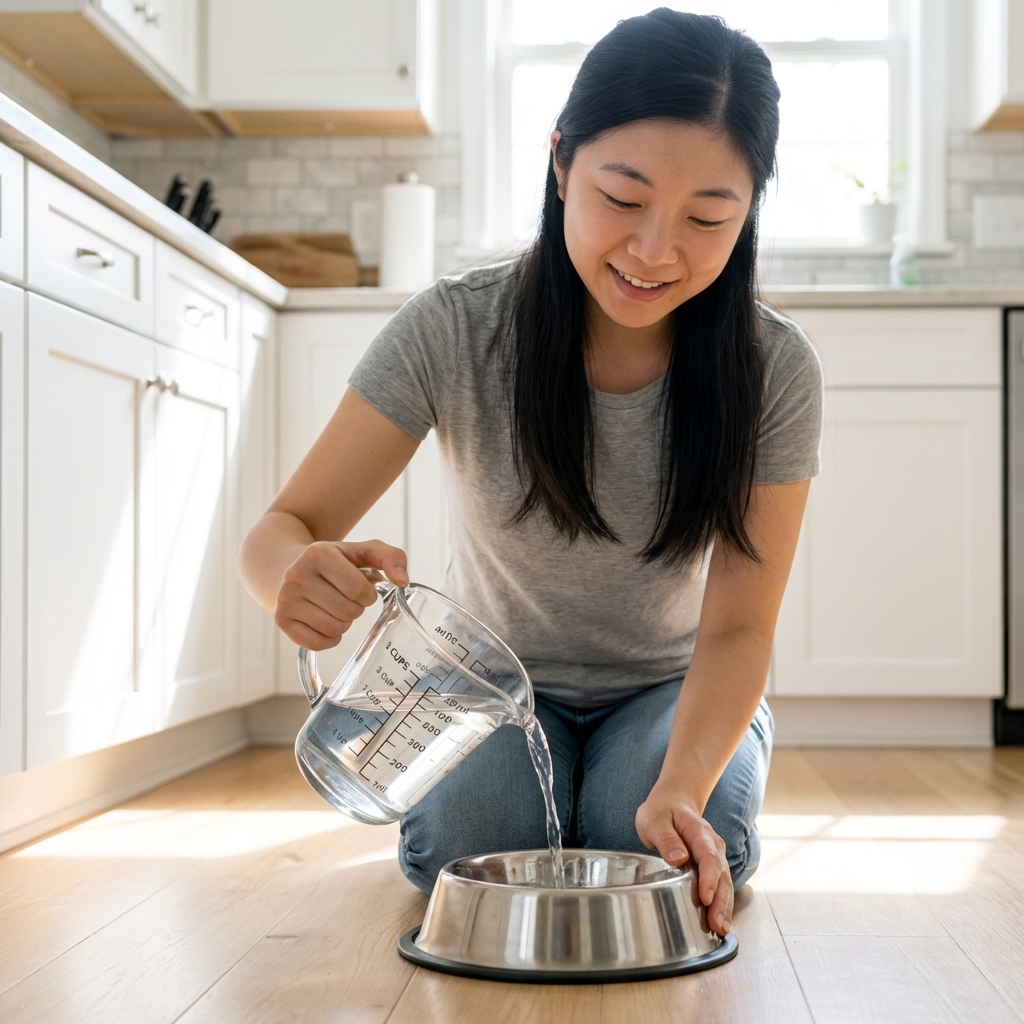
1) Measure water intake for 3 days
This one step helps your veterinarian more than you might expect.
- Measure how much water you put in the bowl each morning.
- Measure what is left at the same time each day.
- Subtract to estimate daily intake.
- If you have multiple pets, supervise or separate for measurement periods.
Tip: Include other water sources like a second bowl, a fountain, ice cubes, or water added to food.
Reality check: Spilled water, enthusiastic pawing, and outdoor bowls can skew your numbers. That’s okay. Just make a quick note so your vet can interpret the log accurately.
2) Track urination patterns
- How often is your dog asking to go out?
- Are they producing large volumes?
- Any straining, dribbling, or blood?
- Any nighttime accidents?
3) Keep water available
It’s very tempting to take the bowl away, but for many conditions, restricting water can be dangerous. Unless your veterinarian specifically instructs you to limit water, keep fresh water available.
4) Check for simple triggers
- Did you switch to a saltier treat or new chew?
- Did you change food from canned to kibble?
- Is it hotter than usual, or is your dog panting more?
- Did you start a new medication?
5) Bring the right info to your appointment
When you call or visit, having these details ready can speed up diagnosis:
- Measured daily water intake
- Urination changes
- Diet and treat list
- Medication and supplement list
- Any vomiting, diarrhea, appetite, or weight changes
- When the change started
What your vet may recommend
Excessive drinking is a symptom, not a diagnosis. Your veterinarian will aim to find the “why” with a few common steps.
Physical exam and history
Your vet will ask about appetite, urination, behavior, medications, and any recent life changes. They will also check hydration, weight, abdominal feel, and overall condition.
Urinalysis
A urine test can reveal urine concentration, signs of infection, glucose (diabetes clue), protein, crystals, and more.
Bloodwork
Blood chemistry and a complete blood count can help evaluate kidney and liver function, blood sugar, electrolytes, infection, and inflammation.
Additional tests if needed
- Urine culture to confirm and target a UTI
- X-rays or ultrasound to look at kidneys, bladder stones, or uterine infection
- Endocrine testing for Cushing’s disease or other hormonal causes
The good news is that many causes are treatable, and earlier detection usually means simpler care and better outcomes.
Hydration tips for healthy dogs
If your dog is medically cleared and you just want to support steady hydration, these gentle strategies can help.
- Keep water clean and appealing: Wash bowls daily and refresh water often.
- Choose the right bowl: Some dogs prefer stainless steel or ceramic over plastic.
- Add moisture to meals: A spoon of warm water or low-sodium broth can encourage hydration. Avoid onion and garlic powders in broths.
- Offer water after play: Small, frequent drinks are great, especially in warm Texas weather.
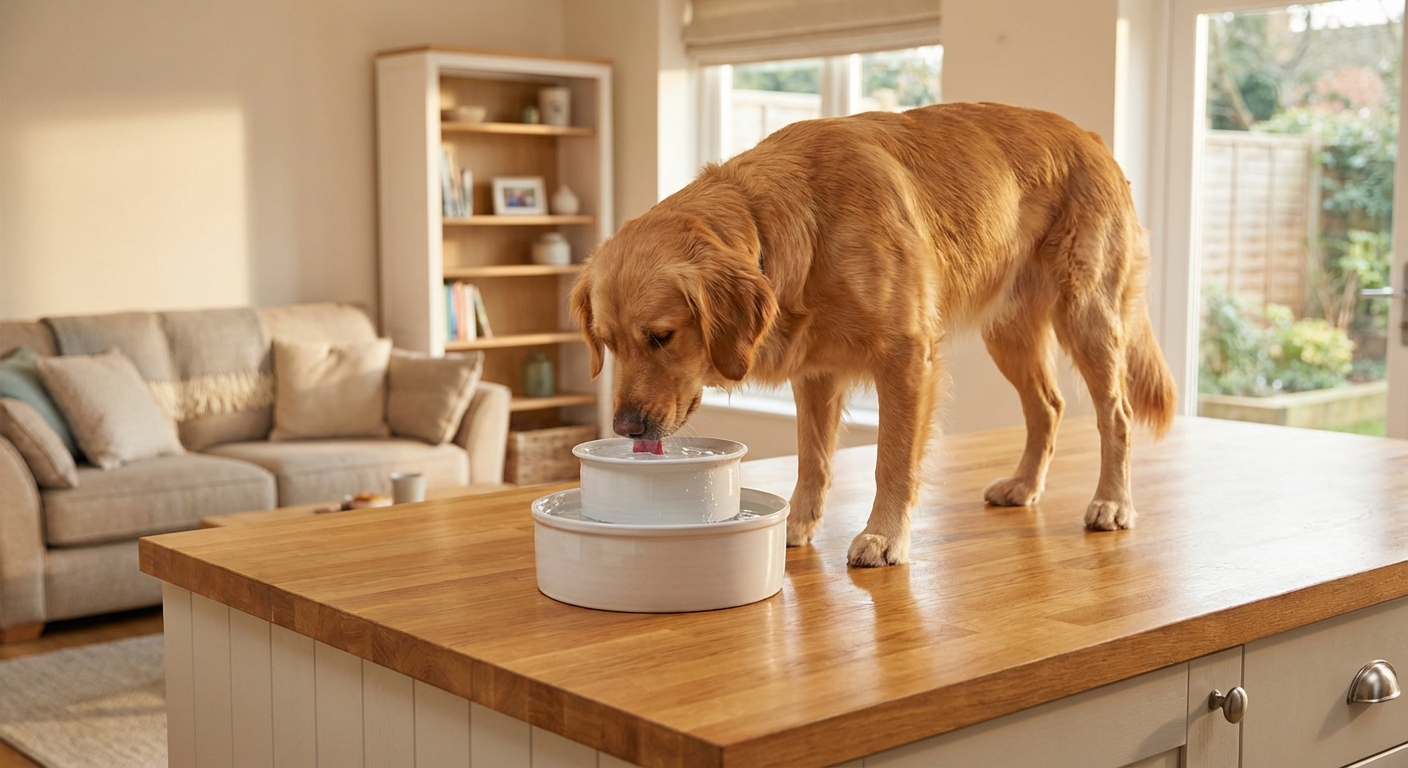
- Consider a pet fountain: Some dogs drink more reliably with moving water.
FAQ
Is it ever okay to limit my dog’s water?
Only with veterinary guidance. Water restriction can worsen dehydration and complicate conditions like kidney disease or diabetes. If your dog is vomiting repeatedly and guzzling water, call your vet for advice right away.
My dog drinks a lot at night. Is that normal?
Some dogs drink more in the evening due to routine, warmer temps earlier in the day, or salty snacks. But if nighttime drinking is new and paired with nighttime urination or accidents, it is worth a checkup.
Can anxiety cause excessive drinking?
Yes, some dogs drink more when stressed. The key is making sure there is not a medical cause first, especially if the change is sudden.