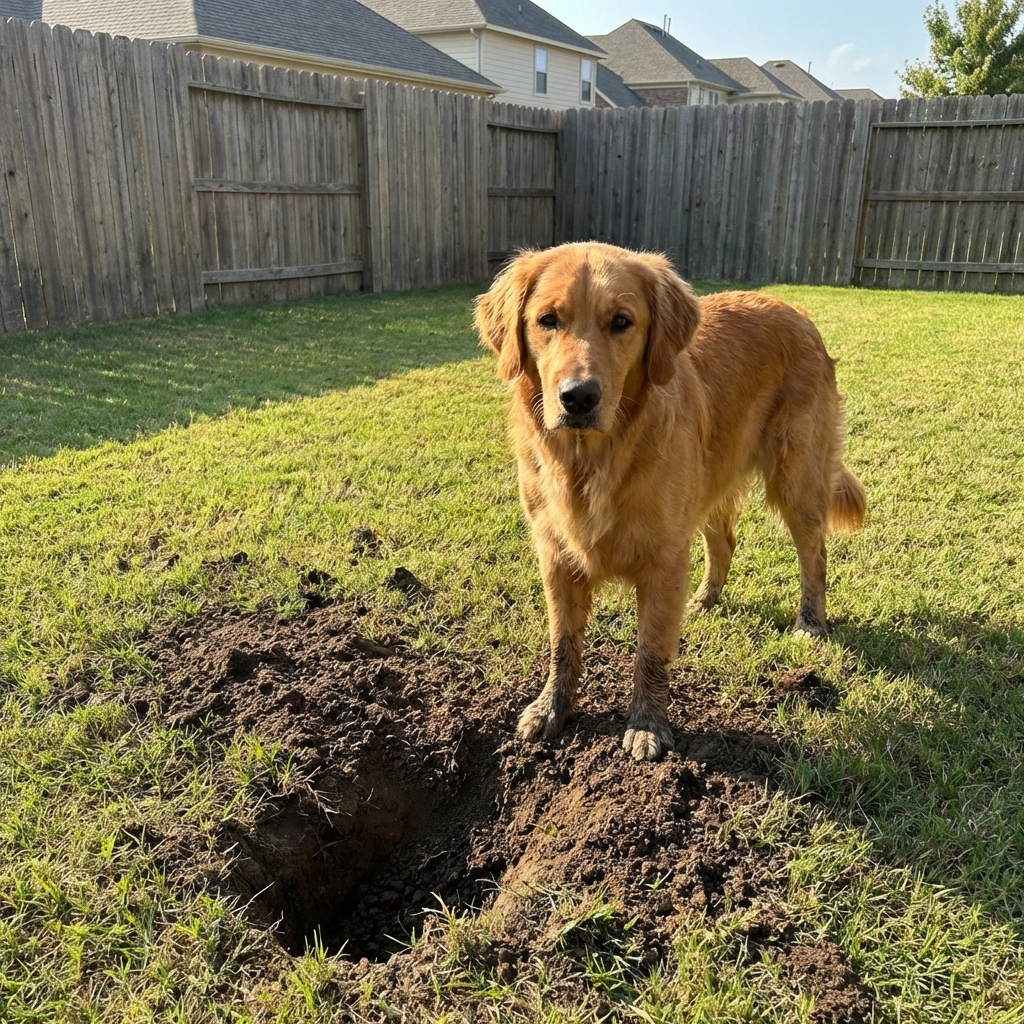
Is your dog pawing at blankets or tearing up couch cushions? Discover the common instincts behind digging, stress and boredom triggers, health red flags, and...
Article
•
Designer Mixes
Dog Digging on the Bed

Shari Shidate
Designer Mixes contributor
Have you ever watched your dog hop onto the bed, circle a few times, and start digging like they’re trying to reach the center of the earth? You’re not imagining it, and your dog is not “being bad.” In many cases, bed digging is normal canine behavior that can be managed with a few simple, kind adjustments.
As a veterinary assistant, I like to start with this mindset: behavior is communication. Your dog is telling you something about comfort, temperature, stress, habit, or even health.
Note: This article is educational and not a substitute for veterinary care. If you’re seeing sudden behavior changes or signs of discomfort, it’s always worth checking in with your veterinarian.
Why dogs dig on the bed
It’s instinct
Before dogs shared our couches and comforters, they created sleeping spots by pawing at leaves, grass, or dirt. Digging helped make a softer “nest,” clear sharp debris, and create a comfortable dip in the ground. Many modern dogs still run this ancient program, even when the “ground” is your duvet.
They’re regulating temperature
Digging can be a way to cool down or warm up. In nature, scraping at the ground can expose cooler soil in summer or help create a sheltered spot in colder weather. On a bed, your dog may be trying to find the coolest patch of sheet or tuck into a warmer pocket of blanket. If nighttime digging increases, it can help to check the room temperature and bedding thickness.
Scent and security
Dogs experience the world through scent. Digging and circling may help distribute their scent in the bedding and make the spot feel more secure. For some dogs, it’s a comfort ritual, especially at night or during household changes.
Stress, anxiety, or extra energy
If the digging is intense, frequent, or paired with panting, whining, pacing, or destructive chewing, stress is worth considering. Some dogs dig as a displacement behavior when they feel unsure or overstimulated.
“I need something” signals
Occasionally, digging on the bed is your dog’s way of saying: I need a potty break, I’m thirsty, I want attention, or I’m not settled.
Fun facts about bed digging
- Circling plus digging is common. Many dogs will circle first to “test” the area, then dig to shape it.
- Some breeds are extra enthusiastic. Terriers, Dachshunds, and some spitz-type (Nordic) breeds, like Huskies and Malamutes, often have strong digging instincts, but any dog can do it.
- It can happen right before sleep. Many dogs do a quick dig routine as part of winding down, similar to humans fluffing a pillow.
- It’s not always a dominance thing. Most of the time, this behavior is comfort-seeking, not a power play.
Normal vs red flags
Usually normal
- Brief digging before settling
- No damage, or only minor blanket bunching
- Your dog is otherwise relaxed and healthy
Worth investigating
- Sudden new digging in an adult dog who didn’t do this before
- Obsessive digging that’s hard to interrupt, goes on for minutes at a time, or happens in repeated cycles that disrupt sleep
- Digging plus restlessness, panting, trembling, or clinginess
- Scratching at the bed and also scratching their body (possible itchiness from allergies, fleas, or skin infection)
- Difficulty getting comfortable, stiffness, or reluctance to lie down (possible pain, arthritis, or orthopedic discomfort)
- Confusion at night in seniors (cognitive dysfunction can include repetitive behaviors and nighttime changes; other signs can include disorientation, altered sleep-wake cycles, and house soiling)
If any of these fit, it’s a good idea to check in with your veterinarian. Behavior changes are sometimes the first sign that something physical is going on.
Tips that help
1) Give them a yes spot
If your dog loves to dig, make a designated digging-friendly setup:
- A sturdy dog bed with a washable cover
- A thick blanket or two that you don’t mind being bunched up
- A small nest zone on your bed, like a throw blanket placed on top of the comforter
Then gently redirect: when digging starts, guide them to the yes spot and praise when they settle.
2) Add a barrier blanket
If nails are snagging sheets or comforters, place a tough throw blanket on top where your dog typically digs. This protects your bedding and still lets your dog do their ritual.
3) Consider nail care
Long nails can turn harmless digging into torn fabric and can even affect paw and joint comfort. Regular trims or dremeling often reduces damage.
If your dog hates nail trims, ask your vet clinic or groomer about low-stress handling options. Many dogs do better with short, frequent sessions. In some cases, your veterinarian may also discuss nail caps as a damage-reduction option.
4) Add enrichment earlier
A dog with extra energy is more likely to work it out on the bed. Try adding one of these daily:
- A brisk sniff walk (sniffing is often calming and mentally tiring)
- Food puzzles or a stuffed frozen Kong-style toy
- A short training session (sit, down, touch, place)
5) Support calm at bedtime
If digging ramps up at night, create a predictable wind-down routine:
- Potty break
- Fresh water
- Quiet chew time
- Lights dimmed, white noise if helpful
What not to do
- Don’t punish. Digging is usually instinct and comfort-seeking. Punishment can increase anxiety and make bedtime more chaotic.
- Don’t use aversives. Avoid deterrent sprays, startling devices, or scolding. These can increase stress and may make the behavior worse.
- Don’t accidentally reward frantic digging. If digging becomes a way to get attention, try rewarding calm behavior instead. Ask for a simple cue like “sit” and then offer attention.
Quick guide
If your dog digs and then settles
Likely normal nesting behavior. Protect bedding with a throw blanket and keep nails trimmed.
If your dog digs and can’t settle
Look for heat, stress, pain, or a missed need (potty, thirst). Consider a vet check if it’s new or intense.
If your dog digs and chews bedding
Increase enrichment, manage stress, and supervise closely. Chewing fabric can be dangerous if swallowed and may cause an intestinal blockage, including serious linear foreign bodies. Seek veterinary care promptly if you notice vomiting, lethargy, appetite changes, abdominal pain, or trouble passing stool.
If your senior dog digs at night
Talk with your veterinarian. Seniors may need joint support, a different bed surface, or help with nighttime anxiety and cognitive changes.
The bottom line
Most dogs dig on the bed because it feels good, it’s instinctive, and it helps them settle. With a little prevention and a yes place to dig, you can protect your bedding while still respecting your dog’s natural behavior.
If the digging is sudden, obsessive, or paired with signs of discomfort, let your vet be your partner. Comfort behaviors can sometimes be the first clue that your dog needs help.