Dog diarrhea is stressful, but many mild cases improve fast with hydration and a short-term bland diet. Get safe food options, portions, foods to avoid, and ...
Article
•
Designer Mixes
Dog Diarrhea: What to Do

Shari Shidate
Designer Mixes contributor
As a veterinary assistant, I have talked with many worried pet parents who feel helpless when diarrhea shows up. The good news is that many cases are mild and short-lived. Still, diarrhea can also be a sign of something serious, so the hard part is knowing when to try simple home support and when to get to the vet fast.
This guide walks you through what diarrhea can mean, what you can do today, what to avoid, and the red flags that should never wait.
What counts as diarrhea?
Diarrhea is loose, watery, or frequent stool that is noticeably different from your dog’s normal. You might also see mucus, an urgent need to go out, accidents in the house, or loud gut sounds.
In clinic we usually think of diarrhea in two broad categories:
- Small-intestine diarrhea: larger amounts of watery stool, weight loss possible, and a higher risk of dehydration when stool volume is heavy.
- Large-intestine diarrhea: frequent small amounts, straining, mucus, and sometimes fresh red blood.
That distinction is not a diagnosis, but it helps you describe what you see clearly to your veterinary team.
Common causes
Diet can absolutely be the trigger, but diarrhea is also one of the body’s most common alarm signals. Here are frequent causes we see:
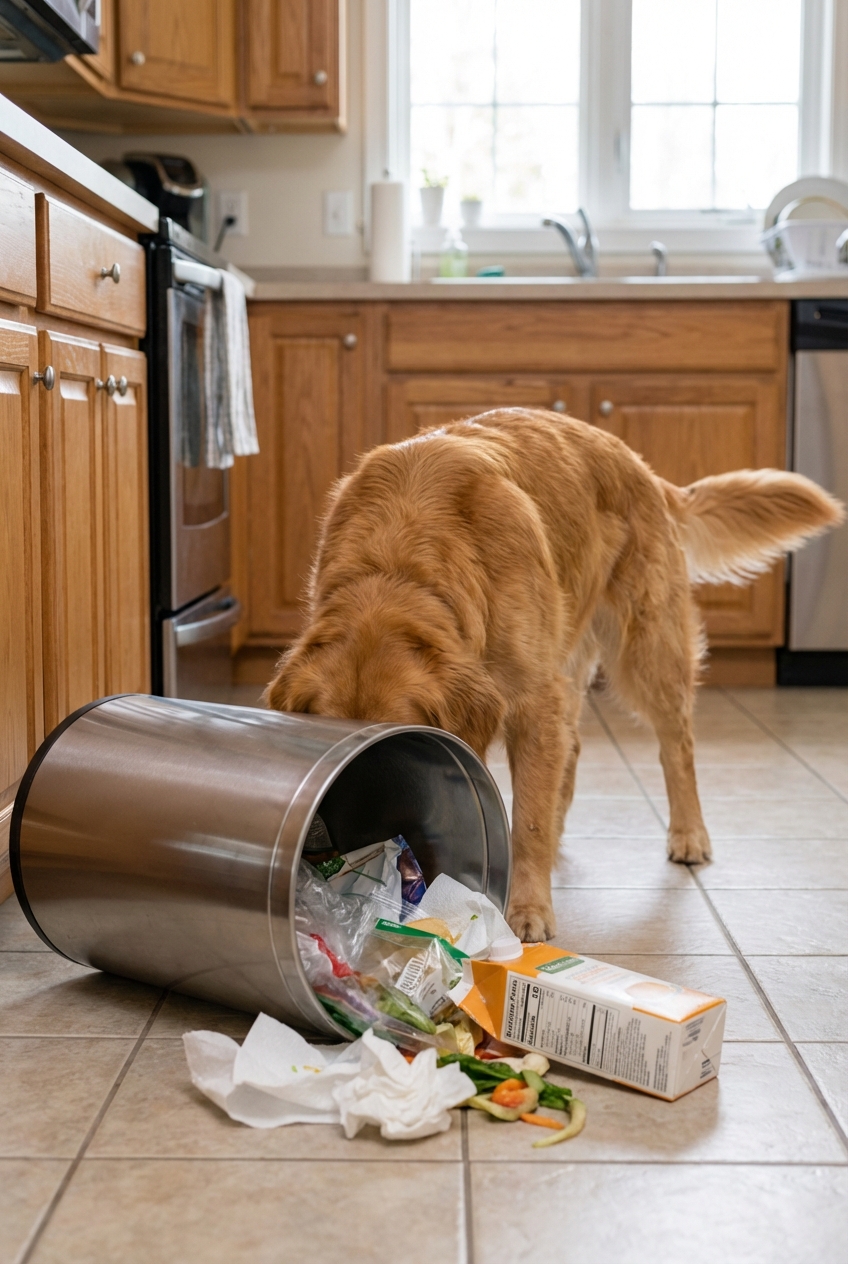
- Dietary indiscretion: trash, greasy leftovers, too many treats, new chews, rich “people food,” spoiled food.
- Diet change too fast: switching foods abruptly, including adding a new topper.
- Parasites: giardia, roundworms, hookworms, whipworms, coccidia. These are especially common in puppies and dogs who visit dog parks or daycare.
- Stress: travel, boarding, houseguests, storms, changes in routine.
- Infections: viral or bacterial causes, sometimes linked to exposure to contaminated water or feces.
- Food sensitivity: chronic or recurring loose stool that improves when diet is simplified.
- Pancreatitis: often after a fatty meal, can be painful and serious.
- Medication side effects: antibiotics and some NSAIDs can upset the gut.
- Underlying disease: inflammatory bowel disease, endocrine disease, liver disease, and more.
If diarrhea lasts more than a couple of days, repeats often, or comes with other symptoms, it is time to investigate rather than guess.
Should you call a vet now?
Use this as a practical checklist. If any of the following are true, contact your veterinarian or an emergency clinic today.
Emergency or same-day red flags
- Puppy, senior, or very small dog with diarrhea (they can dehydrate faster).
- Repeated vomiting or cannot keep water down.
- Blood: large amounts of red blood, watery diarrhea with significant blood, or black, tarry stool.
- Signs of dehydration: sticky gums, sunken eyes, lethargy, weakness.
- Severe abdominal pain (tense belly, hunched posture, crying, restlessness).
- Fever, collapse, pale gums, or extreme lethargy.
- Known toxin exposure (grapes or raisins, xylitol, medications, rodent bait, compost, mushrooms).
- Possible foreign body (toy, sock, corn cob, bone) or repeated retching with little or no vomit produced.
- Diarrhea that is not improving with simple support: more than 24 hours in puppies or seniors, or more than 48 hours in otherwise healthy adults.
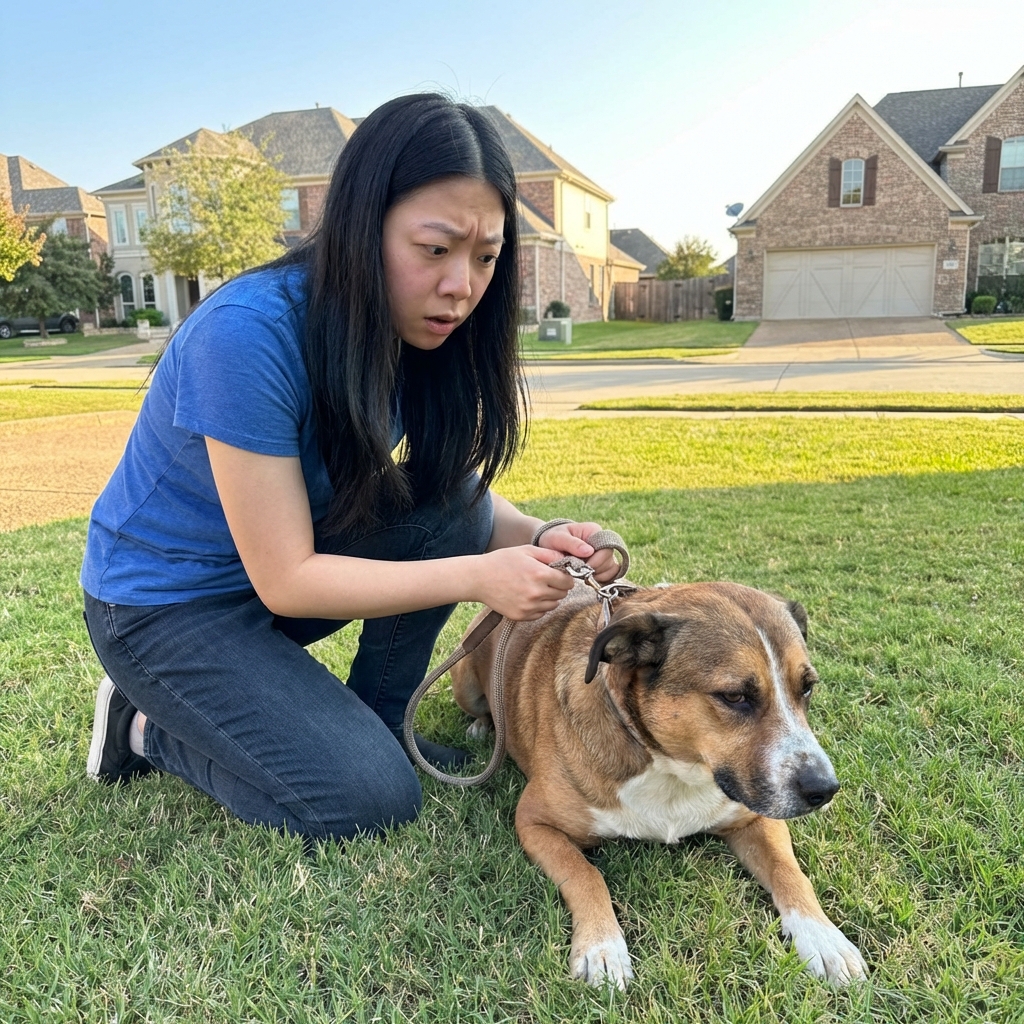
Trust your gut. If your dog is acting significantly off, do not wait.
What to do at home
If your dog is bright, alert, drinking water, and has only mild diarrhea without red flags, simple support can help the gut calm down.
1) Hydration comes first
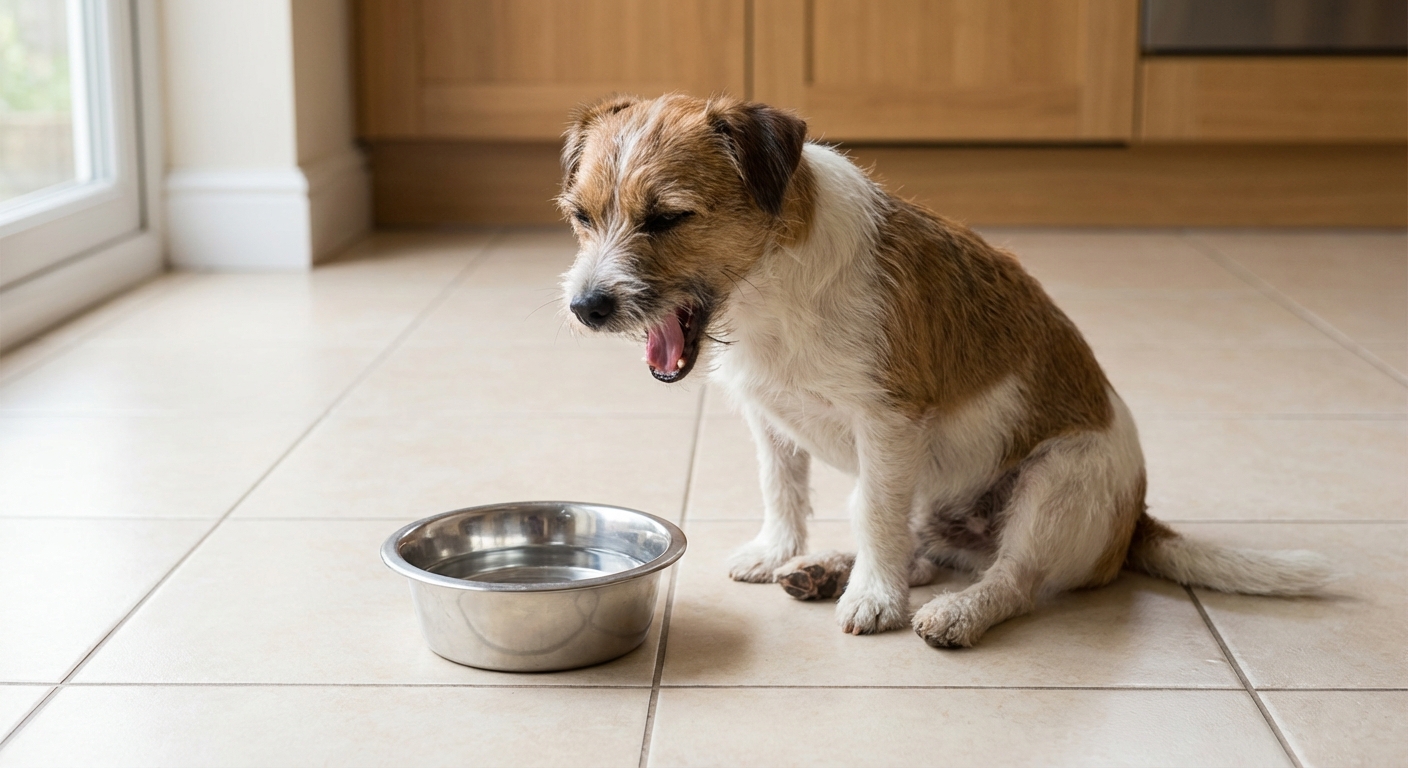
Dehydration is one of the biggest risks. Do not restrict water. Encourage drinking and watch for dry gums or lethargy. If your dog will not drink, or vomiting prevents hydration, call your vet.
2) Food adjustments
For healthy adult dogs, your veterinarian may recommend a short fast (often 8 to 12 hours) to rest the GI tract. This is not universal advice, and many vets prefer skipping fasting and offering small bland meals instead.
Do not fast puppies, toy breeds prone to low blood sugar, or dogs with diabetes unless a veterinarian tells you to. If your dog becomes weak, more lethargic, or starts vomiting, stop home care and call your vet.
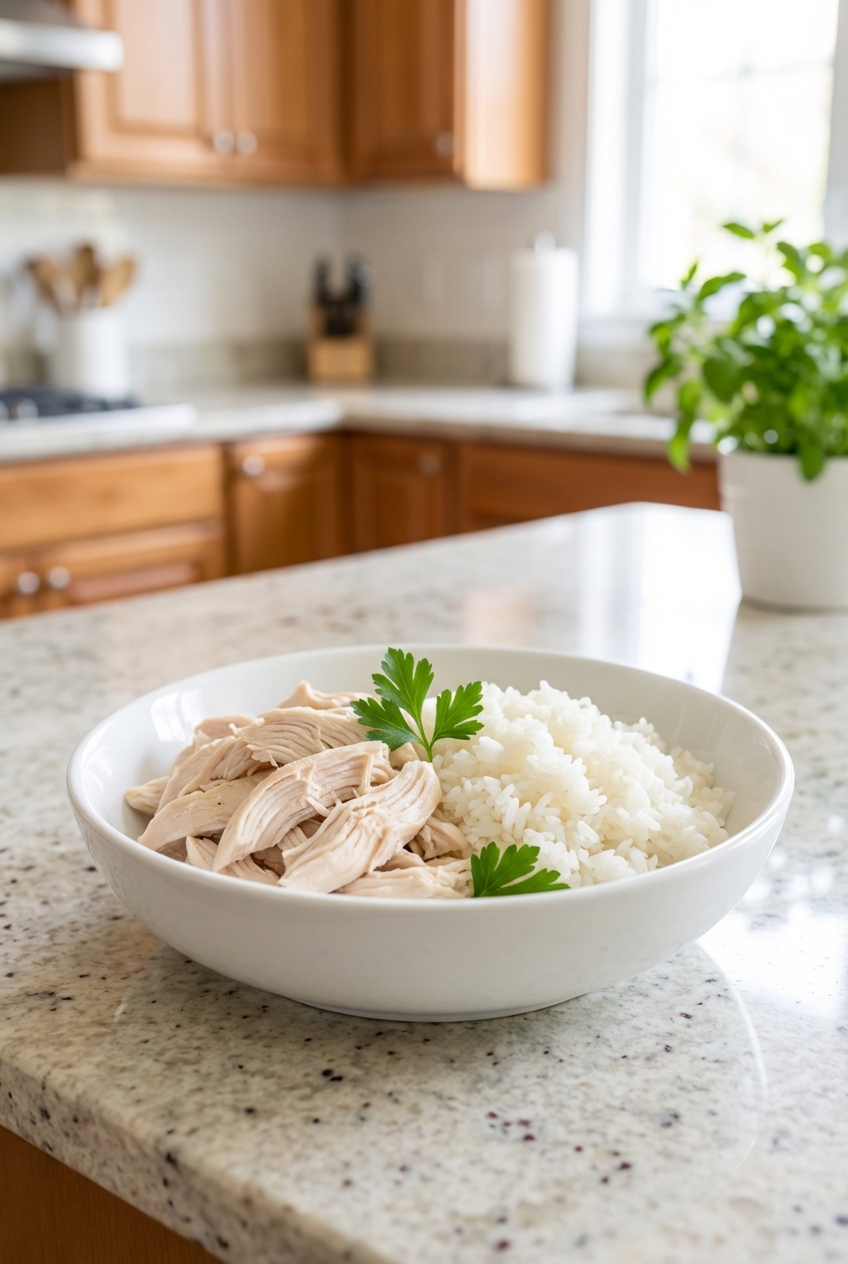
3) Bland diet for 24 to 48 hours
Common vet-approved bland options include:
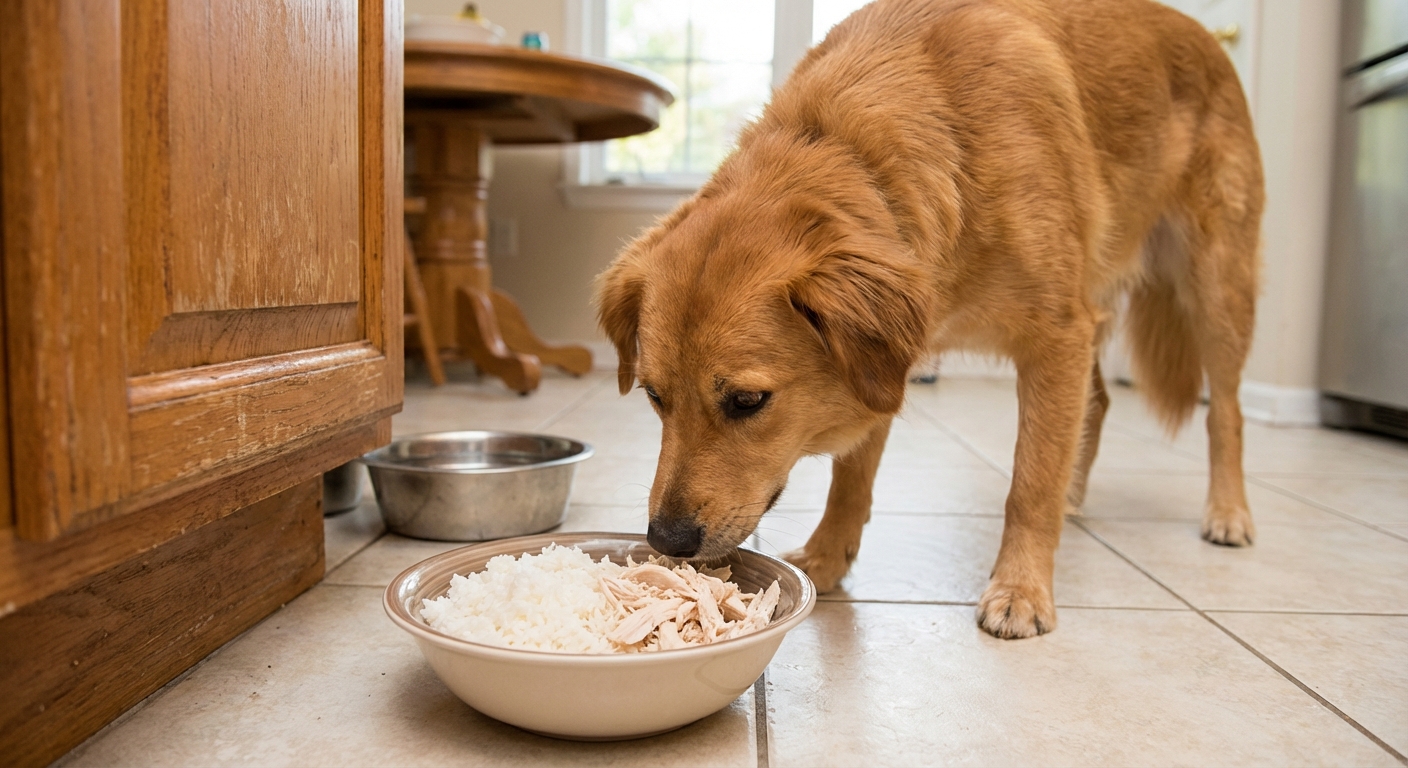
- Boiled skinless chicken breast with plain white rice
- Boiled lean turkey with rice
- Scrambled egg (plain, no butter or milk) with rice
Small, frequent meals are usually easier on the gut than one large meal. Portion needs vary a lot by size and health status, so if you are unsure how much to feed, ask your vet. As stools firm up, transition slowly back to the regular diet over several days.
4) Consider fiber support
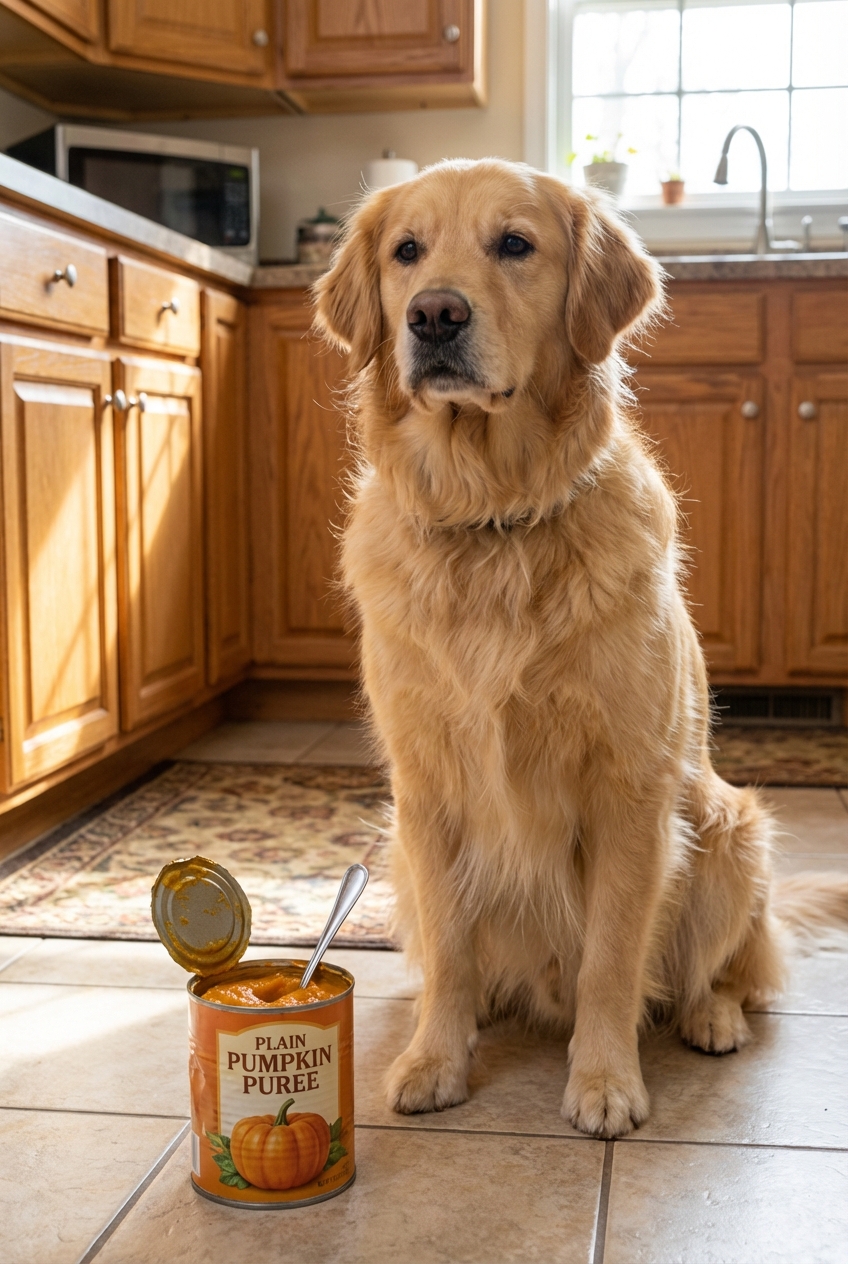
Plain canned pumpkin (not pie filling) is often used to add gentle soluble fiber. Dosing matters, so ask your vet for a dose based on your dog’s weight.
5) Use probiotics thoughtfully
Veterinary probiotics can help restore normal gut flora, especially if stress or antibiotics are involved. Choose products made for dogs and follow label directions. If your dog has a compromised immune system or significant illness, confirm with your vet first.
6) Reduce spread risk
Some causes of diarrhea can be contagious (especially parasites like giardia). Pick up stool promptly, wash hands after cleanup, and consider limiting dog-to-dog contact until stools are normal.
What to avoid
- Greasy or spicy food, dairy, rich treats, and leftovers.
- Over-the-counter human meds like loperamide without veterinary guidance. Some dogs, especially herding breeds with MDR1 gene sensitivity, can be at higher risk for adverse effects. It can also be unsafe if a toxin, infection, pancreatitis, or significant lethargy is involved, and suppressing diarrhea can backfire.
- Bones and hard chews during GI upset. These can irritate the gut and increase risk of obstruction.
- Sudden diet switches while the gut is inflamed. Keep it simple and slow.
When it keeps coming back
Recurring or chronic diarrhea is usually a sign that we need a plan, not just a quick fix. Your vet may recommend:
- Fecal testing (including giardia testing) and appropriate deworming.
- Diet trial with a veterinary therapeutic diet or a carefully balanced limited-ingredient approach.
- Bloodwork to screen for metabolic causes and inflammation.
- Pancreatitis testing if symptoms and history fit.
- Imaging (x-rays or ultrasound) if obstruction or intestinal disease is suspected.
If you are interested in adding fresh, whole foods to support gut health long-term, go slow and keep it balanced. A sudden jump into homemade meals can cause diarrhea all by itself. Start with a small percentage mixed into the current diet and increase gradually over 10 to 14 days, watching stool quality closely.
A stool log that helps
When you are tired and worried, details blur. A quick note on your phone can speed up answers.
- When it started and how many bowel movements per day
- Appearance: watery, pudding-like, mucus, color changes
- Blood: none, streaks of red, or black or tarry
- Other symptoms: vomiting, appetite change, drinking more or less, lethargy
- Diet and treats in the last 72 hours, including new chews
- Possible exposures: dog park, boarding, lake water, trash, wildlife stool
- Medications or supplements
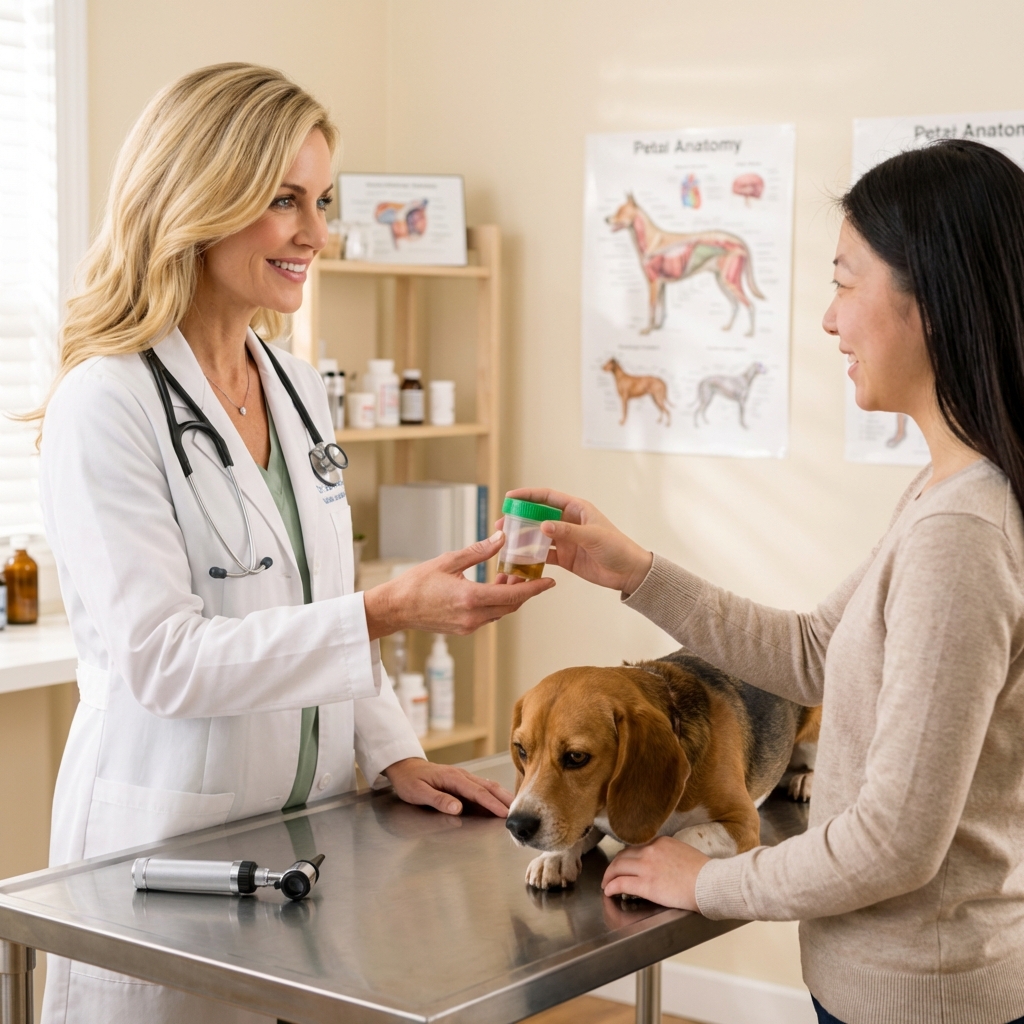
If your vet asks for a stool sample, bring one that is fresh and well sealed.
Bottom line
Diarrhea can be a short, mild bump in the road, or it can be a sign of something that needs medical care. The most loving thing you can do is stay calm, focus on hydration, simplify the diet for a day or two when appropriate, and know the red flags that mean call now.
You are not overreacting when you reach out to your veterinary team. You are being a great advocate for your dog.