Turn chicken and rice into a more balanced homemade dog meal with veggies, calcium carbonate, and omega-3s. Includes gram weights, portion guidance, swaps, a...
Article
•
Designer Mixes
Dog Diarrhea Treatment Handbook

Shari Shidate
Designer Mixes contributor
Diarrhea is one of the most common reasons pet parents call the vet, and I get it. It is messy, stressful, and it can feel like it came out of nowhere. The good news is that many mild cases improve quickly with smart at-home care. The important part is knowing when it is safe to treat at home and when it is time to call your veterinarian (vet).
This handbook walks you through what diarrhea means, the most common causes, safe home support, medication cautions, and the red flags that should never be ignored.
First, what counts as diarrhea?
Diarrhea means stool is looser than normal. It may also be more frequent, but not always. It happens when the intestines move too fast, cannot absorb enough water, or become inflamed.
Acute vs. chronic
- Acute diarrhea: starts suddenly and lasts less than 2 weeks. Often caused by diet changes, scavenging, stress, parasites, or infections.
- Chronic diarrhea: lasts longer than 2 weeks, or keeps coming back. This raises concern for issues like food intolerance, inflammatory bowel disease, endocrine disease, chronic parasites, or other underlying problems.
Large vs. small bowel clues
- Large bowel diarrhea: frequent small stools, mucus, straining, urgency, sometimes bright red blood.
- Small bowel diarrhea: larger volume, fewer trips, weight loss, poor appetite, gas, or vomiting may be more likely.
What “mild” vs. “severe” can look like
- Mild: soft, pudding-like stool and your dog otherwise feels normal.
- More serious: very watery stool, accidents in the house, frequent urgent trips, or any blood, vomiting, or lethargy.
Why dogs get diarrhea
Diarrhea is a symptom, not a diagnosis. Here are the most common categories we see in clinics and shelters.
Common causes
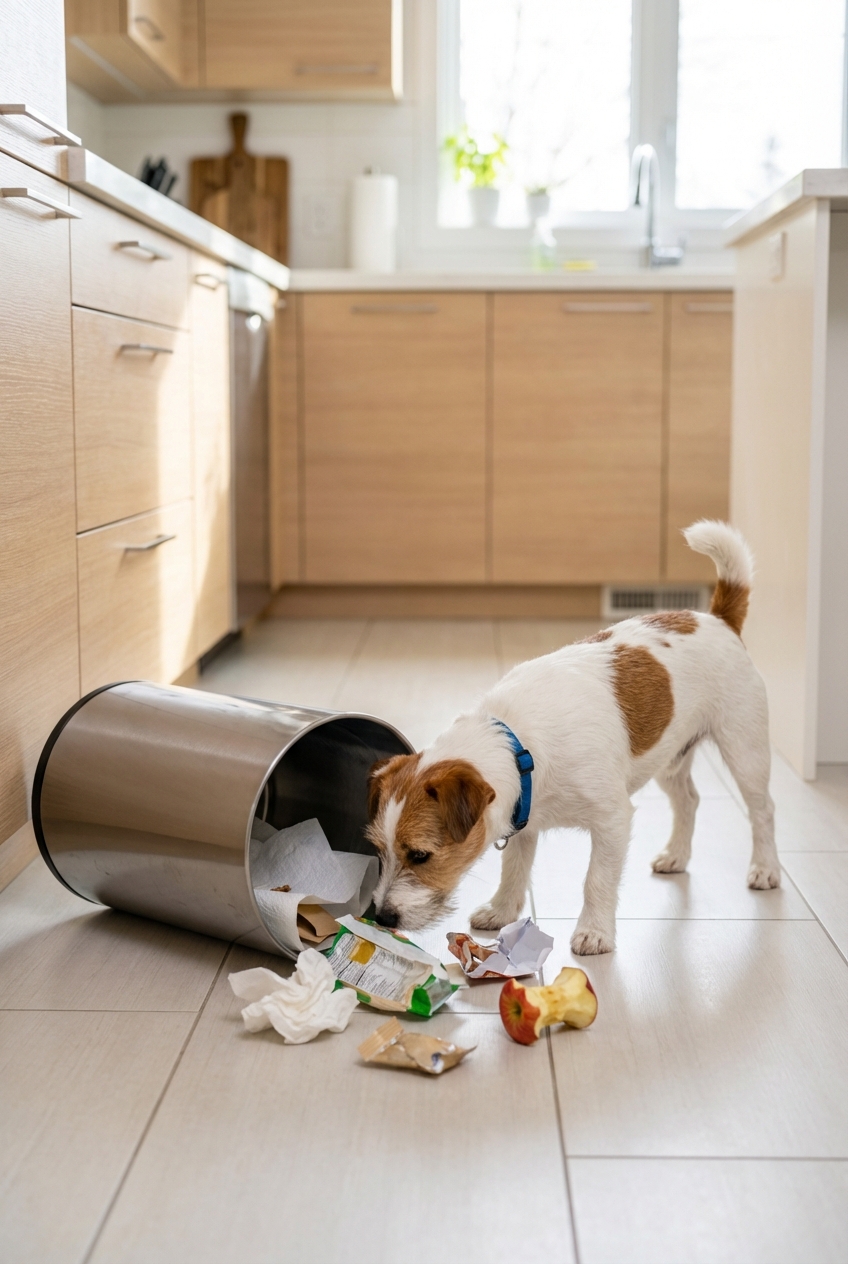
- Dietary indiscretion: trash, table scraps, fatty foods, new treats, chews, bones, or eating something outside.
- Sudden diet change: switching food too fast can disrupt the gut microbiome.
- Stress: boarding, travel, new pets, moving, storms.
- Parasites: Giardia, roundworms, hookworms, whipworms, coccidia.
- Infectious disease: viral or bacterial causes, especially in puppies or unvaccinated dogs.
- Food intolerance or allergy: chronic or recurring loose stool, sometimes with itchy skin or ear infections.
- Pancreatitis: often includes vomiting, belly pain, and lethargy, frequently triggered by fatty foods.
- Medications and toxins: antibiotics, NSAIDs, xylitol, grapes and raisins, certain plants, rodenticides, and more.
- Foreign body: toys, socks, corn cobs, and other objects can irritate or obstruct the gut. Diarrhea plus vomiting, reduced appetite, or repeated retching is especially concerning.
When diarrhea is an emergency
If you see any of the signs below, contact your vet or an emergency clinic right away. These situations can lead to dehydration quickly or signal a serious underlying problem.
- Puppy, senior, or immunocompromised dog with diarrhea
- Repeated vomiting or cannot keep water down
- Blood concerns: large amounts of blood in stool, black tarry stool, or diarrhea that looks like raspberry jam
- Systemic illness: lethargy, collapse, weakness, fever, or pale gums
- Dehydration signs: tacky or dry gums, sunken eyes, weakness, reduced urination
- Bloat-type signs: severe abdominal pain, bloating, or repeated unproductive retching
- Known toxin exposure or possible foreign body (toy, sock, corn cob, bones)
- Not improving: diarrhea lasting more than 24 to 48 hours without improvement, especially if appetite is reduced
- Sudden severe watery or bloody diarrhea even if it started today (this can be consistent with acute hemorrhagic diarrhea syndrome and needs urgent care)
Quick dehydration check: lift the skin gently over the shoulders and let go. If it does not spring back promptly, dehydration is possible. This check is less reliable in overweight dogs, very young puppies, and seniors, so use it as a clue, not a guarantee. When in doubt, call your vet.
What to do at home (for mild cases)
If your dog is bright, alert, drinking, and has only mild diarrhea with no red flags, you can often support recovery at home for 24 hours while monitoring closely. When in doubt, call your vet. A quick phone call can save you a lot of stress.
Step 1: Pause the extras
- Stop treats, chews, table scraps, and rich foods.
- Keep fresh water available at all times.
Step 2: Support hydration
- If your dog wants to drink, let them, but consider offering small, frequent amounts if they tend to gulp.
- If your dog is refusing water, seems weak, or keeps vomiting after drinking, that is a reason to call your vet.
- Avoid giving sports drinks or electrolyte products unless your vet tells you what to use and how much.
Step 3: Consider a short food break (only for healthy adult dogs)
Some vets recommend a brief fast of about 8 to 12 hours for otherwise healthy adult dogs to let the gut rest, but it is not necessary for every case. Do not fast puppies, toy breeds prone to low blood sugar, seniors, pregnant dogs, or dogs with medical conditions unless your vet directs you to.
Step 4: Start a bland, low-fat diet
A simple bland diet can calm irritation and reduce fat load on the digestive tract. If you have access to a complete and balanced veterinary GI diet, that is often an even better short-term option.
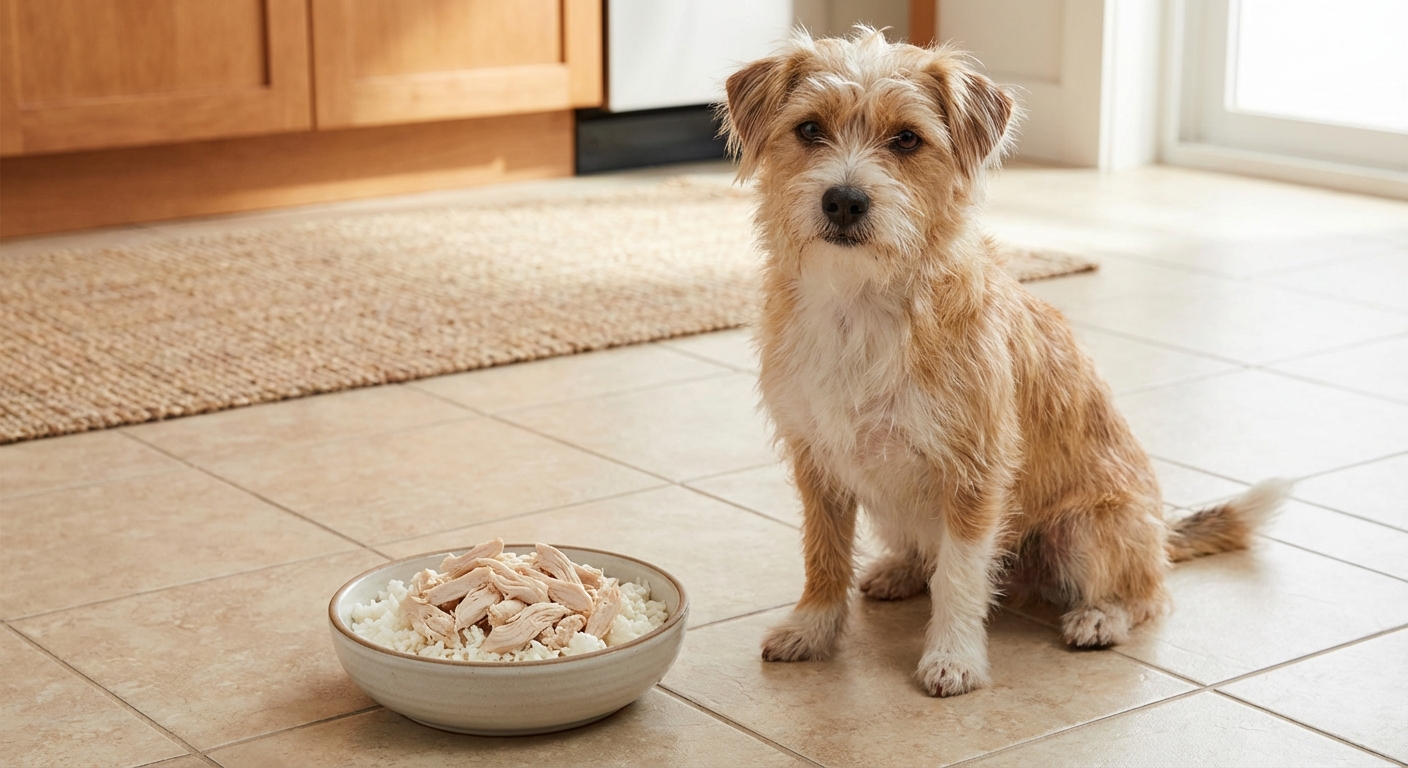
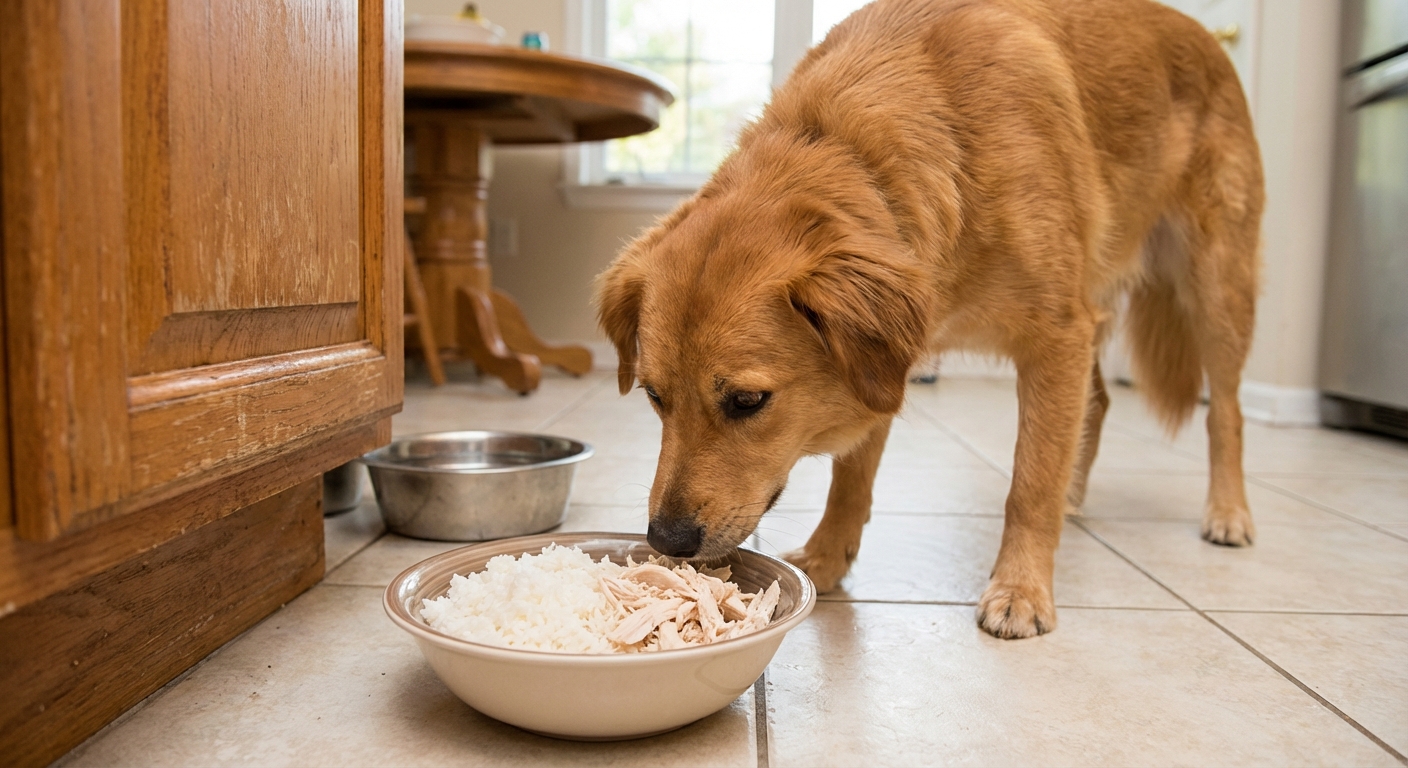
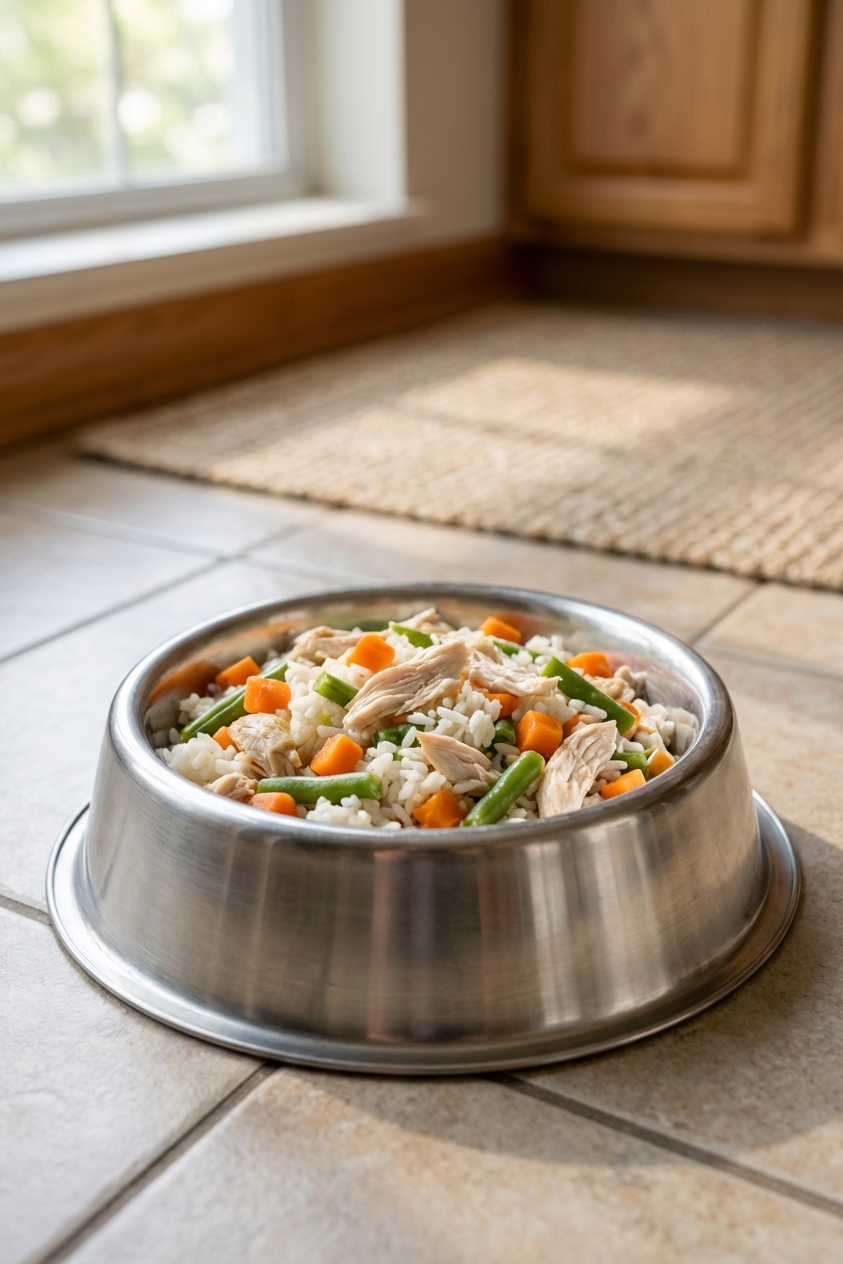
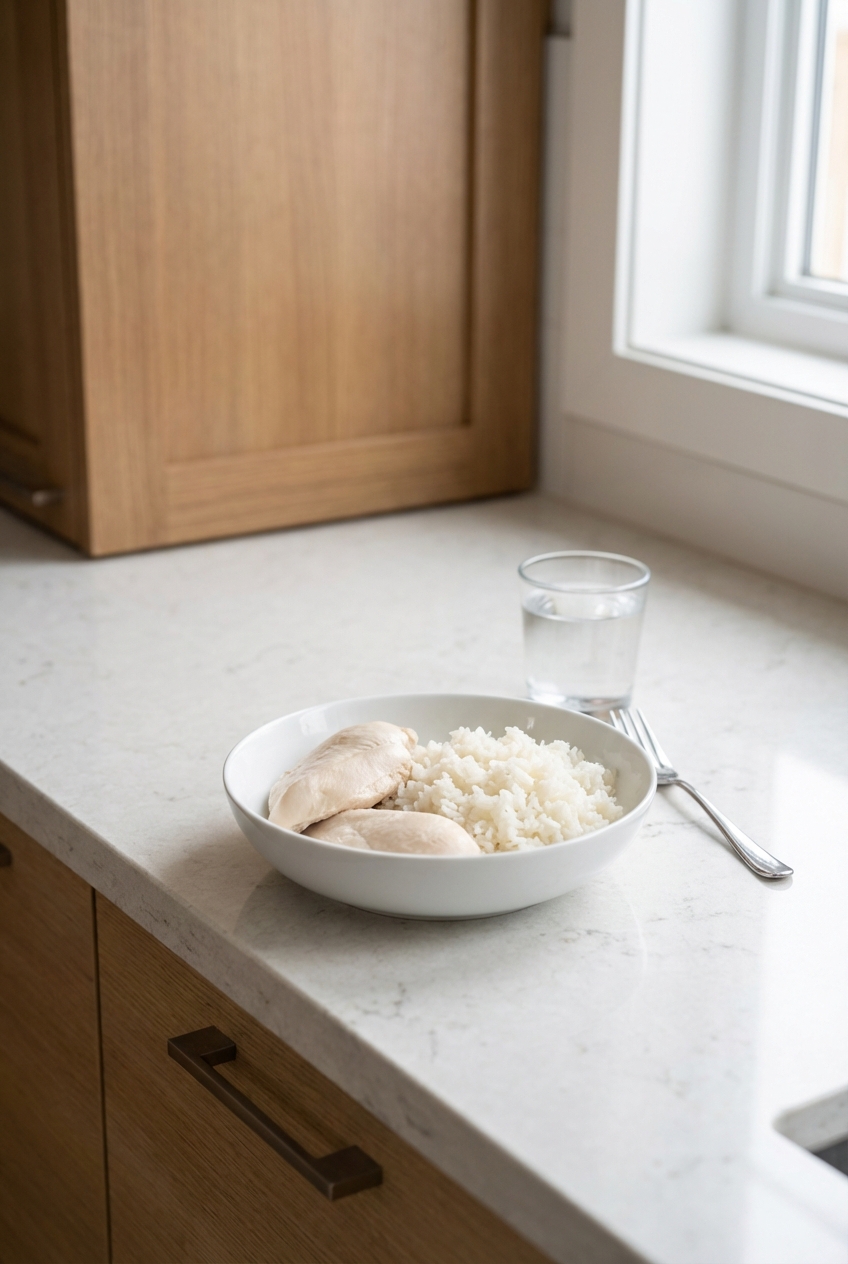
- Option A: boiled skinless chicken breast + white rice
- Option B: extra-lean ground turkey (drained well) + white rice
- Option C: cooked egg whites + white rice (short term only)
Feed small portions every 6 to 8 hours instead of one or two large meals.
Important: Home-cooked bland diets are not complete nutrition. If diarrhea is not clearly improving within a couple of days, or you need to feed bland food longer than 2 to 3 days, check in with your vet for the next step.
Step 5: Add gentle fiber if needed
Fiber can help firm stool by absorbing water and supporting healthy gut bacteria.
- Plain canned pumpkin (not pie filling) is a common choice. Start with a small amount mixed into food.
- Psyllium husk can be helpful in some cases, but dosing varies. Ask your vet if you are unsure.
Step 6: Consider a veterinary probiotic
Evidence supports certain probiotics for acute diarrhea, especially stress-related or antibiotic-associated diarrhea. Look for a product made for dogs with clear labeling and storage instructions. If your dog is very young, has a compromised immune system, or is seriously ill, ask your vet first.
Step 7: Transition back slowly
Once stool improves for 24 to 48 hours, gradually transition back to the normal diet over 3 to 5 days. A sudden switch back can restart the problem.
What not to do
Avoid random human meds
Do not give over-the-counter human diarrhea medications without veterinary guidance. For example, loperamide (Imodium) can be risky for certain dogs, including herding breeds and mixes that may carry the MDR1 gene mutation, and it is not appropriate for every situation. Other products can mask symptoms when your dog actually needs diagnostics. If you want to use any medication, call your vet for dose guidance and safety based on your dog’s weight, age, and health history.
Skip fatty foods
Greasy leftovers, bacon, sausage, butter, and rich treats are common triggers for pancreatitis, which can be very serious.
Do not stop prescriptions
If diarrhea started after an antibiotic or other new medication, let your vet know. They can adjust the plan safely.
Special situations
Diarrhea in puppies
Puppies can dehydrate quickly, and parasites are extremely common. If your puppy has diarrhea, especially with vomiting, poor appetite, or lethargy, contact your vet the same day.
After boarding or stress
Stress colitis is real. You might see mucus, urgency, and small frequent stools. Probiotics, bland diet, and calm routines can help, but check with your vet if blood appears or symptoms last more than 24 to 48 hours.
Recurring diarrhea
If diarrhea keeps coming back, it is time to investigate instead of repeating bland food cycles. Your vet may recommend fecal testing, bloodwork, diet trials, or imaging to identify the root cause.
Household hygiene
Some causes of diarrhea can spread to other pets (and a few can affect people). Pick up stool promptly, wash hands, clean soiled areas well, and consider keeping sick dogs away from puppies, seniors, and unvaccinated pets until things resolve.
What your vet may do
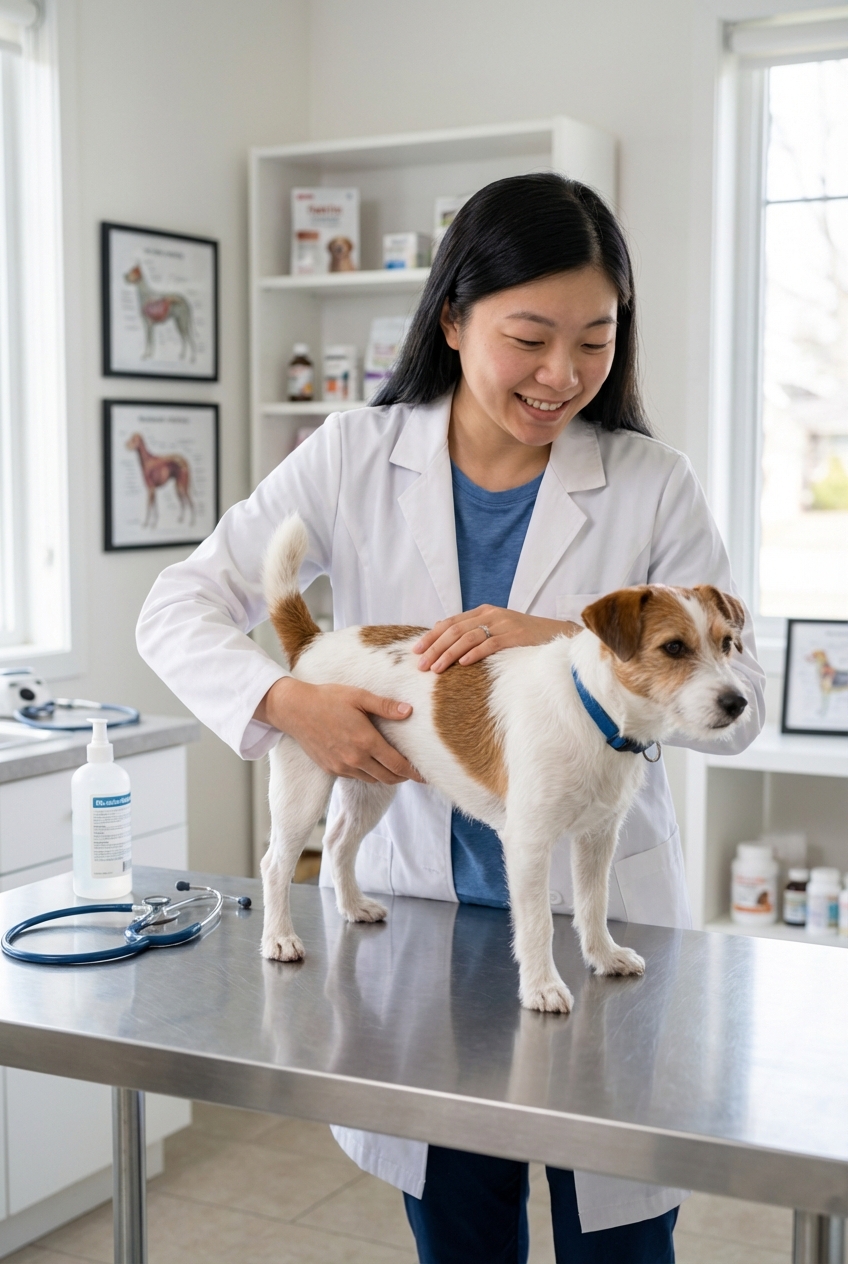
When you bring your dog in, your vet will focus on hydration status, abdominal comfort, fever, and whether this is likely dietary, infectious, parasitic, inflammatory, or something more urgent like a foreign body.
Common tests and treatments
- Fecal testing for parasites and Giardia
- Parvovirus testing for at-risk puppies
- Bloodwork to assess dehydration, infection, pancreatitis indicators, and organ function
- Fluids (subcutaneous or IV) if dehydrated
- Prescription GI diets and targeted medications based on findings
Simple tracking that helps your vet
If symptoms persist, a few notes can make your vet visit more efficient and accurate.
- When diarrhea started and how often your dog is going
- Whether stool is improving (for example: less watery, fewer urgent trips, better volume and shape)
- Any vomiting, appetite change, lethargy, or accidents in the house
- What your dog ate in the last 48 hours, including treats and chews
- Any recent boarding, grooming, dog parks, hikes, or new animals in the home
- Current medications and supplements
- Photos of stool can be helpful if you are comfortable sharing them
Prevention tips
Some diarrhea happens no matter how careful you are, but these steps can reduce the odds and may help episodes resolve faster.
- Transition foods slowly over 7 to 10 days.
- Secure trash and compost and supervise outdoor time if your dog is a scavenger.
- Use parasite prevention year-round as recommended by your vet.
- Stay current on vaccines, especially for puppies and social dogs.
- Feed consistent nutrition and go easy on rich treats.
- Support the gut during stress or antibiotics with a vet-recommended probiotic when appropriate.
As a veterinary assistant, I have seen again and again that steady routines and simple nutrition choices create calmer bellies. You do not have to be perfect. You just need a plan and a quick response when something changes.
Quick checklist
- Mild diarrhea, dog feels fine: pause treats, offer water (small frequent drinks if needed), bland low-fat meals, consider probiotic, monitor up to 24 hours.
- Any red flags: call your vet or go to urgent care.
- Recurring diarrhea: schedule a vet visit and pursue testing rather than repeating bland food alone.