A practical 24–72 hour diet and hydration plan for mild dog diarrhea, with bland food options, safe add-ons like probiotics, foods to avoid, and clear red ...
Article
•
Designer Mixes
Dog Diarrhea Remedies: What Works and When to Call the Vet

Shari Shidate
Designer Mixes contributor
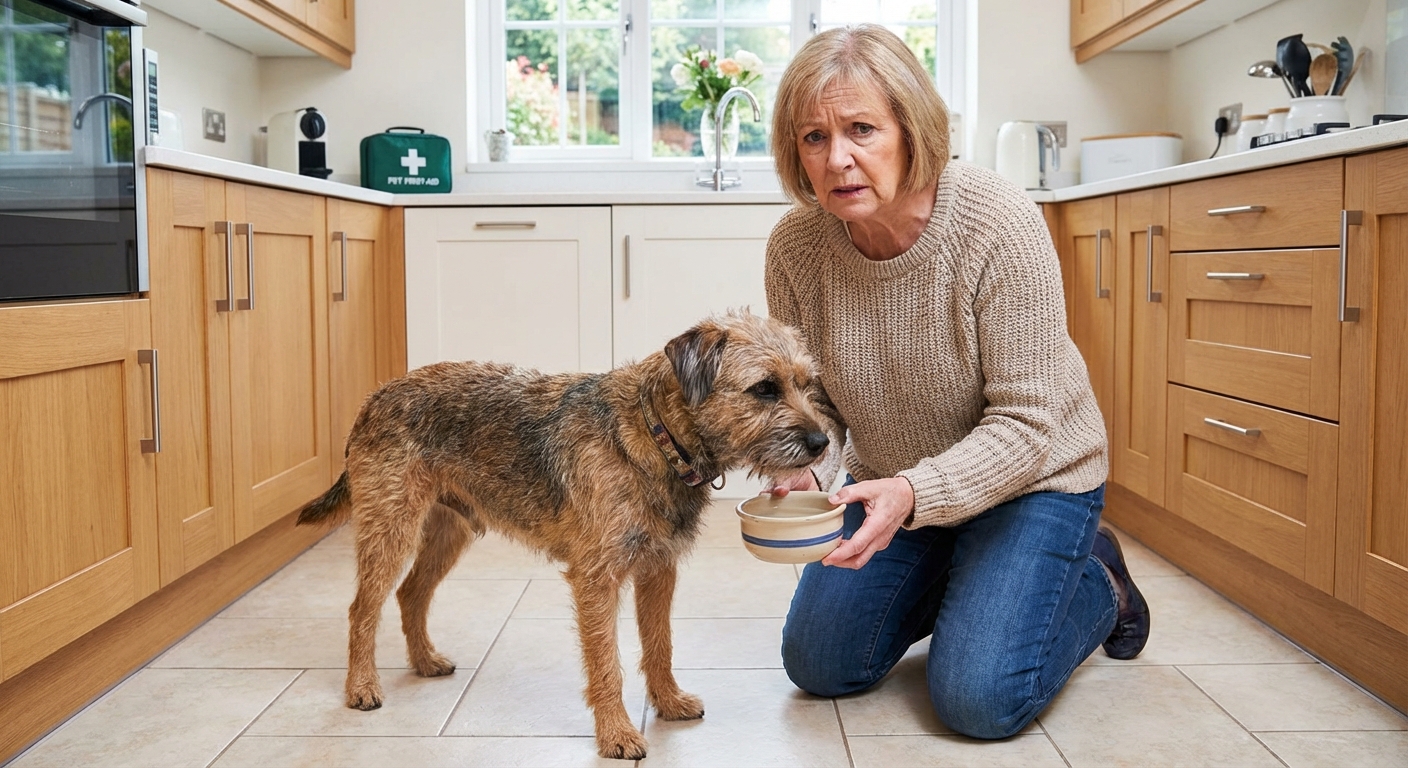
Diarrhea is one of the most common reasons pet parents panic, and I get it. I have talked with plenty of families who went from “my dog seems fine” to “why is this happening” in a single walk around the block. The good news is that many acute, mild cases improve quickly with simple, safe at-home care. The important part is knowing when diarrhea is a minor tummy upset and when it is a true medical emergency.
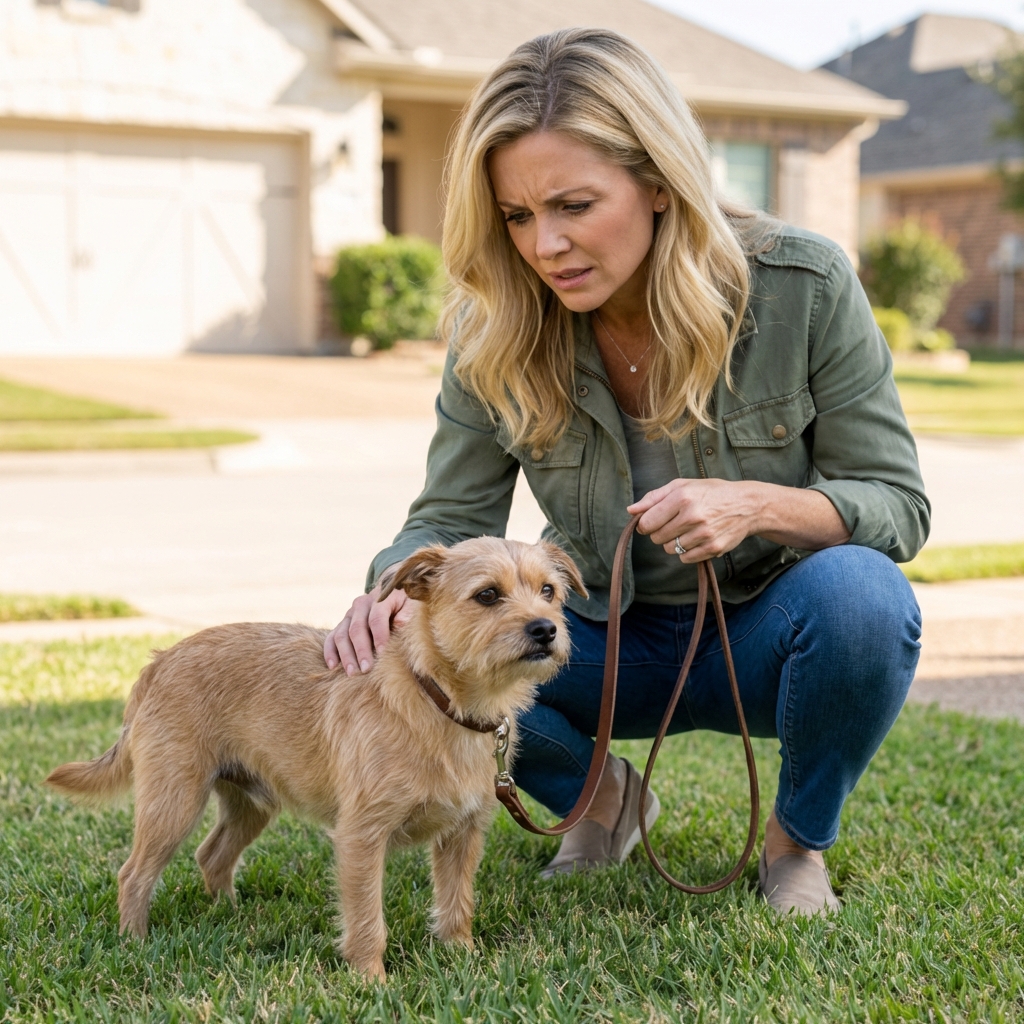
Quick note: This guide is educational and does not replace veterinary care. If you are unsure, call your veterinarian. When it comes to dehydration and toxins, it is always better to be cautious.
First, check for red flags
Before trying any home remedy, take 60 seconds to scan for warning signs. These are the situations where you should call your veterinarian right away or seek urgent care.
- Puppy (especially under 6 months), senior dog, pregnant dog, or a dog with chronic disease (kidney, liver, diabetes, Cushing’s disease, IBD)
- Blood in the stool (bright red streaks or black, tarry stool)
- Repeated vomiting or cannot keep water down
- Severe lethargy, collapse, pale gums, or obvious abdominal pain
- Suspected toxin ingestion (trash, grapes or raisins, xylitol, medications, rodent bait, blue-green algae, cannabis, onions)
- Foreign body risk (toy pieces, socks, bones, corn cobs, string)
- Dehydration (dry or tacky gums, sunken eyes, weakness, not peeing normally)
- Diarrhea that is profuse and watery or happening every hour
- Diarrhea lasting more than 24 hours in puppies and small dogs, or more than 48 hours in otherwise healthy adult dogs, even if your dog seems okay
If none of the red flags fit and your dog is still bright, alert, and drinking water, you can usually start supportive care at home. If diarrhea is persistent, recurrent, or keeps returning after it improves, schedule an exam.
What causes dog diarrhea?
Knowing the likely cause helps you choose the right remedy and helps your veterinarian if you do call.
- Dietary indiscretion: new treats, table scraps, garbage, fatty foods
- Diet change: switching food too quickly
- Stress: travel, boarding, schedule changes
- Parasites: Giardia, roundworms, hookworms, whipworms
- Infection: viral illness or bacterial enteritis (antibiotics are not automatically needed)
- Gut imbalance (dysbiosis): sometimes follows stress, diet changes, or antibiotics
- Food sensitivity: certain proteins, additives, or high-fat items
- Inflammatory conditions: colitis, IBD
- Pancreatitis: often after a rich meal, can be serious
Also pay attention to timing. Diarrhea that starts suddenly after getting into the trash is different from diarrhea that has been on-and-off for weeks.
Dog diarrhea remedy plan
Step 1: Pause the extras
Stop treats, chews, table scraps, and rich foods right away. Keep things simple until stools normalize.
Step 2: Focus on hydration
Most dogs do not get dangerously dehydrated from one or two loose stools, but watery diarrhea can add up fast.
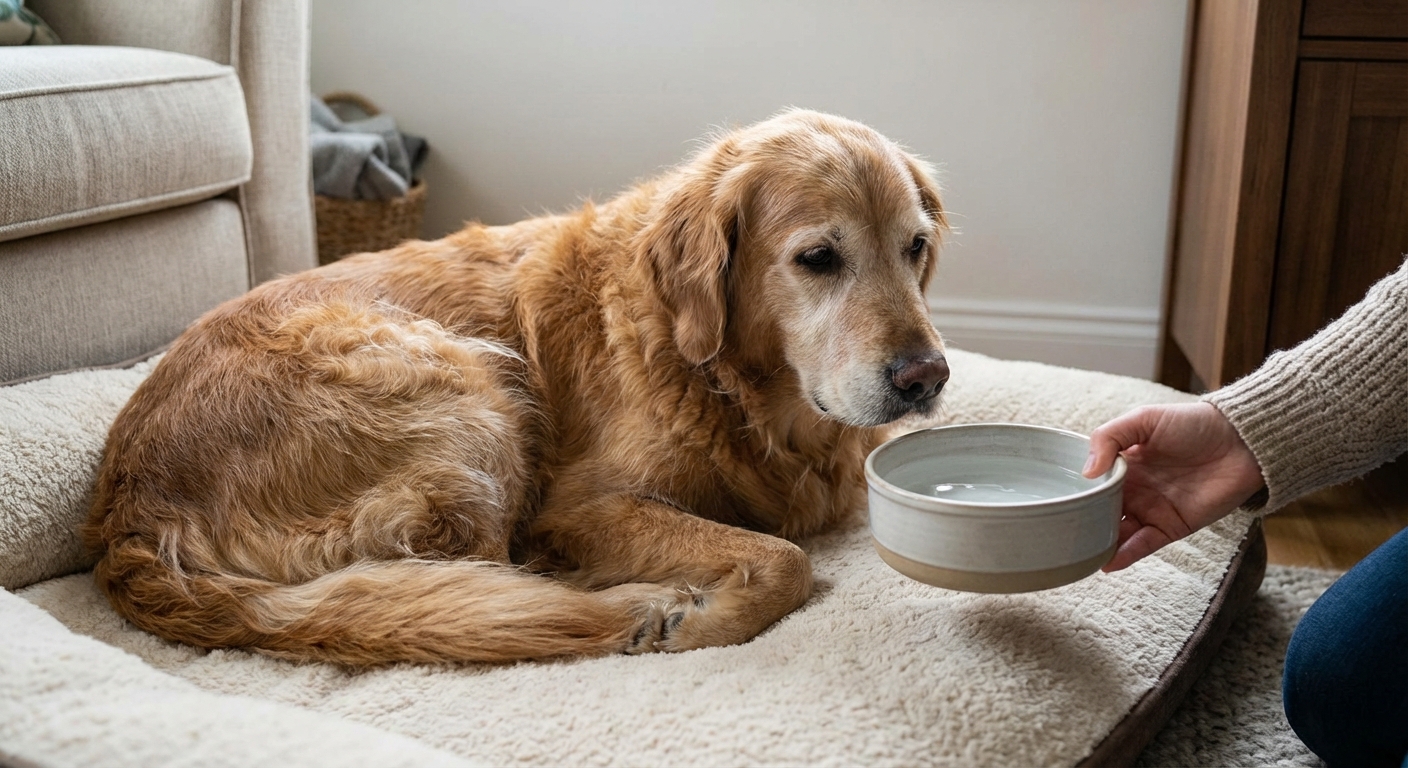
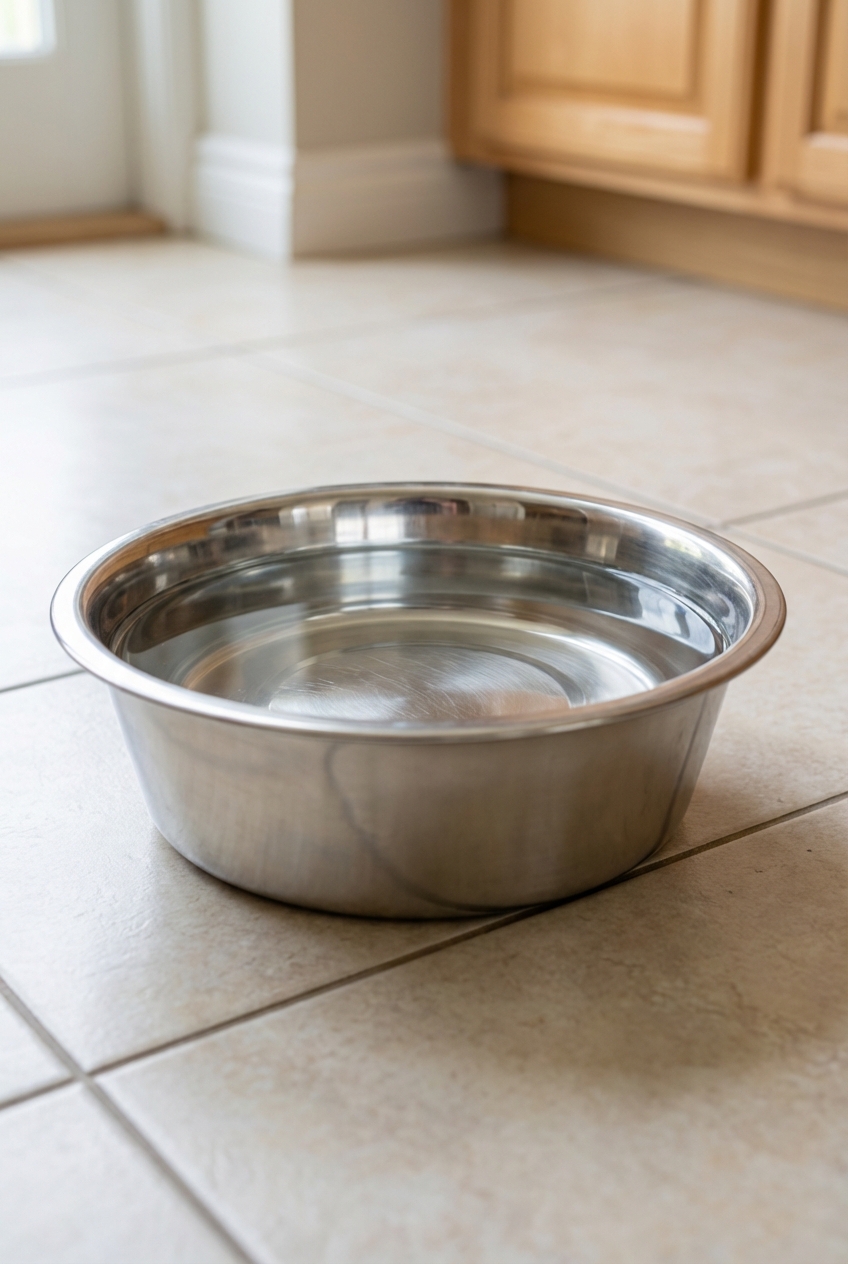
- Offer fresh water frequently.
- If your dog is willing, offer small amounts more often rather than letting them gulp a huge bowl at once.
- Do not force water if your dog is nauseated or vomiting.
How to monitor hydration at home: Gum moisture, energy level, and urine output are more helpful than the skin-tent test, which can be misleading. If your dog seems weak, has tacky gums, or is not peeing normally, call your vet.
Electrolytes: Only use a pet-safe electrolyte product if your vet recommends it. Many human sports drinks are too sugary, and some “hydration” products can have ingredients dogs should not have.
Step 3: Consider a short food break (healthy adult dogs only)
For a healthy adult dog with mild diarrhea and no vomiting, some veterinarians recommend a brief food break, often 8 to 12 hours. Other veterinarians prefer skipping fasting and starting small bland meals right away. This is not appropriate for small breed dogs prone to low blood sugar, puppies, or dogs with medical conditions like diabetes.
If you are unsure, skip fasting and go straight to small bland meals.
Step 4: Bland diet for 2 to 3 days
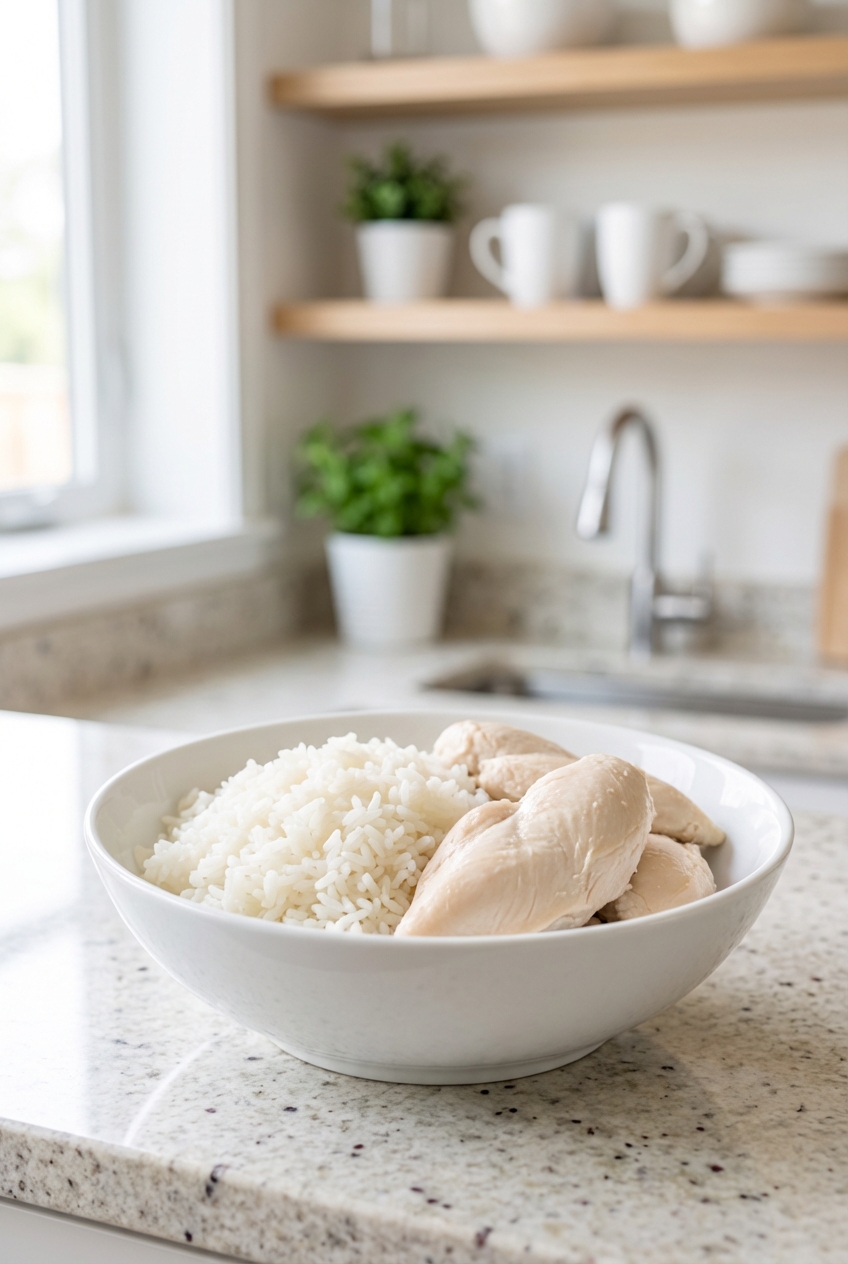
A bland diet is gentle, low-fat, and easy to digest. Feed small meals (about 3 to 4 times a day) instead of one or two large meals.
- Option A: boiled skinless chicken breast + white rice
- Option B: cooked lean ground turkey + white rice
- Option C: veterinary gastrointestinal diet (often the easiest and most balanced short-term option)
Simple ratio: Many dogs do well with about 1 part lean protein to 2 parts carbohydrate by volume for a short bland-diet reset.
Keep it low-fat. Avoid hamburger grease, butter, oils, bacon, and rich bones. Fat can worsen diarrhea and can trigger pancreatitis in susceptible dogs.
Important: Homemade bland diets are meant to be short-term. If your dog needs a longer plan, your vet can recommend a complete diet.
Step 5: Add a stool-support helper
Here are a few evidence-based options that are commonly used in clinics. Always use dog-appropriate products and dosing guidance from your veterinarian, especially for small dogs.
- Probiotics made for dogs: These can support the gut microbiome and are commonly recommended for stress diarrhea and mild digestive upset.
- Plain canned pumpkin (not pie filling): Pumpkin’s soluble fiber may help firm stool for some dogs. Start with a small amount mixed into the bland diet.
- Veterinary anti-diarrheal paste or kaolin-pectin product: These are designed for pets and often used short-term.
Avoid: Pepto-Bismol (bismuth subsalicylate) and human anti-diarrheals unless your veterinarian explicitly tells you to use them. They can be unsafe in some situations, can turn stool black and mask bleeding, and may interact with other medications. Imodium (loperamide) should be used only under veterinary guidance and can be risky for certain breeds (including some herding breeds with MDR1 sensitivity) and for infectious diarrhea.
Step 6: Return to normal food slowly
Once stools are normal for at least 24 hours, transition back over 3 to 5 days.
- Day 1 to 2: 75% bland + 25% regular food
- Day 3 to 4: 50% bland + 50% regular food
- Day 5: 25% bland + 75% regular food
- Then: 100% regular food
If diarrhea returns during the transition, slow down and call your vet to rule out parasites, food intolerance, or another underlying issue.
Watery vs soft stool
Not all diarrhea looks the same, and the pattern can offer clues.
- Large volume, watery stool can suggest small intestinal diarrhea and can lead to dehydration more quickly.
- Frequent small amounts, mucus, straining often points to large bowel diarrhea (colitis), sometimes triggered by stress or diet changes.
- Greasy stool, abdominal pain, vomiting can be consistent with pancreatitis, which needs veterinary care.
- Foul-smelling, pale stool with weight loss can suggest malabsorption and warrants an exam.
The best tool you have is observation. Note frequency, volume, color, and whether your dog is acting normal.
When to bring a stool sample
If diarrhea lasts more than a day or two, or keeps coming back, your veterinarian will often request a fecal test. Bring a fresh sample if you can, ideally from the same day, in a sealed bag or container.
Testing matters because parasites like Giardia can look like “just diarrhea” at home, and the treatment is specific.
Contagious diarrhea tips
If your dog has been to daycare, a dog park, grooming, boarding, or has had contact with a new dog, assume diarrhea could be contagious until proven otherwise.
- Pick up stool promptly and clean soiled areas.
- Limit nose-to-nose greetings and shared water bowls until your dog is back to normal.
- If you have an unvaccinated or partially vaccinated puppy with diarrhea, call your vet right away due to parvovirus risk.
Prevention tips
- Transition foods slowly over 7 to 10 days.
- Keep treats under 10% of daily calories and avoid high-fat people food.
- Use a probiotic during predictable stress (travel, boarding) if your vet agrees.
- Stay current on fecal testing and parasite prevention, especially if your dog visits parks or daycare.
- Trash-proof your home and supervise chewing to reduce foreign body risks.
Most importantly, trust your instincts. If your dog seems “off,” that matters, even if the diarrhea looks mild.
Save this checklist
Ask yourself: Is my dog drinking? Acting normal? Keeping food down? No blood? No toxin risk? If yes, start bland diet plus hydration and monitor closely for 24 hours. If no, call the vet.
If you need help tailoring a plan to your dog’s age, size, and health history, your veterinarian can guide you on the safest next step and the right products to use.