Vet-informed guide to a short-term bland diet for dogs: chicken and rice 1:2 ratio, daily cup ranges by weight, how many meals to split into, and red flags t...
Article
•
Designer Mixes
Dog Diarrhea Diet Explained

Shari Shidate
Designer Mixes contributor
Diarrhea is a very common reason dogs end up at the vet or emergency clinic, and I know how stressful it feels when your sweet pup cannot keep anything “normal.” The good news is that many mild, short-lived cases improve with a simple, vet-supported diet plan that rests the gut, supports hydration, and then rebuilds normal digestion.
This article explains what a dog diarrhea diet really is, how to use it safely at home, and when to stop and call your veterinarian.
Quick expectation check: Acute diarrhea is often self-limited, but close monitoring matters because some cases turn serious fast.
First, a quick safety check
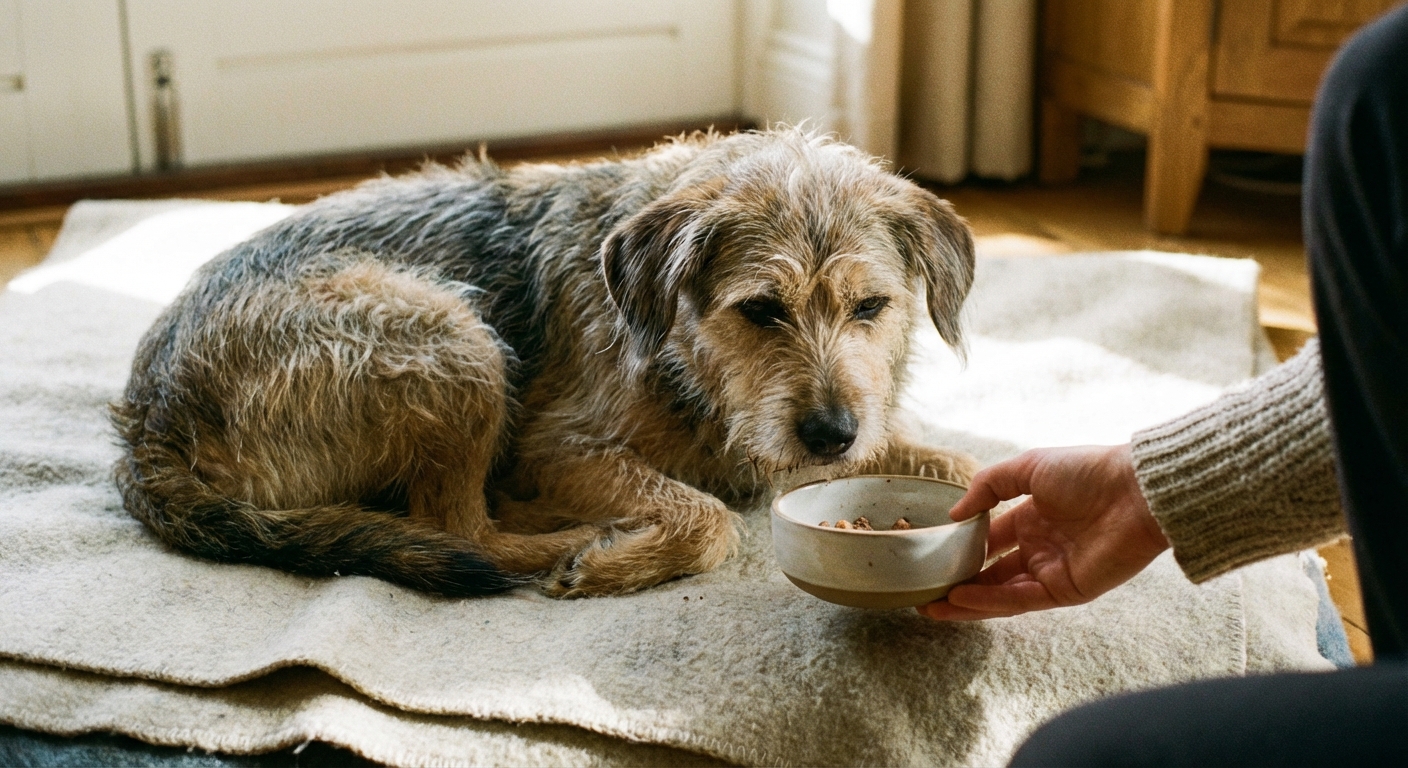
Diet helps many cases, but some diarrhea is a medical emergency. Contact your veterinarian promptly (or go to an ER) if you notice any of the following:
- Blood in the stool, black tarry stool, or sudden profuse watery diarrhea (especially if it seems to come out of nowhere)
- Vomiting repeatedly, especially if your dog cannot keep water down
- Lethargy, collapse, painful belly, or a “praying” posture
- Dehydration (dry or tacky gums, sunken eyes, weakness)
- Puppies, seniors, pregnant dogs, very small dogs, or dogs with chronic disease (kidney, liver, diabetes, Addison’s)
- Diarrhea lasting more than 24 to 48 hours (sooner if your dog seems unwell)
- Possible toxin exposure, foreign object chewing, or known high-risk history (for example, prior hemorrhagic diarrhea)
- Profuse mucus with frequent urgency/straining, or mucus plus other symptoms (blood, vomiting, lethargy)
Important: Do not give human anti-diarrhea medicines (like loperamide) unless your vet explicitly tells you to. It can be risky for certain dogs, including breeds more likely to carry the MDR1 gene mutation (such as Collies, Shelties, Australian Shepherds, and related mixes), and for dogs with certain medical conditions.
What causes diarrhea in dogs?
Diarrhea is a symptom, not a diagnosis. Common causes include:
- Dietary indiscretion (trash, rich treats, fatty foods)
- Sudden diet change
- Food intolerance or sensitivity
- Parasites (especially in puppies and dogs who visit dog parks)
- Stress (travel, boarding, household changes)
- Infections (viral or bacterial)
- Pancreatitis (often after a fatty meal)
- Chronic GI disease (IBD, EPI, colitis)
A diarrhea diet is designed to help the gut recover while you monitor for red flags that point to a bigger problem.
The diarrhea diet plan
For uncomplicated diarrhea in an otherwise bright, alert dog, a reliable plan is a short, structured sequence:
- Hydration first
- Short rest period for the gut (optional, depending on the case)
- Low-fat, highly digestible meals in small portions
- Optional vet-approved gut support (probiotics, soluble fiber)
- Gradual transition back to normal food
This is not about starving your dog. It is about choosing foods that are easy to digest, low in fat, and gentle on an irritated intestinal lining.
Step 1: Fluids
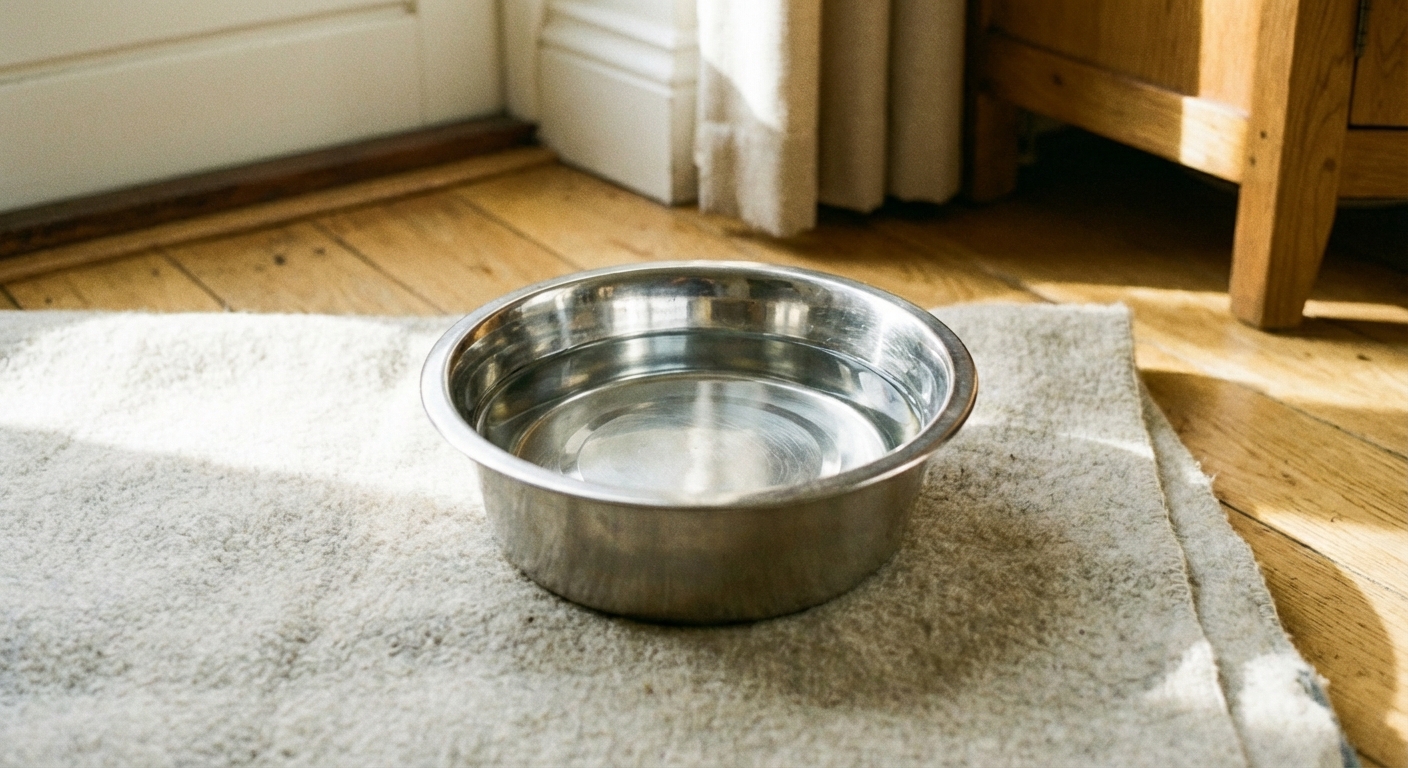
Diarrhea pulls water (and important salts) out of the body. Your first job is to prioritize fluid intake.
- Offer fresh water frequently.
- If your dog is not drinking well, try ice chips or small sips every 15 to 30 minutes.
- Low-sodium broth (no onion, no garlic, no added salt) can encourage drinking.
About electrolytes: If your vet recommends an oral rehydration solution, use a vet-approved product. Avoid human sports drinks and anything containing xylitol or other sweeteners, and do not force fluids if your dog is vomiting.
If your dog is vomiting, refusing water, or seems weak, that is a veterinary visit. Dehydration can happen quickly.
Step 2: Should you fast?
Old-school advice often recommends fasting for 12 to 24 hours. Today, many veterinarians prefer not to fast most dogs for long because small, bland meals can help support the intestinal lining. That said, it depends on the case. Here is a practical middle ground:
- Adult dogs with mild diarrhea and no vomiting: you can usually start bland meals right away in small amounts.
- Adult dogs with diarrhea plus mild nausea: a short 6 to 12 hour break from food may help, then start small bland meals.
- Puppies: do not fast without veterinary guidance. They can develop low blood sugar.
Step 3: The bland diet
The most reliable bland diets share three qualities: high digestibility, low fat, and simple ingredients. You have two solid options.
Option A: Vet GI diet
If you have access, a prescription or over-the-counter GI support diet from your veterinarian is often the easiest and most consistent choice. These diets are formulated for digestibility and nutrient balance, which matters if diarrhea lasts more than a couple days.
Option B: Short-term home bland diet
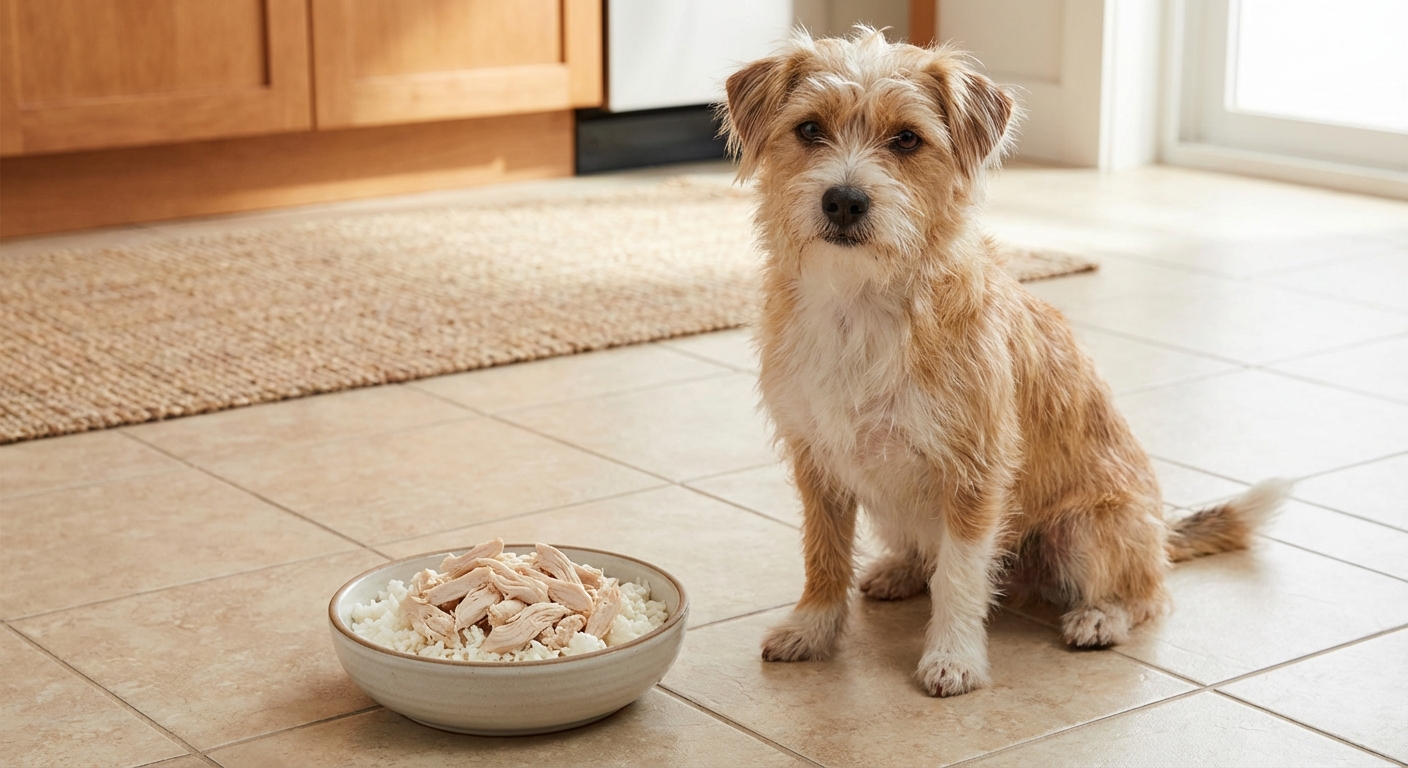
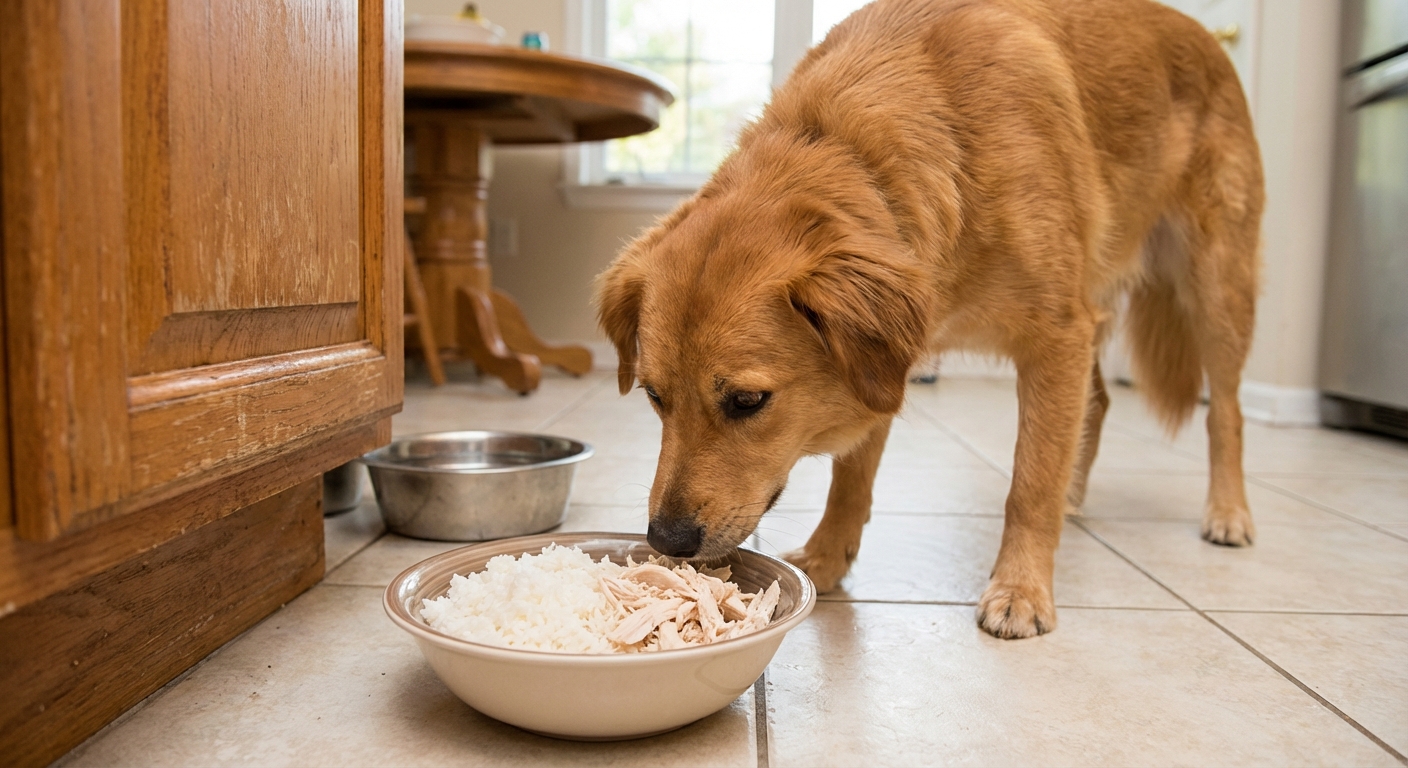
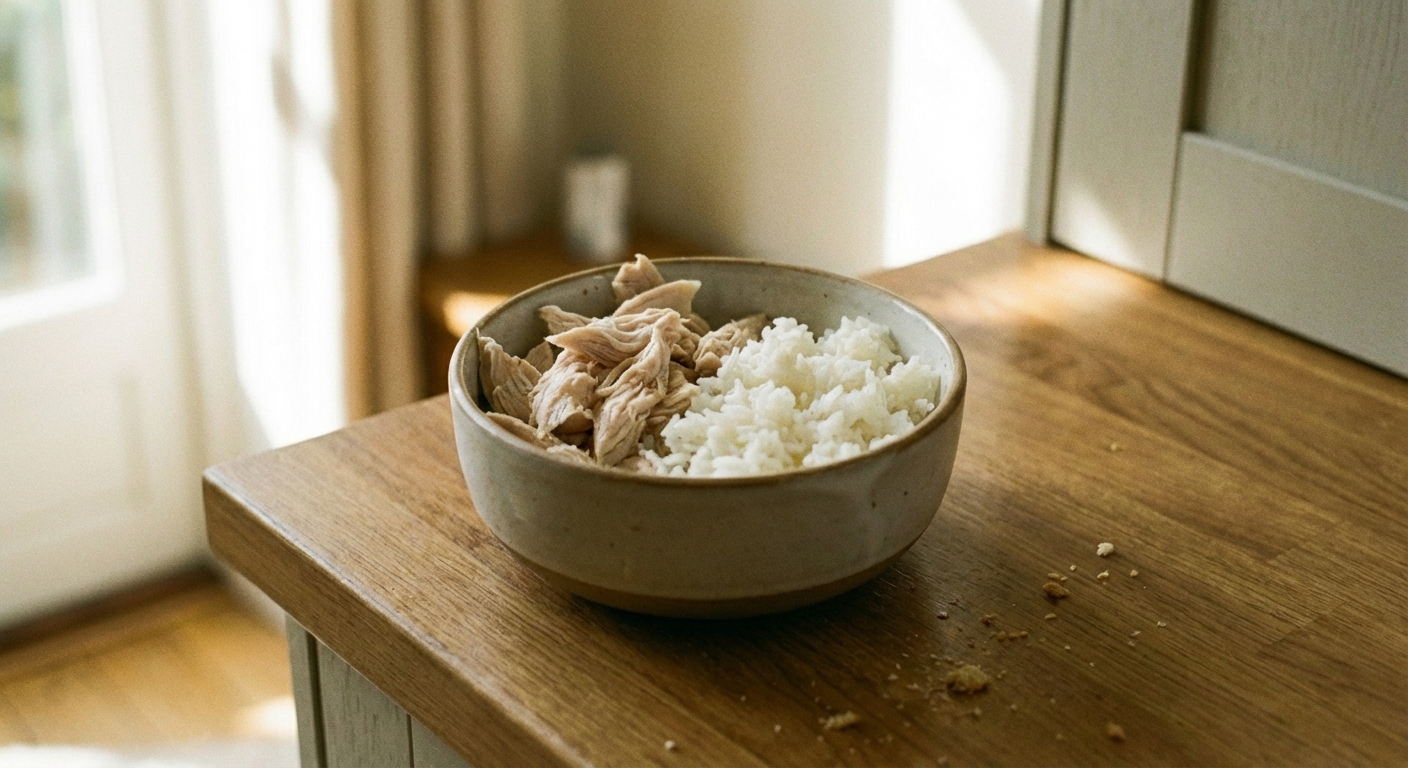
For a short course at home (typically 2 to 3 days), this is a classic and effective recipe:
- Lean protein: boiled skinless chicken breast or very lean ground turkey (drain fat)
- Gentle carb: white rice (well-cooked), or plain mashed potato (no butter, no milk)
A common starting ratio is 1 part protein to 2 parts carb. Keep portions small and feed 3 to 6 mini-meals per day.
Why white rice? It is low fiber and easy to digest. Brown rice is healthy in general, but during diarrhea we usually want less fiber and less “work” for the gut.
Why low fat matters: Fat can worsen diarrhea and can be especially problematic if pancreatitis is a possibility.
Step 4: Gut helpers
These are optional, but they can be very helpful. If your dog is on other medications or has chronic disease, check with your vet first.
1) Probiotics
Veterinary probiotics may shorten the duration of acute diarrhea in some dogs, but results can be strain and product dependent. If you are unsure what to pick, ask your vet for a recommendation that fits your dog’s size and symptoms.
2) Soluble fiber
Soluble fiber helps normalize stool by absorbing extra water and feeding beneficial gut bacteria.
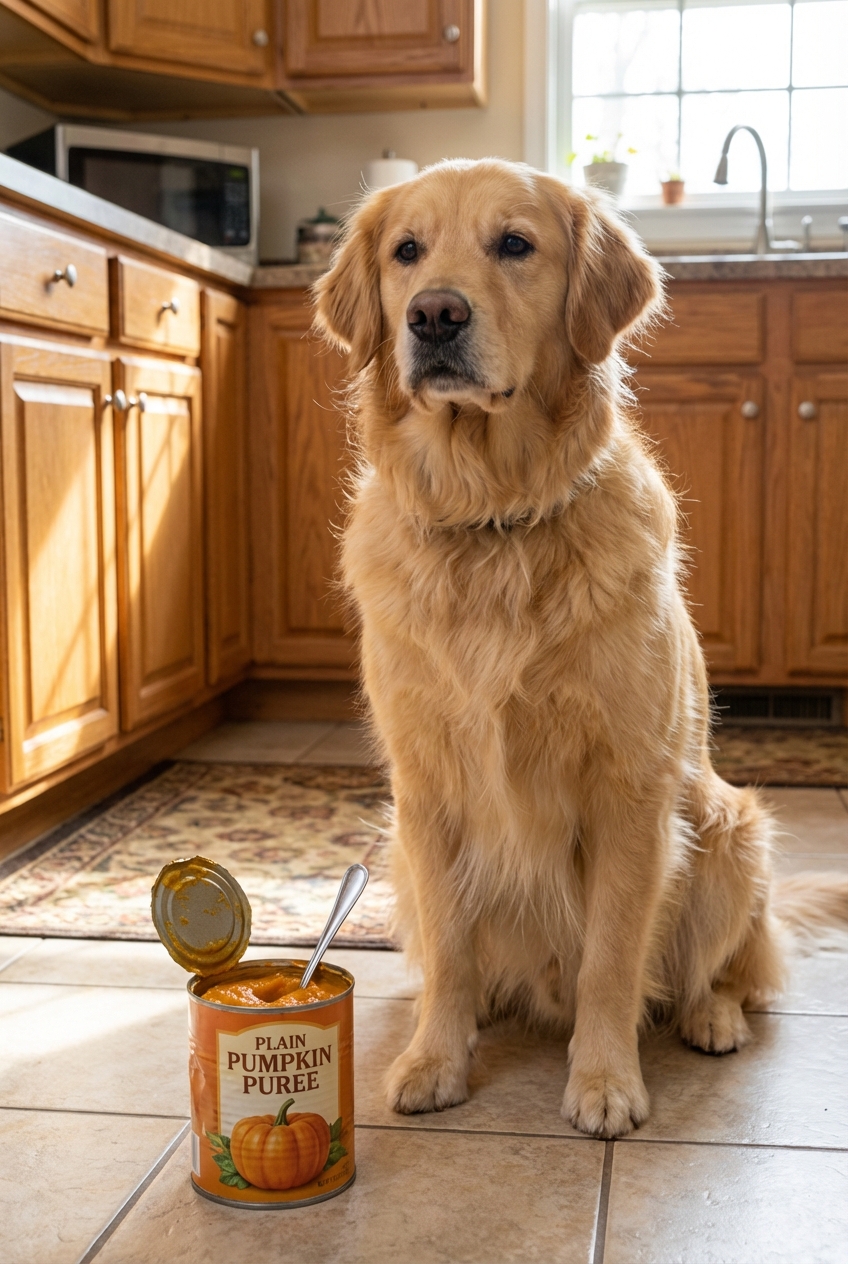
- Plain canned pumpkin (not pumpkin pie filling) is a popular choice.
- Conservative starting amount: about 1 teaspoon per 10 pounds of body weight, mixed into food, up to 1 to 2 times daily.
- If stools get bulky or gassy, reduce the amount.
If your dog has a history of pancreatitis, food allergies, or you are seeing a lot of mucus and urgency, check in with your veterinarian about the best fiber type and amount.
3) Avoid irritants
- No fatty treats, chews, table scraps, dairy, or meat skins
- No new supplements unless your veterinarian approves
- No bones or rawhide while the gut is irritated
How much to feed
When stools are loose, smaller portions more often are usually easier on the GI tract.
- Feed 3 to 6 small meals daily.
- Start with about 25 to 50 percent of your dog’s normal total daily calories split across those meals for the first day.
- If stool improves and appetite is good, slowly increase toward normal portions over 48 hours.
Every dog is different, so watch your dog’s energy, appetite, hydration, and what the stool is doing each time you go outside.
How long to use it
Many mild cases improve within 24 to 72 hours. A typical timeline looks like this:
- Day 1: Small bland meals, focus on hydration
- Day 2: Continue bland diet, consider probiotic support
- Day 3: If stools are formed, begin transitioning back to regular food
If diarrhea is not clearly improving by day 2, or if it returns immediately when you reintroduce normal food, it is time to call your veterinarian. You may be dealing with parasites, pancreatitis, a food intolerance, or another medical issue that needs targeted treatment.
Transition back
Once stools are mostly normal for 24 hours, transition slowly to reduce the chance of relapse:
- Days 1 to 2: 75% bland, 25% regular
- Days 3 to 4: 50% bland, 50% regular
- Days 5 to 6: 25% bland, 75% regular
- Day 7: 100% regular
If your dog has a sensitive stomach, go even slower. Slow is kind to the gut.
If it keeps coming back
Recurring diarrhea is a sign to dig deeper. Ask your vet about:
- Fecal testing for parasites like Giardia
- Diet trial for suspected food sensitivity
- Bloodwork if weight loss, vomiting, or poor appetite are present
- Pancreatitis screening if stools are greasy, appetite drops, or pain is present
- Long-term microbiome support if stress colitis is a pattern
And one gentle reminder from a veterinary assistant who has seen this a hundred times: bring a fresh stool sample to your appointment if you can. It saves time and can speed up answers.
Hygiene and contagion
Some causes of diarrhea are contagious (or at least shareable in group settings). While your dog is sick:
- Pick up stool promptly and wash hands after cleanup.
- Skip dog parks, daycare, and shared water bowls until stools are normal.
- If you have other dogs at home, monitor them closely for symptoms.
A note on homemade diets
I love whole foods and I love helping people cook for their dogs, but during an active GI upset we want to keep things very simple. The bland diet above is meant to be short-term. If your dog needs a longer homemade plan, ask your vet or a boarded veterinary nutritionist for a balanced recipe. Nutrient gaps can sneak up fast, especially in growing puppies.
Quick takeaways
- A dog diarrhea diet should be low-fat, highly digestible, and fed in small frequent meals.
- Hydration is the priority.
- Probiotics and soluble fiber can help some dogs recover faster.
- Know the red flags and do not wait if your dog seems unwell.
If you are worried, trust your instincts. It is always okay to call your veterinary team and ask, “Is this something we can manage at home, or should we come in?”