Dog diarrhea is stressful, but many mild cases improve fast with hydration and a short-term bland diet. Get safe food options, portions, foods to avoid, and ...
Article
•
Designer Mixes
Dog Diarrhea Care Guide

Shari Shidate
Designer Mixes contributor
Diarrhea is one of the most common reasons pet parents call a veterinary clinic, and I totally get why. It is messy, stressful, and it can feel urgent. The good news is that many cases are mild and short-lived. The important part is knowing when home care is appropriate and when it is time to get your vet involved.
Quick note from a veterinary assistant: This guide is for general education, not a diagnosis. If your dog seems very ill, trust your instincts and call your veterinarian.
First, check for red flags
Some diarrhea can be monitored at home, but certain signs mean you should contact a veterinarian right away.
Call your vet urgently if you notice:
- Blood (bright red streaks or black, tarry stool)
- Repeated vomiting or your dog can’t keep water down
- Lethargy, weakness, collapse, pale gums, or signs of pain
- Bloated abdomen, unproductive retching, or restlessness (possible bloat emergency)
- Dehydration signs (dry gums, sunken eyes, sticky saliva, very low energy)
- Diarrhea that is not improving or is worsening
- Diarrhea lasting longer than expected: as a general rule, over 24 hours for puppies, seniors, small dogs, or any dog that is not acting right, and over 48 hours for stable adult dogs, even if it seems mild
- Puppies, seniors, or dogs with chronic disease (kidney disease, diabetes, Addison’s, cancer, IBD)
- Possible toxin exposure (xylitol, grapes/raisins, rodent bait, human medications, unknown wild mushrooms)
- Known foreign body risk (sock, toy, bones, corn cob, string)
If your dog has diarrhea plus any of the above, home care can delay treatment. In clinic, we can check hydration, run a fecal test, and make sure there is no obstruction or dangerous infection.
What diarrhea can mean
Diarrhea is a symptom, not a diagnosis. It happens when the intestines are irritated or inflamed and water is not absorbed normally. Depending on where the problem is (small intestine vs colon), it can look a little different.
Quick clue: colon vs small intestine
- Large-bowel (colon) diarrhea: frequent small stools, urgency, straining, mucus, and sometimes bright red blood
- Small-bowel diarrhea: larger-volume watery stools, fewer trips, possible weight loss, and sometimes vomiting
Common causes we see:
- Diet change or a new treat
- Dietary indiscretion (trash, greasy food, table scraps)
- Stress (travel, boarding, new pet, storms)
- Parasites (giardia, roundworms, hookworms)
- Dysbiosis (a temporary imbalance in the gut microbiome)
- Food sensitivities
- Viral illness (more common in puppies)
- Pancreatitis (often after fatty foods; can be serious)
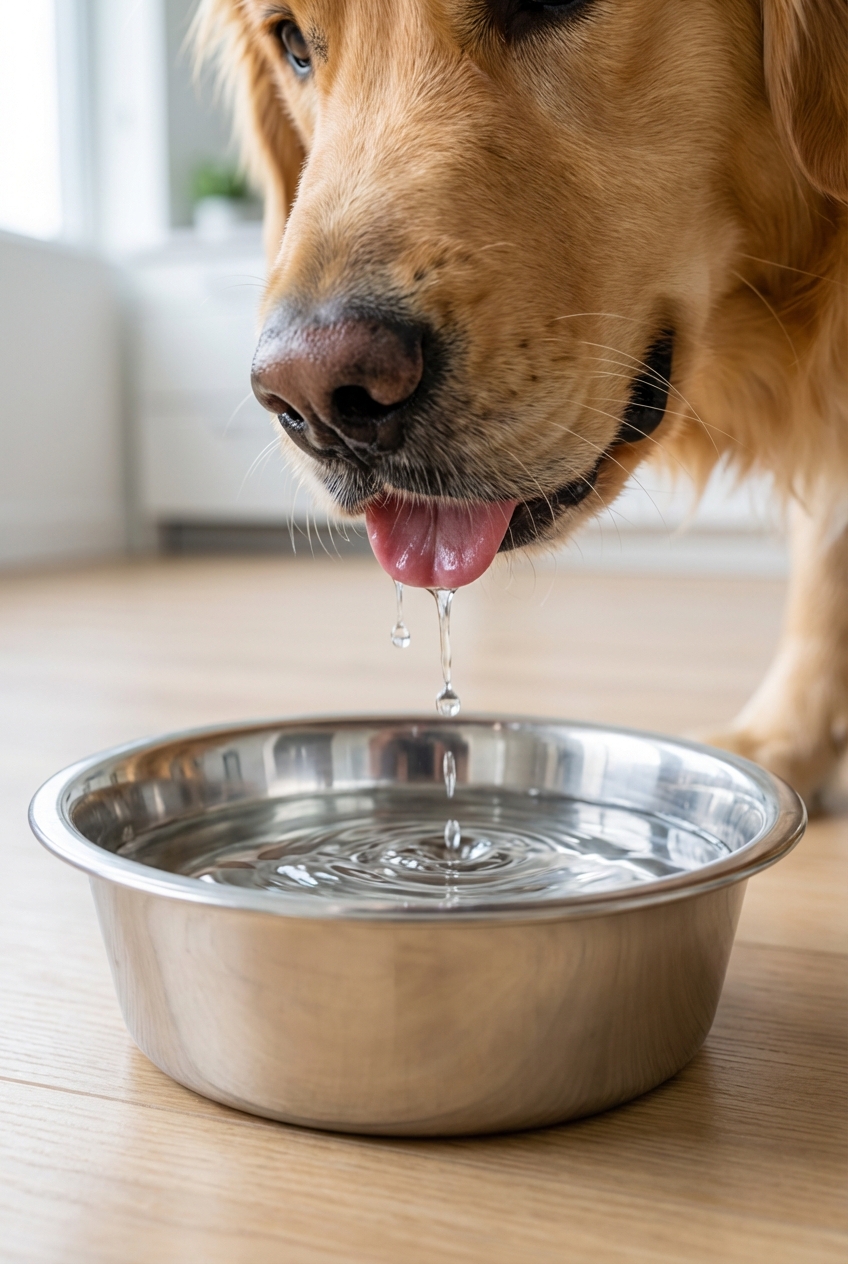
At-home care for mild diarrhea (adult dogs only)
If your dog is bright, alert, eating, not vomiting, and the diarrhea is mild, you can usually start with supportive care for 12 to 24 hours while monitoring closely.
Step 1: Hydration first
- Offer fresh water at all times.
- Encourage small, frequent drinks if your dog tends to gulp and vomit afterward.
- If your vet approves, ask about a dog-safe oral electrolyte solution.
Tip: If your dog refuses water, seems weak, or is having large-volume watery diarrhea, dehydration can happen fast. That warrants a vet visit.
Step 2: Gut rest (only for some dogs)
Some dogs do well with a brief food break to let the GI tract settle, but it is not the right move for every dog. For many stable adult dogs, 8 to 12 hours can be enough.
Do not fast puppies, toy breeds, seniors, diabetic dogs, or dogs with a history of pancreatitis or other chronic illness unless your veterinarian tells you to.
Step 3: Bland diet for 2 to 3 days
Once you reintroduce food, keep it simple and boring. Offer small meals 3 to 4 times a day.
- Boiled chicken breast (no skin, no seasoning) plus plain white rice
- Lean ground turkey (well-cooked, drained) plus rice
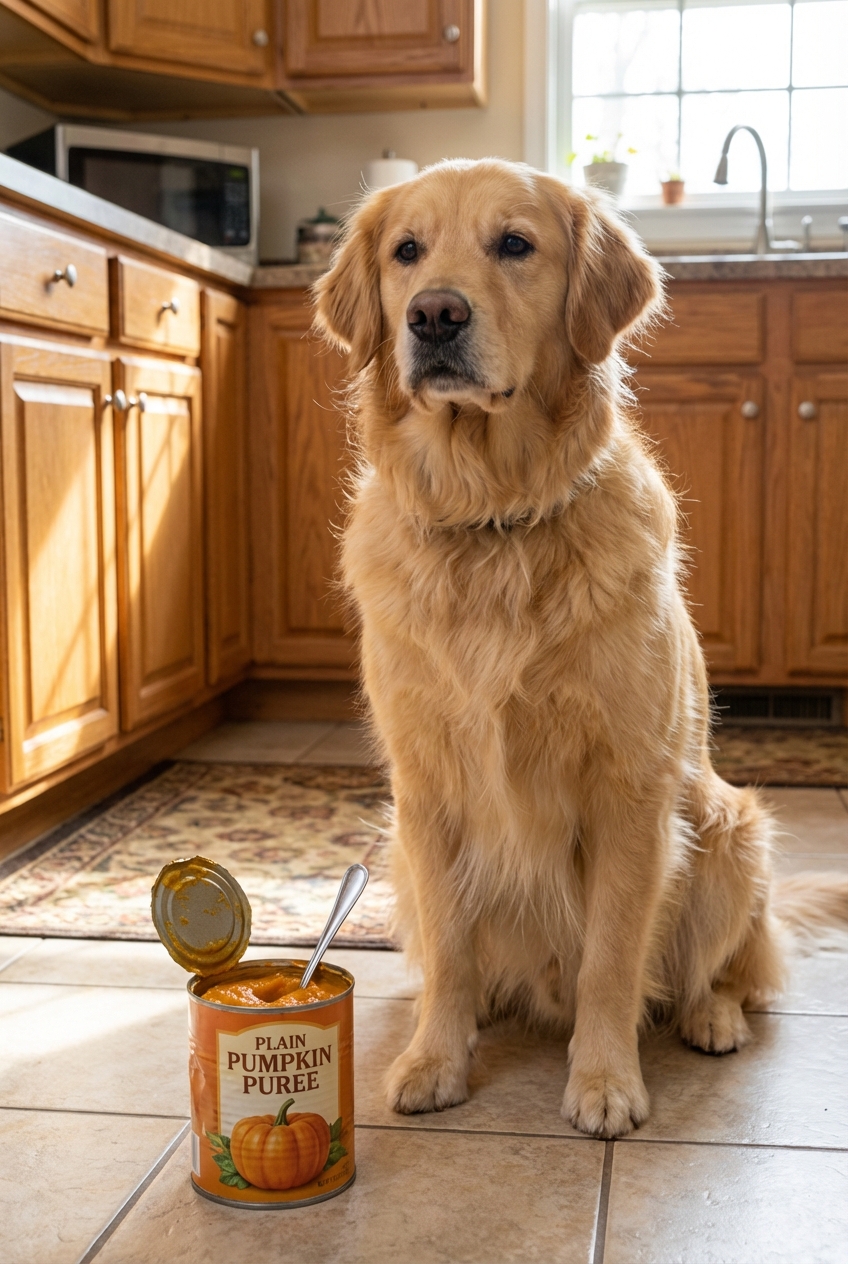
- Plain canned pumpkin (not pie filling) mixed in small amounts
Pumpkin note: A little can help some dogs, but too much can worsen diarrhea. A common starting point is 1 to 2 teaspoons for small dogs and 1 tablespoon for medium to large dogs mixed into food once or twice daily. If it seems to make things worse, skip it.
Many veterinary teams now prefer a commercial gastrointestinal diet if available, because it is formulated for digestibility and nutrient balance. If you have access to one through your vet, it can be a great short-term option.
Step 4: Consider a dog-specific probiotic
There is some evidence that certain canine probiotics can help shorten acute diarrhea. Ask your veterinarian which options they trust and what dose is right for your dog’s weight. Probiotics are often especially helpful if diarrhea started after antibiotics or stress.
Step 5: Rest and routine
- Keep exercise gentle for a day or two.
- Reduce stressors when possible.
- Take your dog out more often to prevent accidents and allow frequent, small stools.
What not to do
- Do not give human anti-diarrhea medications (like loperamide/Imodium) unless your veterinarian specifically instructs you. Some breeds and conditions make these medications risky.
- Do not give greasy foods or rich treats “to tempt them.” Fatty foods can trigger pancreatitis.
- Do not switch foods repeatedly in a panic. Too many changes can prolong GI upset.
- Do not ignore parasite risk. Even indoor dogs can get parasites. A fecal test is a simple, common next step if diarrhea persists.
What to tell your vet
When you call, your vet team will likely ask specific questions. Having this info ready saves time and can help guide next steps.
- When it started and how often your dog is going
- Stool appearance: watery, pudding-like, mucus, blood
- Volume and frequency: lots at once vs frequent small amounts
- Any vomiting, decreased appetite, fever, or behavior changes
- Diet details: new food, treats, chews, table scraps
- Exposure risks: dog park, boarding, new pet, lake water
- Current meds and preventatives (heartworm, flea, tick, deworming)
Helpful tip: If you can safely take a photo of the stool or bring a fresh stool sample (your clinic can tell you how), it can be surprisingly useful.
Stool sample tips
- Collect a fresh sample (ideally within 4 to 12 hours of your appointment).
- Use a clean container or sealed bag.
- Avoid contamination with grass, litter, or dirt when possible.
- If you cannot bring it in right away, refrigerate it (do not freeze) and label it with the date and time. If you are unsure, call your clinic for their preference.
When it is an emergency
In veterinary clinics, we take certain diarrhea cases very seriously because they can indicate acute hemorrhagic diarrhea syndrome (AHDS), parvo (especially in puppies), severe parasitic load, toxin ingestion, pancreatitis, or an obstruction.
Seek urgent care if diarrhea is profuse, watery, frequent, if your dog seems weak, or if you see large amounts of blood. These dogs may need fluids, diagnostics, and medications quickly.
Protect other dogs
Some causes of diarrhea are contagious, especially giardia and parvo. Until your dog is back to normal:
- Avoid dog parks, daycare, boarding, and shared water bowls.
- Pick up stool promptly.
- Clean soiled areas. Your vet can recommend a disinfectant that works for the suspected cause.
Prevent flare-ups
Slow food changes
Most stomachs prefer a gradual transition. If you are changing foods, aim for a 7 to 10 day transition unless your veterinarian recommends otherwise.
Be picky with treats
- Limit rich chews and high-fat treats.
- Watch for triggers like dairy, fatty meats, and mystery-ingredient treats.
- Choose simple, single-ingredient treats when possible.
Stay on parasite prevention
Monthly preventatives and periodic fecal testing are a big deal, even for dogs who mostly stay indoors. Giardia can require specific testing and treatment, so if diarrhea keeps coming back, it is worth discussing with your veterinarian.
Support the gut
A high-quality, complete diet, predictable routines, and vet-approved probiotics for sensitive dogs can help reduce repeat episodes.
A gentle reminder
You are not overreacting by paying attention to diarrhea. Stool is one of the clearest windows into your dog’s health. If something feels off, call your veterinarian. And if it is mild and your dog is otherwise acting normal, start with hydration, a bland diet, and close monitoring.
From one pet-lover to another, you have got this.