Spot diabetes in dogs early with this vet assistant guide. Learn key symptoms, subtle warning signs, DKA emergency red flags, diagnosis steps, and what to do...
Article
•
Designer Mixes
Dog Diabetes Symptoms Explained

Shari Shidate
Designer Mixes contributor
When a dog is diagnosed with diabetes, most families tell me the same thing: “I knew something felt off, but I could not put my finger on it.” You are not imagining it. Diabetes in dogs often starts with subtle changes at home that slowly become hard to ignore.
In this article, I will walk you through classic, commonly reported symptoms of diabetes in dogs, what is happening inside the body, and what to do next so you can act quickly and confidently.
What diabetes is in dogs
Diabetes mellitus happens when a dog’s body cannot properly use glucose (blood sugar) for energy. Most dogs have a problem with insulin, the hormone that moves glucose from the bloodstream into the cells.
In many dogs, diabetes looks similar to “insulin-dependent” diabetes in people, meaning the pancreas is not making enough insulin. Without enough insulin, glucose builds up in the blood, and the body starts looking for other ways to fuel itself. That is why you may see weight loss, muscle loss, and increased hunger even though your dog is eating.
Classic diabetes symptoms in dogs
These are the most recognized signs veterinarians see again and again. Having one sign does not automatically mean diabetes, but a cluster of these signs is a strong reason to schedule a vet visit promptly.
1) Drinking a lot more water (polydipsia)
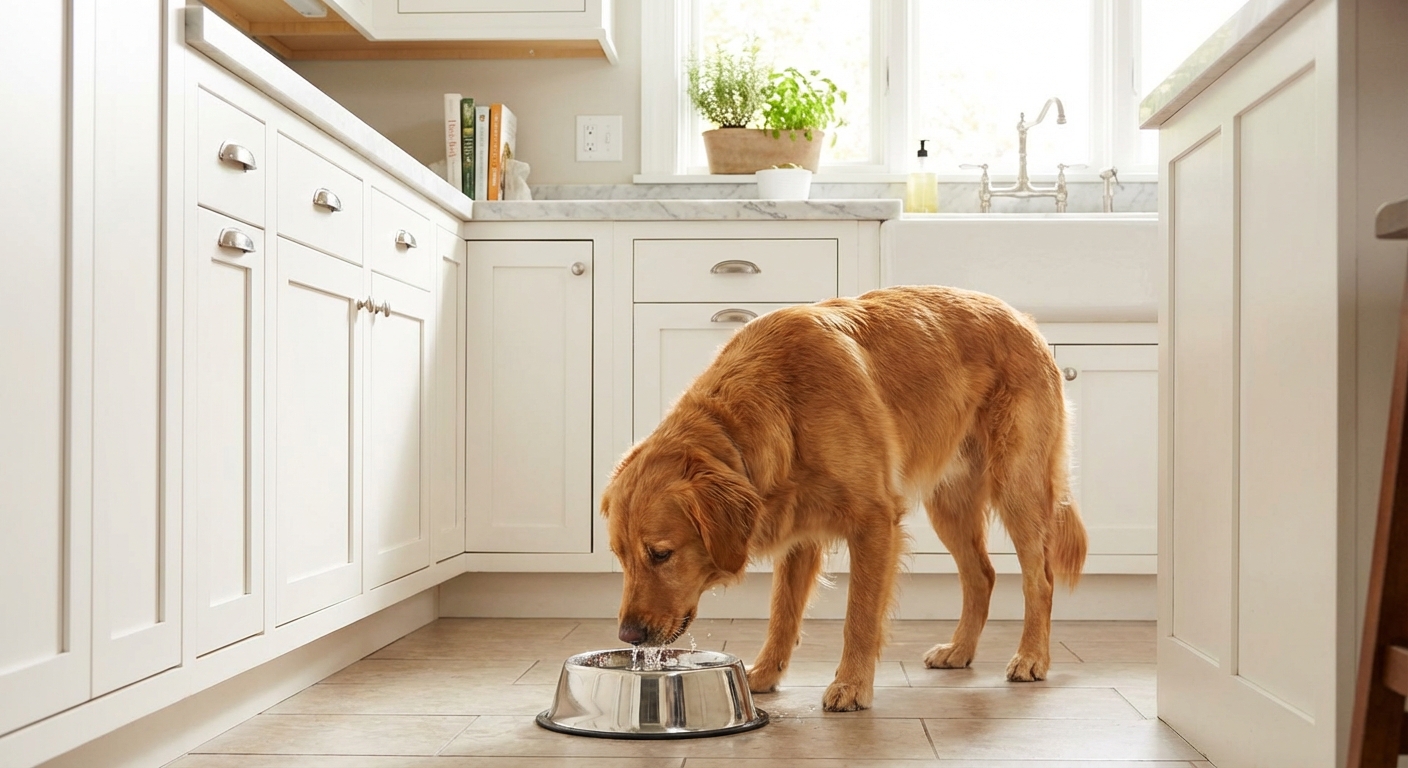
This is often the first symptom families notice. When blood glucose rises, the kidneys try to “dump” extra glucose into the urine. Glucose pulls water with it, so your dog loses more fluid and gets thirstier.
- Emptying the water bowl faster than usual
- Seeking water in unusual places (toilet, shower, puddles)
- Waking at night to drink
2) Peeing more often or having accidents (polyuria)
Because the kidneys are pulling water into the urine, dogs often urinate more frequently and in larger amounts.
- Asking to go outside more often
- Accidents in a previously house-trained dog
- Heavier, larger wet spots on pee pads or turf (or much longer urination than normal on walks)
3) Increased appetite (polyphagia)
Even with high blood sugar, the cells may be “starving” because they cannot access the glucose without enough insulin. Your dog may act ravenous.
- Begging more than usual
- Stealing food, getting into trash
- Acting hungry soon after meals
4) Weight loss (often despite eating well)
Unexplained weight loss is a big red flag. When glucose cannot be used normally, the body breaks down fat and muscle for fuel.
- Ribs or spine becoming more visible
- Loss of muscle along the back end
- Overall “thinner” look even with normal or increased meals
5) Low energy and reduced stamina
Diabetic dogs can seem tired, less playful, or less interested in walks. Energy metabolism is not running efficiently, and dehydration can also contribute.
6) Cloudy eyes or sudden vision changes (cataracts)
Diabetes is a major cause of rapid-onset cataracts in dogs. Cataracts can develop within weeks to months and may occur even with treatment, so mention any eye changes early.
- Eyes look bluish, white, or “foggy”
- Bumping into furniture
- Hesitating on stairs
7) Recurrent infections or slow healing
High glucose can support bacterial growth and can weaken normal immune defenses.
- Urinary tract infections
- Skin infections
- Ear infections
- Wounds taking longer to heal
8) Vomiting, dehydration, or very sick behavior (urgent)
If a dog with diabetes becomes very unwell, we worry about a serious complication called diabetic ketoacidosis (DKA). Vomiting, weakness, refusal to eat, dehydration, or collapse should be treated as urgent.
Symptoms that can look like diabetes
Many conditions can mimic parts of diabetes. That is why a proper veterinary workup is so important.
- Kidney disease can cause increased thirst and urination.
- Cushing’s disease often causes increased thirst, urination, and appetite.
- Urinary tract infection can cause frequent urination or accidents.
- Thyroid disease can affect weight and energy. In dogs, hypothyroidism is much more common and usually causes weight gain and lethargy. Hyperthyroidism is rare and is typically linked to thyroid tumors.
The good news is that diabetes is usually straightforward to test for with a combination of history, physical exam, and lab work.
How veterinarians confirm diabetes
Diagnosis typically includes:
- Blood glucose testing (high blood sugar)
- Urinalysis (glucose in the urine, and sometimes ketones)
- Blood chemistry and CBC to assess overall health and look for complications
- Urine culture if a urinary infection is suspected
In dogs, the combination of persistently high blood glucose plus glucose in the urine strongly supports a diabetes diagnosis.
Your veterinarian may also discuss a fructosamine test, which helps estimate average blood glucose over the prior weeks.
Your vet may also talk with you about common “triggers” or related conditions, such as pancreatitis or certain medications (for example, steroids or progesterone-like hormones) that can unmask diabetes.
What to do if you suspect diabetes
If your dog has increased thirst and urination plus either increased hunger or weight loss, I recommend you call your vet soon rather than “watching and waiting.” Early treatment can prevent complications and help your dog feel better faster.
Before your appointment
- Measure water intake for 24 hours if you can (and note changes from normal). As a general reference, more than about 100 mL per kg per day can be concerning, but your veterinarian will interpret this in context.
- Track appetite and weight (even a quick home weigh-in helps).
- Bring notes about accidents, frequency of potty breaks, and energy level.
- Do not change food suddenly unless your veterinarian directs it, especially if your dog seems unwell.
When to go to an emergency clinic
Seek urgent care if your dog has vomiting, severe lethargy, trouble breathing, collapse, or is refusing food and water. In a dog with suspected or known diabetes, these signs can point to dehydration or DKA and need immediate treatment.
Living well with a diabetic dog
Diabetes can feel overwhelming at first, but many dogs do beautifully once treatment is consistent. The foundation usually includes:
- Insulin given as prescribed
- Consistent meals and routine
- Regular exercise that is steady, not sporadic
- Monitoring at home and follow-up testing with your vet
And here is the encouraging part: small, consistent steps matter more than perfection. The goal is steady blood sugar, stable weight, good hydration, and good quality of life.
One more safety note: once a dog is on insulin, low blood sugar (hypoglycemia) becomes an important emergency to know. Signs can include weakness, wobbliness, tremors, unusual sleepiness, and seizures. If you suspect hypoglycemia, offer a sugar source your vet has approved (many clinics recommend rubbing a small amount of corn syrup on the gums) and seek urgent veterinary care.
Common questions
Can dogs get diabetes suddenly?
Symptoms can seem sudden because they become noticeable once blood sugar passes a certain threshold. Internally, changes may have been building for weeks or months.
Is diabetes more common in certain dogs?
Diabetes is often diagnosed in middle-aged to older dogs. It may be more common in intact females and in dogs with other hormone-related conditions (such as Cushing’s disease). Some breeds appear more predisposed, but any dog can develop diabetes.
Can diet alone cure canine diabetes?
Most diabetic dogs require insulin. Nutrition is still very important, but it is usually part of a treatment plan, not a replacement for insulin. Always work with your veterinarian before making major diet changes.