Learn a safe, vet-friendly diet and routine for diabetic dogs: consistent feeding times, fiber and carbs, lean protein, fat levels, treat tips, and key quest...
Article
•
Designer Mixes
Dog Diabetes Symptoms and Care

Shari Shidate
Designer Mixes contributor
Dog diabetes can feel scary at first, especially when the signs look like normal aging or just a little extra thirst. But diabetes is a relatively common condition in middle-aged to older dogs, and with the right plan, many dogs go on to live happy, active lives.
As a veterinary assistant in Texas, I have seen how much better families feel when they can recognize symptoms early, understand what the vet is testing for, and know what day-to-day care really looks like.
What is diabetes in dogs?
Most dogs are diagnosed with diabetes mellitus, meaning the body cannot properly use glucose (blood sugar) for energy.
In many dogs, diabetes is caused by inadequate insulin production from the pancreas. In some cases, insulin resistance also plays a role, especially with factors like hormones (such as in intact females), excess weight, certain medications, or other illnesses.
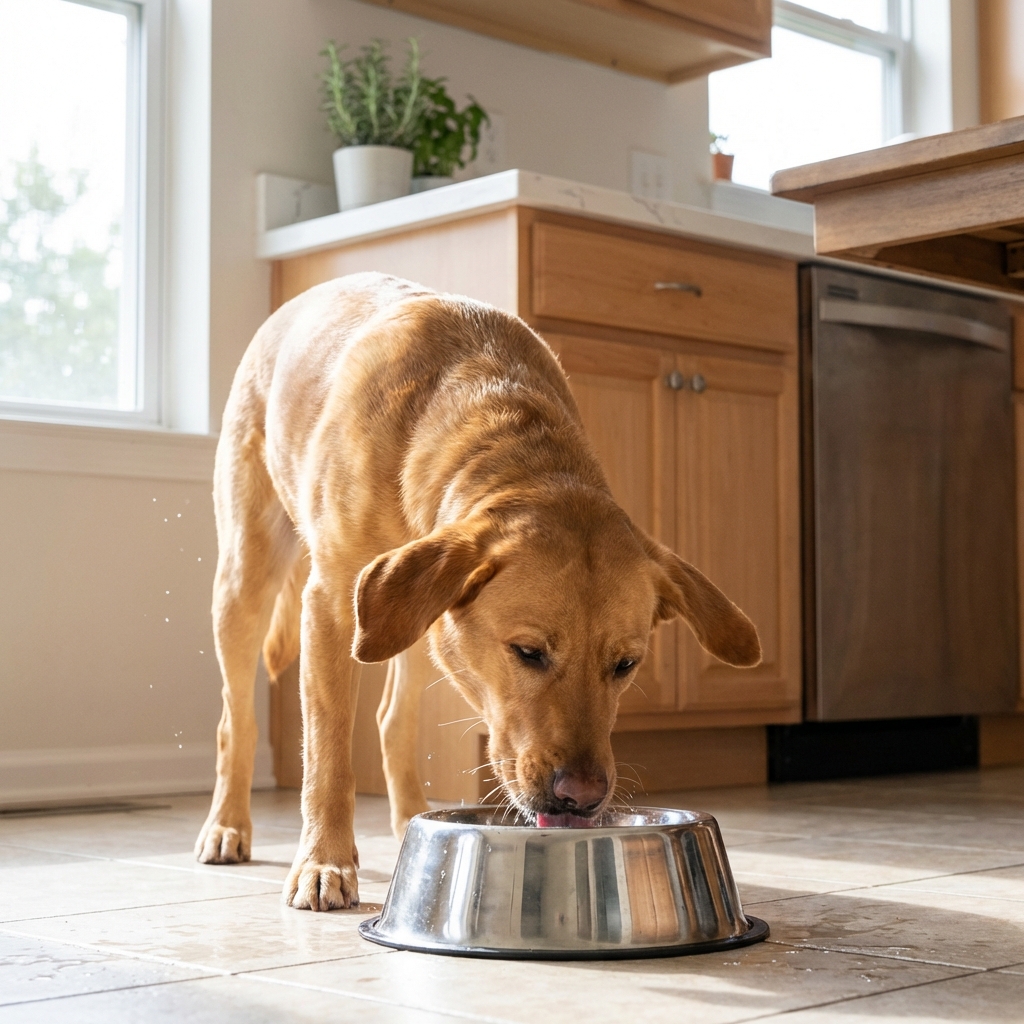
Without enough effective insulin, glucose builds up in the bloodstream and spills into the urine. That sugar in the urine pulls extra water with it, which is why many diabetic dogs drink and pee more than usual.
Important note: Diabetes in dogs is often managed with insulin injections. It is different from many cases of human type 2 diabetes, which may be managed with oral medications and lifestyle changes alone.
Common symptoms to watch for
Symptoms can show up gradually. If you notice any combination of the following, it is time to schedule a veterinary visit.
- Increased thirst (empty water bowl, drinking from unusual places)
- Increased urination (more frequent potty trips, accidents in the house)
- Increased appetite with weight loss
- Low energy or decreased interest in walks and play
- Recurrent infections, especially urinary tract infections
- Cloudy eyes or sudden vision changes (diabetic cataracts can develop quickly)
- Vomiting, dehydration, weakness, or rapid breathing (can signal an emergency)
When symptoms are urgent
Please seek urgent veterinary care the same day if your dog has diabetes symptoms plus any of the following:
- Vomiting or refusing food
- Extreme lethargy, collapse, or severe weakness
- Deep or rapid breathing
- Marked dehydration (sticky gums, sunken eyes)
These signs can be associated with diabetic ketoacidosis (DKA), a serious complication that requires immediate treatment. DKA commonly shows up as a combination of not eating, vomiting, and being very tired or weak. Some dogs may also have a sweet or acetone-like breath odor.
Who is at higher risk?
Diabetes can happen in any dog, but risk is higher in:
- Middle-aged to senior dogs
- Female dogs, especially intact females (hormones can affect insulin needs)
- Dogs with a history of pancreatitis
- Dogs taking certain medications like steroids (your vet will guide you)
- Dogs who are overweight (extra weight can increase insulin resistance and can make diabetes harder to regulate)
Mixed breeds, including popular designer mixes, can absolutely develop diabetes too. The best protection is early detection, healthy weight, and consistent routines.
How vets diagnose diabetes
Diagnosis is usually straightforward, and it is based on a few key findings:
- High blood glucose on lab work
- Glucose in the urine (urinalysis)
- Often, additional checks like blood chemistry, complete blood count, and urine culture to look for infection or complications
Your veterinarian may also discuss a fructosamine test. This helps evaluate average blood glucose over the prior couple of weeks and can be useful for confirming diabetes and monitoring control.
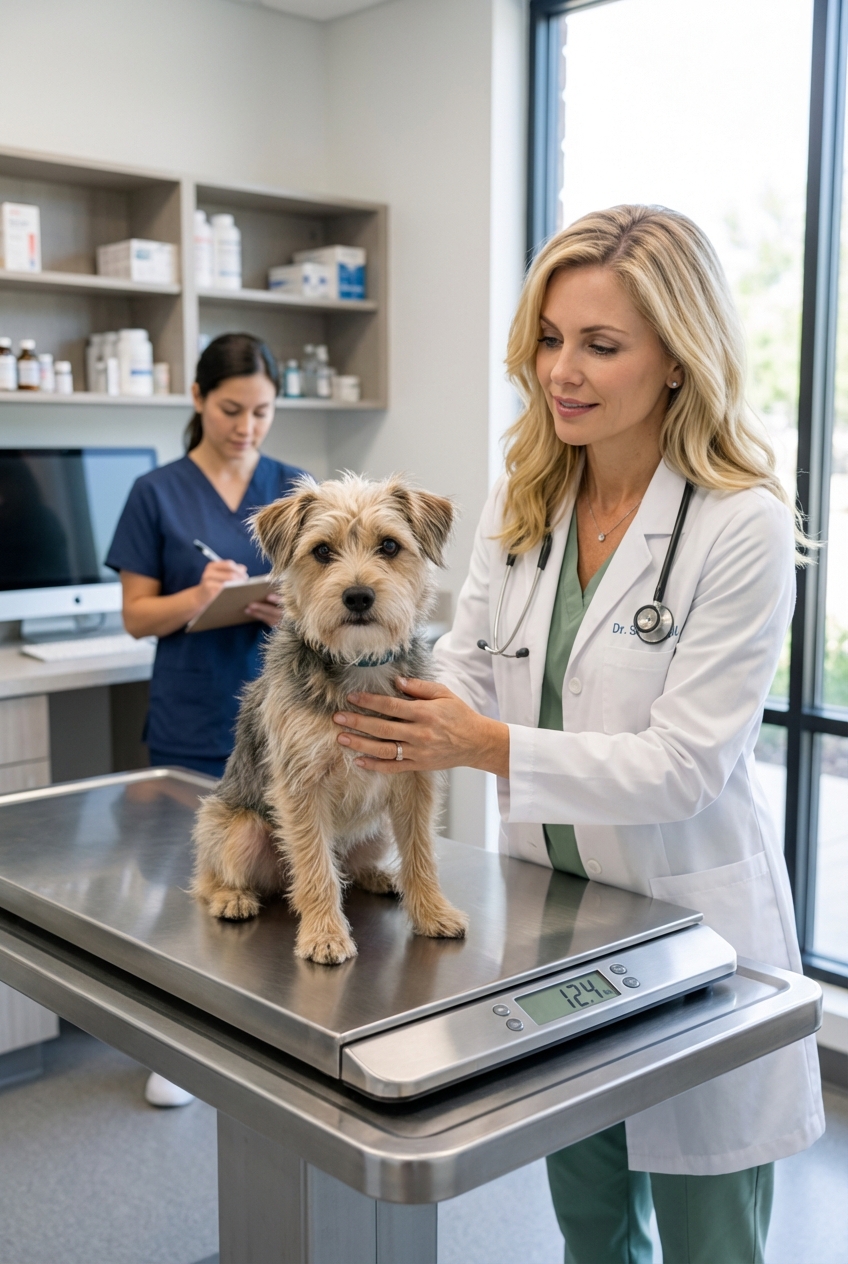
Once diabetes is diagnosed, many dogs go through an initial stabilization period. This is when the veterinary team fine-tunes the insulin dose and routine. You may hear your vet talk about a glucose curve, a continuous glucose monitor (CGM), or repeat fructosamine testing to see how your dog is responding.
Day-to-day care
Once your dog is diagnosed, the goal is steady, predictable blood sugar. That is achieved with a routine that stays consistent from day to day.
1) Insulin therapy
Most diabetic dogs need insulin injections. Many families are nervous at first, then quickly realize it is very doable with a little coaching and practice.
- Give insulin exactly as prescribed, at the same times each day.
- Never change the dose on your own, even if your dog seems unwell. Call your vet.
- Store insulin correctly and mix it only as directed (some insulins are gently rolled, not shaken).

2) Consistent meals
Timing matters. Many dogs do best with measured meals given on a schedule that matches their insulin plan.
- Feed the same amount, same food, at the same times daily.
- Avoid frequent unplanned snacks that can spike blood glucose.
- If you want to use treats, ask your vet for a treat strategy that fits the plan.
3) Weight and exercise
Healthy weight can improve insulin sensitivity and makes diabetes easier to control.
- Choose gentle, consistent exercise such as daily walks.
- Avoid sudden intense activity on some days and no activity on others. Big swings can affect blood sugar.
4) Monitoring
Your veterinary team may recommend monitoring, depending on your dog and your comfort level.
- Keep a daily log of appetite, water intake, urination, energy, and insulin times.
- Some families use home blood glucose checks or a continuous glucose monitor placed by the vet. These tools can reduce stress and help fine-tune insulin dosing.
- Important: Urine glucose strips can be useful for sharing trends with your vet, but they are not reliable by themselves for making insulin dose changes.
Low blood sugar: signs
Hypoglycemia can happen if a dog gets too much insulin, does not eat enough, or has an unusual day of extra exercise. It can become life-threatening, so it is worth knowing the signs.
- Sudden weakness or wobbliness
- Trembling
- Disorientation or not acting like themselves
- Seizures or collapse
If you suspect low blood sugar, contact a veterinary clinic immediately for guidance and head in for care. Your vet may instruct you to rub a small amount of a sugar source such as corn syrup or honey on the gums while you travel. Do not force liquid down your dog’s throat, and do not treat this at home instead of getting medical help.
Nutrition notes
Families often ask if they should switch foods right away. The best diabetic diet is one your dog will eat reliably and that supports stable blood glucose.
- Consistency is key. Dramatic changes can change insulin needs.
- Measured portions and maintaining a healthy weight are usually more important than finding a perfect ingredient list.
- Many dogs do well on veterinary therapeutic diets formulated for diabetes (often designed to support steadier glucose levels). Your vet may recommend one based on your dog’s needs.
- If you are interested in homemade food, it can be a great option, but it should be formulated with your veterinarian or a board-certified veterinary nutritionist to ensure proper balance.
If your dog has other conditions such as pancreatitis or kidney disease, the diet plan may need special adjustments. Always check with your veterinarian before changing foods or adding supplements.
Common complications
Cataracts are one of the most common complications of diabetes in dogs and they can progress quickly. If your dog’s eyes start looking cloudy or their vision seems worse, let your vet know right away. Your veterinarian may discuss an ophthalmology referral, and in some cases cataract surgery is an option.
What not to do
- Do not skip insulin or stop insulin without veterinary guidance.
- Do not double a dose if you think you missed one. Call your vet for instructions.
- Do not change food, treat routines, or exercise patterns abruptly without a plan.
- Do not adjust insulin based on a single home reading or urine glucose result. Your vet will help you use trends and safe testing methods.
Living well with a diabetic dog
Diabetes management is not about perfection. It is about building a routine your dog can thrive on.
The dogs who do best are usually the ones with consistent schedules: consistent meals, consistent exercise, and consistent follow-ups.
Plan on recheck visits, especially during the first few weeks after diagnosis, when your vet is fine-tuning the insulin dose. Many dogs stabilize beautifully once the right dose and routine are found.

Quick checklist
- Schedule a vet visit if you notice increased thirst, increased urination, or weight loss.
- Give insulin exactly as prescribed and at consistent times.
- Feed measured meals on a schedule and avoid unplanned snacks.
- Track appetite, water intake, potty habits, and energy daily.
- Know signs of hypoglycemia and keep your vet’s phone number handy.
Sources
- Merck Veterinary Manual: Diabetes mellitus in dogs
- American Animal Hospital Association (AAHA): Diabetes management guidance for companion animals
- American College of Veterinary Internal Medicine (ACVIM): Endocrinology resources