
Dog Dental Care at Home

As a veterinary assistant here in Frisco, Texas, I can tell you one thing with confidence: dental care is often one of the most overlooked parts of dog health. Many dogs keep eating and playing even when their mouths hurt, so dental disease can quietly progress for months or years.
The good news is you can do a lot at home. Daily brushing is the gold standard, and smart choices with chews and rinses can help. This overview will walk you through what works, what to skip, warning signs you should never ignore, and how dental health can connect to your dog’s heart, kidneys, and liver.
Why dog dental health matters
Plaque is a soft, sticky film of bacteria that forms on teeth every day. If it’s not removed, it hardens into tartar, which irritates the gums and can lead to periodontal disease. Periodontal disease is very common in adult dogs, especially small breeds and brachycephalic breeds. In clinic, we tend to see it show up earlier and more severely in small dogs.
Here’s the bigger issue: bacteria and inflammation in the mouth don’t always stay in the mouth. When gums are inflamed or infected, bacteria can enter the bloodstream and may contribute to inflammation in other organs over time.
The mouth to body connection
- Heart: Chronic oral bacteria and inflammation have been associated with changes that can affect the heart, particularly in vulnerable dogs.
- Kidneys: The kidneys filter the blood, so long-term bacterial exposure and ongoing inflammation may place extra stress on them.
- Liver: The liver also processes substances from the bloodstream, and chronic infection can add to the body’s overall inflammatory burden.
Quick note: these links are mostly associations, not a guarantee that dental disease will cause heart, kidney, or liver problems. Still, keeping the mouth healthy is one of the most practical ways to lower chronic inflammation and improve day-to-day comfort.
Daily brushing: what works
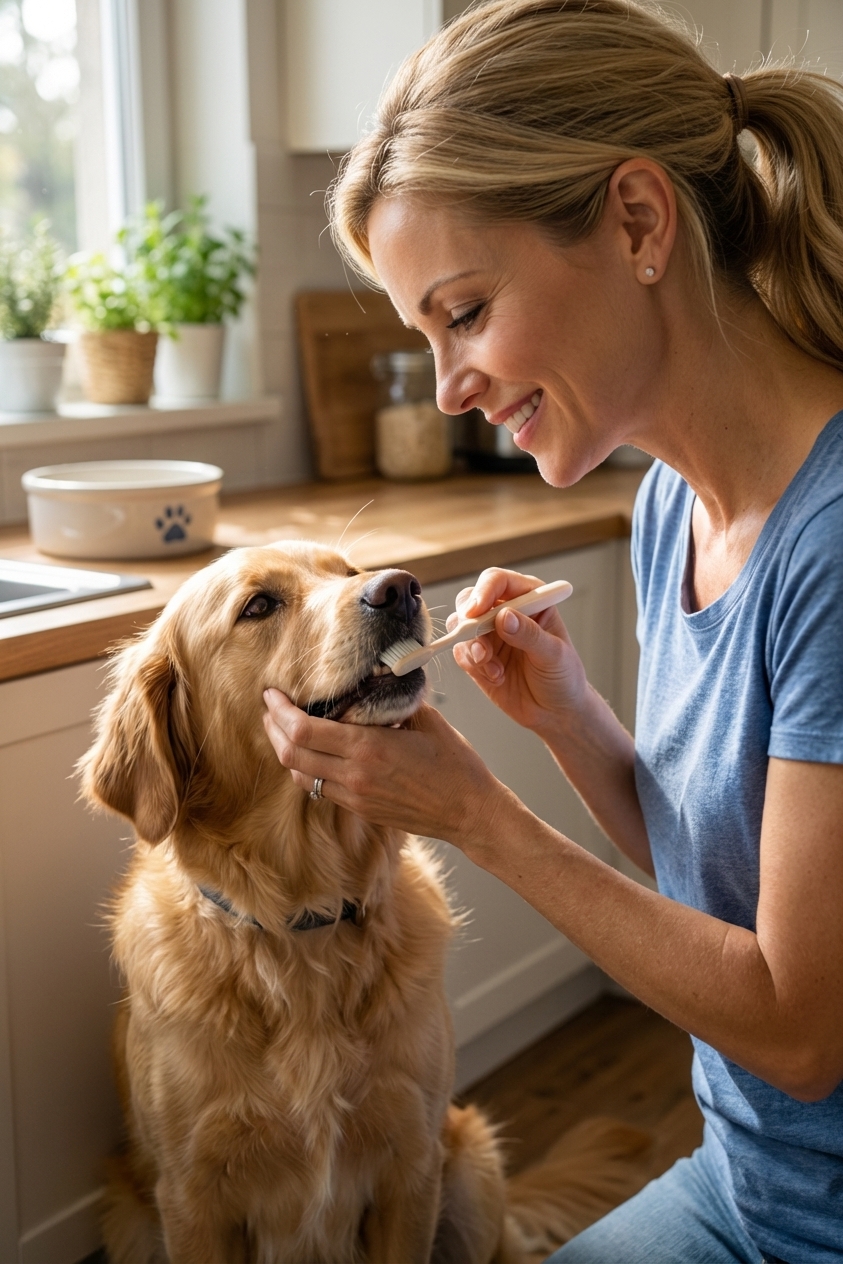
If you do only one thing for your dog’s teeth, make it brushing. It’s the most reliable way to remove plaque before it hardens into tartar.
What you need
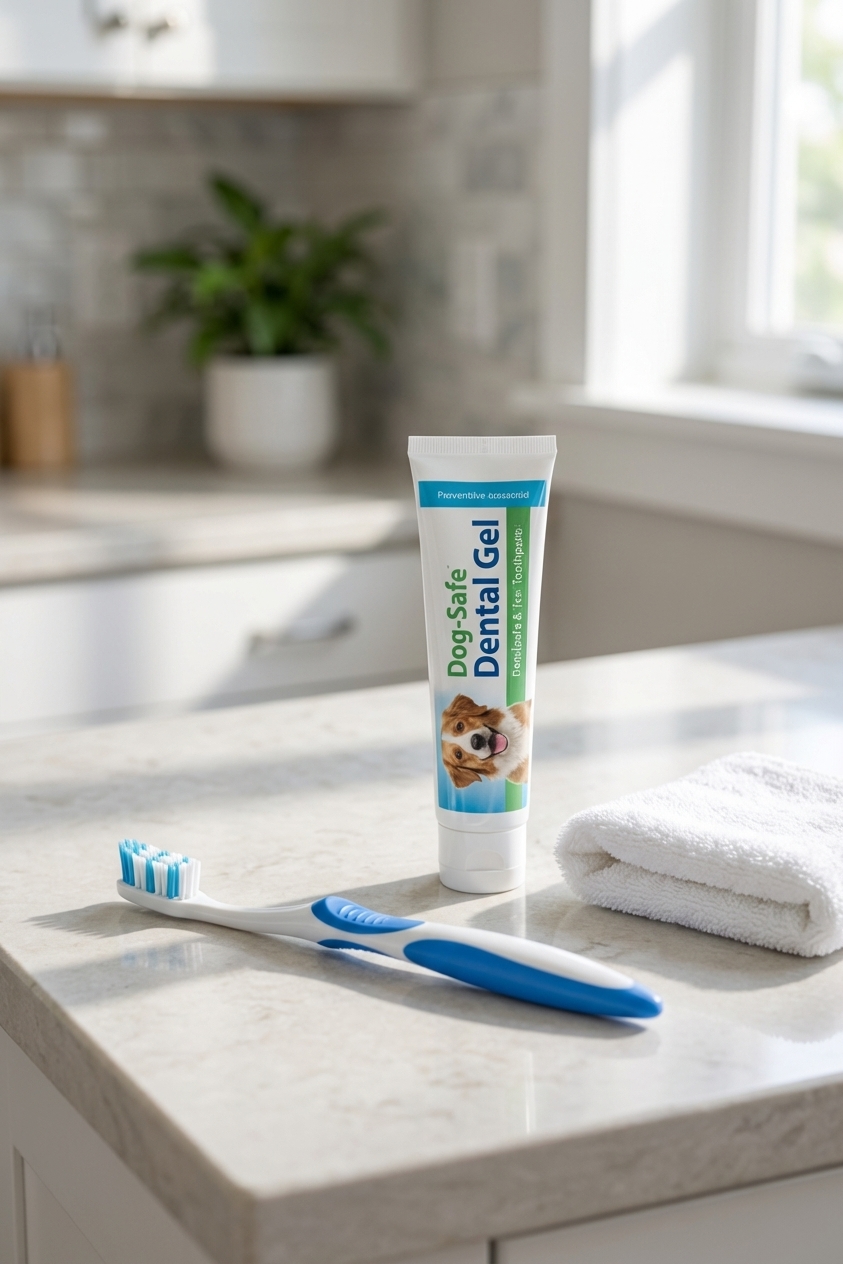
- Dog toothpaste (enzymatic is great). Never use human toothpaste. Some contain xylitol, and many contain detergents and fluoride that can upset your dog’s stomach if swallowed.
- A soft-bristled dog toothbrush or a finger brush. For tiny mouths, a child-sized soft brush can work well.
- Optional: dental wipes for days you can’t brush. They’re better than nothing, but they’re not as effective as brushing.
A gentle step-by-step technique
- Start with comfort first: Let your dog lick a tiny bit of toothpaste from your finger for a few days.
- Lift the lip, don’t pry the mouth open: Most brushing can be done on the outside surfaces of the teeth.
- Focus on the gumline: Aim for where tooth meets gum. Plaque loves to hide there.
- Use small circles: Gentle, short circular motions for 10 to 20 seconds per side at first.
- Prioritize the back teeth: Premolars and molars often build up the most tartar.
- End on a win: Praise and a tiny healthy reward. The goal is a calm routine, not a wrestling match.
How often should you brush?
Daily is best. If daily isn’t realistic yet, start with 3 to 4 times per week and build up. Plaque can start hardening into tartar within a few days, so consistency matters more than brushing hard.
Safety tip: A little gum irritation can happen when you’re first starting, but if you see significant bleeding, your dog yelps, or they suddenly won’t let you near their mouth, stop and schedule a vet exam. Pain is a reason to pause, not push through.
When to start: You can start gentle tooth-brushing practice in puppyhood once adult teeth come in, and it’s never too late to start with an older dog. Seniors may need a slower approach and a vet check sooner if you suspect pain.
Chews and additives: what’s worth it?
There are tons of products marketed for “dog teeth cleaning,” but not all of them help, and some are too hard or risky to be safe. Here’s how I recommend making choices that are evidence-based and practical.
Look for the VOHC seal
The Veterinary Oral Health Council (VOHC) reviews data and awards an “Accepted” seal to products that meet standards for reducing plaque and/or tartar. It’s not a blanket endorsement, but it’s a helpful shortcut when you’re choosing between options.
Dental chews: a safe checklist
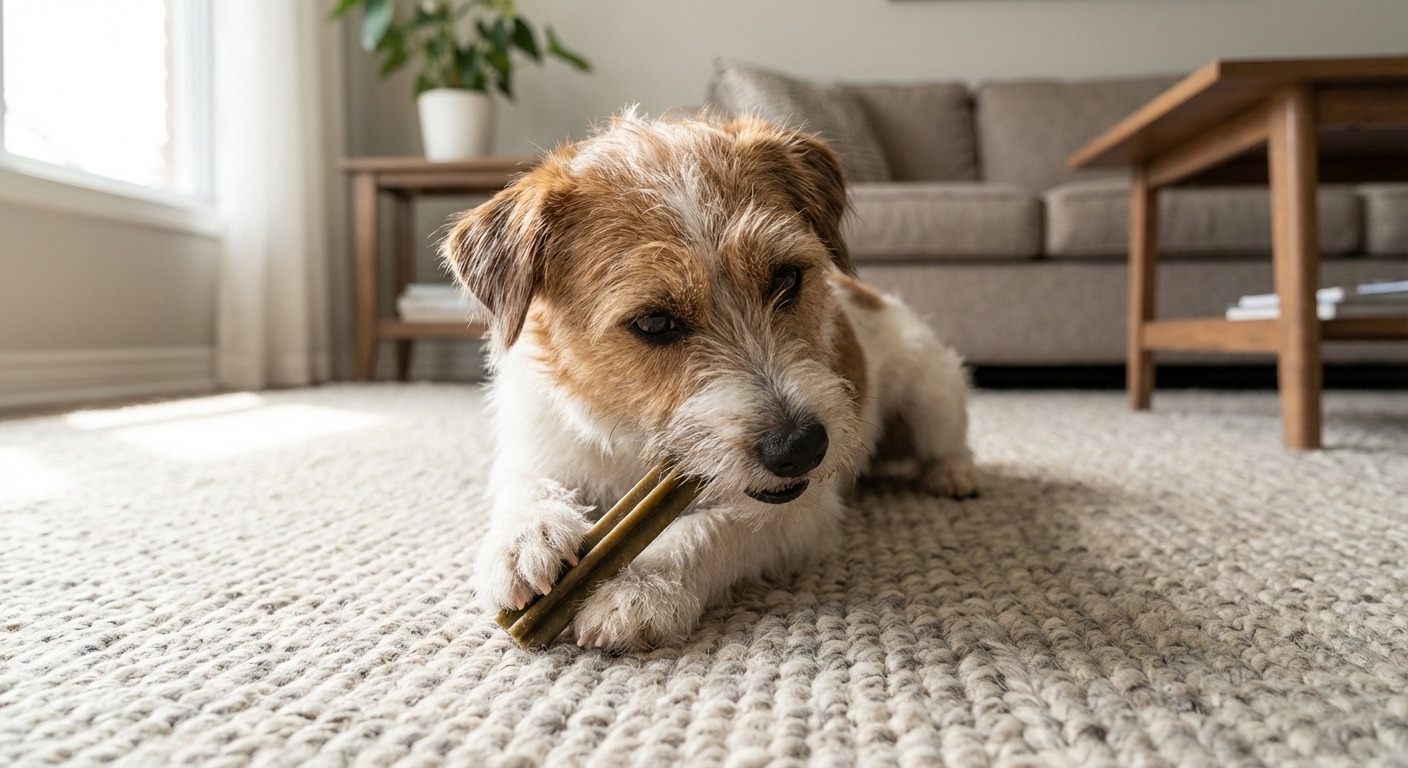
- Texture matters: You want a chew that has some “give” and encourages chewing. Ultra-hard items can crack teeth.
- Size matters: Choose the right size for your dog to reduce choking risk and improve chewing time.
- Calories matter: Many chews are calorie-dense. Count them as treats.
Chews to be cautious with
- Very hard chews that can break a tooth, like weight-bearing bones and some very dense antlers.
- Chews that splinter easily, which can cause mouth injuries or GI issues.
Water additives and oral rinses
Some water additives can help reduce bacteria and plaque buildup, especially for dogs who won’t tolerate brushing yet. They work best as a support tool, not a replacement for brushing.
- Choose products made specifically for dogs and follow dosing directions closely.
- If your dog has kidney disease, is on a prescription diet, or has a medical condition, ask your vet before adding anything to daily water.
- If your dog stops drinking because the taste changed, discontinue and talk with your veterinarian. Hydration always comes first.
Diet and treat notes
Sticky, sugary treats can cling to teeth and feed bacteria. If your dog needs lots of treats for training, try to keep them small, use part of their daily kibble as treats when you can, and ask your vet about VOHC Accepted dental diets if plaque buildup is a recurring issue.
What to skip
A few “quick fixes” can do more harm than good.
- Don’t scrape teeth at home with sharp tools: It’s easy to slip and injure the gums, and it won’t address tartar under the gumline where the real trouble lives.
- Don’t rely on brushing alone if there’s heavy tartar: If the teeth already have thick tartar or the gums are very inflamed, a vet exam is the right next step.
- Be cautious with anything rock-hard: If you can’t make an indent with your fingernail, it may be hard enough to fracture a tooth.
Signs you shouldn’t ignore
Bad breath is common, but it’s not normal. “Dog breath” is often the first sign that bacteria are building up under the gumline.
Common warning signs
- Bad breath that’s persistent or worsening
- Red, swollen, or bleeding gums
- Tartar buildup (yellow or brown crust on teeth)
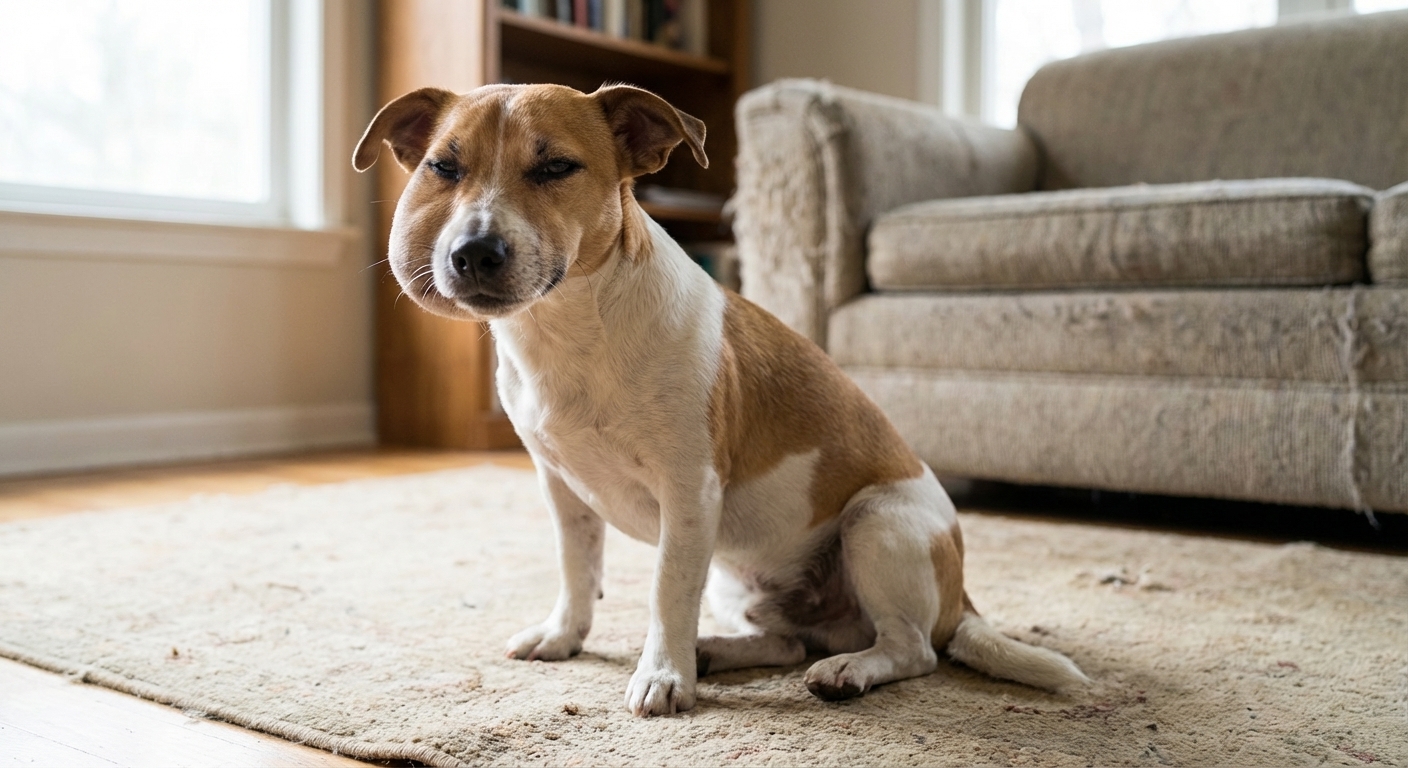
- Pawing at the mouth or rubbing the face on carpet or furniture
- Drooling more than usual
- Difficulty chewing, dropping food, or chewing on one side
- Decreased appetite or acting interested in food but walking away
- Loose or missing teeth
- Swelling under the eye or along the jaw, which can point to a tooth root infection
When it’s urgent
Call your veterinarian promptly if you notice any of the following:
- Bleeding that doesn’t stop
- A suddenly loose tooth
- Facial swelling, especially under the eye
- Yelping when chewing or when you touch the face
- Not eating for a full day, especially in small dogs
Professional cleanings: how often?
Home care is powerful, but it can’t remove tartar under the gumline once it’s established. That’s where professional dental cleanings come in.
Typical timing
- Many small dogs: may need professional cleanings more often, sometimes every 6 to 18 months depending on their mouth, home care, and genetics.
- Many medium to large dogs: may do well with cleanings every 12 to 24 months, but there’s wide variation.
Some dogs need more frequent cleanings, and some need less. Your veterinarian can make the best recommendation after an oral exam. The goal isn’t a specific schedule. The goal is catching disease early before teeth loosen, infections form, or pain becomes chronic.
Why anesthesia matters
A thorough cleaning and evaluation requires cleaning below the gumline and dental radiographs to check the roots. That typically requires anesthesia for safety and accuracy. “Anesthesia-free dentistry” offered outside a veterinary clinic usually can’t address the most important disease areas and may miss painful problems below the surface.
A routine you can stick with
If you’re feeling overwhelmed, start small. Dental care is like exercise. Consistency beats intensity.
My simple weekly plan
- Daily: Brush (even 30 to 60 seconds helps)
- Several times per week: VOHC Accepted dental chew or dental diet support, if appropriate
- Weekly: Quick mouth check at home, look at gum color and tartar buildup
- Every 6 to 12 months: Vet exam that includes an oral check, sooner if symptoms appear
Warm reminder: If your dog’s mouth hurts, they may resist brushing. That isn’t stubbornness. It’s a clue. If brushing suddenly becomes difficult, schedule an exam.
Quick home mouth check
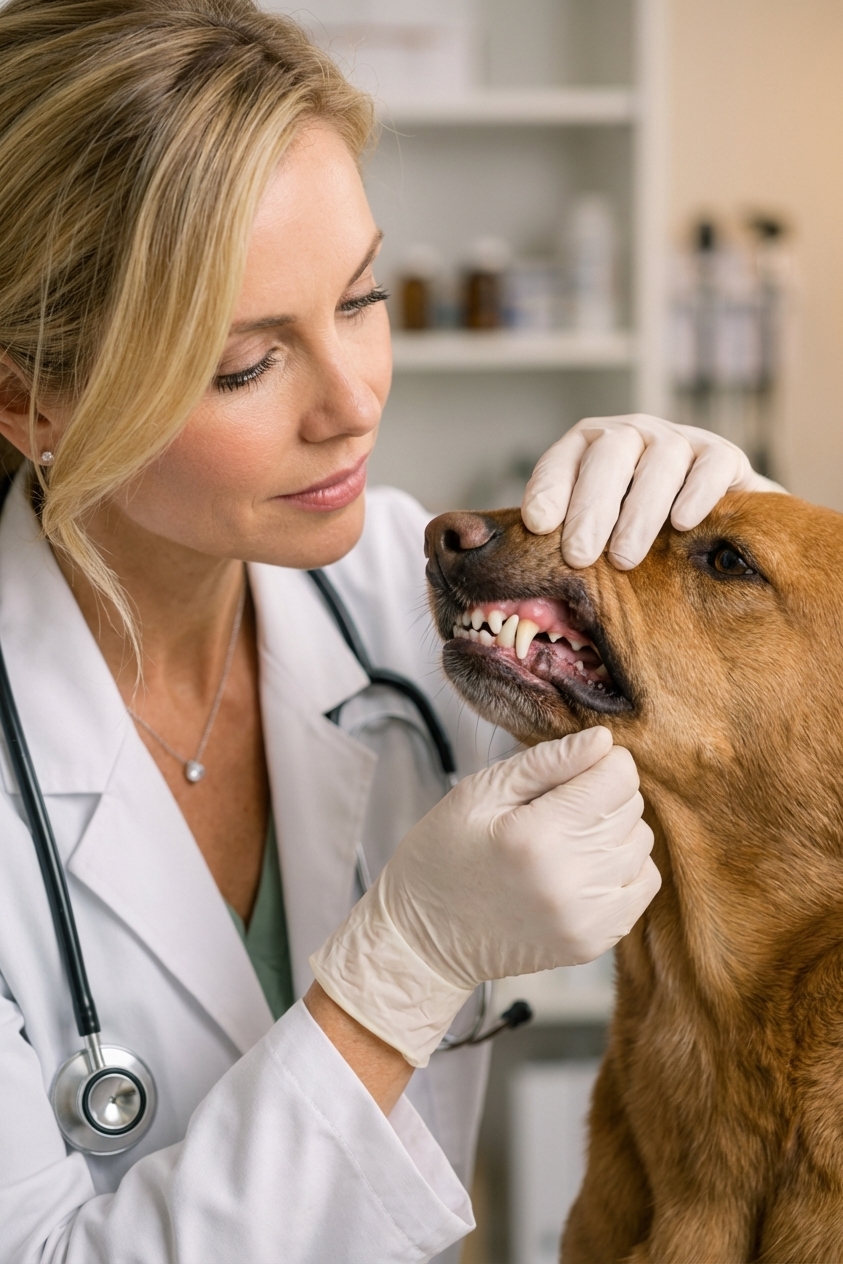
Once a week, lift your dog’s lips and take a quick look. You’re not trying to diagnose. You’re trying to notice changes early.
- Gums: should look pink, not bright red, puffy, or bleeding
- Teeth: watch for brown tartar along the gumline
- Breath: mild is common, strong foul odor is a warning sign
- Comfort: flinching, pulling away, or chattering can mean pain
Bottom line
Healthy teeth aren’t just about looks and breath. They’re about comfort, appetite, and lowering chronic inflammation in the body. If you can brush daily, choose evidence-based chews, and pay attention to warning signs, you’re doing something truly meaningful for your dog’s long-term health.
If you suspect dental disease, or if it’s been a while since your dog’s last dental exam, your veterinarian can help you choose the right next step, whether that’s a home routine refresh or a professional cleaning.