
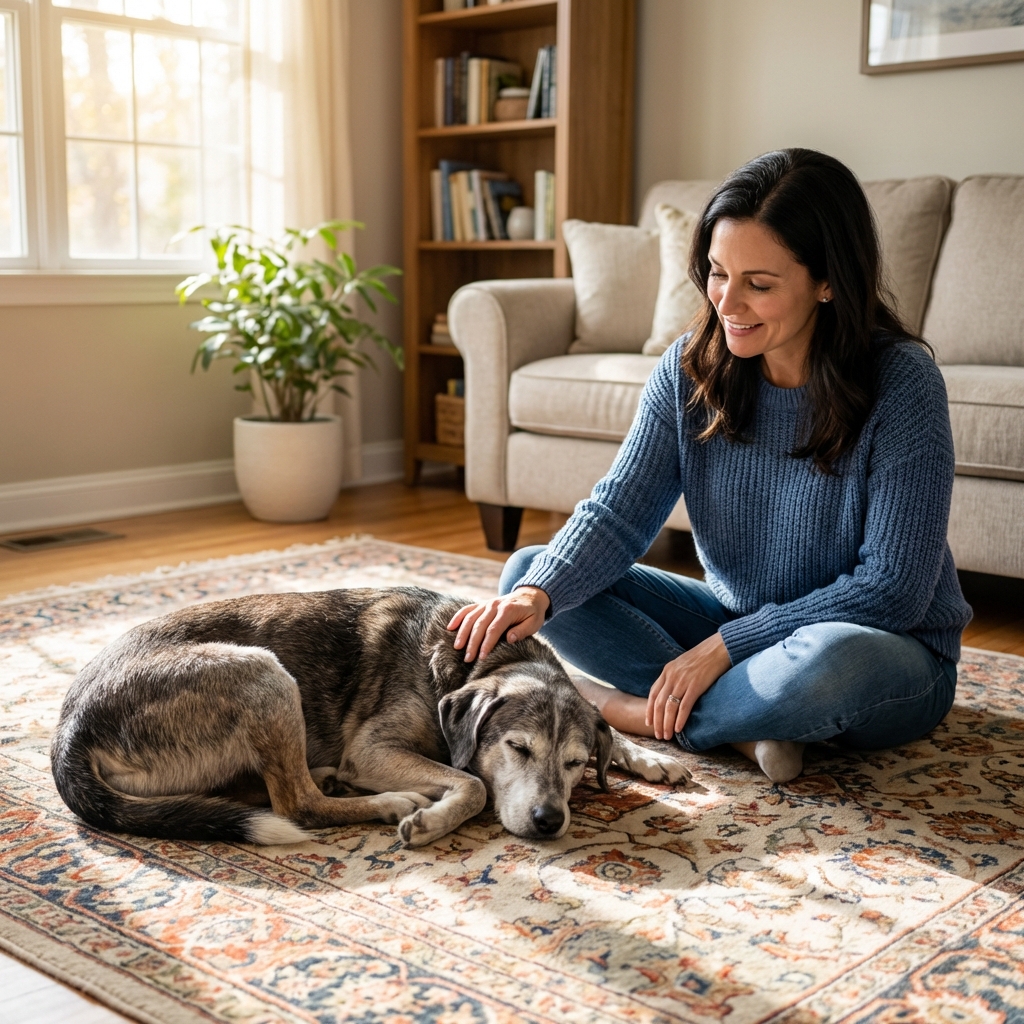
Understand canine cognitive dysfunction (CCD) in senior dogs. Learn DISHA signs, rule-outs to discuss with your vet, and home + routine changes to ease pacin...
Article
•
Designer Mixes
Dog Dementia Handbook

Shari Shidate
Designer Mixes contributor
When a sweet, familiar dog starts acting “off,” it can feel scary and confusing. Maybe they stare at a wall, get stuck behind furniture, pace at night, or suddenly seem anxious in their own home. As a veterinary assistant, I have seen how heartbreaking this can be for families. The good news is you are not alone, and there are practical, evidence-based ways to support your dog.
This guide is designed to help you understand canine cognitive dysfunction (often called dog dementia), spot the early signs, get a proper diagnosis, and build a day-to-day plan that improves comfort and quality of life.

What dog dementia is
Dog dementia is most commonly called Canine Cognitive Dysfunction (CCD). It is a progressive, age-related decline in brain function that can affect memory, learning, awareness, sleep, and behavior. Veterinarians often describe CCD as Alzheimer’s-like because some similar brain changes may occur over time, such as oxidative damage and abnormal protein buildup (including beta-amyloid deposits in some dogs).
CCD is not just “normal aging.” Some slowing down is expected as dogs get older, but dementia involves patterns of confusion and behavior changes that interfere with daily life.
How common is it?
Studies suggest CCD becomes more common with age, especially in senior and geriatric dogs. Many cases are underdiagnosed because early signs can look like stubbornness, hearing loss, arthritis pain, or “just getting old.”
Signs and symptoms: DISHAA
Veterinary teams often use a helpful acronym to screen for CCD: DISHAA. If you notice changes in more than one category, it is worth scheduling a veterinary visit.
- Disorientation: getting lost in familiar areas, staring into space, getting stuck in corners, confusion at doors
- Interactions changed: less greeting behavior, clinginess, irritability, reduced interest in play or affection, new fearfulness
- Sleep-wake cycle changes: pacing at night, waking you up, sleeping more during the day
- Housesoiling: accidents after being reliably trained, seeming to “forget” where to go
- Activity changes: restlessness, pacing, repetitive behaviors, decreased exploration
- Anxiety: new separation distress, increased noise sensitivity, agitation
Early signs can be subtle
Early CCD can look like: standing on the wrong side of the door, hesitating before going down stairs, getting “stuck” mentally during routines, or being unsettled in the evening (sometimes called sundowning).
When it is an emergency
Seek urgent veterinary care if you see sudden, dramatic changes such as collapse, severe disorientation that began abruptly, seizures, inability to walk normally, extreme pain, or signs of toxin exposure. CCD tends to be gradual. Sudden changes often point to something else that needs immediate attention.
What can look like dementia
One of the most important steps is ruling out medical problems that can look like “brain aging.” Many of these are treatable.
- Arthritis or chronic pain (can cause irritability, avoidance, night waking)
- Hearing or vision loss (disorientation, startle responses)
- Urinary tract infection or other infections (accidents, disrupted sleep, behavior changes from discomfort or feeling unwell)
- Kidney or liver disease (toxin buildup can affect the brain)
- Diabetes and blood sugar swings
- Hypothyroidism (can contribute to low energy and behavior changes)
- Brain tumors or other neurological disease
- Medication side effects
Because of this, “my dog has dementia” should not be a self-diagnosis. It is a diagnosis made after a thorough evaluation.
How CCD is diagnosed
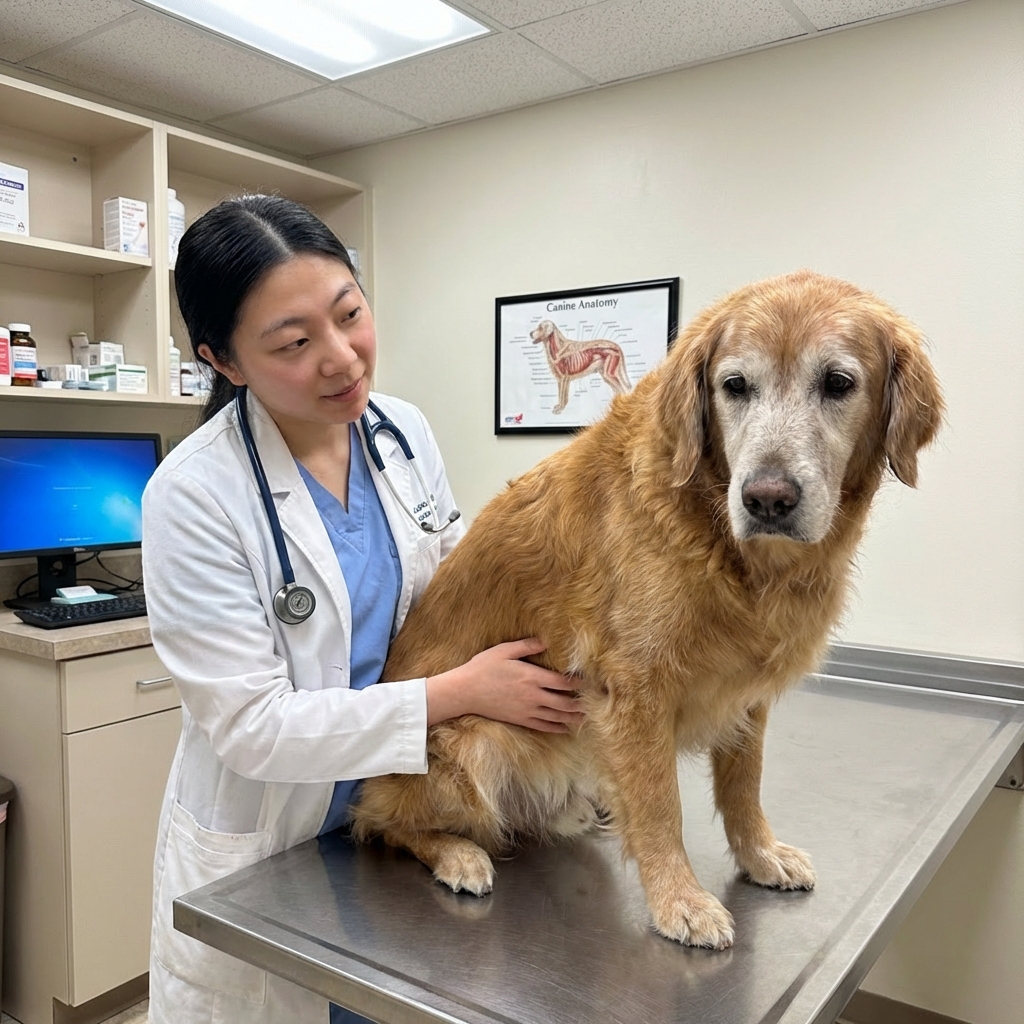
There is no single quick test for CCD. Diagnosis is typically based on history, behavior changes over time, and ruling out other causes.
What your veterinarian may recommend
- Full physical and neurological exam
- Bloodwork and urinalysis to screen for metabolic disease or infection
- Blood pressure check
- Discussion of diet, supplements, and medications
- In some cases, referral for advanced imaging (CT or MRI) if signs suggest a brain lesion
How you can help before the appointment
Track changes for 2 to 4 weeks if possible. Write down what you see, when it happens, and how often. Bring videos if your dog paces, gets stuck, vocalizes, or seems confused. A short video can be extremely helpful.
If you like structure, consider keeping a simple DISHAA journal. Score each category from 0 (none) to 3 (severe) once a week. Patterns over time are often more useful than a single bad day.
What causes CCD
CCD is thought to involve multiple age-related brain changes, including oxidative stress (cell damage), reduced brain blood flow, inflammation, and abnormal protein accumulation. These changes can affect how brain cells communicate and how a dog processes familiar routines.
While we cannot stop aging, a thoughtful plan may help slow progression in some dogs and can often reduce anxiety, improve sleep, and make the environment easier to navigate.
What helps
Most dogs do best with a multi-modal plan, meaning a combination of: medical management, nutrition support, supplements when appropriate, and home setup changes.
Prescription options
Your veterinarian may discuss prescription options based on your dog’s symptoms, medical history, and other medications. A commonly used medication for CCD is selegiline in appropriate cases. Some dogs also benefit from veterinarian-guided support for anxiety or sleep disruption, which may include behavior medications or sleep-support strategies tailored to seniors.
Always use prescriptions under veterinary supervision, especially in older dogs who may have kidney or liver disease.
Therapeutic diets and nutrition
Nutrition can be a powerful lever for brain health. Some veterinary cognitive-support diets include antioxidants, omega-3 fatty acids (EPA and DHA), and medium-chain triglycerides (MCTs) as an alternative brain fuel source. If you feed homemade or mix homemade with commercial food, talk with your veterinarian or a board-certified veterinary nutritionist to ensure the diet is balanced. Seniors are not the time for nutritional guesswork.
Supplements: what to know
Some supplements are commonly used to support brain health in dogs, including omega-3 fatty acids (EPA and DHA) and select cognitive-support ingredients such as SAMe, phosphatidylserine, and MCT oil. Evidence varies by product and by dog. The key is quality, dose, and safety. Supplements can interact with medications or worsen certain conditions, so please confirm with your veterinarian before starting anything new.
Home management
This is where many families see quick wins. You are not “giving up” by making accommodations. You are giving your dog confidence.
Home setup
The goal is a calm, predictable environment that helps your dog succeed.
Make navigation easier
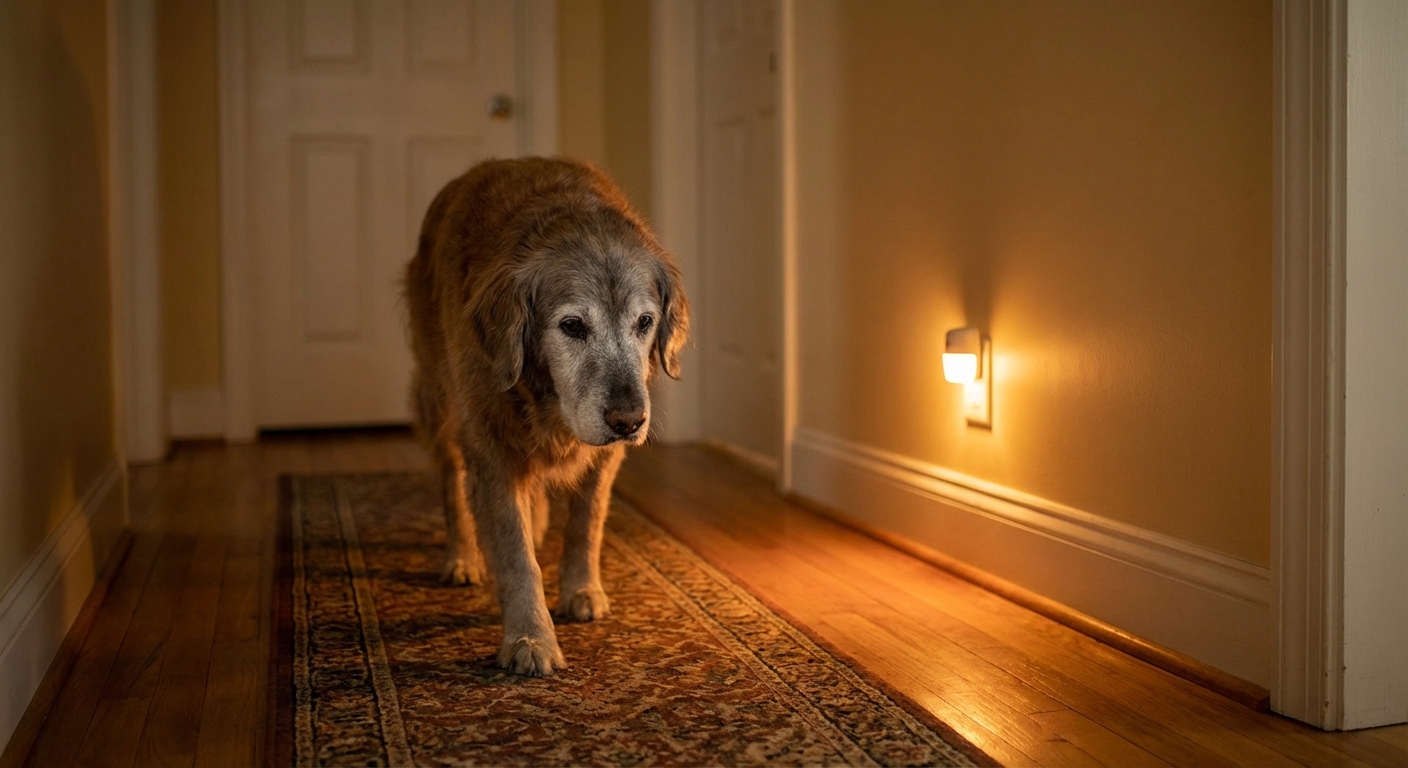
- Use night lights in hallways and near the water bowl
- Add rugs or non-slip runners for traction
- Block off stairs if vision or balance is declining
- Use baby gates to prevent getting stuck in tight areas
- Keep furniture in consistent locations
Support accidents
- More frequent potty breaks, especially right after waking and after meals
- Consider a predictable potty schedule, not just “when they ask”
- Use waterproof covers for favorite resting spots
- If needed, talk to your veterinarian about medical causes of accidents and incontinence support
If housesoiling is happening, it is not a training failure and it is not you doing something wrong. It is information. It tells your veterinary team what support your dog needs now.
Create a comfort zone
- A quiet bed in a low-traffic area
- White noise at night if your dog startles easily
- Calming routines in the evening to reduce sundowning behaviors
Help hearing and vision changes
- Use consistent verbal cues plus simple hand signals
- Add scent cues (a tiny dab of pet-safe scent on a mat) to help your dog locate beds or doors
- Approach gently and within their field of view when possible
- Avoid rearranging furniture once you find a layout that works
Daily routine
Dogs with CCD tend to do better when life is predictable. Aim for consistency and gentle stimulation.
Senior-friendly enrichment
- Short sniff walks (even 10 minutes can be therapeutic)
- Food puzzles that are easy to solve
- Scatter feeding in a small, safe area
- Simple cue practice: sit, touch, find it, or name recognition games
Exercise matters
Movement supports circulation, joint health, and sleep quality. The best plan is individualized. If your dog has arthritis or mobility issues, ask your veterinarian about pain control, physical therapy, and safe exercise options.
Sleep support
Night waking is one of the hardest parts for families. Try:
- Morning light exposure and a short walk to reinforce the day-night cycle
- Scheduled daytime naps, but not all day long
- Evening potty break and a calm wind-down routine
- Discussing anxiety or sleep medications with your veterinarian if pacing and vocalizing are frequent
If you are exhausted, you are not failing your dog. Sleep disruption is a common CCD stress point, and it is something your veterinary team can help you address.
Food and water tips
Some dogs with dementia forget where bowls are, get distracted mid-meal, or lose interest in food.
- Use the same bowl location consistently
- Consider multiple water stations
- Warm food slightly to enhance aroma if appetite is low (avoid hot temperatures)
- Serve smaller meals more often if your dog wanders away
- Ask your veterinarian about dental pain if eating changes suddenly
If you are interested in homemade food, I love the idea of gradually adding wholesome ingredients, but balance is essential. Seniors need steady protein, appropriate calories, and the right mineral ratios. Partner with your veterinary team so your good intentions turn into real health benefits.
What to expect
Progression
Progression varies widely. Some dogs have mild symptoms for a long time, while others decline more quickly. Most families describe good days and harder days, especially when stress, pain, or changes in routine occur.
What improvement looks like
Most management is about reducing symptoms, not restoring a young brain. Wins can look like fewer panic episodes, better sleep, fewer “stuck” moments, more interest in walks and food, and an easier time settling.
Your best strategy is to focus on what you can control: regular veterinary checkups, pain management, stable routines, safe home setup, and gentle enrichment.
Quality of life
Dementia can be emotionally exhausting, especially when sleep is disrupted or your dog seems anxious. It helps to use a quality-of-life checklist and revisit it monthly. Consider tracking:
- Appetite and hydration
- Mobility and comfort
- Sleep quality
- Joyful moments: interest in sniffing, treats, family time
- Frequency of distress episodes (panic, pacing, vocalizing)
One of the most loving things you can do is measure quality of life with honesty, not guilt. Your dog does not need perfection. They need comfort, safety, and your steady presence.
If you are approaching end-of-life decisions, ask your veterinarian for guidance. In my experience, having a plan before a crisis brings peace. You deserve support too.
FAQs
Can dog dementia be cured?
CCD is not typically curable, but it is often manageable. Many dogs improve with a combination of veterinary care, nutrition, and environmental adjustments.
Is my dog in pain?
Dementia itself is not always painful, but many senior dogs also have arthritis, dental disease, or other painful conditions that make confusion and irritability worse. Pain screening is a key part of the veterinary visit.
What age does it start?
Most cases appear in senior dogs, but early changes can show up before you expect. If you notice patterns from the DISHAA checklist, it is worth discussing now.
Should I adopt another dog to help?
Sometimes a calm companion can help, but sometimes it adds stress. This is very individual. If you are considering it, talk with a trainer and your veterinarian, and consider fostering first.
What to do this week
If you think your dog may have dementia, here are simple next steps that make a real difference:
- Schedule a veterinary exam and bring notes or videos.
- Start a routine for meals, potty breaks, walks, and bedtime.
- Add safety supports like rugs, gates, and night lights.
- Reduce stress by keeping furniture and bowl locations consistent.
- Ask about pain if there is pacing, panting, restlessness, or irritability.
- Plan a recheck with your veterinarian after you start a plan, often in 4 to 8 weeks, or sooner if symptoms change quickly.
With the right plan, many dogs with CCD still have happy, connected days with their families. You are doing the right thing by learning and taking action.