A practical guide to dog coughing: what different cough sounds can mean, common causes like kennel cough, allergies, tracheal collapse, heart or heartworm di...
Article
•
Designer Mixes
Dog Coughing Up Yellow Mucus

Shari Shidate
Designer Mixes contributor
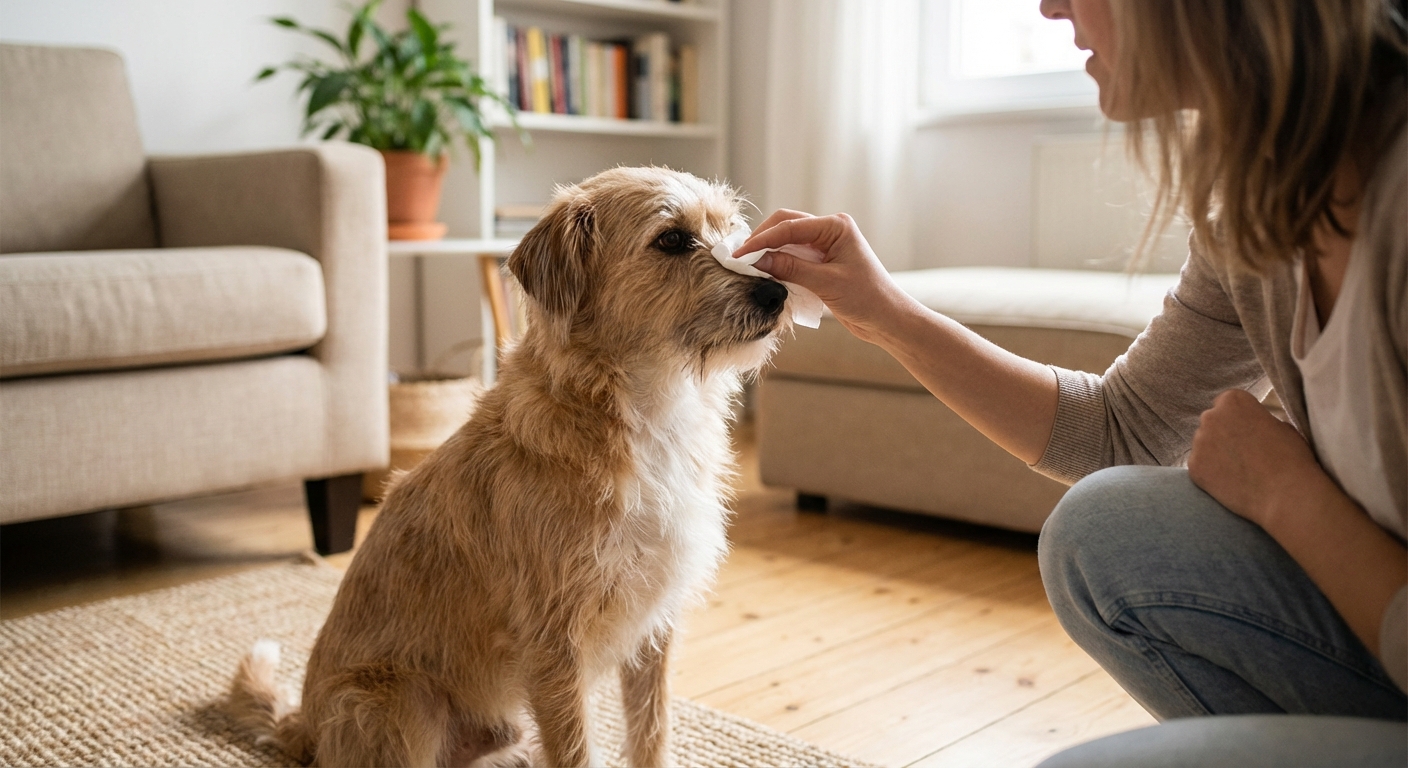
If your dog is coughing up yellow mucus, it can feel alarming quickly. In my work as a veterinary assistant here in the Frisco, Texas area, I have seen this symptom range from a mild upper respiratory irritation to something that needs same-day veterinary care. Yellow mucus can reflect thicker airway secretions mixed with inflammatory cells and debris. That can happen with infection, irritation, allergies, or when secretions are draining from the nasal passages and sinuses or coming up from the lower airways.
The goal of this article is to help you stay calm, recognize red flags, and know what supportive steps are safe at home while you arrange veterinary guidance. Your veterinarian will tailor advice to your dog’s age, breed, and medical history.
What yellow mucus can mean
Dogs cough for many reasons, and mucus color is only one clue. Yellow mucus is often associated with airway inflammation because white blood cells and proteins can tint secretions yellow. That said, color alone cannot confirm whether something is viral, bacterial, allergic, or something else.
Common possibilities
- Upper respiratory infection (viral or bacterial): Similar to a “cold,” often with sneezing, nasal discharge, watery eyes, and decreased energy.
- Canine infectious respiratory disease complex (often called “kennel cough”): A contagious syndrome that can involve multiple germs. Some dogs develop a productive cough with mucus, especially if it progresses beyond a simple dry honk.
- Pneumonia: Can cause a wet cough, lethargy, fever, reduced appetite, rapid breathing, or labored breathing. Pneumonia is one reason we take a productive cough seriously.
- Chronic bronchitis or airway inflammation: More common in middle-aged or senior dogs, sometimes with a persistent cough that worsens with excitement or at night.
- Allergies or environmental irritation: Pollen, dust, smoke, strong fragrances, and poor air quality can inflame airways. Secondary infection can develop in some cases.
- Tracheal collapse (common in small breeds): Often causes a chronic, honking cough and can flare with excitement or pulling on a collar.
- Foreign material in the airway (like a grass awn, foxtail, or inhaled debris): Can cause sudden coughing or gagging, sometimes with persistent irritation afterward. This is worth mentioning to your vet, especially if symptoms started abruptly after being outdoors.
- Heart disease with fluid buildup: Not a classic “yellow mucus” cause, but coughing with wet or frothy material can occur with pulmonary edema (fluid in the lungs) or with airway compression from an enlarged heart in some dogs. If your dog tires easily, has a swollen belly, or coughs at night, tell your veterinarian.
- Regurgitation or reflux misread as coughing: Some dogs bring up yellow fluid (bile) from the stomach. This is not the same as mucus from the lungs. Videos help your vet tell the difference.
Quick definition: A productive cough brings up material (mucus or foam). A non-productive cough sounds dry and does not bring anything up.
Important: If you can, take a short video of the episode. It is one of the most helpful tools you can bring to a veterinary visit.
Is it an emergency?
Use these guidelines to decide how urgently to seek care. When in doubt, call your veterinary clinic or an emergency hospital, especially if you have a puppy, senior dog, or a dog with heart or lung disease.
Go to emergency care now
- Breathing looks hard: open-mouth breathing at rest, pronounced belly effort, flared nostrils, or your dog cannot settle
- Gums or tongue look pale, blue, or gray
- Collapse, extreme weakness, or confusion
- Repeated coughing fits that do not stop, or your dog appears to be choking and cannot breathe normally
- Coughing up blood or pink froth
- Possible toxin exposure (smoke inhalation, chemicals, exposure to essential oils or diffusers)
Same-day or next-day vet visit is wise
- Cough plus fever, low appetite, or lethargy
- Wet or productive cough (coughing up material) lasting more than 24 to 48 hours
- Puppies, seniors, pregnant dogs, or immunocompromised dogs
- Recent exposure to boarding, grooming, dog parks, training classes, or shelters
- Fast breathing at rest even if your dog seems “okay” otherwise
A simple at-home metric: count resting breaths when your dog is asleep. Many healthy dogs are often around 10 to 30 breaths per minute when relaxed. Trends and breathing effort matter more than a single number. If your dog is consistently above their usual, or you see effort, contact your veterinarian promptly.
Questions your veterinarian will likely ask
These details help narrow down the cause and the best next steps.
- How long has the cough been happening?
- Is the cough dry and honking or wet and productive (bringing up material)?
- Any nasal discharge (clear, yellow, green, bloody) or sneezing?
- Any vomiting or regurgitation (food or yellow liquid or bile)?
- Any exposure to other dogs recently?
- Vaccination status for Bordetella and other respiratory vaccines?
- Energy level, appetite, water intake, and stool changes
- Current medications and supplements
What the exam and testing may include
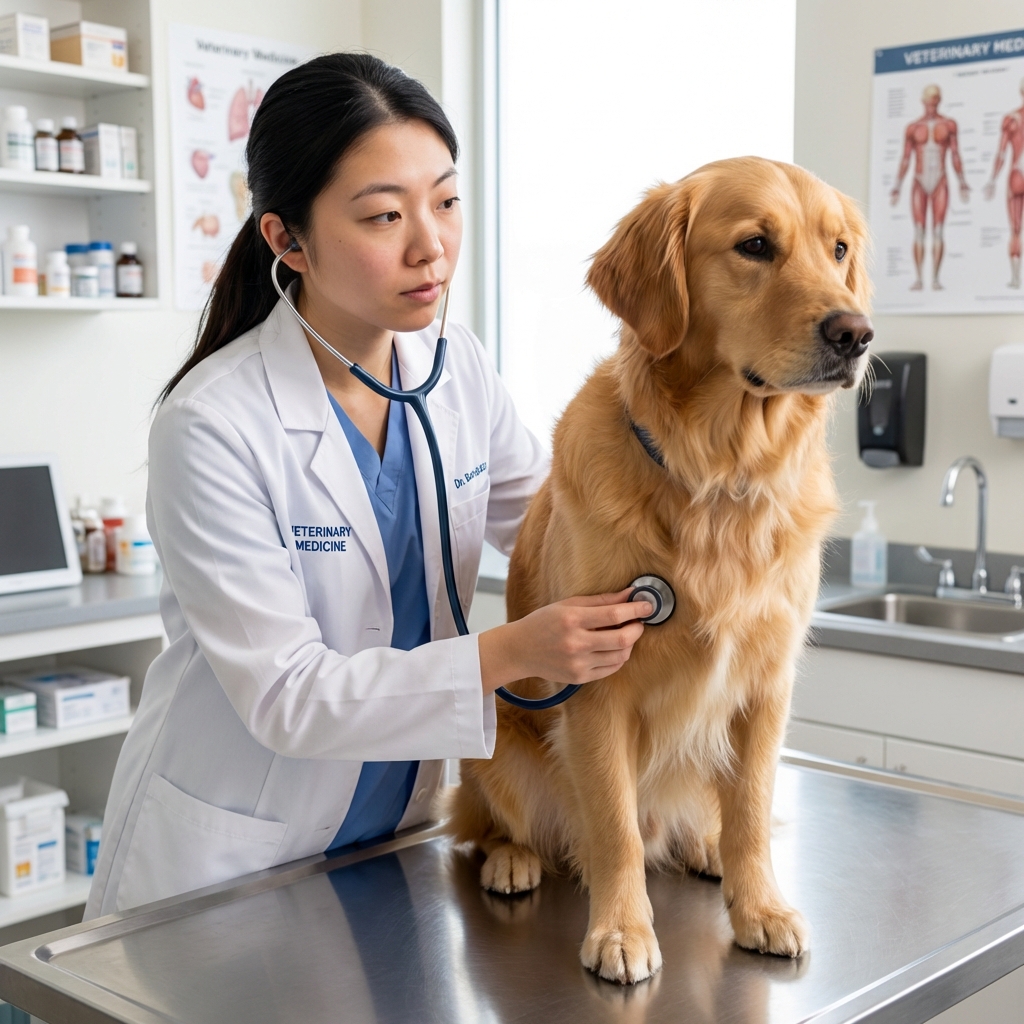
Not every dog needs every test, but here are common, evidence-based tools veterinarians use to figure out what is going on.
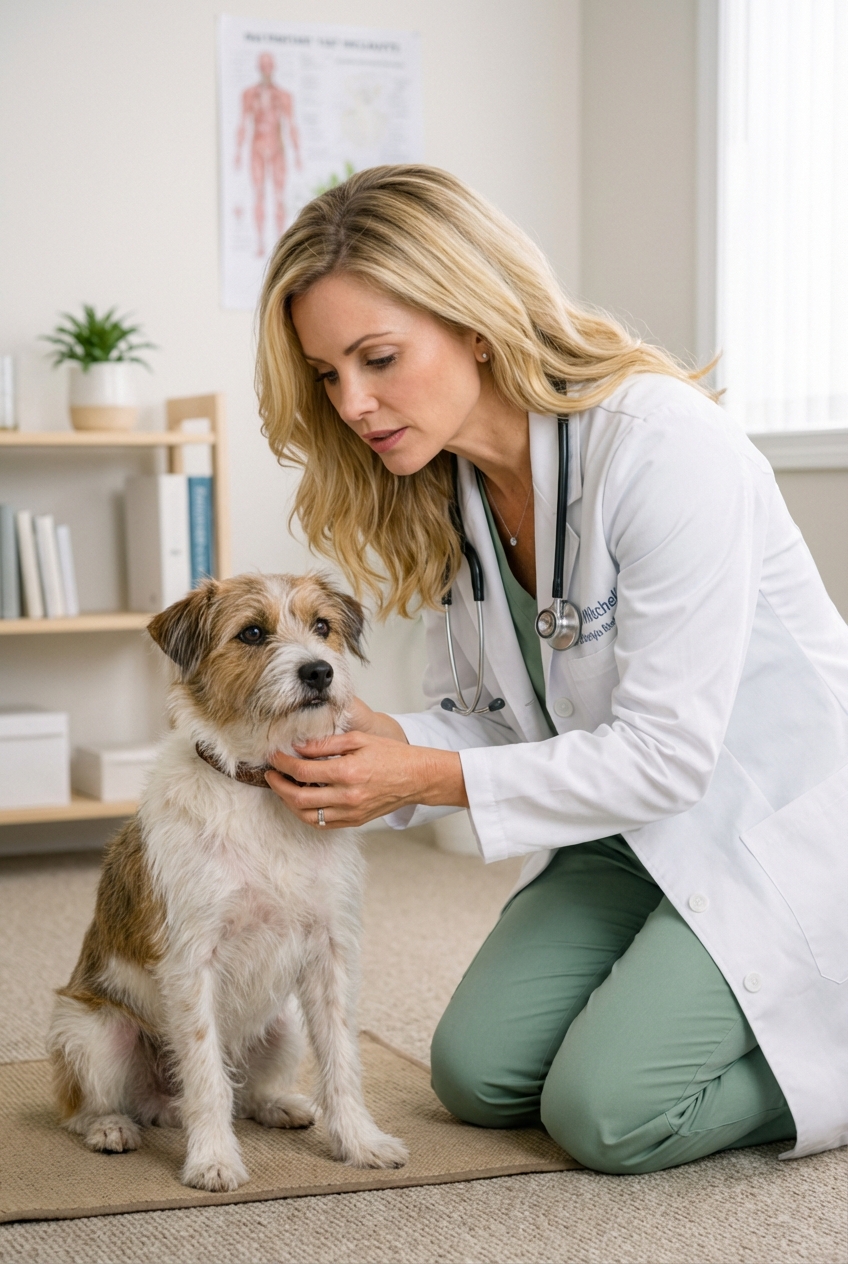
- Physical exam with careful listening to lungs and heart
- Temperature check for fever
- Chest X-rays to look for pneumonia, bronchitis patterns, heart enlargement, or fluid
- Respiratory PCR panel (in some cases) to identify infectious agents
- Pulse oximetry to check oxygen levels
- Heartworm testing if status is unknown or not current
- Parasite testing in select cases: this may include specialized fecal testing (such as Baermann) or other region-specific tests when lung parasites are a concern
Treatment depends on the cause and may include rest, cough control, airway-opening medications, anti-inflammatories, targeted antibiotics when appropriate, and supportive care. Your vet will also tell you if your dog should be isolated from other dogs while contagious illness is possible.
Safe, supportive care at home
Home care should support breathing and comfort, not replace veterinary care when red flags are present.
Do
- Rest and quiet: limit running, rough play, and leash pulling for a few days.
- Use a harness instead of a collar to reduce pressure on the trachea.
- Humidify the air: a cool-mist humidifier in the room can ease irritated airways.
- Offer water frequently: hydration helps thin mucus so it is easier to clear.
- Keep the air clean: avoid smoke, aerosols, heavy fragrances, dusty litter, and strong cleaners.
- Track symptoms: appetite, energy, cough frequency, mucus appearance, and resting breathing rate.
Avoid
- Human cough medicines unless your veterinarian specifically directs you. Many products contain ingredients that can be dangerous for dogs.
- Using leftover antibiotics from other pets or prior illnesses. Antibiotics are not always needed, and the wrong choice or dose can delay proper care.
- Essential oil diffusers around a coughing dog, since strong scents can worsen airway irritation and some oils can be toxic.
- Strenuous exercise while coughing persists.
- Trying to induce vomiting unless a veterinarian or poison control tells you to. If coughing is from aspiration risk or airway irritation, inducing vomiting can make things worse.
If your dog is otherwise bright and stable, you can also offer slightly warmed, aromatic food to encourage eating. For some dogs, a little warm water or low-sodium broth (no onion or garlic) mixed into meals can help increase fluid intake.
Quick note on honey: Some veterinarians will allow a small amount for throat soothing in select dogs, but it is not right for every situation. Use caution with very young puppies and ask your vet first. Avoid honey in diabetic dogs or dogs with other conditions where sugar is a concern.
Why color is not everything
Many pet parents hear “yellow equals bacterial infection.” In real life, it is more nuanced. Yellow secretions can happen with viral infections, allergies with inflammation, or after a long coughing episode where the airways are irritated. Your dog’s overall condition matters more than color alone.
Focus on the full picture: breathing effort, energy level, appetite, fever, duration, and whether the cough is worsening.
Contagious cough basics
If your dog has been around other dogs, treat a new cough as potentially contagious until your veterinarian says otherwise. Some respiratory illnesses can spread for days to weeks, so it is smart to be cautious while you are figuring out the cause.
- Pause playdates and dog parks.
- Avoid boarding and grooming until evaluated and cleared.
- Use separate water bowls from other pets when possible.
- Inform facilities you visited recently if your dog is diagnosed with a contagious respiratory illness.
This is not about blame. Respiratory bugs spread easily, even in well-run facilities, and notifying others helps protect puppies, seniors, and medically fragile dogs.
When to follow up
Even with treatment, your veterinarian may recommend a recheck if symptoms persist. Reach back out promptly if:
- the cough is not improving within the timeframe your veterinarian gave
- mucus increases or your dog becomes lethargic
- breathing rate rises or effort appears
- appetite drops or vomiting starts
You know your dog best. If something feels “off,” trust that instinct and get help.
Supportive care at home is wonderful for comfort, but coughing up yellow mucus is a sign to pay attention and gather good information for your veterinarian. A quick video, symptom notes, and a breathing-rate check can make your visit much more productive.