
A practical guide to caring for a dog with kennel cough at home—rest, hydration, humidity, harness use, and isolation—plus red flags like fever or breath...
Article
•
Designer Mixes
Dog Coughing at Night: Causes and Home Care

Shari Shidate
Designer Mixes contributor
If your dog starts coughing the moment the house gets quiet, you are not imagining things. Nighttime can make coughing more noticeable, and some conditions truly do worsen when your dog lies down or the air gets drier.
As a veterinary assistant in Frisco, Texas, I always tell families the same thing: a cough is a symptom, not a diagnosis. This article is for general education and triage, not a substitute for an exam. Some causes are mild and pass quickly, and others need prompt veterinary care. Let’s walk through common reasons dogs cough at night, what you can safely do at home, and when to call your vet.
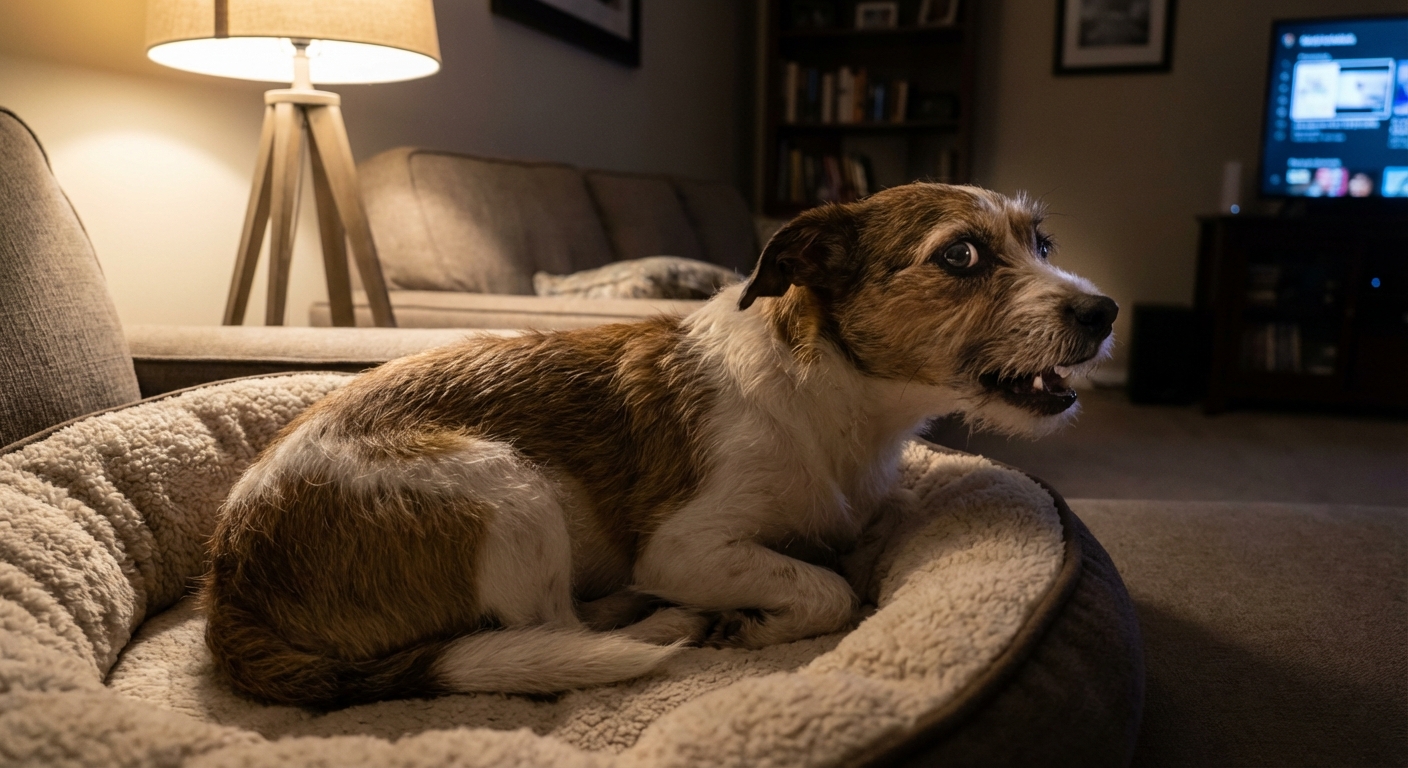
Coughing vs gagging vs reverse sneezing
Owners often use the word “cough” to describe a few different sounds. This quick distinction can help you communicate clearly with your clinic:
- Coughing is usually a forceful push of air out, often from the chest, and may be dry or wet.
- Gagging or retching can look like your dog is trying to vomit, sometimes with foam or saliva.
- Reverse sneezing is a sudden, repetitive snorting or honking-in sound, often triggered by excitement, pulling on leash, or throat irritation. Many dogs recover quickly after a short episode.
If you are unsure, a short video is extremely helpful.
Why it can be worse at night
Several normal nighttime changes can amplify coughing:
- Lying down can worsen post-nasal drip, reflux, and some heart or airway conditions.
- Drier air (especially with indoor heating) can irritate sensitive airways.
- Less distraction means you simply hear it more, even if the cough is the same.
- Dust and allergens in bedding or the bedroom can trigger airway irritation.
Common causes
1) Kennel cough and other contagious respiratory illnesses
What many people call kennel cough is part of a broader group of contagious infections often referred to as CIRD (canine infectious respiratory disease complex). Bordetella is one common contributor, along with several viruses.
The cough is often dry and hacking and can sound like your dog is trying to clear their throat. Some dogs gag afterward, and some develop a wetter or more productive cough if the illness progresses. You might also notice sneezing, mild runny nose, or low energy. Most healthy adult dogs recover, but puppies, seniors, and dogs with chronic disease can get hit harder.
2) Canine influenza or other viral infections
Flu-like viruses can cause coughing, lethargy, fever, and nasal discharge. These infections can be very contagious among dogs.
3) Allergies and airway irritation
Dogs can react to triggers like pollen, dust mites, scented candles, smoke, diffusers, cleaning sprays, and dusty litter in multi-pet homes. Irritation can show up as a nighttime cough when the airway lining is already inflamed.
4) Collapsing trachea (common in small dogs)
Collapsing trachea is especially common in small breeds and mixes. The cough is often described as a goose-honk. It can worsen at night, with excitement, with heat, or when a collar puts pressure on the neck.
If your dog has this condition, switching to a front-clip harness is one of the most helpful changes you can make right away.
5) Heart disease or congestive heart failure
In some dogs, a nighttime cough is linked to heart disease. In more serious cases, fluid can build up in the lungs (pulmonary edema), which often makes breathing harder, especially at rest or when lying down. You may also notice fast breathing while asleep, reduced stamina, or weakness.
Not every cough is heart-related, but we take nighttime coughing seriously in older dogs or dogs with known heart issues.
6) Reflux or regurgitation
Some dogs have reflux or mild regurgitation that irritates the throat. You might see coughing, lip-licking, swallowing, or gulping late at night or early morning. A dog may also cough after lying down soon after eating.
7) Foreign material or throat irritation
Grass, foxtails (common in many areas), small toys, bone fragments, or irritation from chewing can trigger coughing. This tends to be more sudden in onset and can become urgent if breathing is affected.
8) Pneumonia or aspiration (breathing in fluid or vomit)
If a cough starts or worsens after vomiting, regurgitation, heavy panting, or a choking episode, we worry about aspiration. Pneumonia can be serious and needs veterinary evaluation, especially if there is fever, lethargy, a wet cough, or fast breathing.
9) Chronic bronchitis or inflammatory airway disease
Some middle-aged or senior dogs develop a chronic, inflammatory cough that lingers for weeks and tends to flare with excitement, exercise, or dry air. This is one reason a cough that keeps returning deserves a workup, even if your dog seems mostly fine.
10) Parasites (heartworm, lungworms in some regions)
Parasites can cause coughing, sometimes more noticeable at rest. In the U.S., heartworm disease is a key concern, and prevention matters a lot. If a dog is not on consistent prevention, a cough should be evaluated.
11) Masses or cancer (less common, but important in older dogs)
In older dogs, a persistent cough can occasionally be linked to growths in the lungs or chest. It is not the most common cause, but it is one reason we do not ignore a cough that does not improve.
12) Brachycephalic airway syndrome (flat-faced breeds)
In breeds like French Bulldogs, English Bulldogs, and Pugs, airway anatomy can contribute to noisy breathing, gagging, and coughing that may worsen when sleeping or lying down. If your flat-faced dog is coughing at night, your vet can help sort out whether this is airway-related, infectious, reflux-related, or a combination.
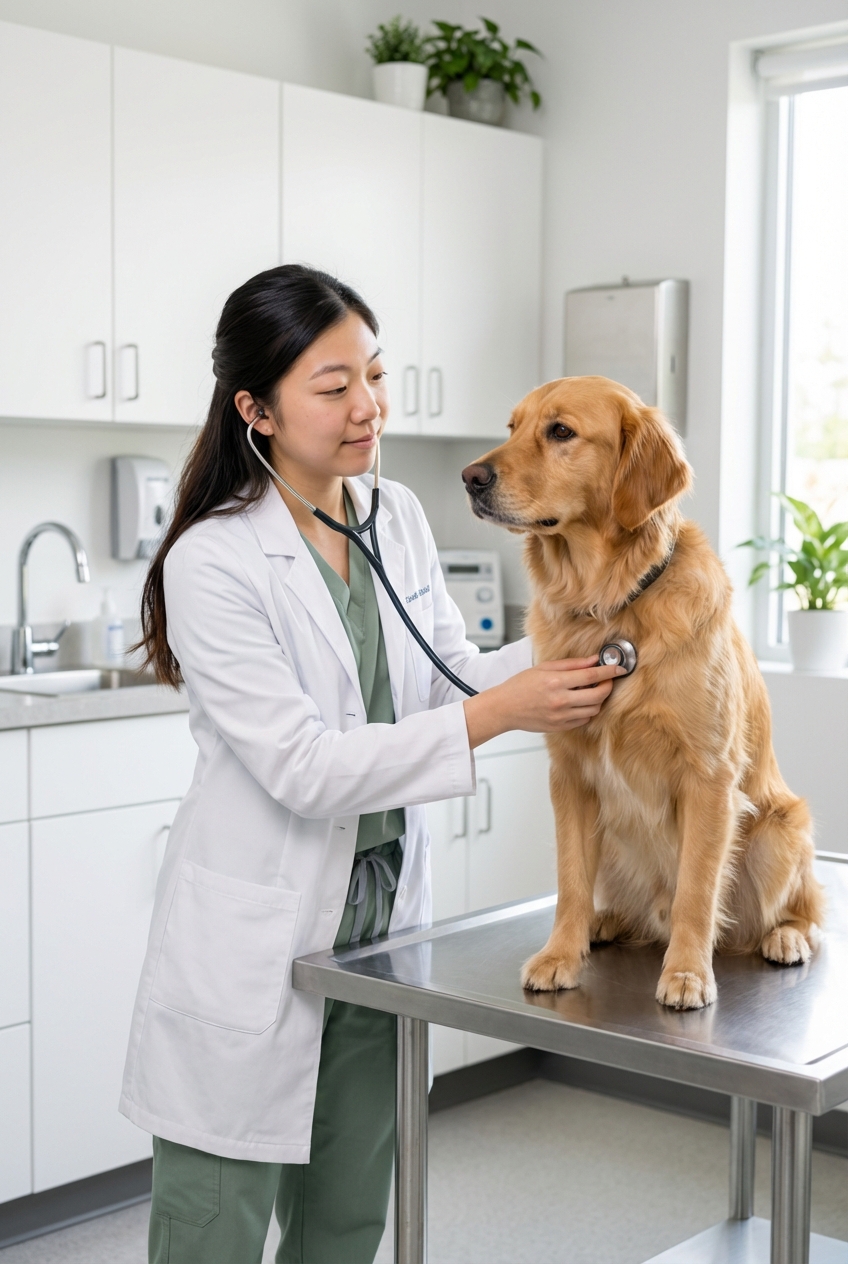
How to describe it
If you call your clinic, these details can speed up the right next steps:
- Sound: dry and hacking, honking, wet and phlegmy, or gagging.
- Triggers: nighttime only, exercise, excitement, pulling on leash, eating, drinking.
- Duration: started today vs ongoing for weeks.
- Anything coming up: foam, mucus, food, bile, or nothing.
- Breathing: normal between coughs or working harder.
- Energy and appetite: normal or reduced.
If possible, take a short video of the episode. A 15-second clip can be more useful than a long description.
Safe home care
Home care is appropriate only if your dog is otherwise bright, breathing comfortably, and the cough is mild. If you are unsure, it is always okay to call your vet or an emergency clinic for guidance.
Make the air easier to breathe
- Run a cool-mist humidifier near your dog’s sleeping area. Clean it frequently and follow the manufacturer’s instructions to reduce mold and mineral buildup.
- Avoid smoke and aerosols: no vaping, smoking, strong fragrances, diffusers, or spray cleaners around your dog.
- Wash bedding in fragrance-free detergent and vacuum nearby floors to reduce dust.
Use a harness, not a collar
If your dog coughs more on leash or you suspect tracheal irritation, a well-fitted harness reduces pressure on the airway.
Offer small sips of water
Hydration helps keep airway secretions thinner and less irritating. If your dog tends to gulp water and then cough, offer smaller amounts more frequently.
Keep activity gentle
Skip hard running and rough play for a few days. Overexertion can make an inflamed airway more irritated.
Honey (ask your vet first)
For some dogs with a mild, dry cough, a small amount of plain honey may help soothe the throat. However, dosing depends on your dog’s size and medical history. Please ask your veterinarian before using honey, especially for puppies, diabetic dogs, or dogs on restricted sugar intake. Also avoid honey if your dog is having trouble swallowing.
Avoid human cough medicines unless your vet tells you to
Many human products are unsafe for dogs, and some can dangerously suppress breathing or interact with other medications. A safe plan depends on the cause of the cough.
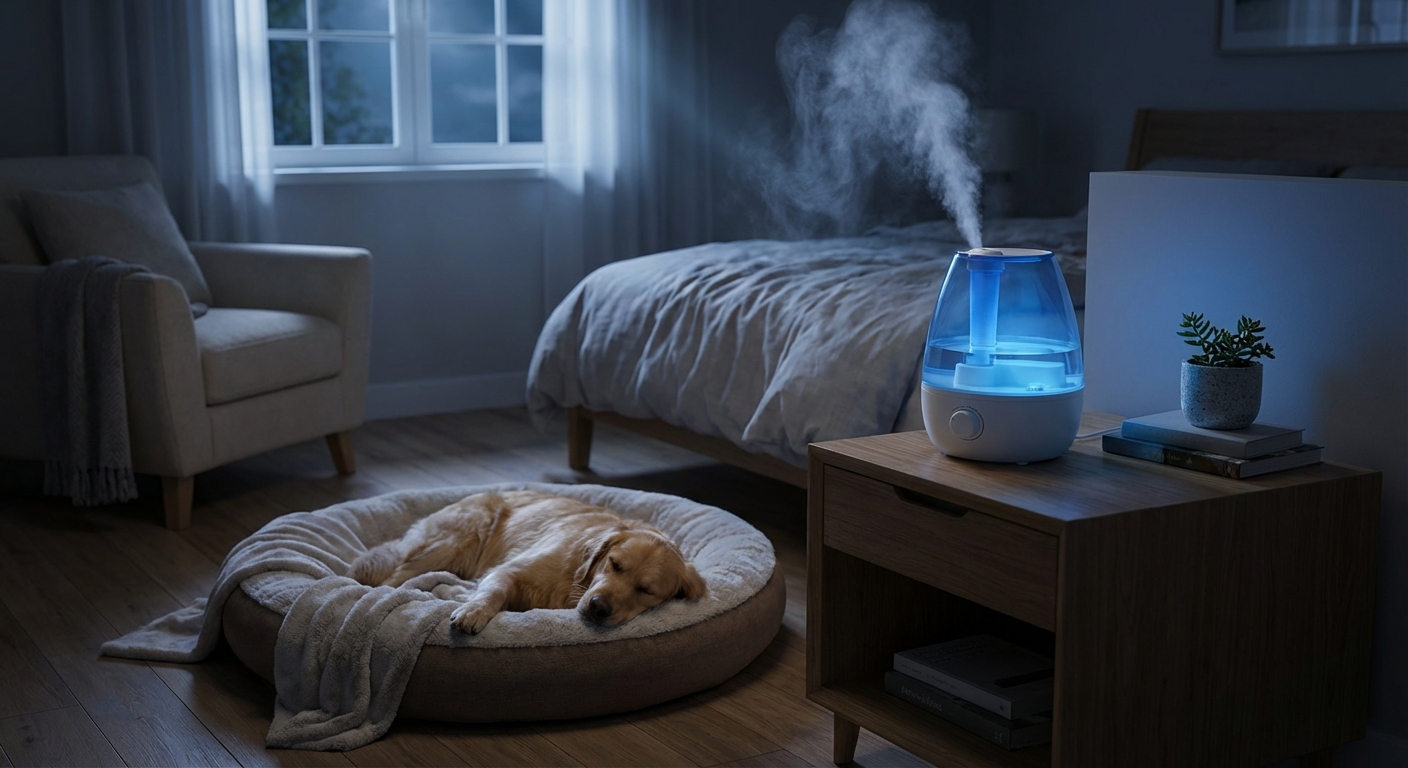
Home care can help your dog rest easier, but it does not replace a diagnosis. If coughing is frequent, worsening, or paired with any breathing changes, it is time for a veterinary exam.
When it is an emergency
Please seek urgent veterinary care if you notice any of the following:
- Labored breathing, belly heaving, or nostrils flaring
- Blue, gray, or very pale gums
- Coughing up blood or large amounts of fluid
- Collapse, extreme weakness, or inability to settle
- Fast breathing at rest, especially while asleep
- Possible choking or trouble swallowing
A helpful at-home number: many relaxed, sleeping dogs breathe around 15 to 30 breaths per minute. If your dog is asleep and consistently breathing over 30 breaths per minute, or the breathing looks effortful, that is concerning. When in doubt, call an emergency clinic.
If you can safely look, check gum color and record a quick video, then seek care right away.
When to see your vet
Make an appointment soon if:
- The cough persists beyond a couple of days or is getting worse
- Your dog is a puppy, senior, or has existing heart or airway disease
- There is low appetite, fever, lethargy, or nasal discharge
- Your dog is not on consistent heartworm prevention
- The cough has a honking sound, happens on leash, or wakes your dog repeatedly
What your vet may recommend
Depending on the exam findings, your vet might suggest chest X-rays, a heartworm test, fecal testing (for parasites), respiratory pathogen testing, or heart evaluation. Treatment could include rest and monitoring, cough suppressants (only when appropriate), antibiotics if bacterial infection is suspected, bronchodilators, anti-inflammatories, reflux support, or heart medications if indicated.
Prevention tips
- Keep vaccines current, including Bordetella as recommended for your dog’s lifestyle.
- Use heartworm prevention consistently, year-round unless your veterinarian advises otherwise.
- Choose a harness for dogs prone to coughing or small-breed airway issues.
- Maintain a healthy weight, because extra weight increases breathing effort and inflammation.
- Reduce indoor irritants like smoke, heavy fragrances, and dusty bedding.
Closing thought
It is stressful to hear your dog cough in the dark when you just want them comfortable and asleep. The good news is that many causes are treatable, and a few small changes at home can make a real difference while you figure out what is going on. If the cough is persistent, worsening, or comes with any breathing changes, trust your instincts and have them checked.