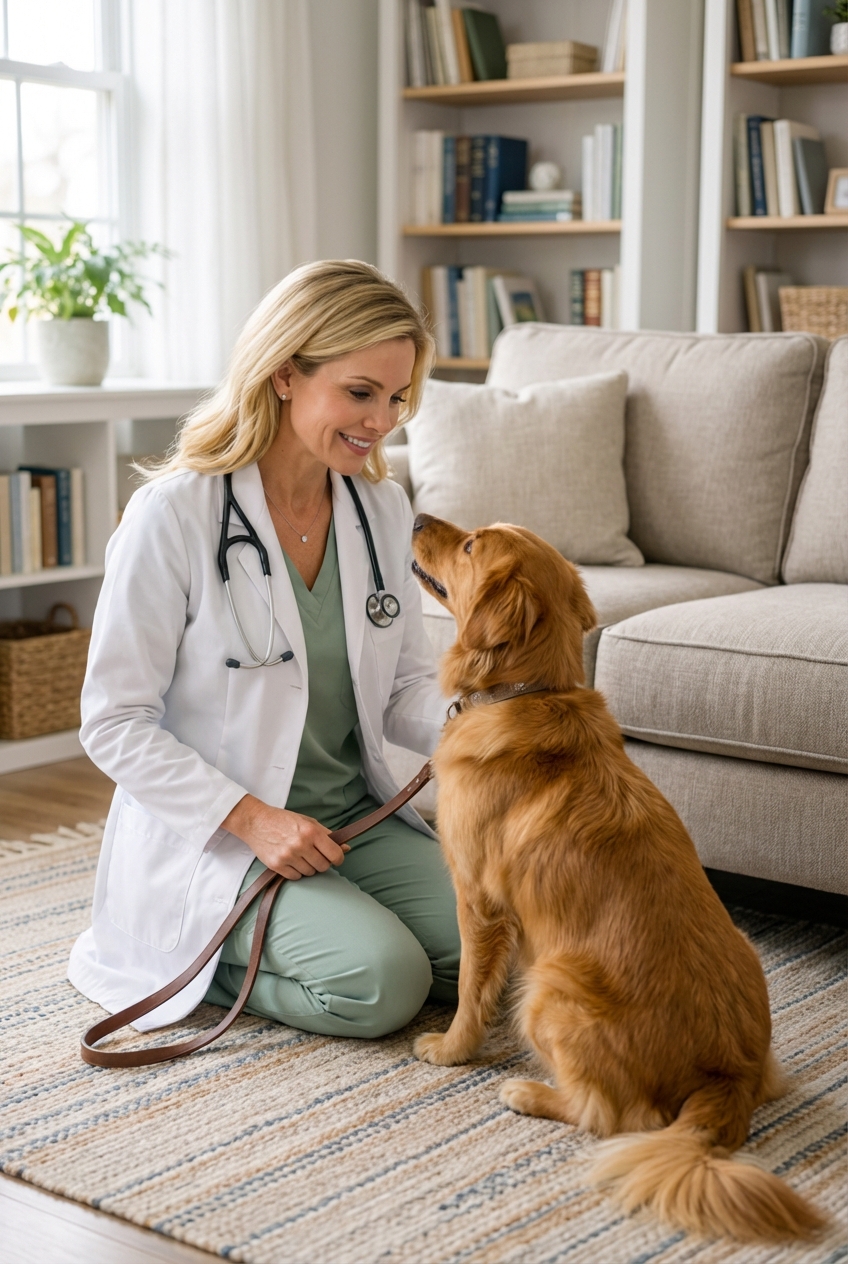
Dog coughing at night can be dry air, infection, tracheal collapse, allergies, reflux, or heart issues. See emergency warning signs, comfort steps, and what ...
Article
•
Designer Mixes
Dog Cough: Insights and Help

Shari Shidate
Designer Mixes contributor
If your dog is coughing, it can be unsettling, especially when it comes out of nowhere in the middle of the night. The good news is that many causes are treatable. The tricky part is that a cough is a symptom, not a diagnosis. It can come from the throat, windpipe, lungs, or even the heart. Let’s walk through what to watch for, what you can do at home, and when it is time to call your veterinarian.

What a cough can sound like
Different cough sounds can point you in different directions. You do not need to diagnose at home, but your observations can help your vet get to answers faster.
- Dry, hacking cough: often described as “honking” or like something is stuck in the throat.
- Wet or productive cough: may sound “phlegmy” and can be associated with fluid or mucus in the airways.
- Gagging or retching after coughing: common with infectious tracheobronchitis (often called kennel cough) but can happen with other issues too.
- Cough mostly at night or while resting: can be seen with airway irritation, some infectious causes, or heart-related problems. In many dogs, coughing linked to heart disease is due to airway compression from an enlarged heart chamber or concurrent airway disease. True congestive heart failure more often shows up as an increased resting breathing rate or effort.
- Cough during excitement, pulling on leash, or after drinking water: can be associated with tracheal irritation or collapse in some dogs.
Tip from our veterinary team: Record a 10 to 20 second video of the cough on your phone. That one clip can be incredibly helpful in the exam room.
Cough or something else?
Two common look-alikes can change what your vet considers first.
- Reverse sneezing: a sudden, noisy inhale that sounds like snorting or honking. Dogs often stand still with a stiff posture and extend their neck. It usually passes quickly and is not the same as a cough.
- Gagging or vomiting: coughing comes from the airways. Vomiting usually involves abdominal heaving and produces food or fluid from the stomach. If you are unsure, a short video helps a lot.
Common reasons dogs cough
1) Infectious tracheobronchitis (kennel cough)
Kennel cough is a contagious respiratory syndrome that can be caused by several viruses and bacteria (including Bordetella bronchiseptica). Dogs often pick it up where dogs gather, like daycare, boarding, grooming, dog parks, and training classes. It can also occur after more casual exposure, especially in communities where respiratory illness is circulating.
- Typical signs: dry honking cough, gagging, mild runny nose, normal or slightly decreased appetite.
- Why it matters: some cases are mild and self-limiting, but puppies, seniors, and dogs with underlying conditions can get sicker and may develop pneumonia.
- Vaccine note: vaccines (like Bordetella) can reduce severity and spread risk, but they do not guarantee complete prevention.
2) Airway irritation, chronic bronchitis, or allergies
Dogs can cough from airway inflammation triggered by pollen, dust, smoke, aerosols, or strong household fragrances. Seasonal patterns are common. That said, an isolated cough is less typical of simple environmental allergies alone, so your vet may also consider infection, chronic bronchitis, asthma-like airway disease, or heart disease depending on the full picture.
- Typical signs: intermittent cough, sneezing, watery eyes, licking paws, itchy skin, or ear issues.
- At-home clue: symptoms worsen after vacuuming, using scented sprays, or during high pollen days.
3) Tracheal collapse (more common in small dogs)
Tracheal collapse happens when the windpipe’s cartilage rings weaken and the airway partially flattens, especially during excitement, exercise, or pressure from a collar.
- Typical signs: “goose honk” cough, worse with excitement or pulling on leash.
- Helpful change: swap a neck collar for a well-fitted harness to reduce pressure on the trachea.
4) Heart disease and fluid buildup
Some dogs cough because the heart is enlarged and presses on nearby airways, or because fluid backs up into the lungs (congestive heart failure). This is more common in older dogs and certain breeds, but it can happen in mixes too.
- Typical signs: cough that is worse at night, reduced stamina, faster breathing at rest, fainting episodes, or a pot-bellied look in advanced disease.
5) Pneumonia
Pneumonia can be bacterial, viral, fungal, or aspiration-related (for example, inhaling vomit or food). This is a medical priority.
- Typical signs: lethargy, fever, loss of appetite, fast or labored breathing, wet cough, nasal discharge.
6) Parasites and other less common causes
Depending on where you live and your dog’s prevention routine, parasites (including heartworm and some lungworms) can be on the list. Foreign material, tumors, chronic bronchitis, and upper-airway problems can also cause ongoing cough. In some dogs, especially brachycephalic breeds (like Bulldogs, Pugs, and French Bulldogs), airway anatomy can contribute to chronic noise and coughing. In older large-breed dogs, laryngeal paralysis is another possible cause of noisy breathing and cough-like episodes.
When coughing is an emergency
Please seek urgent veterinary care (or an emergency hospital) if you notice any of the following:
- Difficulty breathing, open-mouth breathing, or belly heaving with each breath
- Blue, gray, or very pale gums
- Collapse, extreme weakness, or disorientation
- Persistent coughing fits that do not stop or that trigger choking
- Coughing up blood or pink, foamy fluid
- Puppy, senior, or medically fragile dog with worsening symptoms
If your dog is breathing faster than usual while resting, that is a big clue that the lungs or heart may be struggling. Normal resting breathing rate is often roughly 15 to 30 breaths per minute. If it is consistently over 30 breaths per minute while your dog is asleep or fully resting, or if the number is trending up, call your vet. Heat, stress, and recent activity can temporarily raise the rate, so count when your dog is calm.
When to call your vet
Even when it is not an emergency, it is worth a call if:
- The cough lasts more than 24 to 48 hours
- It is getting worse, more frequent, or disrupting sleep
- Your dog seems tired, has a fever, eats less, or has nasal discharge
- There was recent exposure to other dogs (daycare, boarding, grooming, dog park)
- Your dog has a history of heart disease, collapsing trachea, or chronic airway disease
What you can do at home
Home care is supportive care, not a substitute for diagnosis, but it can help your dog feel better while you monitor and schedule an exam.
- Keep your dog calm: excitement and pulling can trigger coughing.
- Use a harness instead of a collar if your dog coughs on leash.
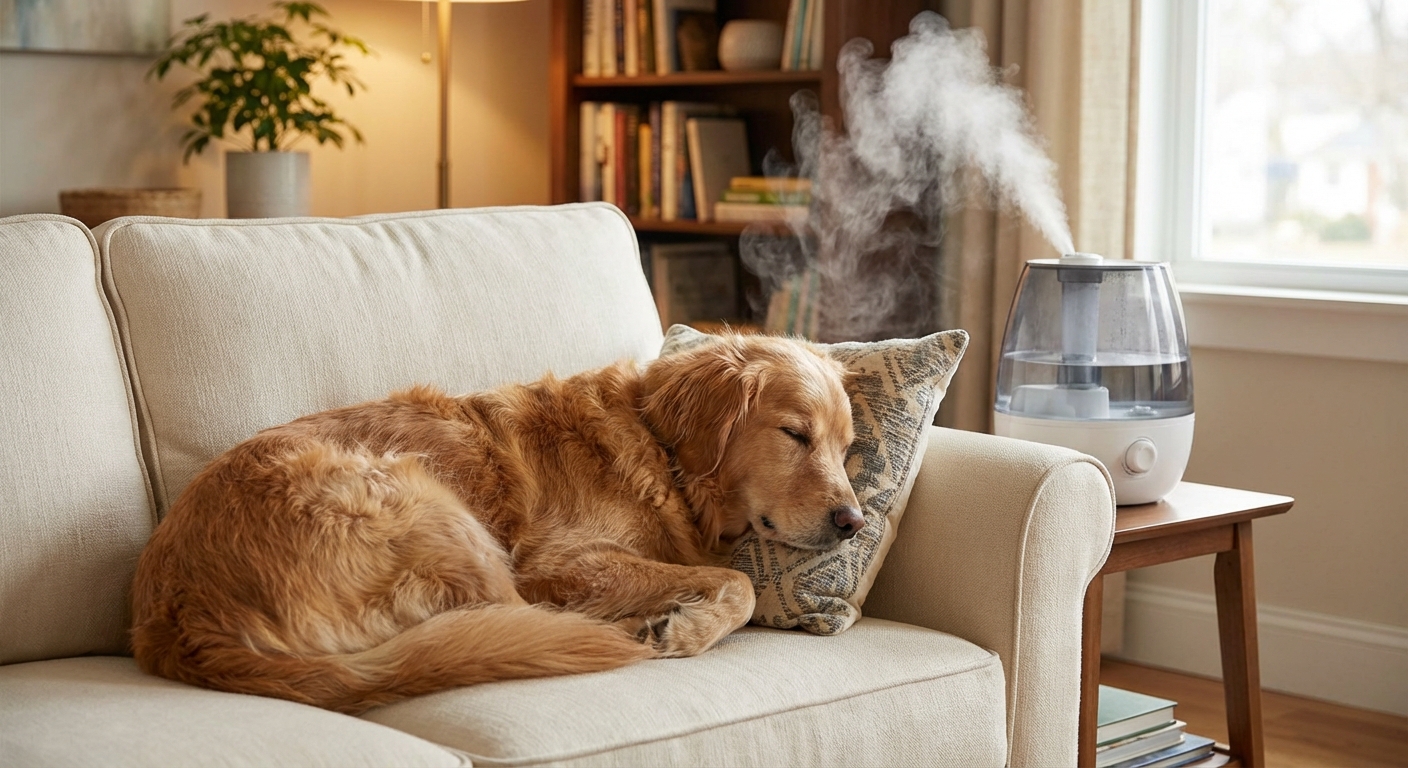
- Run a humidifier in the sleeping area to soothe irritated airways.
- Avoid irritants: smoke, vaping, incense, harsh cleaning sprays, and heavily scented candles.
- Offer water frequently and keep hydration steady.
- Isolate if a contagious cause is possible: if your dog has a new cough after daycare, boarding, grooming, or the dog park, keep them away from other dogs until your vet advises it is safe.
Please do not give human cough medicines unless your veterinarian specifically recommends a product and dose. Many common cold and cough medications contain ingredients that are dangerous for dogs. Also avoid essential oil diffusers or concentrated fragrances around a coughing dog, since they can further irritate sensitive airways.
What your veterinarian may recommend
A cough workup can be simple or more in-depth depending on your dog’s age, history, and how they look on exam. Common next steps include:
- Physical exam and history: including vaccination status, recent exposure to other dogs, and timing of symptoms.
- Chest X-rays: often the fastest way to evaluate lungs, heart size, and airway patterns.
- Respiratory testing: depending on the situation, your vet may discuss PCR panels for infectious causes.
- Heart evaluation: if heart disease is suspected, your vet may suggest bloodwork, blood pressure, and an echocardiogram.
- Treatment: may include rest, cough suppressants (only when appropriate), antibiotics for suspected bacterial involvement, inhaled therapy for chronic airway disease, or cardiac medications if heart failure is present.
One important note: antibiotics are not automatically needed for every cough. Many respiratory infections are viral, and your vet will decide based on exam findings, fever, lung sounds, and imaging.
Prevention tips
- Vaccination planning: ask your vet whether your dog should receive Bordetella and canine influenza vaccines based on lifestyle (daycare, boarding, grooming, dog sports).
- Heartworm prevention: give it consistently year-round as directed in your region.
- Healthy weight: extra weight can make breathing harder and worsen coughing.
- Dental care: good oral hygiene supports overall health and may help reduce inflammation and bacterial load. It is not the most common cause of cough, but it can be one part of a healthy prevention plan.
Quick cough tracker
If your dog is stable enough to monitor at home, these details can speed up answers:
- When the cough started and whether it is getting worse, better, or staying the same
- Dry vs wet cough, and whether there is gagging afterward
- Triggers (nighttime, exercise, excitement, eating, drinking)
- Any nasal discharge, fever, vomiting, diarrhea, or appetite change
- Exposure to other dogs in the last 14 days
- Current medications and preventives (heartworm, flea and tick)
- Resting breathing rate while asleep or fully relaxed (count breaths per minute)

The bottom line
A cough can be mild, like a temporary airway irritation, or it can be the first sign of something that needs treatment, like pneumonia or heart disease. Trust your instincts. If your dog seems off, is breathing harder, or the cough is persistent, it is absolutely worth a vet visit. With the right diagnosis and a calm plan, most dogs can get back to comfortable breathing and normal energy.