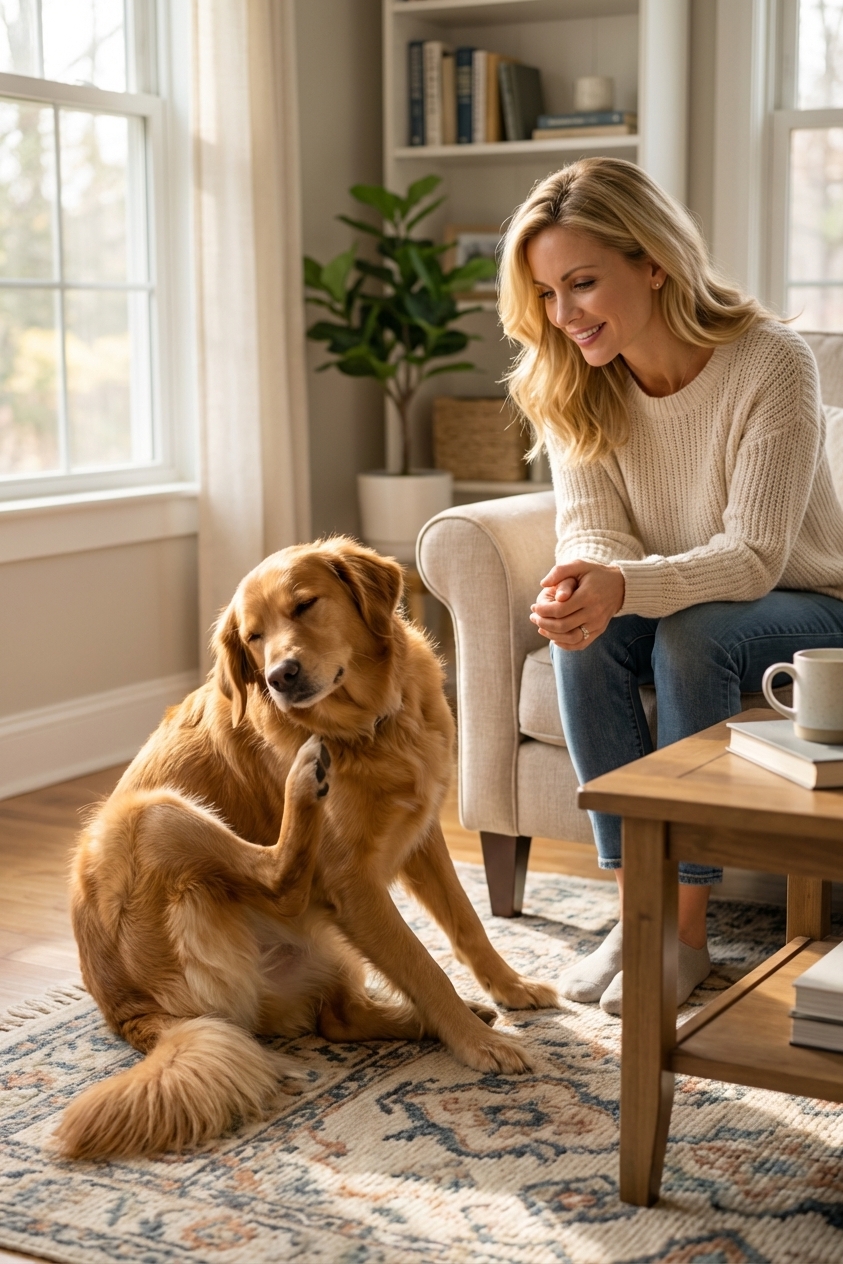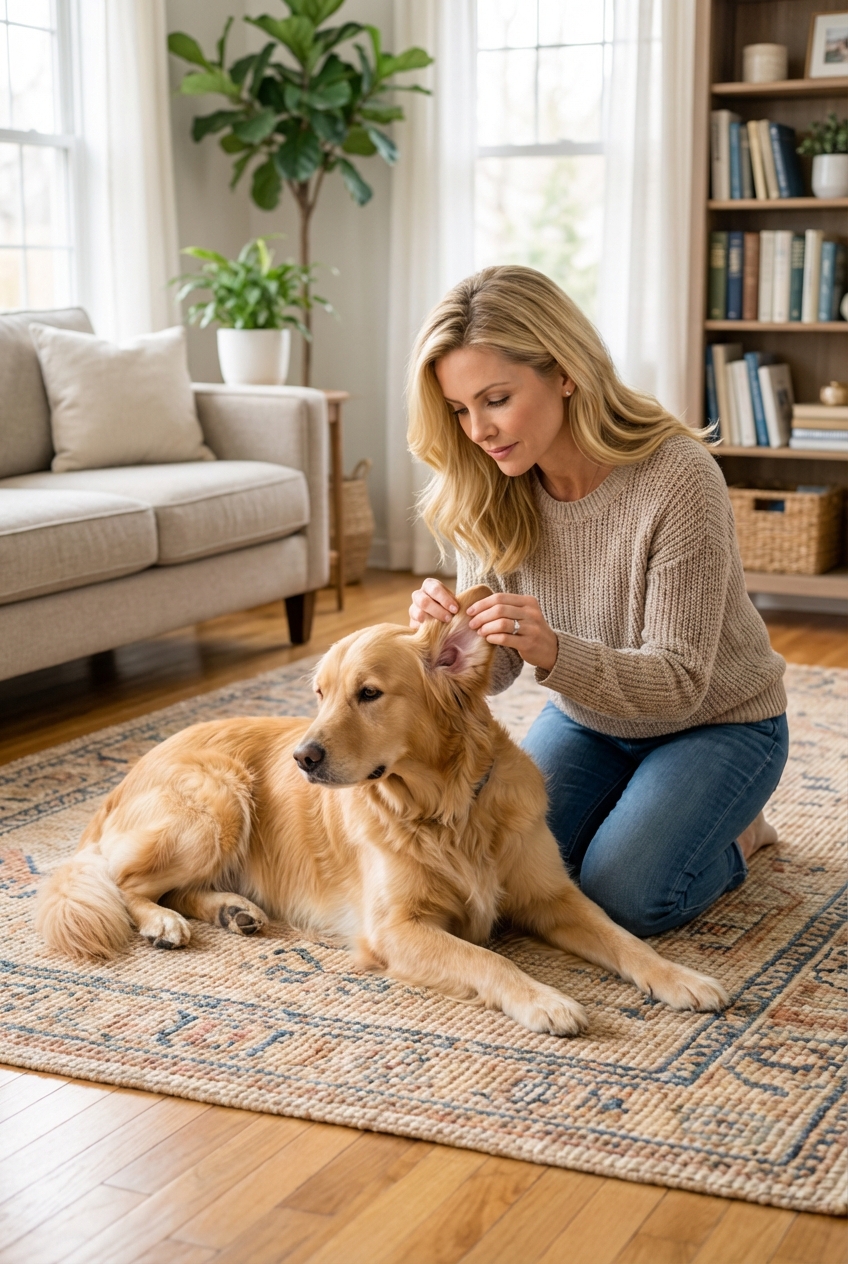
Vet-assistant tips to ease dog allergy itch safely at home: rinses, oatmeal baths, omega-3s, cool compresses, and lick prevention—plus remedies to avoid an...
Article
•
Designer Mixes
Dog Constantly Licking Paws: Vet-Approved Care Tips

Shari Shidate
Designer Mixes contributor
If your dog is constantly licking their paws, you are not imagining it, and you are not alone. In my work as a veterinary assistant here in Frisco, Texas, paw licking is one of the most common concerns I hear from loving pet parents. The tricky part is that paw licking is not a diagnosis. It is a sign. Sometimes it is mild and temporary, and other times it points to allergies, pain, infection, or even anxiety.
The good news is you can take smart, veterinarian-guided steps at home that soothe your dog now while helping your vet pinpoint the real cause. Let’s walk through it together.
Quick note: This article is educational and does not replace an exam. If licking is persistent, your dog seems painful, or you see sores or discharge, contact your veterinarian.
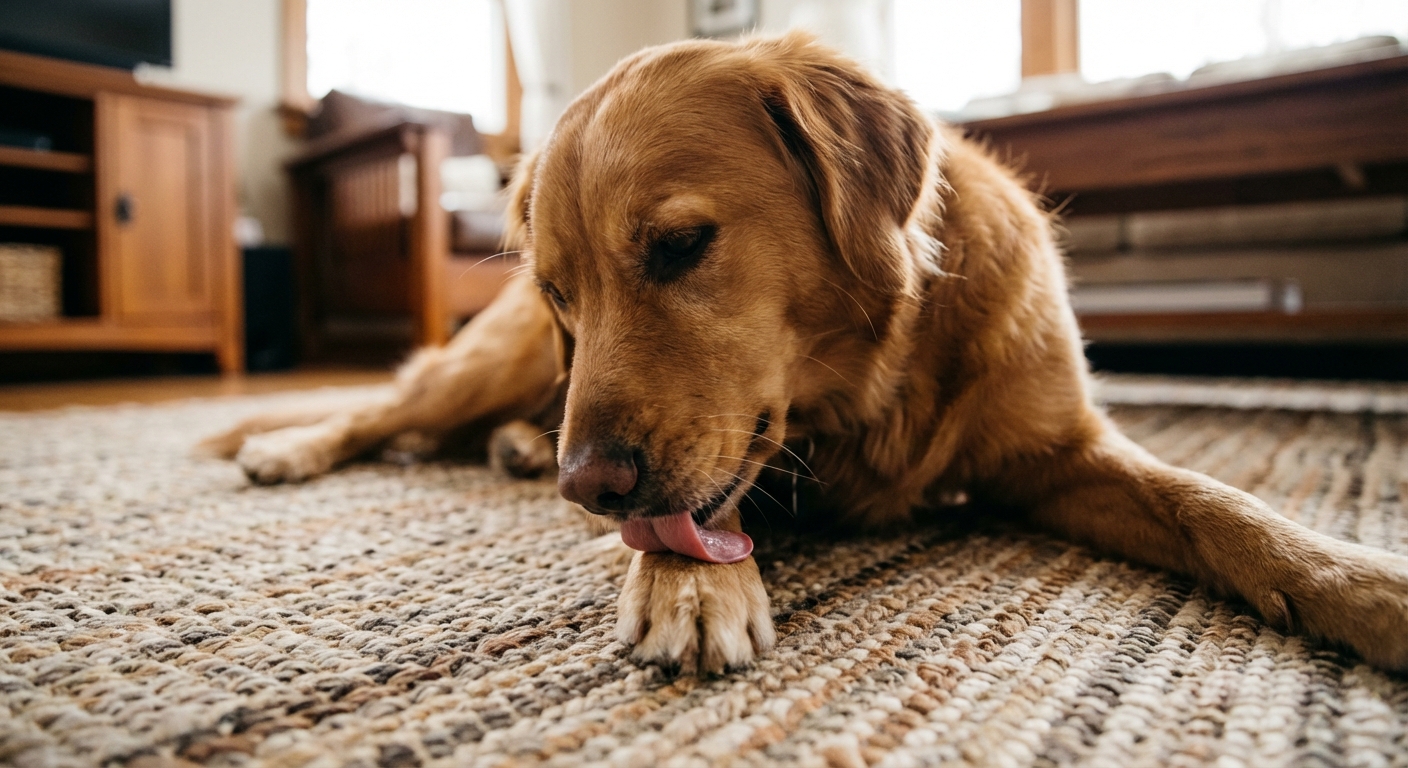
Why dogs lick their paws
Occasional paw licking is normal grooming. The concern starts when it becomes frequent, intense, or your dog seems unable to stop. These are some of the most common causes veterinarians see:
- Allergies: Environmental allergies (pollen, grass, dust mites, molds) are very common and often show up as itchy feet. Food allergies can also cause paw licking, but they are generally less common than environmental triggers.
- Yeast or bacterial overgrowth: These can start the problem or develop after licking begins. Yeast tends to thrive in warm, moist areas between toes.
- Parasites: Fleas, mites, or ticks can irritate feet and skin, especially if preventives are missed.
- Irritant contact: Lawn chemicals, salt and de-icers, hot pavement, rough turf, or even a new household cleaner can inflame paw pads.
- Foreign body: Foxtails, thorns, splinters, or tiny pieces of glass can lodge between toes.
- Pain or orthopedic issues: Arthritis, a nail bed injury, an interdigital cyst (sometimes called a furuncle), or a sore toe can lead to licking of one paw more than the others.
- Anxiety, boredom, or compulsive licking: Some dogs self-soothe by licking, especially when left alone or under-stimulated. If licking becomes intense and repetitive, it can progress into a compulsive pattern or an acral lick granuloma (a persistent sore from chronic licking).
Clue that helps: If your dog mainly licks one paw, think injury, foreign body, localized infection, or an interdigital cyst first. If they lick multiple paws, allergies (including atopic dermatitis) and broader irritation rise on the list. It is a clue, not a rule, since yeast, contact irritation, or behavioral factors can also affect more than one foot.
At-home paw check (2 minutes)
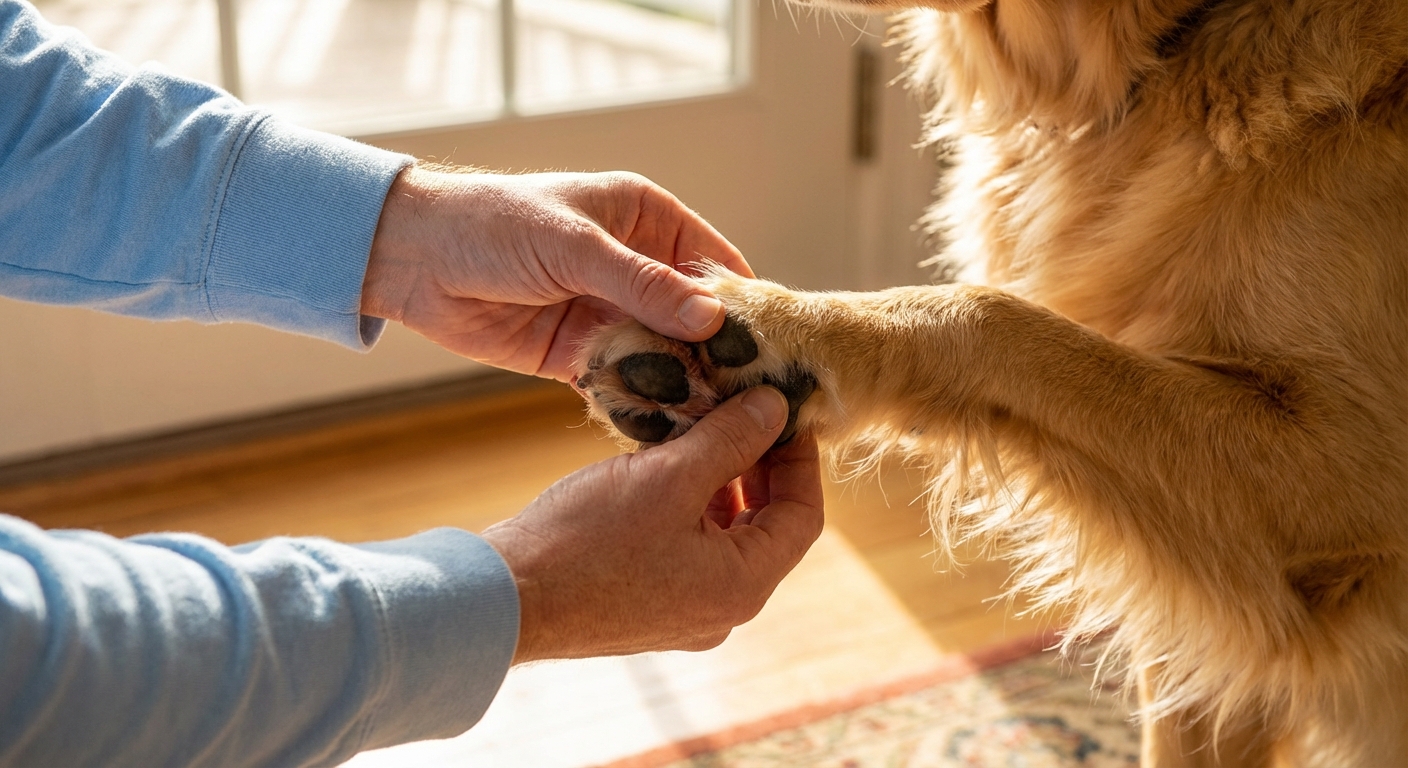
Before you do anything else, do a quick, gentle paw check in good light. If your dog is painful or will not let you touch their foot, skip this and call your vet.
What to look for
- Redness between toes or around nail beds
- Brown or rust-colored staining from saliva (often seen with chronic licking and can be associated with allergies or yeast)
- Odor that is new or stronger than normal (some owners describe a musty smell or a corn chip-like smell). Odor can be associated with yeast or bacteria, but it is not diagnostic by itself.
- Swelling, bumps, or draining spots (including interdigital cysts)
- Cracked pads or raw, shiny skin
- Broken nail or bleeding around the nail
- Debris stuck between toes (foxtail awns can be sneaky)
- Limping or reluctance to bear weight
If you find a clearly embedded object, do not dig. That can break it off and make it harder for your veterinarian to remove safely.
Safe at-home care
These steps can reduce irritation and help prevent secondary infection while you arrange a veterinary visit if needed.
1) Rinse after walks
If pollen, grass, or sidewalk chemicals are the trigger, a quick rinse can make a big difference.
- Use lukewarm water to rinse paws and between toes.
- Pat dry well, especially between the toes.
Tip: For dogs who hate the sink, keep a damp washcloth and a dry towel by the door.
2) Keep paws clean and dry
Moisture feeds yeast and bacteria. After baths, wet grass, or rain, dry paws thoroughly, especially between the toes.
3) Stop the lick cycle short-term
Licking makes skin wetter, itchier, and more inflamed. If your dog cannot stop, preventing access for a short period can allow the skin to calm down.
- An e-collar is often the most reliable.
- Soft booties can help outdoors and can reduce contact with allergens, but remove them indoors so paws can breathe.
4) Gentle soaks only if skin is intact
If there are no open wounds, a short paw soak can be soothing. Ask your vet what is appropriate for your dog’s situation, especially if your dog has a history of skin infections.
- Soak time is usually short, then dry completely.
- A common veterinary option to ask about is a diluted chlorhexidine soak, wipe, or rinse, but only use it under your veterinarian’s guidance so it is the right product and concentration for your dog.
- Avoid harsh products that can burn or overly dry the skin.
Important: Do not use hydrogen peroxide or rubbing alcohol on paws. They can damage tissue and delay healing.
5) Address itch safely
Over-the-counter human allergy products are not automatically safe for dogs, and dosing depends on weight, health history, and other medications. If allergies seem likely, call your veterinarian and ask what they recommend for short-term relief and whether your dog needs an exam first.
When it is urgent
Call your veterinarian promptly or seek urgent care if you notice:
- Sudden intense licking with crying, yelping, or obvious pain
- Rapid swelling of a paw or toes
- A deep cut, puncture, chemical burn, or bleeding nail
- Pus, oozing, or a foul odor
- Limping that lasts more than 24 hours
- Skin that looks raw, ulcerated, or blackened
- A suspected foxtail or embedded object
Infections can worsen quickly, and foreign bodies can migrate and cause serious problems.
What your vet may do
Paw problems can look similar on the outside, but treatment depends on the underlying cause. Your veterinarian may recommend:
- Skin cytology: A quick microscope check for yeast and bacteria
- Flea and mite evaluation: Especially if preventives are not current
- Ear exam: Many allergic dogs also have ear inflammation
- Allergy plan: This might include prescription anti-itch medications, immunotherapy, or a food elimination trial
- Antibiotics or antifungals: If an infection is confirmed
- Pain evaluation: If licking is linked to a sore joint, toe injury, nail issue, pad burn, or an interdigital cyst
If your dog has chronic paw licking, diagnostic testing (especially cytology) can reduce guesswork and get targeted relief sooner.
Prevention tips
Support skin health
Skin health is closely tied to nutrition. A balanced diet with quality protein and appropriate fats supports the skin barrier, which can help allergic dogs flare less often. If you are considering adding fresh foods, do it slowly and talk with your veterinarian first, especially if your dog has ongoing skin issues.
Grooming basics
- Keep hair between paw pads trimmed so debris and moisture do not get trapped.
- Rinse paws more often during high-pollen seasons.
- Use vet-recommended products for recurring yeast or bacteria, rather than rotating random shampoos.
Parasite prevention
Even indoor dogs can get fleas, and flea allergy dermatitis can trigger intense licking. Stay consistent with your veterinarian’s recommended preventives.
Enrichment for anxious lickers
If your vet rules out medical causes, add healthy outlets:
- Food puzzles
- Short training sessions
- Scent games
- More structured walks and sniff time
Behavioral licking usually improves when stress is reduced and the dog has an appropriate job to do.
What to track
These details help your veterinarian diagnose faster:
- Which paws are affected and when it started
- Seasonality: worse in spring, summer, or year-round
- Any new foods, treats, supplements, shampoos, or cleaners
- Recent yard treatments, park visits, or hikes (watch for foxtails)
- Photos of the paw on a bad day
- Any ear scratching, scooting, or recurrent skin issues
If your dog is constantly licking their paws, the goal is not just to stop the licking. The goal is to find and treat the reason it started. When you do that, relief tends to last.