Measure your dog’s chest girth correctly to choose a harness that’s secure and comfortable. Includes step-by-step instructions, extra measurements, fit c...
Article
•
Designer Mixes
Dog Collapsed Trachea Insights & Advice

Shari Shidate
Designer Mixes contributor
If your dog has ever made a goose-honk cough, gagged on a walk, or seemed to struggle for air when excited, it can be scary. One possible cause is collapsed trachea, a condition where the windpipe loses its normal stiffness and partially narrows, making it harder for air to move in and out. The good news is that many dogs do very well with the right plan, and there are practical steps you can take at home to reduce flare-ups.
As a veterinary assistant here in Frisco, Texas, I have seen how much relief families can get once they understand the triggers, the treatment options, and the everyday routines that support comfortable breathing.
Quick note: This article is educational and is not a substitute for an exam and treatment plan from your veterinarian.
What a collapsed trachea is
The trachea is the tube that carries air from the throat to the lungs. It is supported by C-shaped cartilage rings and a soft membrane along the top. In dogs with tracheal collapse, the airway can narrow because of a combination of cartilage changes and looseness of that dorsal membrane. The narrowing may be worse during excitement, pulling on a collar, heat, or respiratory infection.
Tracheal collapse is most common in small breed dogs like Pomeranians, Yorkies, Chihuahuas, Toy Poodles, Maltese, and Shih Tzus, but it can happen in other dogs too. It is often a chronic condition that can wax and wane.
Common signs to watch for
Some dogs have mild symptoms that come and go. Others have frequent coughing episodes or struggle more during activity. Signs that commonly point toward tracheal collapse include:
- Honking cough that sounds like a goose or seal
- Coughing or gagging after drinking, eating, pulling on leash, or getting excited
- Noisy breathing or wheezing
- Exercise intolerance or needing more breaks
- Episodes that worsen with heat, humidity, smoke, perfume, dust, or respiratory illness
- Fainting or turning bluish in severe cases
Important: coughing can also be caused by heart disease, kennel cough, chronic bronchitis, pneumonia, allergies, airway parasites, or simple airway irritation. Tracheal collapse also commonly overlaps with other airway problems, especially chronic bronchitis, laryngeal disease, and in some dogs, brachycephalic airway issues. A vet exam is essential so you do not treat the wrong problem.
When this is an emergency
Please seek urgent veterinary care right away if you notice:
- Labored breathing, open-mouth breathing at rest, or rapid worsening
- Gums or tongue that look blue, gray, or very pale
- Collapse, fainting, or extreme weakness
- A cough that becomes constant and your dog cannot settle
- Suspected choking or a foreign object
Airway issues can escalate quickly, especially in heat or stress. It is better to be overly cautious with breathing problems.
How severe is it
This simple guide can help you decide how quickly to act. When in doubt, call your vet.
- Mild: occasional honking cough, your dog recovers quickly, normal energy and gum color. Plan: schedule a routine appointment and start trigger control.
- Moderate: coughing fits are more frequent, worse with walks or excitement, or your dog seems winded more easily. Plan: call your vet within 24 to 48 hours to discuss diagnostics and medication options.
- Severe: distress, open-mouth breathing at rest, blue or pale gums, collapse, or your dog cannot stop coughing and calm down. Plan: emergency care now.
How veterinarians diagnose it
Your veterinarian will start with a full history and exam, then may recommend testing to confirm the diagnosis and rule out other causes:
- Chest and neck X-rays to look for tracheal narrowing and evaluate the heart and lungs
- Fluoroscopy (a moving X-ray) to see airway collapse during breathing
- Tracheoscopy or bronchoscopy (camera evaluation) in selected cases
- Heart testing such as an echocardiogram if a heart murmur or enlargement is suspected
- Bloodwork when infection, inflammation, or other systemic issues are possible
A key point is that tracheal collapse can be intermittent. Some dogs have normal-looking X-rays on a calm day, so your vet may recommend dynamic imaging like fluoroscopy or endoscopy if suspicion stays high.
Because coughing can be multifactorial, many dogs benefit from a whole-picture approach, not just one quick test.
What treatment looks like
Treatment is tailored to your dog’s severity, triggers, and overall health. Many dogs are managed medically for years, and some eventually need advanced procedures.
After diagnosis, your veterinarian will usually focus on two goals: reducing airway inflammation and irritation, and preventing the cough cycle from feeding itself.
1) Lifestyle changes that matter
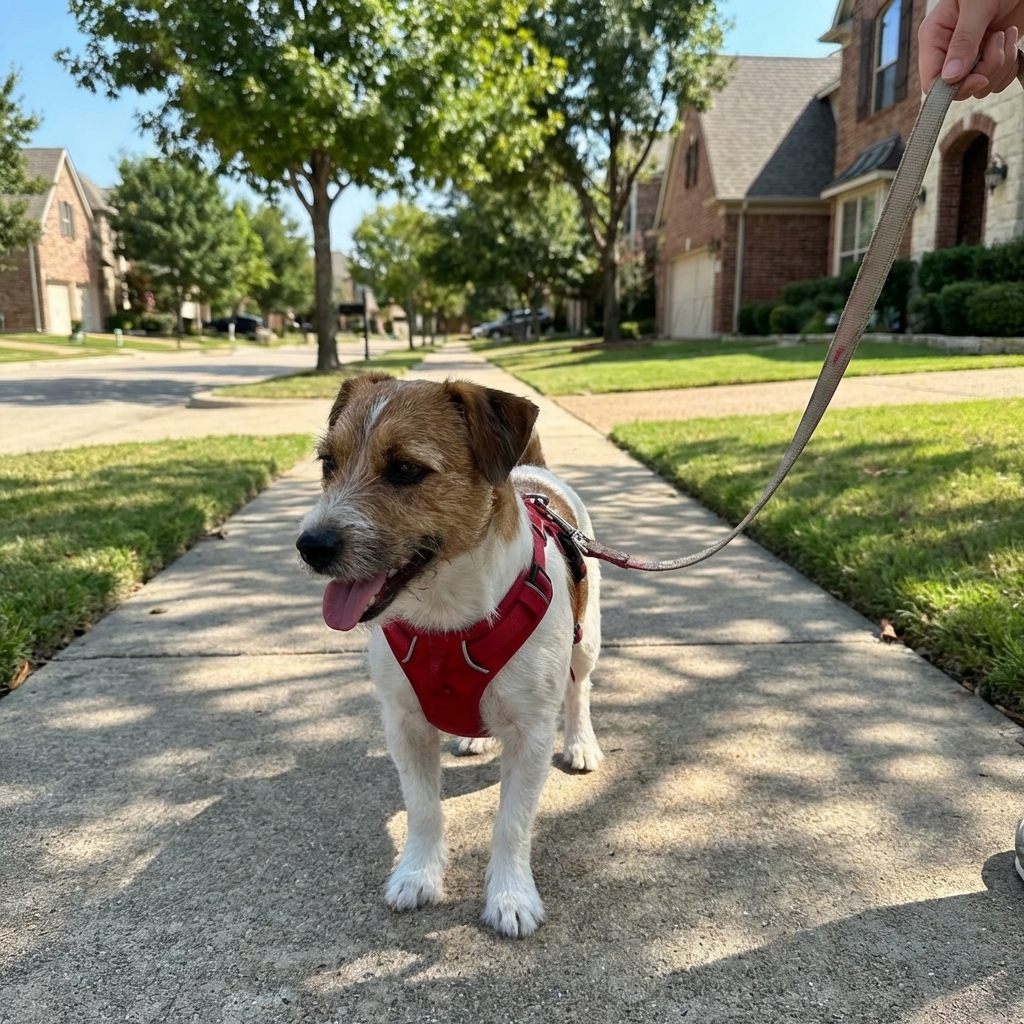
- Switch from a collar to a harness to reduce pressure on the windpipe. This is one of the biggest day-to-day improvements for many dogs.
- Weight management. Extra body fat makes breathing harder and increases airway inflammation. Even a small weight reduction can help.
- Trigger control: avoid cigarette smoke, strong fragrances, dusty rooms, aerosol cleaners, and heavy pollen exposure when possible.
- Heat and humidity planning: walk early or late, keep indoor air cool, use fans or AC, and shorten exercise on hot days.
- Calm routines: excitement can set off coughing. Gentle greetings, slower games, and structured rest breaks can reduce episodes.
2) Medications your vet may use
Medication choices vary, and your veterinarian will decide what is safest for your dog. Common categories include:
- Cough suppressants to break the cough cycle and reduce irritation
- Anti-inflammatory medications to reduce airway swelling
- Bronchodilators if lower airway disease is also present
- Antibiotics only when infection is suspected or confirmed
- Anti-anxiety medication or mild sedatives in dogs whose episodes are strongly triggered by stress or panic
Never give human cough medications unless your veterinarian specifically instructs you. Some ingredients are unsafe for dogs, and the wrong choice can worsen breathing.
3) What to expect during a bad flare
If your dog is struggling during an acute episode, the goal at the clinic or ER is to stabilize breathing and reduce stress on the airway. Depending on severity, your team may use:
- Oxygen support
- Medications to calm the panic cycle, because stress can worsen airway collapse
- Injectable anti-inflammatories or other supportive medications when indicated
- Hospital monitoring until breathing is steady
Every case is different, but it helps to know that the immediate focus is comfort, oxygenation, and stopping the spiral.
4) Procedures for severe cases
If medical management is not enough, specialty options may be discussed:
- Tracheal stenting, often used for intrathoracic or diffuse collapse, to physically support the airway
- Tracheal ring implants, typically used for cervical collapse, which involve open surgery and careful case selection
These procedures can be life-changing for the right patient, but they are not one-size-fits-all. A veterinary specialist will help weigh benefits, long-term management needs, and potential complications.
At-home care
Think of home care as reducing inflammation, preventing irritation, and keeping your dog’s breathing as effortless as possible.
Harness, not collar
Choose a well-fitted harness that does not rub behind the elbows and does not ride up onto the neck. If your dog pulls, consider positive reinforcement leash training so walks stay gentle.
Air quality upgrades
- Use a HEPA air purifier in the rooms where your dog spends the most time.
- Vacuum frequently and wash bedding regularly to reduce dust and dander.
- Avoid smoke, incense, scented candles, essential oil diffusers, and aerosol sprays. Some scents and oils can irritate sensitive airways, and a few essential oils can be harmful to pets if inhaled or ingested.
Exercise in small, smart doses
Most dogs still need movement for weight control and mental health. Keep it low-impact and consistent. If coughing starts, pause, let your dog settle, and head back inside.
Keep a simple symptom log
Track what happened before an episode, how long it lasted, and what helped. This is incredibly useful for your vet when adjusting medications or identifying triggers.

Nutrition and weight
Weight is one of the most important factors you can control. If your dog is overweight, your veterinarian can help you set a target weight and a safe calorie plan.
From a practical standpoint, here are nutrition habits that often help:
- Measure meals instead of free-feeding
- Use lower-calorie training treats and count them as part of daily intake
- Provide adequate, high-quality protein to support lean muscle, based on your dog’s overall health
- Add vet-approved fiber options if your dog acts hungry on a weight plan
If you are interested in homemade or fresh food, it can be a wonderful tool for weight control and ingredient transparency. Just be sure it is properly balanced. An unbalanced homemade diet can create deficiencies that impact overall health. Ask your veterinarian or a veterinary nutritionist for guidance, especially if your dog has other conditions.
Designer mixes
At Designer Mixes, many families share life with small breed mixes who may inherit airway traits from their parent breeds. A few important points if you have a mix that is small-bodied or has a shorter muzzle:
- Use a harness from puppyhood to protect the airway long-term.
- Keep your dog lean and fit, even if they are tiny and seem harmlessly fluffy.
- Be extra cautious in Texas heat. Heat management is not optional for sensitive airways.
- Talk to your vet early if you notice a honking cough. Early management can reduce flare-ups.
Questions to ask your vet
- Do you suspect tracheal collapse, heart disease, chronic bronchitis, or something else?
- Which tests do you recommend first, and why?
- What are the goals of each medication, and what side effects should I watch for?
- What should I do during a coughing episode at home?
- At what point would you refer us to an internal medicine specialist?
- What is my dog’s ideal weight, and how many calories per day?
Comfort plan for flare-ups
If your dog has already been diagnosed and your vet has given you a treatment plan, these steps often help during mild episodes:
- Move your dog to a cool, calm room.
- Keep them upright and relaxed. Avoid picking them up in a way that compresses the chest or neck.
- Offer small sips of water if your dog can drink without triggering more coughing.
- Use any prescribed medications exactly as directed.
- If breathing looks strained, gums change color, or your dog cannot settle, seek urgent care.
Breathing is not an area to wait and see when your gut is telling you something is wrong.
Hopeful outlook
Collapsed trachea can sound alarming, and it is absolutely something to take seriously. But many dogs live happy, active lives with a mix of smart routines, medical support, and trigger control. Start with the high-impact basics, especially harness use and weight management, then work with your veterinarian to fine-tune treatment as your dog’s needs change over time.
If you are feeling overwhelmed, you are not alone. Take it one step at a time. Your dog does not need perfection, they need a steady, workable plan.

References
- American College of Veterinary Surgeons (ACVS). Tracheal Collapse: clinical overview and treatment options.
- Merck Veterinary Manual. Tracheal Collapse in Dogs: clinical signs, diagnosis, and management.
- American College of Veterinary Internal Medicine (ACVIM) resources and peer-reviewed internal medicine reviews on canine tracheal collapse and chronic cough evaluation.