See the most common signs of chicken allergy in dogs—itchy skin, recurring ear issues, and digestive upset—plus an evidence-based 8–12 week elimination...
Article
•
Designer Mixes
Dog Chicken Allergy Guide

Shari Shidate
Designer Mixes contributor
Chicken is one of the more common proteins in dog food, treats, and even flavored medications. That convenience is great until it starts causing problems. If your dog gets itchy, develops recurring ear infections, or has chronic tummy troubles, chicken can be a possible trigger.
As a veterinary assistant in Frisco, Texas, I have seen how relieving it can be for families when we finally connect the dots between a dog’s symptoms and a food ingredient that keeps showing up again and again. The good news is that chicken allergy management is usually very doable, and you can start slowly.

Chicken allergy vs. chicken intolerance
People often say “allergy” when they mean “my dog doesn’t do well on this food.” The distinction matters because it changes the best next step.
Food allergy (immune-mediated)
A true food allergy involves the immune system reacting to a protein. In dogs, food allergies most often show up as skin and ear issues, not breathing problems. Acute reactions like hives or facial swelling can happen, but they are less common.
- Common signs: itching (especially face, paws, belly), recurring ear infections, skin redness, hot spots
- GI signs can occur too: vomiting, diarrhea, soft stools, increased gas
Food intolerance (non-immune)
Intolerance is more of a digestive mismatch. It can still make your dog miserable, but it is not the immune system “attacking” the protein.
- Common signs: loose stools, gas, occasional vomiting, borborygmi (loud tummy sounds)
- Skin signs are less typical, but can overlap
Bottom line: You cannot confirm a true chicken allergy just by symptoms alone. Many issues look similar, including environmental allergies, fleas, mites, and skin infections.
Signs of a chicken allergy in dogs (by age)
Chicken sensitivity can show up at any age, and patterns vary a bit depending on life stage.
Puppies
- Soft stool or intermittent diarrhea after treats or diet changes
- Frequent paw licking or face rubbing
- Ear debris or a “yeasty” smell earlier than expected for age
Note: Puppies are also prone to parasites and infections, so do not assume it is food until your veterinarian rules out the common basics.
Adult dogs
- Chronic itching with no clear seasonal pattern
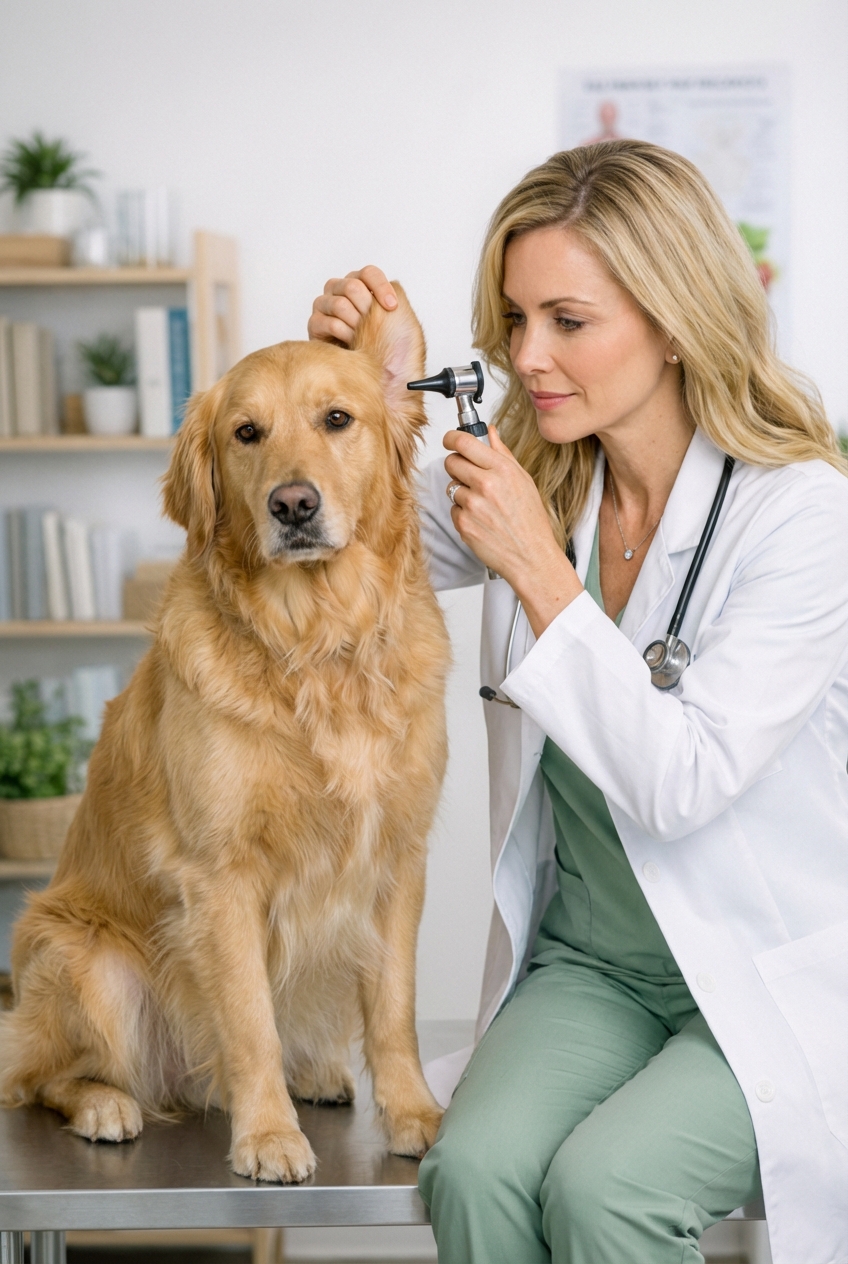
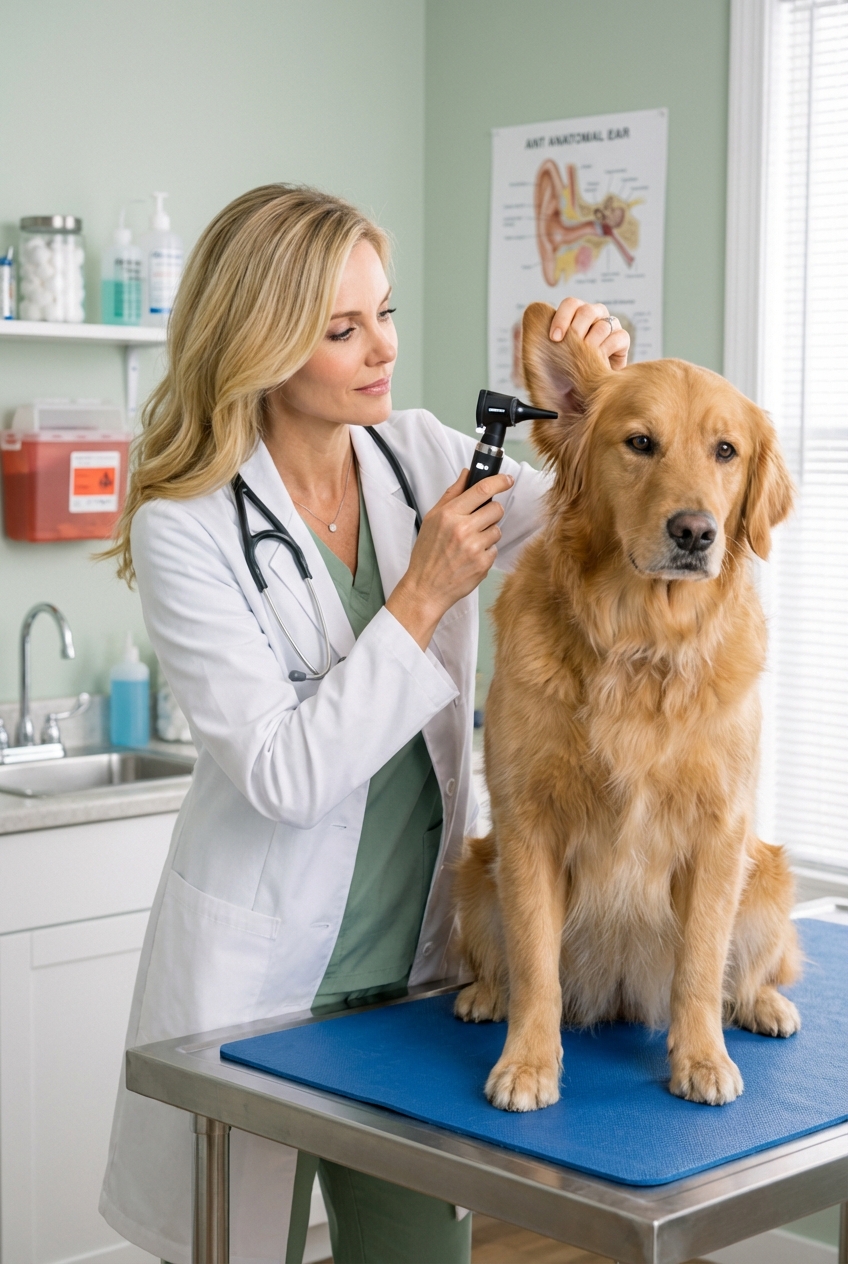
- Recurring otitis externa (ear infections)
- Anal gland issues associated with chronic soft stool
- Repeated “mystery” skin infections
Senior dogs
- New itchiness or ear infections after years on the same food
- GI upset that seems to worsen with richer proteins
- Weight changes during diet changes or diet restriction (sometimes from reduced appetite, palatability issues, or underlying medical conditions)
Senior dogs also have more medical conditions that can mimic food issues, so it is smart to pair diet changes with a vet check, especially if appetite or weight shifts.
What causes the reaction?
In a true chicken allergy, your dog is reacting to chicken proteins. That could mean muscle meat, organs, or even chicken fat if it contains trace protein. Highly refined fats usually contain minimal protein, but very sensitive dogs can still react to small amounts.
Some dogs also react to egg protein, and some do not. They are different foods, but both are poultry-related proteins, so your veterinarian may recommend avoiding both during a trial.
Also important: chicken can show up in a lot of places beyond the main diet. Even if you remove the obvious chicken kibble, it may still be in:
- Treats and chews (jerky, training treats, dental treats)
- Flavored supplements (glucosamine, probiotics)
- Some heartworm and flea preventives with “natural flavor”
- Broths, toppers, and gravies
- Foods labeled as another protein but containing chicken meal or fat
Best diagnosis: elimination diet trial
Veterinary dermatology and nutrition guidelines consistently point to the elimination diet trial as the gold standard for diagnosing food allergies in dogs. Blood, saliva, and hair tests marketed online are not considered reliable for diagnosing food allergies. If you want a publish-ready reference point, this aligns with guidance commonly cited by groups such as the American College of Veterinary Dermatology (ACVD) and WSAVA resources.
How it works
- Pick a diet: either a veterinary hydrolyzed-protein diet, or a truly novel protein and carbohydrate your dog has not eaten before.
- Feed only that: no flavored meds, no treats, no chews, no table scraps.
- Stick with it: typically 8 to 12 weeks, depending on your veterinarian’s plan and your dog’s symptoms.
- Challenge phase: if your dog improves, chicken is reintroduced intentionally to see if signs return.
This is the part that feels tough, but it is where the clarity comes from. If symptoms improve and then return when chicken is added back, you have strong evidence you are dealing with a chicken-triggered problem.
Timeline expectations
- GI signs may improve faster, sometimes within days to a couple of weeks.
- Skin and ears often take longer, and it is common to need several weeks to see meaningful change.
Tips that make a trial easier
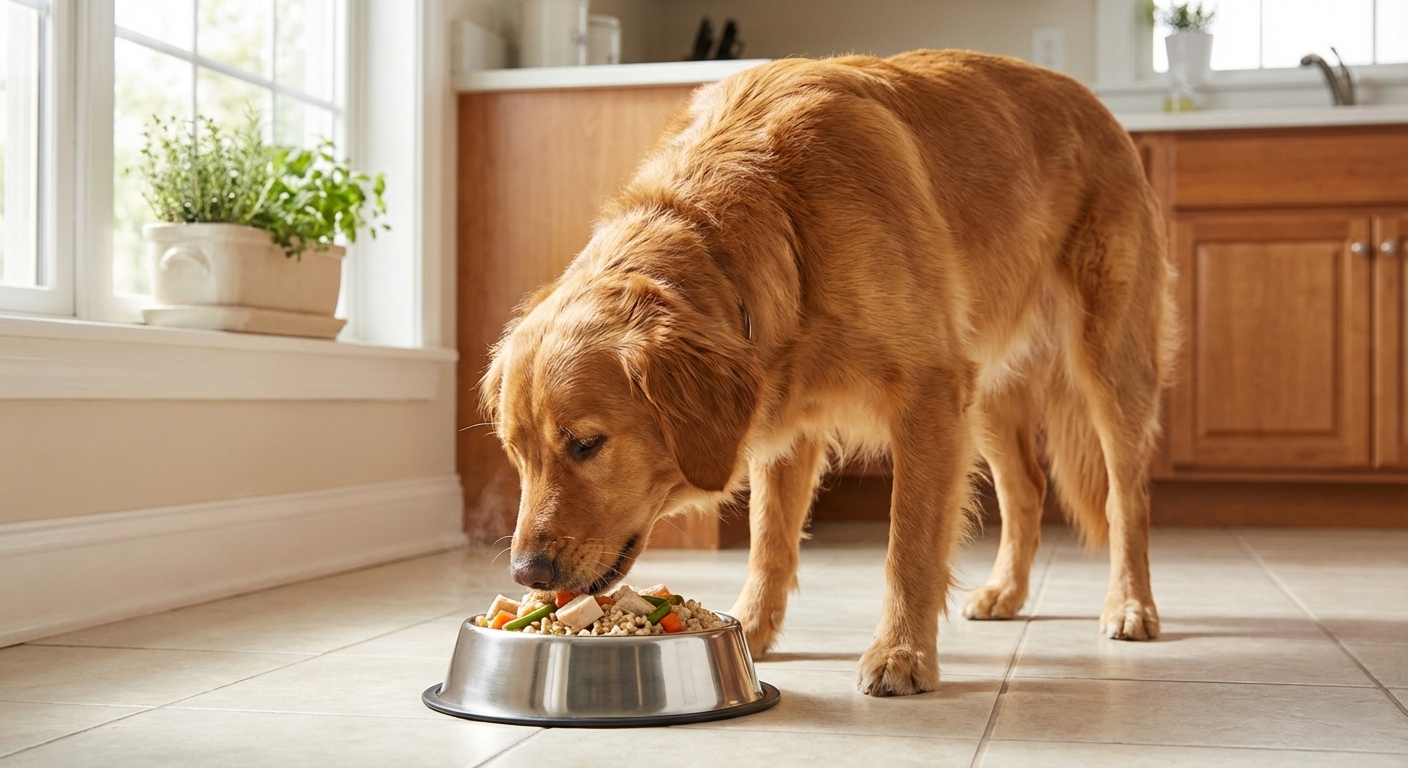
- Use the trial kibble as treats, or bake the wet version into tiny training bites if your vet approves.
- Ask your vet about unflavored medication options during the trial.
- Do not stop or switch prescription preventives without your veterinarian’s direction. If a flavored product is a concern during the trial, ask about alternatives.
- Keep a simple symptom journal: itch level (0 to 10), stool quality, ear odor or discharge, and any licking.
- Many dogs still need treatment for secondary ear or skin infections, or itch control medications, while the diet trial is underway. That can be compatible with a diet trial when your veterinarian guides the plan.
Label reading: chicken to avoid
If you are avoiding chicken, look beyond the word “chicken” on the front of the bag. Scan the ingredient list for terms like:
- Chicken, chicken meal, chicken by-product, chicken by-product meal
- Poultry, poultry meal, poultry by-product (vague terms can still mean chicken)
- Natural flavor (can be animal digest, sometimes poultry-based)
- Broth or stock (chicken broth is common)
- Chicken fat (may contain trace protein depending on processing)
If your dog is highly sensitive, ask your veterinarian whether a hydrolyzed diet is the safest option due to cross-contact risks in manufacturing facilities.
Chicken-free diet options
Your best option depends on your dog’s symptom severity, your budget, and how strict you need to be.
Veterinary hydrolyzed diets
These diets use proteins broken into smaller pieces that are less likely to trigger an immune response. They are often recommended for dogs with significant itching, recurring ear infections, or multiple suspected food triggers.
Limited ingredient or novel protein diets
Options may include venison, rabbit, duck, lamb, pork, or fish. Choose brands with strong quality control and clear ingredient sourcing.
Picking a truly novel protein
“Novel” only works if it is truly new to your dog. Many dogs have already had chicken, beef, and sometimes lamb or salmon through treats, toppers, or previous foods. If you are not sure what your dog has eaten over the years, your vet may recommend a prescription hydrolyzed diet instead of an over-the-counter novel protein diet. Over-the-counter diets can have cross-contact or mislabeled proteins, which can confuse your results.
For some dogs, “duck” is a good fit, but remember it is still poultry. If your dog seems reactive to multiple bird proteins, your veterinarian may steer you toward a non-poultry option.
Homemade, with guidance
Homemade can be wonderful, but it needs to be balanced. A common mistake is feeding “just meat and rice” long-term, which can lead to nutritional deficiencies. If you go homemade, I strongly recommend working with your veterinarian or a board-certified veterinary nutritionist to create a complete recipe.
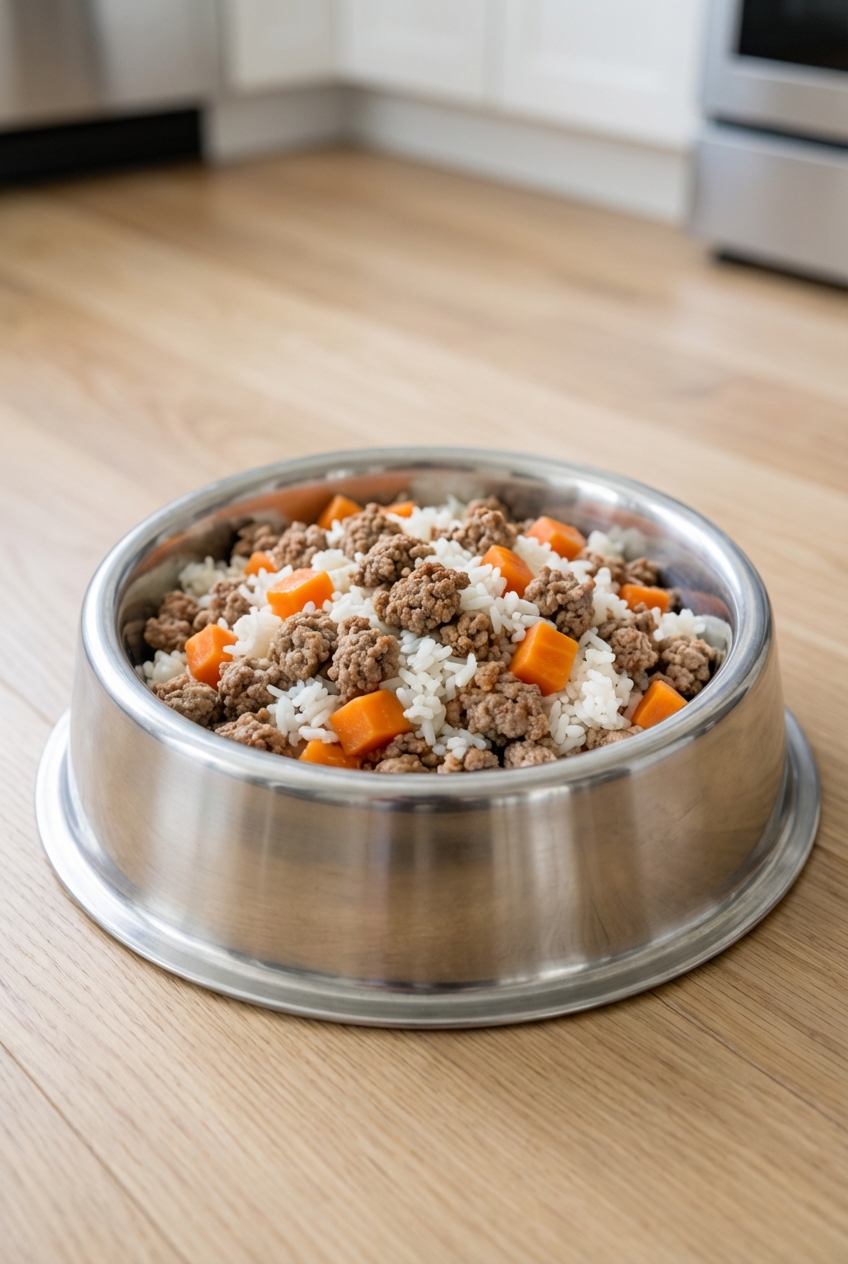
Quick note on the example above: turkey is not chicken, but it is still poultry. For many dogs avoiding chicken, turkey is fine. For others who react to multiple poultry proteins, your vet may recommend a non-poultry choice during the trial.
If you want to start gently, you can do a transition similar to:
- Days 1 to 3: 25% new chicken-free diet, 75% current diet
- Days 4 to 6: 50% new, 50% current
- Days 7 to 9: 75% new, 25% current
- Days 10 to 14: 100% new chicken-free diet
If your dog is already very inflamed or itchy, your vet may advise not mixing diets and instead starting the elimination trial immediately. Always follow the plan you and your veterinarian choose together.
Other triggers and overlap
Chicken is a frequent culprit, but it is not the only one. Dogs can be allergic to beef, dairy, egg, wheat, soy, and more. Some dogs have both food allergies and environmental allergies, which can make symptoms feel unpredictable.
Helpful mindset: your goal is not a perfect guess on day one. Your goal is a systematic plan that gives you clear answers.
When to call your veterinarian
Please reach out promptly if you notice any of the following:
- Ear pain, head shaking, or foul ear odor
- Skin is oozing, bleeding, or has a strong odor
- Vomiting or diarrhea lasting more than 24 to 48 hours
- Weight loss, poor appetite, or lethargy
- Any facial swelling, hives, or sudden severe reactions
Many dogs need a combination approach at first: treating secondary ear or skin infections while the diet trial is underway. Once inflammation is controlled and the trigger is removed, many pups feel like themselves again.
Simple next steps
- Audit your dog’s intake: food, treats, chews, supplements, and flavored medications.
- Pick one clear plan: a vet-guided elimination diet is the most reliable.
- Track symptoms weekly: itching, ears, stool quality, and paw licking.
- Be consistent: even one off-plan treat can confound results or prolong the trial.
Small, steady changes can make a big difference. You do not have to figure it all out at once, but you do want to be consistent enough to get a real answer.