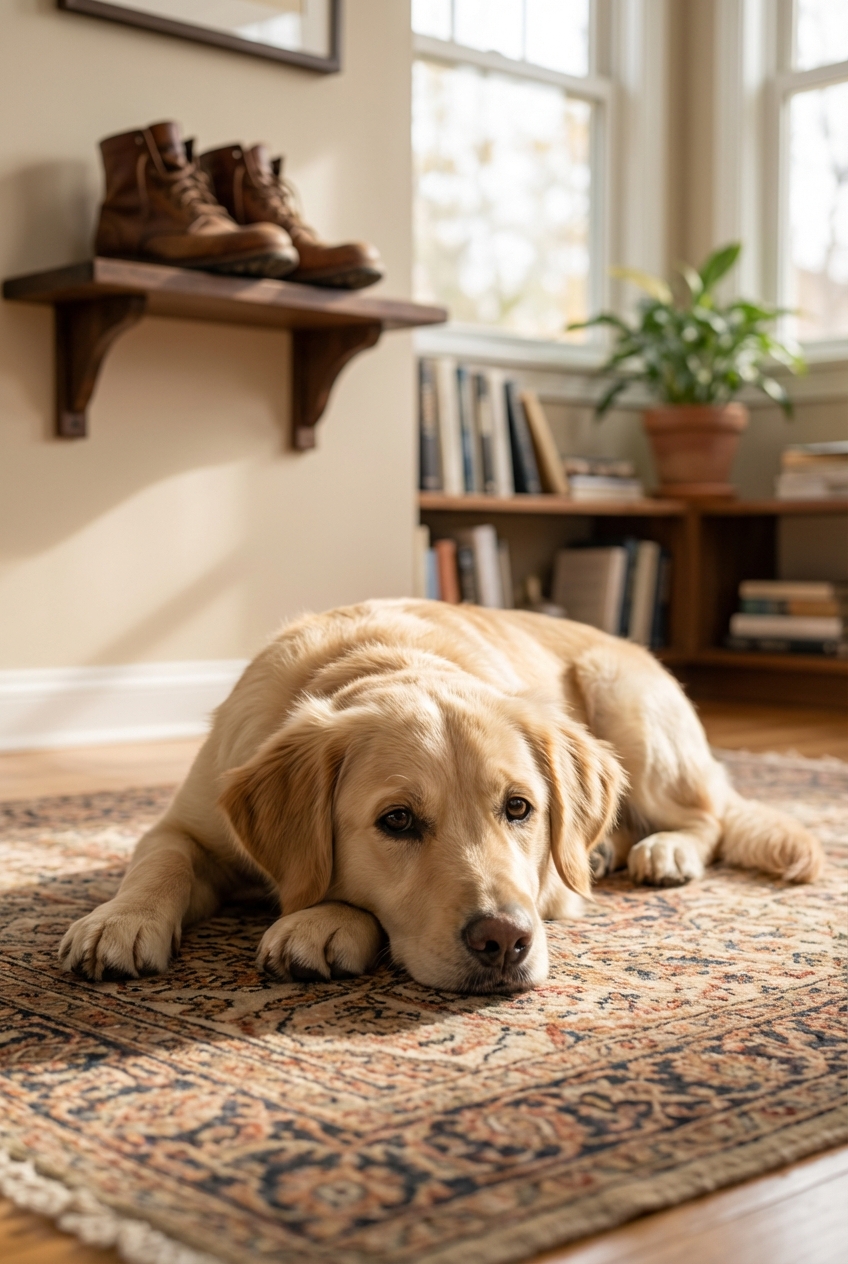
Learn why dogs chew and how to stop destructive habits fast: chew-proof your space, offer safer chew options, teach “drop it,” add enrichment, and know w...
Article
•
Designer Mixes
Dog Chews On Everything Quick Guide

Shari Shidate
Designer Mixes contributor
If your dog chews on everything, you are not failing as a pet parent. Chewing is normal canine behavior. But when it turns into shredded shoes, baseboards, remote controls, or risky swallowable items, it is time for an evidence-based plan.
This quick guide will help you figure out why your dog is chewing, what to do today, and when to call your veterinarian.
Why dogs chew
Chewing is a natural behavior that helps dogs explore, use their jaw muscles, and self-soothe. Problem chewing usually happens when a dog’s needs are not being met or when the environment makes it too easy to grab the wrong item.
Common causes
- Teething (most common in puppies, often around 3 to 6 months, sometimes up to 7 months).
- Boredom or not enough physical exercise.
- Under-stimulation (not enough sniffing, training, or problem-solving).
- Anxiety or stress (changes in routine, noise, separation, new home).
- Overtired puppies who get bitey and destructive.
- Hunger or highly palatable household smells (trash, kids’ snacks, buttery hands).
- Medical issues like GI discomfort, nausea, dental pain, or in some cases pica.
Chewing is often communication. Your dog is telling you something about energy, stress, or unmet needs.
First, make it safe
Before training, safety comes first. Many “chewy” household items can cause intestinal blockage or tooth fractures.
Remove the highest-risk items
- Socks, underwear, hair ties, kids’ toys, pacifiers
- Corncobs, bones from cooked meat, skewers
- Batteries, medications, nicotine products
- Strings, ribbons, rope toys that are unraveling
- Hard plastic pieces that can splinter
Quick home setup: use baby gates, close doors, and keep a lidded hamper. When you cannot supervise, use a crate or puppy-safe pen with approved chews (size-appropriate, durable for your dog, and safe to use with supervision). If your dog panics in confinement, especially when left alone, talk to your vet or a qualified trainer before relying on a crate.
The 60-second checklist: pick the right chew
A good chew should satisfy your dog’s chewing style while lowering the risk of broken teeth or swallowed chunks.
Chew types and what they are best for
- Rubber toys (stuffable): Great for power chewers and for boredom. You can freeze them with a small amount of wet food. If you use yogurt, choose plain, unsweetened, and xylitol-free, and skip it if your dog is dairy-sensitive.
- Nylon-style chews: Long-lasting and convenient. Many are very hard, so choose the right size, replace when worn down, and monitor for tooth wear or cracks, especially for intense chewers.
- Edible chews (bully sticks, collagen sticks): High value for many dogs. Always supervise and remove small end pieces. These can add a lot of calories and may upset sensitive stomachs, so adjust meals if needed.
- Dental chews: Helpful for plaque control when used consistently, but not a substitute for brushing. For the most evidence-based picks, look for products accepted by the VOHC (Veterinary Oral Health Council).
Two simple safety rules I use as a vet assistant
- Thumbnail test: if you cannot dent it with a fingernail, it may be hard enough to crack teeth for some dogs.
- Knuckle test: if it hurts when you tap it against your knuckle or knee cap, it is likely too hard for your dog’s teeth.
- Size matters: pick a chew large enough that it cannot be swallowed whole.
Important: Avoid cooked bones and antlers for many dogs because tooth fractures are a frequent cause of urgent dental visits in many clinics. If you do use very hard chews, do it with extra caution and talk with your vet, especially for aggressive chewers.
Stop the chewing without punishment
Chewing is self-rewarding. That means scolding often comes too late, and it can increase anxiety. Instead, we want to prevent rehearsal of the behavior and teach a better option.
Do this when you catch your dog chewing the wrong thing
- Stay calm and trade up. Offer a high-value treat, then hand them an approved chew.
- Praise the right choice the moment they take the chew toy.
- Remove the temptation for next time by putting the item away.
Quick caution: If your dog stiffens, freezes, growls, or snaps when you approach, do not try to grab items from their mouth. That can escalate into a bite. Get professional help from your vet, a qualified trainer, or a vet behaviorist.
Teach two lifesaving cues
- “Drop it”: reward heavily when your dog releases an item.
- “Leave it”: reward for disengaging before grabbing.
If you are consistent, these cues reduce stress for you and keep your dog safer.
Boredom is a chew trigger: try this daily plan
Many dogs chew because they have energy and curiosity that has nowhere to go. The good news is you can make a huge change with short, predictable routines.
Simple daily enrichment menu
- Sniff walk (10 to 20 minutes): let them sniff. Sniffing is exercise for the brain.
- Training snack (3 minutes): sit, down, touch, find it.
- Food puzzle (once daily): replace one bowl meal with a puzzle feeder or a frozen stuffed rubber toy.
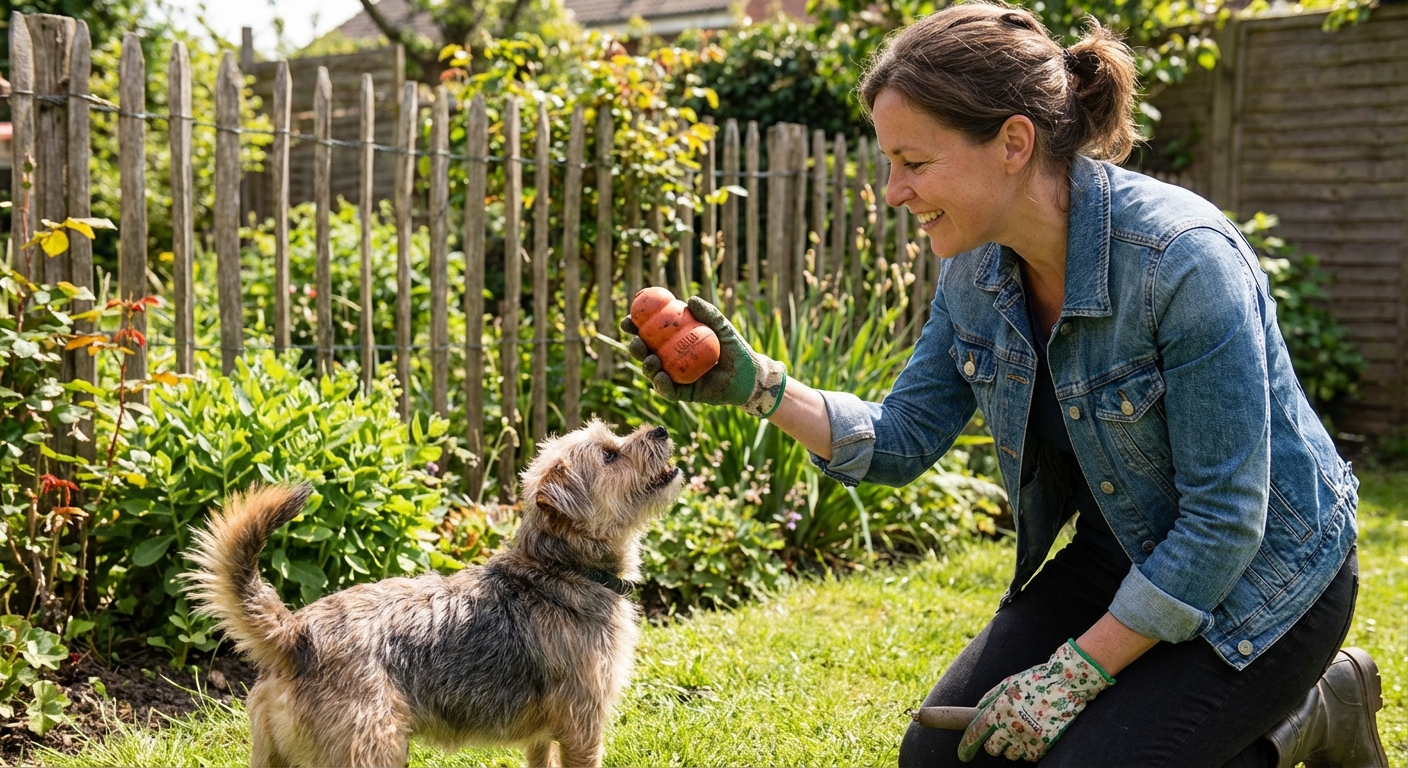
- Chew time (10 to 20 minutes): give an approved chew in a calm spot.
For puppies, add scheduled naps. Overtired puppies often look “naughty,” but they are just exhausted.
Bonus tip: If your dog targets a specific spot (like a rug corner or baseboard), clean it with an enzymatic cleaner. Leftover odor can make that area extra tempting.
If your dog chews when left alone
This can be simple boredom, or it can be separation-related distress. The difference matters.
Clues it may be anxiety
- Chewing near exits (doors, window sills)
- Drooling, pacing, vocalizing when you leave
- Accidents in the house despite being potty trained
- Destruction happens quickly after departure
If that sounds familiar, talk with your veterinarian. True separation anxiety is treatable, but it often needs a behavior plan and sometimes medication support. You do not have to white-knuckle through it.
When chewing means “call the vet”
Most chewing is manageable with training and routines. The exception is when swallowing something becomes a risk.
Please contact your veterinarian urgently if you suspect your dog swallowed something, especially fabric, string, corn cobs, toys, or large pieces of chew.
Red flags
- Repeated vomiting or retching
- Not eating, lethargy, painful belly
- Diarrhea, straining, or no stool
- Gagging, coughing, or trouble breathing
- Swollen face or hives after a chew or treat
- Broken tooth, bleeding gums, pawing at the mouth
Blockages can become emergencies fast. The earlier you get help, the better the outcome.
Quick recommendations by age
Puppies (teething)
- Chilled rubber chews, frozen stuffed toys, soft dental chews
- Rotate toys daily to keep them “new”
- Limit free roaming and supervise closely
Adult dogs
- Daily enrichment plus one long-lasting chew
- Teach “drop it” and “leave it” with high-value rewards
- Use management: doors, gates, shelves, closed bins
Seniors
- Softer chews if dental disease is present
- Consider a vet dental check if chewing suddenly changes
Bottom line
Chewing is normal. Destructive chewing is usually a combination of opportunity plus unmet needs. Start with safety and management, then add daily enrichment and a few reliable training cues. In many homes, that is enough to turn chaos into calm.
If you want, tell me your dog’s age, breed mix, and what they are chewing most, and I can suggest a short chew and enrichment plan that fits your routine.