A vet assistant explains how omega-3s (EPA and DHA) support dogs’ skin, coat, joints, and some heart conditions—plus how to dose by weight, read labels, ...
Article
•
Designer Mixes
Dog Care Tips With Coconut Oil

Shari Shidate
Designer Mixes contributor
Coconut oil has a reputation as a cure-all in the pet world, but in real life it is best thought of as a simple tool. Used the right way, it can temporarily soften dry skin, add calories for dogs who need them, and help with grooming routines. Used the wrong way, it can cause tummy upset, add unwanted weight, or make already-inflamed skin harder to manage.
As a veterinary assistant here in Frisco, Texas, I like practical, evidence-based habits. Let’s walk through how to use coconut oil safely for your dog, what it can and cannot do, and when it is better to skip it.
What it is and why it is popular
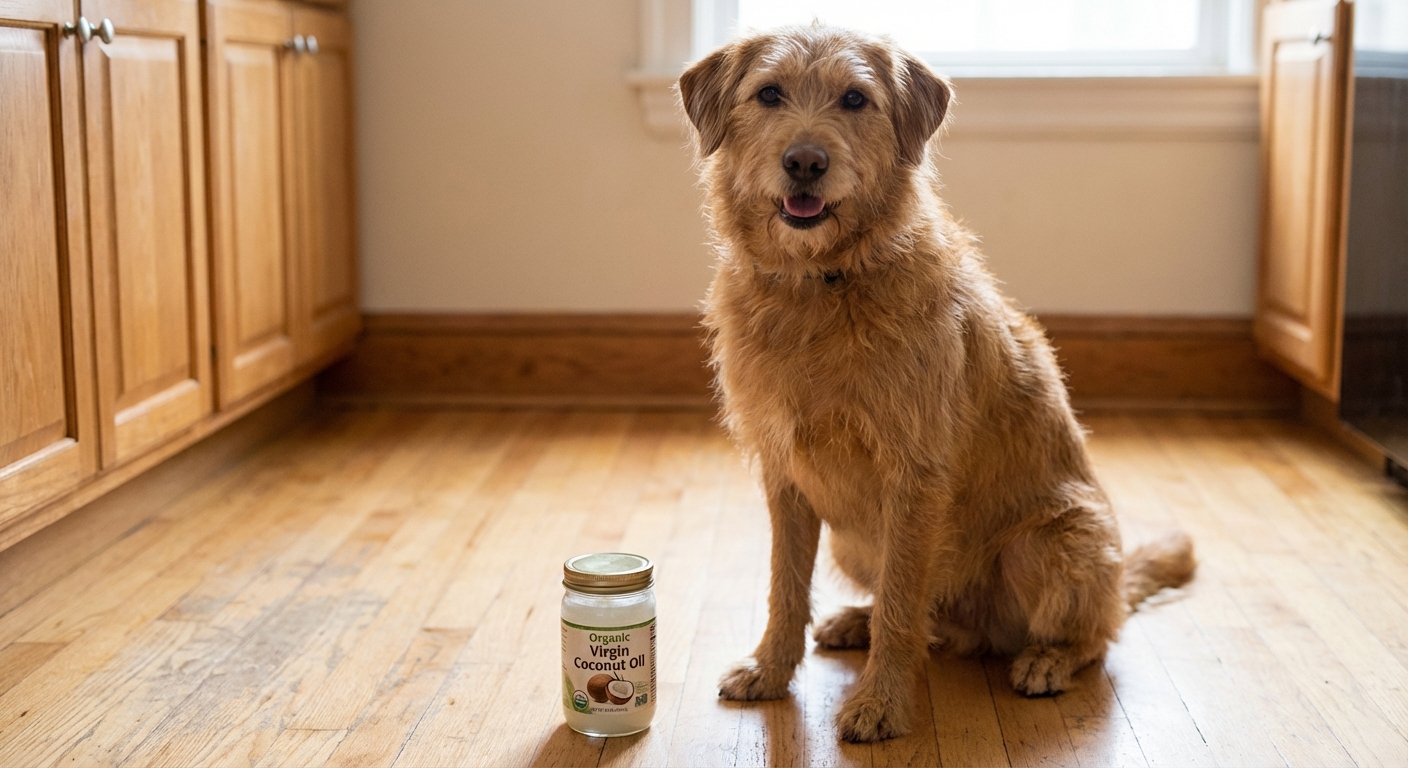
Coconut oil is mostly saturated fat. It contains medium-chain triglycerides (MCTs), including lauric acid. In people and in some animal research, MCTs have been studied for energy metabolism and a few medical uses. In dogs, coconut oil is most commonly used in two ways: as a small dietary add-on or as a topical grooming aid.
What we do not have is strong proof that coconut oil, by itself, treats chronic skin disease, allergies, or infections. Evidence in dogs is limited and tends to be condition-specific. So the sweet spot is using it as supportive care while still addressing the true cause of itching, odor, ear problems, or recurrent hot spots.
Benefits you can expect
1) Extra calorie support
For very active dogs or dogs who need to gain weight under veterinary guidance, coconut oil can be an easy way to add calories. It is energy-dense, so a small amount goes a long way. As a ballpark, coconut oil is about 120 calories per tablespoon, which is a lot for small dogs.
2) Coat conditioning for some dogs
Some owners notice a shinier coat when they add a small amount of fat to the diet, including coconut oil. This is not unique to coconut oil, and dogs with skin disease often need targeted therapy rather than extra fat.
3) Grooming help for dry, flaky areas
Topically, a very small amount can soften dry patches and help you gently loosen debris in the coat before a bath. Think “light conditioner,” not medicine.
When it is a bad idea
- Dogs prone to pancreatitis or with a history of pancreatitis. High-fat add-ons may increase the risk of a flare in predisposed dogs.
- Overweight dogs or dogs gaining weight easily. Coconut oil is pure calories.
- Dogs with chronic diarrhea or sensitive stomachs. It can loosen stools, especially if introduced too fast.
- Very inflamed, oozing, or infected skin. Oil can trap moisture, add greasiness, and occlude skin, which can complicate management. Treat the underlying issue first.
- Any dog on a therapeutic diet (kidney, GI, pancreatitis, allergy trials). Ask your vet before adding extras that can change nutrient balance.
How to choose one
If you decide to try it, keep it simple:
- Unrefined (virgin) coconut oil is commonly chosen for minimal processing.
- Food-grade and fresh, stored tightly sealed.
- No added essential oils, fragrances, sweeteners, or xylitol. Plain only.
Also remember: “natural” does not automatically mean “safe for every dog.” Dose and context matter.
Feeding it safely
Dose matters because coconut oil is concentrated fat and concentrated calories. The biggest mistake I see is starting with too much. Coconut oil can cause soft stool, vomiting, or gas when introduced quickly.
Start low, go slow
- Start with a tiny taste mixed into food.
- Hold that dose for 3 to 5 days while you watch stool quality.
- If stools stay firm and your dog feels good, slowly increase.
Very conservative starter doses
There is no single perfect dose for every dog. If you want a cautious place to start, use this starter guide (not a target maximum):
- Up to 10 lb: start around 1/8 teaspoon once daily
- 10 to 30 lb: start around 1/4 teaspoon once daily
- 30 to 60 lb: start around 1/2 teaspoon once daily
- Over 60 lb: start around 1 teaspoon once daily
If you are considering daily ongoing use or higher amounts, ask your veterinarian to help set a reasonable target maximum based on your dog’s weight goals, pancreatitis risk, triglycerides, and total diet.
If you see vomiting, greasy stool, diarrhea, or your dog seems uncomfortable or lethargic, stop and call your vet. If you notice severe vomiting, abdominal pain, a hunched posture, or repeated refusal to eat, seek urgent veterinary care since those signs can be consistent with pancreatitis or other serious GI problems.
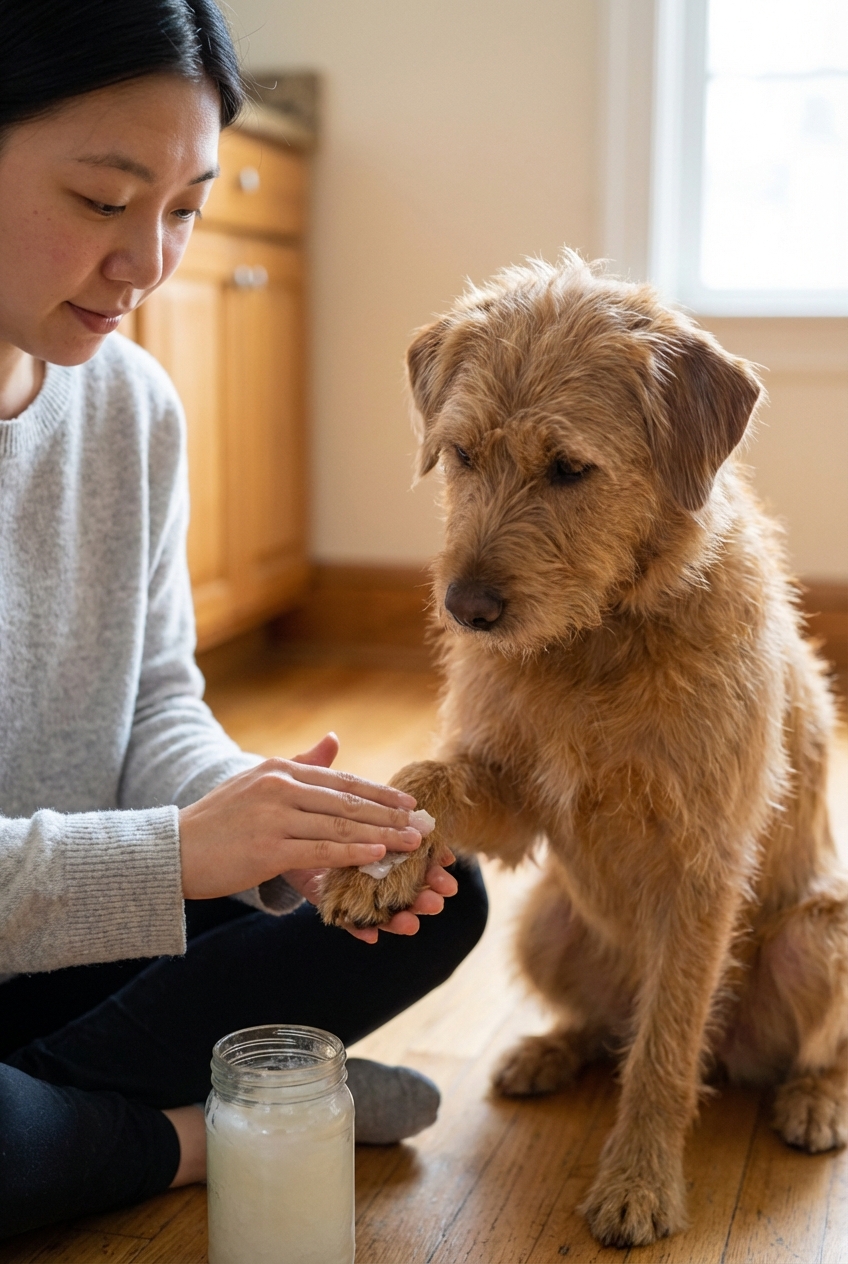
Topical use: paws and coat
Topical coconut oil is best used in very small amounts. A little goes a long way, and too much turns into a greasy magnet for dust. Also, many dogs will lick it. Coconut oil is not typically toxic in small amounts, but licking a lot of it can still cause stomach upset.
Paw balm approach
- Use a pea-sized amount total for all four paws.
- Rub in well, especially between the pads.
- Distract for a few minutes so your dog does not lick it all off (or use an e-collar if needed).
Coat conditioning
- Warm a tiny amount between your hands.
- Lightly smooth over dry ends of the coat, then brush.
- If your dog looks oily, you used too much. Next time, cut the amount in half.
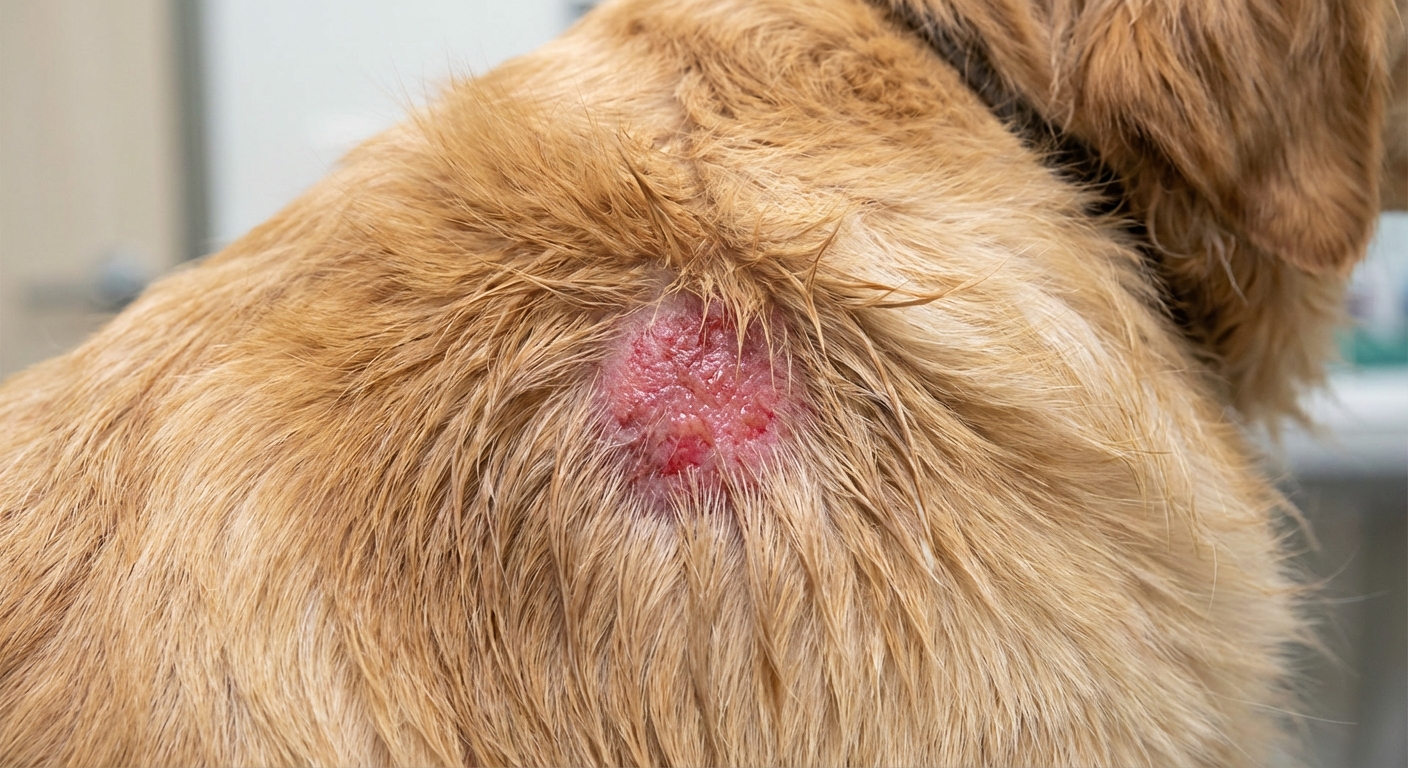
Do not apply coconut oil to open wounds, oozing lesions, or deep skin infections. And if the skin is red, weepy, smelly, or your dog is intensely itchy, you are likely dealing with infection, parasites, or allergy. Coconut oil is not a substitute for diagnostics and treatment.
Common concerns
Itching and allergies
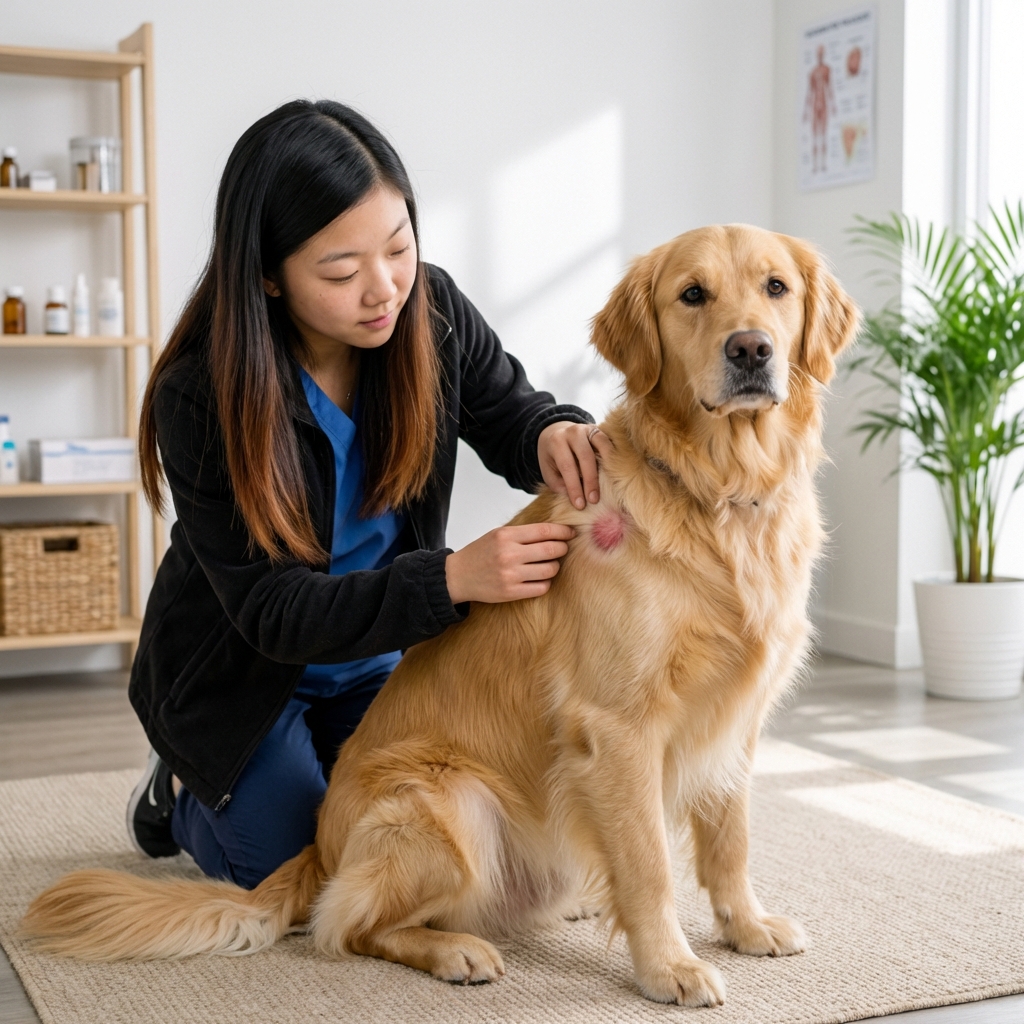
Some owners report mild comfort, but most allergic dogs need a full plan: flea control, a veterinary skin exam, and sometimes cytology to check for yeast or bacteria, plus targeted medications or allergy therapy. If your dog is itchy, coconut oil should be the extra, not the main event.
Hot spots
Hot spots are often infected and painful. They typically need clipping, cleaning, and sometimes antibiotics or anti-itch medication. Putting oil on top can trap moisture and make the area messier. If you suspect a hot spot, call your vet.
Bad breath
Oil does not replace dental care. Daily tooth brushing, dental chews with the VOHC seal when appropriate, and professional cleanings make the biggest difference.
Shedding
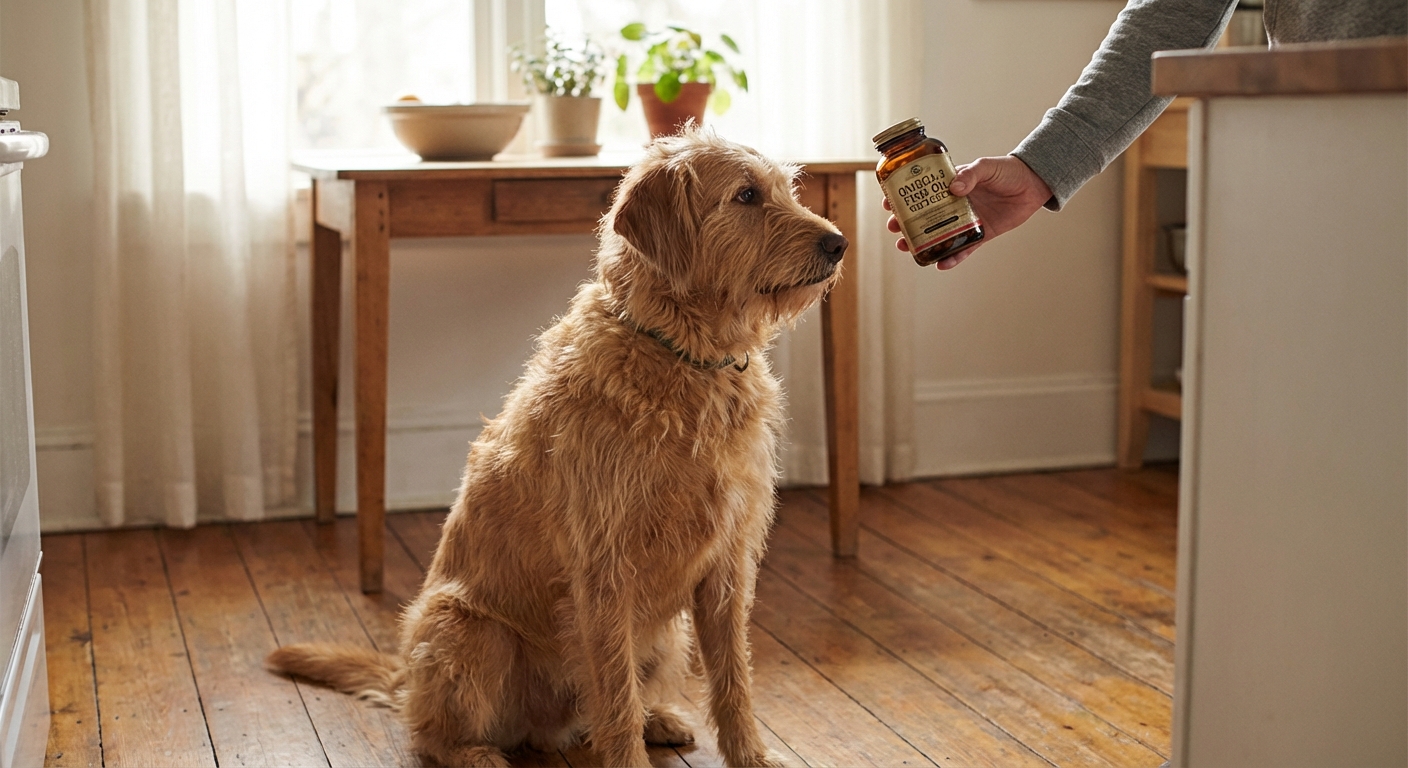
Shedding is more about genetics, seasonal cycles, and overall nutrition. If you want coat improvements, talk to your vet about omega-3s from fish oil, which have stronger evidence for skin and coat support than coconut oil.
Where it fits in a routine
If you want “complete dog care,” coconut oil should be a small piece of the bigger puzzle:
- Nutrition first: Feed a balanced diet that meets AAFCO standards or a properly formulated homemade diet with veterinary guidance.
- Parasite prevention: Use consistent flea and tick control recommended for your region and your dog’s lifestyle.
- Skin basics: Bathe as needed with a dog-appropriate shampoo, fully dry the coat, and brush regularly.
- Dental routine: Brush teeth, schedule dental exams, and address tartar early.
- Vet checkups: Yearly wellness visits, or twice yearly for seniors, catch issues before they become big problems.
- Smart supplements: Use targeted supplements for a reason, not because they are trending.
Safety checklist
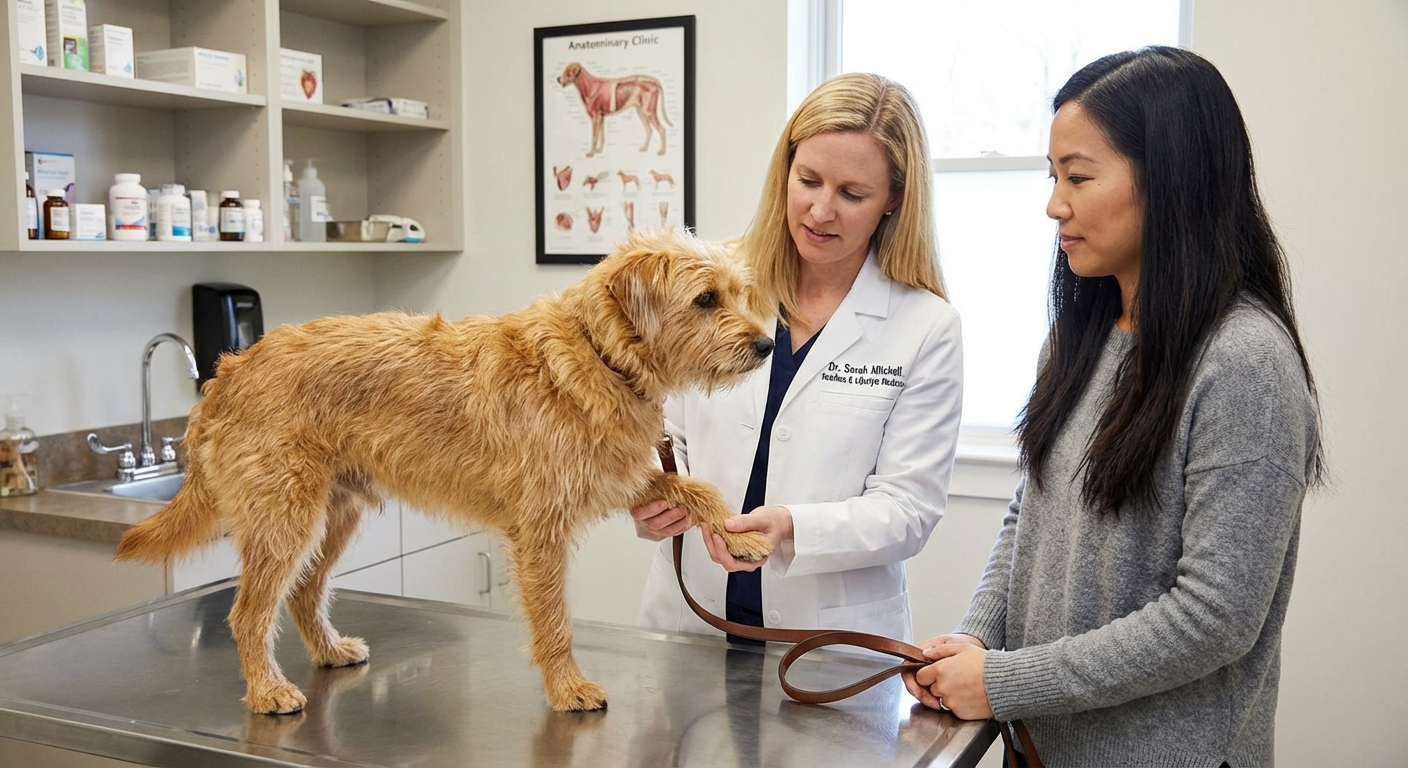
Stop and contact your vet if you notice:
- Vomiting, diarrhea, or greasy stool that lasts more than 24 hours
- Abdominal pain, hunched posture, or refusal to eat
- Sudden intense itching, redness, swelling, or hives
- Ear odor, brown debris, or head shaking
- Rapid weight gain or worsening lethargy
If your dog has diabetes, a pancreatitis history, high triglycerides, or is on a therapeutic diet, check with your veterinarian before adding coconut oil at all.
Bottom line
Coconut oil can be a helpful, simple add-on for some dogs, especially for light grooming support or small calorie boosts. The key is using it sparingly, introducing it slowly, and keeping your expectations realistic. When a dog is itchy, smelly, or inflamed, the kindest thing you can do is treat the cause, not just the symptoms.
Small steps count. If you want to try coconut oil, start tiny, watch your dog closely, and let your veterinarian guide you when health conditions are involved.