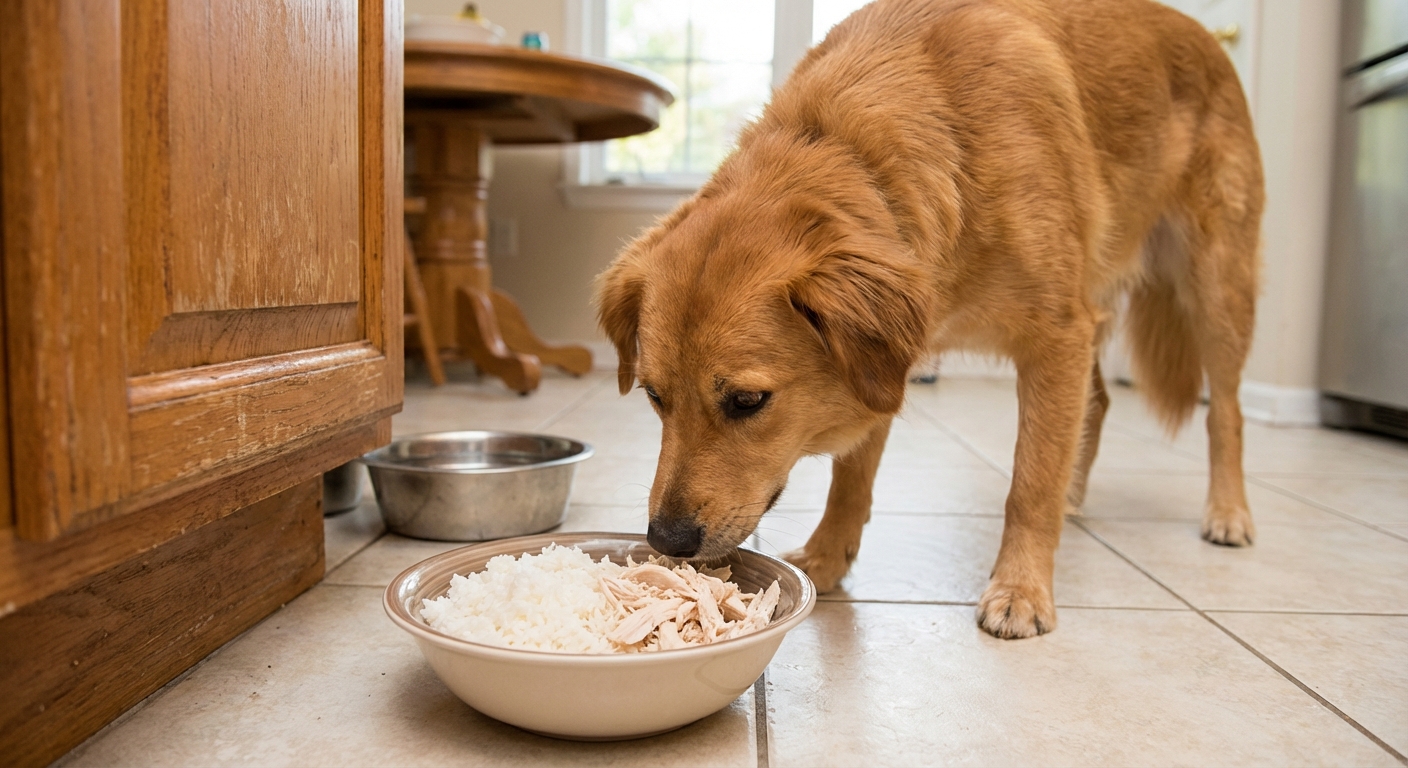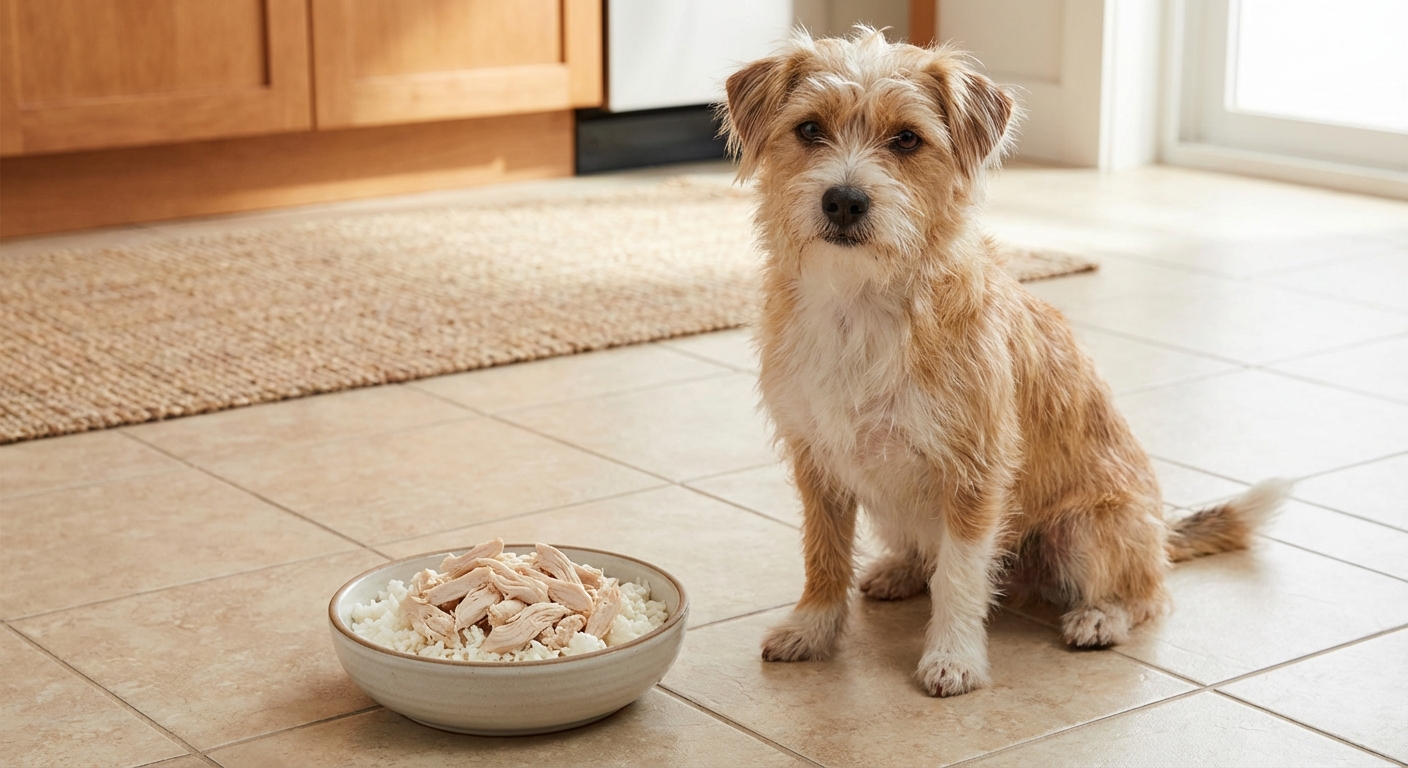
Chicken and rice can soothe mild stomach upset and help dogs transition back to normal food. Learn safe recipes, portions, how long to feed it, and when to c...
Article
•
Designer Mixes
Dog Bright Yellow Vomit

Shari Shidate
Designer Mixes contributor
If you have ever walked into the room and found a puddle of bright yellow vomit, I know how fast your mind can jump to worst-case scenarios. Take a breath. In many dogs, yellow vomit is related to bile and an empty stomach, and it can be mild and short-lived. In other situations, it is a sign you should call your veterinarian right away.
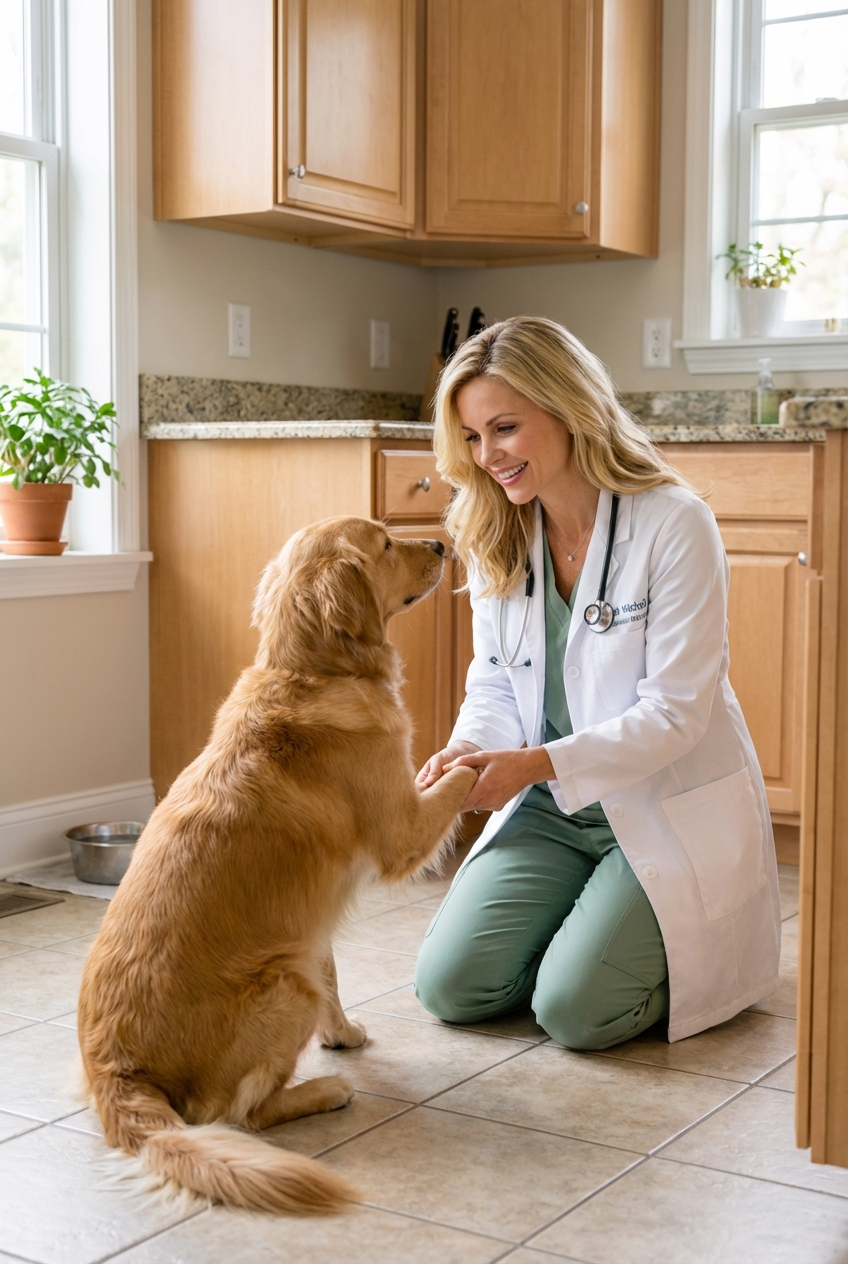
As a veterinary assistant here in Frisco, Texas, I always encourage pet parents to focus on two things: your dog’s overall behavior and what else is happening besides the vomit. Those clues matter just as much as the color.
What bright yellow vomit usually means
That bright yellow color is most often bile. Bile is a digestive fluid made by the liver and typically stored in the gallbladder. It helps break down fats and normally flows into the small intestine. When a dog vomits on an empty stomach, bile can be a big part of what comes up, which is why the vomit can look bright yellow, yellow-green, or foamy.
Quick visual tip: some dogs bring up a small, foamy yellow puddle when their stomach is empty. Others vomit food plus yellow liquid if they ate recently and still have bile present.
Common, less serious causes
- Empty stomach “bile puke” (often early morning or late night): sometimes called bilious vomiting syndrome.
- Eating too fast or mild stomach irritation.
- Diet change, rich treats, greasy table scraps.
- Grass eating: sometimes dogs eat grass when nauseated, sometimes they eat grass and then vomit. Either way, it can irritate the stomach.
- Motion sickness (car rides).
- Mild gastritis from stress or scavenging something in the yard.
Causes that can be more serious
Yellow vomit can also show up with conditions where nausea is present, including:
- Foreign body (toy, sock, corn cob, bones, rocks).
- Pancreatitis (more common after fatty foods).
- Parvovirus in unvaccinated puppies, or other infectious GI illness.
- Intestinal obstruction, ileus, or severe constipation (also called obstipation), which can all lead to vomiting.
- Liver or gallbladder disease (less common, but important).
- Kidney disease or toxin exposure that triggers nausea.
- Addison’s disease (hypoadrenocorticism), which can cause vomiting, diarrhea, weakness, and dehydration and can look like a “simple stomach bug” at first.
Is yellow vomit an emergency?
Sometimes yes. The goal is to spot the red flags quickly.
Call your vet urgently (same day) if you notice any of these
- Repeated vomiting (more than 2 to 3 times in a day) or vomiting that continues more than 12 to 24 hours.
- Blood in vomit (bright red or coffee-ground appearance).
- Severe lethargy, weakness, collapse, or your dog seems “not themselves.”
- Abdominal pain, a tense belly, hunching, whining, praying position.
- Unproductive retching or trying to vomit but nothing comes up.
- Bloated abdomen (especially deep-chested breeds): this can be consistent with bloat, which is an emergency.
- Diarrhea that is severe, watery, or bloody along with vomiting.
- Possible foreign body: missing toy pieces, chewed fabric, trash raiding.
- Dehydration: dry or tacky gums, sunken eyes, weakness, not drinking, or very little urine.
- Puppies, seniors, or dogs with chronic conditions (diabetes, kidney disease, Addison’s, etc.).
- Toxin risk: xylitol, grapes/raisins, medications, rodent poison, marijuana, mushrooms, etc.
If it happened once and your dog seems okay
If your dog vomited bright yellow one time, then acts normal, wants to eat, and has normal energy, it may be reasonable to monitor closely at home. You still want to keep an eye out for repeat episodes or new symptoms.
Vomit vs regurgitation
Pet parents often use “vomit” for both, but the difference matters.
- Vomiting usually involves nausea and effort (lip licking, drooling, heaving) and produces partially digested food or liquid.
- Regurgitation is more passive. Food often comes up in a tube shape, looks less digested, and can happen shortly after eating or drinking.
If you think it might be regurgitation, call your vet. It can point to an esophageal issue and the advice may be different.
What you can do at home
These are general tips for healthy adult dogs who had a single mild vomiting episode and are otherwise acting normal. If you are unsure, call your veterinary clinic. When in doubt, I would rather you call and feel reassured than wait and worry.
1) Pause food briefly, then reintroduce gently
- Many veterinarians recommend withholding food for a short period (often 6 to 12 hours) for mild stomach upset in adult dogs. Practices vary, so follow your vet’s guidance, and do not fast puppies without veterinary direction.
- Reintroduce small meals of a bland diet: boiled skinless chicken and white rice, or a veterinary GI diet if you have it.
- Feed small portions every 4 to 6 hours for 24 hours, then gradually transition back to regular food over 2 to 3 days.
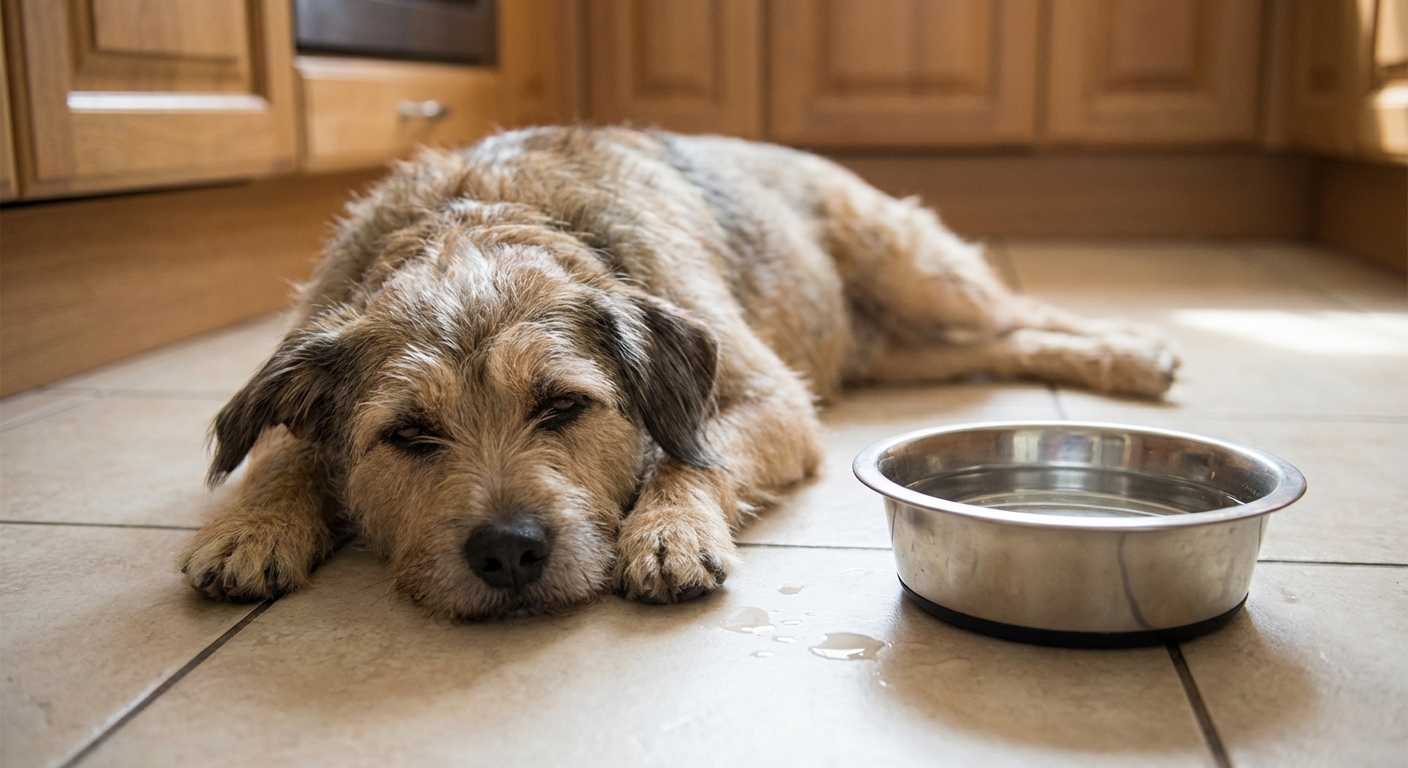
2) Focus on hydration
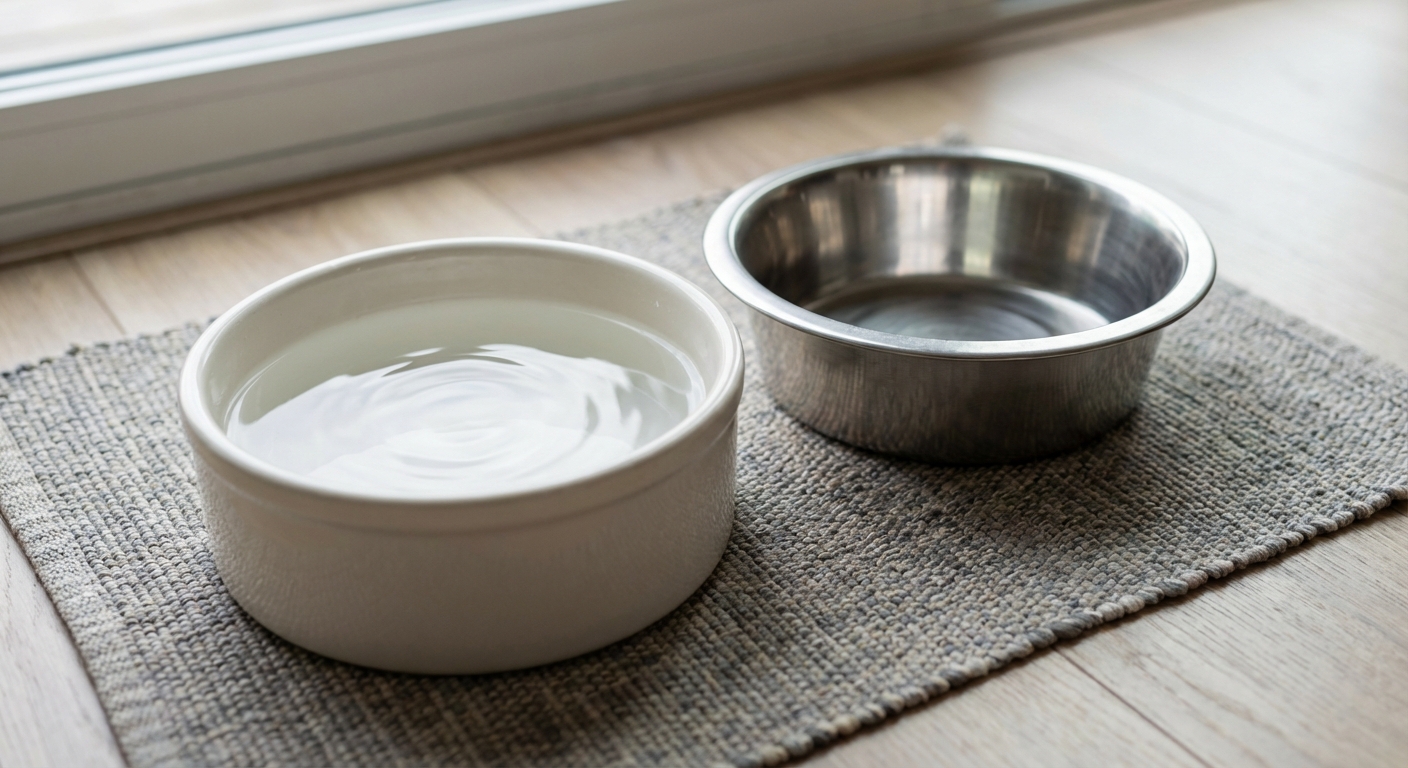
- Offer small amounts of water frequently.
- If your dog gulps water and vomits again, offer smaller sips more often.
- If you are checking hydration at home, look for tacky gums and whether your dog is still urinating normally. If you are unsure, call your vet rather than trying to interpret subtle signs on your own.
- Ask your vet if an electrolyte solution made for pets is appropriate for your dog.
3) Prevent “empty stomach” vomiting
If the pattern is early-morning yellow foam, many dogs do better with:
- Smaller, more frequent meals.
- A bedtime snack (something simple and low-fat).
- Discussing with your veterinarian whether stomach-protectant medication is needed. Please do not start human medications unless your veterinarian says it is safe for your dog.
4) Do not give these without veterinary direction
- Pepto-Bismol or other bismuth products: can be unsafe in certain situations and can turn stool dark, confusing the picture. Never give bismuth products to cats.
- Ibuprofen or naproxen: can be toxic.
- Aspirin: can be dangerous without veterinary direction, even though it is used in specific cases under a vet’s care.
- “Leftover antibiotics”: not appropriate and can worsen GI upset.

Clues that help your vet
If you do call or visit the clinic, these details are incredibly helpful:
- How many times your dog vomited and when it started.
- What it looks like: foamy bile, food, mucus, grass, worms, blood.
- Any diarrhea, and if there is blood or mucus.
- Diet details: new food, treats, chews, table scraps.
- Access to hazards: toys, socks, trash, compost, medications, toxins.
- Energy level and appetite changes.
- Vaccination status (especially puppies).
- Other symptoms: drooling, pacing, gulping, painful belly, coughing.
If you can do it safely, a quick photo of the vomit can help your vet. I know that sounds a little gross, but it can give useful information.
Empty stomach vomiting
When a dog’s stomach is empty for a long stretch, acid and bile can irritate the stomach lining. Some dogs are simply more sensitive than others. You will often see a pattern like this:
- Vomit happens early morning before breakfast or late evening when dinner was many hours ago.
- Vomit is small in volume, yellow, and foamy.
- Dog seems better quickly afterward and wants to eat.
This pattern is common, but it is still worth discussing with your vet, especially if it starts happening more often. Frequent vomiting is never something to ignore long-term.
When food matters most
Many bouts of vomiting are triggered by dietary indiscretion, meaning your dog ate something unusual, rich, fatty, or spoiled. In my experience, the biggest troublemakers are:
- Greasy meats and fatty leftovers.
- Sudden treat overload, especially rich chews.
- Raiding the trash or compost.
- Switching foods too quickly.
Actionable tip: If you want to upgrade your dog’s diet, go slow. Even healthy foods can upset the stomach if introduced too fast. A gradual transition over 7 to 10 days is a kinder approach for most dogs.
FAQ
Is bright yellow vomit always bile?
Often, yes, but not always. Some foods, supplements, and pigments can also make vomit look yellow. If you are uncertain, share a photo and your dog’s recent diet history with your vet.
My dog vomits yellow bile but acts hungry. Should I feed them?
If your dog is otherwise normal and it was a single mild episode, small bland meals can help. If vomiting repeats, your dog seems painful, or you suspect a foreign body, call your vet before offering more food.
Can worms cause yellow vomit?
Parasites can cause vomiting in some dogs, especially puppies. Occasionally you may see worms in vomit, but many times you will not. Your vet can run a fecal test and recommend the right dewormer.
Does yellow vomit mean pancreatitis?
Not by itself. Pancreatitis usually comes with significant nausea, repeated vomiting, belly pain, reduced appetite, and lethargy. It is more common after fatty foods and needs veterinary care.
The bottom line
Bright yellow vomit is most commonly bile, and one mild episode in a dog who is otherwise acting normal may resolve with rest, hydration, and a gentle feeding plan. But repeated vomiting, signs of pain, lethargy, dehydration, or any concern for toxins or a foreign body should be treated as urgent.
If you are worried, trust that instinct and call your veterinarian. You know your dog best, and early support can prevent small GI issues from turning into big ones.