Understand heavy breathing in dogs: panting vs fast or labored breathing, how to check resting breathing rate and gums, common causes, and the emergency red ...
Article
•
Designer Mixes
Dog Breathing Problems: Emergency Signs at Home

Shari Shidate
Designer Mixes contributor
When a dog is struggling to breathe, minutes matter. As a veterinary assistant, I have seen how quickly breathing issues can escalate, even when your pup looked “mostly fine” just a moment ago. The good news is that you can learn a few clear, at-home emergency signs that tell you when to go to an emergency vet right away, plus a calm, practical plan for what to do next.
If you are unsure, treat breathing trouble as an emergency. It is always safer to be told “everything looks okay” than to wait while your dog’s oxygen levels drop.
What normal breathing looks like
Knowing your dog’s baseline makes it much easier to spot trouble early.
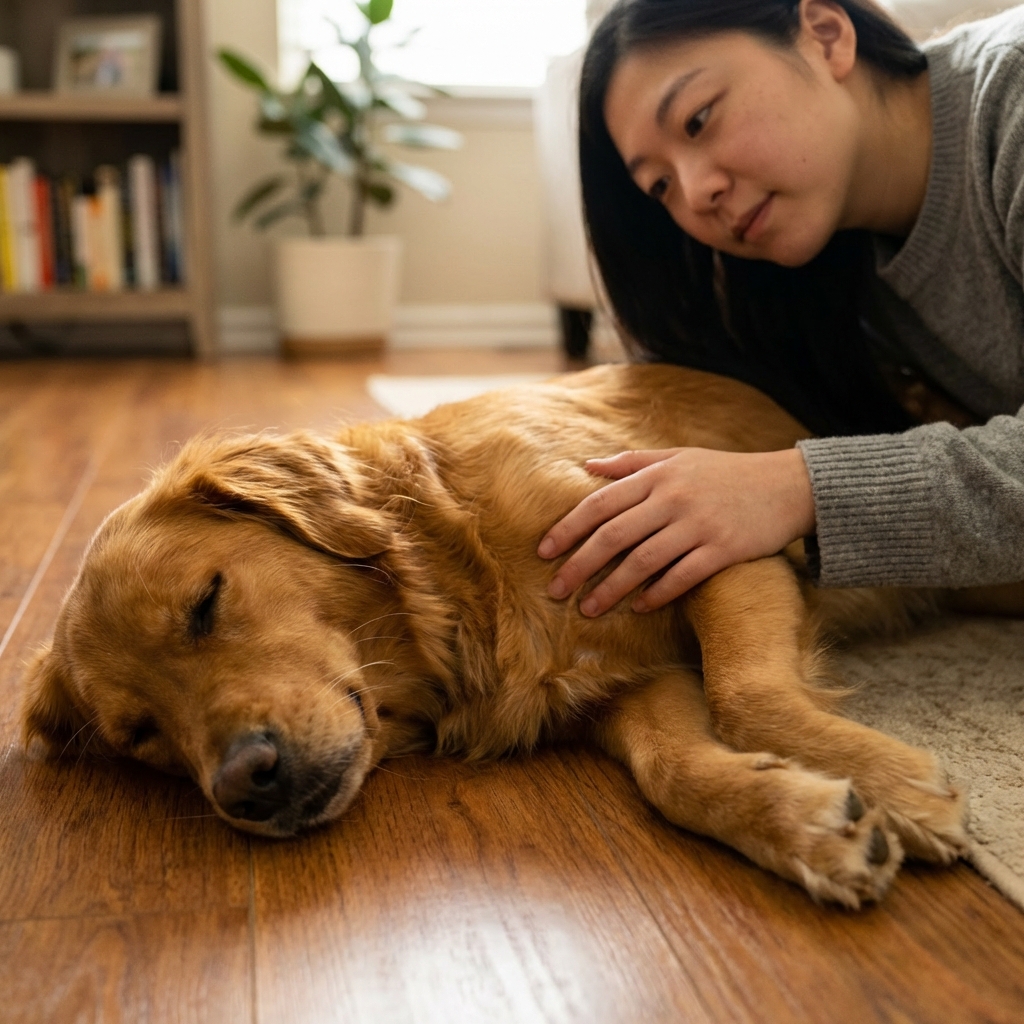
- Resting respiratory rate: Most healthy dogs breathe about 10 to 30 breaths per minute at rest. Smaller dogs and puppies can run a bit higher. Temperature, stress, and pain can also raise the number.
- Effort: The chest and belly should move smoothly without strain.
- Sound: Quiet breathing is typical during rest. Light snoring can be normal for some dogs, especially brachycephalic (short-nosed) breeds, but it should not suddenly worsen.
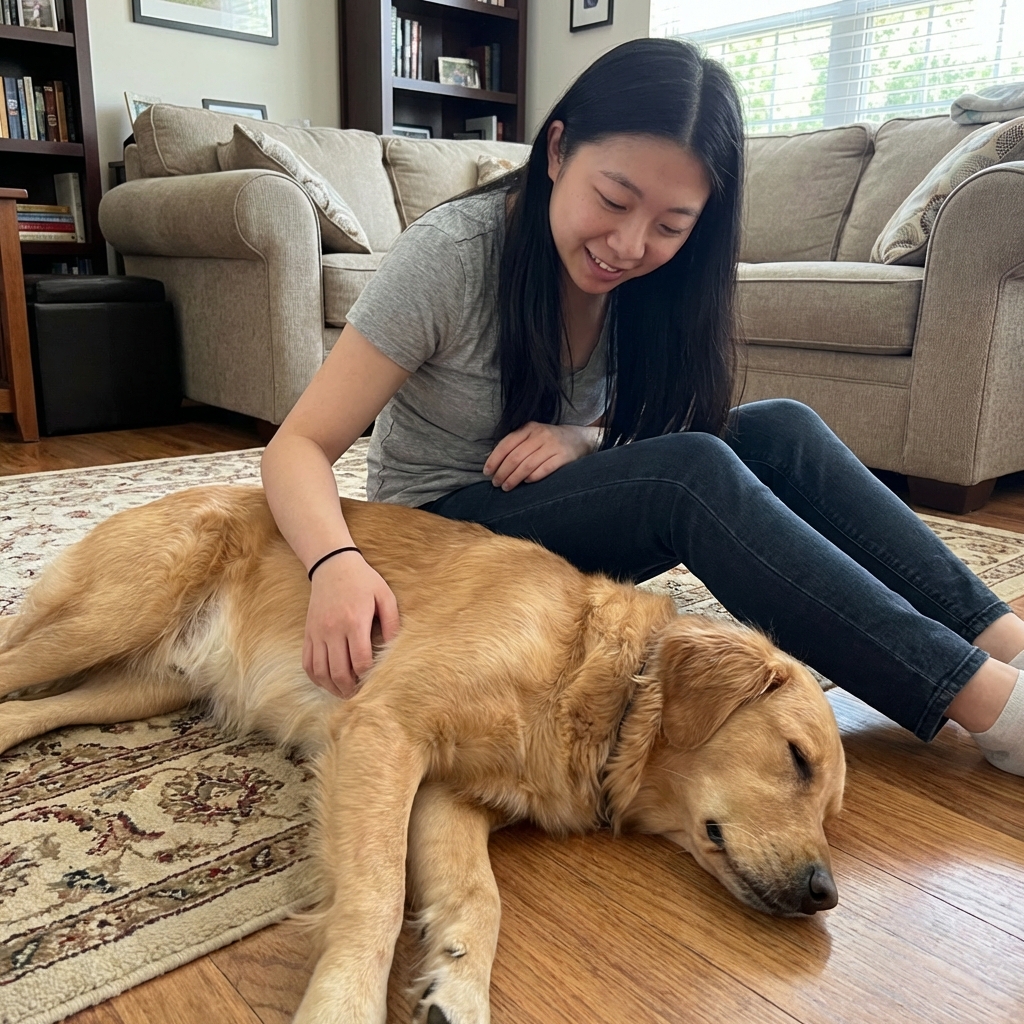
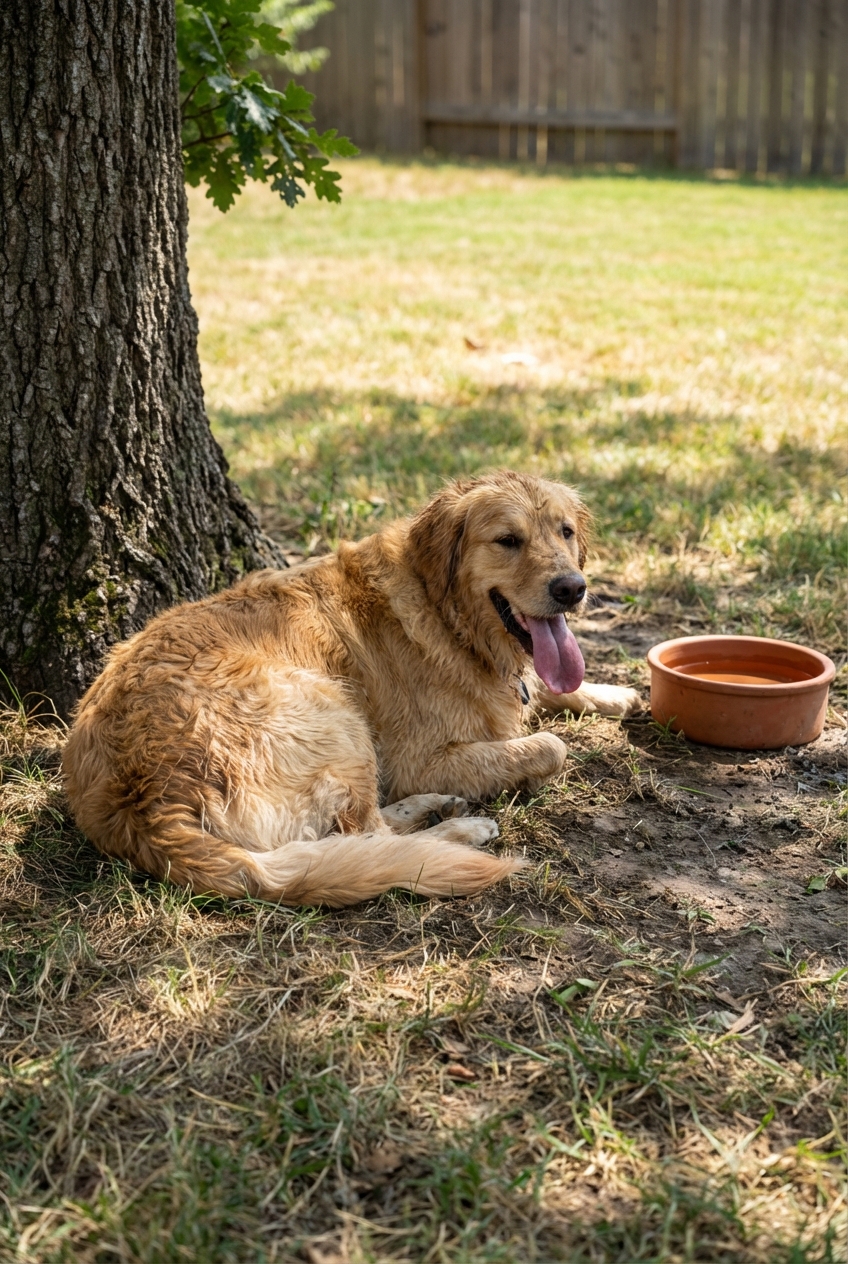
Resting vs. panting: Panting after play, heat, or excitement can be normal. What worries me is fast breathing that continues when your dog is truly resting, especially if they look like they are working to breathe.
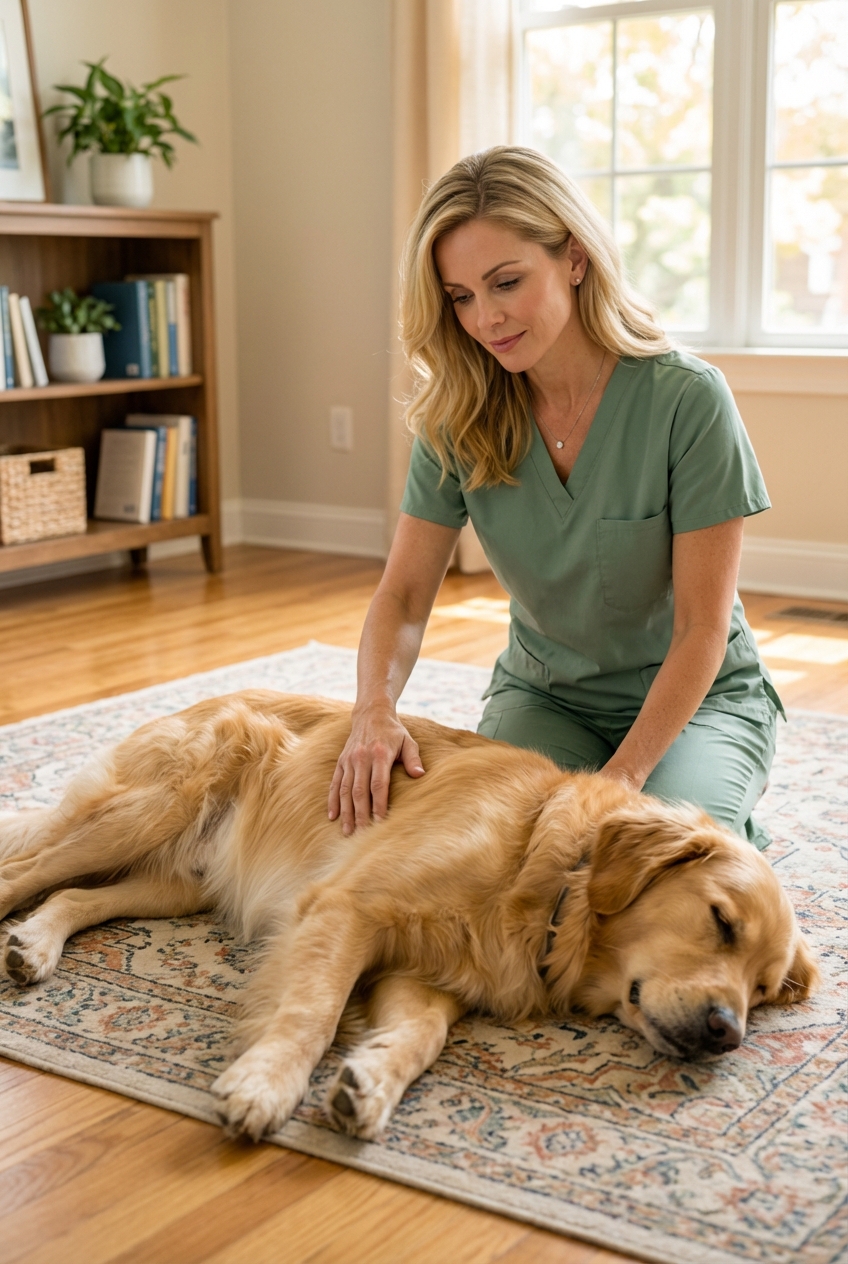
Quick check: Count breaths when your dog is fully asleep or truly relaxed, not right after a walk or play. Count how many times the chest rises in 15 seconds, then multiply by 4.
Emergency signs: Go to ER now
If you notice any of the signs below, do not “wait and see.” These are strong indicators that your dog may not be getting enough oxygen or has a serious underlying problem.
1) Blue, gray, or very pale gums
Healthy gums are usually bubblegum pink (though some dogs have natural dark pigment). Blue or gray gums and tongue can signal dangerously low oxygen. Pale gums can also suggest shock or severe blood loss.
If your dog has dark or black gums: Check the tongue, inner lip, or inner eyelid instead. In good light, those areas should still look healthy and pink, not gray, white, or blue.
2) Struggling to breathe (increased effort)
- Belly heaving, ribs visibly working, or the whole body involved in breathing
- Neck stretched forward, elbows held out, or a “wide stance” to breathe
- Open-mouth breathing or panting when your dog is not hot, excited, or exercising
3) Noisy breathing that is new or worsening
Listen for harsh sounds like stridor (high-pitched noise on inhale), wheezing, or loud raspy breathing. Sudden noisy breathing can be linked to upper airway obstruction, swelling, or foreign material.
4) Collapse, extreme weakness, or fainting
These are emergency-level signs. Your dog may be experiencing low oxygen, heart rhythm issues, heatstroke, internal bleeding, or other life-threatening problems.
5) Choking, gagging, or pawing at the mouth
Especially if your dog cannot settle, is drooling heavily, or seems panicked. A foreign object can shift and fully block the airway.
6) Coughing up pink foam or blood
This can be associated with fluid in the lungs, trauma, toxin exposure (like certain rodenticides), severe infection, or heart-related issues.
7) A swollen face or sudden hives with breathing changes
Allergic reactions can cause airway swelling. If you see facial swelling, hives, vomiting, or diarrhea along with respiratory changes, treat it as an emergency.
8) Rapid breathing at rest that does not settle
As a general rule, a resting rate that is sustained over about 30 to 35 breaths per minute and is new for your dog is concerning. A resting rate over 40 breaths per minute, especially with effort, is more urgent. If your dog is sleeping and still breathing fast, that is a red flag.
9) Distended belly or nonstop unproductive retching
A suddenly enlarged, tight abdomen with breathing trouble, drooling, or repeated retching can be a sign of bloat (GDV). This is a true emergency.
10) Continuous coughing with distress
Coughing that will not stop, especially if your dog seems panicked or cannot get comfortable, is reason to go in.
What to do at home while you head to the vet
Your goal is to keep your dog calm, keep the airway as open as possible, and get professional help quickly.
Step 1) Minimize stress and movement
- Keep your voice calm and your touch gentle.
- Prevent running, stairs, or jumping.
- If your dog will tolerate it, use a harness instead of a collar to avoid pressure on the neck.
Step 2) Improve airflow and temperature
- Move to a cool, well-ventilated area.
- Use AC in the car, crack windows for ventilation, and avoid heat.
- For short-nosed breeds, overheating and airway swelling can snowball quickly, so cooling matters.
Step 3) Look for obvious choking only if it is safe
If your dog is actively choking and you can safely look inside the mouth, check for a visible object near the front. Do not blindly sweep your fingers in the throat. You can push an object deeper or get bitten, even by a sweet dog in panic.
Step 4) Transport safely
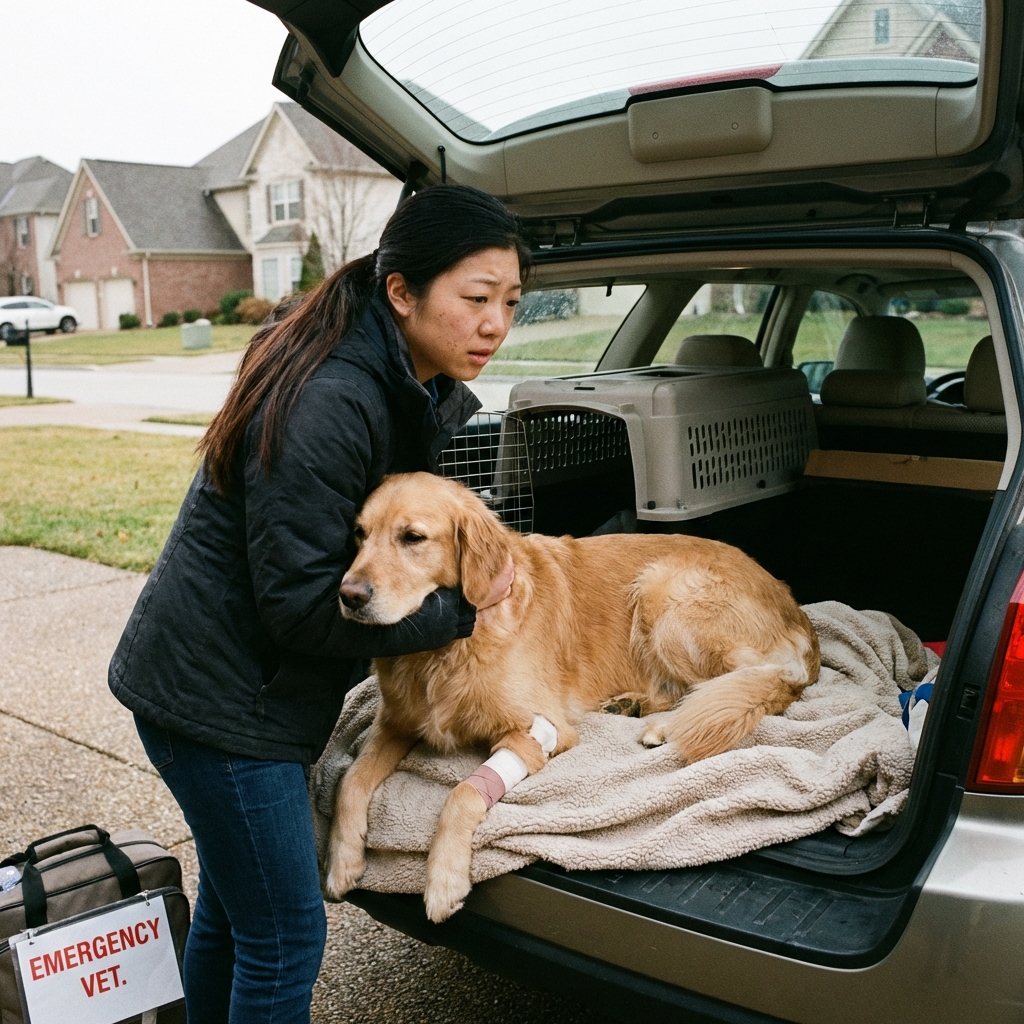
- If possible, keep your dog sternal (chest down) with the neck extended in a comfortable, natural position.
- Avoid squeezing the chest or wrapping tightly in blankets.
- Do not muzzle a dog that is struggling to breathe.
Step 5) Call the ER on your way
Tell them: your dog’s breed, age, major symptoms, gum color, whether collapse occurred, and anything your dog could have eaten or been exposed to.
Do not give human medications (including inhalers, antihistamines, or pain meds) unless a veterinarian has specifically instructed you to do so for your dog’s current situation. When in doubt, call first.
Common causes (and why guessing is hard)
Breathing problems are a symptom, not a diagnosis. Different emergencies can look similar at first, which is why urgent evaluation is so important.
- Upper airway obstruction: choking, laryngeal paralysis, swelling from allergies, brachycephalic airway syndrome
- Lower airway disease: chronic bronchitis or allergic airway disease, pneumonia
- Heart disease: congestive heart failure can cause fluid in or around the lungs
- Trauma: being hit by a car, a fall, bite wounds, or blunt chest injury
- Toxins: rodenticides, smoke inhalation, some chemicals
- Heatstroke: dangerous panting and airway swelling, especially in humid weather
- Anemia or internal bleeding: oxygen delivery drops even if the lungs are working
Because these causes require different treatments, the safest plan is rapid assessment. That often includes oxygen support, chest X-rays, and sometimes ultrasound or bloodwork.
Note for short-nosed breeds and small dogs
French Bulldogs, English Bulldogs, Pugs, Boston Terriers, Shih Tzus, and many mixes with short-nose traits can have tighter airways. That means:
- They may overheat faster and struggle more in humidity.
- Mild excitement can tip into real distress.
- Snoring can be normal, but a sudden change in breathing sound or effort is not.
Also, small breeds (and some mixes) can be prone to issues like collapsing trachea. If your dog has a known airway condition or a history of collapse, it is worth discussing an emergency plan with your veterinarian ahead of time.
How vets evaluate breathing emergencies
Many people worry their dog will be taken “to the back” and they will not know what is happening. In respiratory cases, going to the back often means the team is giving oxygen and stabilizing first, because diagnostics come after your dog can breathe safely.
Depending on the situation, your vet may:
- Provide oxygen therapy
- Check temperature, gum color, heart rate, and respiratory rate
- Take chest X-rays once stable
- Recommend sedation only if needed, because stress worsens breathing
- Use medications such as bronchodilators, anti-inflammatories, diuretics (for heart failure), antibiotics, or allergy medications depending on the cause
When it may not be an emergency
Some breathing changes are mild and can wait for a same-day appointment, as long as your dog is comfortable, gums are normal, and there is no increased effort.
- Mild nasal congestion with normal energy
- Occasional reverse sneezing episodes that resolve quickly
- Soft snoring that is not new and does not worsen
Reverse sneezing note: It can look scary, but it often resolves within a minute or two. If episodes are frequent, prolonged, or paired with distress, it needs veterinary evaluation.
Still call your vet if symptoms last more than 24 hours, worsen, or your dog has underlying heart or airway disease.
If your dog is working to breathe, gums look abnormal, or your gut says “this is different,” go in. You will never regret being cautious with breathing.
At-home checklist
- Count resting breaths per minute (when fully asleep or truly calm).
- Check gum color in good light (tongue or inner eyelid if gums are pigmented).
- Watch effort: smooth vs. heaving belly, flared nostrils, elbows out.
- Listen for new noises: wheeze, harsh inhale, raspy sounds.
- Note triggers: heat, exercise, stress, possible choking, new meds, toxin exposure.
- If any emergency signs appear: keep calm, harness not collar, cool air, transport chest-down if possible, head to ER, call ahead.
Final encouragement
Breathing problems are scary, and it is normal to second-guess yourself. Please do not. You know your dog’s “normal” better than anyone. When breathing looks off, acting quickly is one of the kindest, most protective choices you can make.