Know what normal breathing looks like, how to count resting breaths, and the red-flag signs—blue gums, collapse, choking, noisy breathing, coughing blood�...
Article
•
Designer Mixes
Dog Breathing Fast While Resting: Causes

Shari Shidate
Designer Mixes contributor
If your dog is breathing fast while resting, it can feel unsettling, especially when they are asleep, curled up on the couch, or doing “nothing at all.” As a veterinary assistant, I can tell you this: sometimes it is completely normal, and sometimes it is your dog’s early warning sign that something needs attention.
This guide will help you sort out the most common causes, what to check at home, and when to call your vet right away.

What counts as fast breathing at rest?
The most useful number is your dog’s resting respiratory rate (RRR), meaning breaths per minute while your dog is fully relaxed or sleeping.
Define true rest: your dog is asleep or lying quietly for at least 10 to 15 minutes in a comfortable, cool space. Not right after play, a walk, excitement, or a hot car ride.
- Typical resting range: about 10 to 30 breaths per minute for many healthy adult dogs (many fall closer to 15 to 30).
- Puppies and some small dogs: can run a bit higher. What matters most is what is normal for your dog when truly at rest.
- Often concerning: consistently over 30 when asleep or fully relaxed, or a noticeable increase from your dog’s usual baseline.
- Urgent red flag: 40+ at rest that stays high and does not settle within a few minutes, especially with increased effort or other symptoms.
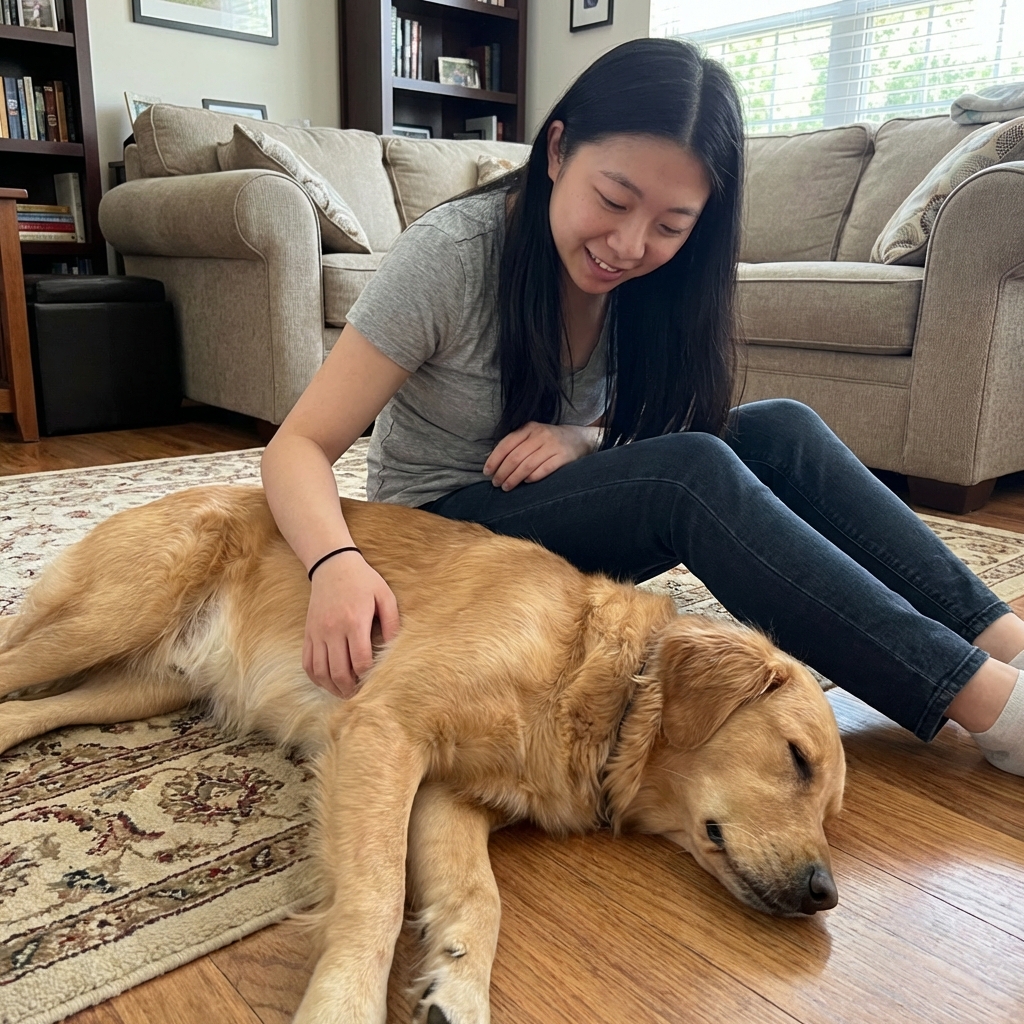
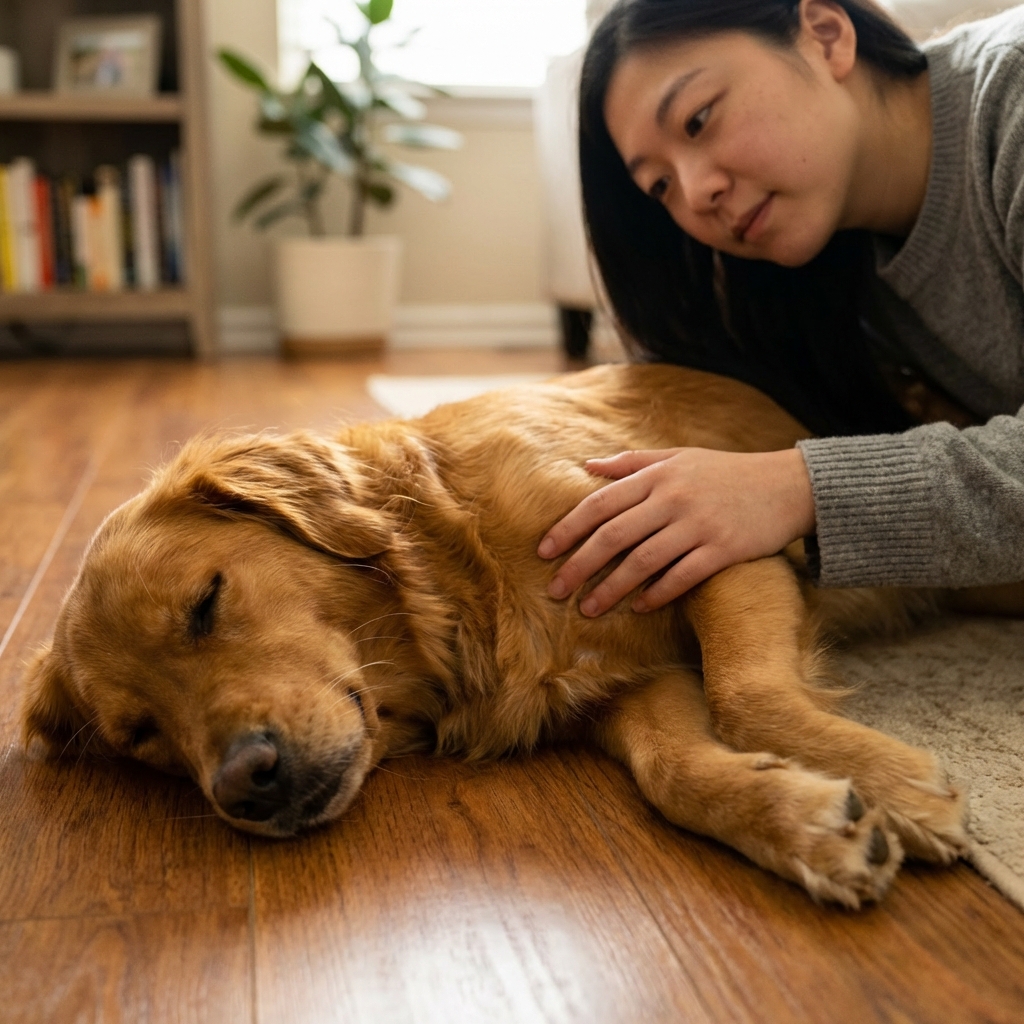
How to measure: Watch the chest rise and fall. Count one “rise + fall” as one breath. Count for 30 seconds and multiply by 2.
Important: Counting is most accurate when your dog is not panting. If your dog is open-mouth panting, wait until they are asleep or calm with a closed mouth to get a true RRR.
Tip from my clinic days: track your dog’s sleeping resting rate once a day for 3 to 5 days when they are well. That “normal for your dog” baseline is incredibly helpful if something changes. This is also the same number many vets ask owners to track in dogs with known heart disease.
Normal reasons a resting dog may breathe fast
Dreaming (REM sleep)
During deep sleep, dogs can breathe faster, twitch, or softly vocalize. If your dog settles back into calm breathing after a minute or two and seems normal when awake, this is often harmless.
Heat and poor cooling
Dogs primarily cool themselves by panting. They do sweat a tiny amount through their paw pads, but it is not enough to cool the body the way humans do. Warm rooms, thick coats, flat-faced anatomy (like Bulldogs and Pugs), or lying in a sunny spot can increase breathing rate even at rest.
Stress or excitement that lingers
A doorbell, a new visitor, a thunderstorm, or separation anxiety can keep breathing elevated longer than you would expect, even once your dog lies down.
Medical causes of fast breathing while resting
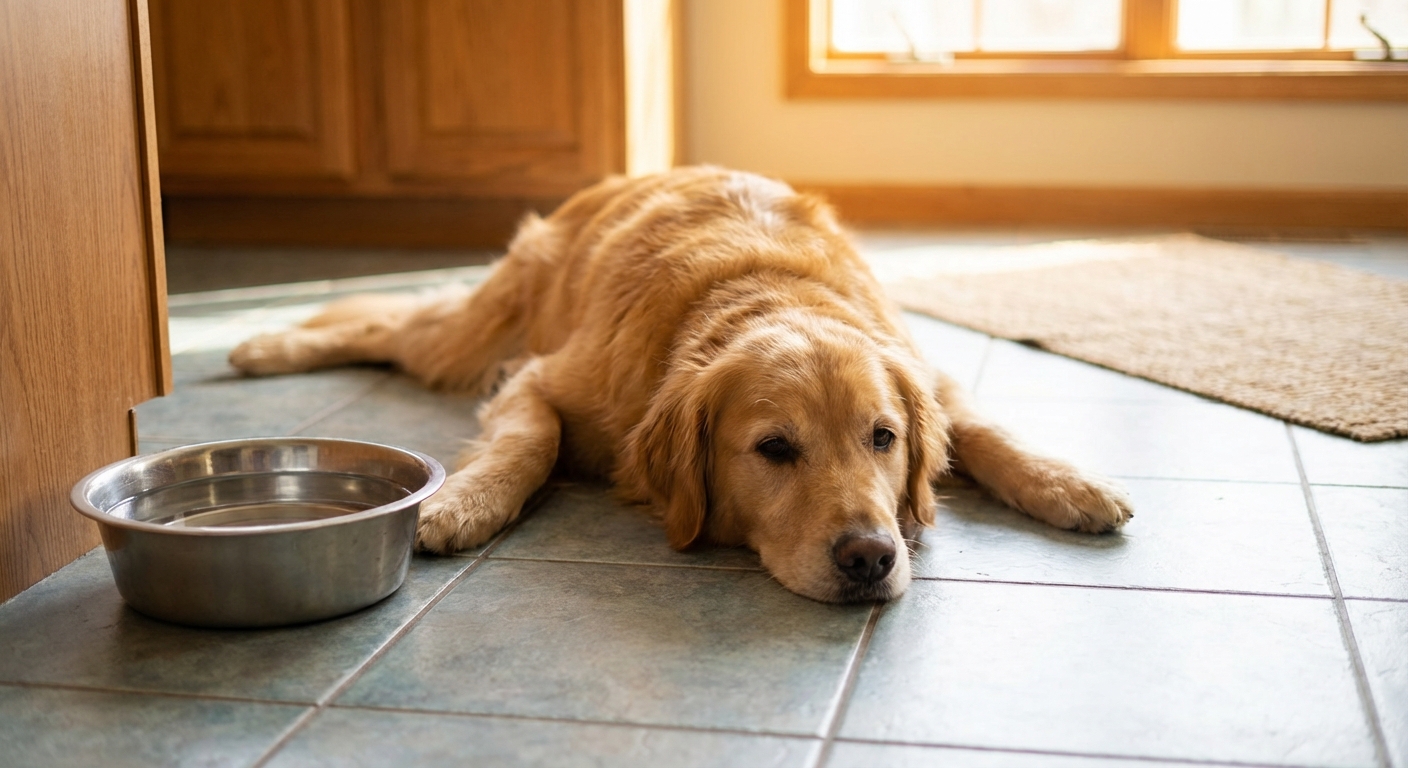
Below are common medical categories that can make a dog breathe fast at rest. Some are mild and treatable. Others can become emergencies. If you are unsure, it is always appropriate to call your veterinarian for guidance.
Respiratory disease
- Upper airway issues: laryngeal paralysis, collapsing trachea, brachycephalic airway syndrome.
- Lower airway or lung problems: chronic bronchitis or allergic airway disease, pneumonia, pulmonary fibrosis.
- Clues you might notice: coughing, gagging or honking cough, wheezing, nasal discharge, noisy breathing, exercise intolerance.
Heart disease and fluid buildup
Heart disease can lead to fluid buildup in the lungs (congestive heart failure) or fluid around the lungs (pleural effusion), both of which make breathing harder. Often, the first thing an owner notices is a higher resting respiratory rate.
- Clues: coughing (especially at night), tiring easily, fainting or weakness, distended belly, reduced appetite.
- Why RRR matters: rising sleeping or resting rates can be an early signal that fluid is building before obvious distress.
Heartworm disease
Heartworm disease can affect the heart and lungs and may lead to coughing, exercise intolerance, and faster breathing even at rest.
- Clues: cough, reduced stamina, weight loss, breathing changes, and sometimes no obvious signs early on.
- Extra note: staying current on prevention and testing helps catch problems early.
Pain
Fast breathing at rest can happen with pain, including muscle soreness after hard play, arthritis, dental pain, spinal pain, injury, pancreatitis, or other internal discomfort. Some dogs pant instead of limping.
- Clues: hunched posture, reluctance to move, trembling, lip licking, hiding, restlessness, sensitivity to touch, changes in appetite, trouble settling.
Fever or infection
When body temperature rises, dogs may breathe faster to help regulate heat and respond to inflammation.
- Clues: lethargy, reduced appetite, shivering, coughing, vomiting or diarrhea (depending on the cause).
- Quick note: ears and paws can feel warm for many reasons. A rectal thermometer is the only reliable way to confirm a fever at home, and many owners prefer to have their vet check it.
Anemia
If the body cannot carry enough oxygen in the blood, breathing rate often increases to compensate.
- Clues: pale gums, weakness, rapid heart rate, collapse, poor stamina.
Metabolic and hormonal problems
- Cushing’s disease (hyperadrenocorticism): can cause panting, thirst, increased urination, and a pot-bellied appearance.
- Acid-base disturbances: some serious conditions can change breathing patterns. One example is diabetic ketoacidosis, where dogs may breathe faster and deeper than normal.
- Clues: big changes in drinking or urinating, weight changes, pot belly, recurrent infections, new behavior changes.
Medication side effects
Some medications can increase panting or breathing rate, especially steroids (prednisone). Some other drugs can also change breathing patterns, including certain sedatives, opioids, and stimulant-type medications.
If fast breathing started soon after a new medication or a dosage change, call your vet for advice before stopping anything on your own.
Poisoning or toxin exposure
Some toxins can cause rapid breathing, agitation, tremors, or collapse. This includes certain human medications, illicit drugs, insecticides, and toxic foods or plants (for example, chocolate, xylitol, and rodenticides).
If you suspect exposure, contact your veterinarian or a pet poison hotline immediately.
Fluid or air around the lungs (often urgent)
Conditions like pleural effusion (fluid around the lungs) or pneumothorax (air around the lungs, sometimes after trauma) can cause rapid, difficult breathing at rest and need prompt veterinary care.
Fast breathing vs panting
Panting is open-mouth breathing, often with the tongue out. It can be normal for cooling or stress. Fast breathing may be closed-mouth and may look like quick chest movements. Either one can be a sign of illness when it happens at true rest, especially if it is new or persistent.
What I look for most is the whole picture: breathing speed, effort, posture, gum color, and whether your dog can settle.
When it is an emergency
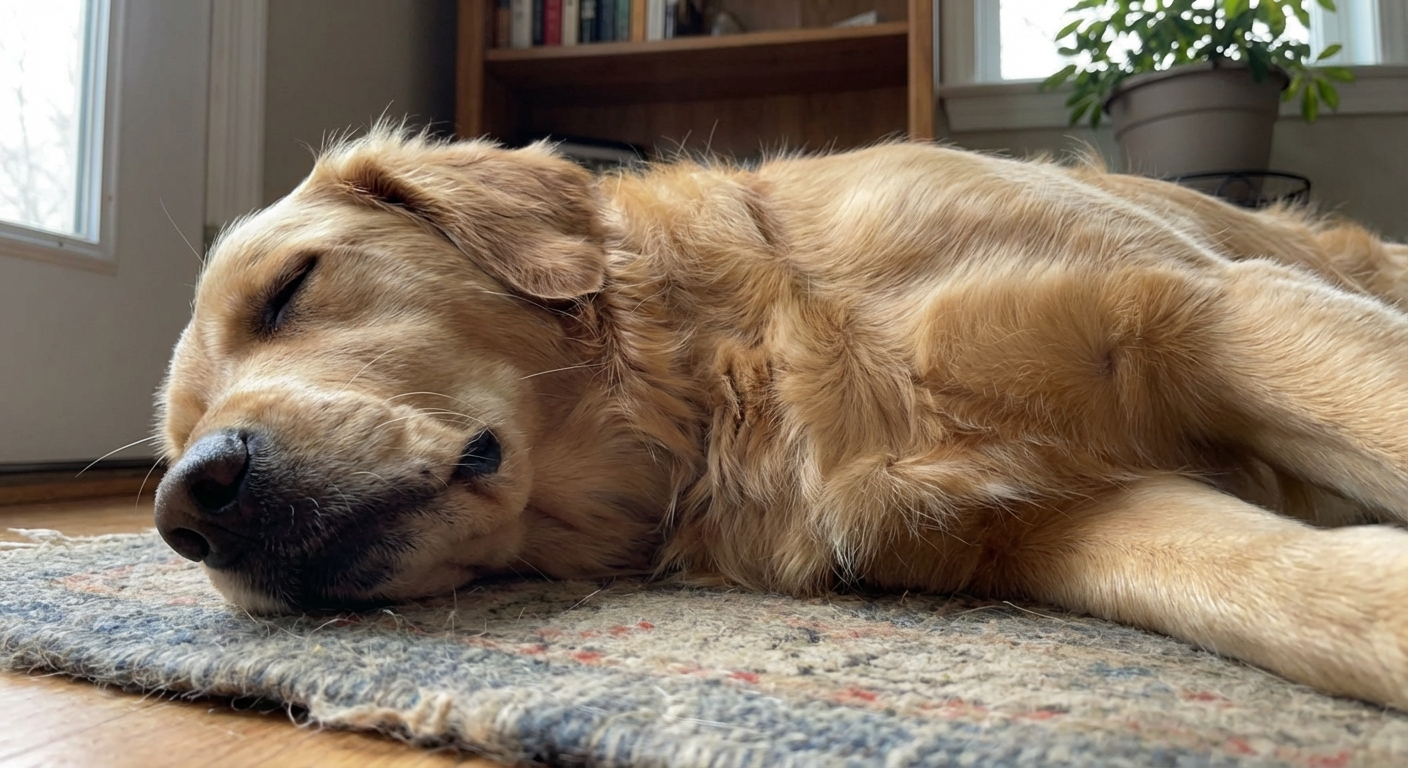
Seek emergency veterinary care if you see any of the following:
- Labored breathing (belly heaving, neck extended, elbows held out, cannot get comfortable)
- Blue, gray, or very pale gums
- Collapse, extreme weakness, or confusion
- Resting respiratory rate 40+ that stays high and does not settle within a few minutes
- Severe coughing, coughing up foam, or sudden onset of breathing trouble
- Suspected heatstroke (hot body, excessive panting, drooling, vomiting, staggering)
- Possible toxin exposure
- Recent trauma (hit by car, fall, bite wounds) with any breathing change
If your gut says “this is not my dog’s normal,” it is okay to treat it as urgent. Breathing problems can escalate quickly.
Flat-faced dogs: If you have a Pug, Bulldog, French Bulldog, Boston Terrier, or similar breed, be quicker to call. They have less breathing “wiggle room” when stressed, overheated, or ill.
What you can do at home
1) Check the environment
- Move your dog to a cooler, quiet area.
- Offer water.
- Avoid vigorous handling if your dog seems distressed.
2) Measure the resting respiratory rate
Count breaths for 30 seconds and multiply by 2. Write it down with the time of day and what your dog was doing beforehand.
3) Look for extra clues
- Gums: healthy gums are usually pink (pigment can vary). Pale, gray, or bluish is a red flag.
- Posture: is your dog stretching their neck forward or sitting upright to breathe?
- Sound: wheezing, honking, harsh breathing, or snoring while awake can suggest airway issues.
- Behavior: restlessness, hiding, refusing food, or not wanting to lie down can indicate pain or distress.
4) Capture a quick video
A 15 to 30 second video of your dog breathing while resting can be extremely useful for your veterinarian, especially if symptoms come and go.
What your vet may check
Depending on your dog’s age, breed, history, and exam findings, your vet may recommend:
- Physical exam with heart and lung auscultation
- Chest X-rays to look for pneumonia, heart enlargement, fluid, or lung changes
- Bloodwork to check anemia, infection, organ function, inflammation
- Heart testing such as NT-proBNP blood test, ECG, or echocardiogram
- Pulse oximetry to check oxygenation
- Heartworm test if not current on prevention or status is unknown
If fast breathing is related to pain, your vet will also work to locate the source and treat it safely.
Prevention and practical tips
- Know your dog’s normal sleeping RRR and track changes.
- Keep up with heartworm prevention and annual testing as recommended.
- Maintain a healthy weight, since extra weight increases breathing workload.
- Limit heat exposure, especially for flat-faced and thick-coated dogs.
- Schedule a vet visit if fast breathing is new, persistent, or increasing over days.
And please be gentle with yourself. Many loving owners miss subtle signs at first. The important thing is noticing the pattern now and taking the next right step.
Quick FAQ
Is fast breathing in sleep always normal?
Not always. Dreaming can increase breathing temporarily, but a consistently high sleeping rate or any struggle to breathe should be evaluated.
My dog is breathing fast but acting normal. Should I worry?
“Acting normal” is reassuring, but it does not rule out early heart or lung disease. If your dog’s sleeping or true resting rate is consistently above 30, or it is trending up from baseline, schedule a checkup.
Can diet affect breathing rate?
Diet can contribute indirectly through weight gain and inflammation. If your dog is overweight, a vet-guided nutrition plan can make a real difference in breathing effort and stamina.
Educational note: This article is for general information and is not a substitute for a veterinary exam and diagnosis.