
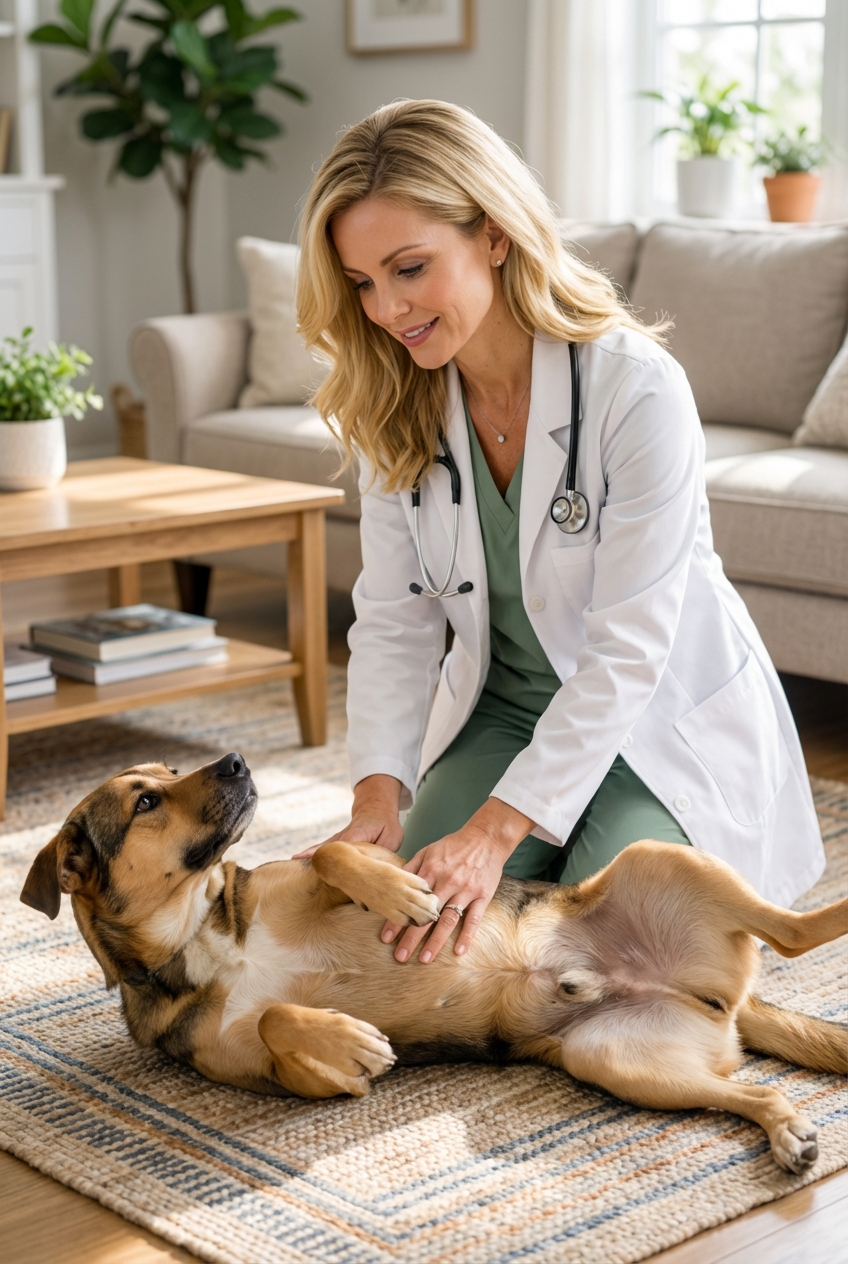
Worried your dog swallowed something? Learn the key blockage symptoms, urgent red flags, safe at-home checks, what the vet may do, and smart prevention tips.
Article
•
Designer Mixes
Dog Bowel Blockage Guide

Shari Shidate
Designer Mixes contributor
As a veterinary assistant, I have seen how quickly a curious dog can go from “totally fine” to “in real trouble” after swallowing something they should not. A bowel blockage, also called an intestinal obstruction, is one of those emergencies where timing truly matters. The good news is that when you know the early warning signs and what to do next, you can improve the odds of a good outcome and reduce the risk of complications.
This guide is dog-specific. Cats and other pets can have different risks and signs. This is not a substitute for urgent veterinary care, but it can help you make faster, safer decisions.
What a bowel blockage is
A bowel blockage happens when something prevents food, fluid, and gas from moving normally through the stomach or intestines. The obstruction can be:
- Partial: Some material still passes through, so symptoms can look mild at first.
- Complete: Nothing passes, symptoms often worsen quickly, and the risk of tissue damage rises.
- Mechanical: A physical object is stuck or the intestine is compressed.
- Functional: The gut is not moving normally (called ileus). This can happen secondary to problems like pancreatitis, peritonitis, severe infection, pain, or electrolyte imbalances.
Why it’s serious: Pressure builds behind the blockage, blood flow to the intestinal wall can be reduced, and the tissue can become inflamed or even die. Vomiting and inability to keep food or water down can also cause dehydration and electrolyte imbalances, which can lead to weakness and shock. In severe cases, the intestine can perforate, allowing bacteria to spill into the abdomen.
Common causes in dogs
Most bowel blockages in dogs are caused by swallowing something that does not digest. Dogs do not always chew well, and many objects become slippery and “just the right size” to lodge in the gut.
Foreign objects dogs commonly swallow
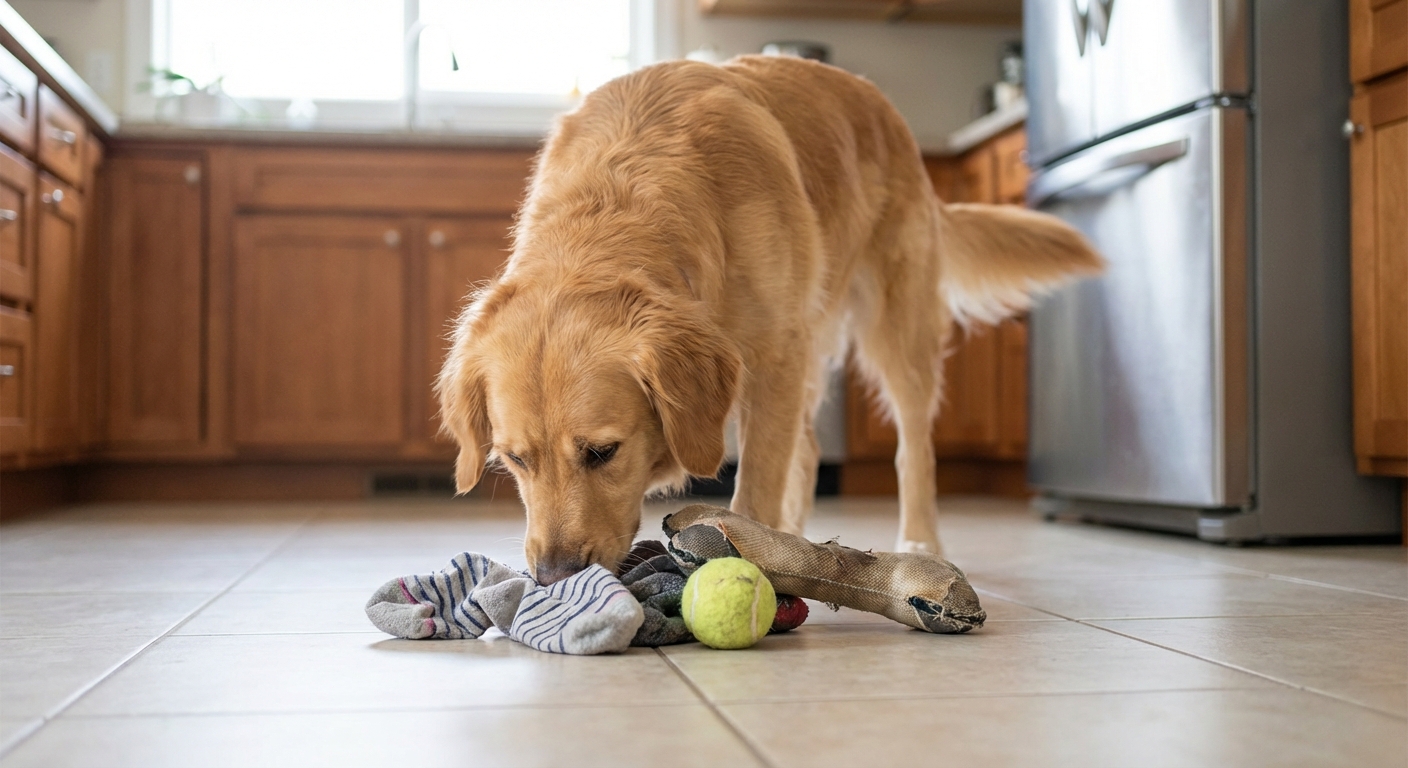
- Socks, underwear, towels, washcloths (socks are one of the most common things I see in clinic)
- Pieces of toys, squeakers, tennis ball fuzz
- Bones, rawhide chunks, antlers that splinter
- Corn cobs (a classic and dangerous one)
- Rocks, sticks, mulch, pinecones
- Hair ties, rubber bands, baby pacifiers
- String, ribbon, yarn, tinsel (these can cause a “linear foreign body” and are especially risky)
Other medical causes
- Intestinal tumors (more common in older dogs)
- Intussusception (one segment of intestine telescopes into another, sometimes after severe diarrhea)
- Strictures or scar tissue from prior inflammation or surgery
- Severe constipation or impacted stool (less common than foreign bodies)
Symptoms to watch for
Blockages can look different depending on what is stuck, where it is located, and whether it is partial or complete. Some dogs deteriorate within hours. Others show vague signs for a while and then suddenly worsen.
Most common signs
- Vomiting (often repeated, sometimes after drinking water)
- Loss of appetite
- Lethargy or acting “off”
- Abdominal pain (tense belly, hunched posture, reluctance to be picked up)
- Diarrhea or straining to poop
- Little to no stool or only small amounts
- Excess drooling or lip licking (nausea)
- Bloating or enlarged abdomen
Red flags that mean “go now”
- Repeated vomiting, especially with inability to keep water down
- Bloody vomit or bloody stool
- Severe belly pain, crying, or a hard, swollen abdomen
- Collapse, extreme weakness, pale gums
- Known ingestion of string, ribbon, needles, or sharp objects
If you suspect a blockage, do not wait to “see if it passes” overnight. Contact your veterinarian or an emergency clinic right away.
Constipation vs. blockage
Constipation and obstruction can look similar, and it is easy to guess wrong at home. Some dogs with a blockage still pass small amounts of diarrhea, because liquid can sneak around the obstruction.
Clues that can point toward a blockage
- Vomiting is present, especially repeated vomiting
- Your dog cannot keep food or water down
- They have a painful abdomen
- They strain, but nothing comes out or only a small amount comes out
- They swallowed something, or you suspect they did
If your dog is straining to poop and also vomiting, that combination deserves urgent veterinary evaluation.
What to do at home now
Your job is to keep your dog as safe as possible and get professional help quickly.
Do
- Call your vet or an ER clinic and describe symptoms and timing.
- Remove access to toys, trash, laundry, and chew items.
- Bring details: what you think they ate, when it happened, and how much.
- Bring packaging from chews or toys, if relevant.
Do not
- Do not give laxatives, mineral oil, or enemas unless your veterinarian specifically instructs you.
- Do not induce vomiting unless a veterinarian tells you to. Some objects can cause choking or esophageal injury coming back up.
- Do not feed a “bulking meal” like bread or pumpkin to “push it through” if a blockage is possible.
When in doubt, it is safer to assume it could be an obstruction until proven otherwise.
What to expect at the ER
Many owners feel anxious walking into an emergency clinic. In most cases, the first steps are triage (checking gum color, heart rate, hydration, pain, and temperature), then stabilization if needed (fluids, anti-nausea medication, pain control). Once your dog is stable, the team will talk through diagnostics, likely treatment paths, and an estimate. Costs and recommendations can vary a lot by region and by how sick your dog is, so it is always okay to ask questions early.
How vets diagnose a blockage
In clinic, the goal is to confirm whether an obstruction exists, find where it is, and assess how stable your dog is.
Common diagnostic steps
- Physical exam: hydration, pain, abdominal palpation, gum color, temperature
- X-rays: can reveal gas patterns, some foreign objects, and intestinal dilation
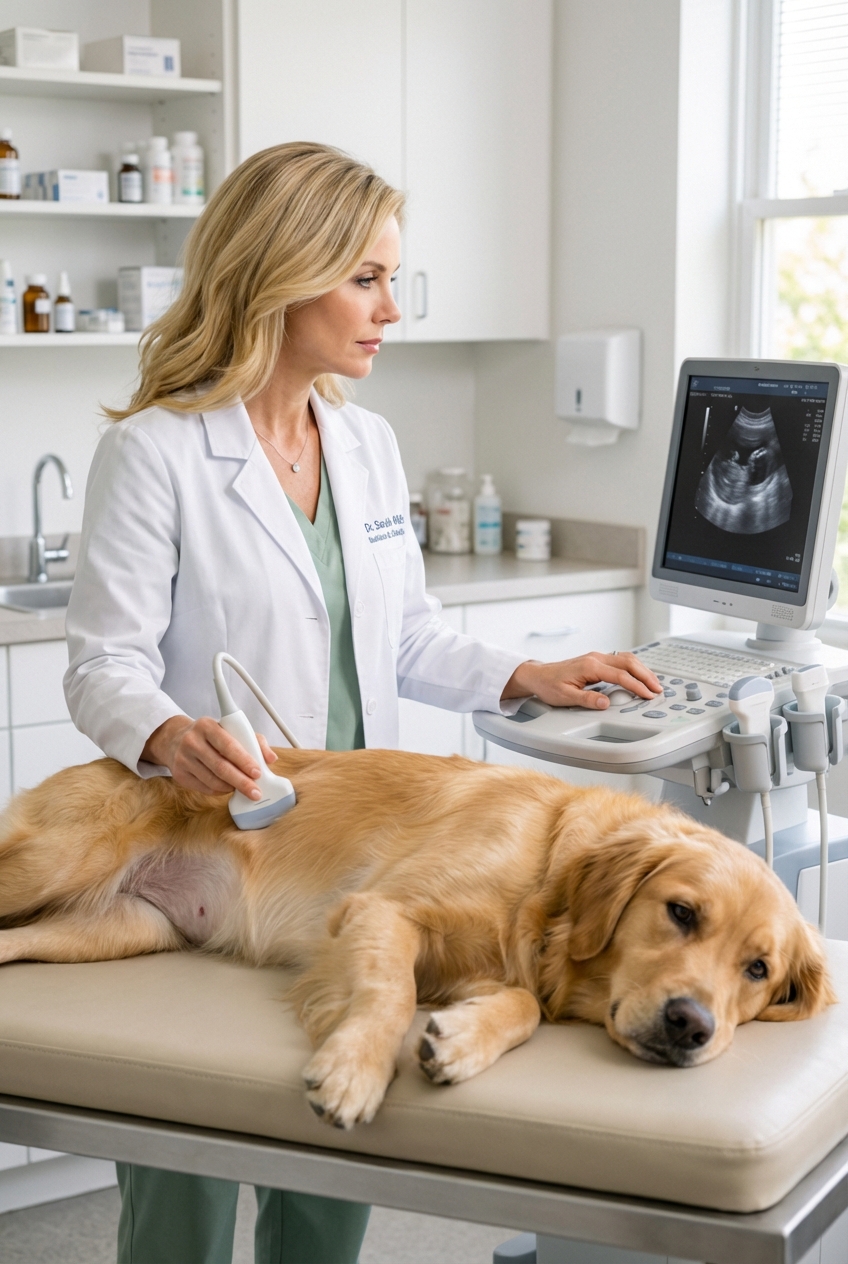
- Ultrasound: very helpful for soft objects like fabric and for evaluating intestinal health
- Bloodwork: checks hydration, electrolytes, infection or inflammation, organ function
- Contrast study in some cases: helps show whether material is passing through
Treatment options
Treatment depends on the object, location, and whether it is partial or complete. One of the biggest factors is how quickly care starts.
1) Supportive care and monitoring
If the obstruction is partial and your veterinarian believes it may pass safely, they may recommend hospitalization with fluids, anti-nausea medication, pain control, and close monitoring with repeat imaging.
2) Endoscopy
If the object is in the stomach, it may be removable with a camera-guided tool (endoscopy). In some cases, endoscopy can reach the very beginning of the small intestine, but reach depends on equipment, patient size, and where the object is located. When it is an option, endoscopy can sometimes avoid abdominal surgery.
3) Surgery
Surgery is often required for complete obstructions, linear foreign bodies, or objects that have moved into areas unreachable by endoscopy. In more severe cases, damaged intestine may need to be removed (resection and anastomosis).
After treatment, many dogs recover well, but they may need several days of rest, a special diet, and careful follow-up. Even with prompt care, some cases are more complicated, especially if the intestine has been damaged.
Recovery and home care
Your veterinarian will tailor instructions to your dog and the specific procedure. Always follow their plan, but these are common themes:
- Diet: A bland or prescription gastrointestinal diet for a period of time, then gradual transition back.
- Activity restriction: Leash walks only, no running or jumping until cleared.
- Incision care: Prevent licking with an e-collar or surgical suit, monitor for redness, swelling, discharge, or odor.
- Medication: Give exactly as directed, and ask before adding supplements.
- Monitor stool: frequency, presence of blood, straining, and stool size.
It is also fair to ask your veterinarian what complications to watch for based on your dog’s specific situation. Depending on the case, concerns can include infection, incision opening, ongoing vomiting, or (more rarely) leakage where the intestine was repaired after a resection.
Contact your veterinarian promptly if vomiting returns, appetite drops, the incision looks irritated, or your dog becomes lethargic again.
Prevention tips
Most foreign body obstructions are preventable with a few practical habits. I always tell families: you do not need to be perfect, you just need to set your dog up for fewer “oops” moments.
Safer home routines
- Laundry in a closed hamper, and keep kids’ socks picked up.
- Trash in a latched can, especially bathroom trash.
- Toy checks: discard toys that are cracking, shedding fuzz, or missing pieces.
- Chew supervision: if your dog can bite off chunks, it is not a safe chew for that dog.
- Teach “drop it” and “leave it”, and practice with high-value rewards.
Pick the right toys and chews
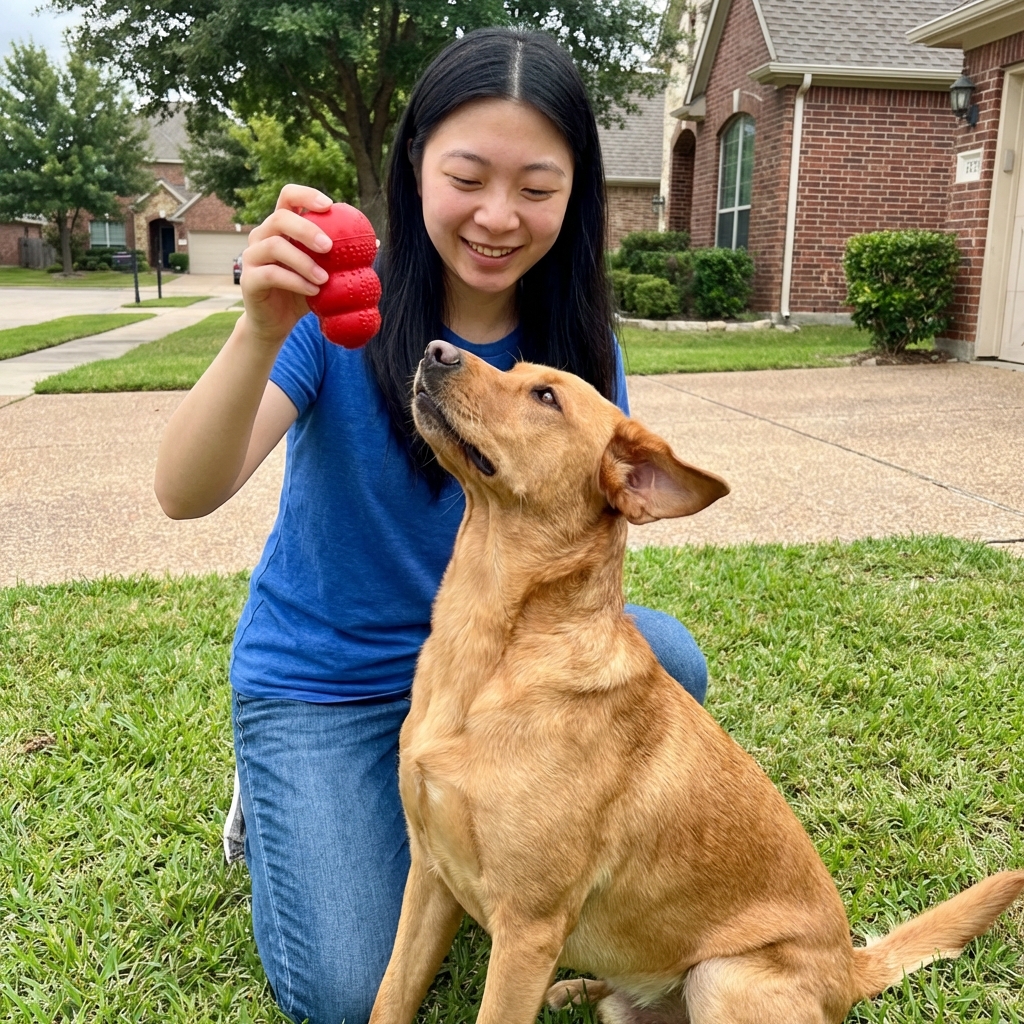
A good rule of thumb: choose toys that are larger than your dog’s mouth and sturdy enough that your dog cannot tear pieces off. For chews, ask your veterinarian for options that match your dog’s chewing style and dental health.
Frequently asked questions
How long does it take for a blockage to become dangerous?
Sometimes within hours, especially with complete obstructions or linear objects like string. Other times it can develop over hours to several days, particularly with partial obstructions. Because you cannot safely judge severity at home, getting checked quickly is the safest approach.
Can a dog still poop with a blockage?
Yes. With a partial blockage, some stool or diarrhea may still pass. That is why “they pooped today” does not rule out a blockage.
Is pumpkin helpful?
Pumpkin can help some mild constipation cases, but it is not a safe strategy when an obstruction is possible. If vomiting and appetite loss are present, skip home remedies and contact your veterinarian.
Should I switch my dog to a homemade diet after a blockage?
A balanced, well-planned diet can support overall gut health, but diet alone does not prevent foreign body blockages. Prevention is mostly about environment and chew choices. If you want to add fresh, whole foods, go slowly and check with your veterinarian, especially after GI surgery.
When to call your vet
If your dog is vomiting, not eating, painful, unusually tired, or you suspect they swallowed something they should not, contact your veterinarian or an emergency clinic right away. Trust your instincts. You know your dog best, and fast action can make a real difference.