A practical 24–72 hour diet and hydration plan for mild dog diarrhea, with bland food options, safe add-ons like probiotics, foods to avoid, and clear red ...
Article
•
Designer Mixes
Dog Blood in Stool Facts Every Owner Should Know

Shari Shidate
Designer Mixes contributor
Seeing blood in your dog’s stool can stop you in your tracks. As a veterinary assistant here in Frisco, Texas, I have talked with many worried pet parents about this exact symptom, and the good news is this: blood in stool is a clue, not a diagnosis. Sometimes it’s a mild irritation that clears quickly. Other times, it’s a true emergency.
This guide will help you understand what you’re seeing, what it can mean, what to do at home, and when to seek veterinary care right away.
What counts as blood in stool?
Blood may appear in a few different ways, and the appearance matters because it can hint at where bleeding may be happening.
Bright red blood (hematochezia)
Bright red streaks, drops, or a red coating on the outside of the stool usually suggests bleeding from the lower GI tract, like the colon or rectum. This can happen with inflammation (colitis), straining, anal gland issues, parasites, or dietary upset.
Black, tarry stool (melena)
Stool that looks black, sticky, or tar-like can indicate digested blood from the upper GI tract (stomach or small intestine). Melena is especially concerning because it may be associated with ulcers, certain medications (especially NSAIDs, or steroids when combined with NSAIDs), toxins such as anticoagulant rodenticides, or other sources of internal bleeding.
Blood with diarrhea vs. blood with formed stool
- Blood with diarrhea often points to inflammation or infection in the colon, dietary indiscretion (trash eating), stress colitis, parasites, or acute hemorrhagic diarrhea syndrome (AHDS).
- Blood with formed stool may suggest rectal irritation, constipation and straining, polyps or masses, or anal gland problems.
Could it look like blood but not be?
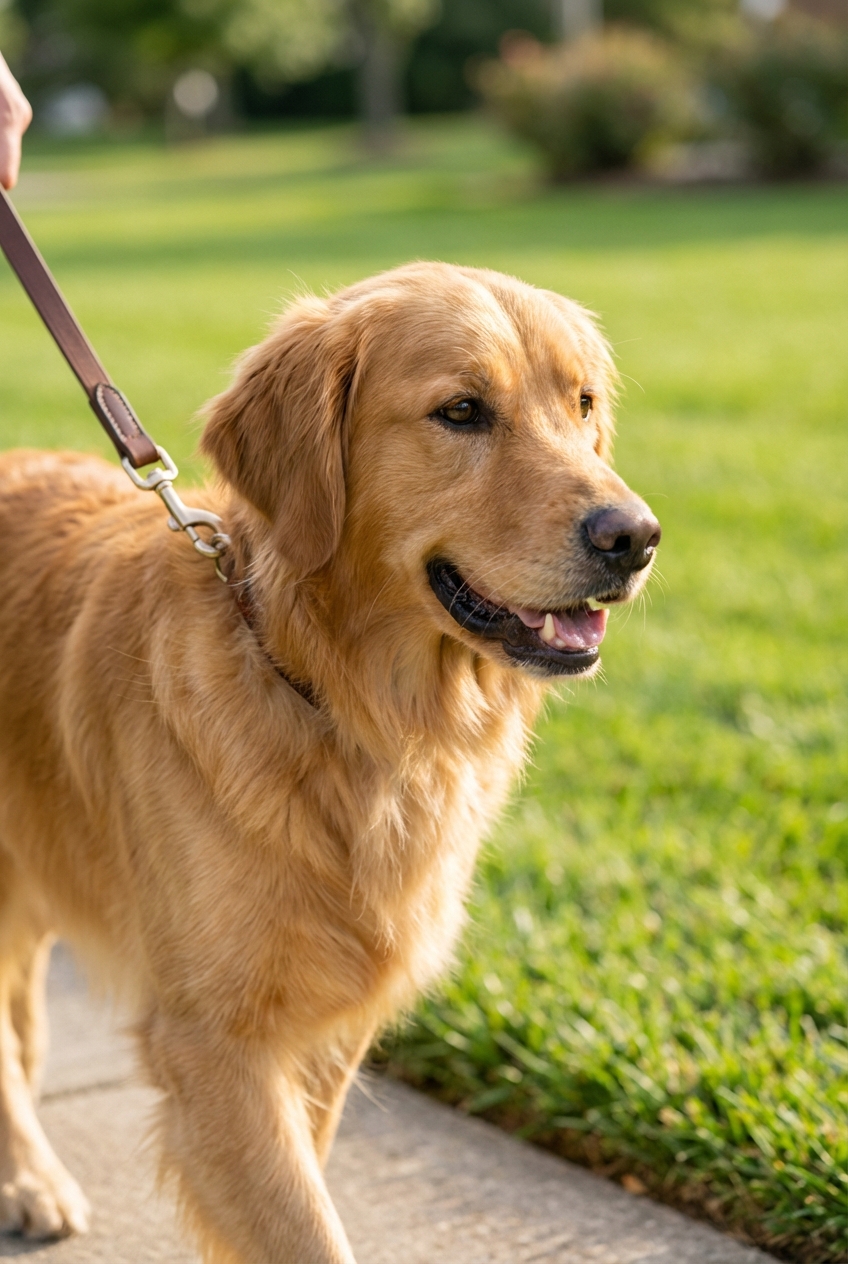
Occasionally, red discoloration is not true bleeding. Some dogs can pass red-tinted stool after eating foods or treats with red dye (and yes, things like beets can do it too). On the flip side, very dark stool from diet changes can be mistaken for melena. When you are unsure, take a clear photo and call your veterinary team.
Common causes (and what they look like)
There are many possibilities, and only your veterinarian can diagnose the cause. But here are some of the most common reasons we see blood in stool, along with typical patterns.
Diet changes and scavenging
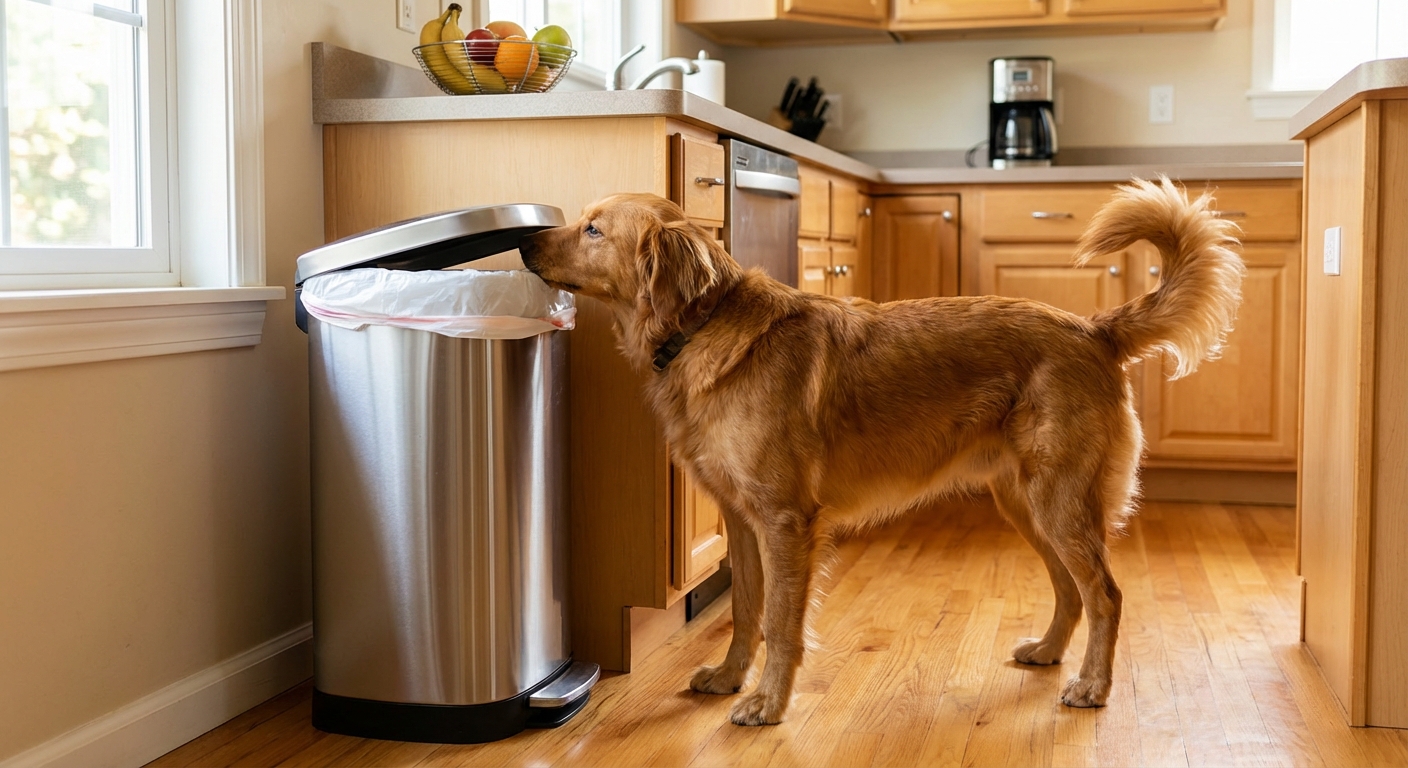
Dogs have a talent for getting into something they should not eat. Fatty foods, spoiled foods, new treats, bones, or a sudden switch in diet can inflame the gut and lead to mucus and streaks of red blood.
Stress colitis
Yes, stress can show up in poop. Boarding, travel, visitors, thunderstorms, schedule changes, and new pets can trigger colitis. You may see frequent small-volume diarrhea, urgency, mucus, and bright red blood.
Parasites
Hookworms, whipworms, roundworms, Giardia, and coccidia can irritate the intestinal lining. Puppies and newly adopted dogs are especially at risk.
Infections
Bacterial or viral infections can cause bloody diarrhea. Some bacteria that affect dogs can also pose a risk to people, so careful hygiene is important.
AHDS (acute hemorrhagic diarrhea syndrome)
Some dogs develop sudden, dramatic watery diarrhea that can look like raspberry jam, often with vomiting and rapid dehydration. Many clinics refer to this as AHDS. The exact cause is often unclear, and diagnosis is typically based on the pattern of signs plus ruling out other serious problems (like parvo, foreign body obstruction, and toxin exposure). These cases need veterinary care quickly.
Anal gland issues or rectal irritation
If you see a little red blood on the outside of otherwise normal stool and your dog is scooting, licking the rear, or straining, anal glands or irritation can be part of the story.
Constipation and straining
Hard stool can cause tiny tears or irritation around the rectum. You might see a small amount of bright red blood after your dog strains.
Foreign bodies and bone fragments
Swallowed objects and sharp fragments can injure the GI tract and lead to blood. This can become an emergency if there is blockage or perforation.
Medications and toxins
NSAIDs (pain relievers) can increase ulcer risk in some dogs. Steroids may also contribute, especially when combined with NSAIDs. Some toxins and human medications can cause dangerous bleeding problems, including anticoagulant rodenticides (rat poison).
Chronic disease
Inflammatory bowel disease, food sensitivities, liver disease, clotting disorders, and GI masses can also cause blood in stool, especially if it keeps recurring or comes with weight loss.
How vets narrow it down
One quick way we triage GI cases is by looking for patterns that suggest large-bowel versus small-bowel involvement. Large-bowel issues often cause frequent small stools, straining, urgency, mucus, and bright red blood. Small-bowel issues more often cause larger-volume diarrhea, weight loss over time, and sometimes black, tarry stool. These are not hard rules, but they help guide next steps.
When it is an emergency
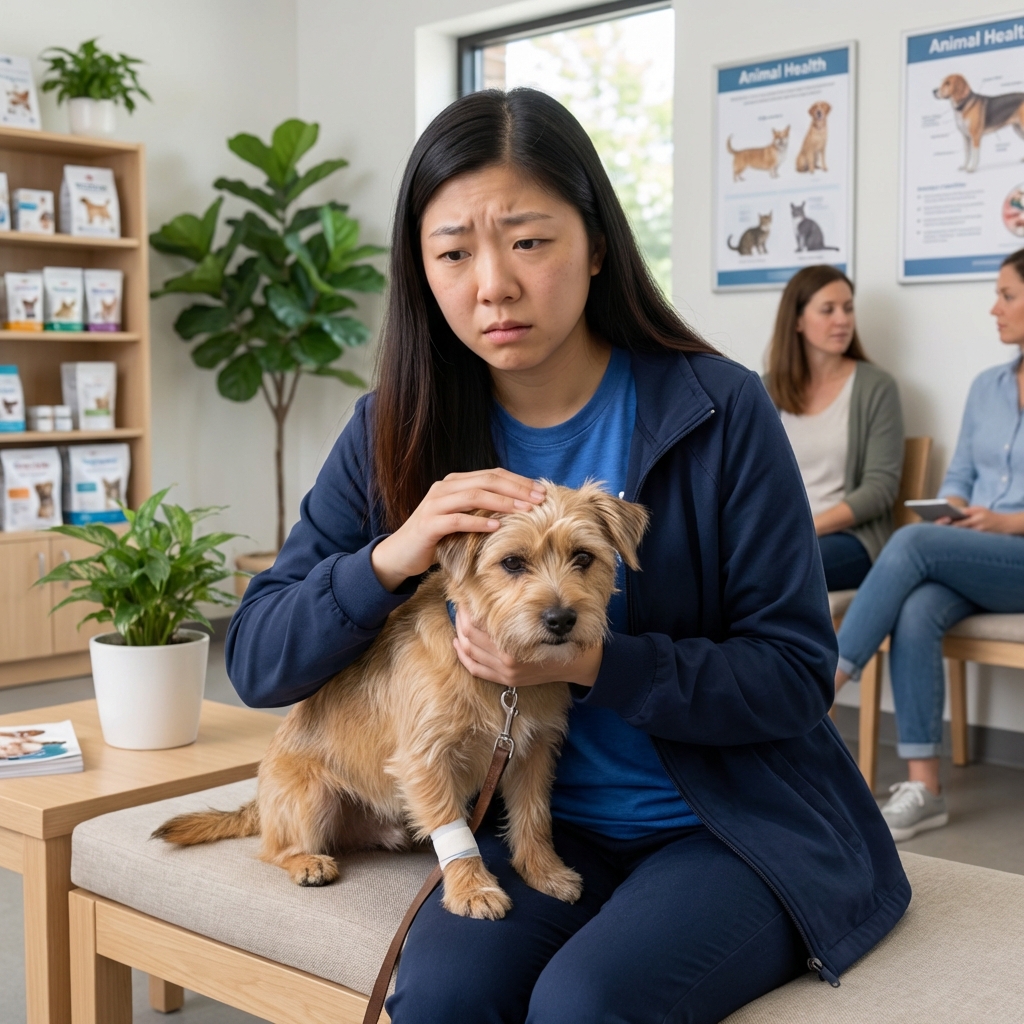
If you are unsure, it is always okay to call your veterinarian or an emergency clinic. Please seek urgent veterinary care if you notice any of the following:
- Black, tarry stool (melena)
- Large amounts of bright red blood or stool that is mostly blood
- Repeated vomiting or vomiting with blood
- Weakness, collapse, pale gums, or rapid breathing
- Bloated abdomen or signs of significant pain
- Signs of dehydration (sticky gums, sunken eyes, lethargy)
- Puppies, seniors, or dogs with chronic illness (they can decline faster)
- Possible toxin exposure (rat poison, human meds, unknown substances)
- Suspected foreign body (toy, corn cob, bones, socks)
- Bloody diarrhea lasting more than 24 hours, or any duration if your dog is not acting normal
Trust your instincts. If your dog seems “off,” that matters.

What you can do at home now
For a small amount of bright red blood in an otherwise stable dog who is eating, drinking, and acting fairly normal, these steps are often helpful while you contact your vet for guidance.
1) Take a clear photo and note details
- Color: bright red vs black
- Amount: streaks vs puddles
- Consistency: formed vs diarrhea
- Frequency: once vs repeated
- Any straining, mucus, or urgency
This information helps your clinic triage accurately and saves time.
2) Check for other symptoms
- Vomiting
- Loss of appetite
- Lethargy
- Abdominal discomfort
- Increased thirst
- Weight loss over time
3) Avoid human OTC medications
Please do not give Pepto-Bismol, ibuprofen, naproxen, aspirin, or anti-diarrheal medications unless your veterinarian specifically instructs you to. Some are toxic to dogs or can worsen bleeding.
4) Offer water and keep things calm
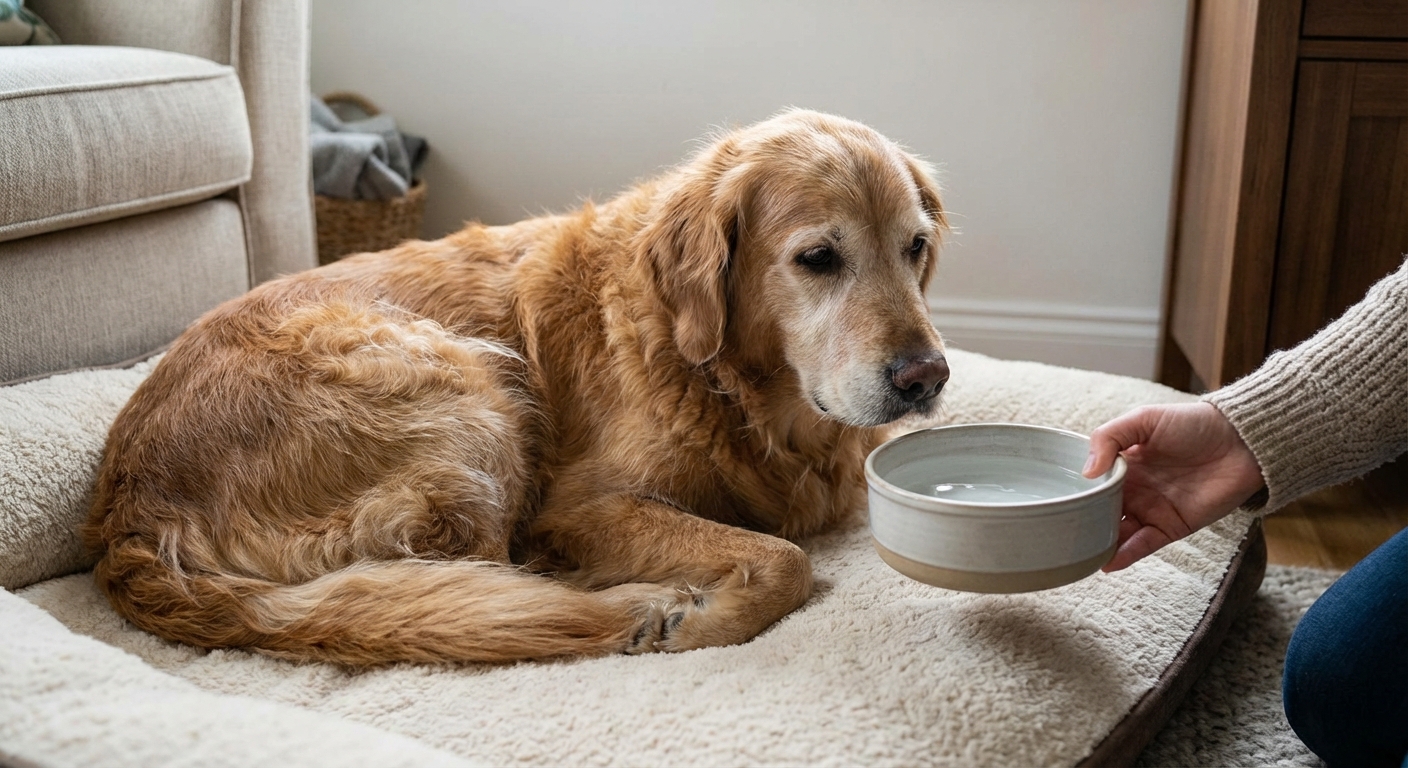
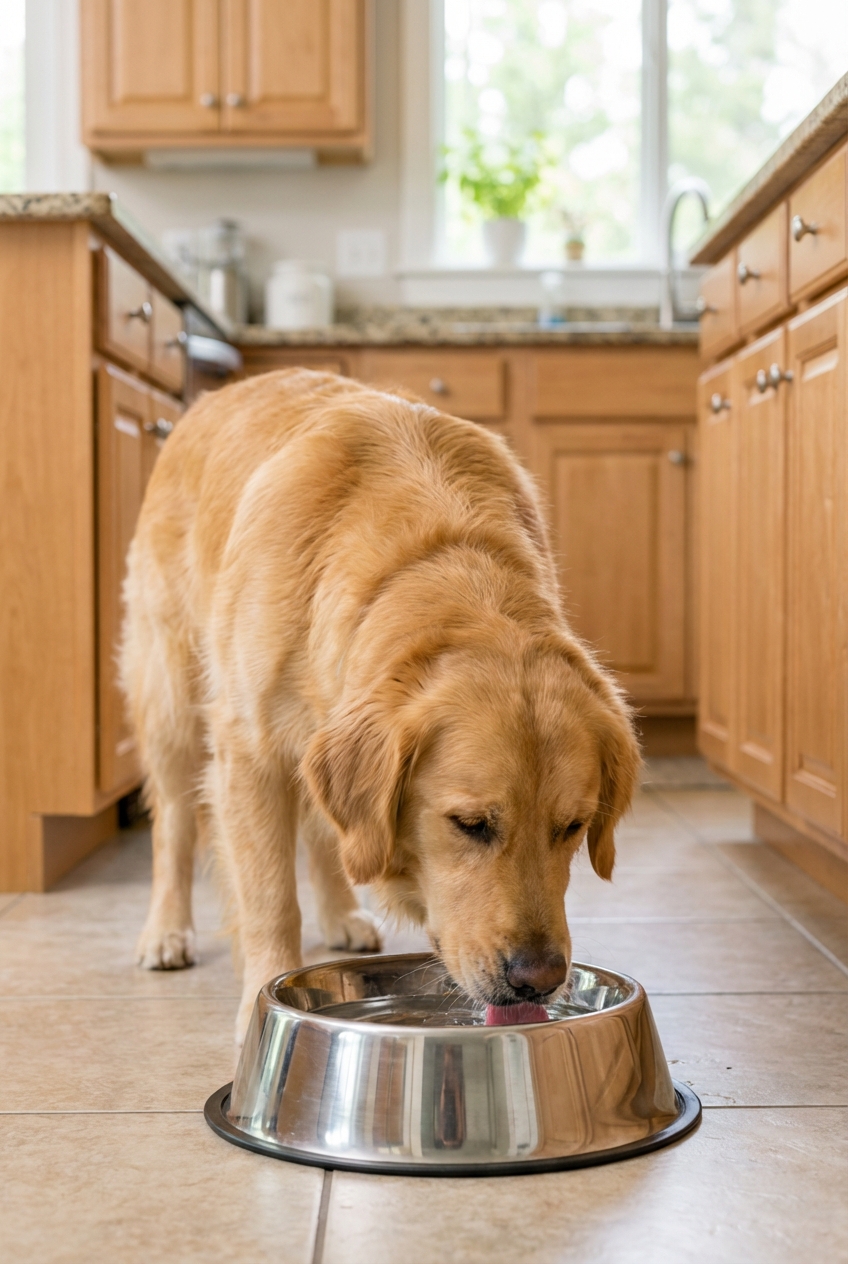
Hydration is key, especially with diarrhea. Keep activity low and minimize stress. If your dog is vomiting, do not force food or water. Call your veterinarian for specific instructions, and do not fast puppies or toy breeds without veterinary direction.
5) Ask your vet about a short bland diet
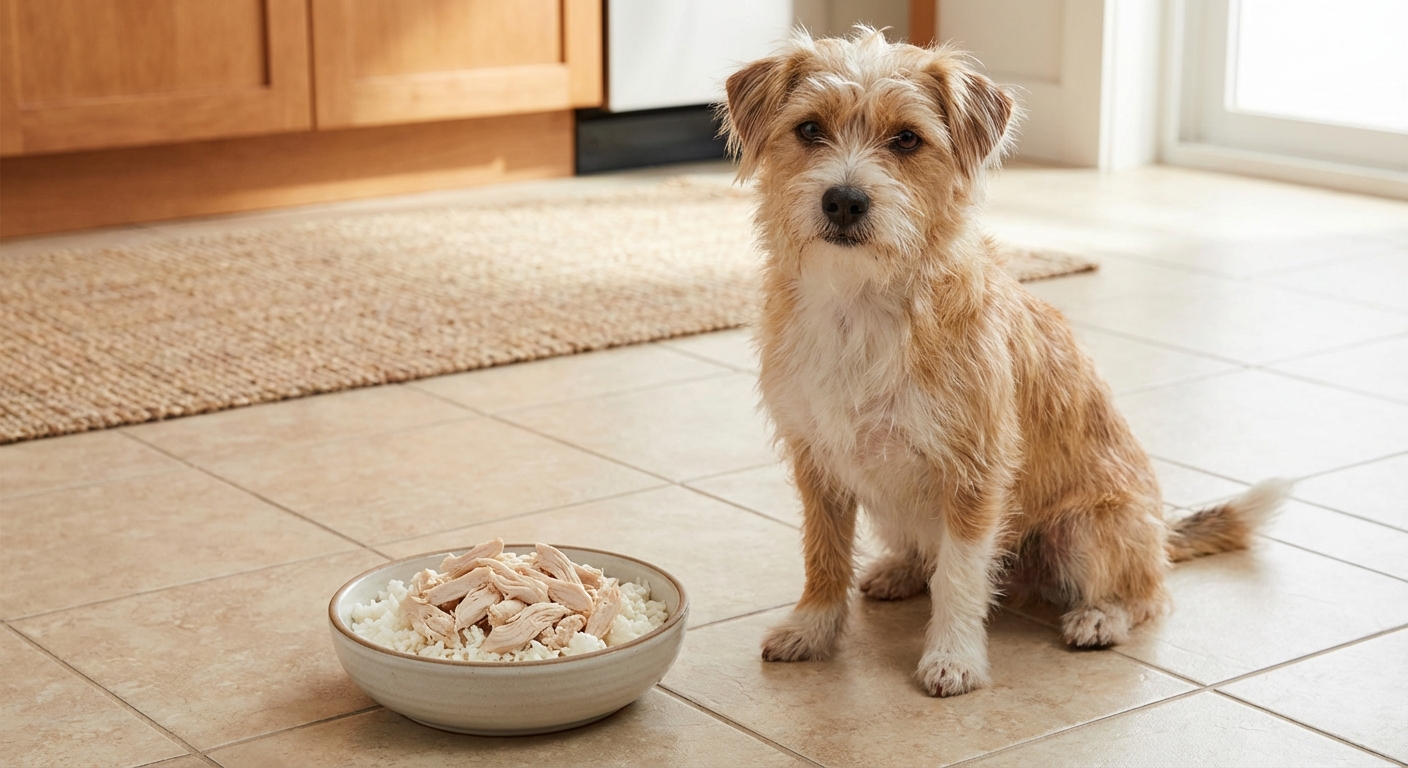
Many clinics recommend a brief bland diet for mild GI upset in otherwise stable dogs. Common vet-guided options include boiled chicken and rice or a veterinary gastrointestinal diet. The right choice depends on your dog’s age, health history, and whether pancreatitis or food intolerance is a concern.
If your dog has a history of pancreatitis, is on multiple medications, is very small, or has other medical conditions, call your veterinarian before changing the diet.
What not to do
- Do not wait several days if blood is recurring or your dog is worsening.
- Do not feed rich treats or fatty table scraps to “tempt appetite.” This can backfire.
- Do not give bones to firm up stool. Bones can splinter and cause constipation, tears, or obstruction.
- Do not assume it is “just hemorrhoids.” True hemorrhoids are uncommon in dogs. Rectal bleeding is more often due to colitis, parasites, anal gland disease, or irritation.
What your veterinarian may recommend
Your vet’s plan will depend on your dog’s exam findings, stability, and the type of stool you are seeing. Common diagnostics and treatments include:
Diagnostics
- Fecal testing for parasites, Giardia, and other organisms
- Parvo test in unvaccinated or young dogs with severe symptoms
- Bloodwork to check hydration, anemia, infection, clotting, and organ function
- X-rays or ultrasound if foreign body, obstruction, or masses are suspected
- Diet trial for chronic or recurring cases
Treatment
- Fluids (subcutaneous or IV) to prevent dehydration
- Parasite treatment when indicated
- GI protectants for ulcer concerns
- Probiotics to support gut balance
- Prescription GI diet short-term or long-term
- Targeted antibiotics in select cases, not automatically for every diarrhea
If your dog is very sick, hospitalization for monitoring, IV fluids, and supportive care can be life-saving.
Designer mixes and sensitive stomachs
People sometimes ask whether certain designer mixes are more likely to have digestive trouble. Designer mixes can be wonderfully healthy dogs, but any dog can inherit digestive sensitivities from either parent breed. Many GI upsets are also driven by lifestyle and environment, not breed alone.
What matters most is your individual dog’s history: diet changes, scavenging habits, anxiety levels, and preventive care like fecal checks and parasite prevention.
Prevention tips
You cannot prevent every stomach upset, but you can reduce the odds of seeing blood in the stool.
Keep parasites in check
- Use veterinarian-recommended heartworm and intestinal parasite prevention.
- Bring fecal samples for routine screening as advised by your clinic.
- Pick up poop promptly in your yard and avoid letting your dog sniff and lick unknown stool on walks.
Make food changes slowly
Transition over 7 to 10 days when possible. The gut microbiome needs time to adjust.
Limit scavenging
Secure trash cans, supervise outdoor time, and consider basket muzzle training for serious scavengers.
Choose chews wisely
Avoid cooked bones and brittle chews that splinter. Ask your veterinarian for safer chew options for your dog’s size and chewing style.
Reduce stress when you can
For dogs with stress colitis, predictable routines, calm decompression time, and vet-approved supplements or behavior support can make a real difference.
Quick FAQ
Can blood in stool go away on its own?
Sometimes, yes, especially if it is a small amount of bright red blood tied to mild colitis or dietary upset and your dog is otherwise normal. But if it recurs, increases, turns black, or comes with vomiting, lethargy, or poor appetite, it needs veterinary attention.
Is a little blood always serious?
Not always, but it is never something to ignore. Think of it as your dog’s gut asking for help.
Should I collect a stool sample?
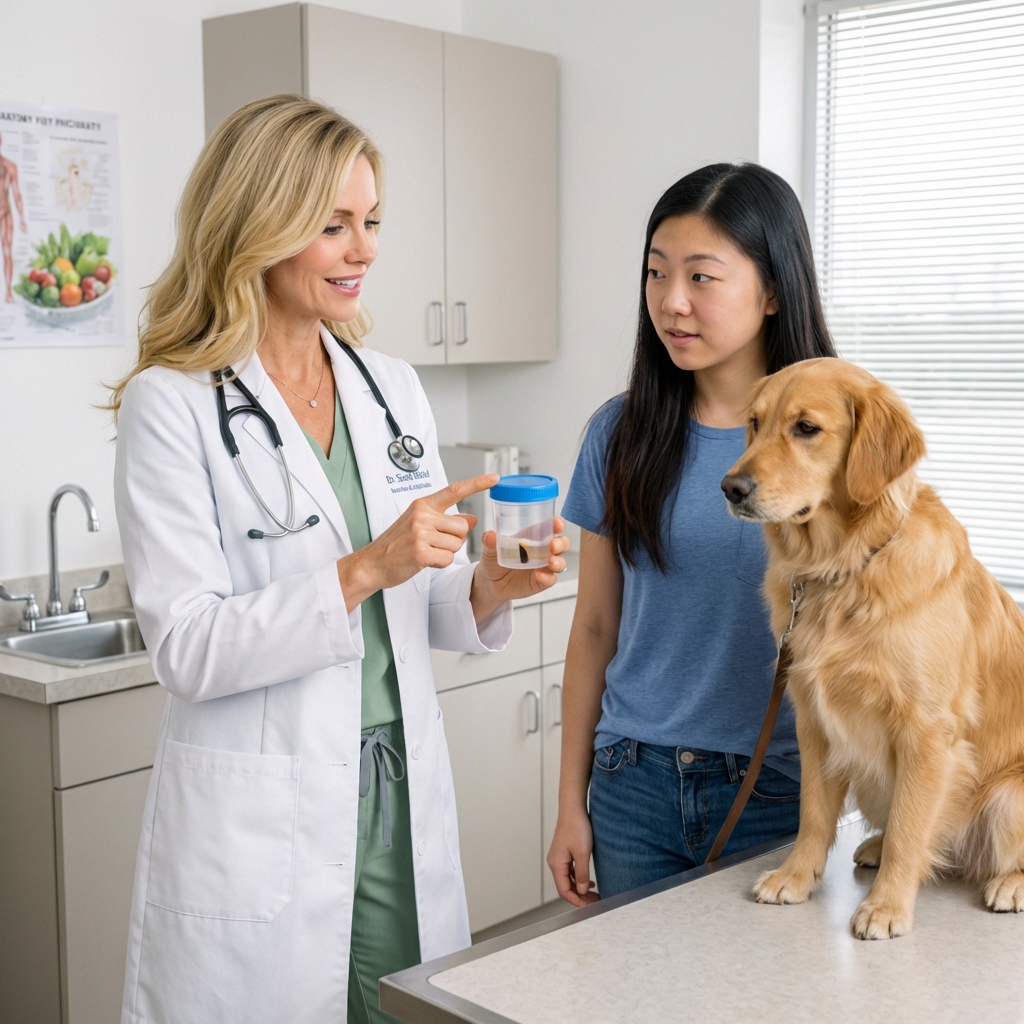
Yes, if you can. Bring it to your vet as soon as possible. If you cannot get in the same day, seal it in a clean bag or container and refrigerate it. Also take a photo of the stool before you pick it up.
Bottom line
Blood in your dog’s stool can range from mild to urgent. The most helpful things you can do are to stay calm, document what you see, and contact your veterinarian with clear details. When in doubt, especially with black stool, large volumes of blood, vomiting, or a dog who seems unwell, treat it as an emergency.
Your dog depends on you to notice the small changes. You are already doing the right thing by learning what it means and taking action.