

A dog bowel blockage can turn serious fast. Learn early symptoms, red flags, home do’s and don’ts, how vets diagnose obstructions, treatment options, rec...
Article
•
Designer Mixes
Dog Blockage Symptoms

Shari Shidate
Designer Mixes contributor
When a dog has a blockage, time matters. I have seen sweet, playful pups go from “a little off” (quieter than usual, skipping a meal) to truly sick within hours. The tricky part is that early blockage symptoms can look like a mild tummy upset, especially if your dog is the type who tries to keep going even when they feel awful.
This guide will help you spot the most important warning signs, understand what is happening inside your dog’s body, and know when to call your vet or head to a veterinary ER.
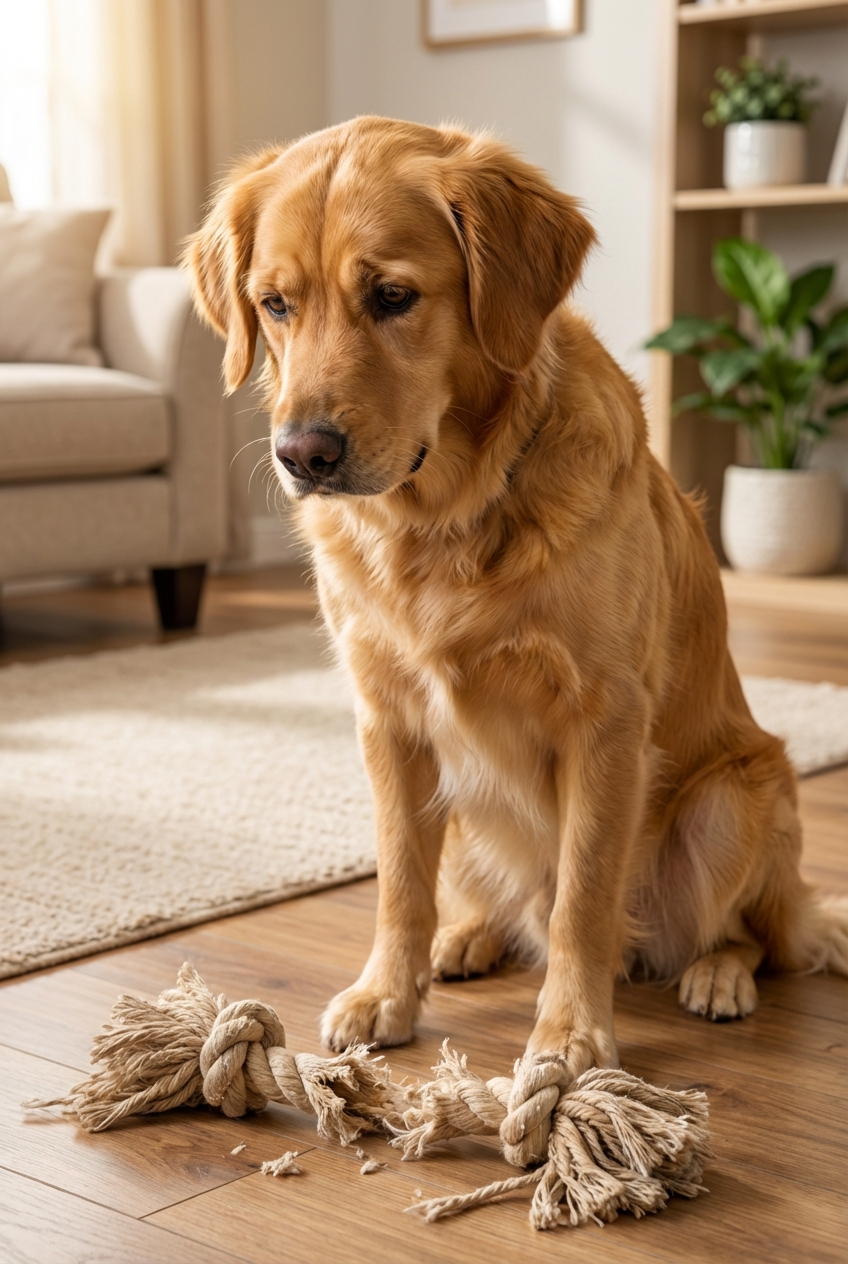
What a blockage is and why it is serious
A “blockage” usually means something is physically preventing food, water, and digestive material from moving normally through the stomach or intestines. Vets may call this a gastrointestinal obstruction.
Blockages are serious because they can:
- Cause persistent vomiting and dehydration
- Reduce blood flow to part of the intestine (this can lead to tissue damage)
- Trigger infection if the intestine is damaged or perforated
- Become life-threatening without prompt treatment
Some blockages are partial (a small amount can pass) and some are complete (nothing can pass). Partial blockages can be deceptive because symptoms may come and go.
Most common blockage symptoms
No single symptom proves there is a blockage, but certain patterns should raise your suspicion fast. Here are the most common signs veterinary teams look for.
Repeated vomiting or dry heaving
One vomit can happen for many reasons. What is more concerning is repeated vomiting, vomiting after every drink or meal, or unproductive retching. If your dog cannot even keep water down, that is urgent.
Loss of appetite
Many dogs with a blockage suddenly refuse food, even high-value treats. Some dogs will want to eat but vomit soon afterward.
Lethargy and “not themselves” behavior
Blockages can be painful and exhausting, but not every dog shows obvious pain early on. You may notice your dog is quieter, hiding, moving less, or not greeting you normally.
Belly pain or a tense abdomen
Some dogs will “guard” their belly, whine when picked up, pray-stretch repeatedly, or resist you touching their abdomen. A swollen or tight belly is especially concerning.
Stool changes
- Diarrhea can still happen. With a partial obstruction, liquid may pass around an object. Some dogs may also have diarrhea early on even if the obstruction later becomes complete.
- Constipation or little to no stool. With a complete obstruction, very little stool may pass, or your dog may squat and strain with little output.
- Straining and frequent squatting. This can look like constipation, but it may also reflect irritation and discomfort.
If your dog is not passing stool and is also vomiting, that combination is a major red flag.
Drooling and lip licking
Nausea and pain can cause excess drool, lip smacking, and repeated swallowing motions.
Foreign material in vomit or stool
If you see toy stuffing, string, sock fibers, corn cob pieces, or bone fragments, assume there could be more still inside.
Regurgitation, gagging, or swallowing trouble
Not all obstructions are in the intestines. If something is stuck in the esophagus or throat, you may see repeated regurgitation (food or water coming back up without the heaving effort of vomiting), drooling, gagging, or trouble swallowing.
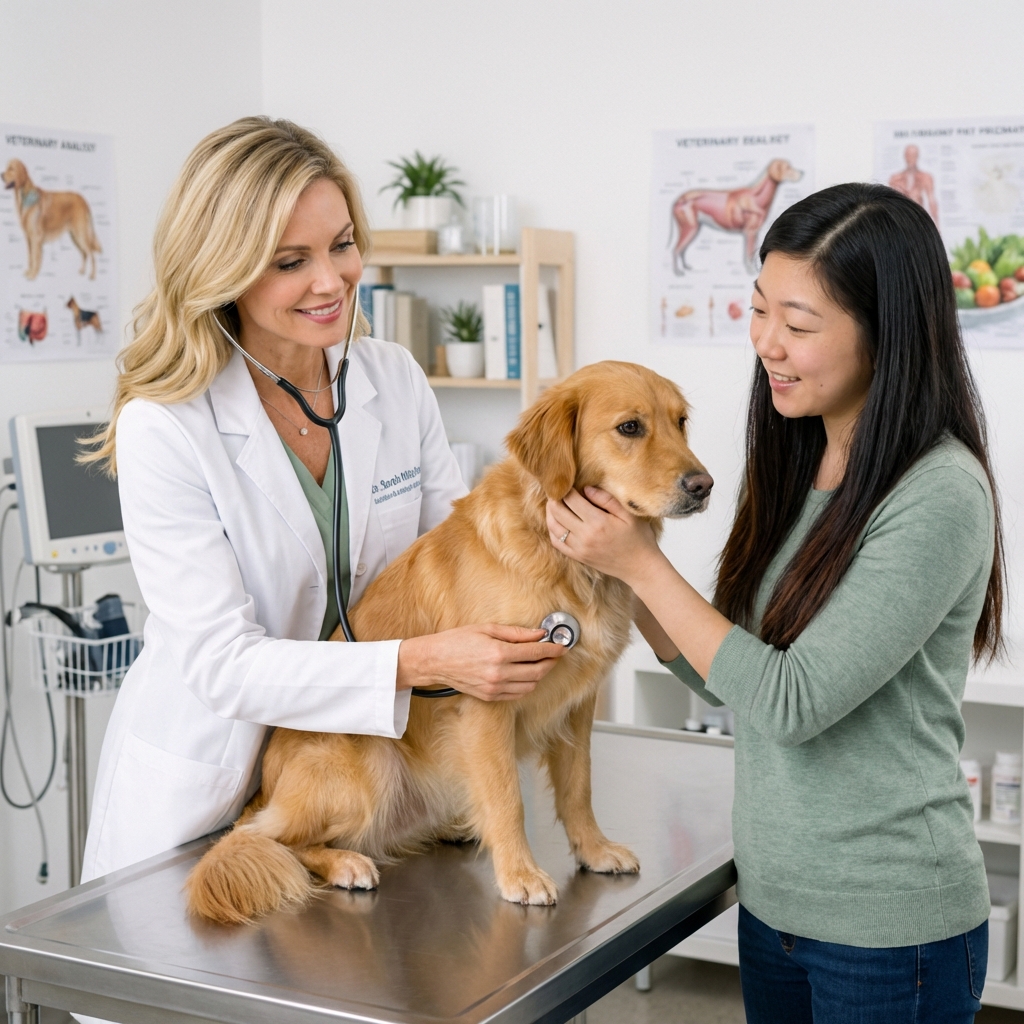
Emergency symptoms: go now
If you notice any of the signs below, do not “wait and see.” Contact your veterinarian or a veterinary ER immediately.
- Repeated vomiting or inability to keep water down
- A painful, swollen, or hard abdomen
- Weakness, collapse, or very pale gums
- Signs of severe dehydration (sticky gums, sunken eyes, extreme lethargy)
- Known ingestion of a high-risk item (see list below), especially with any symptom
- Choking, gagging, regurgitation, or trouble breathing (possible throat or esophagus obstruction)
Trust your instincts. If your dog looks uncomfortable and the symptoms are escalating, it is always safer to call. Blockages are one of those conditions where earlier treatment often means an easier recovery.
Puppies and small dogs can deteriorate faster, and the timeline depends on what was swallowed and where it is stuck. When in doubt, treat it as urgent.
High-risk items
In veterinary clinics, we see certain objects again and again. These are some of the most common troublemakers:
- Socks, underwear, dish towels
- Rope toys, string, yarn, ribbon (linear foreign bodies)
- Corn cobs, fruit pits
- Cooked bones or bone fragments
- Large chunks of rawhide or very hard chews
- Small balls that fit tightly in the throat or intestines
- Baby items and kids’ toys (rubber pieces, plush stuffing)
- Trash, especially fatty food scraps
Dogs who gulp food, puppies, and “serial snackers” are at higher risk, but any dog can get into something on a normal day.
If you see string, do not pull
If you see string, ribbon, yarn, dental floss, or rope toy material hanging from your dog’s mouth or anus, do not pull it. Linear foreign bodies can saw through the intestines. Keep your dog from chewing at it and go to your veterinarian or a veterinary ER right away.
Blockage vs bloat vs pancreatitis
Many urgent belly problems overlap. That is why a vet exam and imaging matter.
- Blockage: vomiting, pain, appetite loss, stool changes.
- Bloat (GDV): a distended abdomen, repeated unproductive retching, restlessness, rapid decline. This is always an emergency.
- Pancreatitis: vomiting, belly pain, appetite loss, sometimes diarrhea. Often linked with fatty foods.
From home, you cannot reliably tell these apart, and delaying care can be dangerous.
What your vet may do
Diagnosis and treatment depend on your dog’s symptoms, what might have been swallowed, and how stable your dog is.
Common diagnostic steps
- Physical exam, including abdominal palpation
- Bloodwork to check hydration and electrolytes, and to look for changes that may suggest inflammation or other complications
- X-rays (radiographs) to look for gas patterns or visible objects
- Ultrasound to detect many soft objects and assess intestinal movement
One important note: some objects do not show up well on x-rays (they are radiolucent), so your vet may recommend ultrasound or other imaging if suspicion is still high.
Possible treatments
- Fluids and medications: for dehydration, nausea, pain, and electrolyte support
- Inducing vomiting: sometimes used if ingestion was very recent and the object is appropriate to bring back up. It is not safe for all items or all dogs.
- Endoscopy: a camera is used to retrieve objects from the esophagus or stomach in some cases
- Surgery: needed if the object is in the intestines, the obstruction is complete, or there are signs of tissue damage

What to do at home
Here are safe, practical steps you can take right away while you contact your veterinarian or a veterinary ER:
- Call first. Describe symptoms and what you think was eaten, including the size and material.
- Remove access to food and treats unless your clinic tells you otherwise.
- Do not give home remedies like oil, butter, bread, or “bulking” foods unless your veterinarian specifically recommends it. These can worsen vomiting, increase aspiration risk, and delay care.
- Do not induce vomiting unless a veterinarian instructs you. It can be dangerous with sharp items, caustic substances, suspected linear foreign bodies, or if your dog is already weak or vomiting repeatedly. It can also be higher risk in flat-faced (brachycephalic) dogs because of aspiration concerns.
- Bring clues. If you have the packaging, a matching toy piece, or a photo of what was swallowed, bring it with you.
Prevention tips
Most blockages are preventable with a few realistic household habits:
- Pick the right chew size. Choose chews that are too large to swallow whole and supervise new chews.
- Use a laundry routine. Keep hampers closed and socks off the floor, especially with puppies.
- Rethink rope toys. If your dog shreds them, swap for safer enrichment options.
- Slow down gulpers. Use slow feeders, food puzzles, or scatter feeding.
- Trash control. Use lidded cans and keep grease and bones out of reach.
And a gentle reminder from someone who loves dogs a lot: “My dog never eats that” can change overnight. Prevention is a daily practice, not a one-time decision.
When in doubt, call
If your dog is vomiting repeatedly, cannot keep water down, seems painful, or you suspect they swallowed something they should not have, reach out to your veterinarian or a veterinary ER promptly. You are not overreacting. You are being the advocate your dog needs.
Quick checklist: If symptoms are ongoing for more than a few hours, worsening, or paired with abdominal pain or weakness, treat it as urgent.