Bloat can be deadly when it’s GDV. Learn the key symptoms (unproductive retching, distended belly, drooling, weakness), what ER treatment involves, and pre...
Article
•
Designer Mixes
Dog Bloated Stomach: Hard vs Soft

Shari Shidate
Designer Mixes contributor
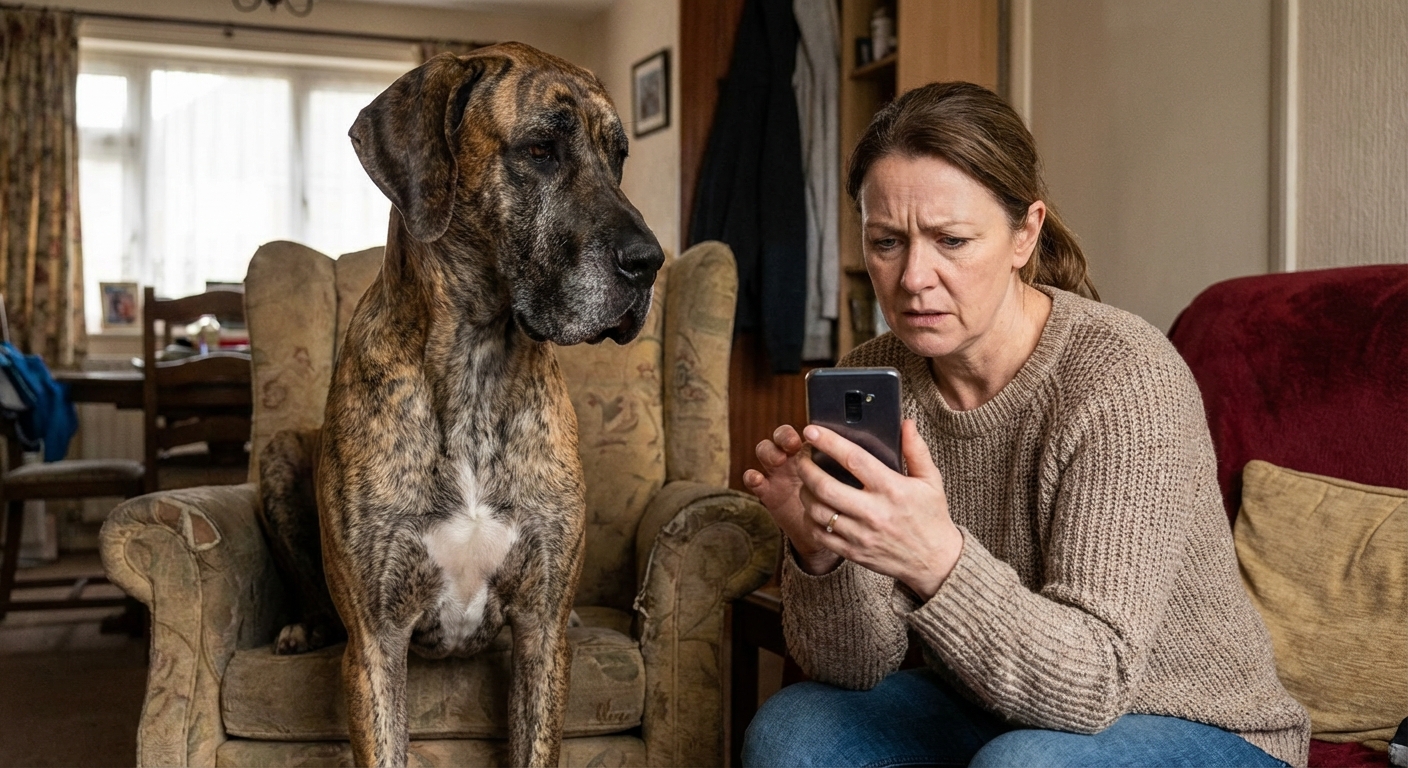
Seeing your dog’s belly look bigger than usual can be scary. As a veterinary assistant, I want you to know two things can be true at once: some bloating is mild and temporary, and some bloating is a true emergency. A big clue is whether the belly feels hard or soft, but texture alone isn’t enough to rule out an emergency.
This guide will help you check your dog gently, understand what “hard vs soft” can mean, and know when to call your vet right away. It cannot diagnose your dog, so when in doubt, call a veterinarian or emergency clinic.
Hard vs soft: what you are feeling
When people say a dog’s stomach is “bloated,” they often mean one of several different things. Here’s how “hard” and “soft” typically feel in real life.
What a hard, tight belly can suggest
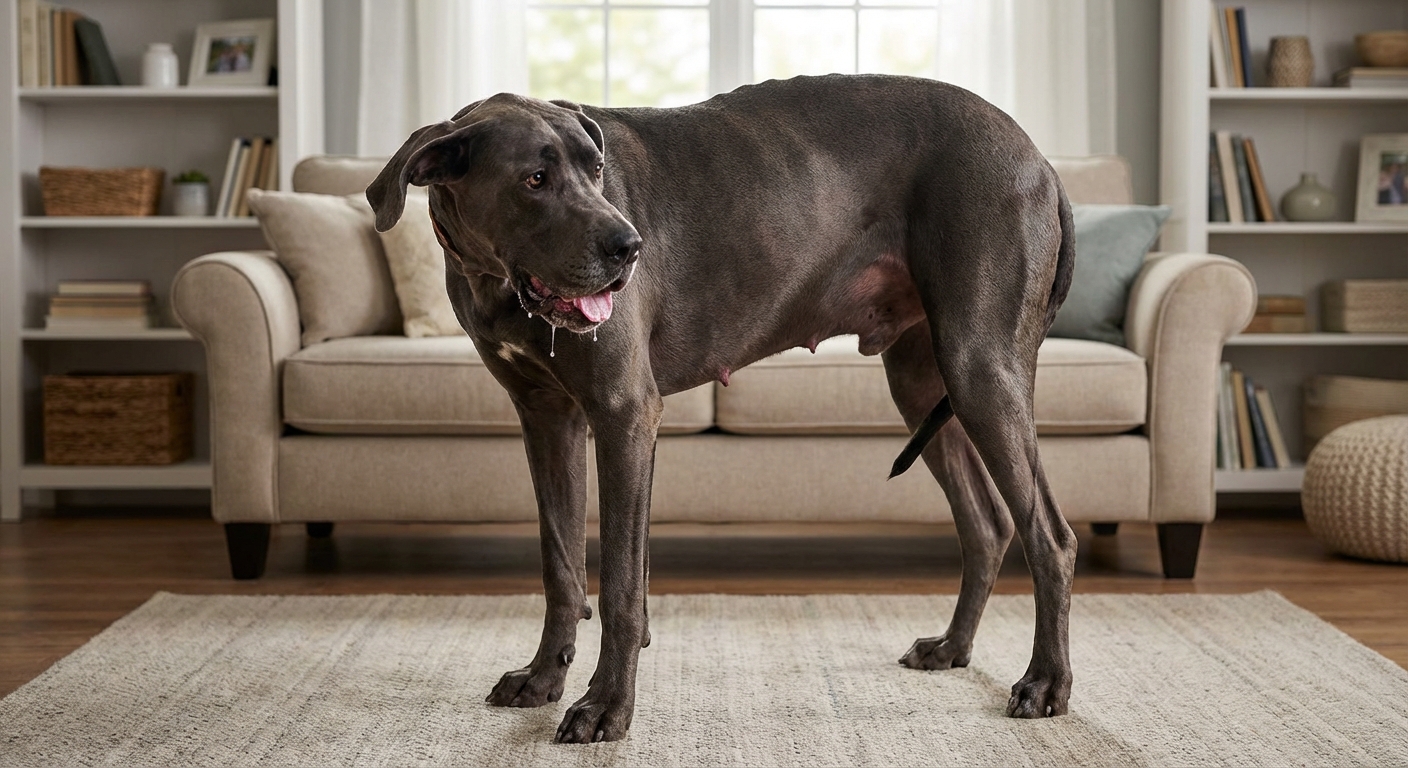
A belly that feels tight like a drum, looks suddenly enlarged, and seems uncomfortable is concerning because it can be caused by gas distension and pressure inside the stomach. In the most dangerous scenario, it can be related to GDV (gastric dilatation-volvulus) , sometimes called “bloat with twisting.”
Less commonly, a belly can also feel firm from severe pain and muscle tensing (called guarding), inflammation, or other urgent abdominal problems. Fluid in the abdomen more often feels soft or “fluidy,” but every dog is different, so do not use firmness as your only guide.
What a soft, squishy belly can suggest
A softer belly that feels more jiggly or doughy can happen with:
- Extra food volume after a large meal
- Mild gas that comes and goes
- Weight gain or general body fat
- Fluid in the abdomen (this can be serious even if it feels soft)
- Pregnancy (gradual enlargement in intact females)
Important truth
Both hard and soft distension can be serious. The real red flags are your dog’s behavior and how quickly the swelling appeared.
How to check your dog’s belly safely
If your dog is painful, panicking, or struggling to breathe, skip the belly check and go straight to urgent care. Otherwise, you can do a quick, gentle assessment.
Step 1: Look
- Is the belly bigger than normal, especially just behind the ribcage?
- Is the swelling sudden (minutes to hours) or gradual (days to weeks)?
- Is the belly shape symmetrical, or more swollen on one side?
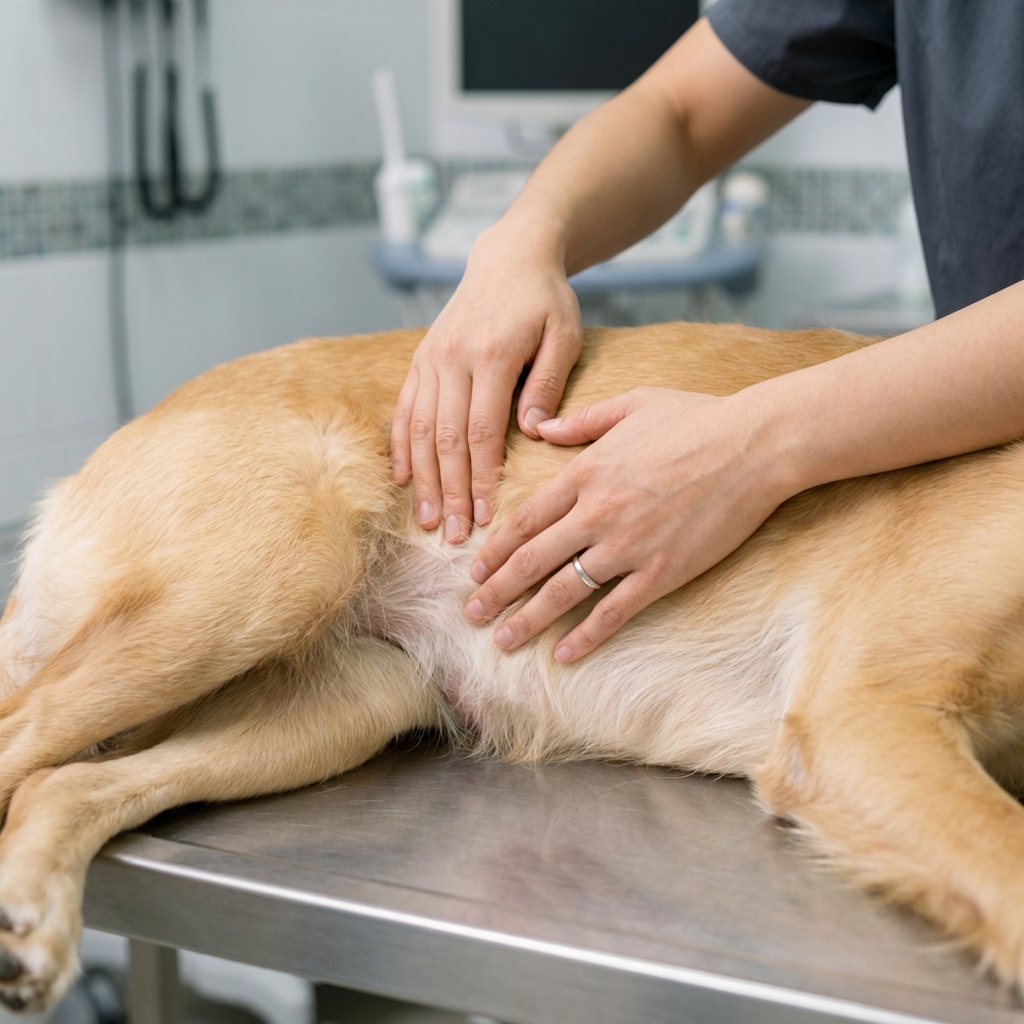
Step 2: Feel lightly
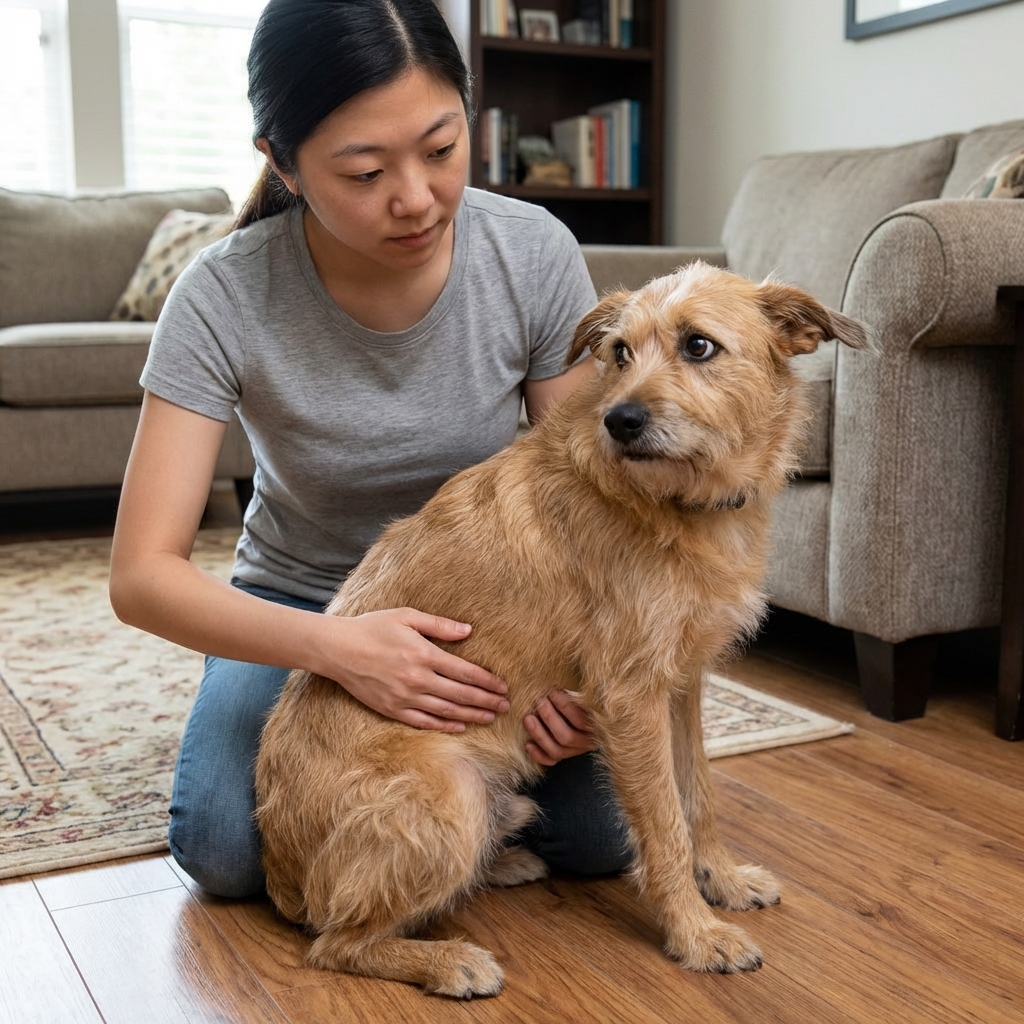
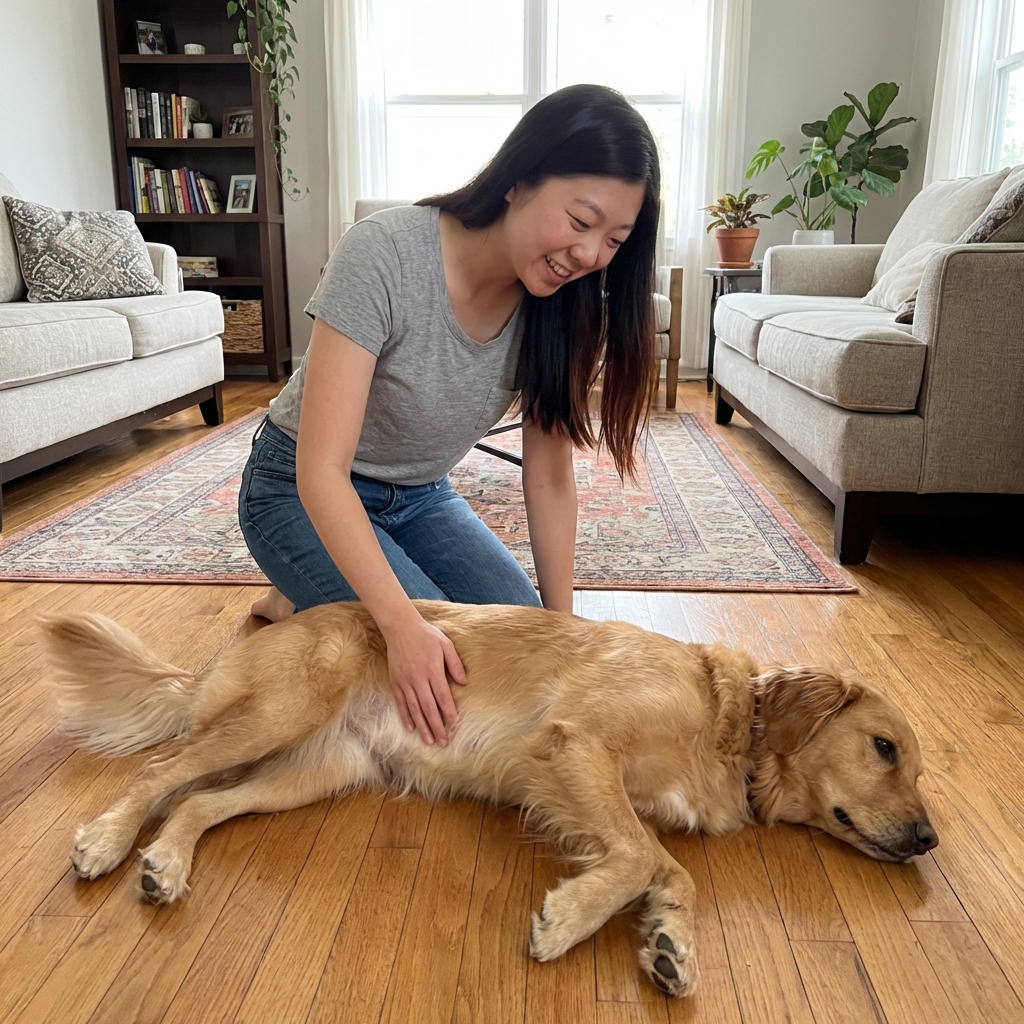
Use a flat hand and gentle pressure. You are not “poking.” You are simply checking firmness.
- Hard/tight: minimal give, tense abdomen
- Soft: gives under your hand, feels squishy
- Painful: dog tenses, flinches, cries, looks back at you, or guards the belly
Step 3: Watch for key symptoms
These observations matter more than hard vs soft:
- Retching or dry heaving (trying to vomit but little or nothing comes up)
- Vomiting (some serious cases can still bring up foam or liquid)
- Restlessness, pacing, can’t get comfortable
- Excess drooling
- Rapid breathing or trouble breathing
- Pale gums or weakness
- Collapse
Step 4: Quick gum check
Lift the lip and look at gum color:
- Healthy: bubblegum pink
- Concerning: pale, white, gray, or bluish gums
If gums are pale or your dog seems weak, that may indicate shock, anemia, or poor circulation . This is an emergency.
When a hard belly is an emergency
A sudden hard, enlarged abdomen with signs of distress is the classic high-alert scenario.
GDV: the emergency to rule out
GDV happens when the stomach fills with gas and then twists, trapping gas and cutting off blood flow. It can progress quickly.
Common warning signs:
- Sudden belly enlargement, often hard and tight
- Unproductive retching or repeated attempts to vomit (sometimes foam or liquid may come up)
- Drooling, panting, restlessness
- Pain, weakness, collapse
If you suspect GDV, do not wait. Go to an emergency veterinarian immediately. Call ahead if you can so they are ready. Keep your dog calm, and do not offer food or water on the way.
Other urgent causes of a hard belly
- Intestinal blockage (toy, bone, clothing, corn cob, etc.)
- Severe constipation
- Abdominal bleeding (can occur with trauma or certain internal conditions)
- Severe pancreatitis or inflammation causing painful abdominal guarding
- Organ enlargement or masses (can cause distension and may be painful)
When a soft belly can still be serious
A soft belly does not automatically mean “no big deal.” One of the most important exceptions is fluid in the abdomen, which may feel soft or like it has a gentle wave to it when the dog moves.
Possible causes of a soft, swollen abdomen
- Ascites (abdominal fluid), which can be associated with heart disease, liver disease, low blood protein, or other conditions
- Parasites in puppies causing a pot-bellied look
- Hormonal conditions such as Cushing’s disease that change body shape over time
- Pregnancy in intact females (gradual enlargement)
- Masses or organ enlargement (may be subtle at first)
- Overeating or mild gas
If the swelling is new, getting worse, or paired with low energy, coughing, decreased appetite, vomiting, diarrhea, or weight loss, it’s time to schedule a veterinary exam promptly.
Hard or soft? Use this guide
Go to emergency care now if you notice:
- Distended belly plus retching or dry heaving
- Distended belly plus restlessness and can’t settle
- Rapid breathing, trouble breathing, or panting that seems abnormal
- Pale gums, weakness, collapse
- Severe abdominal pain or a belly that becomes hard quickly
Call your vet today if:
- Belly looks larger than normal with decreased appetite
- Vomiting or diarrhea plus belly discomfort
- Possible foreign object ingestion
- Swelling is progressing over hours to a day
Monitor at home only if:
- Your dog is acting normal, eating normally, and has normal stools
- The belly is only mildly enlarged after eating
- There is no pain, no retching, and no breathing changes
If you choose to monitor, keep it short. Recheck closely over the next 1 to 2 hours. If anything changes, or if you are unsure, call your veterinarian or an emergency clinic.
What not to do at home
When you’re worried, it’s natural to want to fix it immediately. But with abdominal swelling, some home actions can make things worse or delay lifesaving care.
- Do not force your dog to vomit.
- Do not give human medications like Pepto-Bismol, aspirin, ibuprofen, or other pain relievers unless your vet specifically instructs you.
- Do not give OTC gas products or laxatives unless your vet gives you a dose and tells you it is appropriate for your dog. Some products (like simethicone) are sometimes used, but correct dosing and timing matter.
- Do not massage or press hard on a painful belly.
- Do not wait overnight if GDV signs are present.
What the vet may do
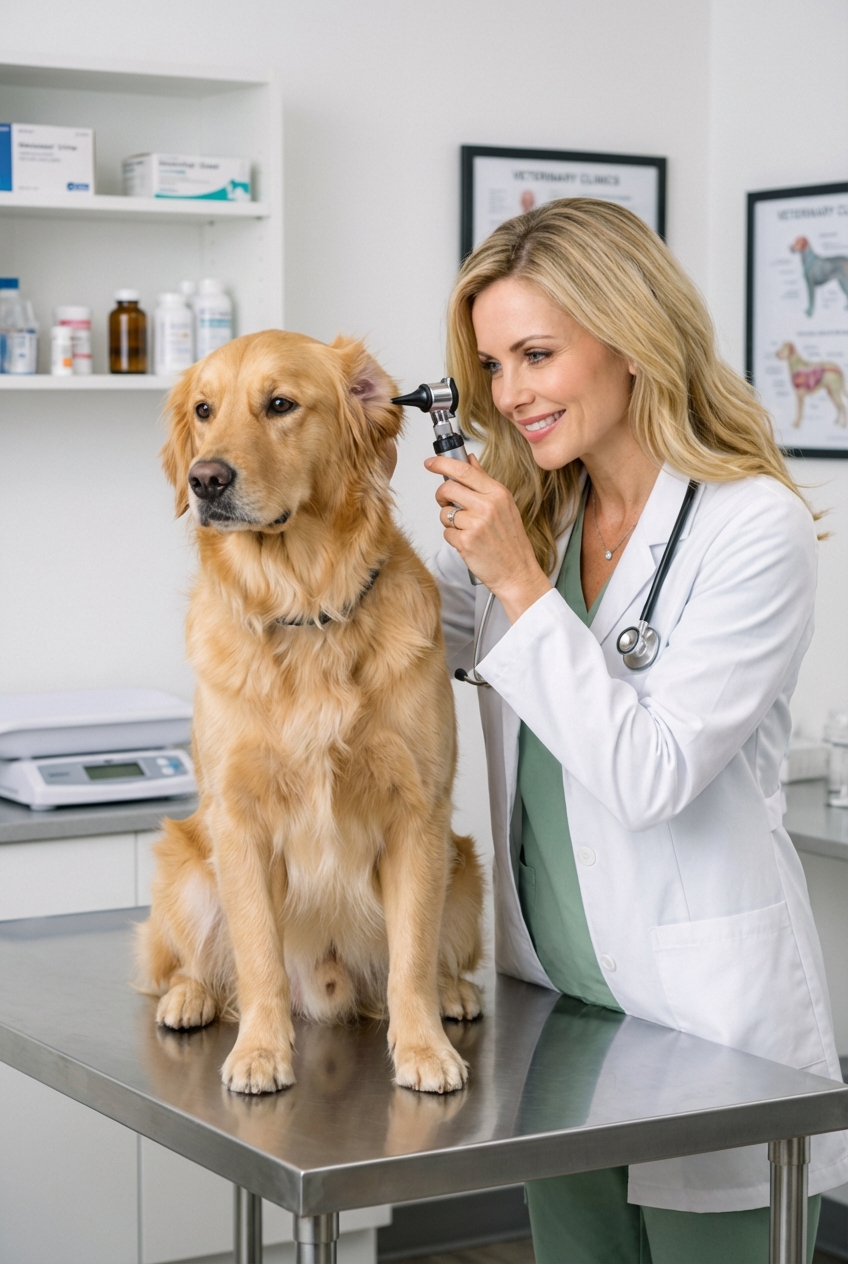
In clinic, we focus on two priorities: stabilize your dog and find the cause. Depending on symptoms, your vet may recommend:
- Physical exam and abdominal palpation
- X-rays to check for GDV, significant gastric dilation, or obstruction
- Ultrasound to look for fluid, masses, or organ changes
- Bloodwork to assess hydration, infection, inflammation, and organ function
- Emergency decompression and surgery if GDV is confirmed
The sooner a true emergency is treated, the better the outcome tends to be.
Reducing bloat risk
Not all bloating is preventable, but these habits may help lower risk, especially in large and deep-chested breeds (Great Danes, German Shepherds, Standard Poodles, Dobermans, and mixes with similar build).
- Feed 2 to 3 smaller meals instead of one large meal.
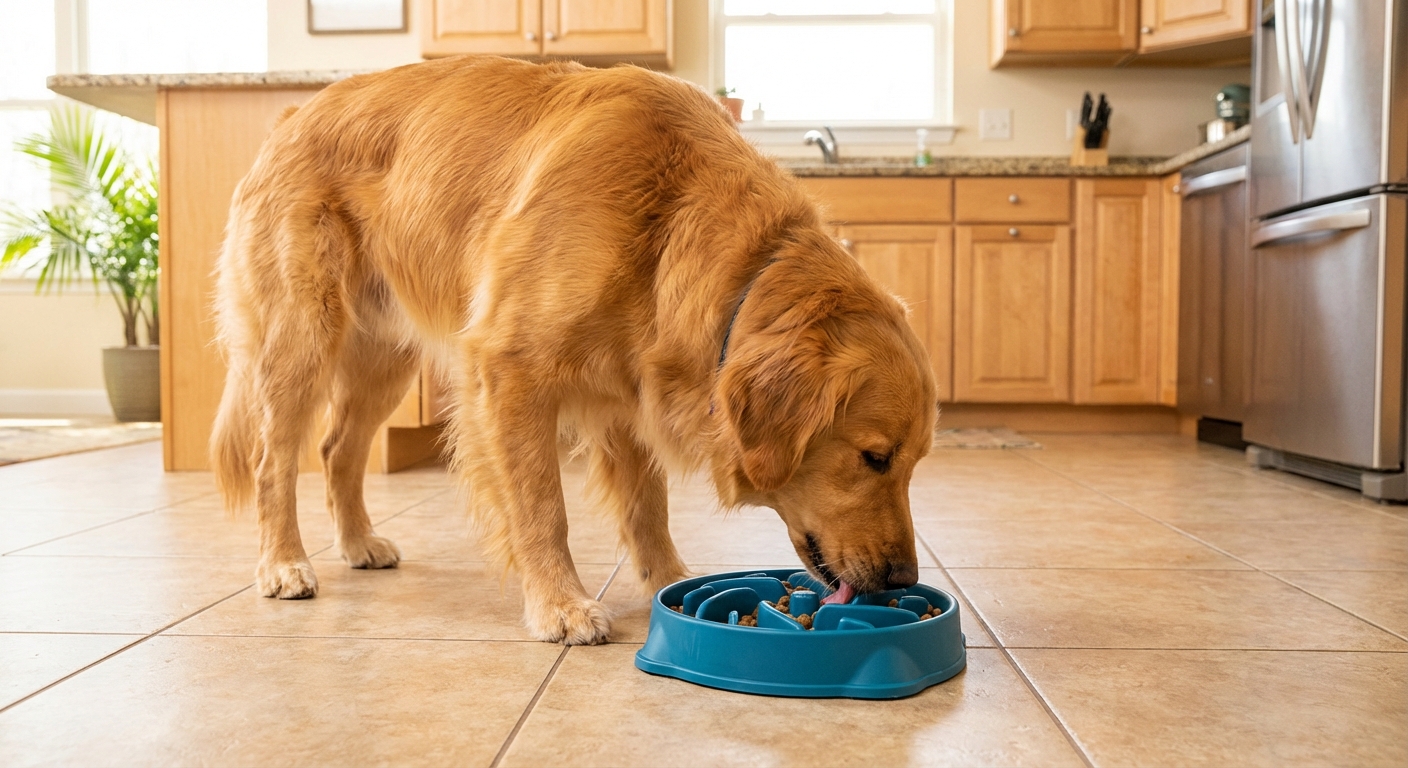
- Discourage gulping by using a slow feeder bowl.
- Avoid intense exercise, heavy play, or lots of water chugging right before and right after meals. This is commonly recommended, even though evidence is mixed.
- Keep stress lower around mealtimes when possible.
- Ask your vet about preventive gastropexy for high-risk dogs (a procedure that tacks the stomach in place to reduce risk of twisting).
Bottom line
A hard, tight belly can be a red flag for dangerous gas distension and GDV, but a soft belly can still indicate serious issues like abdominal fluid, pregnancy, or internal disease. If the swelling is sudden, your dog is retching, restless, painful, weak, or breathing differently, treat it as an emergency and get to a veterinarian right away.
If you’re unsure, trust your instincts and call your vet or an emergency clinic. I would always rather you call and be told it’s mild than wait and miss the early window for treatment.