Practical, vet-informed ways to help your dog drink more: ideal daily intake, common causes of low drinking, bowl and water setup fixes, add-ins, “go drink...
Article
•
Designer Mixes
Dog Bladder Stones

Shari Shidate
Designer Mixes contributor
Bladder stones can feel like they come out of nowhere, but most of the time there are clues: frequent squatting, “accidents” in a house-trained dog, blood-tinged urine, or licking at the genital area. As a veterinary assistant here in Frisco, Texas, I have seen how scary this can be for families. The good news is that many bladder stones are treatable, and some are preventable once you know your dog’s stone type and why it formed.
Important: If your dog is straining to urinate, producing only a few drops, crying, vomiting, or seems suddenly weak, treat it as an emergency. A urinary blockage can become life-threatening quickly, especially in male dogs.

What bladder stones are
Bladder stones (uroliths) are mineral “rocks” that form in the urinary tract, most commonly in the bladder. They can be as small as grains of sand or large enough to take up space in the bladder and irritate the lining.
Stones form when urine becomes supersaturated with certain minerals, meaning there is more “stone-building material” in the urine than can stay dissolved. Urine volume (hydration), urine pH, infection, genetics, anatomy, and natural promoters and inhibitors of crystallization can all influence whether crystals clump together and become stones.
Common signs at home
Some dogs show obvious discomfort. Others act mostly normal until the irritation becomes significant. Watch for these red flags:
- Frequent urination or repeated squatting with little output
- Blood in the urine (pink, red, or tea-colored)
- Straining, slow stream, or dribbling
- Urinary accidents in a previously house-trained dog
- Genital licking, restlessness, or signs of pain
- Foul-smelling urine (often infection-related)
Emergency signs: inability to urinate, a firm painful belly, vomiting, collapse, or extreme lethargy.
Who is at higher risk
Any dog can develop stones, but a few patterns show up often:
- Male dogs: more likely to become blocked due to a narrower urethra, even if females form stones more commonly with some types.
- Breed tendencies: some breeds are over-represented depending on stone type (for example, Miniature Schnauzers, Shih Tzus, Bichons, Lhasa Apsos, and others). Your veterinarian can tell you what is common in your area and for your dog’s history.
- Dogs with recurrent UTIs: higher risk for infection-related stones.
- Dogs with prior stones: recurrence is common without a prevention plan, so follow-up matters.
Stone types
Not all stones are the same, and diet advice can be very different depending on the type. That is why your veterinarian will often recommend testing a retrieved stone or running a urine culture and imaging.
Struvite stones
In dogs, struvite stones are most often linked to urinary tract infections (UTIs). Certain bacteria raise urine pH and create the right environment for struvite to form. Many struvite stones can be dissolved with a therapeutic diet and the right antibiotic plan based on culture.
It is also possible to have sterile struvite (no infection). It is less common in dogs than infection-related struvite, but it is one reason your vet may still recommend culture and follow-up testing instead of assuming a UTI is always present.
Calcium oxalate stones
These cannot be dissolved with diet. They are typically removed surgically or with other procedures. Prevention focuses on keeping urine dilute and following a vet-directed plan to reduce recurrence risk. One important caution: many calcium oxalate cases are not caused by “too much calcium” in the diet, and overly restricting calcium can be counterproductive. What usually helps most is avoiding unbalanced supplementation and high-oxalate add-ins, and sticking with the diet and targets your veterinarian recommends.
Urate stones
Often associated with Dalmatians and certain liver conditions (including portosystemic shunts). Urate stones can also occur in other dogs with inherited hyperuricosuria. Treatment may include diet changes, medications like allopurinol (only under veterinary direction), and addressing any underlying liver issue.
Cystine stones
Less common and often related to genetics and urinary amino acid handling. They can recur without a prevention plan.

How vets diagnose stones
Because bladder stone symptoms can look like a simple UTI, diagnosis is about confirming what is truly happening inside the urinary tract.
- Urinalysis: checks urine concentration, pH, blood, protein, and crystals. Keep in mind that crystals do not always mean stones, and some dogs have stones with no crystals seen on a urine sample.
- Urine culture: identifies infection and selects the best antibiotic. This is especially important if struvite is suspected.
- X-rays: many stones are visible on radiographs (especially struvite and calcium oxalate).
- Ultrasound: can detect stones and bladder wall changes, including some stones that are harder to see on X-ray.
- Contrast imaging or advanced options: some stones (including many urate and cystine stones) can be radiolucent, meaning they may not show up well on plain X-rays. In those cases, ultrasound or contrast studies can be helpful.
- Stone analysis: the gold standard. If a stone is removed or passed, analysis guides prevention.
Treatment options
Your veterinarian will recommend a plan based on stone type, your dog’s comfort level, and whether there is a blockage.
Medical dissolution
This may involve a prescription urinary diet designed to dissolve struvite plus antibiotics (often for weeks) if infection is present. Follow-up imaging is usually recommended to confirm stones are truly gone.
Surgical removal
Surgery (cystotomy) removes stones quickly and provides material for analysis. This is common for calcium oxalate stones, large stones, or cases where dissolution is not appropriate.
Non-surgical procedures
- Urohydropropulsion: flushing small stones from the bladder under anesthesia
- Cystoscopy and retrieval: minimally invasive removal in some dogs, depending on anatomy and stone size
- Lithotripsy: breaking stones into smaller pieces at specialty centers
After treatment, your veterinarian may recommend a recheck plan that includes repeat urinalysis, culture if infection was involved, and imaging to make sure all stones are gone and to catch early recurrence.
Prevention basics
Even after successful treatment, recurrence is possible. Prevention helps reduce recurrence risk and keeps your dog more comfortable long-term.
While prevention must be tailored to stone type, there are practical steps that support bladder health in many dogs.
1) Hydration matters
Dilute urine is less likely to form crystals and stones. Try:
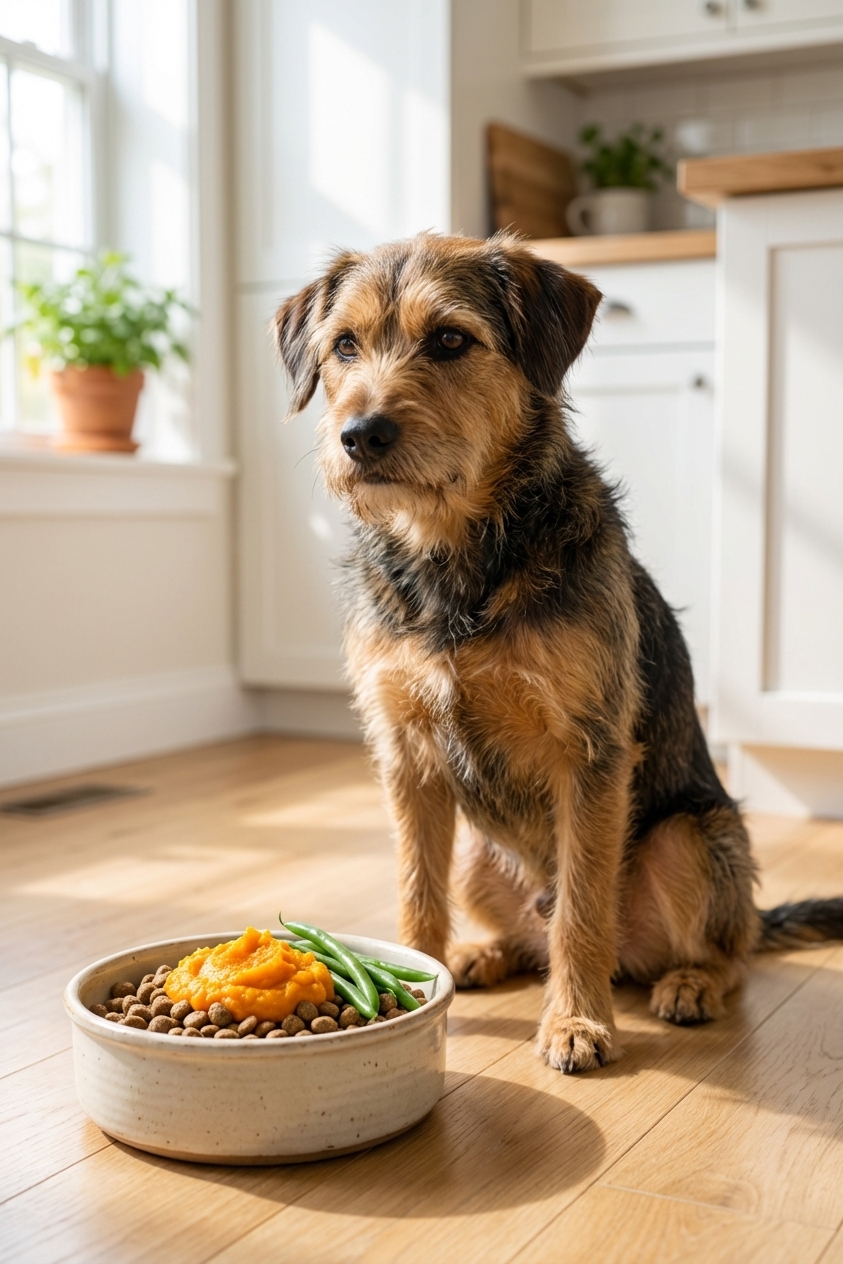
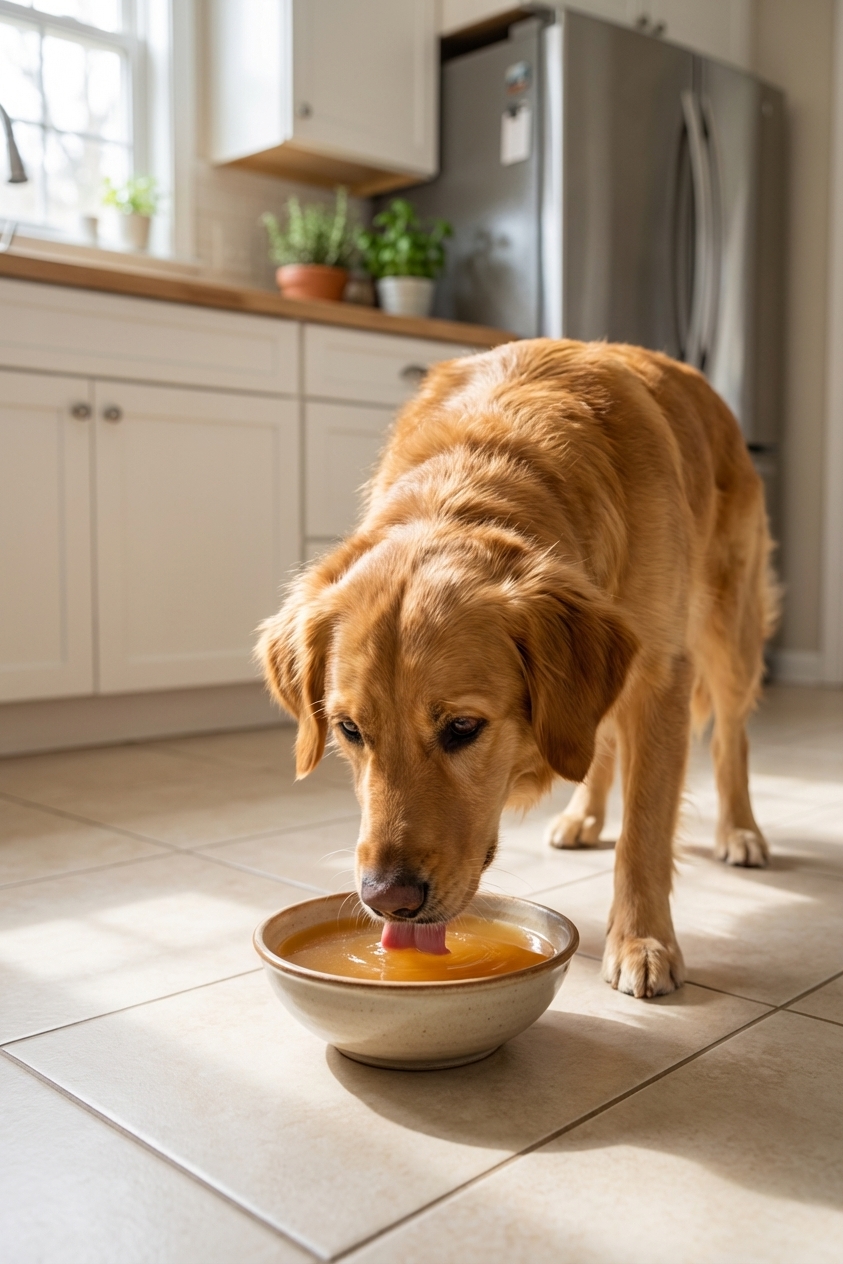
- Switching some or all meals to wet food (or adding warm water or low-sodium broth to meals)
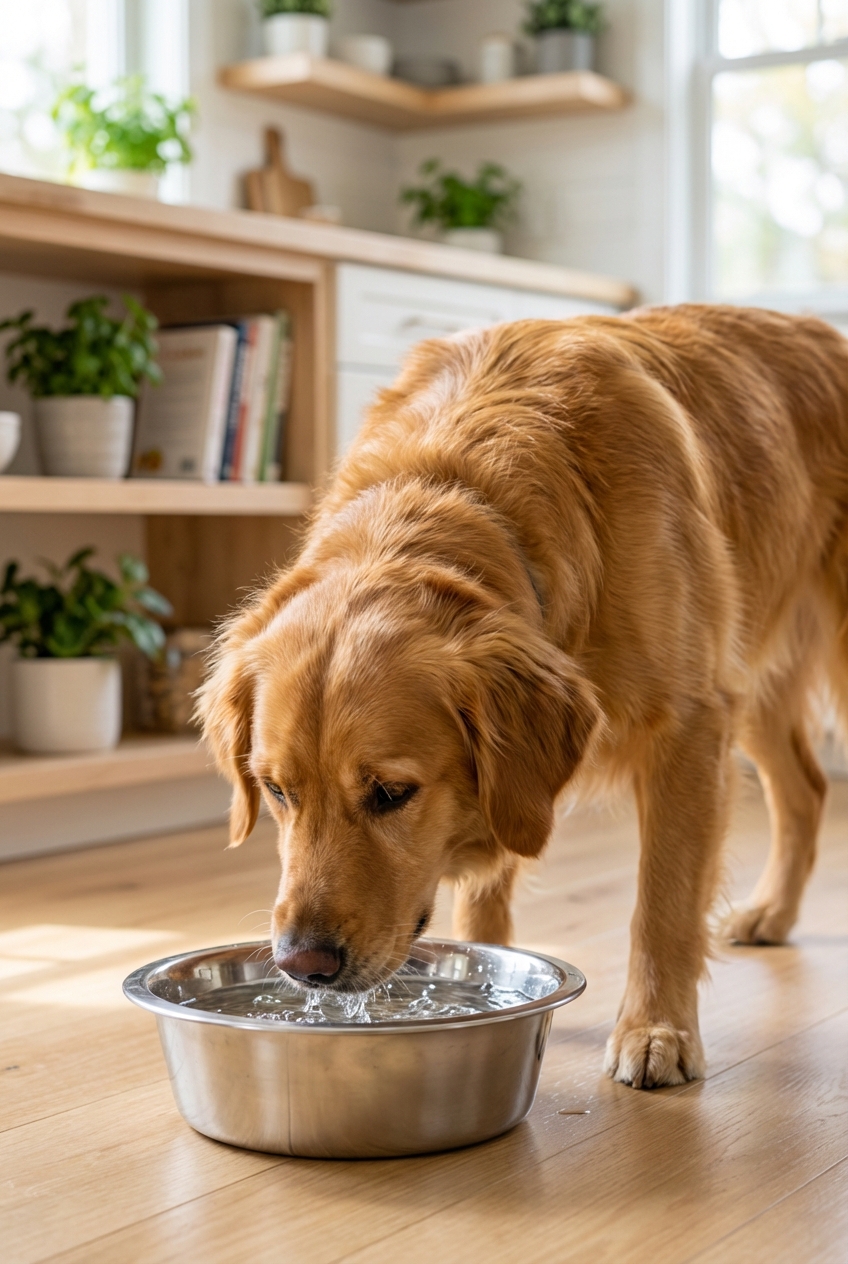
- Using a pet fountain if your dog drinks more from moving water
- Offering multiple clean water stations
- Adding vet-approved water-rich toppers in small amounts, if appropriate for your dog’s diet plan
2) More potty breaks
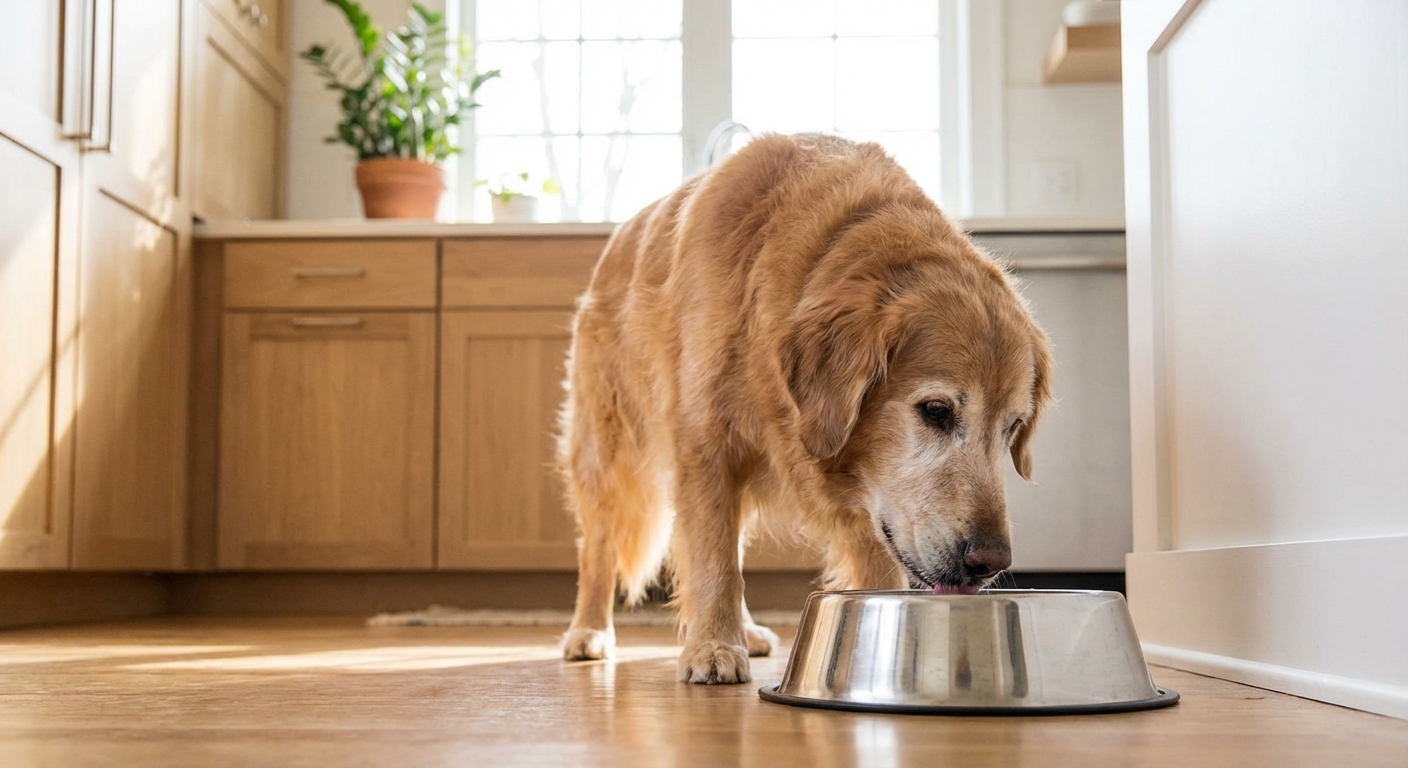
Urine sitting in the bladder longer can encourage crystal formation. Puppies, seniors, and dogs with mobility issues especially benefit from more frequent opportunities to go out.
3) Treat UTIs seriously
If your dog gets recurrent UTIs, ask your vet about culture-based treatment and rechecks. With struvite stones, infection control is often the center of prevention.
4) Healthy weight and daily movement
Gentle activity supports normal bladder emptying and overall metabolism. Obesity is linked with a variety of urinary and inflammatory issues.
Diet basics
This is the part where people understandably want a simple list. The truth is that bladder stone nutrition is highly specific. The “best” diet depends on stone type, urine pH goals, infection status, and other health conditions.
Do this first
- Get the stone analyzed if possible.
- Ask for your dog’s urine pH and urine specific gravity numbers and what targets your veterinarian wants.
- Do not start supplements (especially calcium, vitamin C, cranberry, or urine acidifiers or alkalinizers) without guidance.
Prescription urinary diets
Therapeutic diets can be incredibly effective because they are designed to control minerals and influence urine pH. They are not “forever diets” for every dog, but they are often the safest starting point after a stone episode, especially when recurrence risk is high.
If you prefer homemade food
I love whole-food nutrition, but with bladder stones, homemade diets should be built with a veterinary nutritionist so you do not accidentally increase recurrence risk. A balanced plan may still be possible, but it must match your dog’s stone type and urine goals.
Action step: Bring a 3-day food log to your vet, including treats, chews, flavored medications, and table scraps. Small extras can matter.
Age guidance
Puppies and young dogs
- Talk to your vet if you see urinary frequency or accidents that feel “off” for your puppy.
- Avoid long stretches without potty breaks.
- Do not use supplements to “prevent stones” unless directed. Growing dogs have unique calcium and mineral needs.
Adult dogs
- If your dog has had one stone episode, plan on rechecks. Recurrence prevention is a long game.
- Be consistent with diet and water routines, especially during travel or schedule changes.
Senior dogs
- Seniors may drink less, move less, and hold urine longer due to arthritis or cognitive changes. Add potty breaks and consider mobility support.
- Ask your vet to screen for conditions that change urination patterns, like kidney disease, diabetes, or Cushing’s disease.
Monitoring at home
You do not need to become a detective, but a few habits can help you catch problems early:
- Watch the stream: is it steady and normal volume?
- Notice patterns: sudden increase in frequency or accidents deserves attention.
- Track water intake: a big change can signal illness.
- Save a urine sample if your dog has symptoms and you can collect one cleanly. Your clinic can tell you how and when to bring it in.
If your dog strains and cannot pass urine, do not wait for a morning appointment. Go to an emergency clinic.
Questions for your vet
- What stone type do you suspect, and why?
- Do we need a urine culture, or just a urinalysis?
- What are my dog’s urine pH and urine specific gravity today?
- Should we do X-rays, ultrasound, or both?
- Are any stones likely to be hard to see on X-ray?
- What is our prevention plan, and when is the next recheck?
- Are treats, chews, or supplements affecting urine goals?
Bottom line
Bladder stones are common, painful, and very manageable with the right diagnosis. The most practical path is this: confirm the stone type, treat any infection fully, increase hydration, and follow a prevention plan you can realistically maintain.
If you are feeling overwhelmed, take a breath and start with one high-impact change: help your dog make more dilute urine through water intake and frequent potty breaks. Then partner with your veterinarian for the specifics that keep stones from coming back.