Dog UTI symptoms can mimic stones or other issues. Learn the full treatment plan: urinalysis and culture, correct antibiotics, pain control, hydration, home ...
Article
•
Designer Mixes
Dog Bladder Infections: Vet-Approved Facts and Insights

Shari Shidate
Designer Mixes contributor
When your dog suddenly needs to pee every few minutes, has accidents in the house, or seems uncomfortable squatting, a bladder infection often jumps to the top of the suspect list. And while urinary tract infections, or UTIs, are common, they are not something to “wait out.” In my veterinary assistant world here in Frisco, Texas, I have seen simple infections turn into painful complications when treatment is delayed.
This article breaks down veterinarian-approved facts about bladder infections in dogs, what signs matter most, how vets diagnose and treat them, and what you can do at home to support healing.
What a bladder infection means
Most canine bladder infections are bacterial infections of the lower urinary tract. The medical term you may hear is cystitis, which means inflammation of the bladder. Cystitis can be caused by bacteria, but it can also be caused by other issues like bladder stones, tumors, or irritation.
UTI vs. cystitis
- UTI is often used as an umbrella term for infection anywhere in the urinary tract.
- Cystitis refers specifically to the bladder. It may be infectious (bacteria) or non-infectious (inflammation from stones, stress, or other irritation).
Why this matters: the right treatment depends on the true cause. Antibiotics help bacterial infections, but they do not fix stones, tumors, incontinence, or anatomical problems.
Common signs to watch for
Dogs cannot tell us “it burns,” so we rely on patterns. If you notice any of the following, it is worth calling your veterinarian.
Most common symptoms
- Frequent urination, often producing only small amounts
- Straining to urinate or appearing uncomfortable
- Accidents in the house in a previously house-trained dog
- Blood in urine (pink, red, or brown tint)
- Strong-smelling urine
- Excessive licking of the vulva or penis
Keep in mind: these same signs can also occur with bladder stones, incontinence, pain (like arthritis making squatting difficult), or even behavioral marking. That is why urine testing matters.
Signs it may be more serious
- Fever, lethargy, decreased appetite
- Vomiting
- Back or abdominal pain
- Increased thirst
If infection travels upward to the kidneys (pyelonephritis), dogs may feel significantly ill. Prompt care makes a big difference.
Emergency warning
Some urinary signs can look like a bladder infection but are actually emergencies. The biggest one is a urinary obstruction, especially in male dogs. Stones can also trigger obstruction and can mimic a UTI until things worsen.
Go to an emergency vet now if your dog:
- Cannot urinate, or only dribbles a few drops despite repeated attempts
- Crying out, very restless, or has a painful belly
- Vomiting and acting weak along with urinary straining
A blocked bladder can become life-threatening in a short period of time.
Why bladder infections happen
Most bacterial infections happen when bacteria enter the urinary tract through the urethra and multiply in the bladder. Occasionally, a dog’s body may clear low-level bacteria on its own, but that outcome is unpredictable and not something to count on. Waiting can allow infection to worsen, recur, or spread.
Common risk factors
- Female anatomy (shorter urethra can make bacterial ascent easier)
- Bladder stones or urinary crystals that irritate the bladder lining
- Diabetes (sugar in urine can encourage bacterial growth)
- Cushing’s disease or steroid medications (immune suppression)
- Vulvar conformation issues (skin folds that trap moisture and bacteria)
- Not emptying the bladder fully (neurologic issues, pain, or mobility limits)
- Underlying disease that changes immunity or urine quality (more common as dogs age)
Repeated infections deserve a deeper look for an underlying cause. “Just another UTI” may be a sign of a bigger issue that needs addressing.
How vets diagnose it
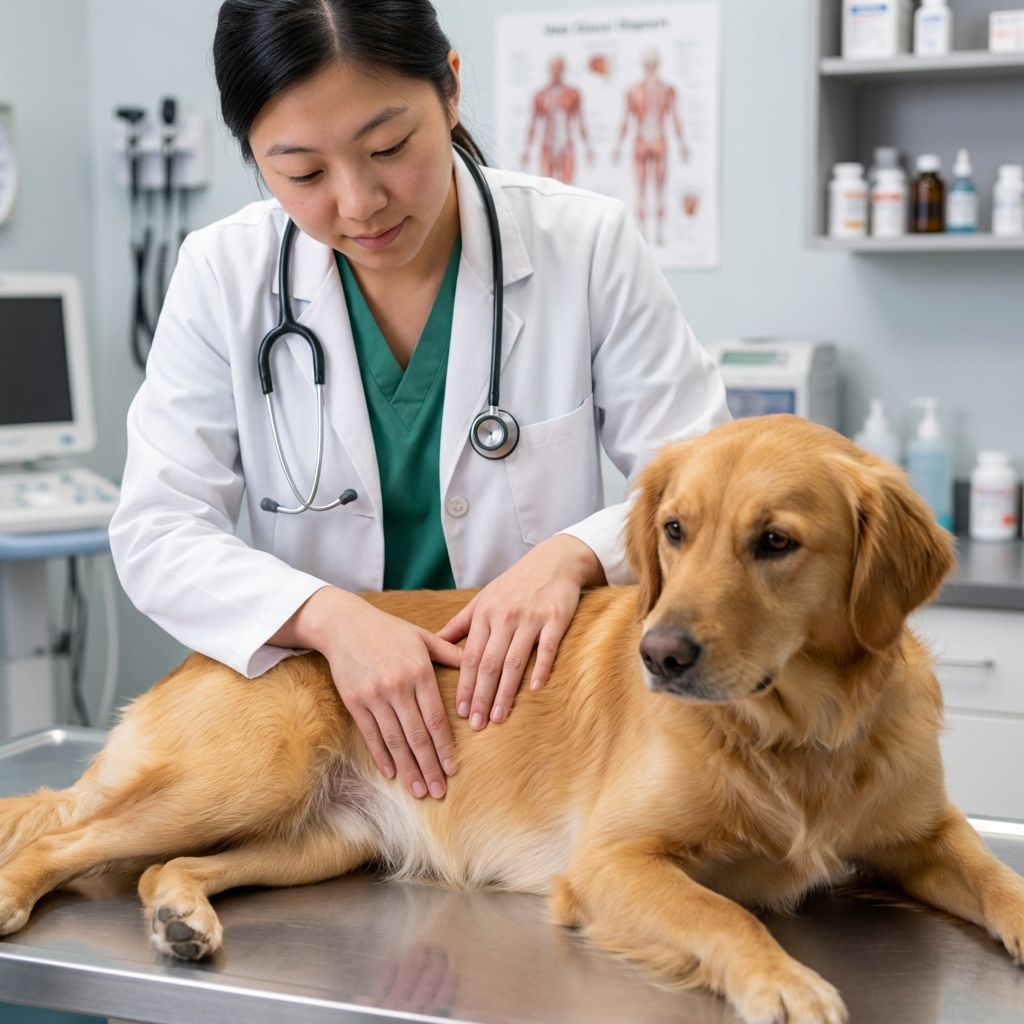
A solid diagnosis is not based on symptoms alone. Testing the urine is the standard way to confirm what is going on, and sometimes additional tests are needed to find the root cause.
Tests you may hear about
- Urinalysis: checks for white blood cells, red blood cells, protein, crystals, and urine concentration.
- Urine culture and sensitivity: confirms bacteria and shows which antibiotics are most likely to work.
- Imaging (x-rays or ultrasound): looks for stones, masses, or anatomical problems if infections recur or blood persists.
For confirming a bacterial UTI, many vets consider a urinalysis plus a quantitative culture (ideally from a sterile sample) the diagnostic standard. In day-to-day practice, not every first-time uncomplicated case gets a culture, but cultures are especially helpful for recurrent infections, complicated symptoms, or recent antibiotic use.
How urine is collected
Sample collection matters. Vets often recommend cystocentesis, where a sterile needle draws urine directly from the bladder. It sounds scary, but it is quick and helps avoid contamination that can happen with free-catch samples. Other options include free-catch (collected midstream at home or in clinic) or catheter collection, depending on the situation and your dog’s comfort.

Treatment
The right plan depends on test results and how your dog is feeling. In general, bladder infections are very treatable, especially when addressed early.
Antibiotics
If bacteria are confirmed or strongly suspected, your veterinarian may prescribe antibiotics. Many clinics prefer a culture for dogs with recurrent infections, complicated symptoms, or recent antibiotic use. That helps avoid choosing an antibiotic that will not work.
Treatment length can vary. Uncomplicated infections are often treated with a shorter course, while complicated infections (or those tied to stones, endocrine disease, or resistant bacteria) may require a different antibiotic choice, a longer plan, or both. Your veterinarian may adjust based on culture results and response to treatment.
Comfort support
Some dogs benefit from vet-prescribed pain relief or anti-inflammatory medication, because bladder inflammation can be surprisingly uncomfortable. Do not give human over-the-counter pain relievers unless your veterinarian specifically instructs you to. Several common human medications can be dangerous for dogs.
Hydration
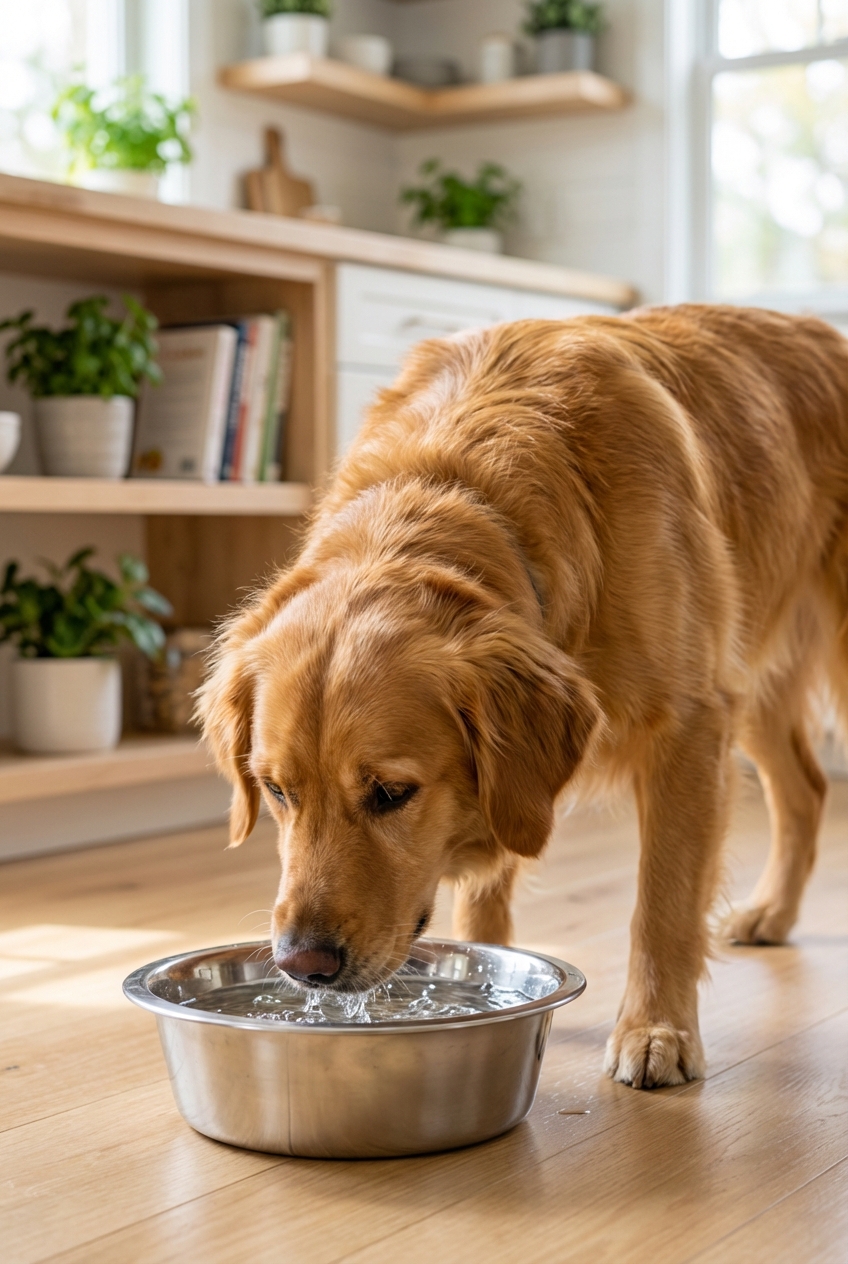
Encouraging water intake helps flush the bladder. Your vet may recommend diet adjustments or increased wet food if appropriate for your dog’s overall health.
Follow-up testing
In certain cases, your veterinarian may recommend a recheck urinalysis or culture after antibiotics, especially if symptoms return quickly or your dog has underlying disease.
Important: Never use leftover antibiotics, and do not stop early because your dog “seems better.” Incomplete treatment can allow resistant bacteria to survive and come right back.
Safe home support
Home care should support, not replace, veterinary treatment. Here are practical steps that are generally safe for most dogs while you follow your vet’s plan.
What helps
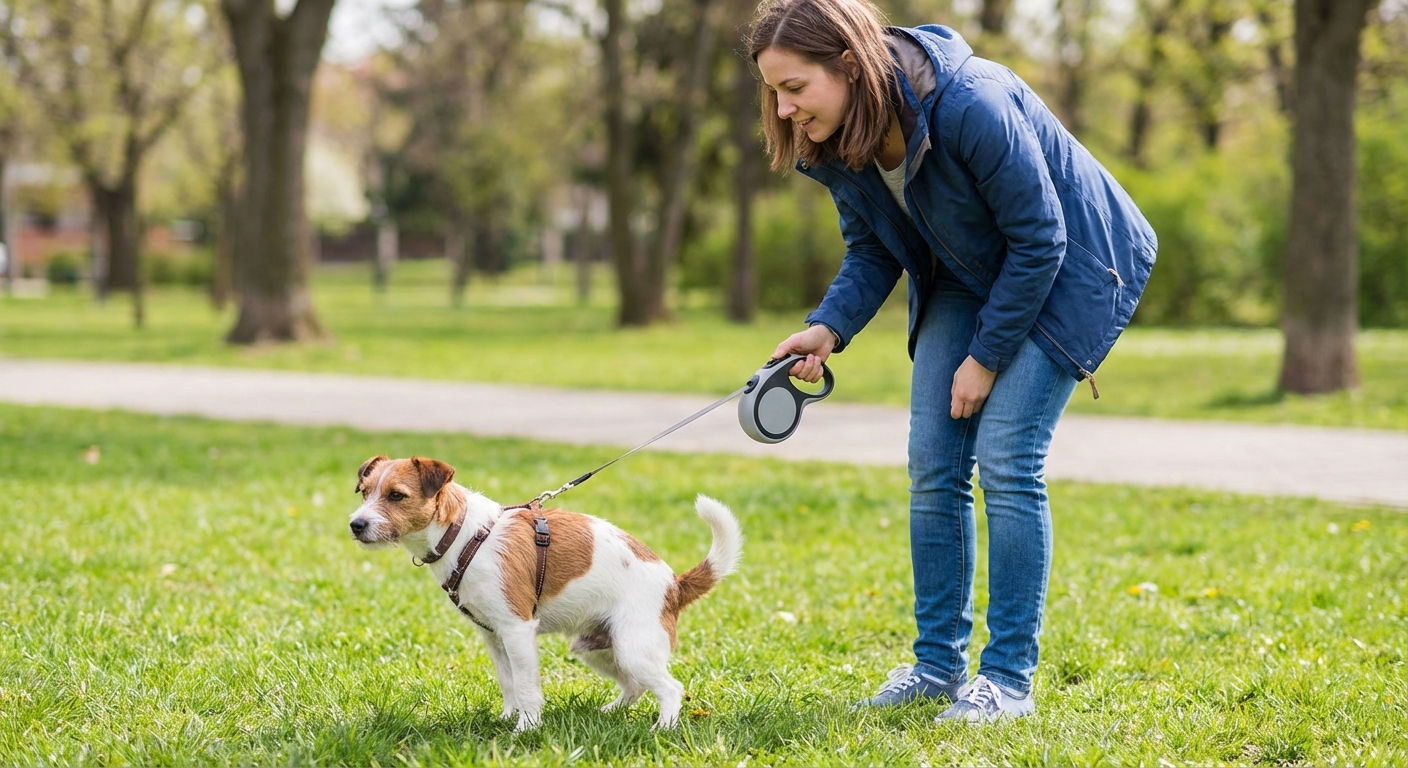
- Offer more potty breaks so your dog can empty the bladder frequently.
- Increase water intake with multiple clean bowls, a pet fountain, or adding water to meals if your vet approves.
- Keep diet consistent while recovering, unless your vet recommends a therapeutic urinary diet.
- Track symptoms: note frequency of urination, accidents, blood in urine, appetite, and energy.
Cranberry and supplements
Cranberry and urinary supplements may help some dogs, but evidence in dogs is limited and mixed, and products vary widely. They are sometimes used as supportive care, not as a cure. Most importantly, supplements do not replace antibiotics when bacteria are present. If you want to add a supplement, ask your vet first, especially if your dog has kidney disease, takes medications, or is on a prescription diet.
Preventing future infections
Some dogs get one UTI and never have another. Others are more prone. Prevention is about removing triggers and supporting a healthy urinary environment.
Vet-supported prevention
- Address underlying causes like stones, diabetes, hormonal disease, or incontinence.
- Keep your dog at a healthy weight to support mobility, hygiene, and immune function.
- Encourage regular urination, especially for dogs left home for long periods.
- Support hygiene: trim hair around the vulva or prepuce if it traps moisture and debris.
- Discuss diet with your vet if crystals or stones are present. Nutrition can be a major piece of prevention.
If your dog has had more than one confirmed infection, ask your veterinarian whether a culture, imaging, or investigation into bladder stones is appropriate. Recurrent UTIs should always prompt the question: why is this happening?
Quick FAQ
Can a dog bladder infection go away on its own?
Occasionally mild cases may improve temporarily, but bacteria can persist and problems can escalate. The safest approach is veterinary testing and a targeted plan.
How long does treatment take?
Many uncomplicated bladder infections improve within a few days of starting the correct antibiotic, but the full course is often longer. Treatment length varies based on whether the infection is uncomplicated or complicated, and your vet may adjust based on culture results.
Why does my dog keep getting UTIs?
Common reasons include bladder stones, anatomical factors, endocrine disease (like diabetes or Cushing’s), immune suppression, incontinence, or resistant bacteria. A culture and further diagnostics can help pinpoint the cause.
Bottom line
Bladder infections in dogs are common, uncomfortable, and usually very treatable with the right veterinary care. The most loving thing you can do is take urinary changes seriously, get a proper urine test, and follow through with the full plan. In clinic, I have seen how much faster dogs bounce back when we catch urinary issues early.
If you are seeing urinary straining, blood in the urine, or sudden accidents, schedule a vet visit. And if your dog cannot urinate, treat it as an emergency.