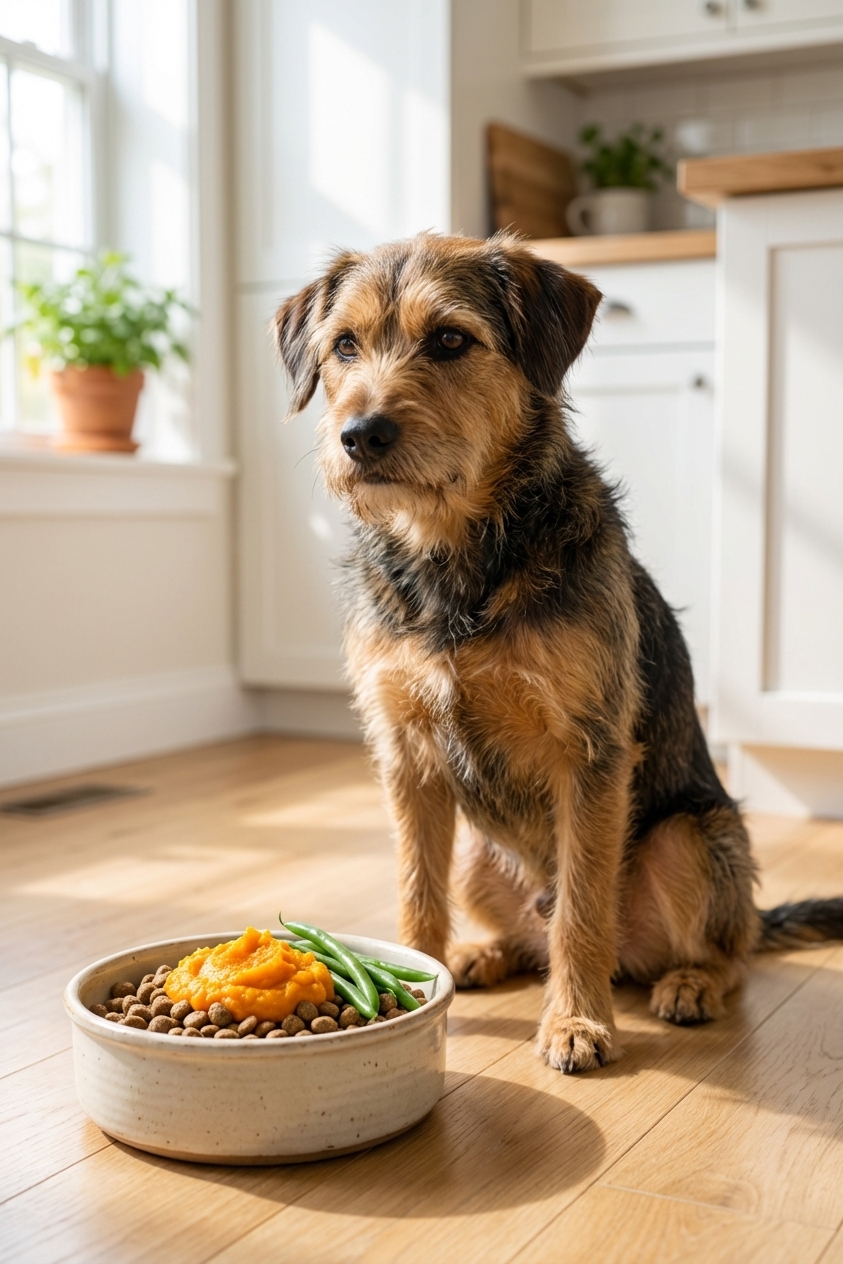
Learn how to support dogs with bladder stones using hydration-first homemade meals, low-purine protein options, urine pH basics, treat pitfalls, and foods to...
Article
•
Designer Mixes
Dog Bladder Infection Symptoms

Shari Shidate
Designer Mixes contributor
When a dog suddenly starts having accidents, asking to go out more often than normal, or straining to pee, a bladder infection is one of the first things I think about as a veterinary assistant here in Frisco, Texas. The tricky part is that urinary signs can look similar across several conditions, from a simple urinary tract infection (UTI) to bladder stones or even a blockage. And sometimes, increased urination is not an infection at all. It can be behavioral, related to medications (like steroids or diuretics), or caused by endocrine disease. Knowing the most common symptoms helps you act quickly and get the right care.

What is a bladder infection in dogs?
A bladder infection is usually a bacterial infection of the lower urinary tract. You might hear it called cystitis (inflammation of the bladder) or a UTI. Some UTIs stay confined to the bladder, while others travel upward to the kidneys, which is more serious.
Bladder infections are common, treatable, and uncomfortable. They can happen to any dog, but they are more frequent in females, older dogs, dogs with endocrine disease (like diabetes or Cushing’s), and dogs with bladder stones or anatomical issues.
Handy symptom checklist
If you are seeing one symptom, it is worth paying attention. If you are seeing several together, it is time to call your veterinarian.
Most common signs
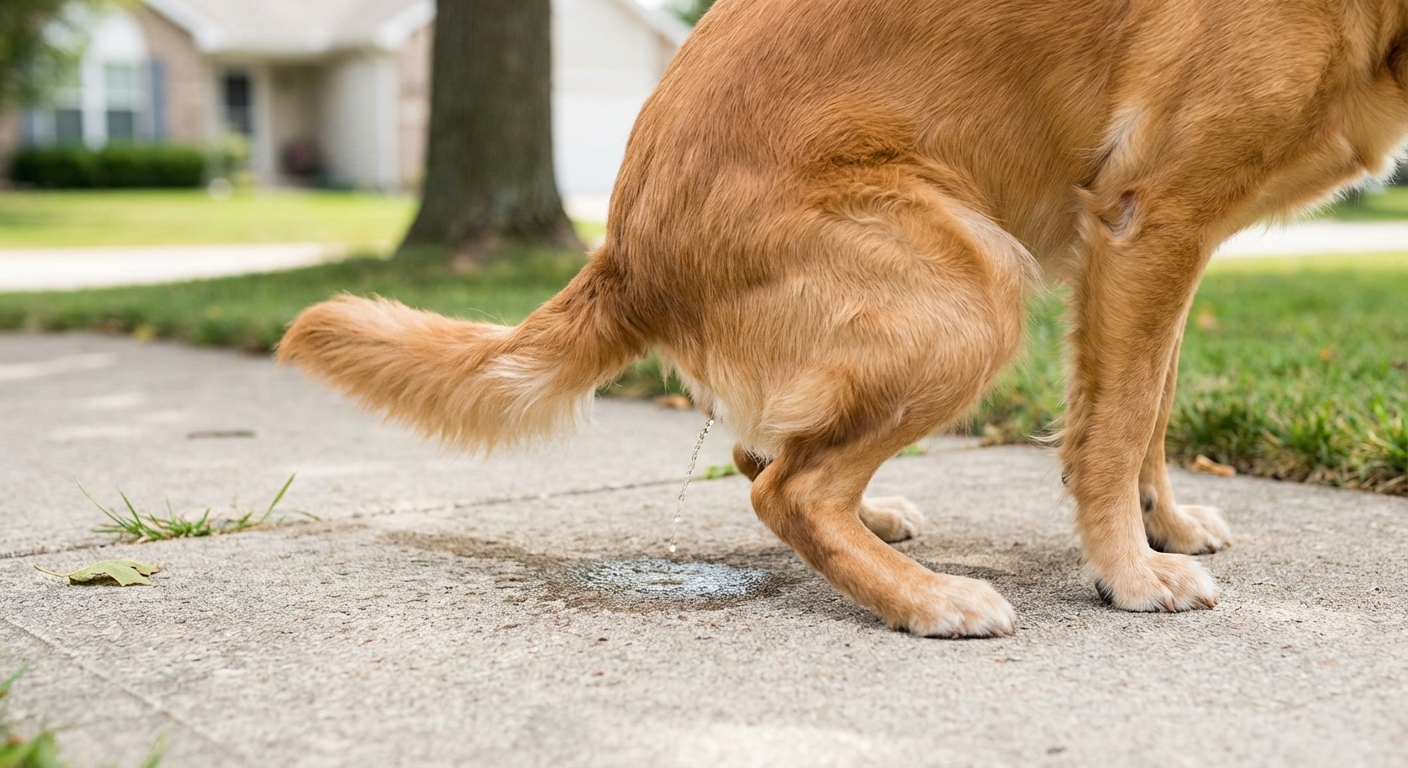
- Frequent urination (asking to go out often, squatting many times on a walk)
- Straining to urinate or taking a long time to pee
- Passing only small amounts of urine each time
- Accidents in the house, even in a previously house-trained dog
- Blood in the urine (pink, red, or brownish tint)
- Strong or unusual urine odor (this can happen, but odor alone is not a reliable way to diagnose an infection)
- Licking the genital area more than usual
- Discomfort while peeing (tensing, yelping, looking back, restlessness)
Less obvious signs
- Mild lethargy or acting “off”
- Decreased appetite
- Increased thirst (may suggest underlying issues, medication effects, or a more significant infection)
- New irritability, especially when the belly or hind end is touched
When it could be more serious
Some symptoms overlap with emergencies. These are the ones I never want pet parents to wait on.
- Unable to urinate or producing only drops despite repeated attempts (possible obstruction)
- Vomiting, significant lethargy, fever, or collapse
- Swollen or painful abdomen
- Crying out or severe distress
If your dog cannot pee, treat it as an emergency. Urinary obstruction, especially in male dogs, can become life-threatening quickly.
Symptoms by dog type and life stage
Female dogs
Female dogs often show classic UTI signs like frequent squatting, accidents, and licking. One reason UTIs are more common in females is that their urethra is shorter, which can make it easier for bacteria to ascend. Other factors matter too, including vulvar and perineal anatomy, hygiene, estrogen status, and underlying disease. Any blood in urine or repeated infections deserves a thorough workup.
Male dogs
Male dogs can get bladder infections, but urinary signs in males always raise my concern for stones or blockage. Straining and frequent attempts to pee can look like constipation, so watch closely. A helpful clue is output. Constipation usually comes with repeated squatting and little to no stool, while urinary issues often come with repeated squatting and little to no urine. If little to no urine is coming out, go in right away.
Puppies
Puppies can have accidents for normal training reasons, so UTIs can be missed. Consider a UTI if your puppy is suddenly peeing very often, seems uncomfortable, or has unusually strong-smelling urine. Congenital issues can also play a role in some pups.
Senior dogs
Older dogs may have multiple things going on at once, like arthritis that makes it harder to posture, incontinence, kidney disease, or endocrine conditions. If your senior has urinary changes, a simple urine test can be incredibly helpful.
What else can look like a bladder infection?
Bladder infections are common, but they are not the only explanation for urinary symptoms. Your vet’s job is to rule out the conditions that look similar but need different treatment.
- Bladder stones: can cause blood, straining, and frequent urination; may require special diet, medication, or surgery
- Urinary obstruction: emergency, especially in males
- Prostate disease (intact males): can cause straining and urinary changes
- Vaginitis or vulvar irritation: licking and discharge can be mistaken for UTI
- Incontinence: leaking urine while resting, common in spayed females
- Diabetes or Cushing’s disease: increased thirst and urination, plus higher UTI risk
- Kidney infection (pyelonephritis): often more systemic illness like fever, poor appetite, back pain
- Medication effects: steroids and diuretics can increase drinking and urination
What to do at home before the vet visit
You do not need to diagnose the cause at home, but you can gather information that helps your veterinarian treat your dog faster and more accurately.
- Track timing: When did symptoms start? Are they getting worse?
- Watch output: Are they producing a normal stream, a weak stream, or just drops?
- Check for blood: Note color changes or clots.
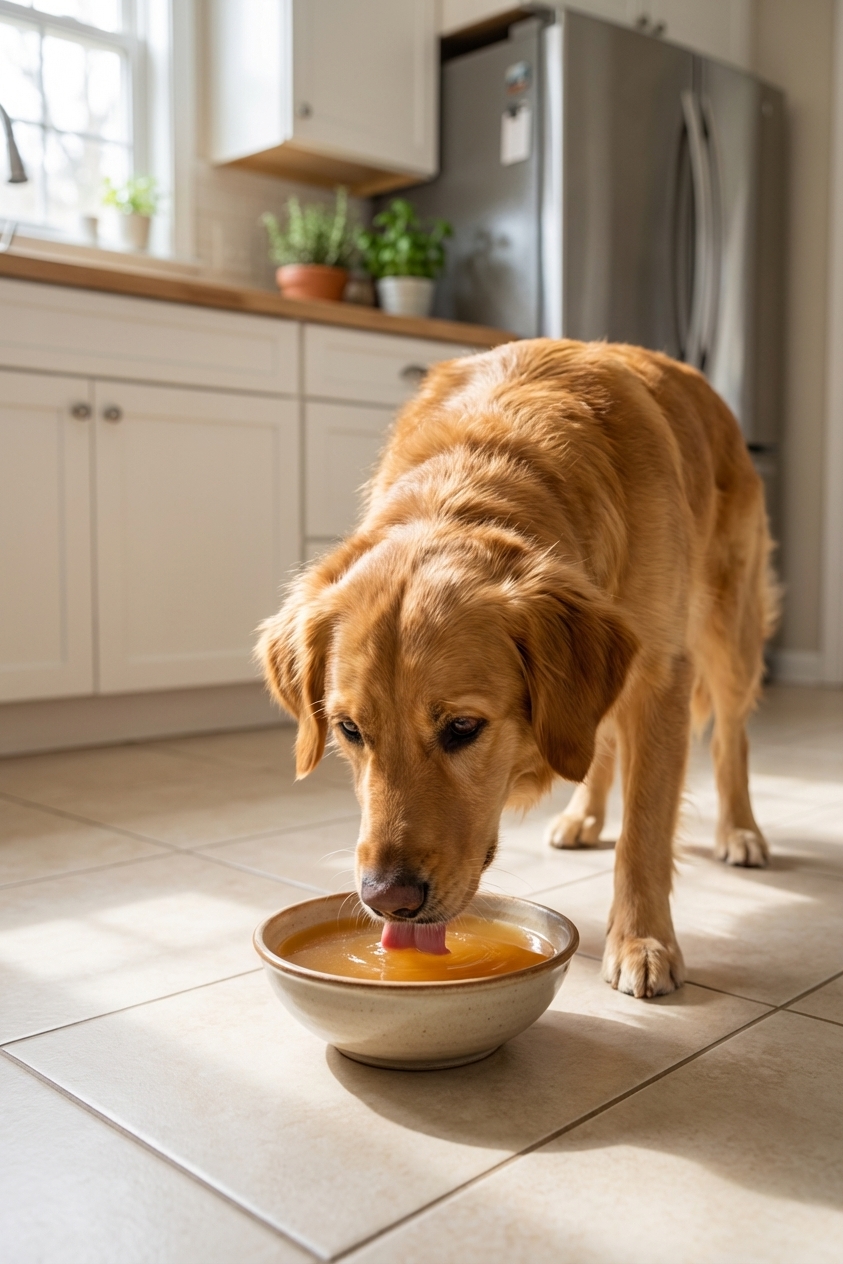
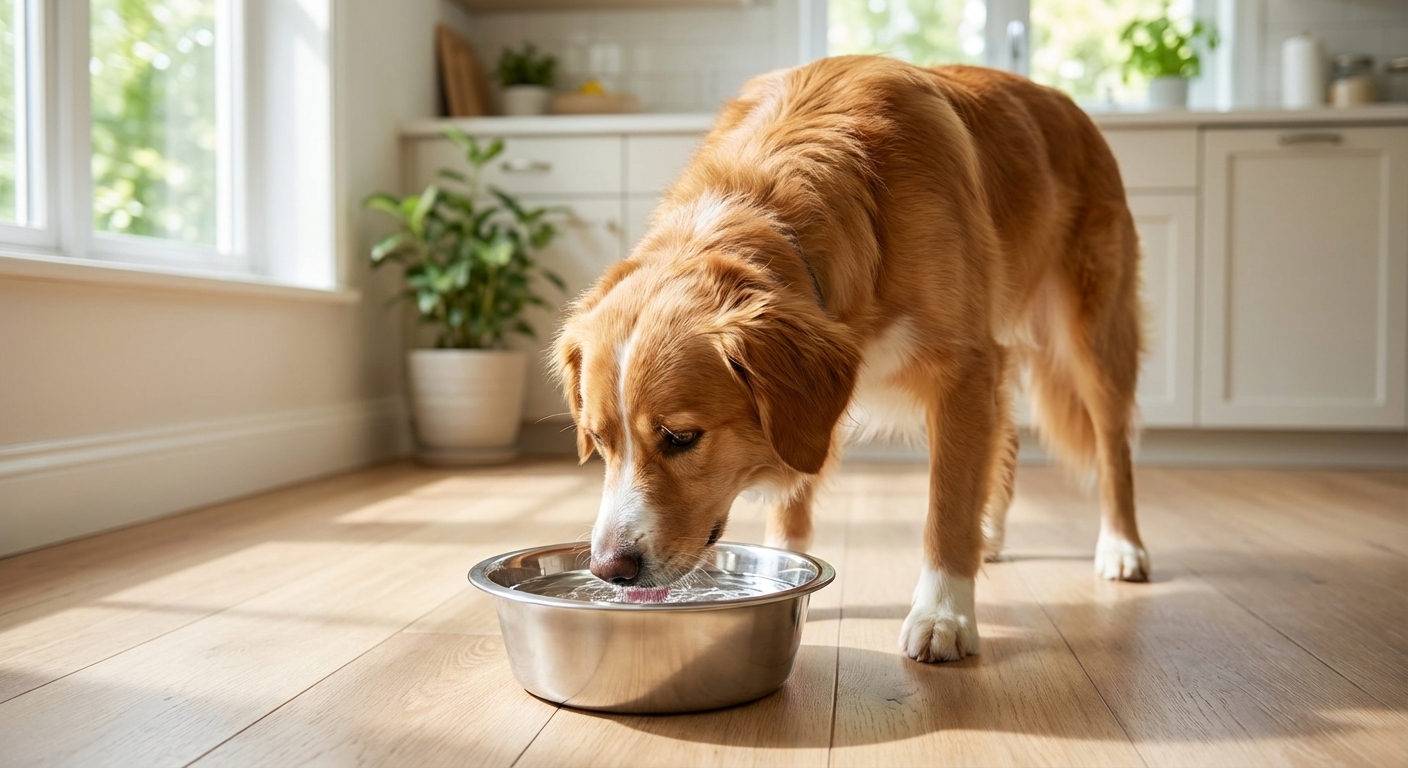
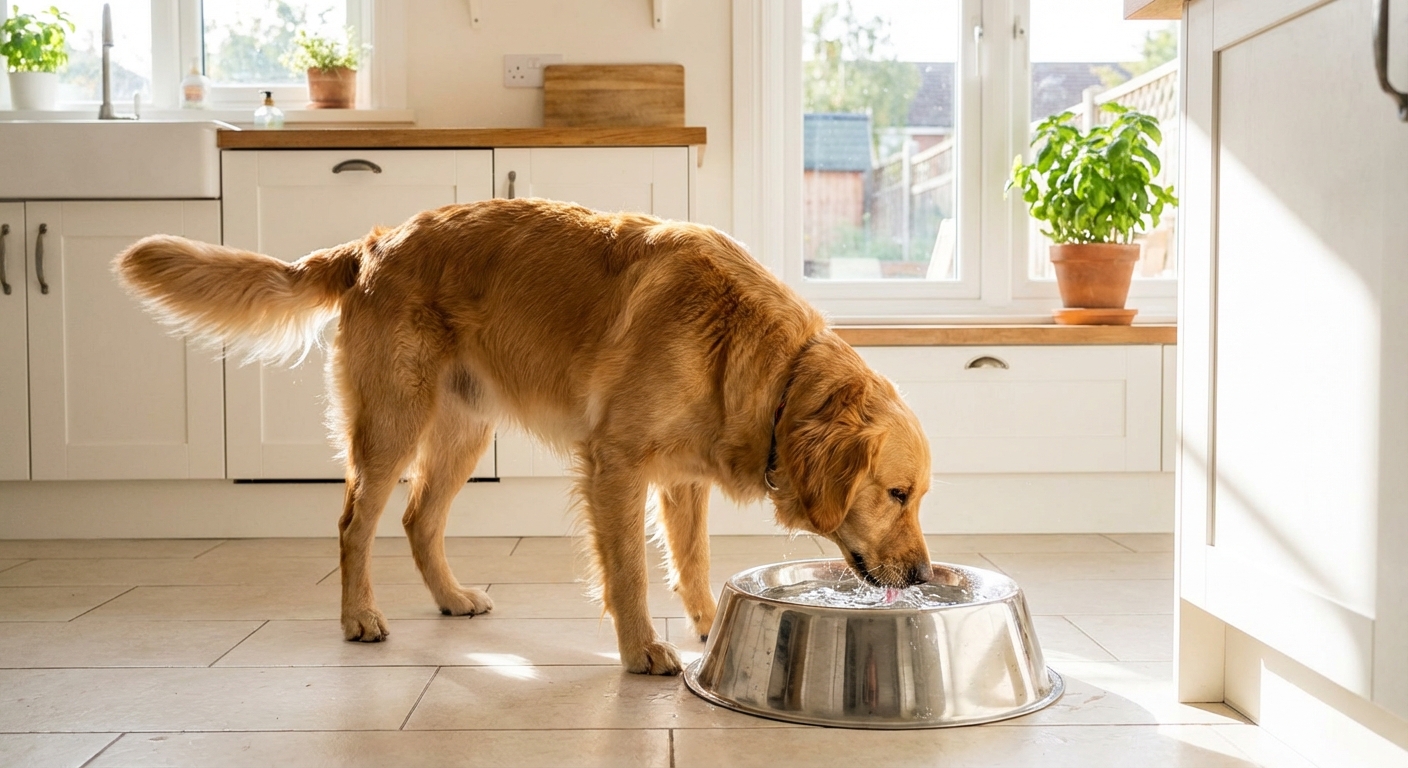
- Encourage hydration: Offer fresh water, add water to meals, or consider vet-approved low-sodium broth.
- Prevent accidents kindly: More frequent potty breaks and washable bedding help without scolding.
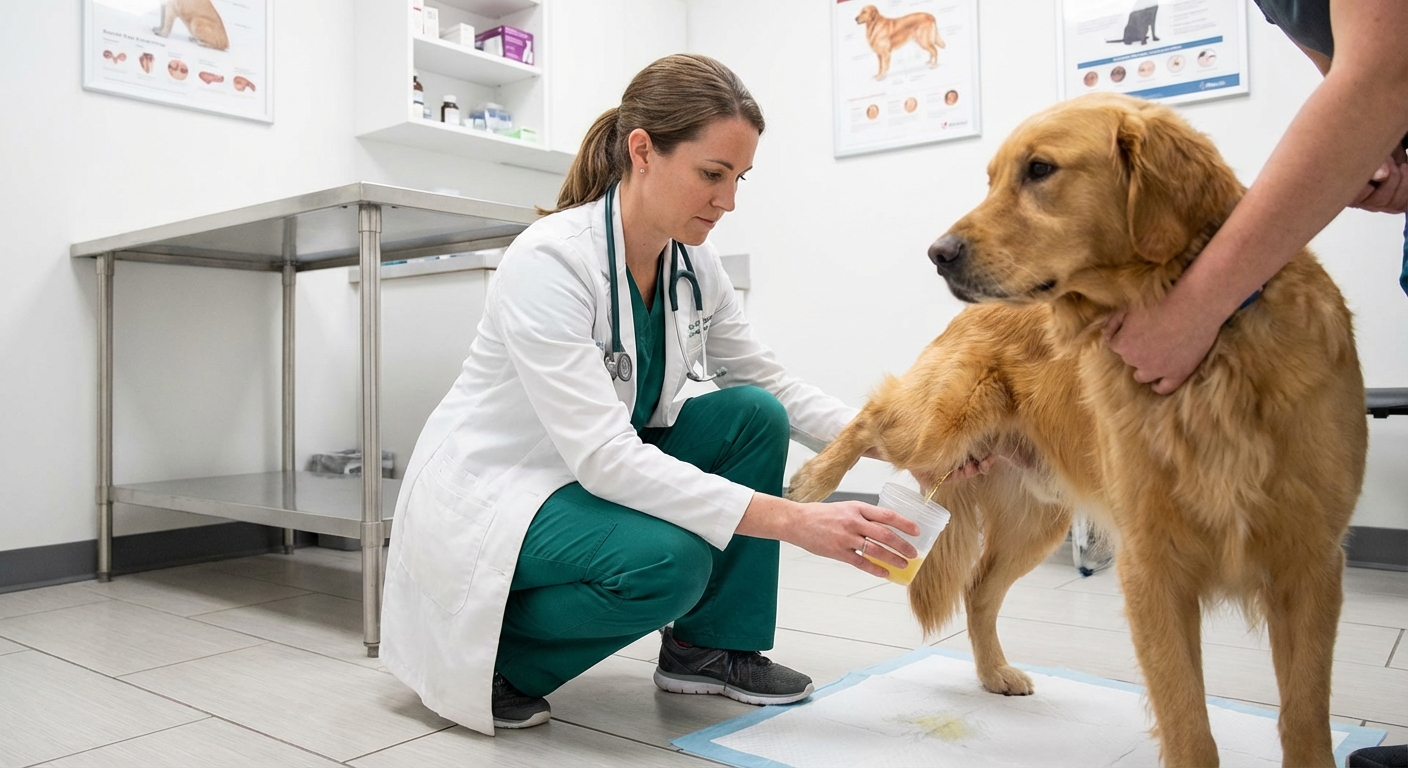
- Bring a urine sample if requested: Use a clean container and refrigerate right away. Ideally, get it to the clinic within 4 to 6 hours. Your clinic may still prefer a fresh sample, or a sterile sample collected in hospital.
Avoid giving leftover antibiotics or human meds. They can mask symptoms, worsen resistance, or be unsafe for dogs.
Also avoid starting cranberry or over-the-counter urinary supplements unless your vet recommends them. They can complicate the picture, and they do not fix problems like stones or a blockage.
How vets confirm a bladder infection
In clinic, we typically start with a urinalysis. Depending on your dog’s history and results, your veterinarian may recommend:
- Urine culture and sensitivity: identifies the bacteria and the most effective antibiotic, especially important for recurrent UTIs
- Urine collection by cystocentesis: a sterile sample taken from the bladder with a small needle, often the best sample for culture (free-catch samples can be contaminated by skin or genital bacteria)
- X-rays or ultrasound: checks for stones, tumors, or anatomical concerns
- Bloodwork: evaluates kidney function and screens for contributing diseases
Many dogs feel better quickly once treatment starts, but finishing the full prescription and following recheck advice is what helps prevent a repeat infection.
What treatment usually looks like
Most uncomplicated bladder infections are treated with an appropriate antibiotic, and many dogs also benefit from pain relief or an anti-inflammatory medication, depending on your veterinarian’s plan and your dog’s medical history. In a first-time, straightforward case, your vet may treat based on urinalysis findings. If infections keep returning, symptoms do not improve as expected, or resistant bacteria are a concern, a urine culture becomes much more important so you are not guessing.
If your dog has bladder stones, an obstruction, or an underlying disease driving the problem, the treatment plan may look very different. That is why it is so important not to self-treat at home.
When to seek urgent care
Please do not wait it out if you notice any of the following:
- Your dog cannot urinate or is producing only a few drops
- There is repeated vomiting, collapse, or extreme lethargy
- Your dog shows severe pain or a swollen abdomen
- A puppy, senior, or medically fragile dog seems suddenly ill
If you are unsure, it is always appropriate to call your veterinary clinic or an emergency hospital for guidance. I would much rather you call and it turns out to be mild than wait on something that needs immediate help.
Helping prevent future UTIs
Some dogs get a one-time bladder infection and never have another. Others are prone to repeat UTIs. These habits can reduce risk and help you catch problems early.
- Support good hydration: more water often means more flushing of the bladder
- Offer frequent potty breaks: holding urine for long periods may increase risk in some dogs
- Keep the rear clean and dry: especially for long-coated dogs
- Talk to your vet about diet: particularly if stones are suspected or confirmed
- Follow up on recurrent infections: repeat UTIs need investigation, not just repeated antibiotics
Action step you can do today: If your dog has urinary symptoms, write down how often they attempt to pee and whether they produce a normal stream. That one detail helps your veterinary team sort “infection discomfort” from “possible blockage” quickly.