Understand a female dog’s heat cycle: proestrus, estrus, diestrus, and anestrus. Learn common behaviors, discharge changes, how long heat lasts, home care,...
Article
•
Designer Mixes
Dog Behavior During Heat: Vet-Approved Understanding & Solutions

Shari Shidate
Designer Mixes contributor
If your sweet, well-mannered girl suddenly seems clingy, restless, moody, or even a little “wild,” you are not imagining it. When a female dog goes into heat, her hormones shift quickly and her behavior can change just as fast. The good news is that most heat-related behavior is normal, temporary, and manageable with a few strategies commonly recommended by veterinarians.
In this article, I will walk you through what is happening in your dog’s body, what behaviors you may see, what is normal versus concerning, and how to keep her comfortable and safe from accidental pregnancy.
What “heat” means (and how long it lasts)
“Heat” is the common term for the heat period of the estrous cycle, typically proestrus plus estrus. This is the time you usually notice signs like vulvar swelling and discharge, and it is also when pregnancy can happen.
Most dogs first go into heat between 6 and 18 months of age, depending on size and breed. Small dogs often cycle earlier; large and giant breeds may be later, and a first heat can occasionally be closer to 24 months in some individuals. If your dog has not had a first heat by the timeline your veterinarian expects for her breed and size, ask your vet for guidance.
Most dogs have a heat period about every 6 months, but normal ranges vary. The visible heat period (bleeding and the receptive window) often lasts about 2 to 4 weeks. The full estrous cycle includes additional stages and spans from one heat period to the next.
Also, some dogs show very few signs. Mild swelling, minimal spotting, or subtle behavior changes can still be a true heat.
The 4 stages in simple terms
- Proestrus (about 7 to 10 days): Swollen vulva, bloody discharge, increased attention from male dogs, but she usually is not receptive yet.
- Estrus (about 5 to 10 days): Discharge may lighten, and this is typically the fertile phase. Many females become receptive to mating.
- Diestrus (about 2 months): Hormones shift again whether she is pregnant or not. Some dogs show signs similar to pregnancy.
- Anestrus (months): A quiet “resting” stage before the next cycle.
Important note: Ovulation timing is not the same for every dog, and sperm can survive for days. For safety, treat your dog as potentially fertile from the start of bleeding until at least a week after all discharge stops, and keep her away from intact males that whole time.
Common heat behaviors (what’s normal)
Hormones influence the brain and the body. That is why heat can affect not only reproduction-related behavior, but also sleep, appetite, energy, and social interactions.
Behavior changes you may notice
- Clinginess or neediness: Following you room to room, seeking extra reassurance.
- Restlessness: Pacing, difficulty settling, more “on alert” behavior.
- Increased urination: Some females urinate more frequently and may “mark.” This is partly communication to male dogs.
- Tail flagging: Moving tail to the side when touched near the rear end, a sign of receptivity.
- Vocalizing: Whining or barking more than usual.
- Changes in appetite: Some dogs eat less; others become extra food motivated.
- Mood shifts: A normally social dog may become more sensitive, or a reserved dog may become more affectionate.
- Attention from male dogs: You may see increased sniffing, following, and even attempts to mount through fences or on walks.
A practical reality check: Many behavior “issues” during heat are really management issues. Your dog is responding to biology. Your job is to reduce stress, reduce temptation, and prevent risky situations.
Why behavior shifts
During the heat period, your dog’s ovaries produce changing levels of estrogen and progesterone. These hormones affect:
- Scent signaling: Pheromones in urine and discharge can attract intact males, sometimes from farther away than you would expect.
- Reproductive readiness: Her body is preparing for mating and possible pregnancy.
- Stress sensitivity: Some dogs become more reactive or easily overwhelmed.
- Sleep and energy: Restlessness can be hormonal and also triggered by male dogs nearby.
This is also why you may see a dog that suddenly wants to bolt out the door or becomes laser-focused on sniffing. It is not stubbornness. It is a powerful instinct.
What you can do today
There is no one “perfect” plan for every dog, but there are reliable strategies that make a huge difference for comfort and safety.
1) Prevent accidental breeding
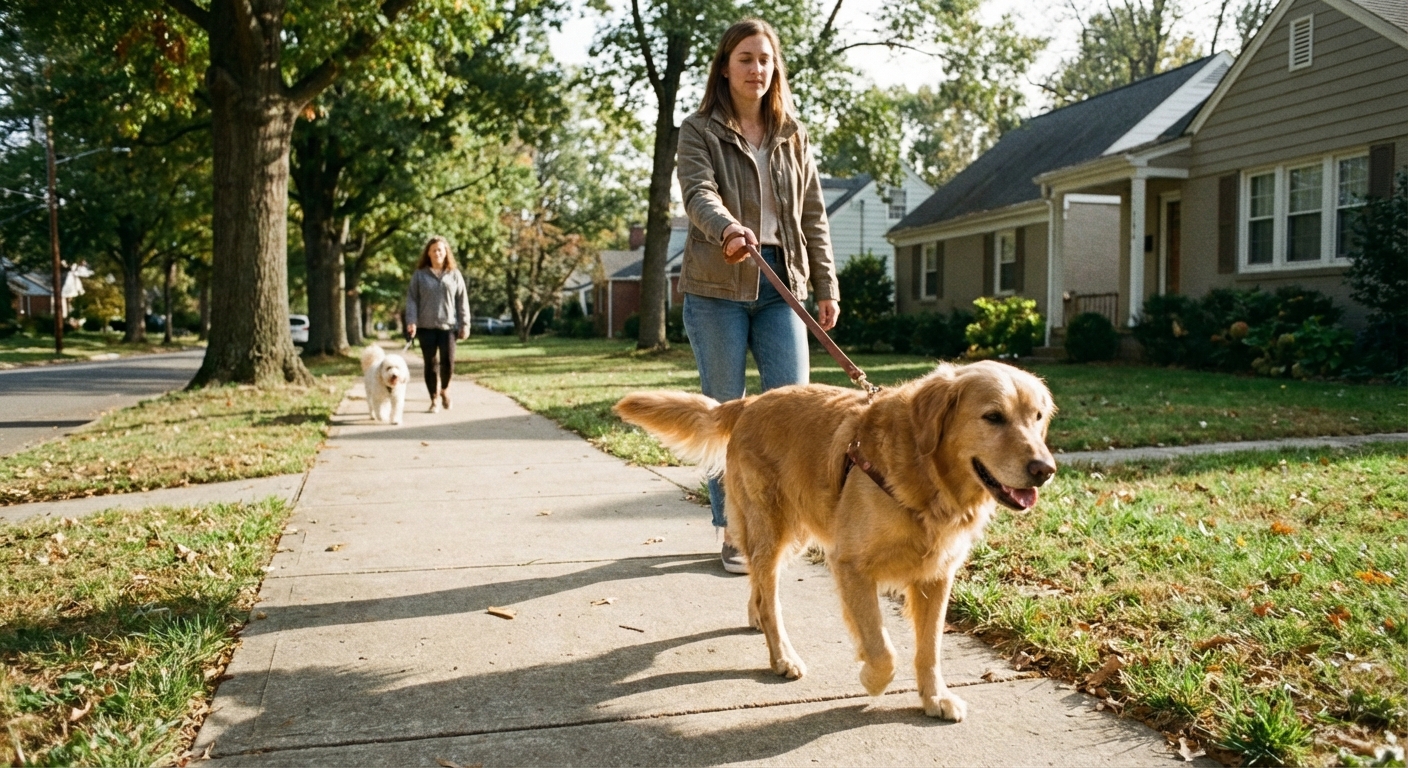
- Leash walks only: No dog parks, no off-leash trails, no unfenced play.
- Secure your yard: Check gates and fences daily. Male dogs can climb, dig, and squeeze through small gaps.
- Separate from intact males: Even “friendly” neighbors’ dogs can become determined.
- Crate and rotate if needed: In multi-dog homes, use barriers and schedules to prevent contact.
Yes, a tie can happen fast. Breeding can occur in minutes, and dogs do not need privacy. This is why prevention is the number one behavior solution during heat.
2) Keep her clean and comfortable
- Use dog heat pants or washable covers: Helpful for spotting and keeping furniture clean. Change frequently to prevent skin irritation.
- Use them wisely: Heat pants are best for indoors and short stretches. Remove them for potty breaks and check the skin often so moisture does not sit against the vulva.
- Clean the vulva gently: Use a soft damp cloth if discharge collects. Avoid harsh soaps or scented wipes.
- Provide a calm rest zone: A quiet room, comfortable bed, white noise, and predictable routine can reduce pacing.
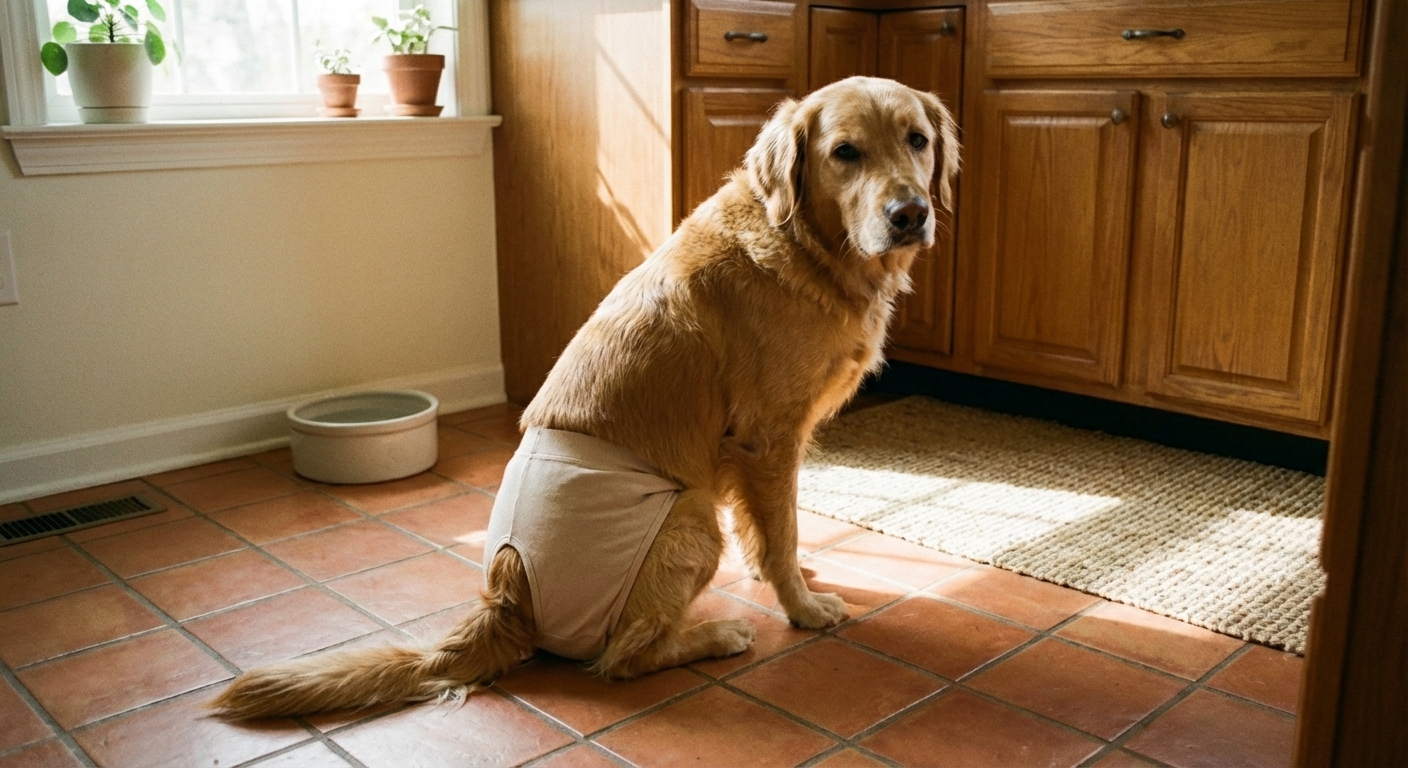
Some spotting and discharge are normal. If you notice a sudden increase, a new foul odor, or a change to green or pus-like discharge, call your veterinarian.
3) Add calm enrichment
Heat can increase agitation. A little daily enrichment helps the brain settle without pushing her into overexcited mode.
- Sniff walks: Shorter walks with time to sniff can be more calming than long cardio walks.
- Food puzzles and lick mats: Licking and foraging behaviors help many dogs self-soothe.
- Training refreshers: 3 to 5 minute sessions of cues she knows well (sit, down, touch). Reward generously.
- Chews: Vet-recommended chews matched to her chewing style can reduce restlessness. Supervise closely.
4) Manage dog-to-dog situations
- Skip daycare and group play: Even spayed dogs can react differently to the scent of a female in heat.
- Create space early: If you see intense interest from another dog, turn around or cross the street.
- Use visual barriers at home: Close curtains or block fence lines if male dogs are hanging around.
5) If an intact male shows up
- Do not leave her outside unattended: Not even for a quick minute.
- Get distance fast: Move behind a gate, into a car, or inside your home.
- Use barriers, not bravery: A fence, door, or baby gate is safer than trying to physically separate dogs.
- Call for help: If a loose dog is lingering, contact animal control or a local non-emergency line. Avoid letting the situation escalate.
6) Ask your veterinarian about short-term support if needed
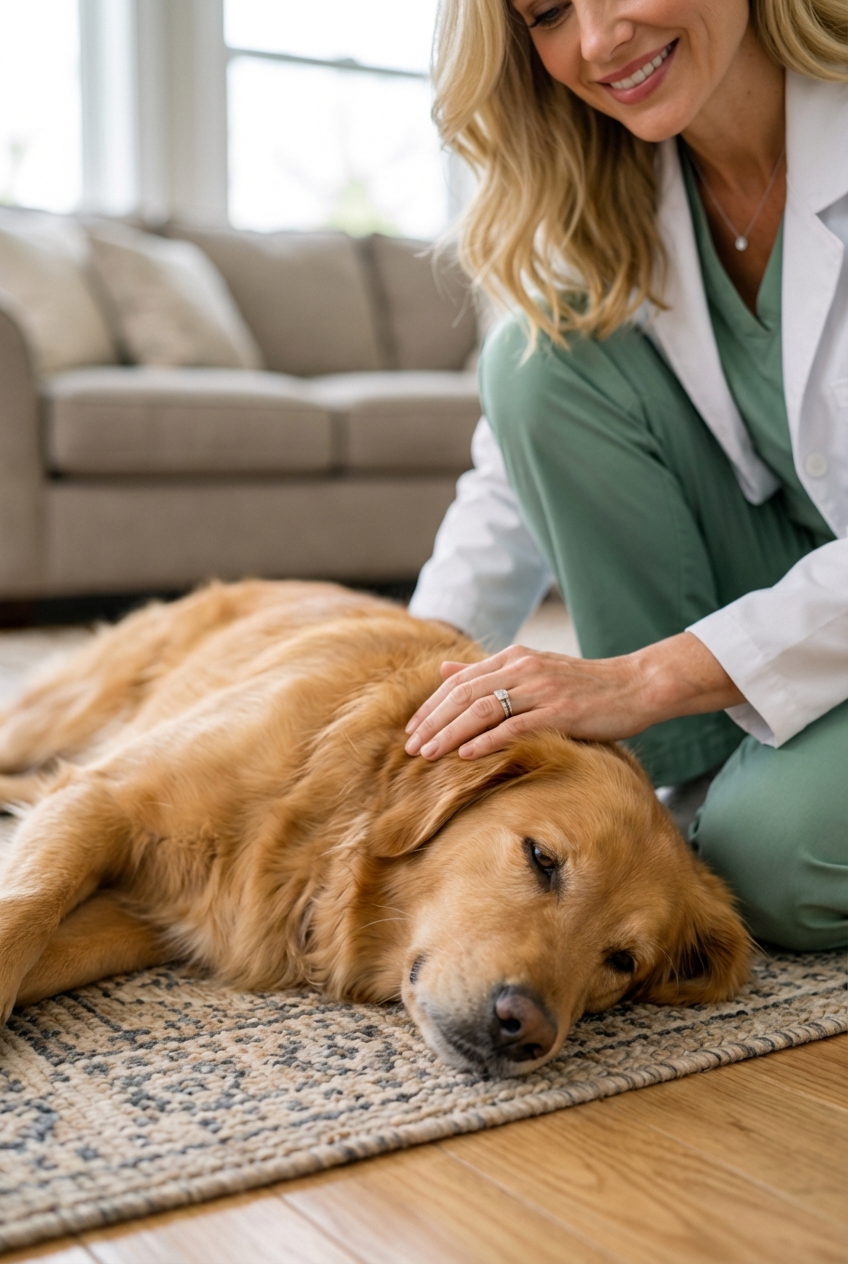
Most dogs do not need medication, but if your dog is very anxious, not sleeping, or becoming unsafe to handle, call your veterinarian. Depending on her health history, your vet may recommend short-term options to reduce anxiety or discomfort.
Also keep in mind that while heat can explain a lot, sudden extreme behavior changes can also be caused by pain or illness. If something feels “off,” trust that instinct and check in with your vet.
When to call your veterinarian
Heat can cause messy, annoying, and dramatic moments. But it should not cause severe illness. Contact your veterinarian promptly if you notice any of the following:
- Foul-smelling discharge or green, pus-like discharge
- Heavy bleeding (soaking through pads quickly, large clots, weakness)
- Lethargy, vomiting, loss of appetite that lasts more than a day
- Excessive drinking and urination
- Swollen abdomen, pain, panting, or fever-like behavior
- Behavior that looks like true distress: trembling, hiding, inability to settle at all
- Symptoms that linger or worsen well beyond the heat period
One major concern in unspayed females is pyometra, a life-threatening uterine infection that can occur after a heat period. It often shows up within weeks and can present with discharge, lethargy, increased thirst, vomiting, or no discharge at all in “closed” cases. If you are worried, it is always better to call.
False pregnancy
Some dogs experience a false pregnancy (pseudopregnancy) during diestrus. You might see:
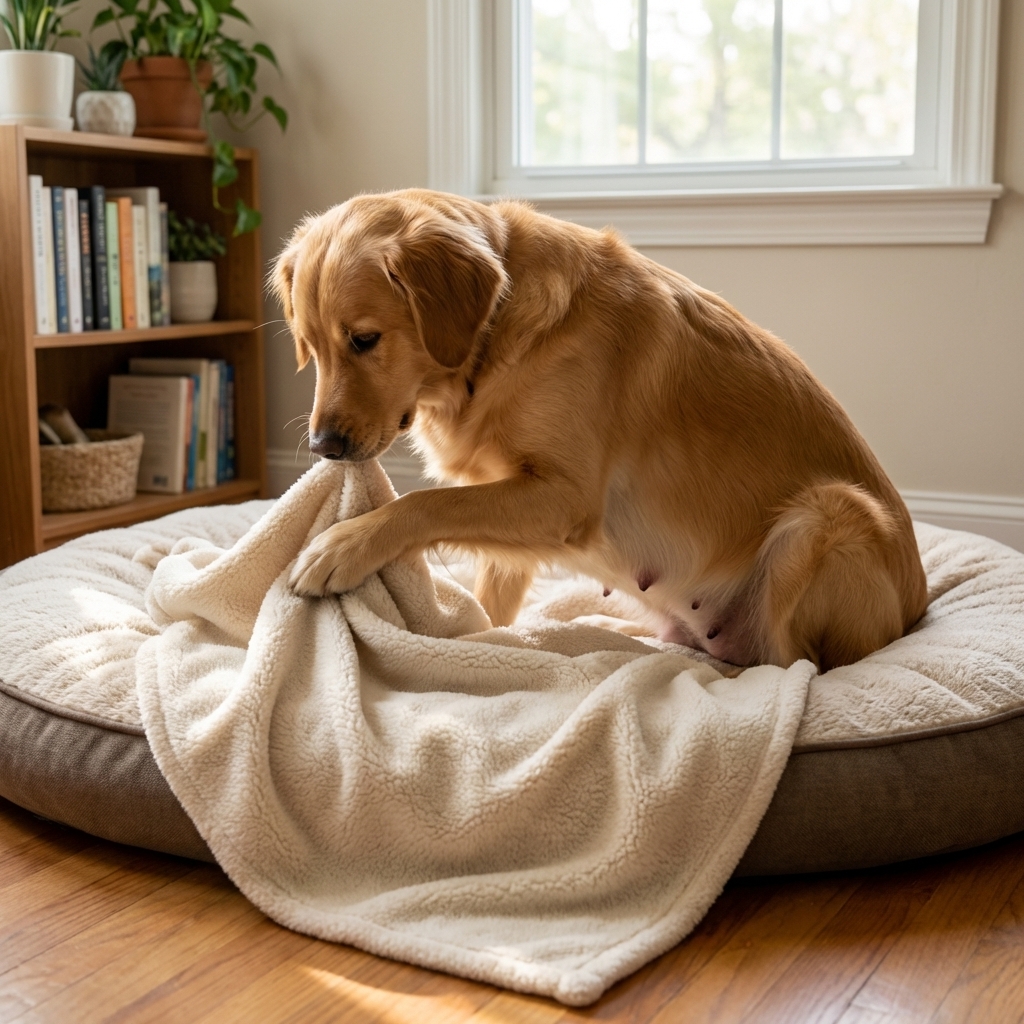
- Nesting behavior or “mothering” toys
- Swollen mammary glands or even milk production
- Protectiveness or irritability
- Reduced appetite or mood changes
Mild cases often pass on their own, but you should call your veterinarian if mammary glands become hot, painful, or very swollen, or if behavior becomes intense. Avoid encouraging nursing behaviors like allowing licking of the mammary area, since that can stimulate milk production.
Spaying and timing
Spaying prevents pregnancy and stops heat periods. It also eliminates the risk of pyometra when the uterus is removed. Spaying may reduce the risk of mammary tumors, especially when performed before multiple heat cycles, although ideal timing can depend on breed, size, orthopedic considerations, and your dog’s individual health.
If you are considering spay surgery, talk with your veterinarian about the best timing for your dog. Many clinics prefer spaying when your dog is not actively in heat due to increased blood flow to the reproductive tract during the heat period, but your veterinarian can guide you based on safety and scheduling.
Quick checklist
- Leash walks only and skip dog-heavy locations
- Secure doors, fences, and gates every day
- Use heat pants indoors if helpful, and keep skin clean and dry
- Increase calm enrichment: sniffing, licking, easy training
- Give her a quiet rest space and predictable routine
- Call your vet for heavy bleeding, foul discharge, lethargy, vomiting, or extreme distress
You do not have to “power through” heat behavior alone. A few smart management changes can protect your dog, protect your home, and give you both peace of mind until her hormones settle back down.
If you would like, tell me your dog’s age, breed mix, and what behaviors you are seeing (clingy, whining, trying to escape, marking indoors, etc.). I can help you narrow down what is typical and what to address first.