Learn what your dog’s bad breath really means—dental disease, anal glands, GI upset, or serious red flags. Get practical brushing steps, product tips, an...
Article
•
Designer Mixes
Dog Bad Breath: Causes Beyond Dirty Teeth

Shari Shidate
Designer Mixes contributor
When a dog’s breath turns from “normal dog breath” into something that makes you step back, it is easy to blame plaque. Dental disease is a very common cause, but it is not the only one. In my work as a veterinary assistant here in Frisco, Texas, I have seen plenty of dogs with surprisingly clean teeth who still had strong, persistent odor.
The good news: bad breath is usually a clue you can act on. Let’s walk through the most common causes beyond just dirty teeth, what you can check at home, and when it is time to contact your veterinarian.
What is “normal” dog breath?
Most dogs have some mild mouth odor, especially after meals. Breath becomes a concern when it is new, suddenly worse, or has a very distinct smell that does not improve with routine brushing or dental chews.
- Fishy smell often comes from anal gland fluid on the coat or mouth after licking.
- Fecal smell can point to coprophagia (stool eating), litter box raids, or gastrointestinal upset.
- Sweet or fruity can be associated with ketones from uncontrolled diabetes and can be an emergency.
- Ammonia or urine-like can be linked with kidney disease (uremic breath) and is a medical red flag.
- Rotten meat smell can happen with mouth infections, something stuck in the mouth, or severe gum disease.
Do not skip dental disease
Even though this article focuses on causes beyond “dirty teeth,” I want to be clear about one thing: periodontal disease is still the most common reason dogs develop chronic bad breath. Early gingivitis can look mild, and the worst problems often hide below the gumline. Brushing helps, but it does not replace a veterinary oral exam and professional cleaning when your dog needs one. Dental X-rays are often the only way to find a painful root problem or infection under the surface.
Cause #1: Something stuck in the mouth
One of the simplest, most overlooked causes is a foreign object. Dogs love to chew, and small items can lodge between teeth or get stuck high in the gumline.
Common culprits
- Hair or string wrapped around a tooth
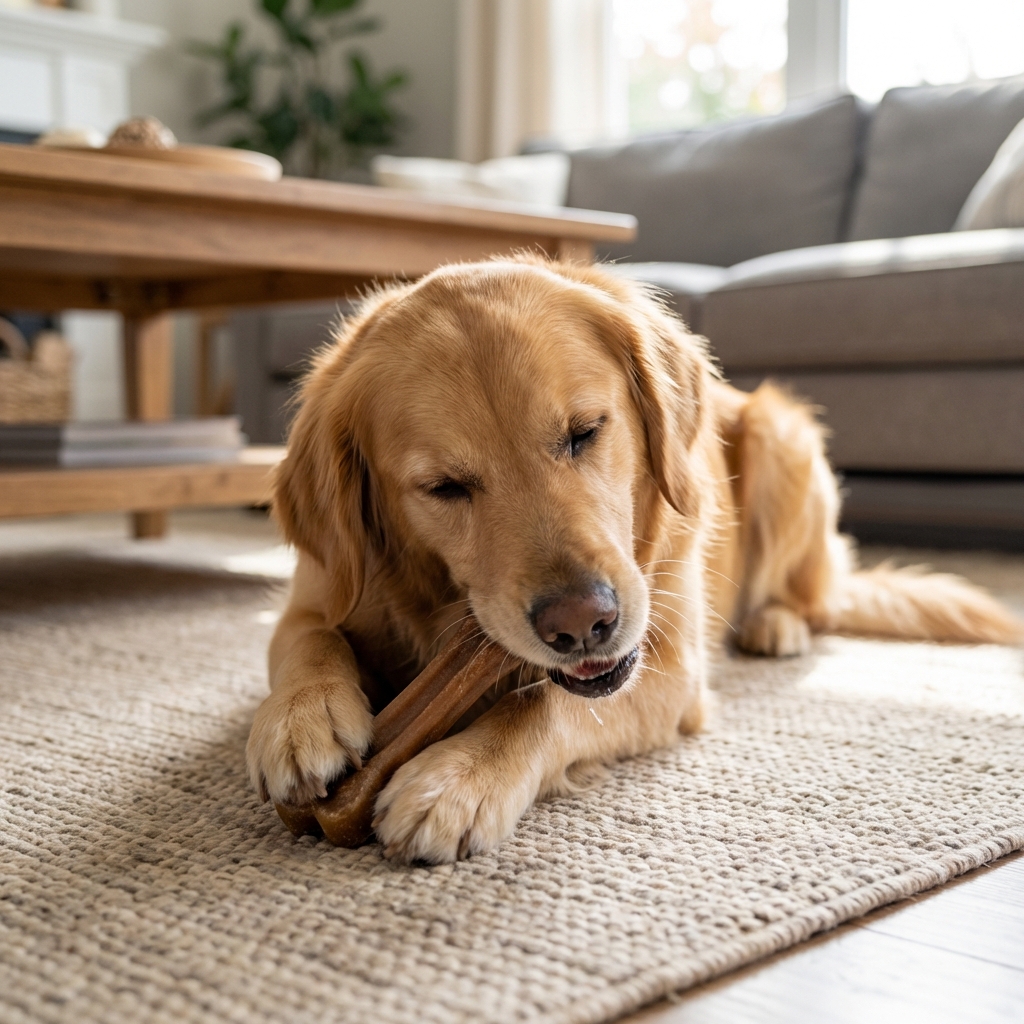
- Small pieces of rawhide or chew treats
- Sticks wedged across the roof of the mouth
- Bone fragments caught between molars
- Foxtails or plant awns embedded in the gums
What you may notice: pawing at the mouth, drooling, chewing on one side, reluctance to eat crunchy food, or sudden bad breath.
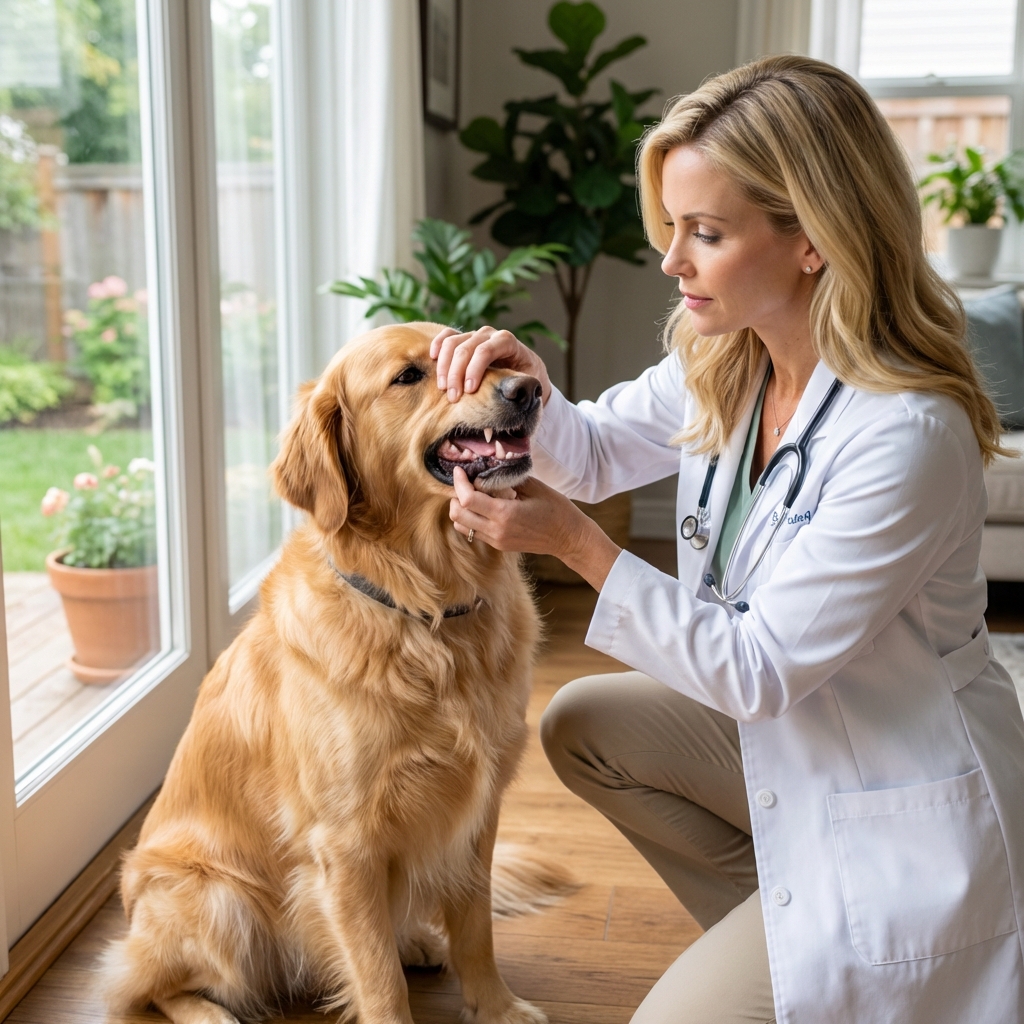
What to do: If your dog will safely allow it, gently look along the gums and between the back teeth. If you see something embedded, if the gums are bleeding, or if your dog is painful, do not try to pry it out. Schedule a veterinary visit so it can be removed safely, sometimes with sedation.
Cause #2: Mouth sores, infection, or masses
Bad breath can come from inflammation and infection in the mouth even when teeth look decent at a glance. Conditions like stomatitis, oral abscesses, infected wounds, or oral tumors can create a strong odor.
Watch for these signs
- Red, swollen, or bleeding gums
- White patches or ulcers on the tongue or inner cheeks
- One-sided facial swelling
- Drooling or blood-tinged saliva
- Difficulty chewing or dropping food
- A new bump or growth in the mouth
Why it matters: Oral pain can be significant, and oral masses should be evaluated early. Your vet may recommend an oral exam, dental X-rays, and sometimes sampling a growth to identify what it is.
Cause #3: GI upset and reflux
Sometimes the smell is not “from the teeth” at all, but from the stomach and upper GI tract. Reflux, chronic nausea, diet intolerance, and some GI disorders can contribute to breath that smells sour, rancid, or like vomit.
Clues that point toward GI causes
- Lip licking, gulping, or swallowing repeatedly
- Burping, gurgling, or frequent grass-eating
- Intermittent vomiting or regurgitation
- Loose stool, mucus in stool, or changes in appetite
What can help: A consistent, high-quality diet, slow transitions between foods, and avoiding rich table foods can make a big difference. If symptoms persist more than a few days, or if your dog seems uncomfortable, your veterinarian can help rule out parasites, pancreatitis, inflammatory bowel disease, or other issues.
Cause #4: Coprophagia and trash snacks
I say this gently because it happens in many homes: some dogs eat stool (their own or another animal’s), raid litter boxes, or snack on compost. That can absolutely cause stubborn bad breath even with a clean mouth.
Action steps:
- Pick up stool promptly in the yard.
- Use covered litter boxes or place them behind baby gates.
- Keep trash secured and compost inaccessible.
- Ask your vet about nutritional gaps, anxiety, or boredom that might contribute to coprophagia.
Cause #5: Anal gland odor (that shows up as “breath”)
Many people are surprised by this one. Anal gland fluid has a strong fishy odor. It does not change breath chemistry, but it can be perceived as “bad breath” when a dog licks the area and then licks people, toys, or its own lips.
Signs of anal gland trouble
- Scooting
- Licking the rear end more than usual
- Fishy smell that comes and goes
- Discomfort when sitting
What to do: Have your vet clinic check the glands. Chronic anal gland issues can improve with a diet change, better stool quality, or addressing allergies, but do not ignore pain, swelling, or discharge.
Cause #6: Kidney disease
Kidneys help remove waste products from the bloodstream. When they are not working well, toxins can build up and cause breath that can smell like ammonia or urine.
Other warning signs: increased thirst, increased urination, weight loss, decreased appetite, nausea, or lethargy.
Next step: This is not a “wait and see” situation. Call your veterinarian for bloodwork and urine testing, especially if the odor is new or accompanied by behavior changes.
Cause #7: Diabetes
Breath that smells sweet or fruity can be a sign of ketones, which may happen with uncontrolled diabetes. In severe cases, diabetic ketoacidosis is an emergency.
Look for: increased thirst and urination, increased appetite with weight loss, weakness, vomiting, or rapid breathing.
Call your veterinarian promptly if you notice these signs.
Cause #8: Nose and airway issues
Bad breath can also originate from the nose and sinuses. Dental roots sit close to nasal structures, and infections or chronic nasal disease can create foul odor.
Common clues
- Nasal discharge (clear, yellow, green, or bloody)
- Sneezing or reverse sneezing
- Pawing at the face
- Noisy breathing
These cases often need a veterinary exam and sometimes imaging to pinpoint the source.
Cause #9: Liver disease (less common, important)
Liver disease is less common than dental problems, but it is worth mentioning because it can cause a distinctive musty or sweet odor on the breath in some cases. If bad breath comes with vomiting, diarrhea, yellowing of the eyes or gums, a swollen belly, or low energy, your veterinarian should evaluate your dog.
What you can do at home
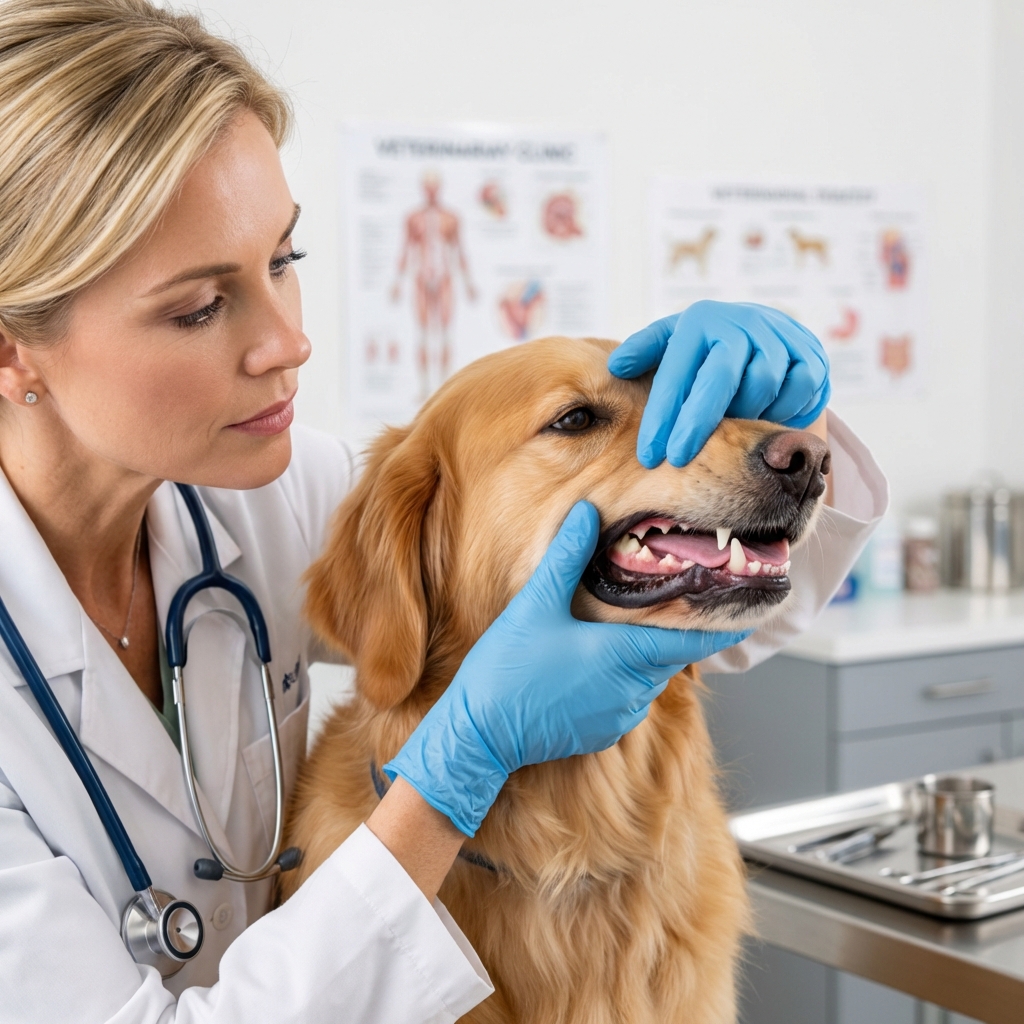
1) Do a quick weekly mouth check
- Lift the lips and look for red gumlines, swelling, broken teeth, or discharge.
- Smell the breath and note changes, especially if it becomes suddenly intense.
- Safety note: If your dog seems painful, is growling, or will not allow handling, do not force the mouth open. A bite can happen fast. Call your vet and let them take a look safely.
2) Support dental health consistently
- Brush with a dog-safe toothpaste a few times a week. Daily is ideal.
- Choose dental chews recommended by your veterinarian, and when possible look for products with the VOHC seal for plaque or tartar reduction.
- Schedule professional dental cleanings when recommended, especially for small breeds and brachycephalic mixes.
3) Feed a diet that supports gut and oral health
Highly processed diets, constant treats, and abrupt food changes can aggravate odor for some dogs. If you are exploring fresh food or gently cooked meals, go slowly and keep nutrition balanced. A healthy mouth and a healthy gut often improve together.
4) Keep water bowls clean
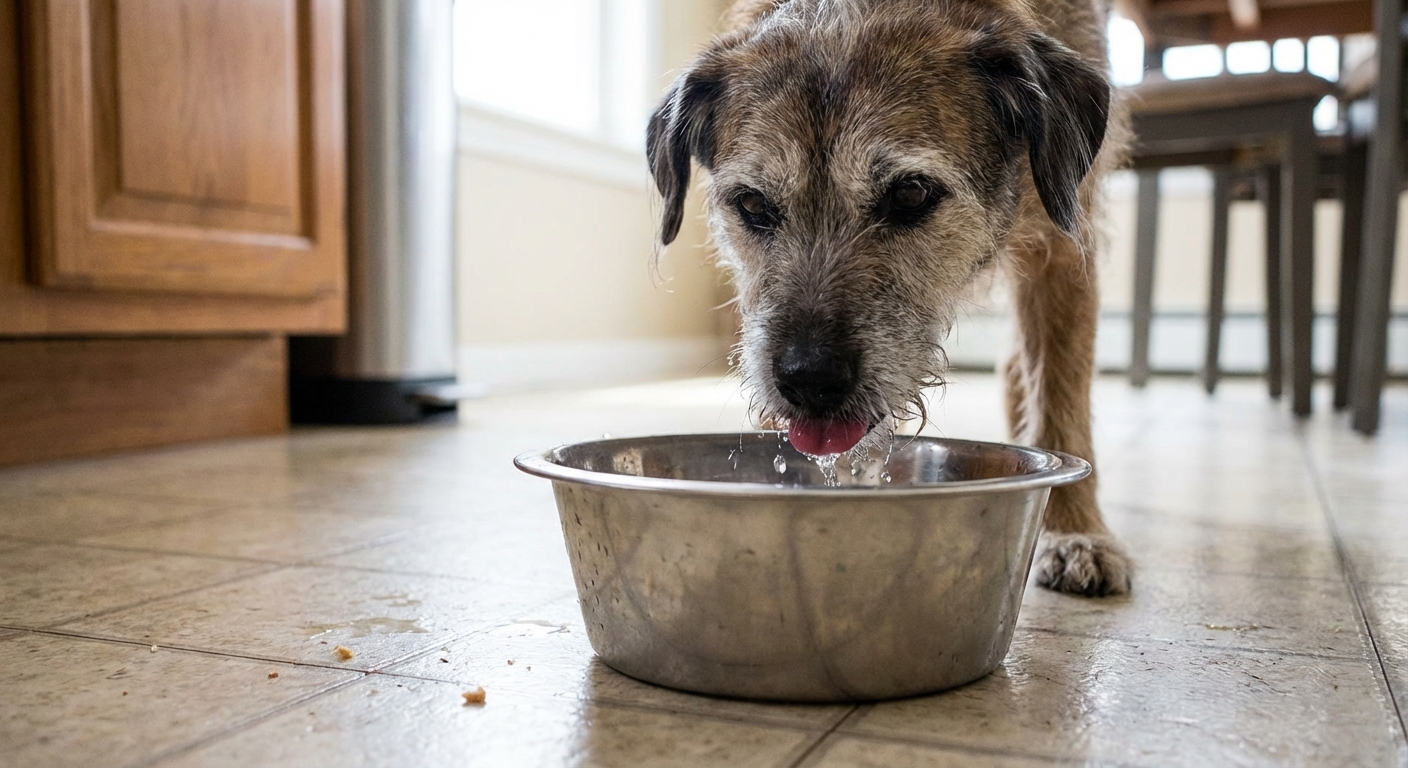
Biofilm builds up fast. Wash bowls daily and refresh water often. It is a small habit that can reduce funky odor and support overall hygiene.
When to call the vet
Please reach out to your veterinarian if you notice any of the following:
- Bad breath that starts suddenly and is intense
- Bleeding gums, facial swelling, or visible mouth pain
- Difficulty eating, dropping food, or excessive drooling
- Vomiting, weight loss, loss of appetite, or diarrhea
- Ammonia-like or sweet or fruity breath
- Any new lump in the mouth
Bad breath is often the first sign of something treatable. Catching it early can prevent pain, tooth loss, and bigger health problems down the road.
Quick checklist
- Rotten and your dog chews on one side: foreign object, cracked tooth, infection, or severe gum disease.
- Sour and your dog licks lips a lot: reflux or nausea.
- Fishy and your dog scoots: anal gland issue.
- Fecal and you have a stool snacker: coprophagia or trash snacks.
- Ammonia-like: kidney disease concern.
- Sweet or fruity: diabetes concern, possible ketones.
If you are unsure, that is completely normal. Your veterinary team can help you connect the dots with a quick exam and the right testing.