Step-by-step guidance if your dog ate chicken bones: cooked vs. raw risks, what to do immediately, what to avoid, ER red flags, monitoring timeline, and vet ...
Article
•
Designer Mixes
Dog Ate Chicken Bones: What To Do

Shari Shidate
Designer Mixes contributor
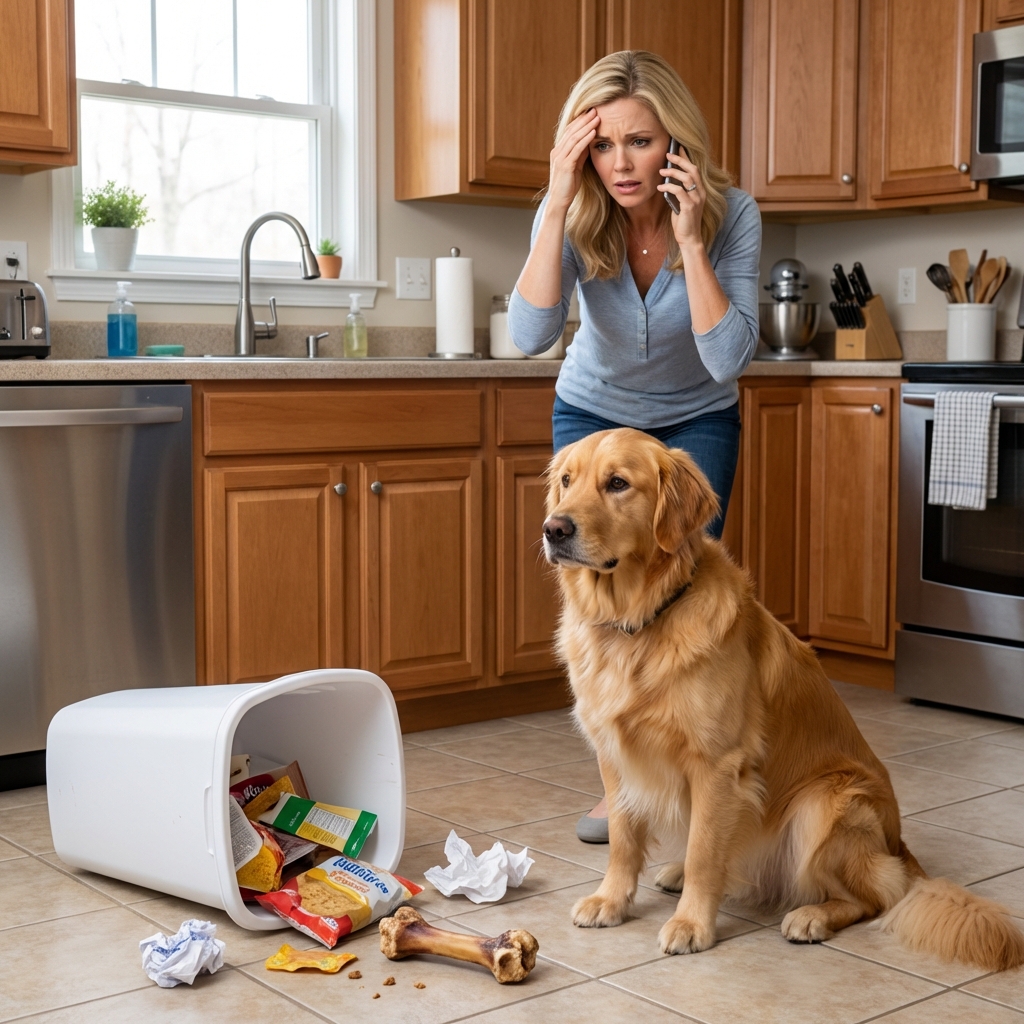
If you have ever turned your back for two seconds and found your dog crunching on a chicken bone, you are not alone. As a veterinary assistant, I have taken plenty of these calls, and I know how scary it feels.
Here is the practical, vet-aligned truth: chicken bones can be dangerous because they can splinter, irritate the digestive tract, or in worst cases cause choking, blockage, or a tear. But many dogs also swallow bones and do fine. The goal is to respond quickly, calmly, and smartly.
First, do this right now
1) Stay calm and take the bone away if you safely can
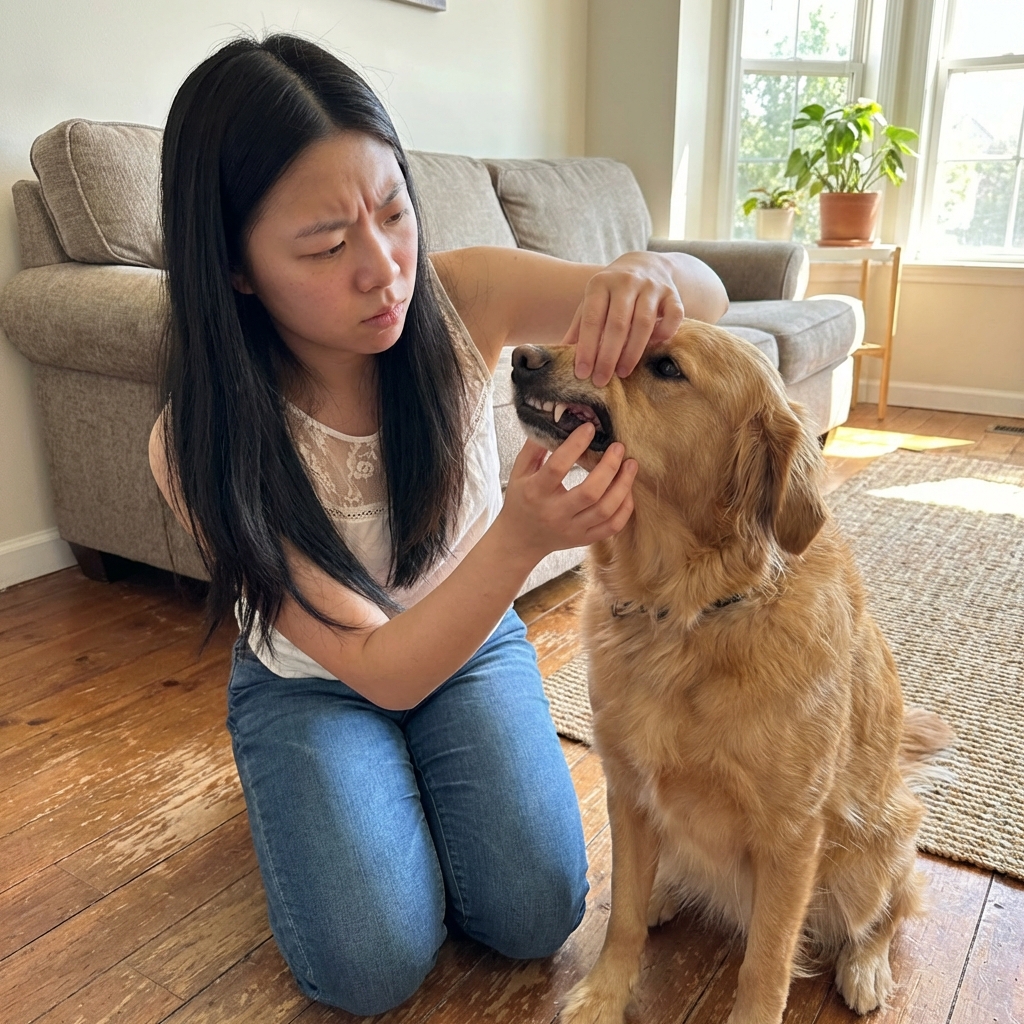
If your dog is still chewing and you can safely trade for the bone, do it. Offer a high-value treat and gently remove any remaining pieces you can see. Do not pry a dog’s mouth open if they are panicking or might bite.
If your dog guards food or you think you could get bitten, do not risk it. Use a calm distraction (toss treats away from the bone), confine your dog to another room if you can, and call your vet for guidance.
2) Check for immediate choking
Look for these urgent signs:
- Gagging with trouble breathing
- Pawing at the mouth
- Blue or gray gums
- Collapse
- High-pitched wheezing or no sound while trying to breathe
If you see choking or breathing trouble, go to an emergency vet immediately.
Important: Avoid blind finger sweeps. You can accidentally push a piece deeper or injure your dog. If you can clearly see a loose piece at the front of the mouth and your dog allows it safely, you may be able to remove it. Otherwise, head to the ER.
3) Get the details (it helps your vet help you)
- What was eaten: wing, drumstick, rib, whole carcass, cooked or raw
- How much: one small piece or several
- When: minutes ago vs. hours ago
- Your dog’s size and breed mix
- Did your dog swallow it whole, or chew it into sharp pieces
- Any symptoms right now (vomiting, drooling, gagging, coughing)
What many owners do not realize
1) Cooked bones are generally higher risk
Cooked chicken bones are widely considered higher risk because they tend to be more brittle and splinter into sharp shards. Raw bones are not “safe,” but cooked bones usually carry a higher splinter risk.
2) It is not just choking to watch for
Even if your dog swallowed the bone, risks can show up later:
- Mouth or throat injury (scrapes, bleeding gums)
- Esophageal irritation (painful swallowing, repeated swallowing)
- Stomach or intestinal blockage
- Perforation (a tear in the GI tract)
- Constipation from compacted bone fragments
In general, a bone swallowed whole can be less jagged than a bone chewed into shards, but either can cause choking or obstruction depending on size, shape, and your dog’s anatomy.
3) Inducing vomiting can backfire
A common mistake is trying to “make them throw it up.” With sharp objects like chicken bones, vomiting can cause additional injury to the throat and esophagus. Do not induce vomiting unless a veterinarian specifically tells you to.
4) Bread is not a magic fix
You may hear advice to feed bread to “cushion” the bone. In real life, this is unreliable. It also may not be recommended because it can make evaluation or treatment harder if sedation or anesthesia is needed. Call your vet before giving a large meal.
5) The chicken itself can cause issues too
Even without bone damage, fatty chicken skin, grease, and rich table scraps can trigger vomiting, diarrhea, or even pancreatitis in dogs that are prone to it.
When to call the vet vs. when to go now
Go to an emergency vet now if you notice:
- Choking, trouble breathing, or persistent gagging
- Repeated vomiting or vomiting with blood
- Bloated abdomen, painful belly, or “praying position” (front legs down, rear up)
- Lethargy, collapse, or signs of shock (pale gums)
- Black, tarry stool or bright red blood in stool
- Inability to poop, straining, or crying when trying to poop
- Known ingestion of multiple bones or large pieces, especially in a small dog
Call your vet soon (today) if:
- Your dog swallowed a small piece but is acting normal
- You are not sure how much was eaten
- Your dog has a history of pancreatitis, GI disease, prior surgery, or is on steroids or NSAIDs
Tip: If it is after hours, call an ER anyway. Most hospitals will tell you whether to monitor at home or come in. If you cannot reach a veterinarian, you can also contact ASPCA Animal Poison Control or Pet Poison Helpline for guidance. Fees usually apply.
What the vet may do
Your veterinarian will decide next steps based on your dog’s size, symptoms, and how long ago the bones were eaten. Common options include:
- Oral exam to check for pieces stuck in the mouth or back of the throat
- X-rays to look for bone fragments, obstruction patterns, or gas buildup (not every fragment is easy to see, and some findings are indirect)
- Endoscopy (a camera procedure) to retrieve pieces from the esophagus or stomach in some cases
- Supportive care such as fluids, anti-nausea medication, pain control
- Surgery if there is a blockage or perforation risk
The earlier you call, the more options your vet may have.
Home monitoring: next 72 hours
If your veterinarian advises home monitoring, set reminders and keep a close eye on these basics:
Appetite and energy
- Normal appetite and playful behavior are good signs
- Skipping meals, hiding, or acting “off” is worth a vet call
Vomiting and drooling
- One isolated spit-up may happen
- Repeated vomiting, excessive drooling, or gagging is a red flag
Poop checks (yes, it matters)
Look for:
- Straining
- Hard, dry stool or crumbly “bone-like” stool
- Blood, black stool, or mucus
- No bowel movement longer than your dog’s normal pattern
Keep your dog well-hydrated and follow your vet’s feeding instructions. If you were not given instructions, call and ask before making changes.
What not to do
- Do not give hydrogen peroxide to induce vomiting unless your veterinarian directs you to.
- Do not do blind finger sweeps if you suspect a piece is stuck.
- Do not give laxatives, mineral oil, or enemas unless your vet recommends it.
- Do not wait out severe symptoms like repeated vomiting, painful belly, or blood.
- Do not assume “he does this all the time” means it is safe. Risk accumulates, and one incident can turn serious.
Prevention that works
Kitchen and trash safety
- Use a trash can with a locking lid
- Keep plates and wing containers out of reach, even on counters for counter-surfers
- Teach kids to bring bones straight to the trash
Train a solid “drop it”
Practice with safe items and high-value treats. A reliable “drop it” is one of the most practical lifesavers you can teach.
Offer safer chew alternatives
If your dog loves to chew, ask your vet what is appropriate for your dog’s size, teeth, and chewing style. Some dogs need softer dental chews, while power chewers may need sturdier options that still do not splinter.
FAQ
My dog ate one chicken wing bone and seems fine. Should I still worry?
You should still call your vet for guidance. Many dogs do fine, but problems can show up minutes to several days later. Your vet may recommend monitoring, an exam, or imaging depending on your dog and the bone type.
Is raw chicken bone safe?
Raw bones may be less brittle than cooked, but they are not risk-free. They can still cause choking, tooth fractures, GI upset, or blockage. Raw poultry also has bacterial risks for both pets and people in the home.
How long until symptoms show up?
Choking and mouth injuries can be immediate. Vomiting, belly pain, constipation, and signs of blockage can appear over the next 24 to 72 hours, and sometimes longer.
Bottom line
If your dog ate chicken bones, the safest next step is simple: call your veterinarian or an emergency clinic with details, then monitor closely for the red-flag symptoms above. Quick action can prevent a small scare from becoming a serious emergency.
If you are unsure, trust your gut and call. You are not overreacting. You are protecting your best friend.