Learn practical, vet-informed ways to support a dog with arthritis, weakness, or paralysis—pain control, safer flooring, ramps, harnesses, exercise, and we...
Article
•
Designer Mixes
Dog Arthritis Treatment: Home Remedies and Pain Management

Shari Shidate
Designer Mixes contributor
If your dog has been diagnosed with arthritis, you are not alone. I see this every week as a veterinary assistant here in Frisco, Texas. The good news is that arthritis is often very manageable with the right home setup, safe movement, targeted supplements, and veterinarian-guided pain control when needed. Most dogs do best with a blend of strategies, not just one “magic” fix.
In this guide, I will walk you through evidence-based ways to reduce pain, protect joints, and keep your dog enjoying daily life. Always check with your veterinarian before starting new supplements or medications, especially if your dog has kidney, liver, stomach, bleeding, or heart issues.

What arthritis looks like day to day
Arthritis (most commonly osteoarthritis) is a progressive, whole-joint condition. Over time, changes in cartilage, synovial lining, surrounding soft tissues, and bone (like osteophytes) can lead to inflammation, stiffness, and pain. Dogs often hide discomfort until it starts impacting their normal routines.
Common signs your dog may be hurting
- Stiffness after rest, especially in the morning or after naps
- Limping or “warming out of it” after a few minutes
- Slower on walks, lagging behind, or refusing stairs
- Difficulty jumping into the car or onto furniture
- Hesitation on slick floors
- Licking a joint, yelping, or pulling away when touched
- Behavior changes like irritability, restlessness at night, or less interest in play
- Muscle loss in the back end, weight gain from reduced activity
If these signs appear suddenly, are severe, or involve a dragging limb, inability to stand, or screaming pain, treat it as urgent. Arthritis is common, but not every limp is arthritis.
How arthritis is confirmed
In most clinics, osteoarthritis is diagnosed with a combination of your dog’s history, a physical exam (including joint range of motion and pain response), and sometimes X-rays. Your vet may also recommend additional testing to rule out problems that can look like arthritis, such as cruciate ligament injury, luxating patella, hip dysplasia, tick-borne disease, or neurologic issues.
Your at-home arthritis plan: the 6 big levers
When I help families build a plan, I focus on six areas: weight, movement, traction, comfort, supplements, and medications or rehab when needed. Small changes add up quickly.
1) Weight management: one of the fastest ways to reduce joint stress
If your dog is even a little overweight, weight loss is one of the highest-impact treatments. Less weight means less force through hips, knees, elbows, and spine with every step.
Simple, practical steps
- Ask your vet for an ideal weight range and a target daily calorie goal.
- Measure meals with a real measuring cup or kitchen scale.
- Swap high-calorie treats for low-cal options like small pieces of carrot, cucumber, or green beans (if tolerated).
- Use food puzzles to slow eating and add mental enrichment without extra calories.
Tip from the clinic: You should be able to feel ribs with light pressure and see a defined waist from above. If you are not sure, your vet team can body condition score your dog in minutes.
2) Low-impact exercise: movement is medicine, pain is a signal
Regular, gentle exercise helps keep joints moving, maintains muscle (which stabilizes joints), and supports a healthier weight. The goal is consistent motion without flare-ups.
Arthritis-friendly activities
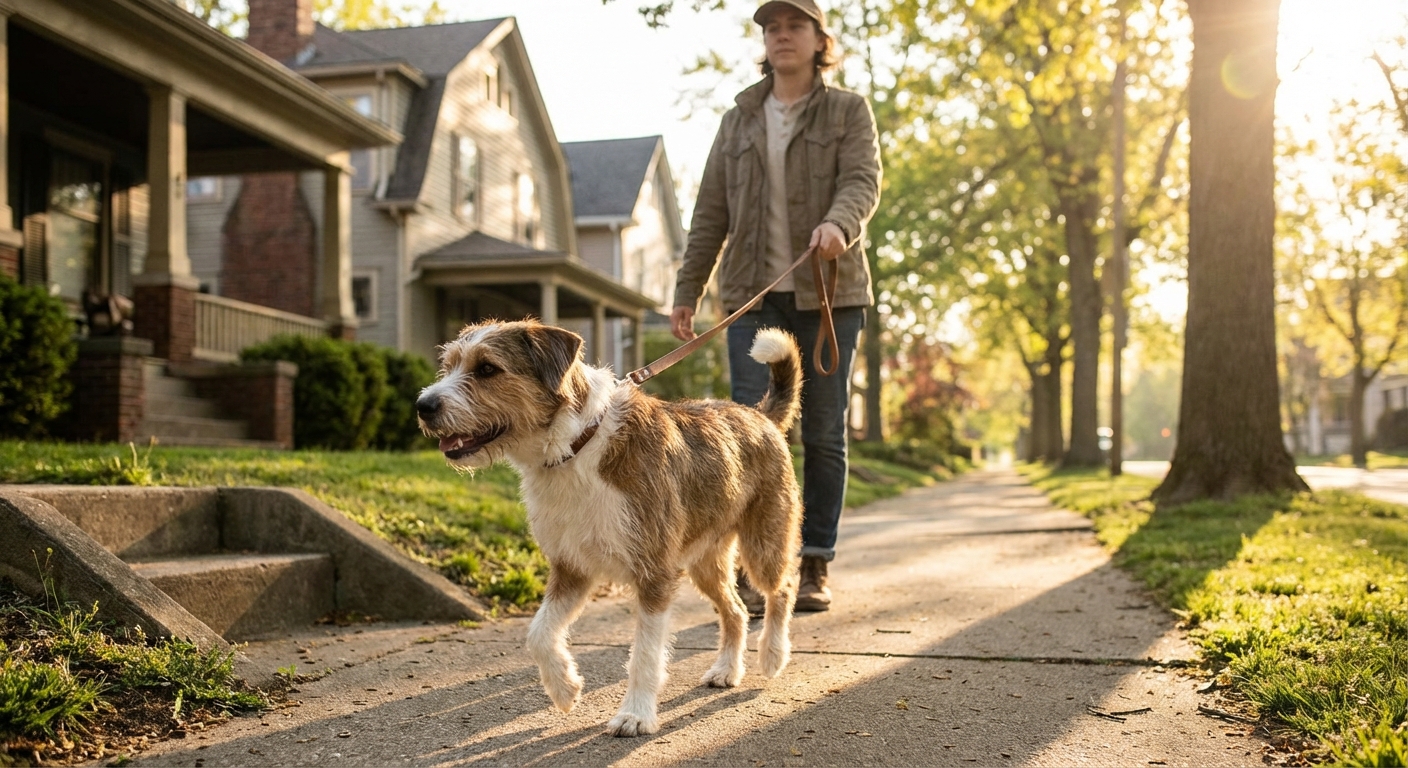
- Short, frequent walks instead of one long walk
- Leashed “sniff walks” at your dog’s pace
- Swimming or underwater treadmill if available and your dog enjoys it
- Controlled hill walking only if your vet or rehab therapist approves
How to tell if you did too much
- More limping later that day or the next morning
- Stiffness after the walk that lasts hours
- Reluctance to get up, use stairs, or go outside
If you see these, scale back duration first, then intensity. Consistency beats intensity for arthritic dogs.

3) Home setup: floors, stairs, and easy access
You can reduce pain triggers by making your home joint-friendly. This is especially important for larger-bodied dogs who put more load through hips and knees.
Quick home modifications that help
- Add traction: rugs, runners, or nonslip mats in hallways and near doors
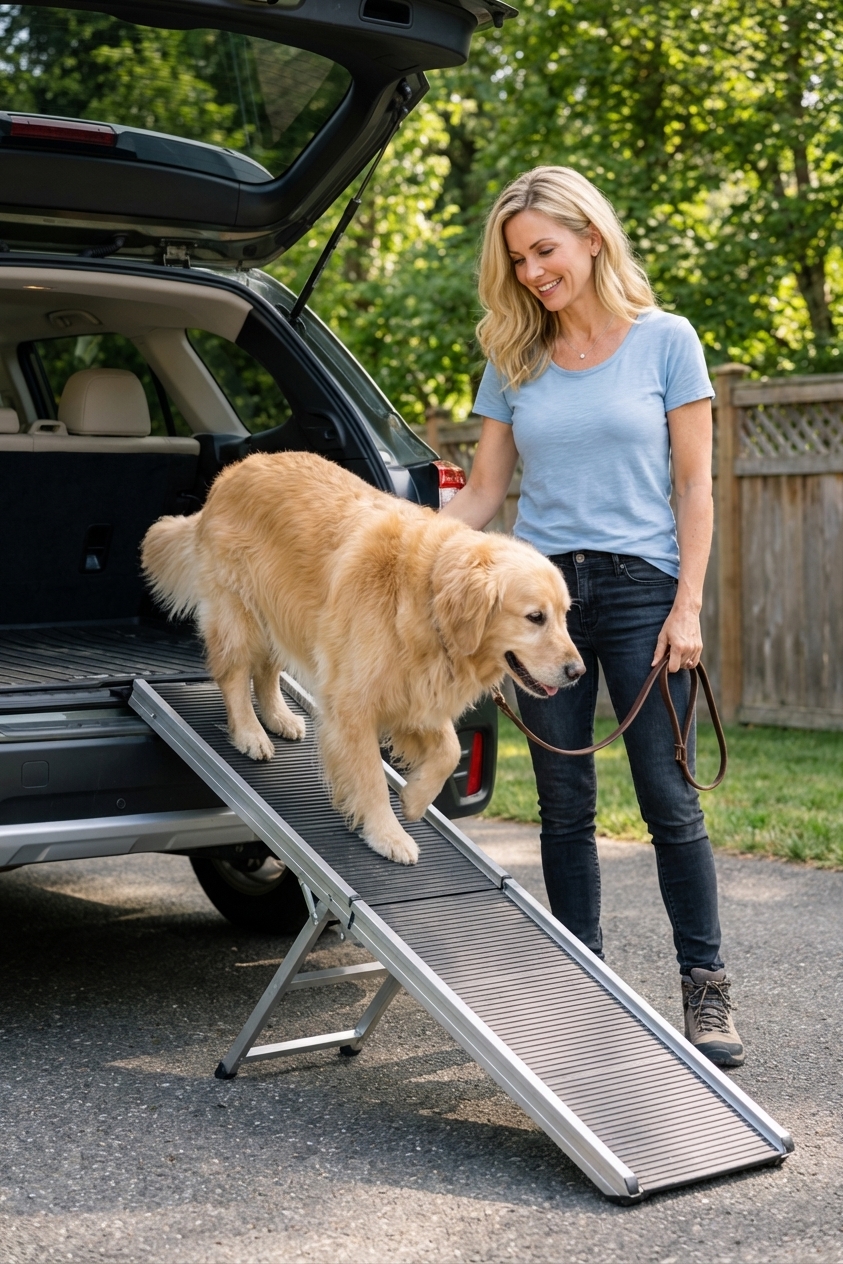
- Use ramps for cars, beds, or porch steps when jumping hurts
- Block off stairs during flare-ups or for dogs with weak back legs
- Elevate bowls if neck or shoulder arthritis is suspected (ask your vet first)
- Trim nails and paw fur to prevent slipping
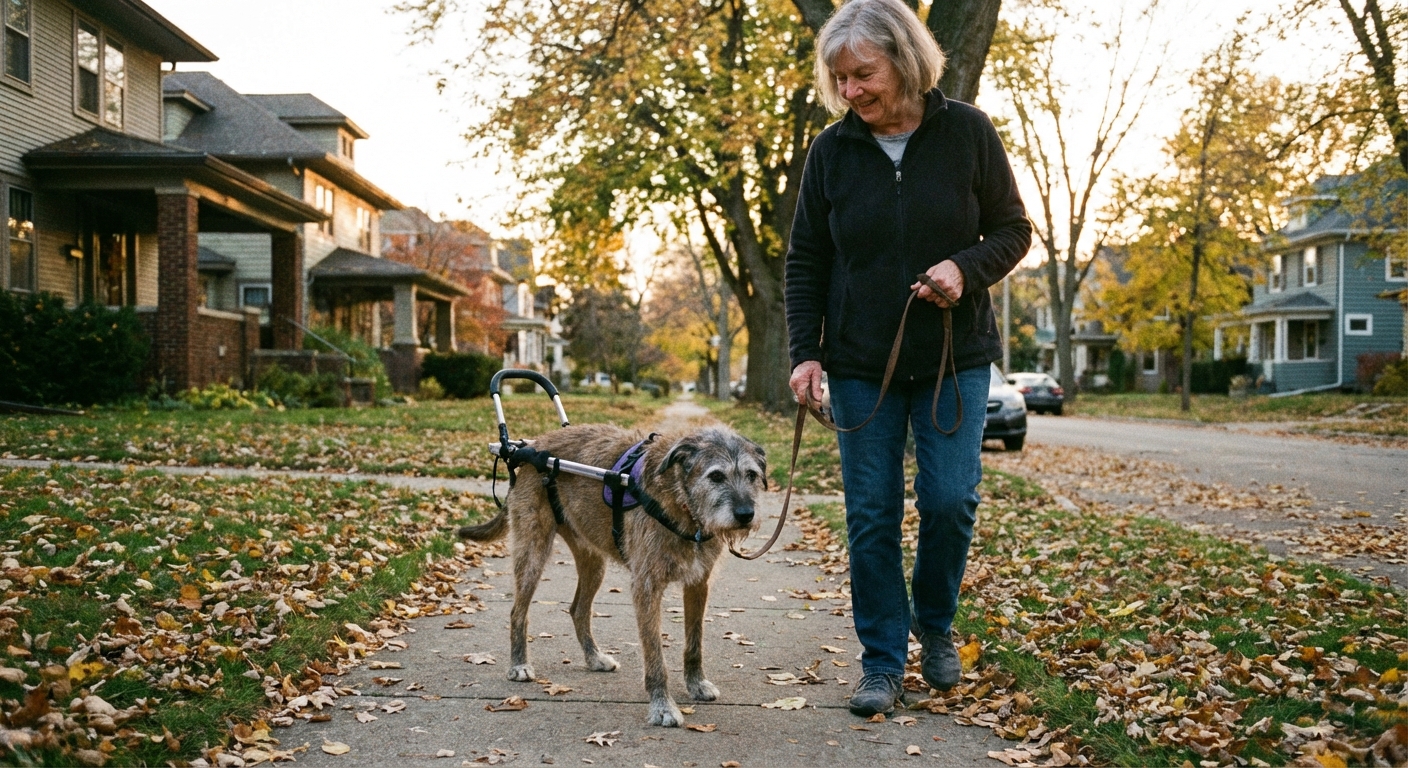
- Consider a supportive harness (or a rear-end assist sling) if your dog needs help with stability on walks or stairs
4) Comfort tools: heat, cold, and orthopedic support
Comfort care does not replace medical treatment, but it can make a big difference in daily pain levels.
Orthopedic bed basics
- Choose a thick memory-foam or orthopedic foam bed that keeps hips and elbows off hard floors.
- Look for low sides or easy entry for dogs that struggle to step over bolsters.
- Place beds where your dog actually rests, often near family areas.
Heat therapy for stiffness
- Heat can help with chronic stiffness, especially before activity.
- Use a warm (not hot) compress for 10 to 15 minutes, with a towel barrier.
- Safety note: Check the skin frequently, stop if your dog seems uncomfortable, and never let your dog lie on a heating device unattended.
- Never use heat on a joint that is visibly swollen or feels hot. In that case, ask your vet about cold therapy.
Cold therapy for flare-ups
- Cold can help after a hard day or during a flare when inflammation is higher.
- Use a cold pack wrapped in a towel for 5 to 10 minutes, and stop if your dog resists.
- Safety note: Avoid prolonged application to prevent skin irritation or cold injury.

5) Joint supplements: what has the best support
Supplements can be helpful, but they work best as part of a plan, and they usually take time. In most dogs, you are looking at 4 to 8 weeks before you can fairly judge results. Evidence quality varies by ingredient and by product, so choose reputable brands with clear quality testing whenever possible.
Glucosamine and chondroitin
These are among the most commonly used joint supplements. Research results are mixed, but many dogs do show improvement in comfort and mobility. They are generally safe, though they can cause mild GI upset in some dogs.
Omega-3 fatty acids (fish oil)
Omega-3s (especially EPA and DHA) have stronger evidence for supporting inflammatory conditions, including osteoarthritis. The right dose matters, so ask your veterinarian for a dose based on your dog’s weight and the specific product concentration.
Green-lipped mussel
This is a natural source of omega-3s and other compounds that may support joint comfort. Some dogs do very well on it, and it is often included in quality joint chews.
MSM, turmeric, and other add-ons
These can help some dogs, but response varies and the evidence is less consistent. Turmeric, for example, may affect clotting and can interact with certain medications. Always run these by your vet, especially if your dog is on NSAIDs or has a planned surgery.
What about CBD?
CBD is widely used, but evidence in dogs is still emerging and products vary dramatically in quality and THC contamination risk. If you want to try it, do it only with veterinarian guidance and choose a product with transparent third-party testing.
Quality and safety checklist
- Choose products made for pets when possible, or products your vet recommends.
- Look for third-party testing or clear quality controls (your vet can help you pick).
- Be cautious with flavored human gummies or chewables. Some may contain xylitol, which is dangerous for dogs.
Important safety reminder: Never give human pain medications like ibuprofen (Advil), naproxen (Aleve), or acetaminophen (Tylenol) unless your veterinarian explicitly instructs you to. These can be dangerous or fatal to dogs.
6) Prescription pain management: when home care is not enough
If your dog is still limping, struggling to get up, or not enjoying normal life, it is time to talk medication. In veterinary medicine, we often use a multimodal approach, meaning two or more therapies that work in different ways.
NSAIDs (non-steroidal anti-inflammatory drugs)
Veterinary NSAIDs are a cornerstone for arthritis pain because they reduce inflammation and improve mobility. They can be very effective, but they require monitoring and should only be used as directed.
- Your vet may recommend baseline and follow-up bloodwork to monitor liver and kidney values.
- Stop the medication and call your vet if you see vomiting, diarrhea, black stools, loss of appetite, or sudden lethargy.
Gabapentin
Gabapentin is often used as an add-on for chronic pain management and may be especially helpful if there is a nerve pain component. Evidence for osteoarthritis pain relief is mixed, but some dogs do benefit. It may cause temporary sedation or wobbliness, especially at the start or after dose changes.
Other options your vet may discuss
- Amantadine as an add-on for chronic pain in some cases
- Osteoarthritis injections such as anti-NGF monoclonal antibody therapy (for example, bedinvetmab) or joint-support injections like polysulfated glycosaminoglycans (for example, PSGAG), depending on your dog’s history and needs
- Prescription joint diets formulated for mobility support
- Tramadol in select situations, although response can be variable and it is not a perfect fit for every arthritis case
Medication should make your dog more comfortable and more mobile, not sleepy all day. If sedation becomes a problem, your vet can often adjust the plan.
Physical therapy and rehab
Canine rehabilitation is one of my favorite resources for arthritis. It is not just for post-surgery patients. Many arthritic dogs benefit from a customized program to build strength safely.
Common rehab tools
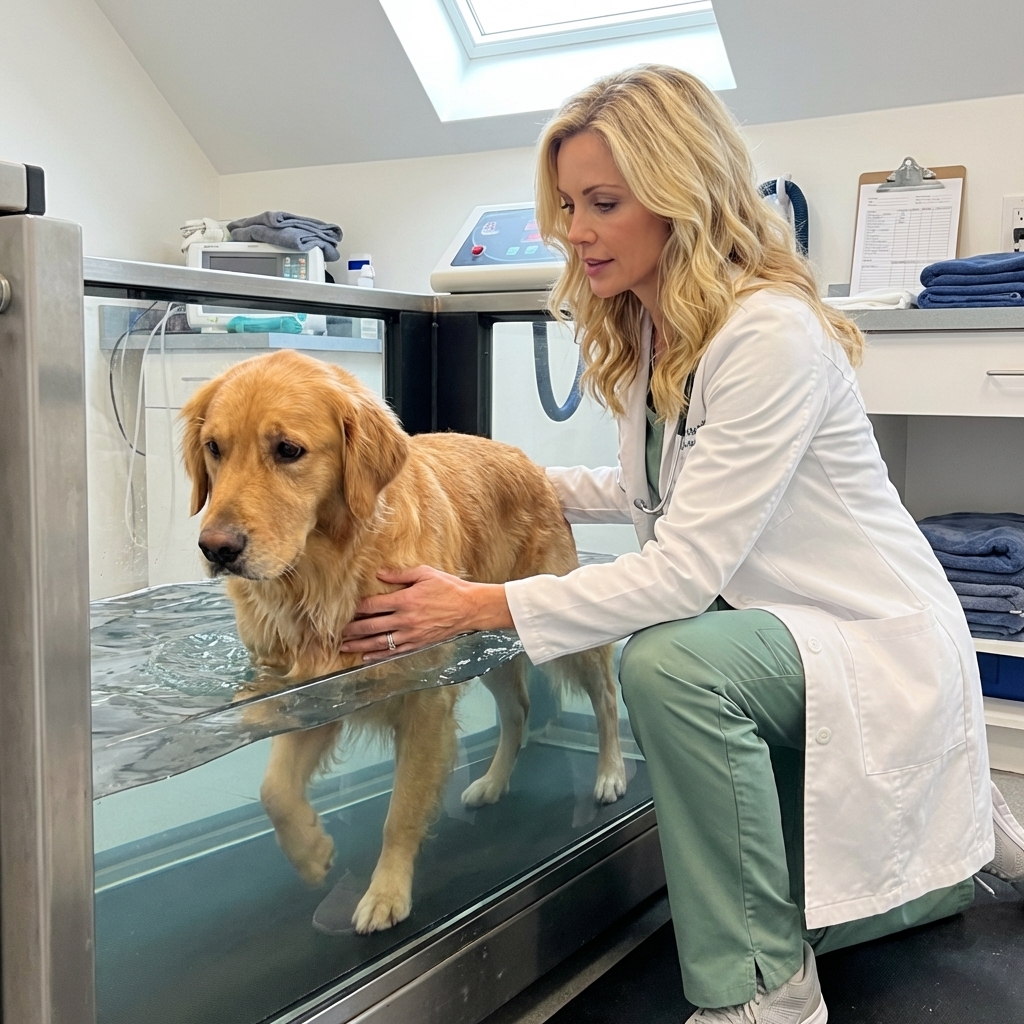
- Underwater treadmill
- Targeted strengthening exercises and balance work
- Massage and range-of-motion exercises
- Laser therapy or other modalities recommended by the therapist
Ask your vet for a referral to a certified canine rehabilitation professional in your area.
Sample daily routine
Every dog is different, but here is a simple structure you can adapt.
- Morning: short potty walk, gentle warm-up, breakfast with vet-approved supplements
- Midday: brief sniff walk or a few minutes of low-impact play on nonslip flooring
- Afternoon: rest on an orthopedic bed, optional heat therapy if your vet approves
- Evening: short walk at a comfortable pace, then calm enrichment like a lick mat or puzzle feeder
- Night: bedding in a warm, draft-free spot with easy access to water
When to adjust the plan
Arthritis changes over time. The goal is good quality of life, and your dog will tell you when the plan is not keeping up.
Call your veterinarian if you notice
- Breakthrough pain that lasts more than 24 to 48 hours
- New limping, knuckling, dragging toes, or sudden weakness
- Significant behavior changes like hiding, snapping, or crying at night
- Medication side effects: vomiting, diarrhea, dark or tarry stools, loss of appetite
- Rapid weight gain or muscle loss
- Less interest in walks, play, or family time despite your usual routine
Quality-of-life check-in: If your dog has more bad days than good days in a week, it is time for a reassessment. Often, a few tweaks make a big difference.
My best encouragement
Arthritis can feel overwhelming at first, but you do not have to do everything at once. Start with the biggest wins: traction at home, a consistent low-impact movement plan, and weight support if needed. Then add supplements and veterinary pain control as appropriate.
Most importantly, keep notes. Track your dog’s walks, stiffness, appetite, and sleep. That information helps your veterinarian fine-tune the plan so your dog stays comfortable and confident for as long as possible.
References and resources
- American Animal Hospital Association (AAHA) and American Association of Feline Practitioners (AAFP): Pain Management Guidelines for Dogs and Cats (2015)
- American College of Veterinary Surgeons (ACVS): Osteoarthritis overview and management principles (client education resource)
- U.S. Food and Drug Administration (FDA): Animal health information and safety warnings about giving human NSAIDs to pets
- Peer-reviewed research reviews on omega-3 fatty acids (EPA/DHA) and canine osteoarthritis outcomes (ask your veterinarian for product-specific dosing guidance)