Pumpkin, psyllium, veggies, oats, and fruit can boost gut health—but too much fiber can backfire. See practical serving starting points and how to adjust u...
Article
•
Designer Mixes
Dog Anal Sac Smell: What It Means and Fixes

Shari Shidate
Designer Mixes contributor
If you have ever caught a sudden, fishy smell coming from your dog, you are not imagining it. In many cases, that odor points to the anal sacs, two small scent sacs (often called “anal glands”) located on either side of your dog’s anus. As a veterinary assistant in Frisco, Texas, I can tell you this is one of the most common “what is that smell?” concerns I hear. The good news is that it is usually fixable once you understand why.
Important note: This article is educational and not a substitute for veterinary care. If your dog is in pain, has swelling, bleeding, or a strong odor that keeps returning, it is time to call your veterinarian.
What anal sac smell means
Most dogs have two anal sacs that sit roughly at the 4 o’clock and 8 o’clock positions around the anus. Each sac has a small duct that opens near the anus. These sacs usually release a small amount of fluid when your dog poops, especially if the stool is firm enough to apply pressure.
Some dogs can also express a little fluid when they are scared, stressed, or very excited. That can cause a sudden “where did that come from?” smell even if their poop is normal.
When things are working properly, you might never notice them. When they are not, you may notice:
- Fishy or musky odor on your dog, bedding, or your hands after petting
- Scooting (dragging the rear on the floor)
- Licking or chewing at the rear end
- Sudden discomfort when sitting
- Wet spots where your dog was lying (leakage)
Common causes
- Impacted anal sacs: The sacs fill but do not empty normally. The material can thicken over time.
- Anal sac inflammation (sacculitis): The tissue becomes irritated, often from chronic impaction, allergies, or diarrhea.
- Infection: Bacteria can overgrow in trapped secretions, creating stronger odor and pain.
- Abscess: A severe infection can cause swelling, rupture, and sometimes blood or pus.
- Loose stool or frequent diarrhea: Soft stool does not provide enough pressure to express the sacs naturally.
- Allergies: Environmental or food allergies can cause inflammation around the anus, increasing anal sac issues.
- Body shape and anatomy: Some small breeds and dogs with certain conformation have more trouble emptying sacs.
- Obesity: Extra fat can reduce normal emptying and make hygiene harder.
Not always anal sacs
Scooting and rear-end odor can look like an anal sac problem, but other issues can mimic it. Examples include tapeworm segments, other intestinal parasites, skin infection around the rear, perianal wounds, urinary tract issues, and stool stuck in the coat. If you are unsure, an exam is the safest next step.
When to call the vet
A little occasional odor can happen. But these signs are red flags that need veterinary attention, often the same day or within 24 hours:
- Swelling on one or both sides of the anus
- Pain when your dog sits, poops, or when the area is touched
- Blood, pus, or open wounds
- Fever, lethargy, decreased appetite
- Repeated scooting that does not improve quickly
- Foul odor that keeps returning even after grooming and cleaning
Anal sac abscesses can rupture and look dramatic. They are treatable, but they should not be managed at home.
What a vet visit may include
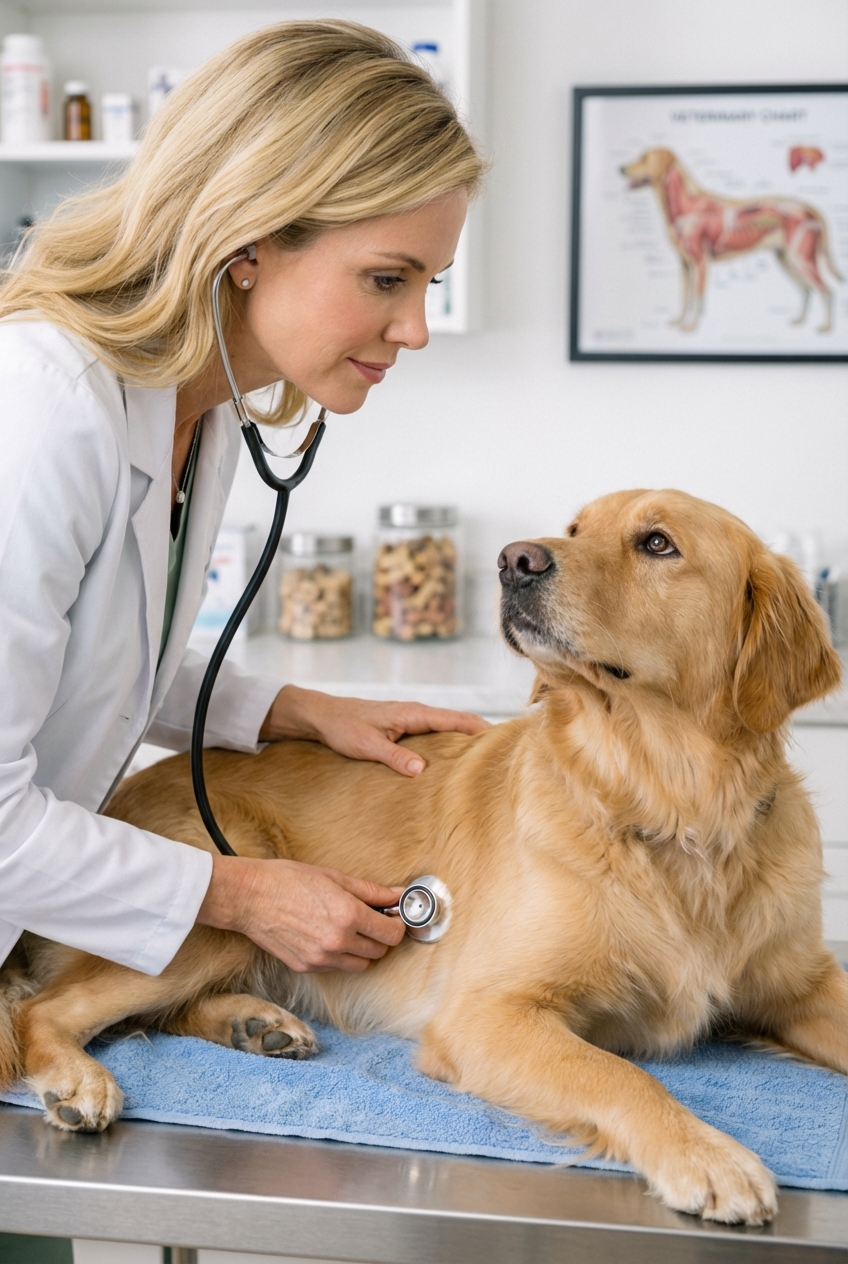
Your veterinarian may do a rectal exam to palpate the sacs, express them if appropriate, and look for swelling or a rupture. In recurring or painful cases, they may check the fluid under a microscope (cytology) and recommend medication. Aftercare often includes keeping the area clean, using warm compresses if advised, and completing any prescribed medications.
Home steps that are low risk
There are helpful steps you can take at home, especially if the issue is mild and your dog is otherwise acting normal. The goal is to support normal emptying and reduce inflammation triggers. Results vary by dog, so use these as common, low-risk starting points and loop your vet in if the problem is frequent.
1) Support firm stool with fiber
Firm, well-formed stool helps naturally express anal sacs. If your dog’s poop is consistently soft, start here.
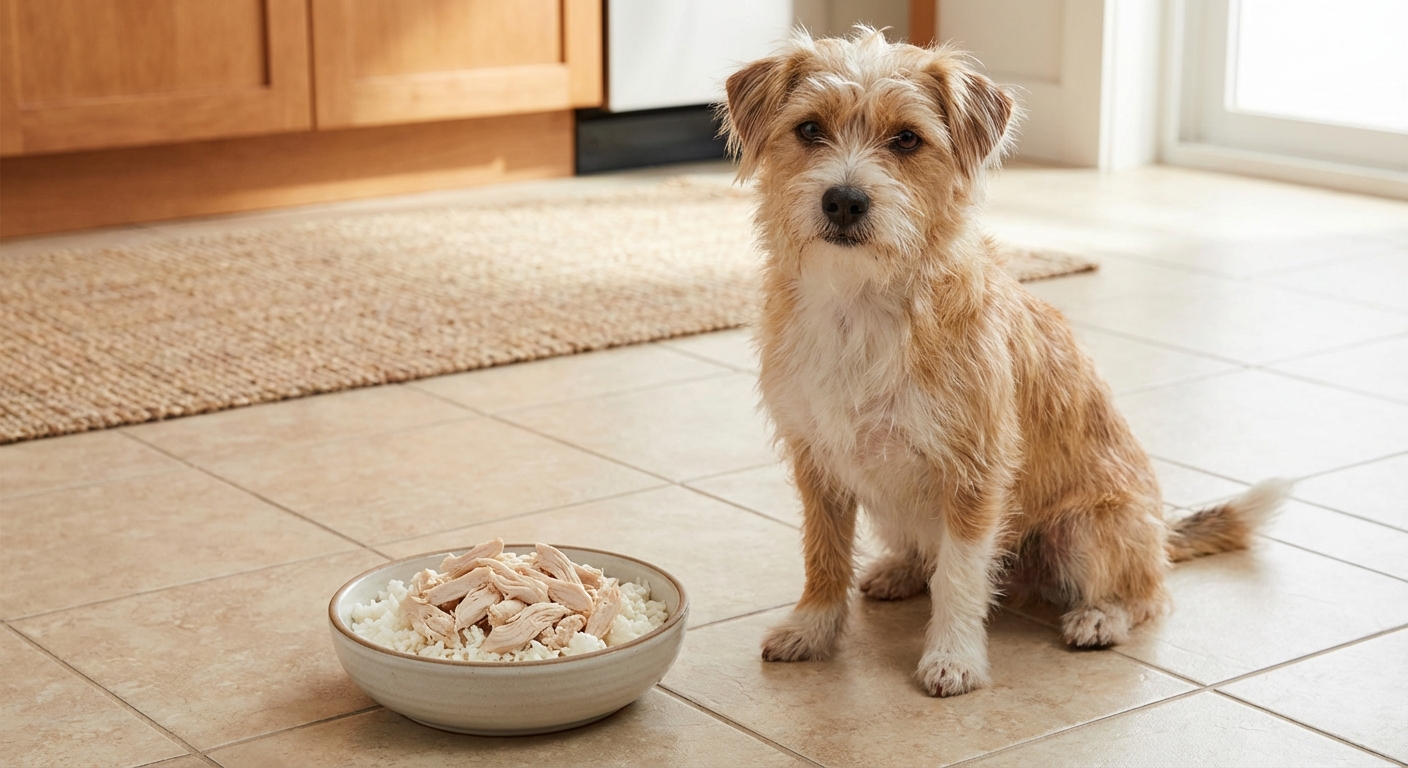
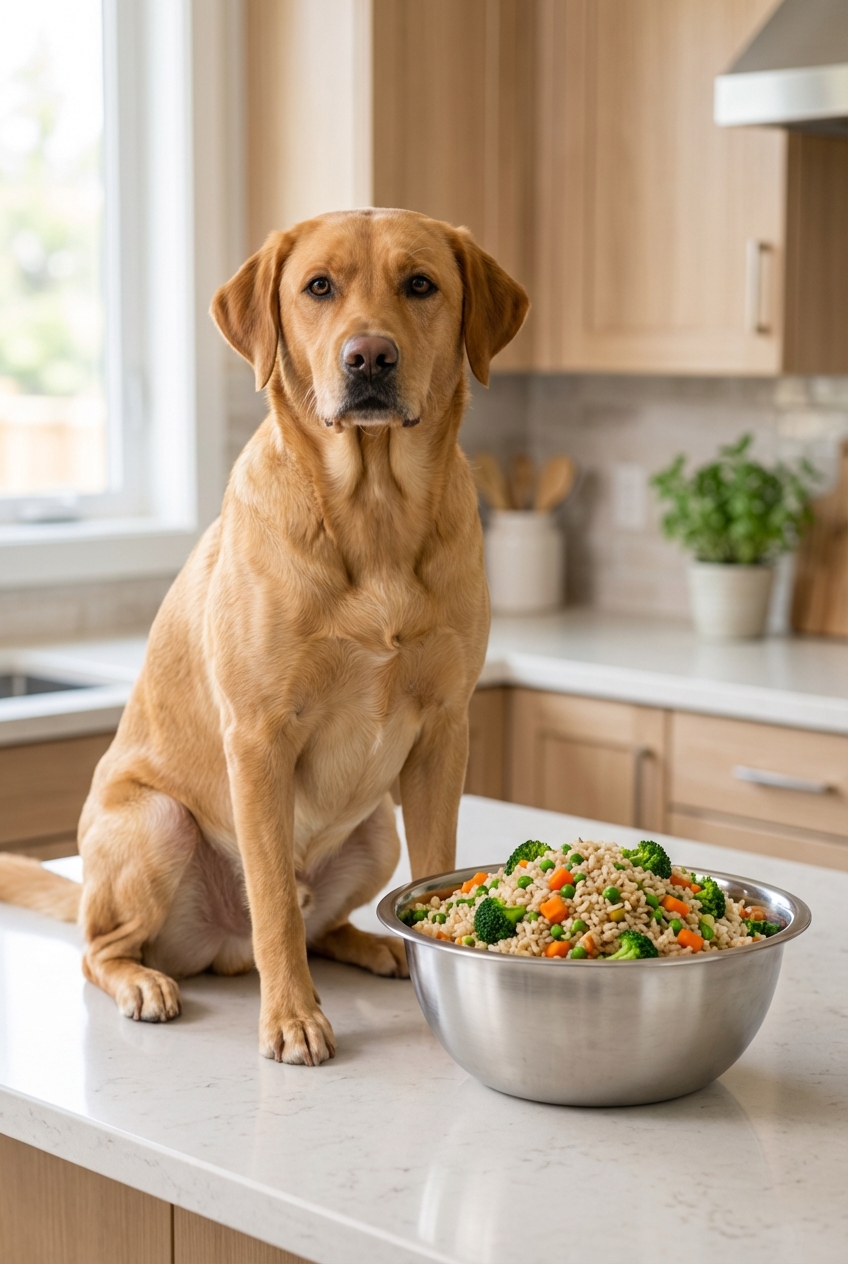
- Pumpkin (plain, canned): Often helps regulate stool. A common starting range is about 1 to 4 teaspoons per meal depending on size. Some dogs need more or less. If your dog has medical conditions like diabetes, pancreatitis history, or needs a prescription diet, ask your vet before adding it.
- Psyllium husk: A small amount can help, but dosing varies a lot by dog. Start low and ask your veterinarian for guidance.
- Consistent diet: Frequent food switches can cause loose stool and worsen the cycle.
Tip: Add fiber slowly and make sure your dog has plenty of fresh water. Too much fiber too fast can cause gas or constipation.
2) Address chronic diarrhea
If your dog has recurring diarrhea, anal sac problems often follow. Work with your veterinarian to rule out parasites, dietary intolerance, pancreatitis, and other GI causes. Treating the gut often improves the anal sacs.
3) Keep the rear clean and dry
For dogs with leakage or a lingering smell:
- Use a pet-safe, fragrance-free wipe or a damp cloth with plain water to clean the area.
- Avoid human wipes, especially those with fragrance, alcohol, or essential oils.
- Trim long hair around the rear (or have a groomer do a sanitary trim).
- Wash bedding regularly.
4) Weight and movement
Healthy weight and daily activity support normal bowel movements and muscle tone. Even modest weight loss can improve rear-end hygiene and comfort.
DIY anal sac expression?
This is a common question. I understand the temptation because the smell is unpleasant and the internet makes it look simple. But there are real risks.
Why I am cautious
- You can accidentally bruise the tissue and cause inflammation.
- If there is an infection or abscess brewing, squeezing can be very painful and may worsen the problem.
- In some dogs, frequent manual expression may increase irritation or lead to more recurring issues over time.
Safer approach: If you suspect full sacs, schedule an appointment with your veterinarian or a groomer who is experienced and gentle. If your dog has pain, swelling, bleeding, or a wound, skip the groomer and go straight to the vet.
Groomer vs vet
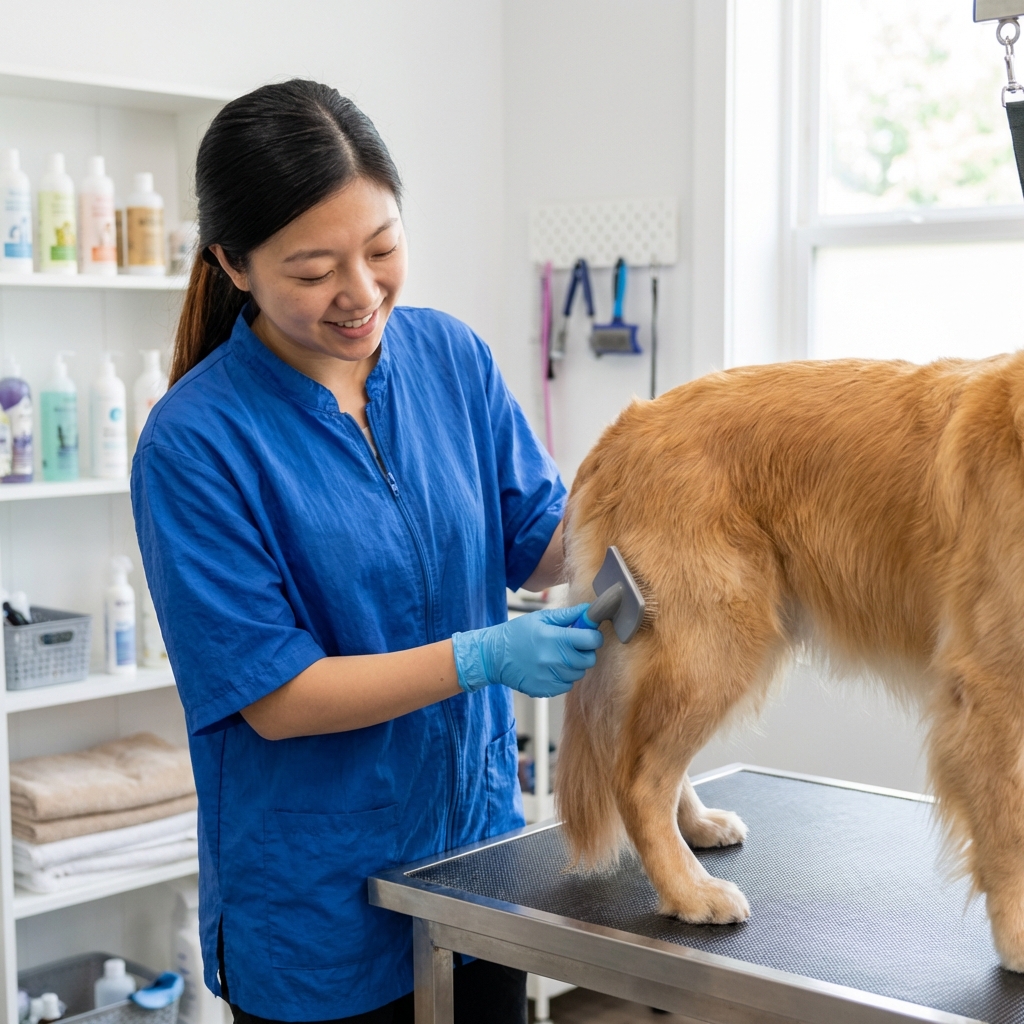
Many groomers express anal sacs externally. That can be fine for some dogs, but painful cases, suspected infection, or recurring problems are better handled at the veterinary clinic. Internal expression and medical treatment should be done by veterinary professionals.
Vet treatments
If your dog is dealing with recurring odor, scooting, or repeated impactions, your veterinarian may recommend:
- Anal sac expression (external or internal, depending on the situation)
- Cytology of anal sac fluid to check for infection or inflammation
- Antibiotics if infection is present
- Pain relief and anti-inflammatories
- Warm compresses for comfort (especially after an abscess or irritation), if your vet recommends them
- Diet trials for suspected food allergy or intolerance
- Prescription GI diets to improve stool quality
For severe, chronic cases that do not respond to management, some dogs may be candidates for anal sacculectomy (surgical removal). This is not a first-line solution and it comes with risks, including surgical complications and, rarely, fecal continence issues. Still, for a small group of dogs with constant problems, it can be truly life-changing.
Prevention
Many dogs improve with a few consistent habits.
Simple checklist
- Aim for ideal poop: formed, log-shaped, not too hard, not soft
- Feed a consistent, high-quality diet and avoid sudden changes
- Introduce fiber slowly if stools tend to be soft (with your vet’s guidance if your dog has health conditions)
- Address allergies (itchy skin, recurrent ear infections, paw licking, anal licking)
- Schedule routine checks if your dog has a history of impactions
- Keep your dog at a healthy weight
If anal sac smell is happening more than once in a blue moon, your dog is not being naughty. Their body is asking for help, and it is usually a gut, allergy, or anatomy issue we can improve.
Quick FAQ
Why does my dog smell fishy but act normal?
Mild leakage can happen, especially after stress, excitement, or a soft stool day. If it becomes frequent or your dog starts licking or scooting, book an exam.
Can diet alone fix anal sac problems?
Sometimes, yes, especially if the root cause is chronic soft stool. Other dogs also need allergy management or periodic expression.
Are certain breeds more prone?
Small breeds are commonly affected, but any dog can have anal sac issues, especially with diarrhea or allergies.