Chicken and rice can soothe mild stomach upset and help dogs transition back to normal food. Learn safe recipes, portions, how long to feed it, and when to c...
Article
•
Designer Mixes
Dog Anal Gland Problems: Causes and Prevention

Shari Shidate
Designer Mixes contributor
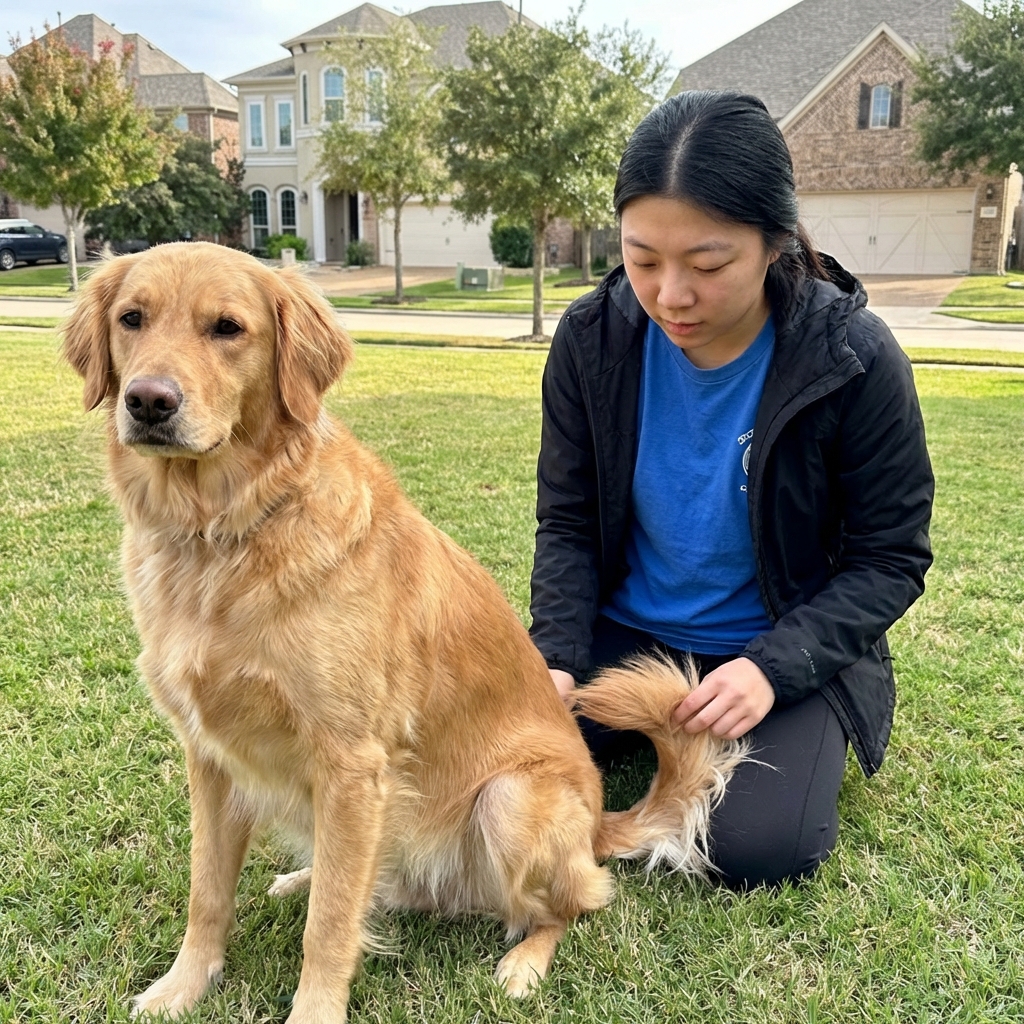
Anal gland issues are one of those “awkward but common” dog health topics I talk about all the time as a veterinary assistant here in Frisco, Texas. If your dog is scooting, licking under the tail, or suddenly smells fishy, you are not alone. The good news is that many anal gland problems are preventable once you understand why they happen and what to do early.
What anal glands do
Dogs have two small scent glands (anal sacs) located just inside the anus, usually around the 4 o’clock and 8 o’clock positions. They store a strong-smelling fluid that helps dogs communicate.
These glands typically empty a small amount during a bowel movement. They can also express when a dog is stressed, excited, or startled (hello, sudden “fishy” smell).
Problems start when the sacs do not empty well. Fluid thickens, the sacs get overfull and inflamed, and that can progress to infection or even an abscess.
Common signs something is wrong
- Scooting (dragging the rear end on carpet or grass)
- Licking or chewing around the anus or base of the tail
- Fishy odor that comes and goes
- Sudden discomfort sitting or turning to look at the hind end
- Swelling, redness, or a lump near the anus
- Pain, fever, lethargy, or a draining wound (can indicate an abscess)
Plain language tip: an impaction is basically a clogged, overfull anal sac that cannot drain normally.
If you see swelling, bleeding, a draining hole, or your dog seems painful, that is a same-day veterinary visit.
What causes anal gland problems
1) Soft stool or chronic diarrhea
Firm stool helps apply pressure that naturally expresses the anal sacs. If your dog has frequent soft stool, the sacs may not empty fully. Common reasons include diet changes, food sensitivities, stress colitis, parasites, and intestinal disease.
2) Constipation or poor bowel movement quality
Straining, irregular bowel movements, or inconsistent stool size can also interfere with normal emptying.
3) Allergies (environmental or food-related)
Allergies often show up as itchy skin, ear infections, paw licking, and yes, rear-end licking too. Inflammation around the anus can make glands swell and block normal drainage.
4) Obesity and low muscle tone
Extra weight can change posture and reduce the natural pressure needed for glands to empty. Maintaining a healthy body condition is more than a “looks” issue. It is a comfort and inflammation issue, too.
5) Anatomy and breed tendencies
Small dogs are overrepresented for anal sac impactions, but any breed can have problems. Some dogs simply have narrower ducts or thicker secretions.
6) Frequent manual expressing (in some dogs)
This is nuanced. Some dogs truly need occasional professional expressing, especially if they are prone to impaction. But frequent, routine expressing when it is not medically needed can irritate tissues and may contribute to ongoing inflammation in certain dogs. This area is not well-studied, and a lot of what we know comes from clinician experience, so the best approach is individualized and guided by your vet.
Impaction vs infection vs abscess
These problems can look similar at home, but treatment is different.
- Impaction: sacs are overfull with thick material. It is usually itchy and uncomfortable.
- Infection (sacculitis): bacteria overgrow in trapped fluid. Your dog may be painful and the area may look inflamed.
- Abscess: infection worsens until the sac ruptures or is close to rupturing. Swelling can be dramatic and very painful, sometimes with fever.
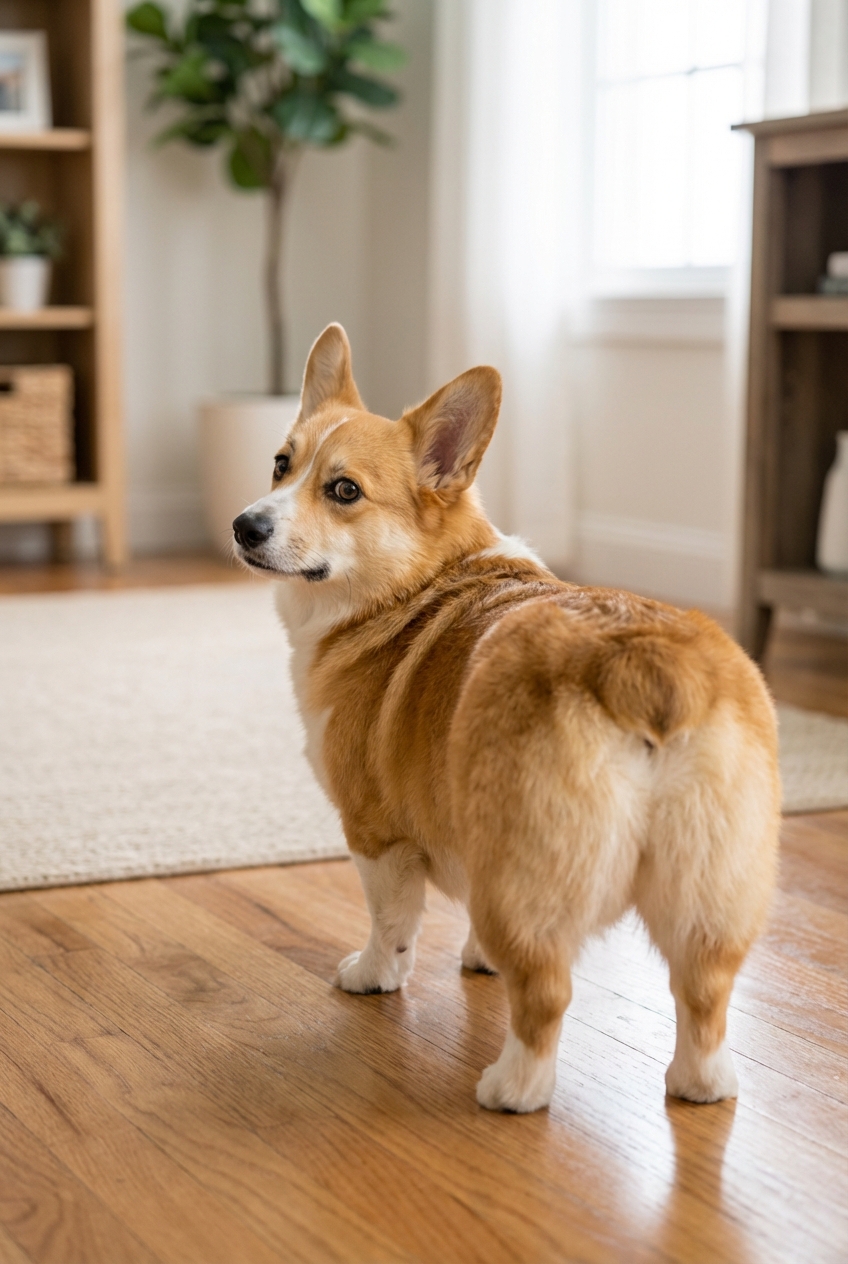
If your dog has repeated issues, your vet may recommend cytology (checking the sac contents under a microscope), antibiotics, anti-inflammatories, a diet trial, allergy management, or further workup for chronic GI disease.
Also, while most lumps near the anus are related to glands or inflammation, a persistent one-sided lump should always be checked. Anal sac tumors are uncommon, but this is one reason we do not want owners to ignore a lump that keeps coming back.
Prevention that helps
Support healthy, firm stools
- Go slow with diet changes to avoid diarrhea.
- Feed a consistent, balanced diet that agrees with your dog’s gut.
- Ask your veterinarian before adding fiber, especially if your dog has a history of constipation, pancreatitis, or sensitive digestion.
Many vets recommend a fiber strategy for dogs with recurrent impactions, but the “right” fiber varies. Some dogs do well with soluble fibers, others need a different approach, and some need allergy management more than fiber.
Maintain a lean body condition
Keeping your dog at a healthy weight reduces inflammation, improves mobility, and supports normal bowel function. If you are unsure, ask your vet team to show you how to body-condition score your dog.
Manage allergies early
If your dog has chronic itching, ear infections, paw licking, or recurring anal gland issues, it is worth discussing allergies. Effective allergy care can reduce the cycle of inflammation around the anal sacs.
Use professional expression when needed
If your dog needs glands expressed, it should be done by a trained professional. Many groomers offer external expression, while internal expression and flushing are typically done in a veterinary clinic. Internal expression is often more effective, and your veterinarian can advise what is appropriate for your dog, especially if the area is painful or inflamed.
Keep the area clean for long coats
Matting and fecal debris can irritate skin and trigger licking. Regular grooming, sanitary trims, and prompt cleaning after messy stools can reduce irritation.
What your vet may do
If you come in for anal gland concerns, here is what is common:
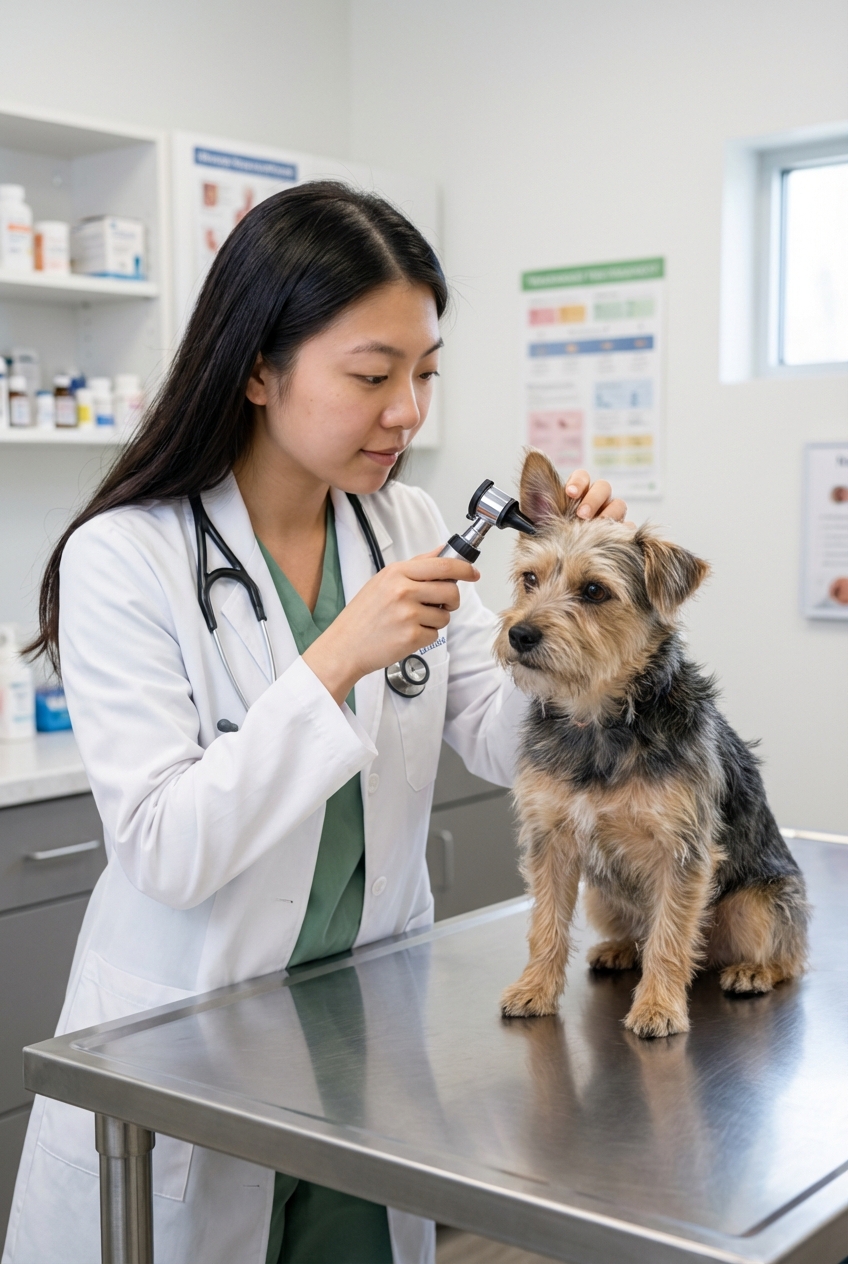
- A physical exam and a quick look under the tail
- A rectal exam to check the sacs and surrounding tissue
- Expression (and sometimes flushing) if the sacs are impacted
- Cytology to check for infection, yeast, or unusual cells in recurrent cases
- Pain relief and anti-inflammatories if your dog is uncomfortable
- Antibiotics when infection is present, and occasionally sedation if your dog is very painful
The goal is not just to empty the sacs. It is to figure out why it keeps happening.
What not to do at home
- Do not squeeze swollen or painful glands at home. If the sacs are infected or close to abscessing, you can worsen pain or cause rupture.
- Do not ignore blood, a lump, or drainage. These need medical attention.
- Do not assume scooting is “just glands.” Fleas, tapeworms, skin infections, and allergies can look similar.
Quick check: tapeworm segments often look like tiny grains of rice near the anus or in stool. Fleas and flea dirt are usually easier to find near the tail base, belly, and inner thighs.
My rule of thumb: scooting once after a poop can happen. Scooting repeatedly, or any sign of pain, deserves a call to your vet.
When to call your vet
- Swelling next to the anus, redness, heat, or a firm lump
- Yelping, reluctance to sit, or signs of significant pain
- Fever, low appetite, lethargy
- Drainage, blood, or an open wound near the anus
- Recurring gland issues that keep happening (for example, more than once or twice a year)
Recurring cases are especially important because your vet can look for the underlying reason (GI issues, allergies, anatomy, weight) instead of repeatedly treating the symptom.
Bottom line
Anal gland problems are common, uncomfortable, and usually manageable. The most effective prevention focuses on steady digestion and healthy stools, a lean body condition, and early management of allergies and inflammation. If your dog is showing signs, please do not wait until it turns into a painful abscess. Getting help early is kinder, faster, and often less expensive.