Resource guarding is common and manageable. Learn why it happens, the early warning signs, how to de-escalate safely, and an evidence-based training plan usi...
Article
•
Designer Mixes
Dog Aggression Toward Other Dogs

Shari Shidate
Designer Mixes contributor
Seeing your dog stiffen, lunge, or erupt into barking when another dog appears can feel scary and embarrassing. I get it. As a veterinary assistant here in Frisco, Texas, I have talked with many loving pet parents who worry they have a “bad” dog. The truth is, dog-on-dog aggression is a behavior problem with real causes, clear warning signs, and evidence-based training strategies that can truly help.
This article will walk you through why it happens, how to read early body language, the difference between on-leash reactivity and more serious dog-dog aggression, and what to do next for safety and progress.
Quick note: This is educational information, not a substitute for individualized veterinary care or a behavior assessment. If your dog has injured another dog or you are worried about safety, please reach out to your veterinarian and a qualified behavior professional.
Why some dogs get aggressive toward other dogs
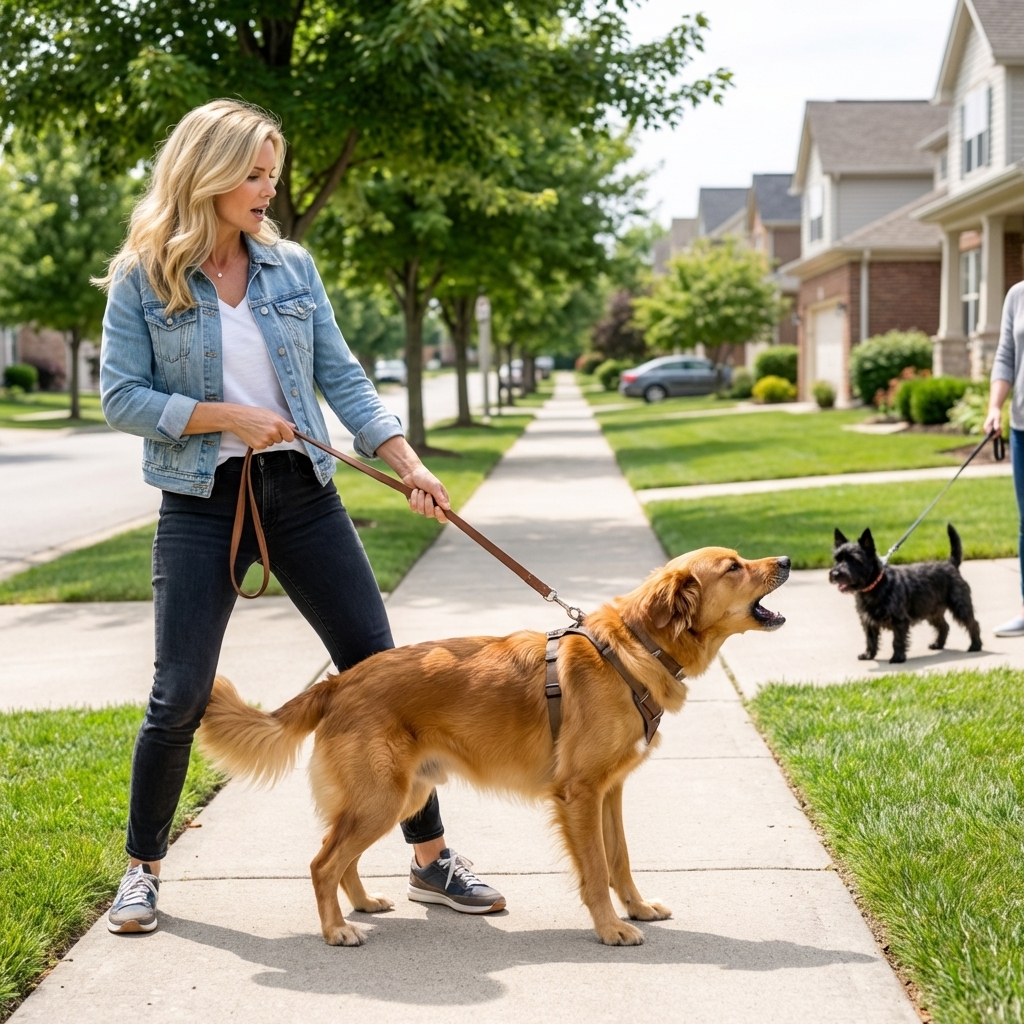
Aggressive behavior is not a fixed personality trait. It is usually a strategy a dog uses when they feel threatened, frustrated, overwhelmed, or physically unwell. Many dogs show more than one trigger, so think of this as detective work.
Fear and anxiety
Fear-based aggression is one of the most common causes. A fearful dog may learn that barking, lunging, or snapping makes the other dog go away. From the dog’s perspective, the behavior worked, so it repeats.
- Common roots: a scary past interaction, being rushed by an off-leash dog, lack of early social exposure, or feeling trapped on leash.
- Often you will see: tense posture, retreating then lunging, tail tucked or low, whale eye, frantic barking.
Frustration and barrier reactivity
Some dogs are not afraid. They are over-aroused and frustrated because they want to greet or chase but cannot. Leashes, fences, and car windows can create “barrier frustration” that looks like aggression.
- Often you will see: bouncing, whining, high energy, then sudden explosive barking and lunging as the dog gets closer.
- Big clue: off leash, the same dog may play well (though not always).
Territorial behavior and resource guarding (space, people, entrances)
Dogs can guard what they value: their home, yard, car, favorite person, or space on walks. This is not dominance. It is protection of resources and space.
- Common scenarios: barking at dogs passing the fence line, reacting in the front yard, tense behavior near doorways or in tight hallways.
Lack of socialization or poor dog-dog skills
Socialization is not just “meeting dogs.” It is learning that the presence of other dogs predicts calm, safe outcomes. Dogs who missed this learning window as puppies (often around 3 to 14 or even 16 weeks, depending on the dog and source) can grow up unsure, pushy, or easily overwhelmed.
- Important note: dog parks are usually not the right place to work on this and can make things worse for many dogs because greetings are fast, intense, and unpredictable. A well-managed, low-density space with known, compatible dogs can be an exception, but it is not a reliable training plan for a reactive dog.
Pain or medical issues
Pain changes behavior. A dog with arthritis, a sore back, ear infections, dental pain, or skin discomfort may be less tolerant and quicker to escalate.
- Common clues: the aggression appears “out of nowhere,” the dog is more irritable when touched, changes in sleep or mobility, licking joints, reluctance to jump or climb stairs.
- What to do: if this behavior is new or worsening, schedule a veterinary exam before you assume it is “just training.”
Hormones and maturity
As dogs reach social maturity (often 1 to 3 years old), they may become less tolerant of certain dogs, especially same-sex dogs. This is common, but it still requires management and training.
Warning signs before a bite
Most dogs do not go from calm to biting without giving information first. The problem is that humans often miss it or accidentally punish the warning signs, which can make a dog “skip” straight to snapping later.
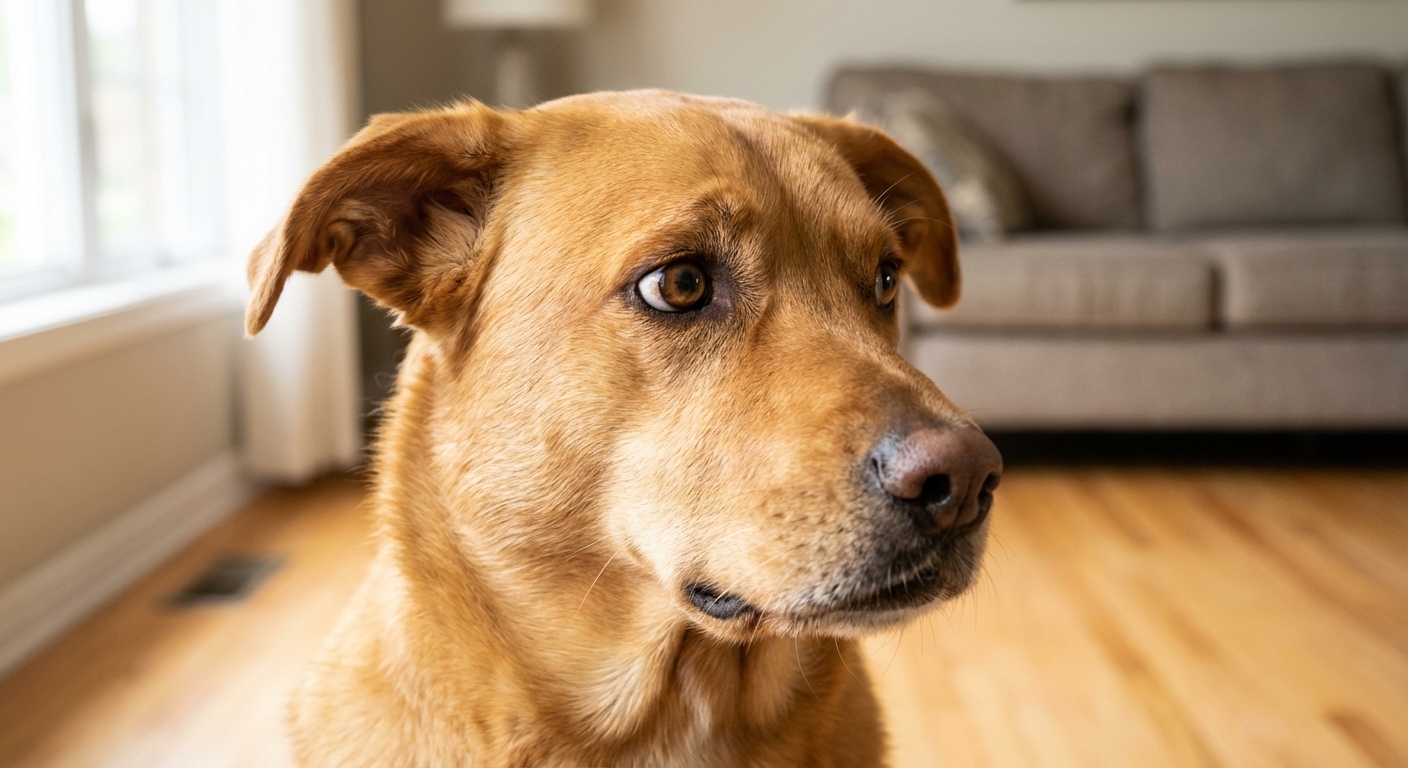
Early signals (yellow light)
- Freezing or suddenly becoming very still
- Hard stare, eyes locked on the other dog
- Mouth closed after relaxed panting
- Weight shifted forward, chest out
- Ears pinned back or very forward and rigid
- Tail high and stiff or very low and tucked
- Raised hackles (piloerection) along the shoulders or back
- “Whale eye” (showing the whites of the eyes)
- Slow, deliberate movement toward the other dog
Escalation signs (red light)
- Growling, snarling, baring teeth
- Lunging at the end of the leash
- Snapping air or making contact
- Repeated attempts to charge, even when redirected
Practical tip: If you see freezing or a hard stare, do not “wait and see.” That is your moment to calmly create distance.
Reactivity vs. aggression
These can look similar from the outside. Instead of trying to guess a dog’s “intent,” it is usually more helpful (and more accurate) to focus on what you can observe: intensity, predictability, how quickly the dog escalates, whether there is a bite history, and how easily the dog can disengage.
On-leash reactivity
Reactive dogs over-respond to triggers on leash. The behavior can be driven by fear, frustration, or both. These dogs often improve significantly with distance, structured behavior modification, and simple pattern games (for example, “1-2-3 Treat,” “Up/Down,” and “Find it”).
- Common pattern: they react most when restrained, surprised, or approached head-on.
- Often improves with: more space, predictable training sessions, controlled setups.
More serious dog-dog aggression
Some dogs show more consistent, intense aggression toward other dogs and may escalate quickly if close enough. You may see sustained focus, fast escalation, and difficulty disengaging even at larger distances, especially if there has been a history of bites or fights.
- May require: stricter management, professional guidance, and in some cases muzzle training for safety.
Important: You do not have to sort this out alone. A qualified professional can evaluate the behavior safely and accurately and help you build a plan that fits your dog.
In the moment: safety first
When a reaction is happening, your goal is to reduce intensity and increase distance, not to “win” the interaction.
- Create space: cross the street, step behind a parked car, turn into a driveway, or do a calm U-turn.
- Use a treat scatter: toss a handful of small treats on the ground to get sniffing and lower arousal while you move away.
- Soften the leash when you can: many of us unconsciously tighten the leash when we get nervous. That tension can travel down the leash and make your dog feel even more keyed up. Aim for safety first, but avoid “white-knuckle” tightening when it is not necessary.
- Avoid leash jerks and yelling: punishment can increase stress and make the trigger feel even more dangerous.
- Keep greetings optional: a common risk point is tight, face-to-face greetings on leash.
If you ever feel unsafe, leave. Training can wait. Safety cannot.
Training that works
A widely recommended, evidence-supported approach for many dog-dog reactivity and aggression cases is desensitization plus counter-conditioning. In plain language: you expose your dog to another dog at a distance they can handle, and you pair that sight with something wonderful until their emotional response changes.
Step 1: find your dog’s threshold
Threshold is the distance at which your dog can notice another dog and still eat treats, respond to their name, and keep a relatively soft body.
- If your dog is barking, lunging, or cannot take food, you are too close.
- Start farther away than you think you need. Success is calm repetition.
Step 2: “Look at that” (engage and disengage)
This is a simple, evidence-based pattern to practice under threshold from a safe distance:
- Your dog looks at the other dog.
- You calmly mark the moment they notice the trigger (a short “yes” or a click from a clicker). Marking is simply a way to tell your dog, “That right there is what earns the reward.”
- You give a high-value treat.
- Your dog begins to look back at you automatically for the treat.
Over time, the other dog becomes a cue for good things, not a threat.
Step 3: gradually decrease distance
Only decrease distance when your dog has multiple calm sessions at the current distance. If you move closer and reactions return, back up. That is not failure. That is useful information.
Step 4: add alternate behaviors
Teach skills that give your dog a job when a trigger appears:
- Hand target: touch nose to your palm
- Find it: sniff for tossed treats
- Heel or “with me”: brief, reward-heavy walking at your side
- Emergency U-turn: cheerful cue, turn, treat as you move away
What about corrections, prong collars, or shock collars?
Tools that rely on pain or startle can suppress behavior without changing the underlying emotion. That can increase fallout like anxiety and can make a dog more likely to bite when they cannot escape. If you are feeling stuck, it is far safer to bring in a credentialed professional and build a plan based on learning theory and humane handling.
Gear and setup tips
The right equipment will not “fix” aggression, but it can prevent escapes, reduce leash pressure, and keep everyone safer while you train.
- Skip retractable leashes: they reduce control and often add tension at exactly the wrong moment.
- Consider a front-clip harness (or a well-fitted back-clip harness for some dogs) instead of relying on a collar for control.
- Use a sturdy leash (often 4 to 6 feet) and consider a double attachment (for example, leash clipped to harness plus a safety clip to collar) for extra security.
- Aim for a calm grip: your job is steady guidance, not constant pressure.
Multi-dog home management
Living with two dogs who “sometimes get along” can be exhausting. Management is not giving up. It is how you prevent rehearsal of fighting while training and stress reduction do their work.
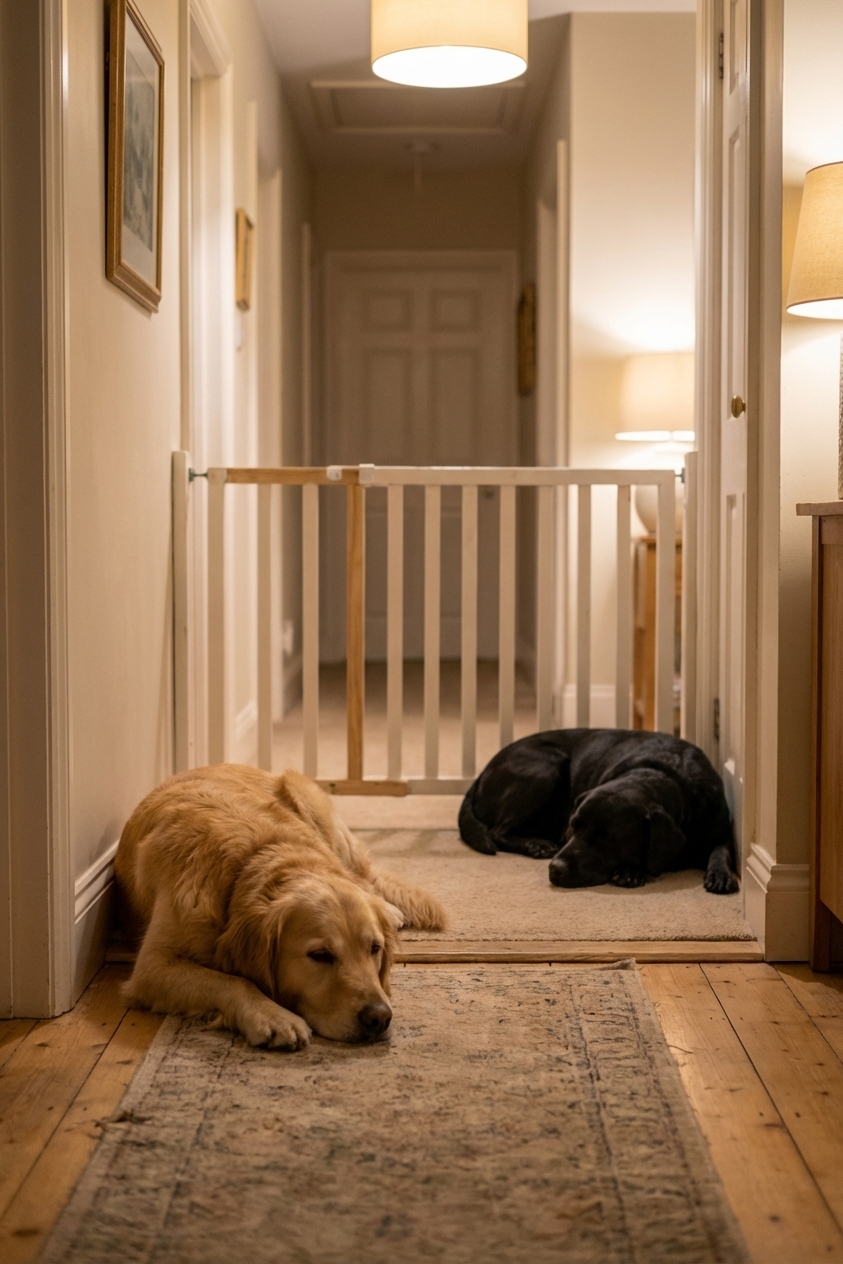
Set up safe separation
- Use baby gates, exercise pens, and closed doors to create zones.
- Feed separately. Pick up bowls after meals.
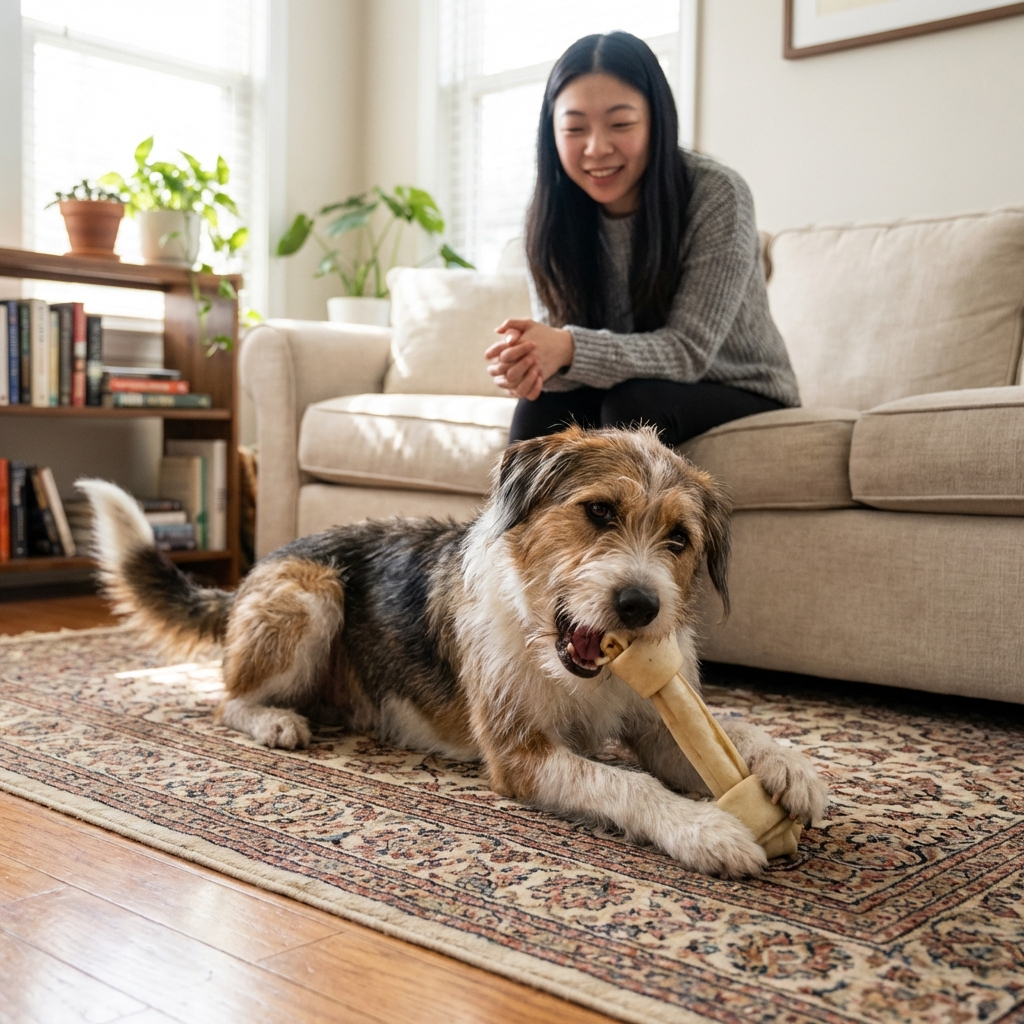
- Separate high-value chews, bones, and favorite toys unless you are actively supervising.
Protect high-traffic areas
- Prevent doorway crowding with gates or by sending one dog to a mat.
- Use crates or “place” stations during deliveries and guest arrivals.
Structured routines lower tension
- Predictable potty breaks and walks reduce “who gets what” stress.
- Give each dog one-on-one enrichment time daily, even 10 minutes.
Watch for common triggers
- Tight spaces like hallways
- Excitement spikes like doorbells, squirrels at the window, or visitors
- Owner attention, especially when one dog nudges between you and the other
- Resting spots like couches and beds
Safety rule: If dogs have had serious fights or injuries, do not attempt “let them work it out.” Dogs practice what they repeat.
Muzzle training
A properly fitted basket muzzle can be a lifesaver during training, vet visits, and emergencies. When introduced slowly with positive reinforcement, many dogs are comfortable wearing one.
- Choose a basket muzzle that allows panting and drinking.
- Condition it with treats so the dog happily puts their nose into it.
- Use it as a safety layer, not as permission to crowd other dogs.
What not to do
- Do not punish growling. Growling is information.
- Do not force greetings “so they get used to it.” Flooding can backfire.
- Do not use the dog park as rehab for reactivity.
- Do not keep walking closer when your dog is freezing, staring, or refusing food.
When to get help
Please bring in help sooner rather than later if you see any of the following:
- Your dog has bitten or seriously attempted to bite another dog
- Reactions are intense, frequent, or getting worse
- Your dog cannot recover quickly after seeing another dog
- You have a multi-dog home with repeated fights
- You suspect pain, neurologic changes, or sudden behavior shifts
Who to look for: a credentialed, force-free professional such as a Certified Applied Animal Behaviorist (CAAB), a veterinary behaviorist (DACVB), or a trainer with recognized certifications (for example, CPDT-KA or KPA-CTP).
How they differ: trainers and behavior consultants help with skills and behavior plans; a veterinary behaviorist can diagnose behavior disorders, rule out medical contributors, and prescribe medication when appropriate.
Credential and safety check: be cautious of anyone who guarantees a “quick fix,” relies heavily on pain or intimidation, or talks about “alpha” or “dominance” as the main explanation.
If medication might help lower anxiety enough for training to work, your veterinarian or a veterinary behaviorist can guide you.
After a fight or bite
If your dog has injured another dog or there was a close call, focus on safety and documentation first, then training.
- Secure containment: use a sturdy leash, barriers at home, and avoid surprise encounters.
- Use a muzzle in public if advised by your vet or behavior professional, and until you have a solid plan.
- Call your veterinarian: even minor injuries can hide under fur, and pain can worsen behavior.
- Get professional help: a bite history changes risk and planning.
A simple plan this week
If you want something actionable and realistic, here is a gentle starting plan:
- Vet check if the aggression is new, escalating, or paired with pain signs.
- Management upgrade: avoid tight greetings, increase distance, use barriers at home as needed.
- High-value treats: soft, smelly rewards your dog only gets for dog sightings.
- 3 short sessions per week of “look at that” from a safe distance.
- Track progress: note distance, trigger type, and recovery time so you can see improvement over weeks.
You do not need perfection. You need consistency and safety. With the right plan, many dogs learn to feel neutral or even relaxed around other dogs again.
If you are struggling, please know this: your dog is not giving you a hard time. Your dog is having a hard time. And with patience, structure, and evidence-based training, you can help them feel safer in the world.
Quick FAQs
Should I take my reactive dog to the dog park to “socialize”?
Usually, no. Dog parks are unpredictable and can flood a dog with too much too fast. Controlled setups with known, calm dogs are far safer and more effective for most reactive dogs.
Is it ever okay for dogs to “meet” on leash?
Sometimes, but it is rarely necessary. Parallel walking with space is often a better first step than face-to-face greetings.
Will my dog grow out of it?
Some dogs mellow with age, but many dogs rehearse the behavior and it becomes stronger over time. Early, compassionate intervention is your best friend.