Help your dog feel better with gentle homemade meals for sensitive stomachs. Learn a 3-ingredient bland reset, easy recipes, transition steps, and what signs...
Article
•
Designer Mixes
Dog Addison’s Disease Care and Training Tips

Shari Shidate
Designer Mixes contributor
Addison’s disease can sound scary, especially the first time you hear it at your veterinarian’s office. The good news is that with the right medication plan, smart routines, and gentle training, many dogs with Addison’s live full, happy lives. In my work as a veterinary assistant, I have seen how much confidence owners gain once they understand what is happening inside their dog’s body and what “stable” really looks like day to day.
This article will walk you through practical care and training tips that support a dog with Addison’s disease. Please use it as education and encouragement, not a replacement for your veterinarian’s guidance.
What Addison’s is
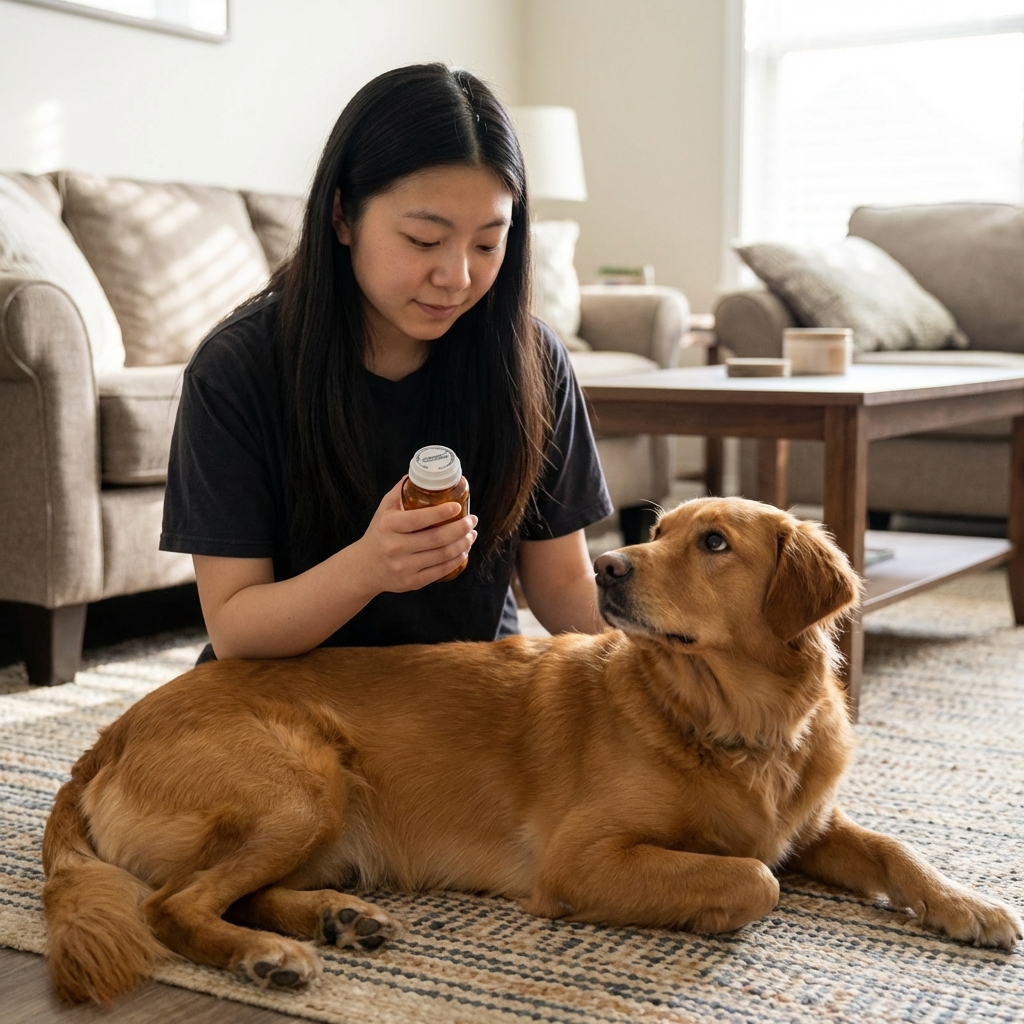
Addison’s disease, also called hypoadrenocorticism, happens when a dog’s adrenal glands do not make enough essential hormones, mainly cortisol and often aldosterone.
- Cortisol helps the body handle stress, regulate blood sugar, and maintain normal energy and appetite.
- Aldosterone helps balance electrolytes like sodium and potassium and supports healthy hydration and blood pressure.
When these hormones run low, dogs can look “off” in vague ways at first, and some can crash suddenly if the condition becomes severe.
Signs you may see at home
Addison’s is famous for being sneaky. Symptoms may come and go, and they often look like everyday tummy trouble or fatigue. Call your veterinarian if you notice patterns like these:
- Low energy, weakness, or shaking
- Decreased appetite, picky eating, weight loss
- Vomiting or diarrhea that keeps returning
- Increased thirst or urination (in some dogs, though others may look dehydrated instead)
- Slow recovery after exercise
- Signs that worsen during stress (boarding, travel, guests, schedule changes)
Emergency signs may include collapse, severe lethargy, repeated vomiting, pale gums, weak pulses, or a very slow heart rate. This can be an Addisonian crisis and needs immediate veterinary care.
Diagnosis and rechecks
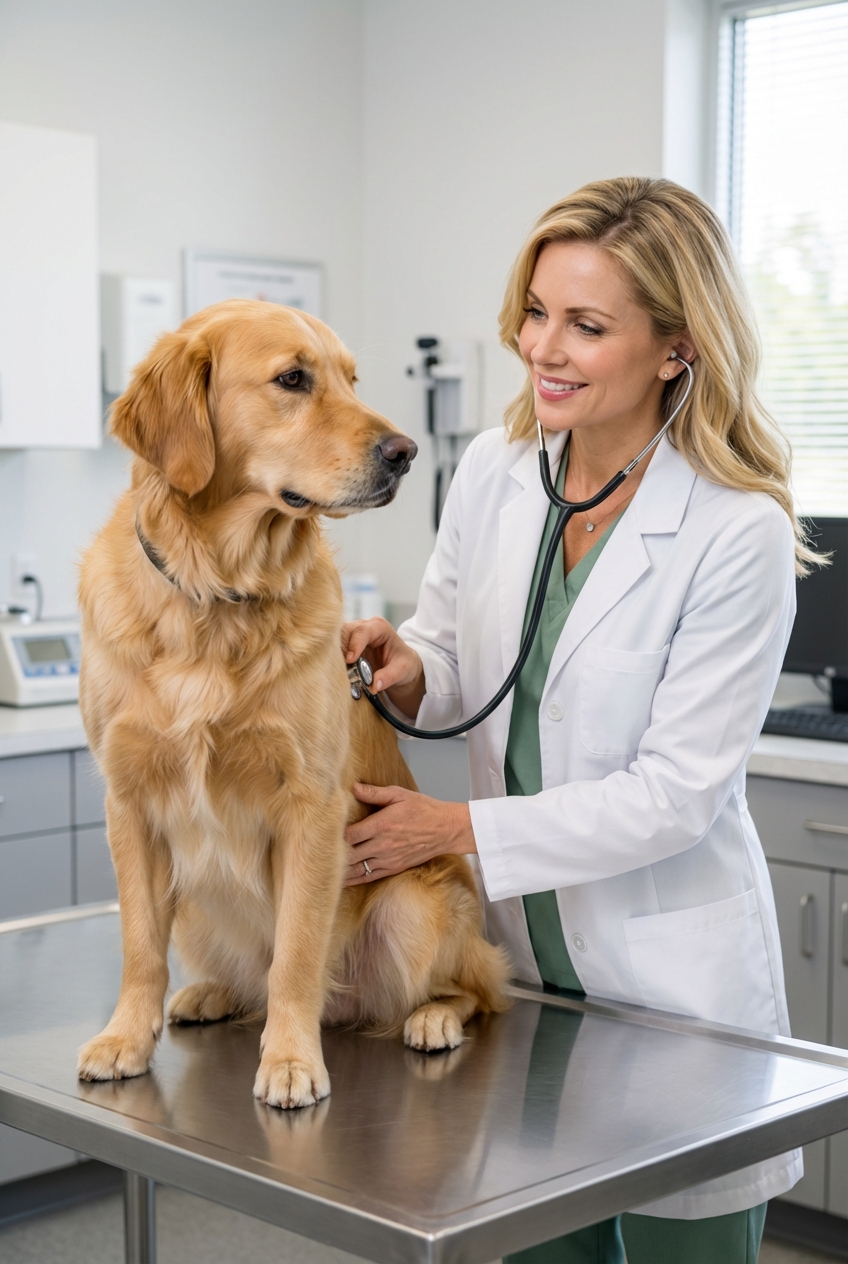
Addison’s is typically confirmed with an ACTH stimulation test. Many dogs also have electrolyte changes, especially high potassium and low sodium, though some dogs have “atypical” Addison’s and may have normal electrolytes at first.
Once diagnosed, follow-up is not busywork. It is how your veterinarian fine-tunes medication doses for your dog’s real life. Monitoring commonly includes:
- Electrolyte checks (sodium and potassium)
- Kidney values and hydration status
- Blood pressure in some cases
- Weight and body condition trends
Your vet may recommend more frequent rechecks early on or after medication changes, then move to a steadier schedule once your dog is stable.
If your dog ever seems “not quite right,” it is appropriate to ask whether labs should be checked sooner. You are not being difficult. You are being a good advocate.
Medication basics
Most dogs with Addison’s need lifelong hormone replacement. Your veterinarian will choose the best plan, but many dogs receive:
- Mineralocorticoid support to replace aldosterone, often as an injection (DOCP) or an oral medication (fludrocortisone).
- Glucocorticoid support to replace cortisol, often prednisone or prednisolone at a low maintenance dose.
Possible steroid side effects
Even at low doses, prednisone or prednisolone can cause side effects like increased thirst, increased appetite, panting, or restlessness. Mild changes can be expected, but if anything feels excessive or new, let your veterinarian know. Sometimes a small adjustment makes a big difference.
Stress dosing
Dogs with Addison’s often need a temporary increase in their glucocorticoid dose during stress. Common examples include:
- Travel, boarding, grooming, big events at home
- Injury, illness, vomiting, diarrhea
- Surgery or dental procedures
- Intense training days or competitions (for some dogs, based on your veterinarian’s guidance)
Your veterinarian should provide a written stress-dose plan. Keep it on your phone and printed on the fridge. If you do not have one yet, request it at your next visit.
If you miss a dose
Do not panic and do not improvise. Call your veterinarian for instructions. If your dog is acting unwell (vomiting, weak, collapsed), treat it as urgent and contact an emergency clinic right away.
Home routines that support stability
Consistency is your best friend with Addison’s. You do not need a rigid schedule, but you do want a predictable rhythm your dog can count on.
Simple routine checklist
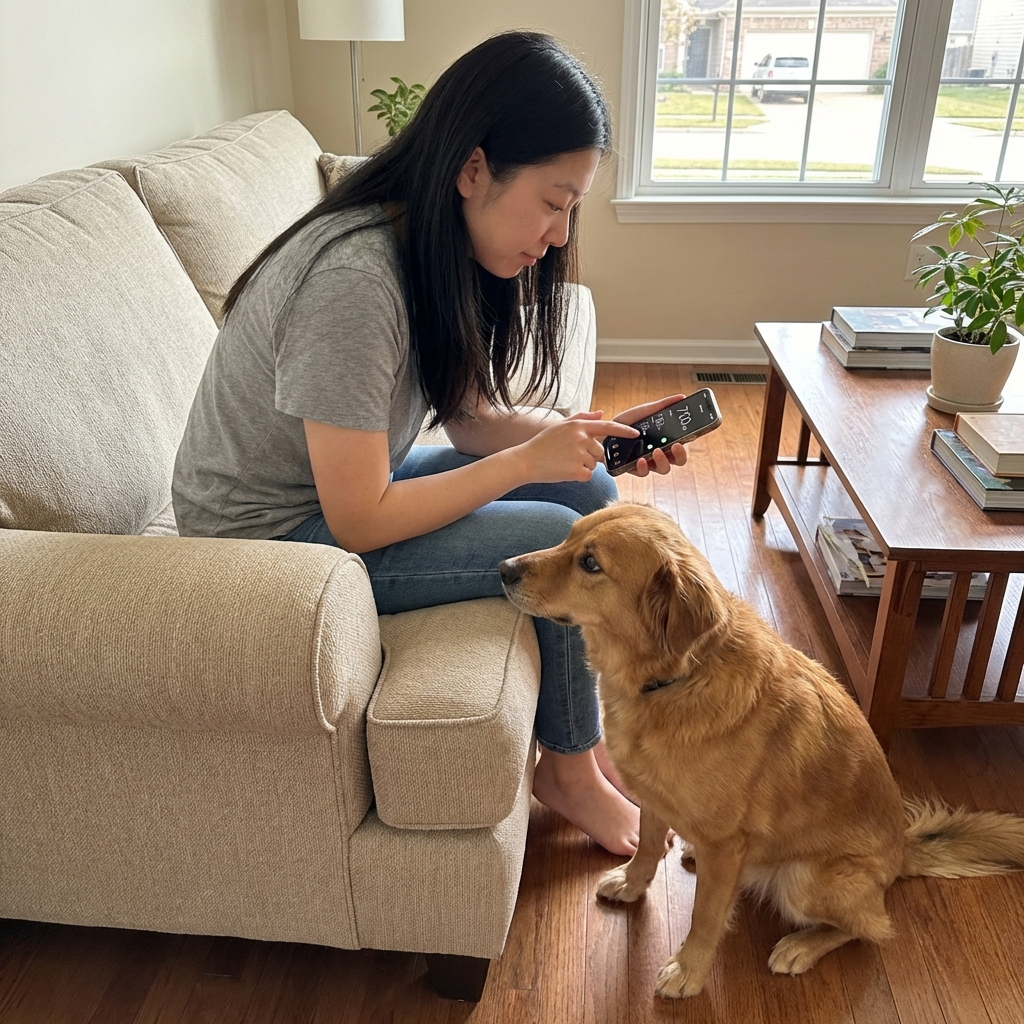
- Medication at consistent times, with a reminder system (phone alarms, pill organizer, calendar).
- Regular meals to support energy and reduce stomach upset.
- Fresh water available and quick attention to dehydration signs.
- Moderate, steady exercise instead of irregular bursts of intense activity.
- Track changes in appetite, energy, stool, and vomiting episodes.
Many owners find it helpful to keep a short “Addison’s notes” log, especially after med adjustments. A few bullet points per day is enough.
Nutrition and hydration
Addison’s management is medication-first. Food choices should support overall health and digestive stability, not chase fads.
What tends to work well
- Consistent diet that your dog tolerates well, whether it is veterinary-approved commercial food or a properly balanced homemade plan.
- Steady meal timing, especially for dogs prone to nausea.
- Healthy treats in moderation, avoiding sudden diet changes that can trigger GI upset.
Homemade food note
If you want to feed homemade, please do it in a way that is complete and balanced. Many well-meaning homemade diets are unintentionally low in key nutrients. Work with your veterinarian or a board-certified veterinary nutritionist to build a recipe, especially if your dog has recurring GI issues.
Hydration tips
- Offer water frequently on walks and during warm weather.
- For some dogs, adding a little warm water to meals helps maintain hydration.
- If you use broth, choose a low-sodium option with no onion or garlic, and confirm it is a good fit for your dog with your veterinarian.
- If vomiting or diarrhea occurs, contact your veterinarian early. Dehydration can become serious quickly in an Addisonian dog.
Training tips
Training should reduce stress, not add it. The goal is a dog who feels safe and predictable in their routine. That stability supports both behavior and health.
Keep sessions short
- Train in 3 to 5 minute sessions, a few times per day.
- Use positive reinforcement (tiny treats, praise, toys) and avoid harsh corrections.
- Watch for fatigue. If your dog slows down, yawns repeatedly, or seems “checked out,” end the session gently.
Focus on life skills
These cues are especially helpful for dogs with chronic conditions:
- Station or mat training: teaches your dog to settle in one spot.
- Hand target: helps guide your dog calmly without pulling.
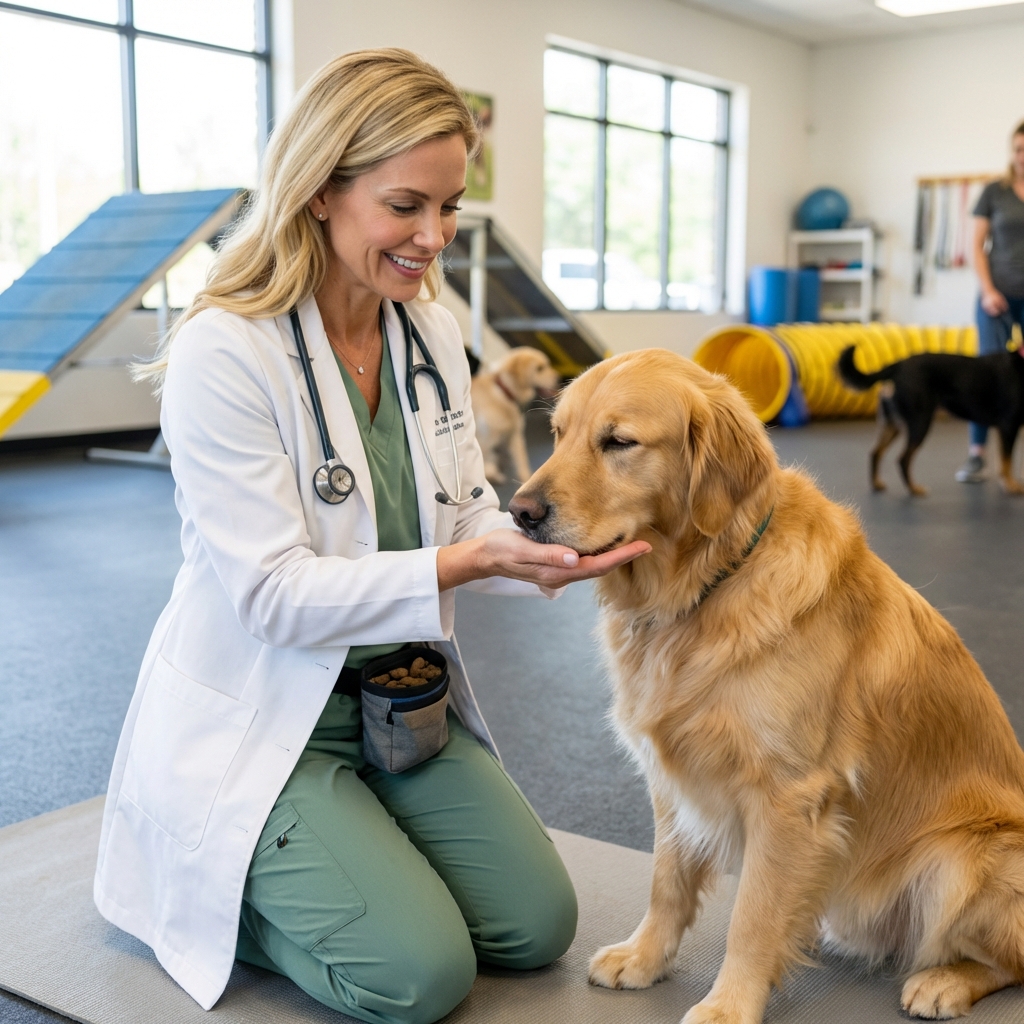
- Chin rest: supports cooperative care for exams and grooming.
- Leave it and drop it: prevents surprise stomach upset from scavenging.
Cooperative care
Addison’s dogs need periodic veterinary visits and sometimes injections. Cooperative care training teaches your dog to participate willingly in handling, which lowers stress for everyone.
- Practice gentle touches to paws, ears, and shoulders while feeding treats.
- Pair the sight of a syringe cap (no needle exposure needed at home) with a treat, if your veterinary team recommends it.
- Reward calm body language and allow breaks.
Exercise and enrichment
Most stable Addison’s dogs can exercise normally, but steadiness matters. Instead of weekend warrior intensity, aim for regular movement your dog can recover from comfortably.
- Best bets: sniffy walks, gentle hikes, swimming with supervision, puzzle toys, short training games.
- Use the “next day” test: if your dog is unusually tired the next day, scale back.
- Heat caution: hot weather can stress any dog. Walk early, use shade, and carry water.
Travel and boarding
Addison’s dogs can absolutely travel and enjoy life. They just do best with planning.
Before travel or boarding
- Confirm your stress-dose instructions.
- Pack extra medication in two separate bags.
- Bring a printed summary: diagnosis, meds and doses, your vet’s contact, and the closest emergency hospital.
- Keep food consistent and avoid lots of new treats.
Boarding and pet sitters
Choose a caregiver who can follow instructions exactly and who will notice subtle changes. Consider a pet sitter at home if boarding is historically stressful for your dog.
When to call your vet
Trust your instincts. With Addison’s, “wait and see” is not always the safest plan.
- Vomiting or diarrhea, especially more than once
- Refusing meals for a day, or significant appetite drop
- Marked lethargy, weakness, trembling, or acting disoriented
- Signs of dehydration (tacky gums, sunken eyes)
- Collapse or inability to stand (emergency)
What a crisis visit may look like
If your dog is in an Addisonian crisis, the ER team may move quickly with things like IV fluids, injectable steroids, and close monitoring or correction of electrolytes and blood sugar. The details depend on the dog, but the big takeaway is this: fast treatment saves lives.
If your dog has Addison’s and suddenly seems very weak or collapses, go to an emergency veterinarian right away and tell them your dog has Addison’s disease. That information helps the team move faster.
Living well with Addison’s
Success is not perfection. Success is a dog who eats well most days, has steady energy, enjoys walks, and recovers normally from life’s little stresses because you and your veterinary team have the right plan in place.
Be proud of yourself for learning this condition. The routines you build now will become second nature, and your dog will feel that calm, steady confidence from you.