Spot the most common signs of worms in cats, what you may see in stool, how infections happen, and the safest next steps—fecal testing, deworming, and prev...
Article
•
Designer Mixes
Does My Kitten Have Worms?

Shari Shidate
Designer Mixes contributor
As a veterinary assistant here in Frisco, Texas, I can tell you this: worms are very common in kittens, and most cases are treatable. The tricky part is that the signs can be subtle at first. If you have that nagging feeling that something is off, you are not overreacting. You are paying attention, and that is exactly what your kitten needs.
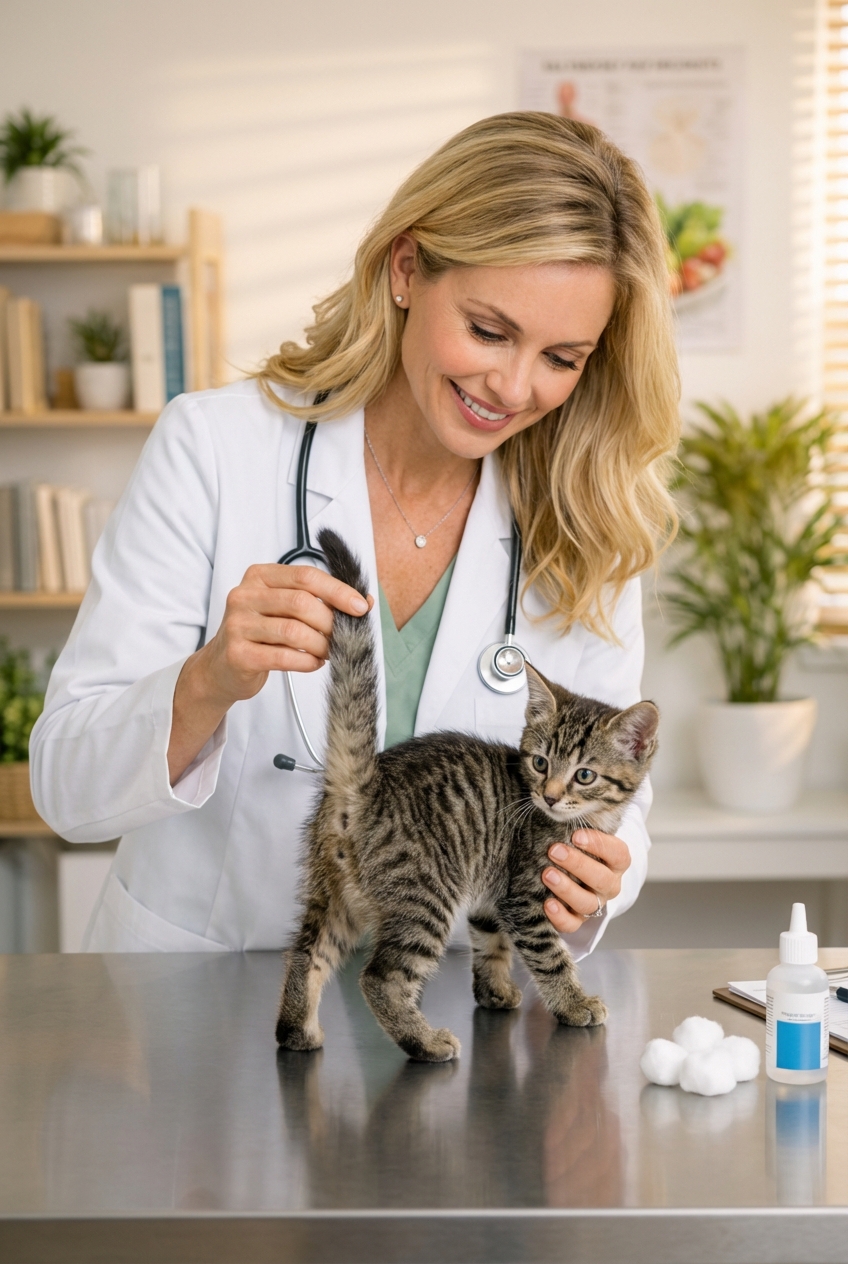
In this guide, I will walk you through what to look for, which parasites are most common, when to call your vet, and how to protect the rest of your household.
Quick note: This guide is educational and does not replace veterinary care. If you are seeing urgent symptoms, call your clinic right away.
Common signs of worms
Some kittens with intestinal parasites look totally normal, especially early on. Others show classic signs. Here are the most common red flags I see in clinic:
- Pot-bellied appearance (a round tummy, especially after eating)
- Diarrhea or soft stool, sometimes with mucus
- Vomiting
- Poor weight gain or weight loss despite a good appetite
- Dull coat or generally “scruffy” look
- Lethargy (less playful than usual)
- Scooting or excessive licking around the rear end
- Visible worms in stool or around the anus
Young kittens can deteriorate quickly if parasites cause vomiting, diarrhea, or anemia. If you are unsure, it is worth calling and asking what your clinic recommends.
What you might see
Not all parasites are visible, but sometimes you can spot clues in the litter box or on your kitten’s fur.
Roundworms
These are very common in kittens. They can look like spaghetti, especially if a kitten vomits them (gross, but it happens). Roundworms can also cause that classic pot-bellied look.
Tapeworms
Tapeworm segments often look like little grains of rice or sesame seeds. Fresh segments can sometimes move, and dried ones can look like tiny, crusty specks. You might see them:
- Stuck to fur near the rear end
- On bedding
- In the stool
Tapeworms are frequently connected to fleas, so if you see “rice,” you should also think “flea control.”
Hookworms
These usually are not visible to the naked eye. Hookworms can be more serious because they feed on blood and may contribute to anemia, especially in small kittens.
Protozoa (not worms)
Giardia and coccidia are not worms, but they can cause diarrhea, smelly stool, and poor growth. They require different medications than typical dewormers, which is why testing matters.
How kittens get worms
Kittens are vulnerable because parasites are everywhere in the environment, and their immune systems are still developing. The most common routes include:
- From their mother: Many kittens get roundworms from their mom, often through her milk. Some parasites can also be picked up very early from contaminated environments.
- Fleas: Swallowing an infected flea can lead to tapeworms.
- Hunting and scavenging: Eating infected rodents or prey can transmit parasites.
- Contaminated environments: Eggs and larvae can live in soil and on surfaces.
Even strictly indoor kittens can get worms, especially if they were recently adopted, came from a shelter, or you have other pets coming in and out.
At-home checks
You do not need to play veterinarian at home, but you can gather helpful information that makes your vet visit more productive.
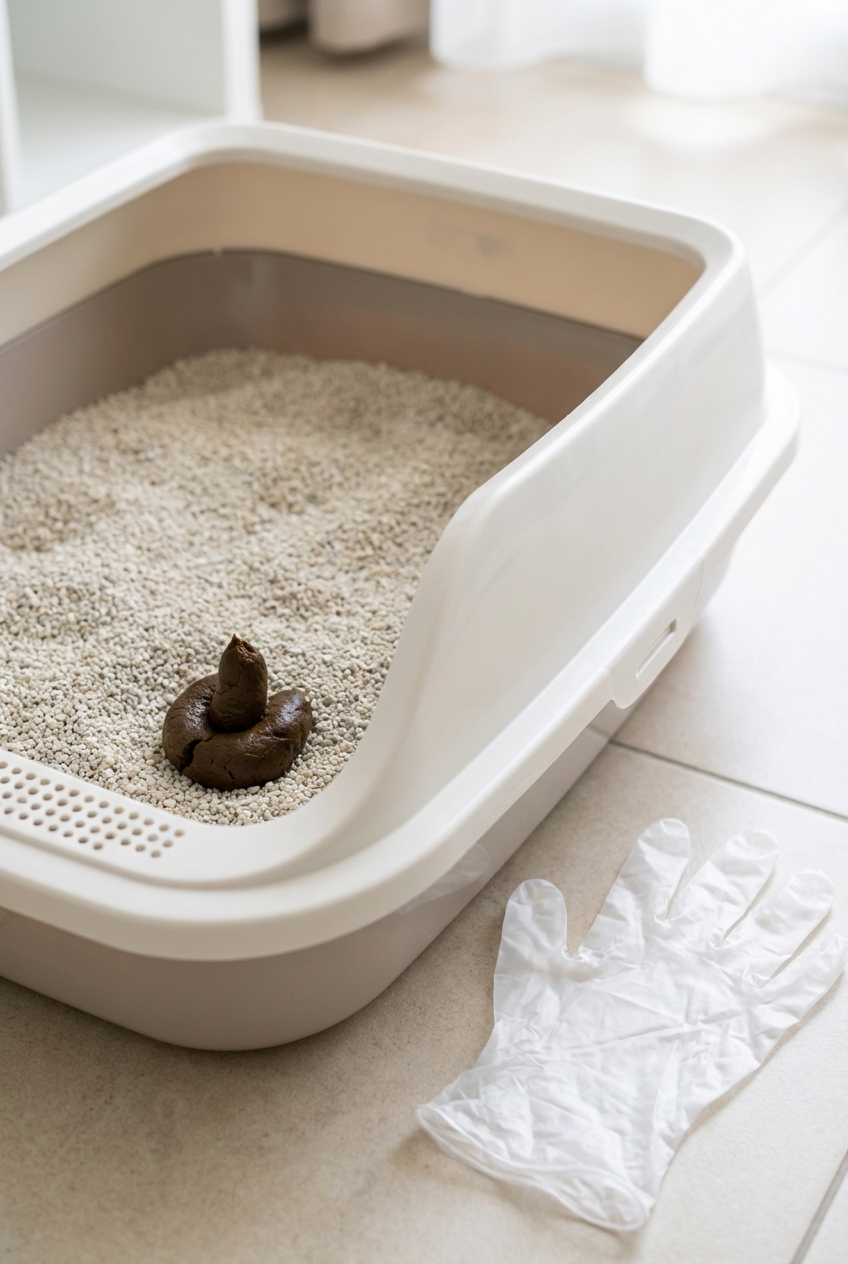
1) Check the litter box
- Look for diarrhea, mucus, blood, or “rice-like” segments.
- Note frequency. Is your kitten going more often than usual?
2) Quick rear-end look
If your kitten will tolerate it, check for tapeworm segments stuck to fur.
3) Track appetite and weight
Weigh your kitten daily or a few times per week using a kitchen scale (place a towel on it). Kittens should generally trend upward in weight as they grow. If the number is flat or dropping, call your vet and ask what weight gain range is ideal for your kitten’s age and situation.
4) Check for fleas
Flea dirt looks like black pepper flakes in the fur. A flea comb can help, especially around the neck and base of the tail.
Tip: If you can safely collect a fresh stool sample, place it in a clean container or zip-top bag and bring it to your vet the same day. A fecal test is one of the fastest ways to stop guessing.
When to call the vet now
Worms are common, but certain signs mean your kitten needs prompt care:
- Blood in stool or black, tarry stool
- Repeated vomiting or vomiting with lethargy
- Not eating for more than a meal or two (especially in young kittens)
- Dehydration (sticky gums, sunken eyes, poor skin elasticity)
- Pale gums (possible anemia, can happen with hookworms)
- Bloated belly with weakness
- Known exposure to heavy fleas, stray cats, or contaminated areas
If your kitten is under 12 weeks old, symptoms can escalate quickly. When in doubt, call your clinic for guidance.
Testing beats guessing
Many people want to grab an over-the-counter dewormer and treat immediately. I understand the desire to fix it fast, but here is the problem: different parasites need different medications and dosing.
Also, some over-the-counter products are not appropriate for very young kittens, and incorrect dosing can be unsafe or simply ineffective. It is one of the most common ways I see people spend money and still not solve the problem.
At the clinic, your vet may recommend:
- Fecal flotation to look for parasite eggs
- Fecal antigen testing for organisms like Giardia
- Repeat testing if symptoms persist (parasites can shed intermittently)
This approach helps your kitten get the right treatment the first time, and it helps reduce ongoing contamination of your home.
Treatment basics
Most kitten parasite plans include a dewormer given in multiple doses. That is because many medications kill adult parasites, and follow-up doses target the next life stage as they mature.
Common treatment pieces
- Prescription dewormer tailored to the parasite suspected or confirmed
- Flea prevention if tapeworms are a concern
- Supportive care such as fluids or probiotics if diarrhea is significant
- Recheck fecal to confirm clearance, especially for Giardia or coccidia
Please avoid using dog dewormers on kittens unless your veterinarian specifically approves it. Kittens are small, and dosing errors happen easily.
Routine deworming
One helpful thing to know is that many veterinarians deworm kittens on a schedule even if they look fine, especially in the early weeks, because parasites are so common and not always visible. Your exact plan depends on age, weight, risk factors, and fecal results, so it is best to ask your vet what schedule they use for your kitten.
Cleaning during treatment
This part matters more than most people realize. Treating the kitten is only half the job. You also want to reduce re-infection risk.
- Scoop litter boxes daily and wash hands afterward.
- Replace litter as directed by your veterinarian, especially with protozoa concerns.
- Wash bedding in hot water and dry on high heat.
- Vacuum regularly, especially if fleas are involved.
- Keep the rear end clean if stool is messy, using a warm damp cloth.
If you have other cats or dogs, ask your vet whether they should be tested or treated too.
Can humans catch worms?
Some intestinal parasites in cats have zoonotic potential, meaning they can spread to people. The risk is higher with poor hand hygiene or contact with contaminated feces or soil.
Simple steps reduce risk dramatically:
- Wash hands after litter box duty
- Keep kids away from litter boxes
- Do not let kittens lick faces
- Keep cats indoors when possible
- Follow your vet’s deworming and fecal testing schedule
If anyone in the home is immunocompromised, pregnant, or very young, bring that up with your veterinarian so you can be extra cautious.
Prevention basics
The goal is not perfection. It is consistency.
- Routine veterinary visits with fecal tests, especially during the first year
- Use veterinarian-recommended parasite prevention for your kitten’s age and weight
- Flea control is often recommended year-round in many households, especially in Texas. Ask your vet what is right for your home.
- Clean litter habits and prompt stool pickup
- Slow introductions when bringing home a new pet, including quarantine and testing when appropriate
Quick checklist
- Pot-bellied kitten or poor growth
- Diarrhea that does not resolve quickly
- “Rice-like” segments near the rear end
- Vomiting, especially with visible worms
- Scooting or licking the rear
- Recent fleas or exposure to strays
If you checked two or more boxes, schedule a vet visit and bring a fresh stool sample if you can. You will feel much better once you have a clear answer and a plan.
My bottom line
If your kitten has worms, you did not fail. Parasites are a normal part of kittenhood for many rescues, strays, and even well-cared-for pets. The best thing you can do is act early, treat correctly, and keep up with prevention. Your kitten can absolutely thrive after this.