A practical, vet-informed guide to dog arthritis care: recognize signs, confirm diagnosis, improve traction and comfort at home, use joint supplements, and k...
Article
•
Designer Mixes
Does My Dog Have Dementia?

Shari Shidate
Designer Mixes contributor
If you have found yourself asking, “Does my dog have dementia?” you are not overreacting. As a veterinary assistant here in Frisco, Texas, I have talked with many families who noticed subtle changes first, like pacing at night or staring into space, and then started to wonder if something deeper was going on.
Canine Cognitive Dysfunction (CCD) is the term veterinarians often use for age-related brain changes in dogs. It is often compared to Alzheimer’s disease in humans because it can share some similar signs and age-related brain changes, but it is not the same condition. The good news is that many dogs can do better with the right plan, and some dementia-like signs are caused by treatable medical problems.
What dog dementia looks like
CCD is most common in senior dogs, and the signs usually develop gradually. A commonly used quick screen is a simple acronym called DISHA. If several of these sound familiar, it is time to schedule a vet visit.
DISHA signs
- Disorientation: Getting stuck behind furniture, staring at walls, seeming lost in the yard, going to the wrong side of the door (including the hinge side).
- Interactions change: Becoming clingier, more withdrawn, less interested in greeting, increased irritability.
- Sleep-wake cycle changes: Restless nights, sleeping more during the day, nighttime wandering or vocalizing.
- House soiling: Accidents despite being housetrained, seeming unaware they need to go out.
- Activity level changes: Pacing, repetitive behaviors, decreased play, aimless wandering.
You might also notice new anxiety, sensitivity to noise, reduced response to cues they used to know, or changes in appetite. None of these automatically mean dementia, but they are meaningful clues.
Is it dementia or something else?
Many health problems can mimic cognitive decline. This is why I always encourage families to think of CCD as a diagnosis of exclusion. Your veterinarian will want to rule out medical causes first, because some are treatable and can dramatically improve quality of life.
Common look-alikes
- Arthritis or chronic pain: Pain can cause nighttime restlessness, irritability, accidents, and not listening.
- Vision loss (cataracts, retinal disease): A dog may seem disoriented, hesitant, or clingy.
- Hearing loss: Dogs may stop responding to their name or cues.
- Urinary tract infection or urinary incontinence: Can cause sudden accidents.
- Kidney or liver disease: Toxin buildup can affect behavior and alertness.
- Hypothyroidism: Often linked with lethargy, weight gain, and mental dullness, and can contribute to behavior changes.
- Diabetes: Can contribute to accidents and changes in energy.
- Brain disease (tumor, stroke, inflammation): Can cause sudden or rapidly worsening signs, seizures, head tilt, or circling.
When to worry now
Some symptoms should not wait for a routine appointment. Contact an emergency clinic or your veterinarian right away if you see:
- Seizures, collapse, or sudden weakness
- Sudden severe disorientation that started within hours or a day
- Continuous circling to one side, head pressing, or inability to stand
- Signs of severe pain, heavy panting at rest, or a swollen abdomen
- Not eating for more than 24 hours, especially in seniors or when paired with vomiting, diarrhea, or marked lethargy
CCD usually progresses slowly. Sudden changes raise the odds of a different underlying issue.
How vets check cognition
There is not one single dementia test for dogs that is used universally in general practice. Instead, veterinarians combine your observations with an exam and targeted diagnostics. Some clinics also use structured questionnaires or scoring tools (such as cognitive screening scales) to help track changes over time.
What your vet may do
- Detailed history: What changed, when it started, and whether it is getting worse.
- Physical and neurologic exam: Looking for pain, mobility issues, and neurologic deficits.
- Bloodwork and urinalysis: To check organ function and screen for infection or metabolic problems.
- Blood pressure: High blood pressure can affect the brain and eyes.
- Vision and hearing checks: Often overlooked, but very important.
- Imaging (in select cases): X-rays, ultrasound, or advanced imaging like MRI if a brain condition is suspected.
A helpful step you can take before the appointment is to keep a simple log for 7 to 14 days. Write down what you see, when it happens, and any triggers. Short videos of pacing, staring, or nighttime vocalizing can be extremely helpful too.
What you can do at home
If your dog is dealing with cognitive changes, your goal is not perfection. Your goal is comfort, safety, predictability, and brain support. Small adjustments can reduce confusion and anxiety.
Make the home easier
- Use nightlights in hallways and near water and potty doors.
- Keep furniture layout consistent.
- Use baby gates to block off stairs or unsafe areas if your dog seems disoriented.
- Place non-slip rugs or runners on slick floors.
- Consider a washable belly band or dog diapers if accidents are frequent.
- Make sure ID tags are up to date and your dog’s microchip info is current, especially if nighttime wandering is an issue.
If accidents happen, try to avoid punishment. Most of the time, they are not being stubborn, and correction can increase anxiety and make the problem worse.
Support calm sleep
- Increase daytime enrichment and gentle exercise so nighttime is less restless.
- Keep evenings quiet and predictable.
- Offer a final potty break right before bed.
- Ask your vet about options for nighttime anxiety or disrupted sleep.
Gentle brain enrichment
- Food puzzles and snuffle mats (easy level at first).
- Short training sessions with familiar cues and high-value rewards.
- Find it games with treats tossed a short distance.
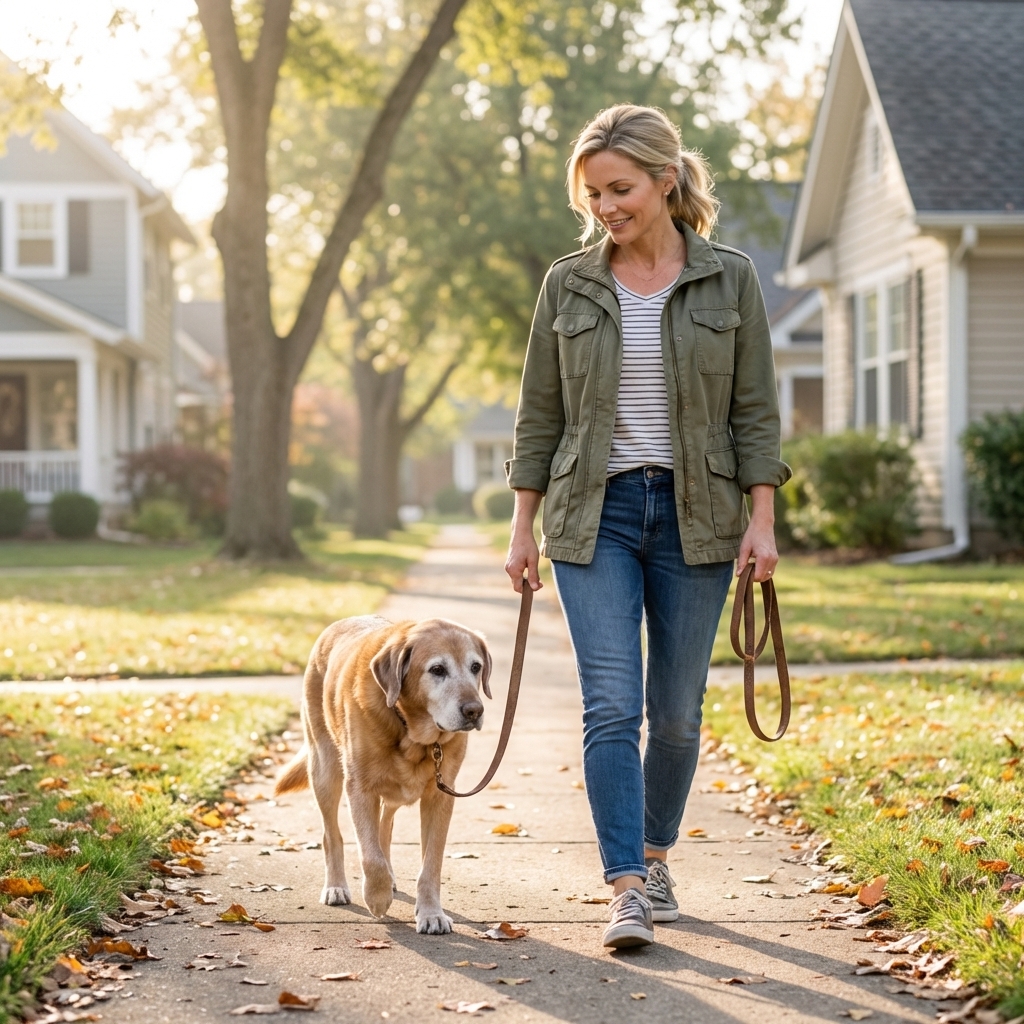
- New, safe sniff-walk routes for mental stimulation.
Nutrition and supplements
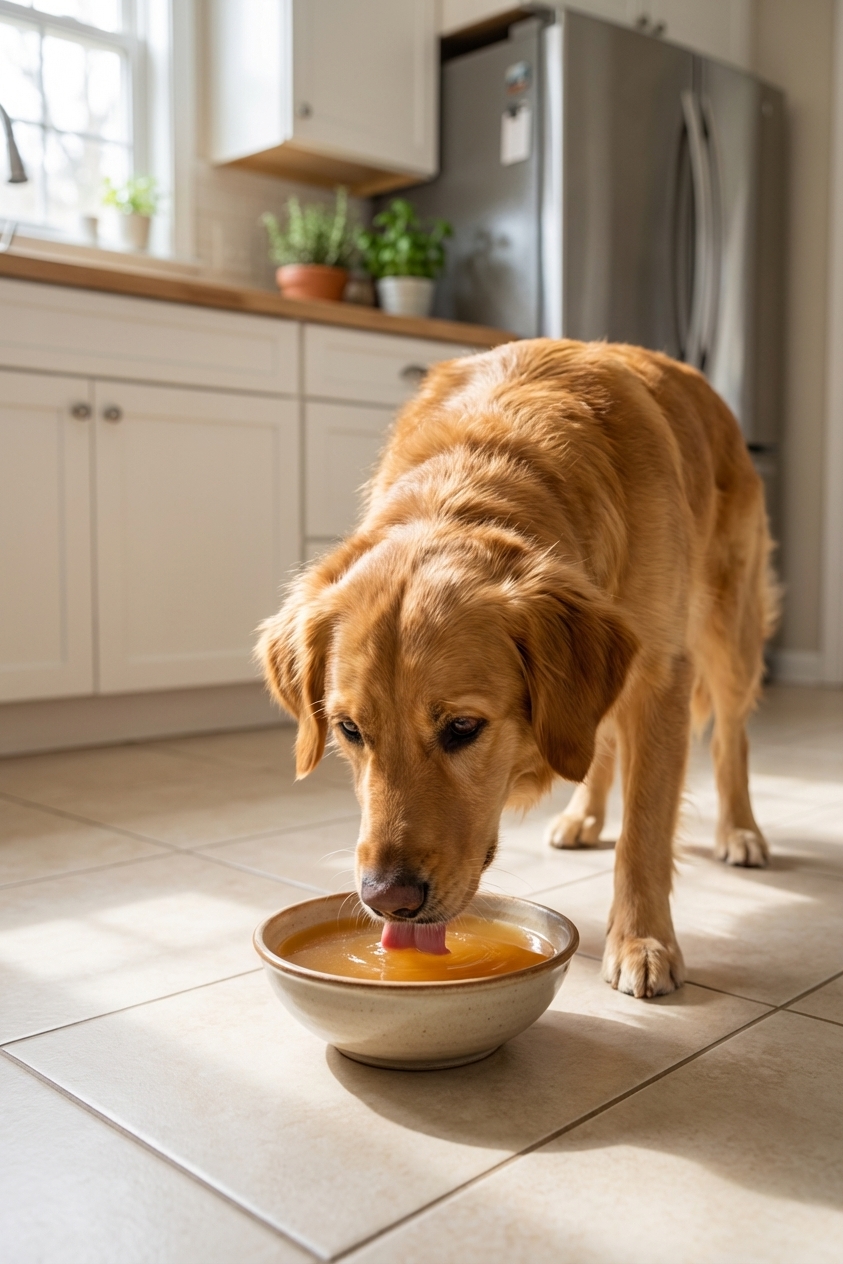
Food will not cure dementia, but nutrition can support brain health and overall vitality. There is some supportive evidence for certain senior diets and select supplements, but results vary by dog and the research is still evolving in areas. The safest approach is to use nutrition as one part of an overall plan that includes enrichment, routine, and veterinary care.
Nutrition basics
- High-quality protein to maintain muscle and strength as dogs age.
- Omega-3 fatty acids (especially DHA and EPA) to support brain and anti-inflammatory pathways.
- Antioxidant support, often through complete and balanced senior diets formulated with antioxidant blends.
- Healthy weight maintenance, since obesity can worsen mobility and overall health.
Supplements to ask your vet about
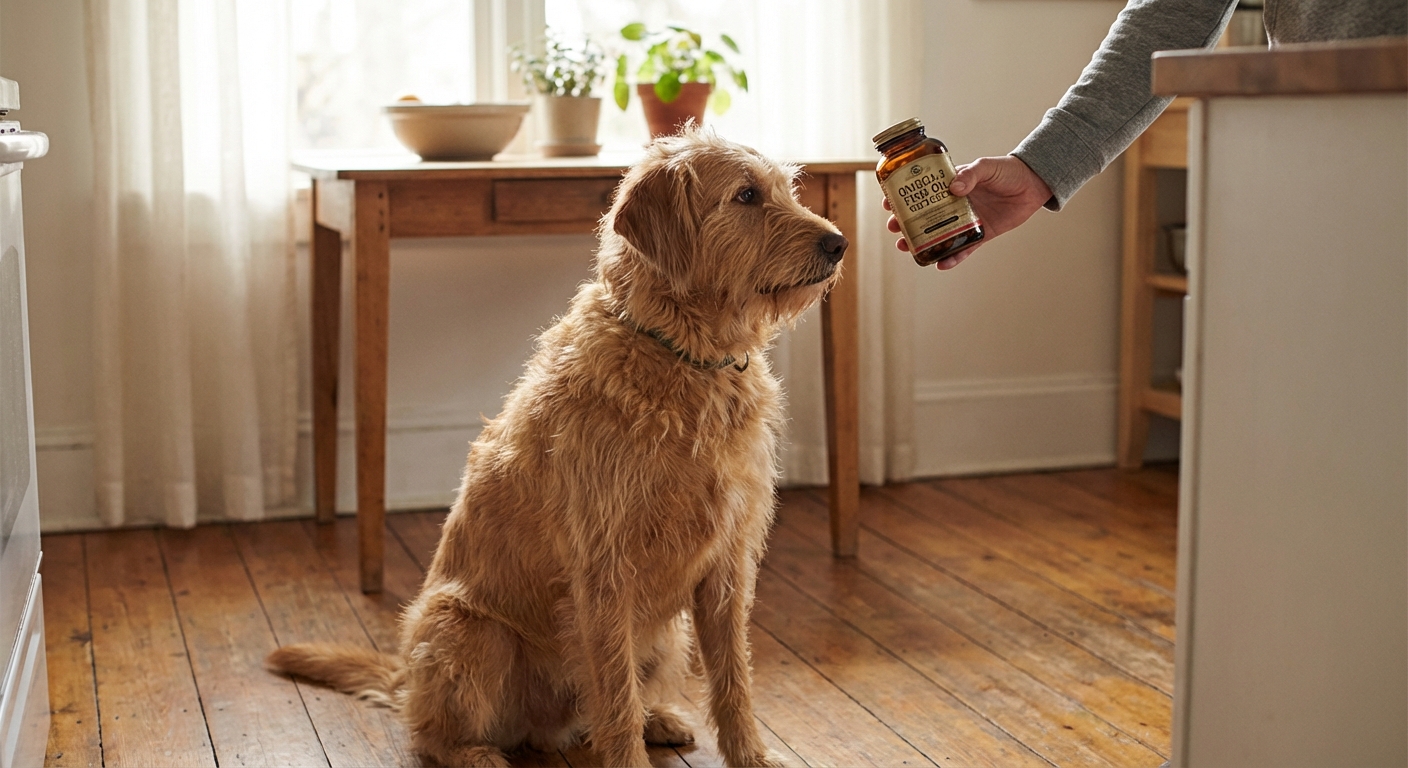
- Fish oil (DHA and EPA): May support brain health, but response varies. Dose depends on your dog’s size and health status.
- MCT oil: Included in some cognitive-aging diets as an alternative brain fuel. It can help some dogs, but it is not right for every dog, especially those prone to pancreatitis or GI upset.
- SAMe: Often used for liver support and antioxidant effects. It may be recommended in select cases based on the whole medical picture, but it is not a stand-alone CCD treatment.
- Probiotics: Helpful for gut health in many dogs. The gut-brain connection is an active area of research, and any direct cognitive benefits for CCD are still being studied.
Important: Supplements can interact with medications and some conditions. Please do not start new supplements without your veterinarian’s guidance, particularly if your dog has a history of pancreatitis, is on seizure medication, or has liver or kidney disease.
If your dog is showing cognitive changes, think team approach. Food, environment, enrichment, and veterinary care work best together.
Treatment options
If your veterinarian suspects CCD and has ruled out other major causes, they may recommend a combination of lifestyle changes plus medical support. Plans are individualized based on your dog’s symptoms and overall health.
What a CCD plan may include
- Prescription diets formulated for brain aging in dogs.
- Medication to support cognitive function or reduce anxiety, depending on the case (for example, some dogs may be prescribed medications such as selegiline).
- Pain management if arthritis is contributing to restlessness and behavior changes.
- Sleep support when nighttime wakefulness is a major quality-of-life issue.
Progress is typically measured by quality-of-life improvements, like fewer nighttime pacing episodes, fewer accidents, and more engagement with the family.
What to expect over time
CCD is usually progressive, but the rate varies. Many dogs have long stretches where the goal is simply stability and comfort. I also encourage families to plan on regular rechecks, especially if signs change, because treatment often needs adjustments as dogs age.
Is it time to call the vet?
If you want a quick way to decide, here are my practical call now guidelines.
Book soon if you notice
- Two or more DISHA signs happening weekly
- New accidents in a previously housetrained dog
- New nighttime pacing or vocalizing
- Any behavior change that lasts longer than 2 weeks
Bring this to your visit
- Your dog’s age, diet, and medications or supplements
- A list of changes and when they started
- How often each symptom happens (daily, weekly)
- Videos of concerning behaviors (30 to 60 seconds is perfect)
- Recent changes in the home: moves, new pets, schedule changes
Living with dog dementia
This part is personal, because I know how much we love these dogs. Cognitive decline can be heartbreaking, and it can also be manageable for a long time with the right supports.
Celebrate the small wins. Keep routines consistent. Make the house safer. Ask for help when you need it. And please remember, if your dog truly has CCD, they are not being stubborn and they are not acting out. Their brain is changing, and your calm, steady care matters more than ever.
If you are ever feeling unsure about quality of life, ask your veterinarian about simple quality-of-life checklists and what signs would mean it is time to consider additional support, or to talk about end-of-life planning. Having that conversation early can actually reduce stress later.
Quick FAQ
What age do dogs get dementia?
It is most often recognized in senior dogs, commonly in the double-digit years. That said, age varies by breed and size, and symptoms can be subtle at first.
Can dog dementia be reversed?
CCD is generally considered progressive. But many dogs improve with treatment and routine changes, especially when contributing issues like pain, infection, or sleep disruption are addressed.
What is the first sign of dementia in dogs?
Many families notice changes in sleep, mild disorientation, or new anxiety before other symptoms appear.
One last note
If you are wondering, “Does my dog have dementia?” the most loving next step is simple: schedule a veterinary checkup and bring a symptom log. You might discover a treatable medical issue. And if it is CCD, you will be starting support early, when it can help the most.