Think your cat has fleas? Learn the most common and subtle signs—scratching, flea dirt, scabs, hair loss—plus an easy at-home check, safe treatment tips,...
Article
•
Designer Mixes
Does My Cat Have Fleas?

Shari Shidate
Designer Mixes contributor
If your cat is suddenly itchy, restless, or leaving little “pepper specks” on their bedding, fleas are high on the list of suspects. The tricky part is that cats are excellent groomers, so you might never see an actual flea even when they are there. Let’s walk through the most reliable signs, a few fun (and slightly gross) facts, and the safest next steps you can take today.
Quick signs your cat may have fleas
Fleas can look like a small problem, but they can cause big discomfort and even health issues, especially in kittens or cats with allergies. Here are the most common signs owners notice first.
- Frequent scratching or overgrooming, especially around the neck, base of the tail, and belly.
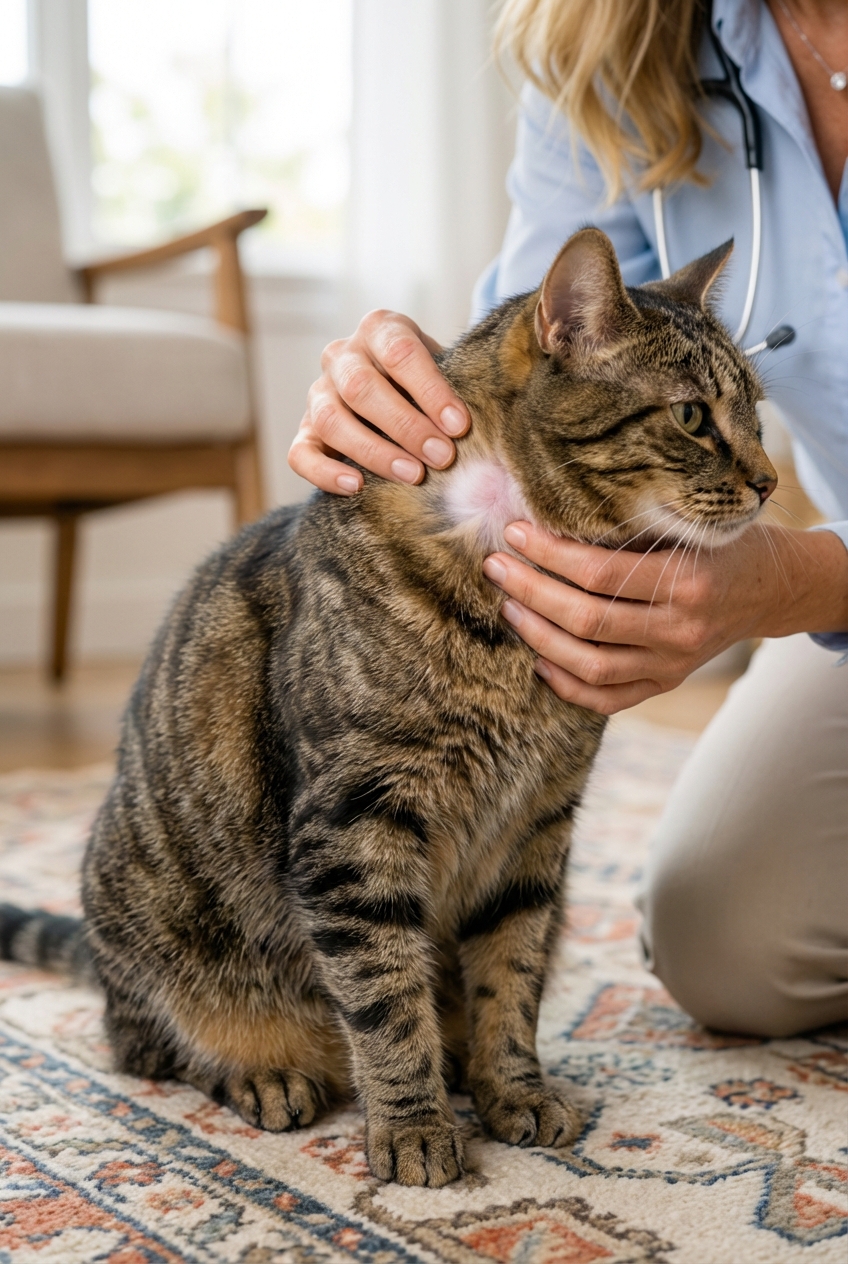
- Small scabs or crusts along the back or neck. This is sometimes called miliary dermatitis and fleas are a very common trigger.
- Hair loss from excessive licking, often on the inner thighs or belly.
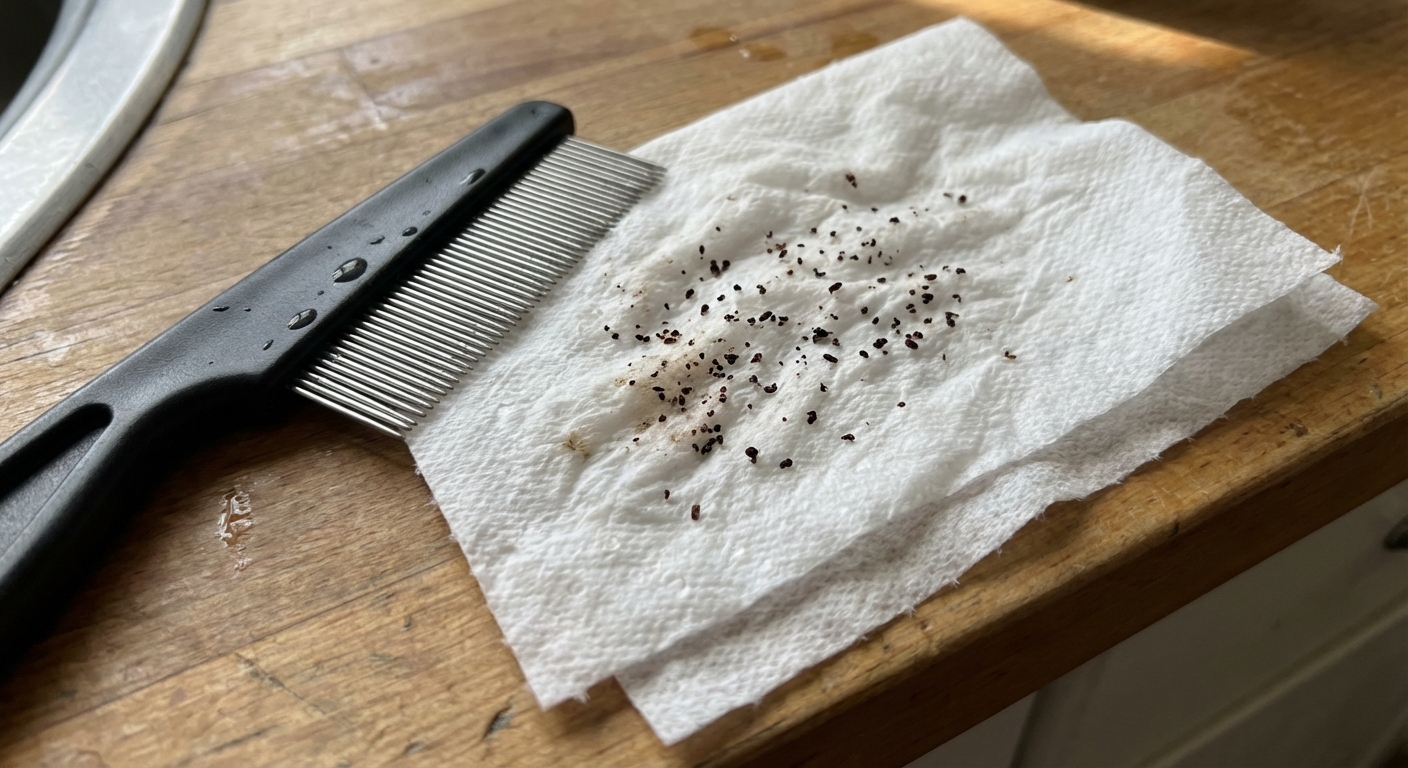
- “Flea dirt” in the coat. Flea dirt is flea poop, and it looks like black specks that resemble ground pepper.
- Agitation or jumpy behavior, like they cannot fully relax.
- Pale gums, low energy, or weakness in kittens. Heavy flea burdens can contribute to anemia.
Important note: If your cat is itching but you do not find fleas, don’t rule them out. Cats can remove fleas while grooming, and a single bite can set off intense itching in cats with flea allergy dermatitis.
The simplest at-home check (that actually works)
1) Do the “flea comb” test
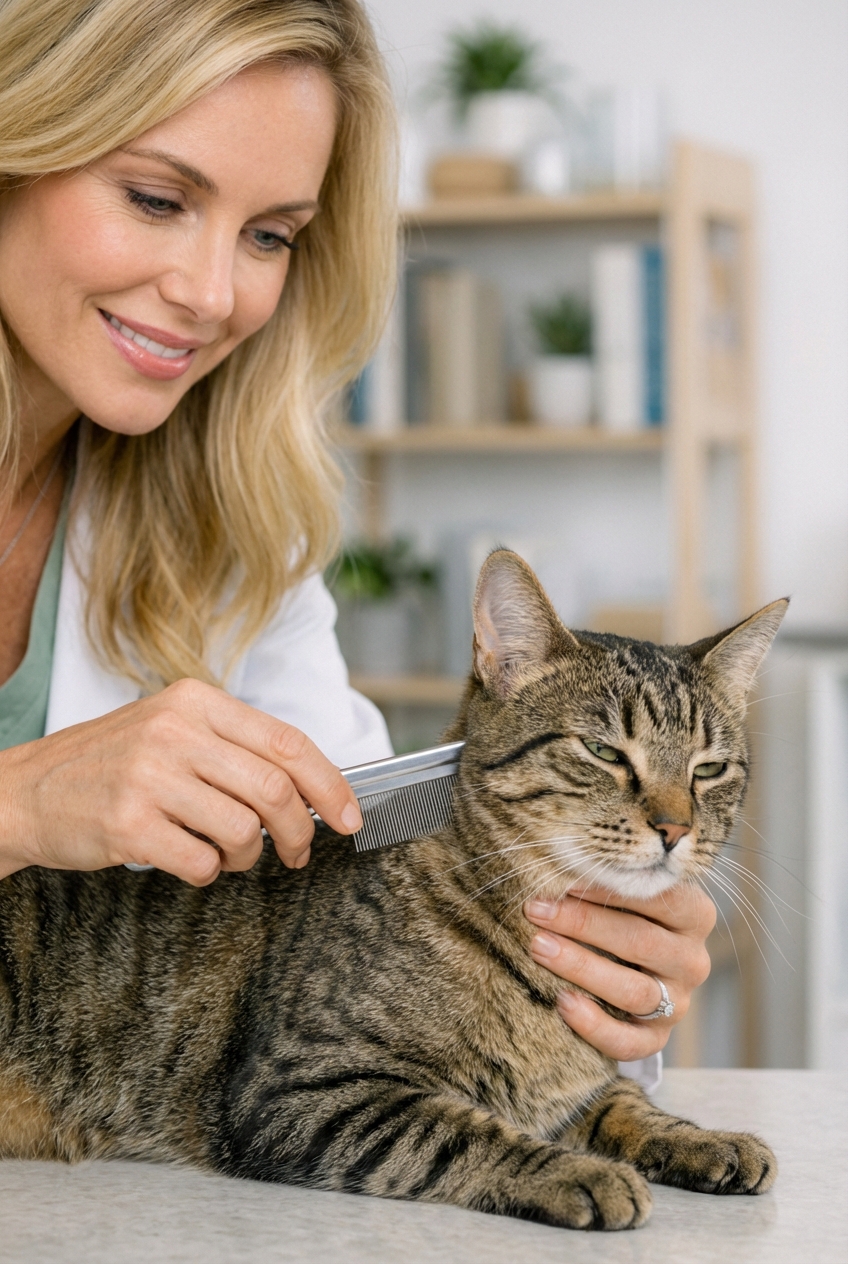
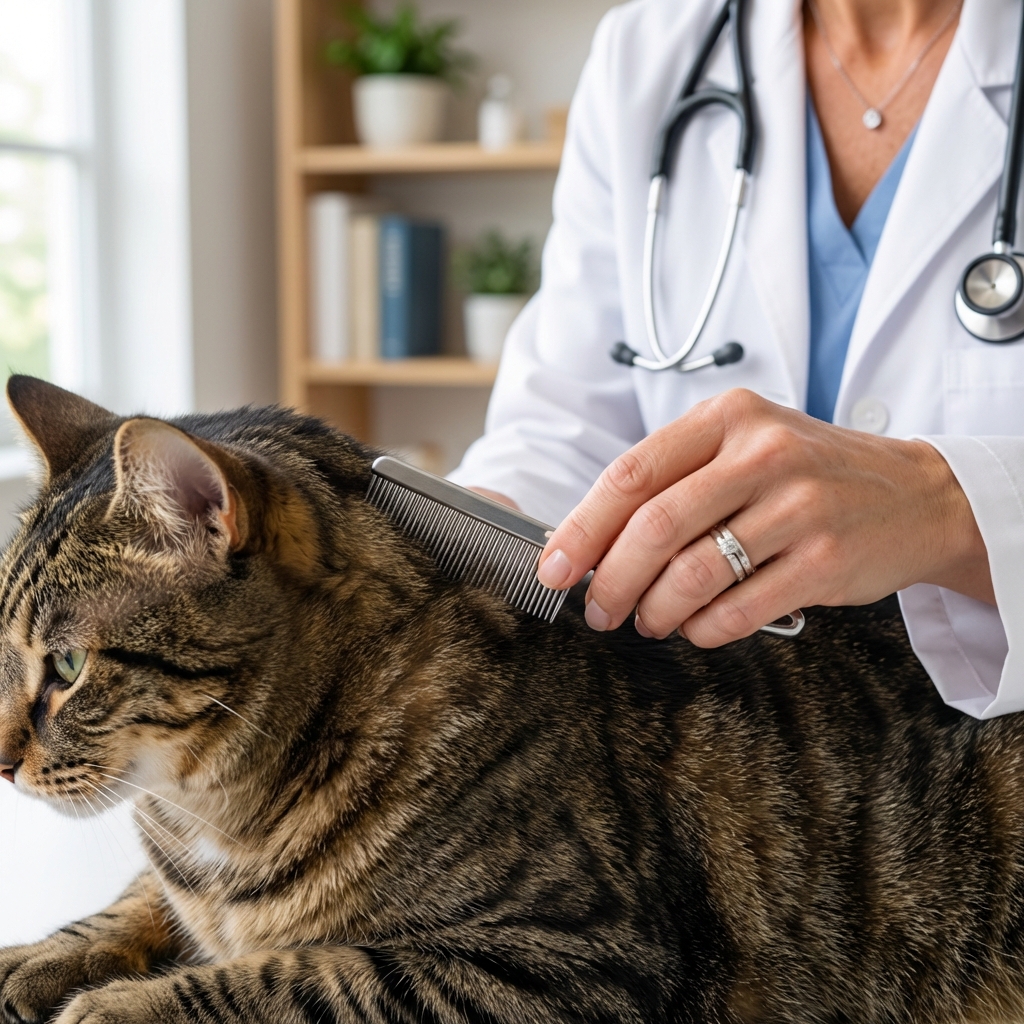
Use a fine-toothed flea comb, focusing on the neck, shoulders, and the base of the tail. Comb over a white paper towel or white plate so you can see what comes off.
2) Do the “wet paper towel” test for flea dirt
Take the black specks you combed out and place them on a damp white paper towel. If the specks turn reddish-brown, that is a strong clue it is flea dirt because it contains digested blood.
3) Check the favorite hiding spots
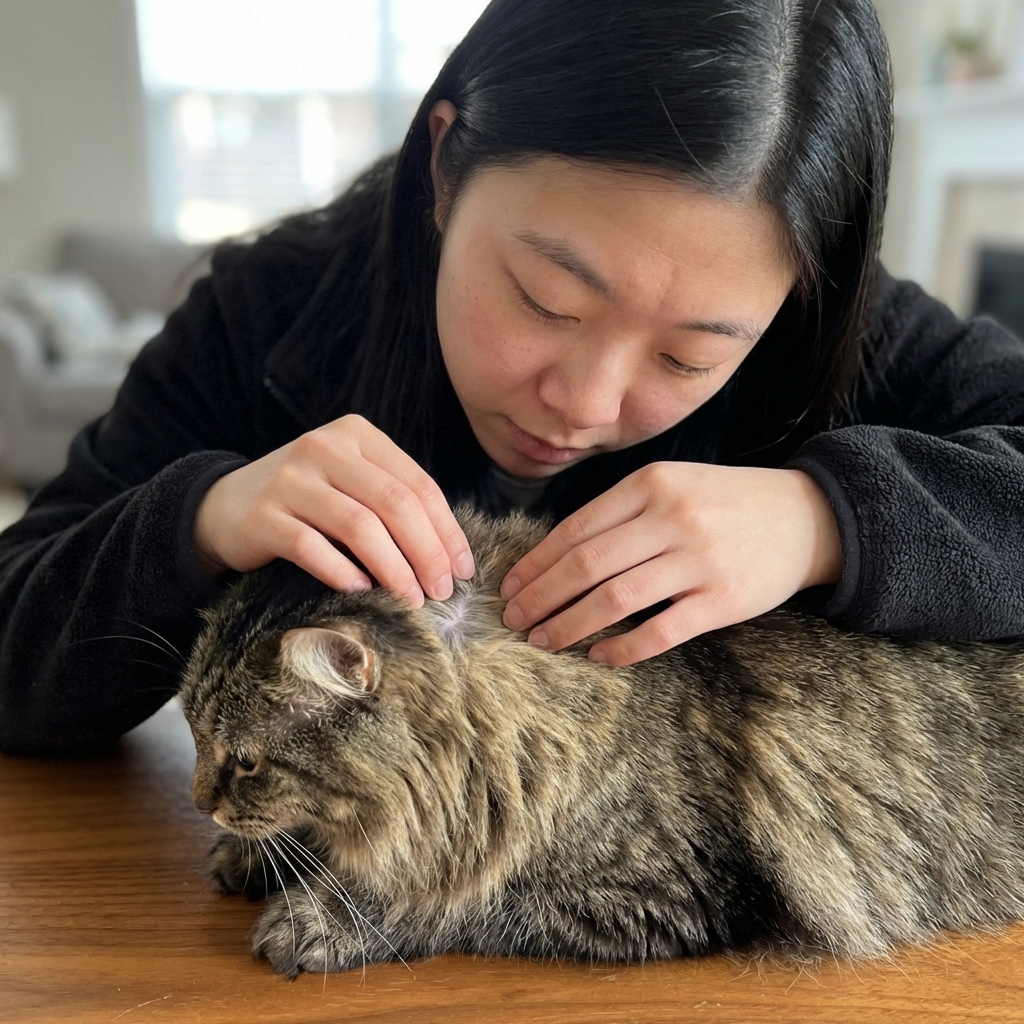
- Base of tail
- Neck and under the collar area (if your cat wears one)
- Armpits and groin
- Along the belly
Flea facts that help you win
- Much of the flea problem is not on your cat. Adult fleas are only part of the story. A commonly cited rule of thumb is that only about 5% of fleas are adults on the pet, while roughly 95% are eggs, larvae, and pupae in the environment (carpets, cracks in flooring, and pet bedding).
- Fleas are fast. They can move quickly through fur, which is why you might only catch a glimpse.
- One bite can be enough. Cats with flea allergy dermatitis can have major itching from very few fleas.
- Fleas can cause tapeworms. Cats can get tapeworms (often Dipylidium caninum) by ingesting fleas while grooming. If you notice “rice-like” segments near the rear end or in bedding, ask your vet about both deworming and flea control since they are separate treatments.
- Pupae are stubborn. Flea pupae can wait and then emerge when they sense cues like heat, vibration, and carbon dioxide (CO2). This is why you can treat and still see fleas for a bit as the life cycle catches up.
Fleas or something else?
Itching does not always mean fleas. Common flea “imposters” include:
- Environmental allergies (seasonal or indoor allergens)
- Food sensitivities
- Cheyletiella mites (sometimes called “walking dandruff”)
- Ear mites (more ear scratching and head shaking)
- Ringworm (often circular hair loss, may not always be itchy)
- Dry skin from low humidity or frequent bathing
If your cat has open sores, significant hair loss, or itching that persists despite proper flea control, it’s time to loop your veterinarian in. Skin issues can look very similar, and cats deserve relief.
What to do if you suspect fleas
Treat the cat and the environment
Successful flea control usually requires doing both. If you only treat your cat but not the home, the next generation can hatch and restart the cycle. Even indoor-only cats can get fleas (they can hitchhike in on people, other pets, or visiting animals), so do not rely on “my cat never goes outside” as your only reassurance.
- Use a veterinarian-recommended flea product appropriate for your cat’s age and weight. Follow directions carefully. Some products have minimum age or weight requirements, and some are not appropriate for pregnant or nursing cats, so check with your vet if you are unsure.
- Vacuum thoroughly (carpets, rugs, baseboards, under furniture). Dispose of the vacuum contents right away.
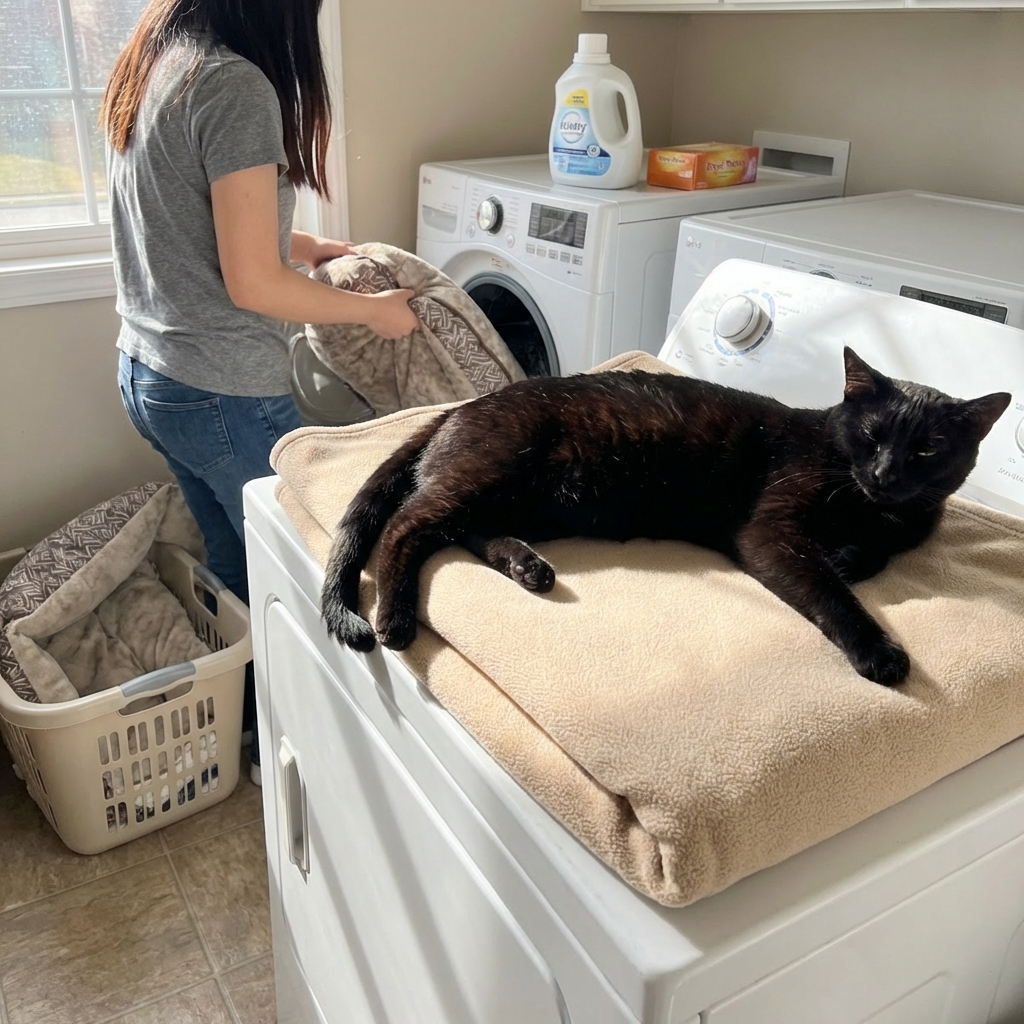
- Wash bedding in hot water, including your cat’s bedding and any blankets they lounge on.
- Treat all pets in the home if recommended. Fleas do not respect species, and untreated pets can keep fleas circulating.
Set expectations: Because of the flea life cycle, it is common to see continued flea activity for a while even after you start treatment. With consistent, correctly timed prevention and good home cleaning, many households see major improvement over several weeks, and some may take up to 2 to 8 weeks to fully settle.
Avoid risky DIY flea treatments
It is tempting to try home remedies, but some can make cats sick. Avoid using essential oils (including tea tree), unapproved sprays, or flea collars not specifically labeled for cats, unless your veterinarian recommends them.
Be cautious with dog-only flea products
Some flea and tick medications meant for dogs can be toxic to cats, especially high-concentration pyrethroids such as permethrin found in some dog spot-on products. Never apply a dog product to a cat. If a dog in the home is treated with a product your veterinarian advises you to separate from cats for a period of time, take that guidance seriously.
Quick safety reminder: If you are unsure whether a product is cat-safe, pause and call your veterinary clinic before you apply it. It’s always worth the quick check.
When fleas are urgent
Please contact a veterinarian promptly if you notice any of the following:
- Kittens with fleas, especially if they seem weak or have pale gums
- Heavy infestation with fleas visible on the coat or large amounts of flea dirt in the fur and bedding
- Signs of skin infection (oozing, odor, swelling, significant redness)
- Lethargy or loss of appetite
- Pale gums, weakness, or collapse in any cat, even if you are not sure fleas are the cause
Fleas are not just annoying. In the right (or wrong) circumstances, they can become a serious health problem.
Prevention tips
- Stay consistent with prevention during flea season, and in many areas, year-round is best.
- Keep a flea comb handy and do quick weekly checks, especially if your cat goes outdoors.
- Ask your vet what is common in your region. Flea pressure varies by climate and neighborhood.
- Support skin health with good nutrition and hydration. Healthy skin is not a flea shield, but it can help your cat bounce back faster when irritation happens.
If you suspect fleas or your cat is uncomfortable, schedule an appointment with your local veterinarian for product recommendations tailored to your cat’s age, weight, and health history, and to rule out other causes of itching.