Worried your senior cat seems confused or yowls at night? Learn feline cognitive dysfunction (CDS) signs, DISHA checklist, stages, vet rule-outs, and home ca...
Article
•
Designer Mixes
Does My Cat Have Dementia? Care Tips That Help

Shari Shidate
Designer Mixes contributor
When a beloved cat starts acting “not quite like themselves,” it can feel scary and confusing. As a veterinary assistant here in Frisco, Texas, I hear this question a lot: “Does my cat have dementia?” The good news is you can take practical steps right now to help your cat feel safer, more comfortable, and more like them.
In cats, dementia-like changes are most often called feline cognitive dysfunction syndrome (often shortened to CDS or fCDS). It is a real, age-related condition, and it can look a lot like normal aging at first. The key is learning what is typical, what is not, and when you need a veterinarian to rule out treatable medical causes.
Cat dementia (CDS) in plain language
Feline cognitive dysfunction syndrome is a gradual decline in brain function that can affect memory, learning, sleep patterns, and behavior. It tends to show up in senior and super-senior cats (often around 11+ and 15+, respectively), and it often progresses slowly.
Researchers do not have one single cause, but age-related brain changes are believed to play a role, including oxidative stress and changes in brain signaling. What matters most for you at home is this: the signs can overlap with many other conditions, so a vet check is essential.
Common signs: the DISHA pattern
Veterinary teams often group cognitive dysfunction signs into a simple pattern called DISHA. You do not need every sign for CDS to be possible.
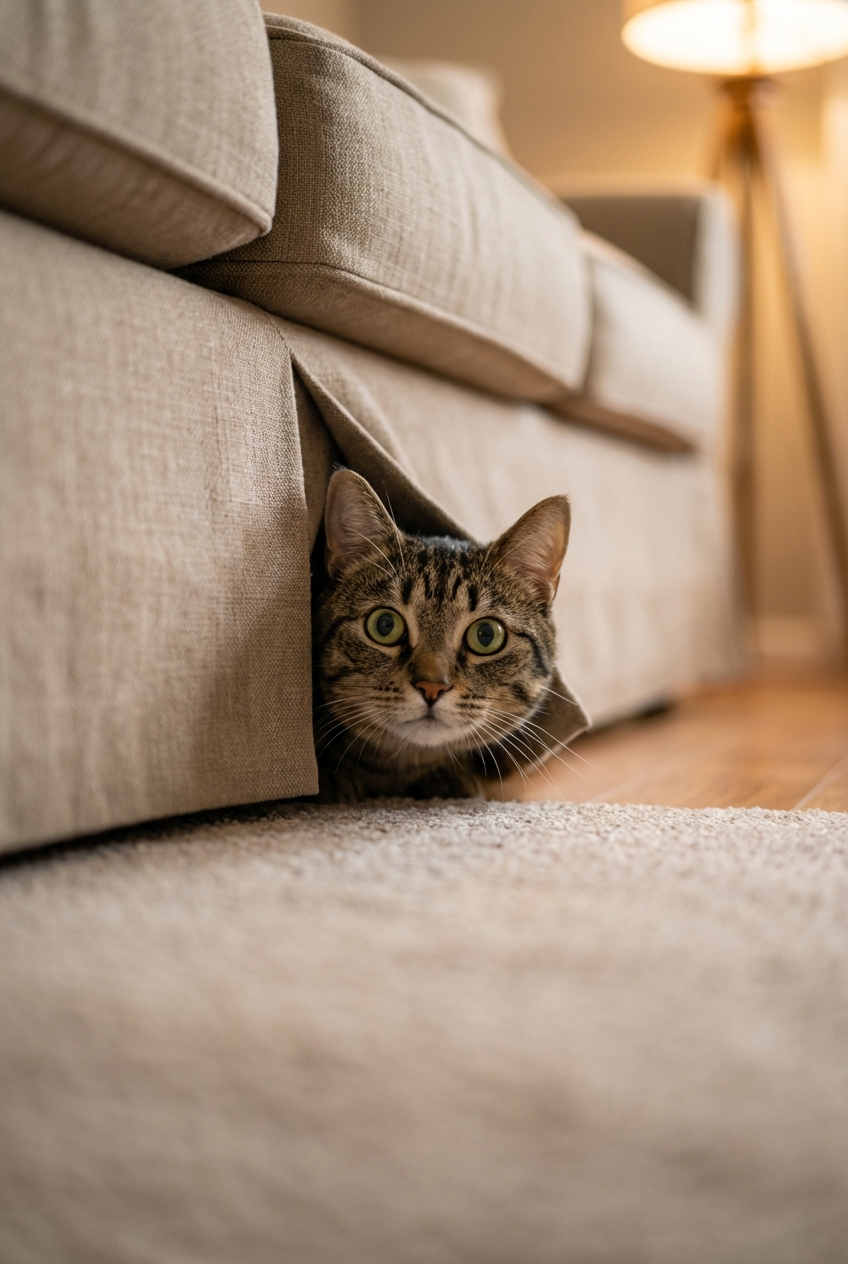
- Disorientation: staring into space, seeming “lost” in familiar rooms, getting stuck behind furniture
- Interactions change: becoming clingier, more withdrawn, or suddenly irritable
- Sleep-wake changes: more awake at night, vocalizing after dark, restless pacing
- House soiling: accidents outside the litter box, forgetting box location, not squatting or positioning as usual
- Activity level changes: less play, less grooming, aimless wandering, repetitive behaviors
Also common: Some clinicians use expanded versions (like “DISHAAL”) that highlight anxiety and learning and memory changes more explicitly. If your senior cat seems suddenly more worried, easily startled, or “on edge,” that matters and is worth mentioning to your vet.
Important: These signs do not automatically mean dementia. Pain, thyroid disease, kidney disease, diabetes, high blood pressure, vision or hearing loss, and even urinary tract issues can create similar behaviors.
Rule out common look-alikes
If your cat’s behavior changes, start with a veterinary visit. CDS is often a diagnosis reached after other causes are evaluated and addressed.
Conditions that can mimic dementia
- Arthritis and chronic pain: may cause litter box avoidance, hiding, irritability, reduced grooming
- Hyperthyroidism: can cause vocalizing, restlessness, weight loss, increased appetite
- Kidney disease: may cause changes in appetite, nausea, dehydration, altered sleep patterns
- High blood pressure: can affect vision and behavior, and may lead to sudden confusion
- Dental disease: pain can change temperament, appetite, and sleep
- Hearing or vision loss: can look like disorientation and anxiety
- Urinary tract disease: can cause sudden accidents and distress
Ask your veterinarian what testing makes sense for your cat’s age and symptoms. Often this includes a physical exam, pain assessment, bloodwork, urinalysis, blood pressure, and thyroid testing. In some cases, your vet may recommend a neurologic exam and, more rarely, imaging or referral if something does not fit a typical aging pattern.
A simple checklist for this week
If you want to walk into your appointment feeling prepared, track your cat’s behavior for 7 to 14 days. This helps your veterinarian separate “one-off weird days” from true patterns.
What to write down
- When vocalizing happens (time of day, triggers, how long it lasts)
- Litter box habits (frequency, location of accidents, stool consistency, straining)
- Appetite and thirst changes
- Sleep schedule (awake at night, pacing, confusion)
- Any new fearfulness, hiding, or aggression
- Mobility (jumping less, stiffness, slipping on floors)
Pro tip: Take a short video of concerning behavior. A 20-second clip can be incredibly helpful in the exam room.
Comfort strategies that often help
There is no one “cure,” but there are strategies that are commonly recommended by veterinary teams to reduce anxiety, prevent accidents, and improve quality of life. Evidence in cats is more limited than in dogs, but many families still see meaningful improvement with consistent, supportive changes.
1) Keep the home predictable
- Keep food, water, and litter boxes in consistent locations.
- Avoid rearranging furniture when possible.
- Create a quiet, cozy “home base” room for nighttime if your cat gets lost or distressed.
2) Set up the litter box for success
- Add more boxes: many cats do best with one box per cat, plus one extra.
- Choose low-entry boxes if arthritis is possible.
- Place boxes on each floor of the home and near favorite resting areas.
- Keep boxes very clean and consider unscented litter if your cat is picky.
3) Support sleep and reduce nighttime vocalizing
- Offer a gentle play session and a small meal in the evening to encourage nighttime rest.
- Use soft night-lights to help cats with declining vision navigate.
- Try a calm bedtime routine and keep it consistent.
4) Add safe brain and body enrichment
Enrichment is not about tiring them out. It is about giving their brain predictable, positive experiences.
- Food puzzles that are easy to solve
- Short play sessions with slow-moving toys
- Gentle grooming if your cat enjoys it
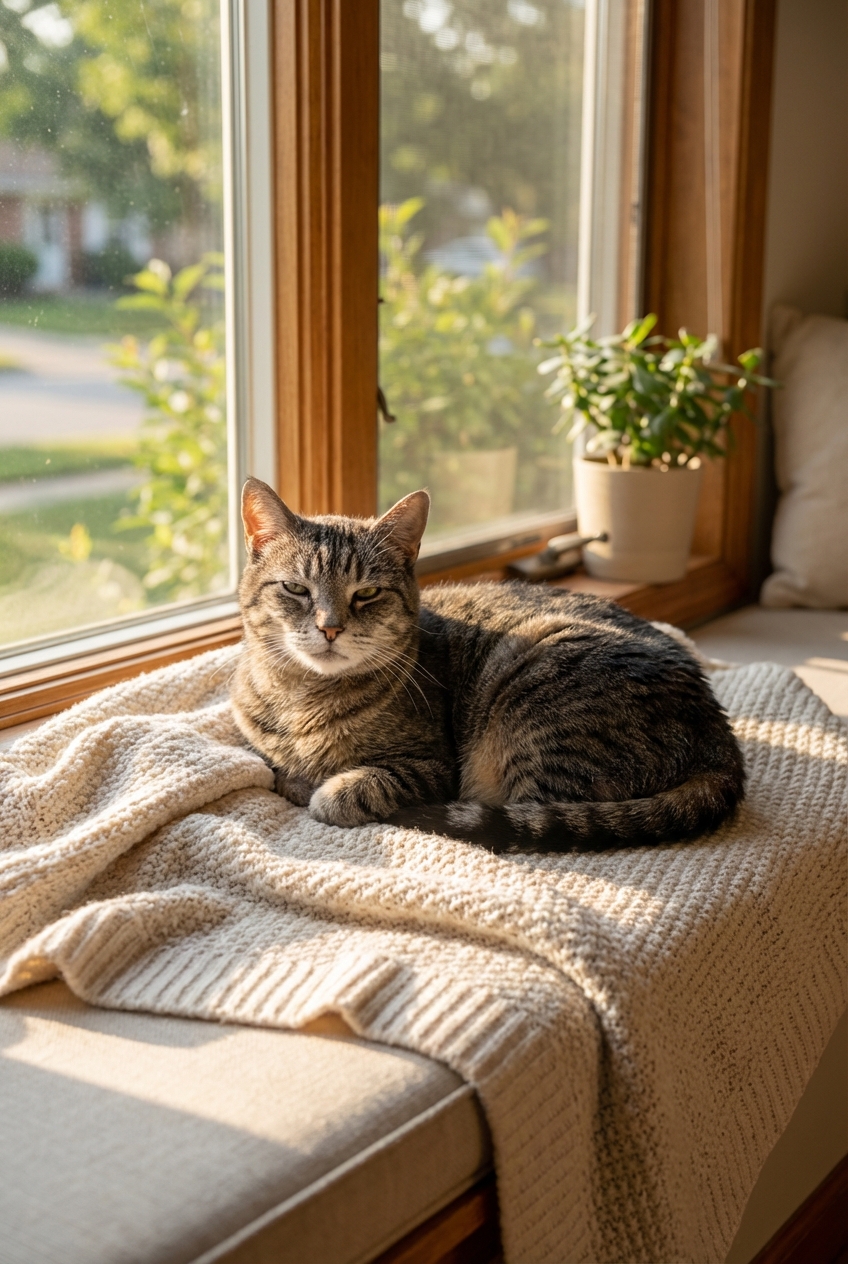
- Window perches for calm bird-watching
5) Reduce stress with scent and space
- Discuss feline pheromone diffusers or sprays with your veterinarian.
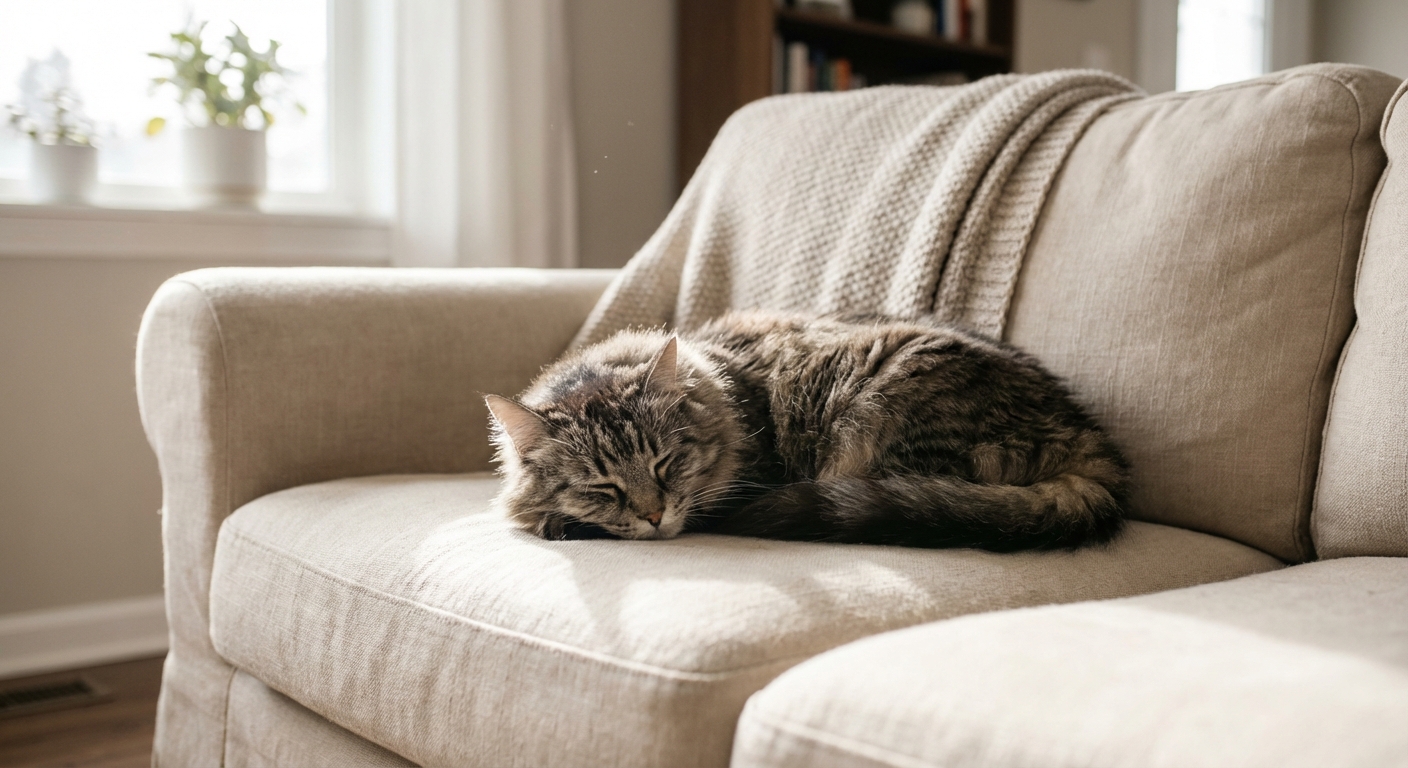
- Provide soft, warm resting spots with easy access.
- Use non-slip rugs or runners to help cats feel steady and confident.
- In multi-cat homes, spread out resources (multiple feeding and water stations, multiple resting spots) to reduce competition and stress.
Nutrition and supplements
Nutrition is not a magic wand, but it can be part of a supportive plan. In veterinary medicine, cognitive support often focuses on antioxidants and omega-3 fatty acids, which may help support brain health. For cats, options and evidence can be more limited than for dogs, so it is best framed as a thoughtful discussion rather than a promise.
Bring these questions to your vet
- Would an omega-3 supplement (EPA and DHA) be appropriate for my cat, and at what dose?
- Is my cat a candidate for a senior diet, or any diet approach that supports brain aging and overall health?
- Could constipation, dehydration, or nausea be contributing to behavior changes?
Please do not start supplements on your own. Product quality and dosing matter, and some supplements can cause stomach upset, add unexpected calories, or interact with other conditions or medications. Your veterinarian can help you choose a safe product and an appropriate dose for your specific cat.
Veterinary treatment options
Your veterinarian may recommend treatments based on what they find. Sometimes the most helpful “dementia care” is actually treating pain, thyroid disease, high blood pressure, constipation, or urinary discomfort.
If fCDS is the most likely explanation, your vet may discuss a plan that can include anxiety support, sleep support, pain control if needed, and environmental adjustments. Options vary by cat, and the goal is always the same: keep your cat comfortable, oriented, and safe.
Safety tips for senior cats
- Prevent falls: add steps or ramps to favorite beds and couches.
- Keep essentials close: food, water, and litter should not require a long walk.
- Gentle handling: confused cats can startle more easily, so approach calmly and speak softly.
- Help with hearing or vision loss: avoid sneaking up, use consistent cues, and keep walkways clear.
- Monitor weight: unintended weight loss is a medical red flag, not just “old age.”
Progression and what to expect
Many cats with cognitive changes have good days and harder days. Symptoms can wax and wane, especially when stress, pain, or illness is also present. Management is usually about quality of life, not “reversing aging,” and small routine changes can add up in a big way over time.
When it is urgent
Call your veterinarian promptly or seek urgent care if you notice any of the following:
- Confusion or major behavior change that comes on quickly (hours to days)
- Not eating for 12 to 24 hours, or sooner if your cat is a senior, diabetic, or seems unwell
- Trouble breathing, collapse, or profound weakness
- Straining to urinate, frequent trips to the litter box with little output, or crying in the box
- Sudden vision loss signs (bumping into objects, wide pupils, fear of stairs)
These can point to problems that need fast treatment and are not “just dementia.”
A gentle mindset shift
With senior pets, progress often comes from small, consistent changes that reduce stress and support comfort.
If your cat is showing cognitive changes, you are not failing them. You are noticing. And noticing is powerful. Start with a vet visit, then build a simple home plan: predictable routine, easy litter access, calm nighttime support, and safe enrichment.
Many cats with fCDS can still enjoy a deeply good life with the right setup and steady care.