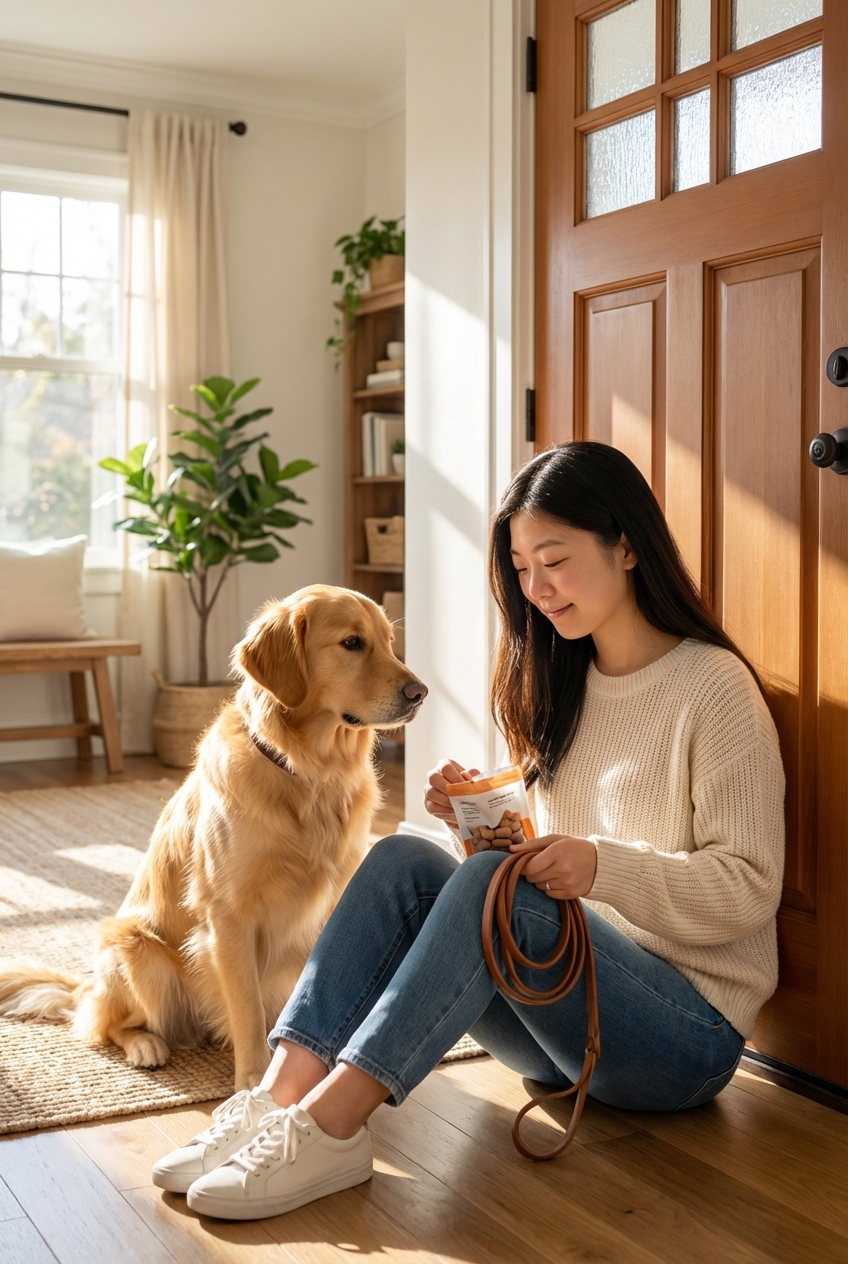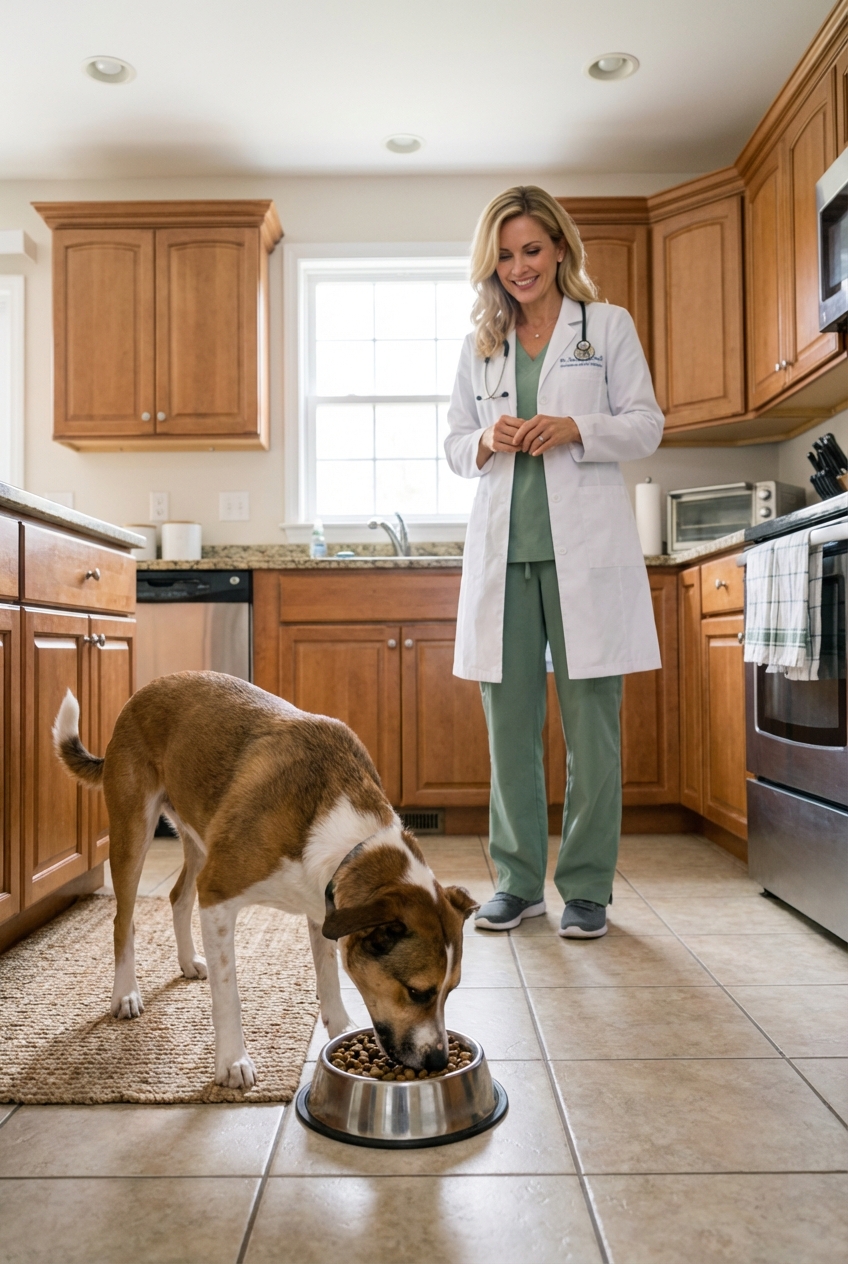
If your dog growls near the food bowl, don’t punish it. Learn what resource guarding looks like, why it happens, and safe training steps to prevent bites a...
Article
•
Designer Mixes
Doberman Pinscher Temperament and Protection Instincts

Shari Shidate
Designer Mixes contributor
Doberman Pinschers have a reputation that can make first-time owners nervous. As a veterinary assistant, I can tell you this: Dobermans are not inherently aggressive. Behavior is strongly influenced by genetics, early socialization, training, and the environment they live in every day. A well-bred, well-socialized Doberman is typically confident, people-focused, and deeply loyal, with a natural instinct to notice what is normal and what is not. That combination is exactly why they can excel as personal protection dogs and as devoted family companions.
Quick note: This article is general education, not individualized behavior advice. If you have concerns about your own dog, a vet visit and a qualified behavior professional are the safest next steps.
What Doberman temperament is really like
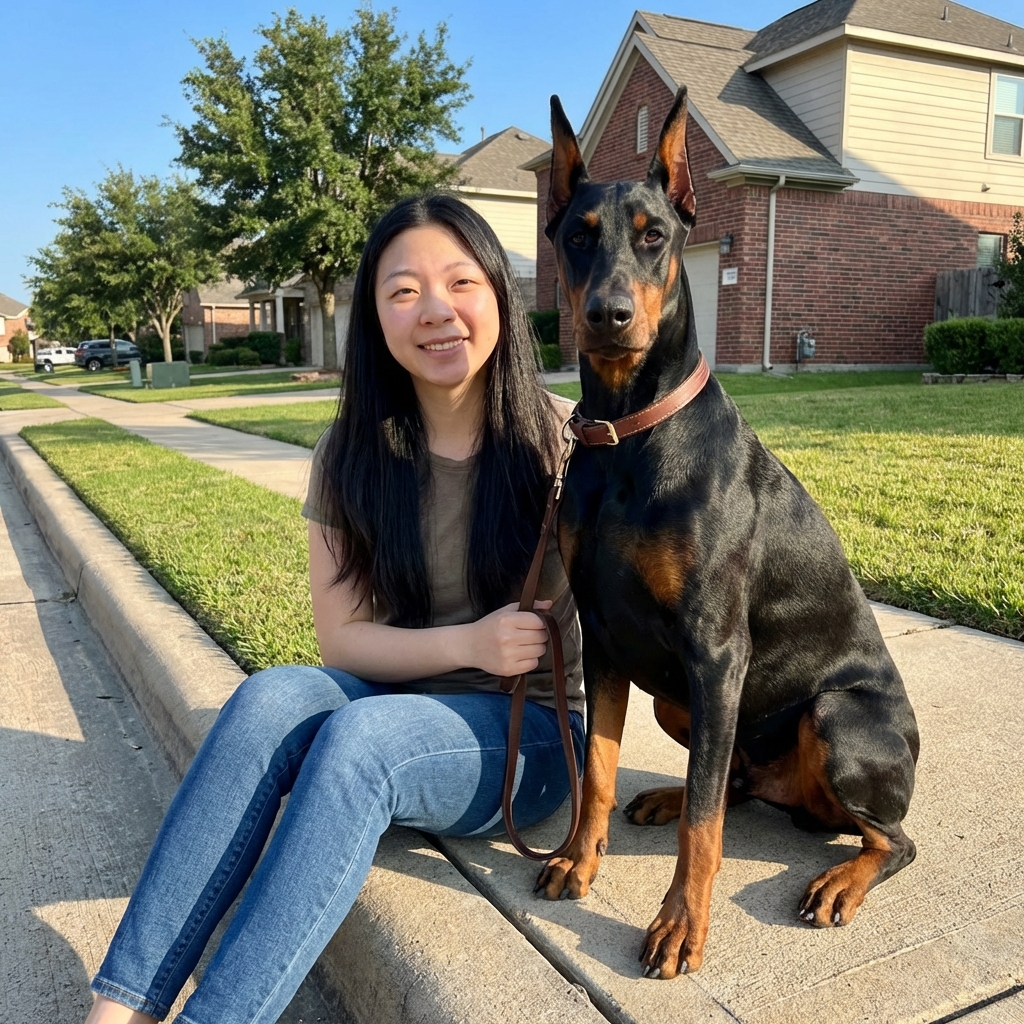
The classic Doberman temperament is often described as alert, loyal, and “velcro.” Many Dobies prefer to be near their people most of the time, following you from room to room and watching your routines closely. That closeness can feel like a dream if you want a true companion, but it also means many Dobermans struggle with long hours of isolation and can be prone to separation-related issues if their needs are not met.
In general, a healthy, stable Doberman tends to be:
- Highly people-oriented and responsive to training
- Confident rather than fearful
- Fast to learn, including bad habits if boundaries are unclear
- Energetic, especially in adolescence
- Sensitive to harsh handling, chaotic households, or inconsistent rules
One important note: “protective” is not the same thing as “reactive.” A protective Doberman can stay composed, assess, and respond to you. A reactive Doberman is often driven by fear, frustration, or over-arousal. The difference usually comes down to genetics, early experiences, skill-building, and day-to-day handling.
The protection instinct at home
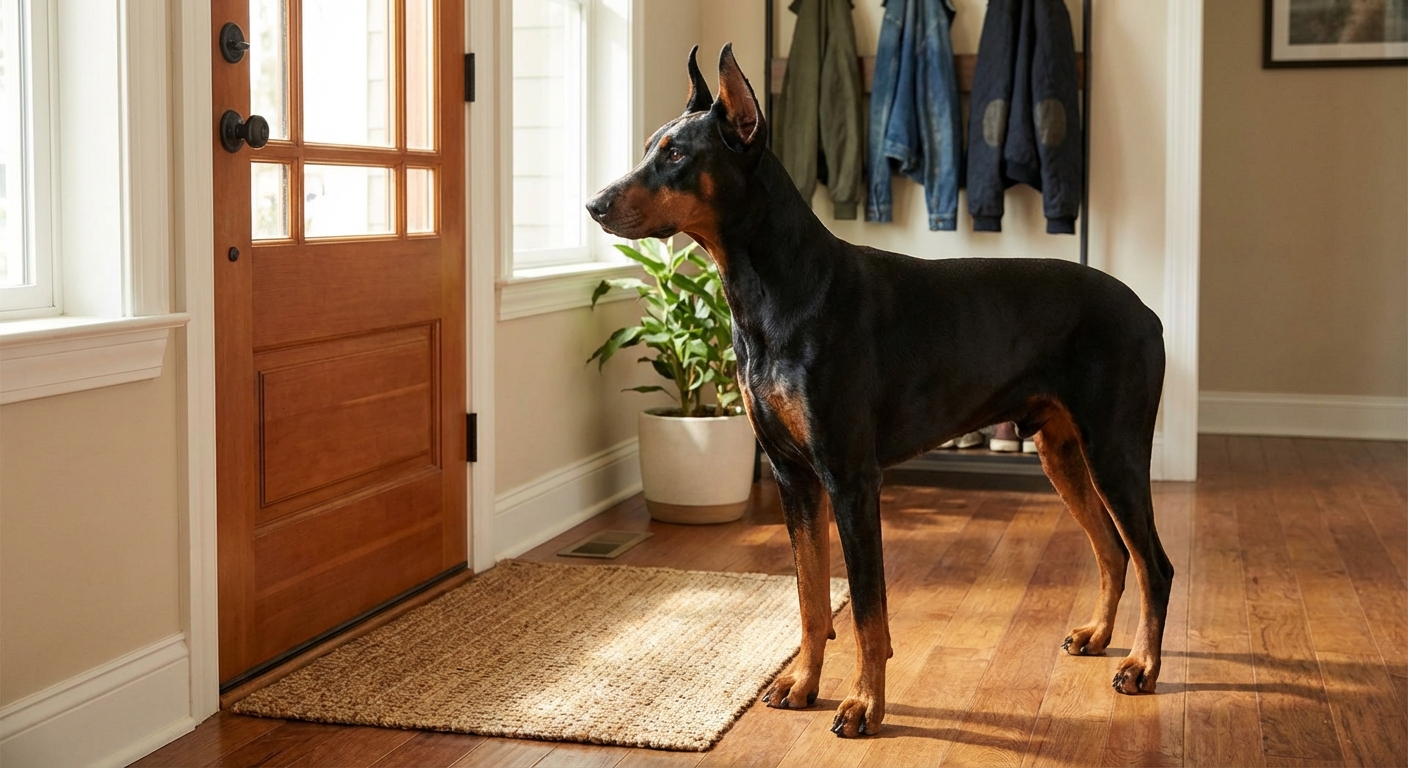
Dobermans were developed to be personal guardians. Louis Dobermann, a tax collector, wanted a loyal dog that could accompany him and deter trouble. That heritage still shows up in everyday life. Many Dobies naturally position themselves where they can see entry points, keep track of unfamiliar sounds, and monitor visitors closely until they understand everyone is safe.
Common “normal protective” behaviors include:
- Standing between you and a stranger during an unexpected interaction
- Alert barking when someone approaches the home, then settling after a calm introduction
- Watching guests from a short distance, especially at first
- Following family members, especially children, from room to room
Protection instincts can become a problem when the dog believes it must make decisions without guidance. This is where a predictable routine, consistent rules, and practiced skills matter most. Your Doberman should look to you for what to do next.
Dobermans with kids, guests, and pets
With children
Many Dobermans are wonderful with respectful kids, but they are big, strong, and quick. Their enthusiasm can accidentally knock over toddlers, and their protective nature can kick in if rough play looks like trouble. Supervision and teaching kids dog-safe behavior are non-negotiable.
- Keep greetings calm, especially when kids have friends over.
- Teach children not to hug tightly, climb, or grab collars.
- Create a quiet “off-duty” area where the dog can rest undisturbed.
With visitors
Dobermans often do best with a consistent guest routine. Here is a simple, real-world setup that works for many households:
- Put your dog on leash before opening the door.
- Ask for a sit or a “place” and reward calm body language.
- Have the guest come in calmly and ignore the dog at first.
- Release your dog to approach and sniff politely, then call them back for another reward.
If your Doberman is intense around the doorway, practice short, frequent sessions where nothing exciting happens. Door opens, dog stays relaxed, door closes, reward, repeat.
With other dogs and cats
Early socialization helps, but individual personalities matter. Some Dobermans are social butterflies, and others are selective, especially with same-sex adult dogs. With cats, many can coexist peacefully when introduced correctly and when the dog is taught impulse control and given clear boundaries.
What shapes behavior
Dobermans are a breed where genetics and early environment are especially important. A dog bred for stable nerves and clear-headed confidence is often easier to live with and easier to train. On the flip side, anxious or sharp temperaments can intensify protective behaviors in unhealthy ways.
What most strongly influences temperament:
- Responsible breeding with health and temperament testing
- Early socialization during puppyhood, roughly from 3 to 12 to 14 weeks
- Positive, consistent training that rewards calm choices
- Appropriate exercise and mental enrichment
- Medical factors such as pain, orthopedic strain, thyroid disease, or neurological problems that can contribute to irritability or other behavior changes
If your Doberman suddenly seems more irritable, reactive, or guarded, a veterinary check is a smart first step. Pain and discomfort can look like “bad attitude,” especially in large, athletic dogs.
Training for a steady protector
The goal is not to “turn on” protection. The instinct is already there. The goal is to teach your Doberman how to live calmly in the human world and how to take direction from you.
Start with foundation skills
- Name response: instant attention to you
- Place: go to a mat or bed and relax while life happens
- Loose-leash walking: reduces frustration and reactivity
- Leave it and drop it: impulse control in real life
- Recall: because a dog that comes when called is safer
Socialization without flooding
Socialization is not forcing your puppy to be petted by everyone. It is calmly exposing them to new people, surfaces, sounds, and situations while pairing the experience with treats and safety. A Doberman who learns “new things are no big deal” is far less likely to become suspicious or reactive as an adult.
Be cautious with protection training
Formal bite work is a serious sport and should only be done with reputable professionals who prioritize stability, control, and temperament. For many homes, advanced obedience, confidence-building, and clear household routines provide the deterrence and safety people want without increasing risk.

Exercise and enrichment
A bored Doberman can become noisy, pushy, destructive, or overly vigilant. The good news is that most Dobies thrive when they have a job, even a simple one.
- Daily movement: brisk walks, structured play, hiking, or running once growth plates are mature
- Brain work: scent games, puzzle feeders, short obedience sessions, trick training
- Decompression time: sniffy walks and calm downtime, not constant intensity
Think of it like this: exercise drains energy, but training and enrichment build emotional balance. Dobermans need both.
Red flags to take seriously
If you notice any of the behaviors below, do not wait. Early help is easier and safer than trying to fix a pattern that has been rehearsed for months.
- Snarling, snapping, or biting when someone approaches you or the couch
- Escalating barrier reactivity at windows, fences, or the front door
- Guarding food, toys, or spaces from family members
- Fearful body language that flips into lunging
- Any bite to a person, even if it seems “minor”
Start with a veterinary evaluation to rule out pain or medical causes. Then work with a credentialed, force-free behavior professional. Evidence-based support protects your dog and your household.
Choosing a breeder or rescue
Because genetics matter, where your Doberman comes from matters too. If you are buying from a breeder, look for stable, social parents and transparent health testing. If you are adopting, ask what the rescue has observed in the home or foster setting, and what support they provide after adoption.
- Temperament: parents or adult dogs that are confident and controllable in everyday settings
- Early handling: puppies raised with thoughtful exposure to people, surfaces, and normal household life
- Health testing: discuss breed-relevant risks such as DCM, von Willebrand disease, and cervical spine issues
- Support: a return policy or safety net if the dog is not a good fit
Real-world considerations
It is worth knowing that the label “protection dog” can come with insurance and liability realities, especially if a dog has bite training or a bite history. Most families are not looking for a working protection dog in the sport sense. They want deterrence, good judgment, and excellent manners. In my experience, that is best built through socialization, obedience, and calm household routines.
Is a Doberman right for you?
Dobermans can be incredible companions for the right home. They tend to do best with people who enjoy training, like structure, and can provide daily activity. If you want a dog that is independent, low-energy, and happy to be left alone, this breed may feel like too much.
A good match usually looks like:
- Someone home often or willing to provide enrichment and companionship
- Commitment to training and ongoing socialization
- Comfort managing a strong, athletic dog
- A plan for vet care, quality nutrition, and preventive health
When those needs are met, the Doberman’s protection instinct tends to show up in the healthiest way: steady presence, quick awareness, and a deep devotion to their people.