Dogs may detect cancer-related odor patterns (VOCs) in some cases. Learn common “alert” behaviors, cancers studied, other causes, and practical steps to ...
Article
•
Designer Mixes
Do Dogs Know When You’re Sick?

Shari Shidate
Designer Mixes contributor
As a veterinary assistant here in Frisco, Texas, I hear this question all the time: Do dogs actually know when you’re sick, or are they just being extra cuddly?
The evidence and real-life experience point to this: dogs often can detect when something is “off” in the people they love. They may not understand your diagnosis the way a doctor does, but they can notice changes in your scent, behavior, routine, and subtle body cues.

Yes, many dogs notice a change
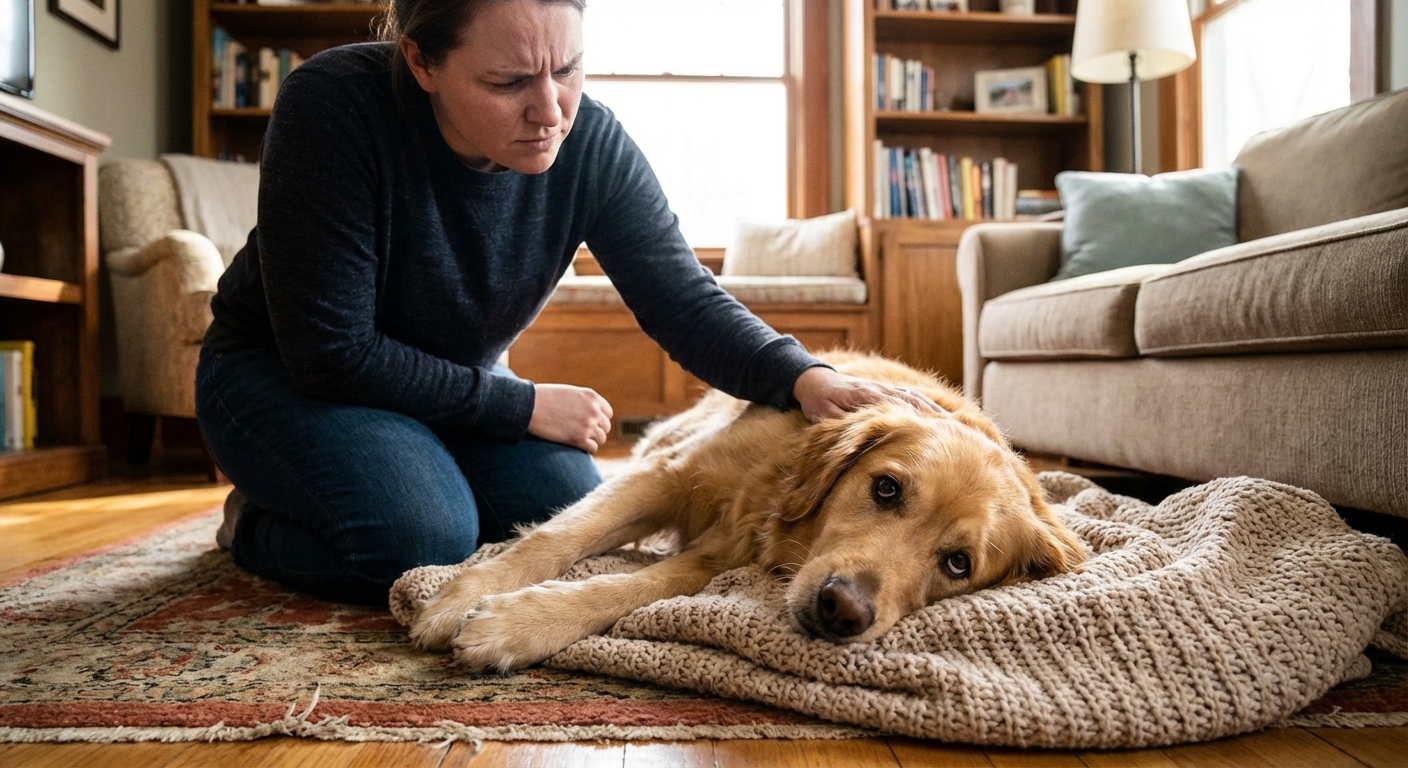
Dogs live in a world of patterns. If you usually get up at 6, pour coffee, grab the leash, and head out the door, they learn that rhythm. When you’re sick, those patterns shift. Your voice may sound different, your breathing may change, your movement slows down, and your daily routine looks unfamiliar. Many dogs respond by hovering, checking on you more often, staying unusually close, or acting more watchful.
And in my experience, some dogs seem to pick up on a problem before their person connects the dots. That part is more observational and anecdotal, but it is a common story from pet parents, especially when an illness causes noticeable changes in scent or energy.
Also worth noting: not every dog gets clingy. Some dogs get quieter, keep their distance, or even hide when a household routine changes.
How dogs may detect illness
1) Their sense of smell is powerful
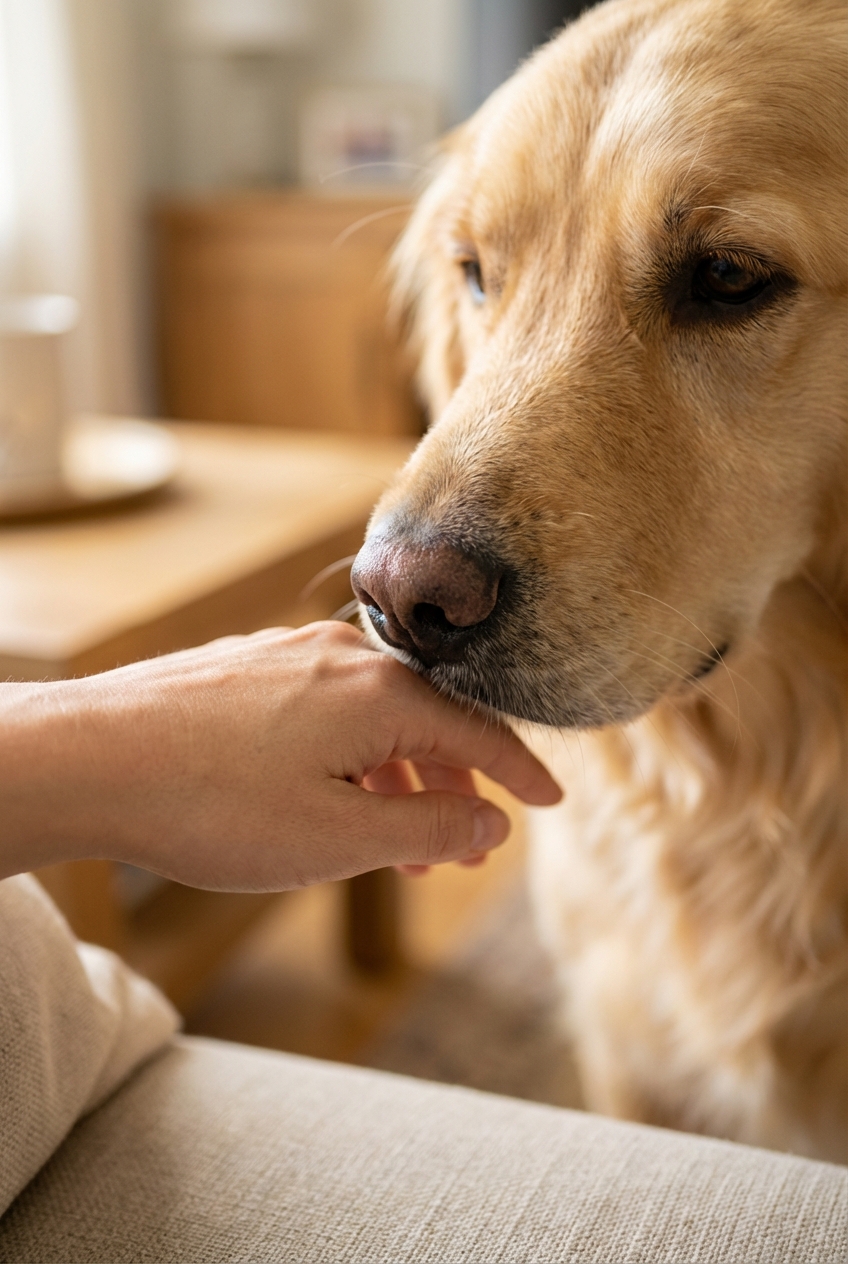
A dog’s nose is built for detecting tiny chemical changes. When you’re sick, your body can release different volatile organic compounds (VOCs) through your breath and skin. Research suggests dogs can be trained to detect some diseases by scent, including certain cancers , and some infections in controlled studies. Accuracy varies a lot based on training, study design, and sample handling, so it is not a simple yes-or-no skill.
This does not mean your dog can diagnose you. It means they may notice a change and react to it.
2) They spot behavior changes fast
If you are sleeping more, skipping walks, eating differently, coughing, or moving slower, your dog may respond with concern or confusion. Many dogs will “shadow” their person because staying close is a natural way to monitor what is happening.
3) They read body language and facial cues
Dogs are surprisingly good at reading human expressions, posture, and tone. A tense face, shallow breathing, wincing, or a different voice can all signal that you are not feeling well.
4) Stress can change scent and signals
Illness often comes with stress, pain, or anxiety. Dogs can be sensitive to changes associated with stress, including body language shifts and scent changes that may happen when cortisol and adrenaline rise.
What it can look like
Dogs respond in different ways depending on personality, breed tendencies, and their bond with you. Common signs include:
- Increased clinginess or following you room to room
- Resting a head or paw on you, or leaning into you more than usual
- Staring or frequently checking your face
- More watchful behavior, like positioning themselves close to you
- Reduced play as if they’re matching your energy
- Agitation, pacing, whining , or seeming unsettled (some dogs worry when routines change)
- Withdrawal, keeping to themselves, or hiding more than usual

Can dogs detect specific illnesses?
In trained settings, some dogs can detect odors linked to certain conditions. Studies have explored canine scent detection and alerting for things like:
- Low blood sugar episodes in diabetes (some dogs alert to hypoglycemia)
- Seizures (many dogs can be trained to respond to a seizure; some dogs appear to show pre-seizure alert behaviors, but reliability varies and evidence is mixed)
- Some cancers (dogs can be trained to identify certain cancer-related scents)
- Some infections in controlled research environments
At home, it is more accurate to say: dogs can notice that something is different. Whether that “different” is a cold, a chronic illness flare, pregnancy, or stress varies by individual dog and situation.
When it is a helpful clue
If your dog suddenly becomes intensely focused on one area of your body, repeatedly sniffs the same spot, or seems unusually concerned around you for days, it is worth paying attention. I have heard many stories from pet parents who scheduled a checkup because their dog would not stop pawing at their chest, sniffing their breath, or hovering when they usually were independent.
Important: Your dog’s behavior should never replace medical advice, but it can be a nudge to take symptoms seriously and get checked.
When it might be anxiety
Sometimes a dog is reacting to the environment illness creates: more time in bed, disrupted schedules, less exercise, visitors coming and going, or changes in your mood. That can trigger anxiety or attention-seeking behaviors.
Signs your dog may be stressed include:
- Panting when not hot
- Restlessness, pacing , or whining
- Loss of appetite
- Destructive behavior or sudden accidents indoors
If you are sick for more than a couple of days, it can help your dog to keep small routines consistent, like regular potty breaks and a predictable feeding schedule.
How to support your dog
When you don’t feel good, your dog may not either. A little planning goes a long way.
Keep the basics steady
- Stick to normal feeding times as closely as possible
- Short, gentle potty breaks if walks are too much
- Comfort items like a favorite blanket or chew
Give them a job
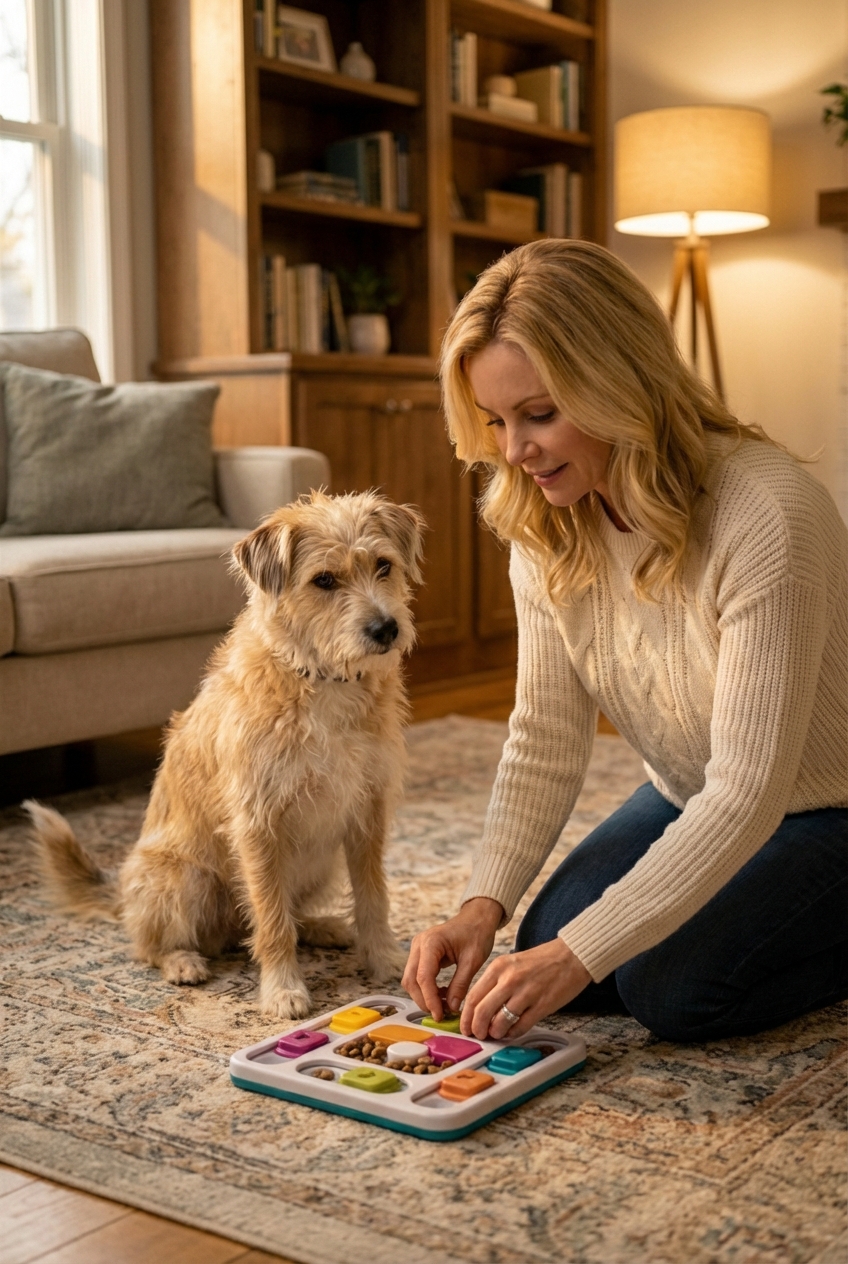
Dogs love purpose. If your dog wants to stay close, invite them up beside you (if that is safe and comfortable). Offer a food puzzle, a lick mat, or a stuffed toy to help them settle.
What not to do
- Do not punish clinginess, whining, or hovering. Redirect calmly and reward relaxed behavior.
- Do not assume extra sniffing automatically means a serious disease. Treat it as a signal to pay attention, not a diagnosis.
- Keep medications out of reach and avoid letting your dog lick medication patches, medicated creams, or anything that could transfer onto their mouth.
Ask for help if needed
If you are truly down for the count, call in a friend, neighbor, or dog walker for a quick exercise break. Many behavior issues start when dogs have pent-up energy and no outlet.
When to call your vet or doctor
Call your doctor if:
- You have symptoms that are worsening or not improving
- Your dog’s behavior change makes you realize you have ignored ongoing issues
- You notice unusual odors in breath, sweat, or a specific body area along with symptoms
Call your veterinarian if your dog:
- Is not eating longer than is typical for them, especially puppies, small dogs, seniors, or pets with medical conditions (timing depends on the dog, so when in doubt, call)
- Seems suddenly fearful, reactive, or panicky
- Develops GI upset, coughing, or lethargy while you are sick too
If you are dealing with something contagious, remember that some illnesses can pass between people and pets (and many cannot). For example, ringworm is a common shared skin fungus, and some influenza strains have affected pets in certain situations. Most everyday human colds are not a typical concern for dogs, but good hygiene is still smart.
Practical precautions: wash hands, avoid face-licking, do not share food or utensils, and ask your veterinarian what precautions make sense for your specific illness and pet.
The bottom line
Dogs may not know the name of your illness, but they often know you. Your scent, habits, mood, and body language are part of their daily world. When those things change, many dogs respond with extra closeness, watchfulness, or concern.
If your dog seems to be telling you something is off, listen with a calm, practical mindset. Take care of yourself, keep your dog’s routine as steady as possible, and reach out to your vet or physician if anything feels urgent.