Recurring yeast infections in dogs often have a root cause. Learn the most common triggers—especially allergies and moisture—plus symptoms, diagnosis, an...
Article
•
Designer Mixes
Do Dogs Get Yeast Infections?

Shari Shidate
Designer Mixes contributor
Yes, dogs can get yeast infections, and they can flare quickly when the conditions are right. As a veterinary assistant in Frisco, Texas, I see yeast issues most often in the ears, on the paws, and in skin folds. The good news is that yeast overgrowth is very treatable, and there are practical steps you can take at home to lower the odds of recurrence.
What it is (and where it shows up)
Yeast is a type of fungus. A small amount can live normally on the skin, but it becomes a problem when it overgrows. In dogs, yeast overgrowth is most commonly caused by Malassezia yeast. It tends to thrive in warm, moist areas.
- Ears: especially floppy-eared dogs or dogs that swim often
- Paws: between the toes and around the nail beds
- Skin folds: armpits, groin, lips, face folds, tail folds
- Belly and undercarriage: areas that stay humid or are frequently licked
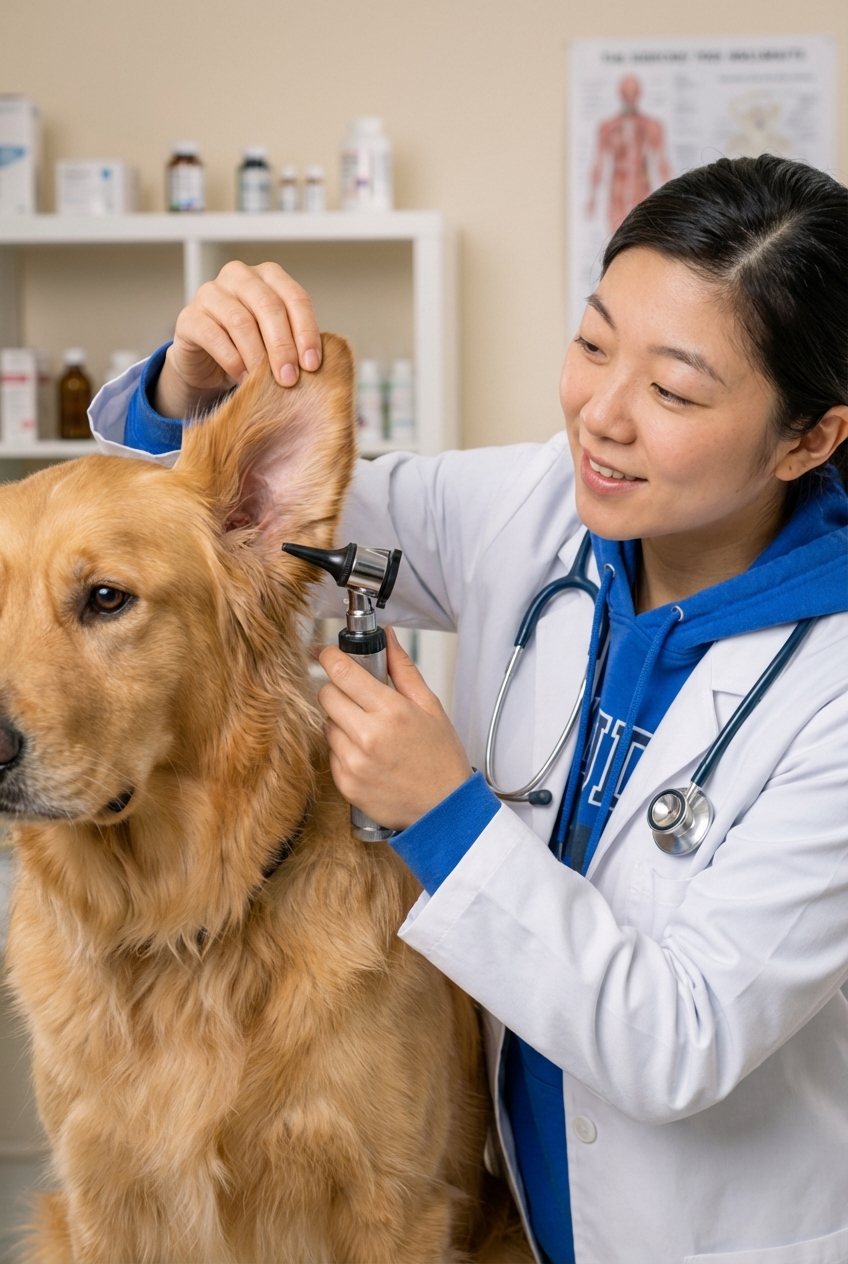
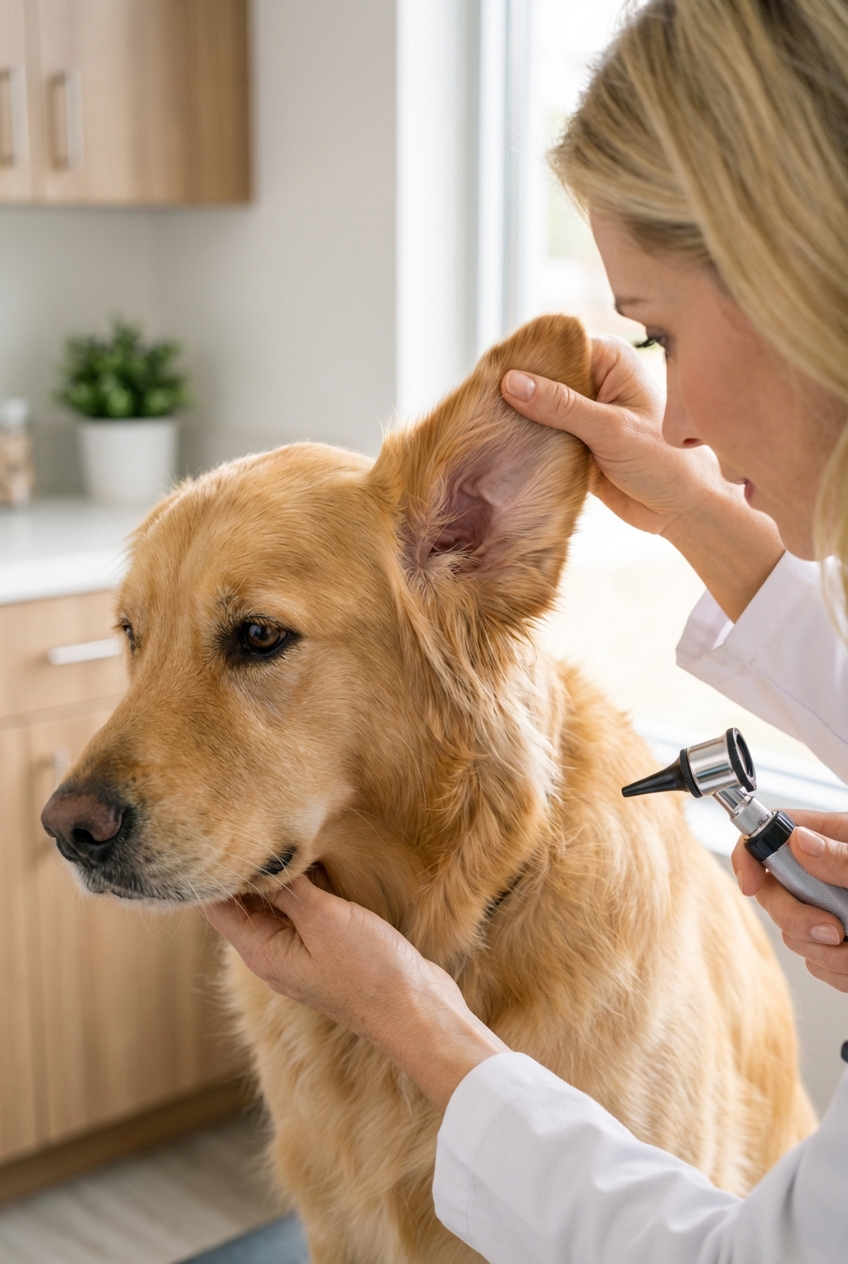
Quick note: a smell or itchy skin can point toward yeast, but it is not diagnostic by itself. Your vet confirms what is going on with a simple microscope check called cytology.
Signs to watch for
Many yeast problems look like “just itching” at first, so it helps to know the classic clues.
Common symptoms
- Itching and redness that does not improve with basic bathing
- Greasy or oily skin, sometimes with dandruff-like scaling
- Musty, “corn chip” smell (often strongest on paws)
- Brown or yellow waxy debris in ears
- Head shaking or ear scratching
- Licking and chewing paws, sometimes with rusty saliva staining
- Thickened, darker skin over time in chronic cases
These signs can overlap with other conditions, including bacterial infections, ear mites, foreign material in the ear, allergic dermatitis, and (less commonly) ringworm. That is one reason a vet exam matters, especially for ears.
Why it happens
Yeast is usually a secondary problem. That means there is often an underlying trigger that creates the perfect environment for overgrowth.
Common triggers
- Allergies: environmental (pollens, dust mites, molds) or food-related
- Moisture: swimming, frequent baths, humid weather, wet paws after walks
- Skin barrier problems: irritated skin from licking, hot spots, or harsh grooming products
- Ear anatomy: narrow canals or heavy ear leather that reduces airflow
- Hormonal or metabolic issues: hypothyroidism, Cushing’s disease
- Medications: some dogs flare after antibiotics or steroids (not always, but it can happen)
If yeast keeps coming back, it is a signal to look deeper, especially for allergies or endocrine disease.
Can it show up fast?
It can. In some dogs, a mild yeast overgrowth can worsen noticeably within days when there is heat, moisture, and inflammation. For example, a dog that swims over the weekend may develop an itchy, irritated ear by mid-week. A dog with seasonal allergies may start licking paws, then the skin between the toes stays damp and inflamed, and yeast takes advantage.
That said, many “sudden” cases are actually the end of a slow buildup, where the early signs were subtle.
What to do at home
Home care can help, but it should not replace a veterinary exam when symptoms are moderate, painful, worsening, or recurring. Here are supportive steps that are generally safe for most dogs.
1) Keep the area dry
- Dry paws after walks, baths, or swimming, especially between toes.
- For skin folds, gently clean and pat dry.
- If your dog swims often, ask your vet which drying ear cleaner is appropriate.
2) Break the lick cycle
- Use an e-collar if your dog cannot stop chewing or licking.
- Consider dog booties for short periods to protect irritated paws.
- Use only pet-safe deterrent sprays, and only on areas your dog can safely tolerate.
- Bandages should be used only if your vet instructs you, since trapped moisture can make yeast worse.
- Trim hair around paws if it traps moisture, but avoid shaving down to the skin.
3) Use dog-safe products
- Choose vet-recommended antifungal shampoos, mousses, or wipes when yeast is suspected.
- Avoid essential oils and harsh home mixtures. Many are irritating, and some are toxic to pets (tea tree oil is a common example).
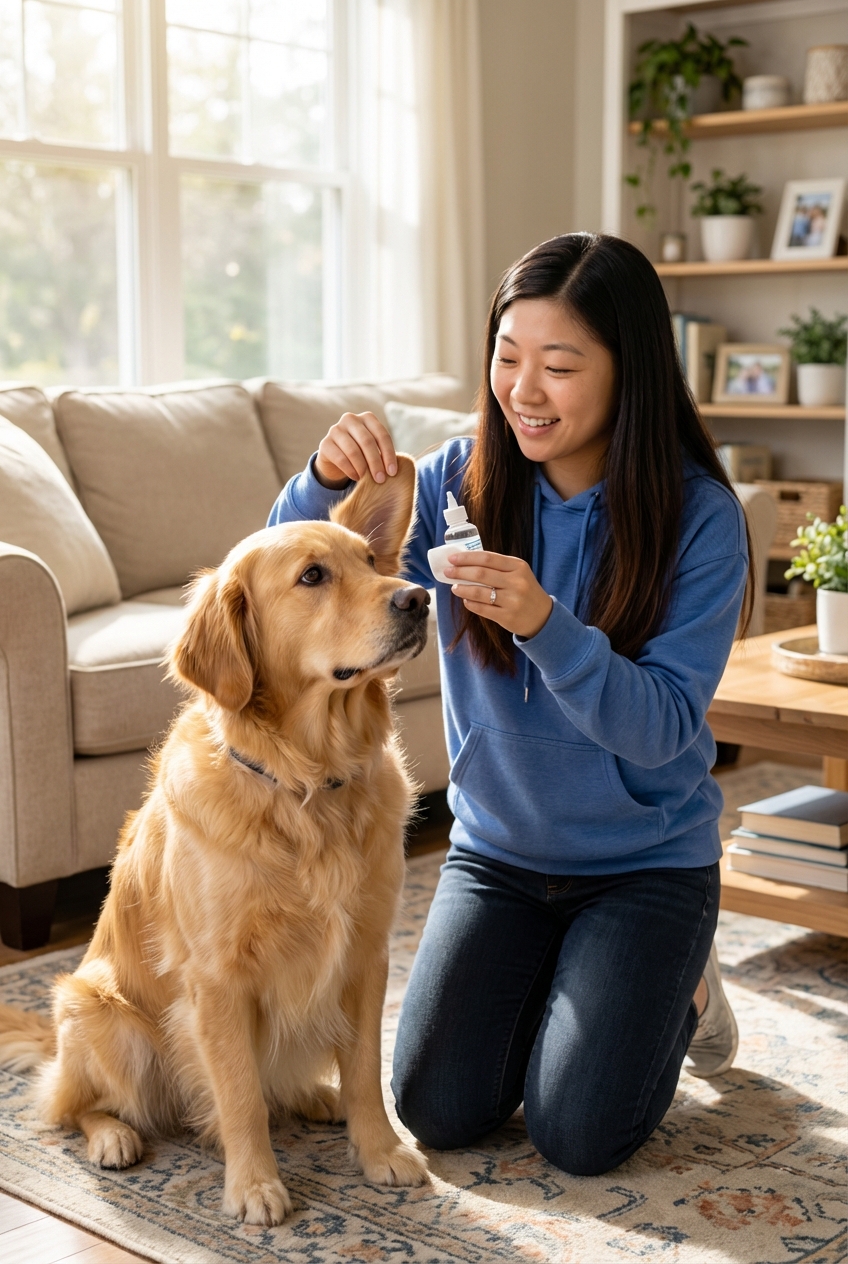
- Avoid putting any medication or home remedy into the ear unless your veterinarian tells you it is safe for your dog’s specific situation.
Reminder: itching and odor can be caused by yeast, bacteria, mites, allergies, or a combination. If your dog is not improving, it is time to check in with your vet rather than guessing.
When to see the vet
Please schedule a veterinary visit promptly if you notice any of the following. These situations often need prescription treatment and testing.
- Ear pain, crying, yelping, or resistance to touch
- Strong odor plus dark discharge in the ear
- Open sores, bleeding, or oozing skin
- Swelling of the ear flap, head tilt, loss of balance, or unusual eye movements
- Symptoms that are worsening at any point
- No improvement within a few days of basic drying and prevention
- Frequent recurrences (more than a couple of times a year)
Ear safety note: if your dog seems very painful, has a head tilt, or is acting off balance, do not put anything into the ear. Those signs can be more serious, and your dog should be seen urgently.
What your vet may do
- Ear cytology (microscope check of debris) to confirm yeast vs bacteria vs mites
- Skin cytology (tape prep or swab) for yeast and inflammation
- Prescription ear drops or topical antifungals
- Oral medication for widespread or stubborn cases
- Allergy plan (flea control, diet trial, or allergy meds) to prevent repeat infections
Prevention that helps
Prevention is about reducing moisture, reducing inflammation, and addressing the root cause.
Everyday habits
- Year-round flea prevention if your veterinarian recommends it, because fleas can trigger intense itching.
- Dry ears and paws after water exposure.
- Gentle bathing routine with products suited to your dog’s skin.
- Weight management to reduce skin folds and improve skin health.
Nutrition and itching
Diet does not cause every yeast flare, but for some dogs, food sensitivities can fuel chronic skin inflammation. If yeast keeps returning, ask your veterinarian about a structured elimination diet trial. It is one of the clearest ways to sort out whether food is part of the problem.
Quick FAQ
Is it contagious to other pets or people?
Usually no. Most canine yeast problems are due to overgrowth of normal organisms on that dog, not a contagious infection. That said, other issues that can look similar (like ringworm or mites) can spread, which is another reason diagnosis matters. Good hygiene is still smart: wash hands after cleaning ears or medicated baths, and keep bedding clean.
Can I use human antifungal cream?
Please check with your veterinarian first. Some products are unsafe if licked, inappropriate for ears, or can worsen irritation when the problem is bacterial instead of yeast.
Why does it keep coming back?
Recurrence is often due to allergies, moisture, or an endocrine issue. Treating the flare is important, but preventing the next one usually requires addressing the trigger.
Bottom line
Dogs absolutely get yeast infections, and in some cases they can worsen quickly, especially in ears and paws. If you are seeing signs like itching, redness, greasy skin, or that musty odor, you are not overreacting. Start with moisture control and breaking the lick cycle, then loop in your veterinarian for confirmation with cytology and targeted treatment. Once you find the underlying trigger, many dogs get lasting relief.
Medical note: This article is for general education and is not a substitute for veterinary diagnosis or treatment.